France: Lifestyle Choices That Quietly Change Your Taxes
Live the rhythms of France—markets, cafés, village fêtes—while planning for the taxes that change ownership costs; practical steps and sources to budget wisely.
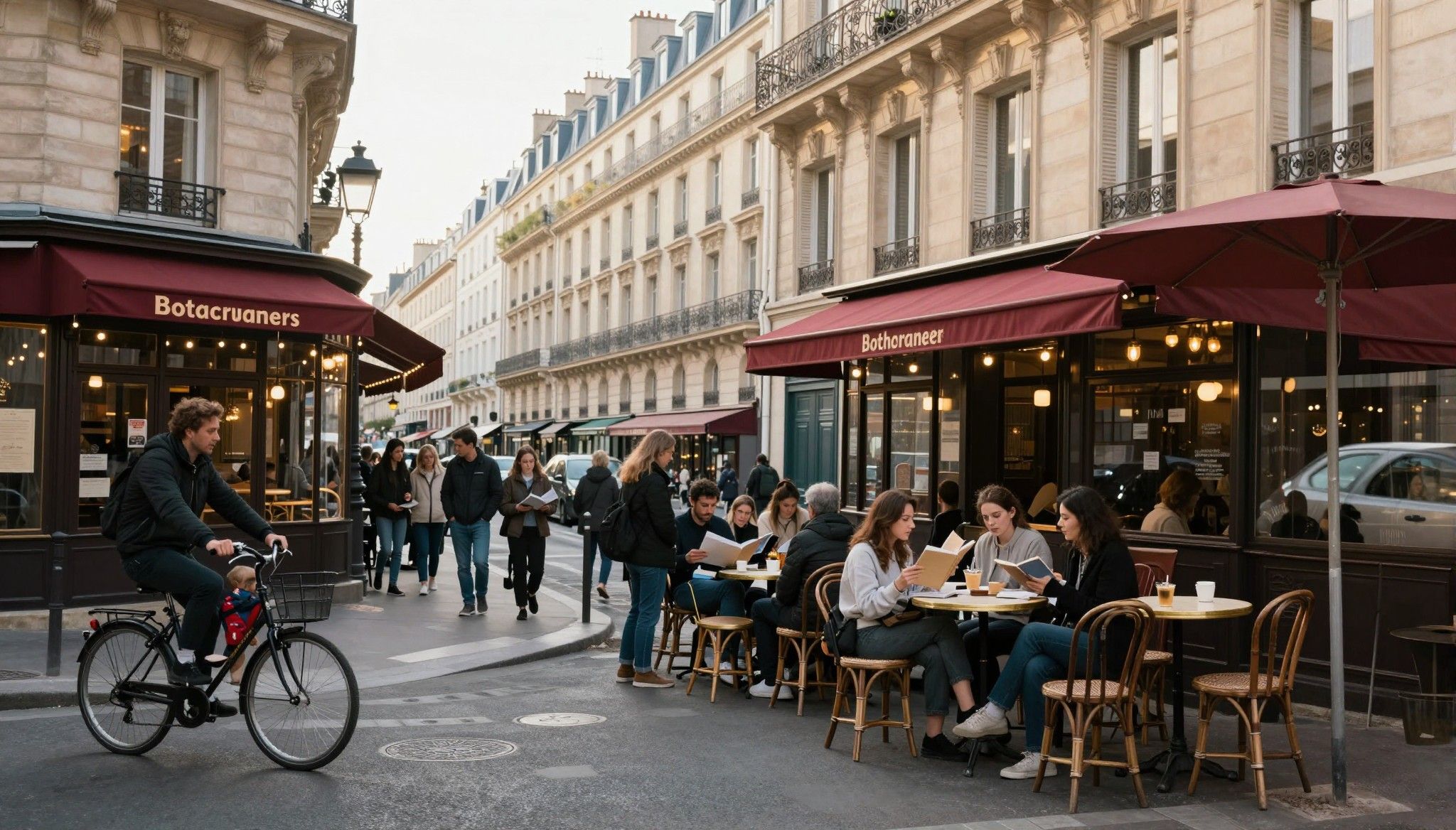
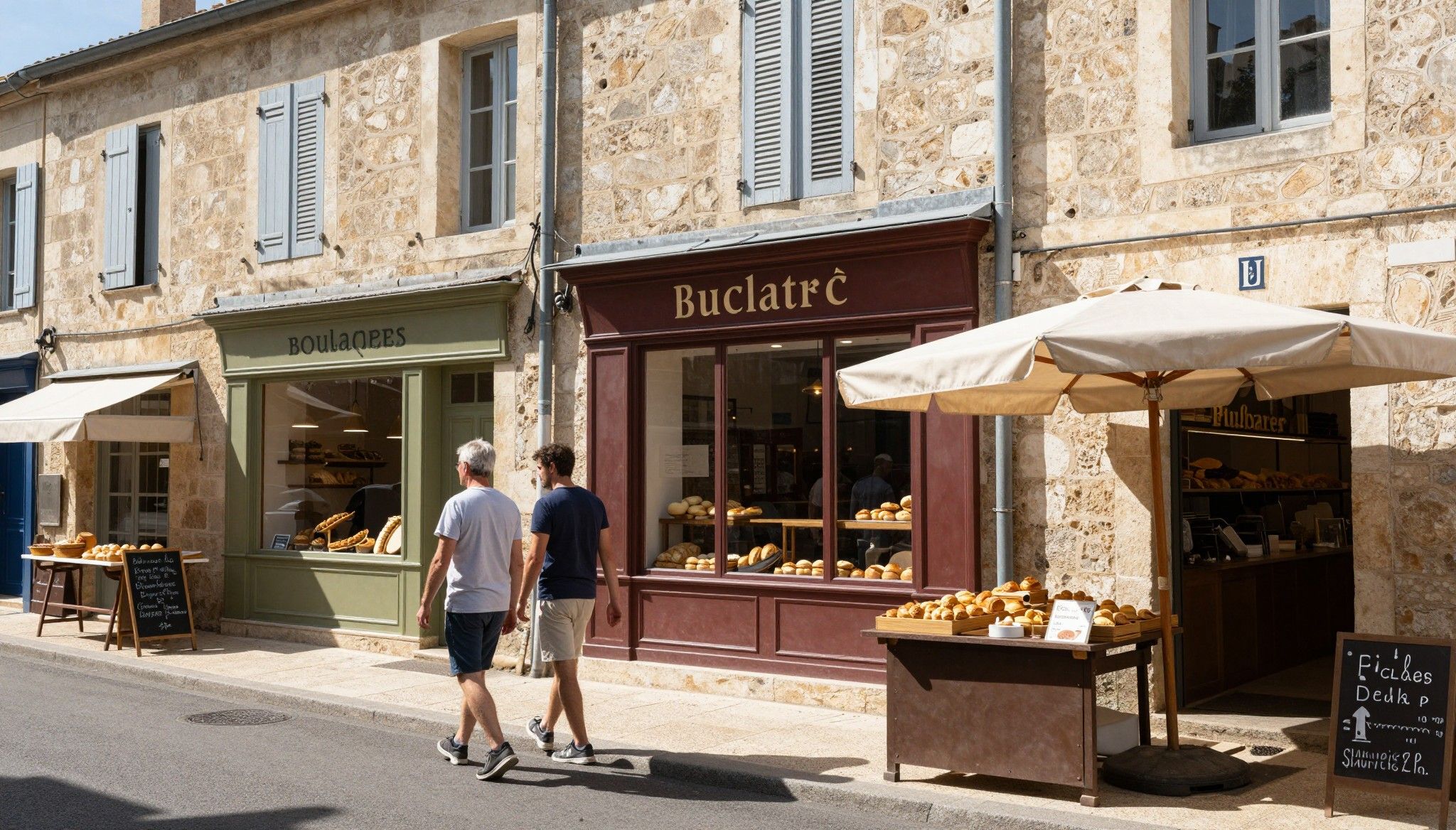
Imagine waking each morning to a boulangerie queue on Rue des Martyrs or wandering the light-washed stone lanes of Saint‑Rémy. In France the rhythm of daily life—markets at dawn, long lunches, neighbourhood cafés—shapes where you want to live as much as price per square metre. For international buyers this sensual, lived-in country can mask tax and legal nuances that quietly change the cost of ownership. This guide marries the pleasures of French neighbourhood life with the tax truths every buyer should meet before they sign.
Living the French Life: more than a postcode
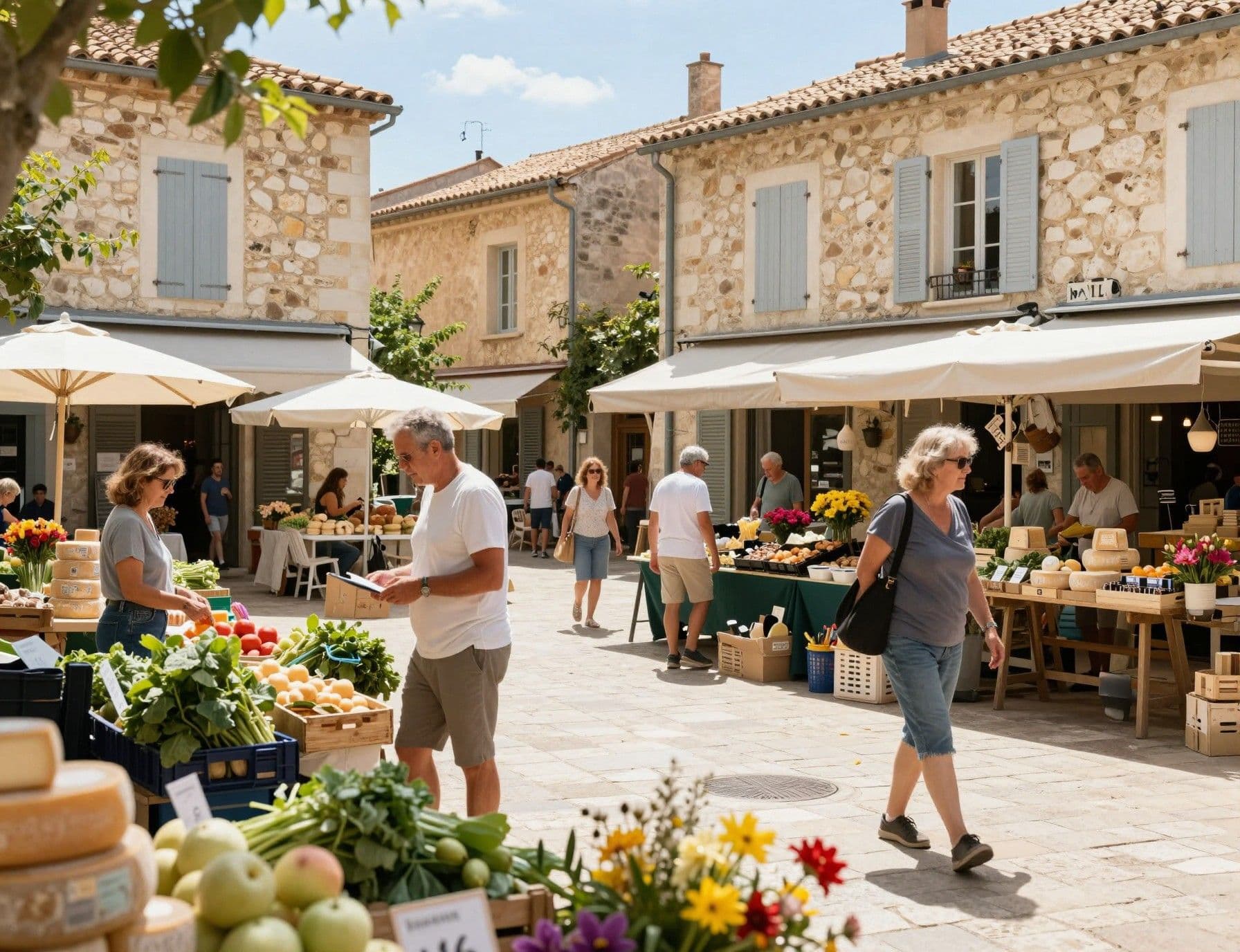
To live in France is to live by the hour: morning markets, aperitifs as the light softens, and an implicit respect for provenance and craft. Whether you choose a Haussmann flat on Boulevard Saint‑Germain, a stone farmhouse in Dordogne, or a Provençal mas near Saint‑Rémy, the neighbourhood dictates daily rituals—where you buy your cheese, which table at the café is yours, and how summers spill into terraces. These choices also determine tax exposures: a city pied‑à‑terre, a rural long‑weekender and a furnished rental all sit under different fiscal lenses. Treat lifestyle and tax as two sides of the same decision.
Paris and classic urban life: cafés, co-ownership and rules
In Paris the lived experience is intimate and vertical: narrow staircases, shared courtyards and syndic boards that steward common spaces. Many buyers are surprised that furnished rentals (location meublée) are governed differently from standard leases, with distinct regimes for tax and social levies; whether you intend short‑stay hospitality or long lets matters for administration and for the net return. Local agency knowledge of copropriété rules and Parisian micro‑markets preserves both lifestyle and compliance. Consult the tax administration guidance early if revenue is part of your plan.
Countryside and coast: renovation, heritage and seasonal life
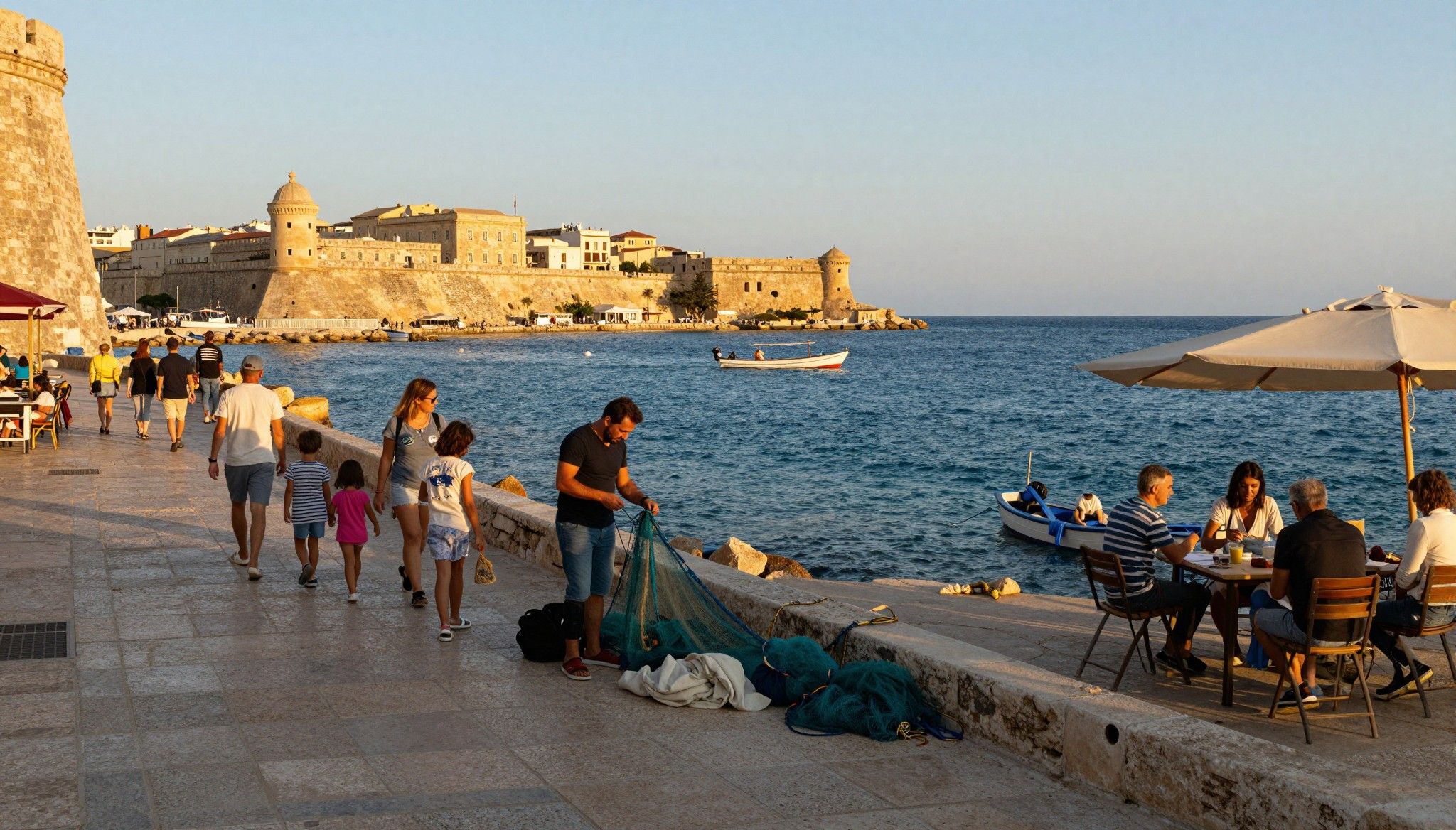
A stone longère in Brittany or a Provençal mas offers space, provenance and a slower calendar of markets and village fêtes. Restoration and energy works influence local taxes—some renovations qualify for temporary abatements or local reliefs—and they also affect future capital gains calculations. Regional rhythms matter: buying to enjoy truffle season in Dordogne has a different tax flavour than buying to host summer rentals on the Côte d'Azur. Practical stewardship—certified restorers, energy diagnostics and a notaire versed in rural parcels—keeps the charm while containing cost.
Making the move: taxes that quietly change the math
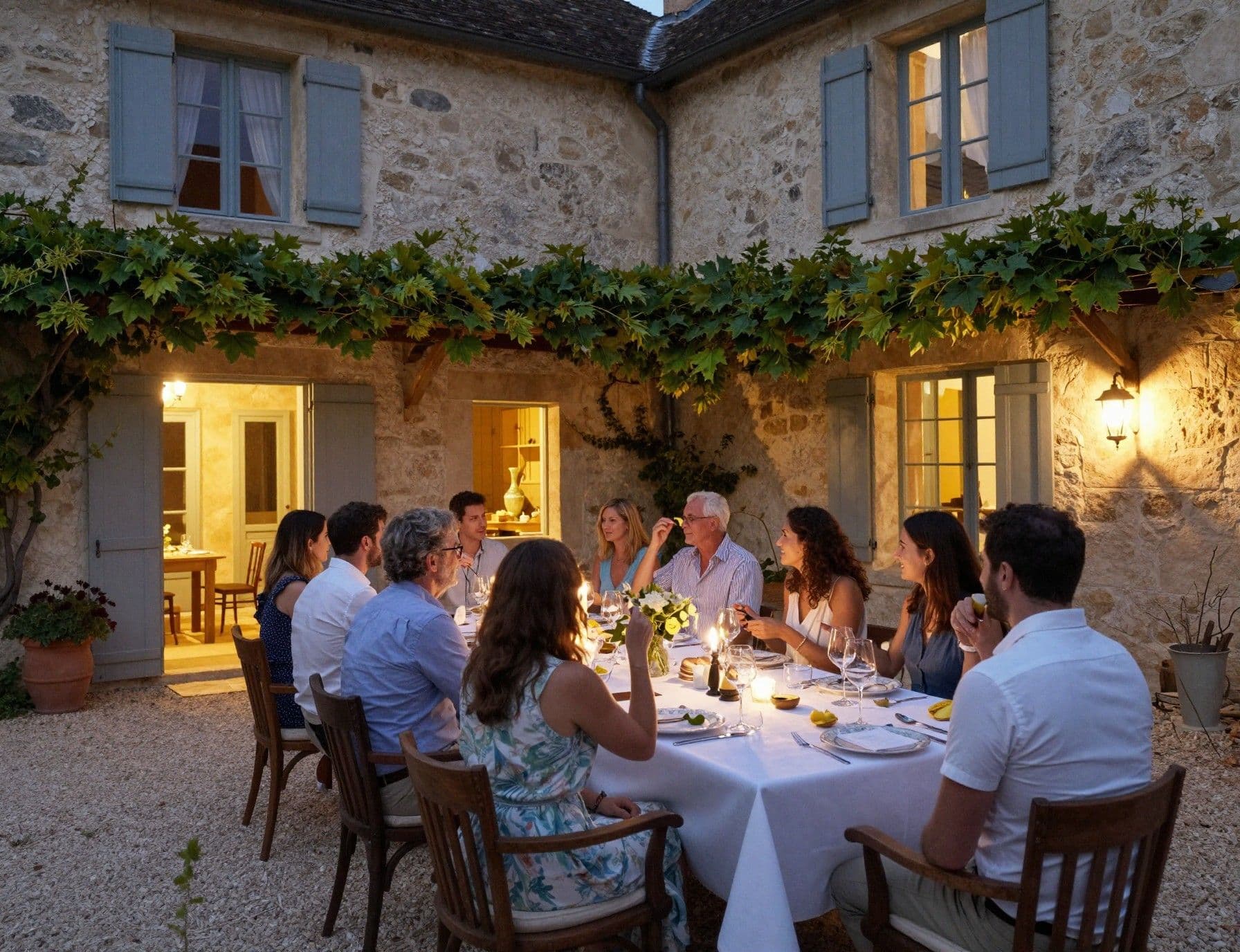
Lifestyle decisions map directly onto fiscal realities. Non‑resident owners pay French tax on French‑source rental income and capital gains; principal residence exemptions and holding periods can materially reduce or eliminate gains tax for residents but differ for non‑residents. Local property taxes—taxe foncière and, where applicable, taxe d'habitation on second homes—are recurring costs that depend on commune valuations and recent national reforms. Early conversations with a notaire and a fiscal adviser focused on cross‑border clients avoid surprises at sale or during rental activity.
Key taxes to budget for
Plan beyond the purchase price: stamp duties and notaire fees at sale, annual taxe foncière, possible taxe d'habitation for second homes or occupants, income tax on rentals and social charges on certain receipts, and capital gains tax rules at disposal. Recent official guidance clarifies that social contributions can apply to property income for non‑residents; the exact burden depends on treaty provisions with your tax residence. Accurate budgeting considers both immediate purchase costs and a conservative annual ownership estimate.
Practical steps before you sign
1) Commission a energy performance diagnostic and land registry extract to reveal hidden obligations and likely renovation needs. 2) Ask the notaire for a breakdown of acquisition costs (droits de mutation, notaire fees) and expected local taxes. 3) Check double taxation treaty provisions between France and your country to understand crediting of French tax against home country liabilities. 4) Obtain a written estimate of rental yield net of social contributions if you plan to rent; include seasonal vacancy. 5) Where inheritance planning matters, review French forced‑heirship rules with counsel.
Insider knowledge: habits, ideas and common missteps
Expats often arrive charmed and then discover administrative cadence: welcome meetings with the mairie, mairie‑led local taxes, and a conservatism of paperwork that rewards patience. Common missteps include under‑estimating annual local taxes, treating renovation budgets as negotiable, or assuming principal residence relief will apply to a non‑resident sale. Those who succeed combine a clear lifestyle brief with the right local team—notaire, fiscal adviser, and an agency that understands both architectural taste and regulatory detail.
Cultural and community realities
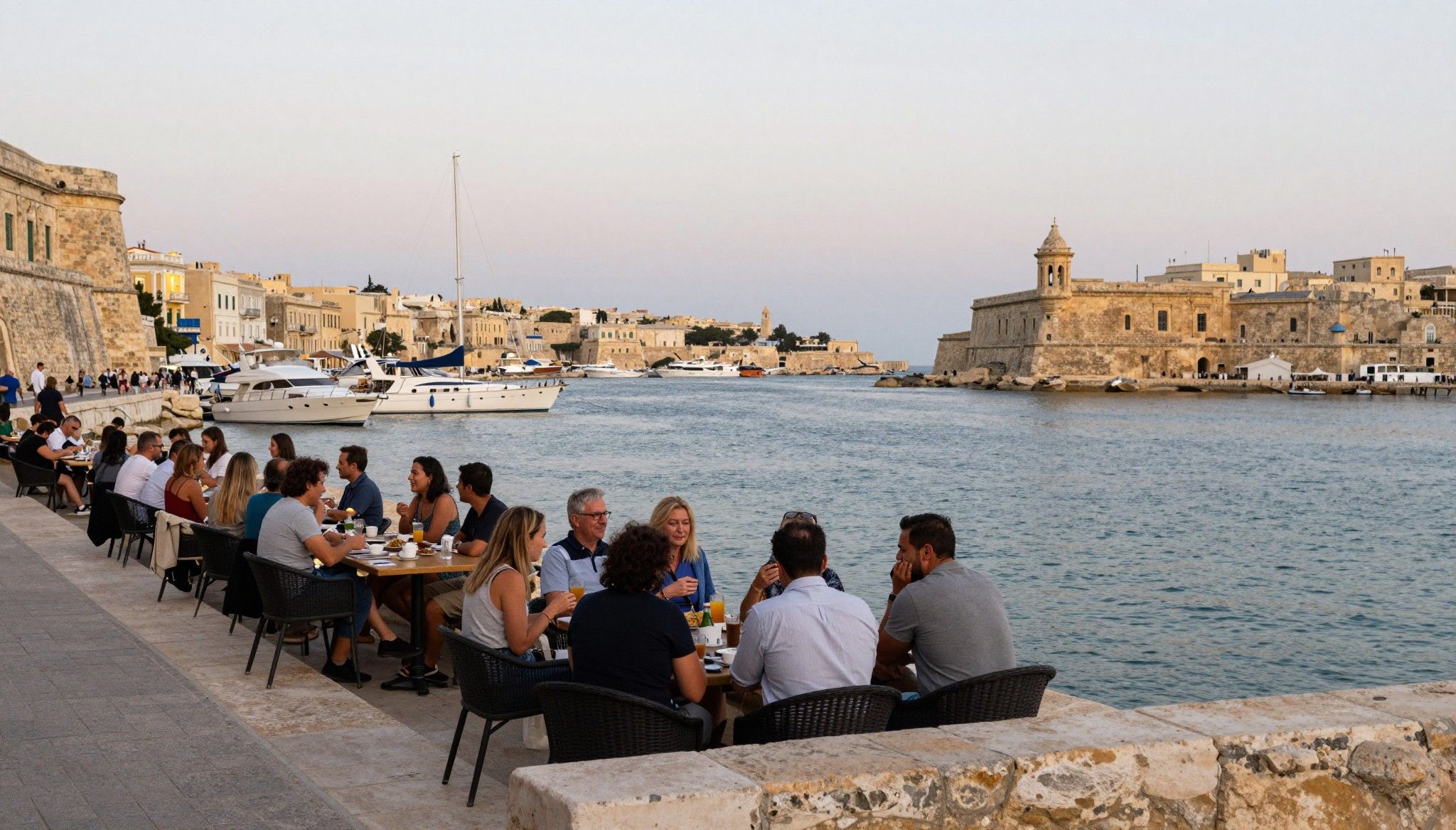
France prizes rootedness: long tenancy relationships in villages, communal fêtes, and an expectation that homeowners participate in local life. Language matters less than respect for local norms; a few phrases and the willingness to shop at markets will open doors. For buyers intent on stewardship—restoring a village house or supporting local artisans—the community returns more than comfort: it often eases planning processes and secures better contractors. That social capital can be as valuable as any tax break.
Local red flags to watch for before purchase:
• Missing or dated diagnostics (DPE, asbestos, termites) that increase renovation cost risk. • Unresolved copropriété charges or large special assessments in city apartments. • Land registry ambiguities or access easements on rural parcels. • Planning restrictions in protected zones (ABF) that limit works and raise costs. • Over-optimistic rental yield estimates that ignore social charges and seasonal vacancy.
When the dream becomes purchase, choose advisors as carefully as you choose streets. A notaire explains transfer duties and certifies title; a fiscal adviser decodes treaty effects and social charge exposure; a local agency translates lifestyle into a shortlist of properties that meet both aesthetic and fiscal briefs. Begin with a costed plan that pairs desired neighbourhoods—Le Panier in Marseille, Île de Ré’s harbour villages, or the medieval heart of Sarlat—with their likely tax profile so that the life you imagine is also the life you can afford.
A measured close and next steps
France rewards patience: the best properties are not always the loudest listings, and the best tax outcomes come from planning not improvisation. Begin with a visit during the season you intend to live there, consult a notaire before signing, and ask your agency to provide recent examples of how taxes and local charges affected total cost of ownership. With careful stewardship you can enjoy market‑tested French life—market mornings, quiet summers in a shaded courtyard, winters warmed by a proper hearth—without fiscal surprises.
Dutch former researcher who moved to Lisbon, specialising in investment strategy, heritage preservation, and cross-border portfolio stewardship.