France: Lifestyle First, Legal Stewardship Second
A sensorial portrait of life in France tied to legal realities: how notaires, local rules and inheritance law shape the dream and secure ownership.
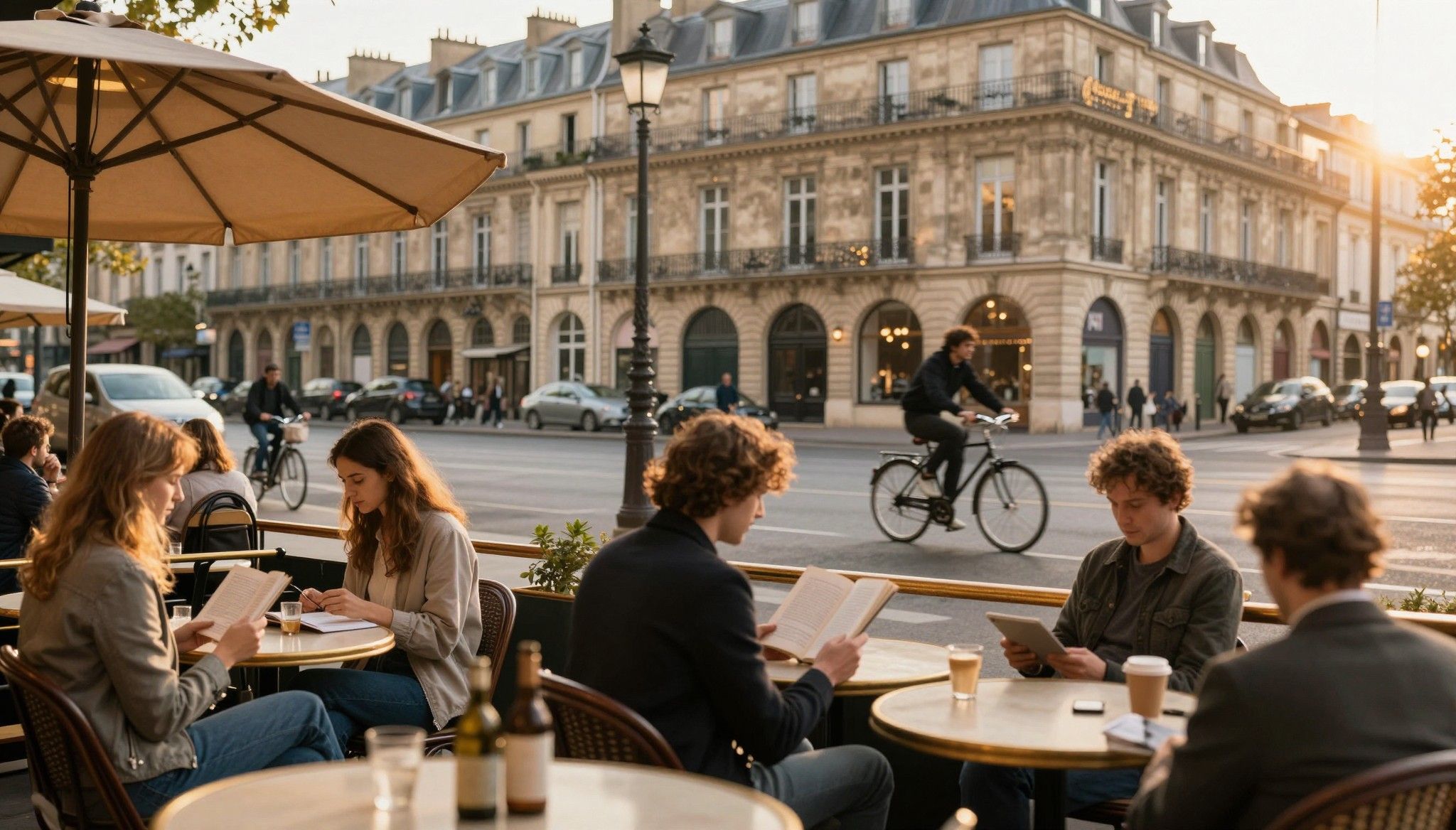
Imagine a late‑morning marché in Aix‑en‑Provence where the air is warm with lavender and the boulangerie on Rue Espariat slides a cooling fougasse into your hands. Picture a calm Sunday on Île de Ré, bicycles leaning against salt‑white houses; or an early autumn stroll beneath plane trees on Boulevard Saint‑Germain, where neighbourhood bookshops still decide the rhythm of the day. For many international buyers the romance arrives first; the practicalities follow. This guide ties that first, tangible affection to the legal realities of owning property in France so you can move from longing to confident ownership.
Living the French Life — what really changes
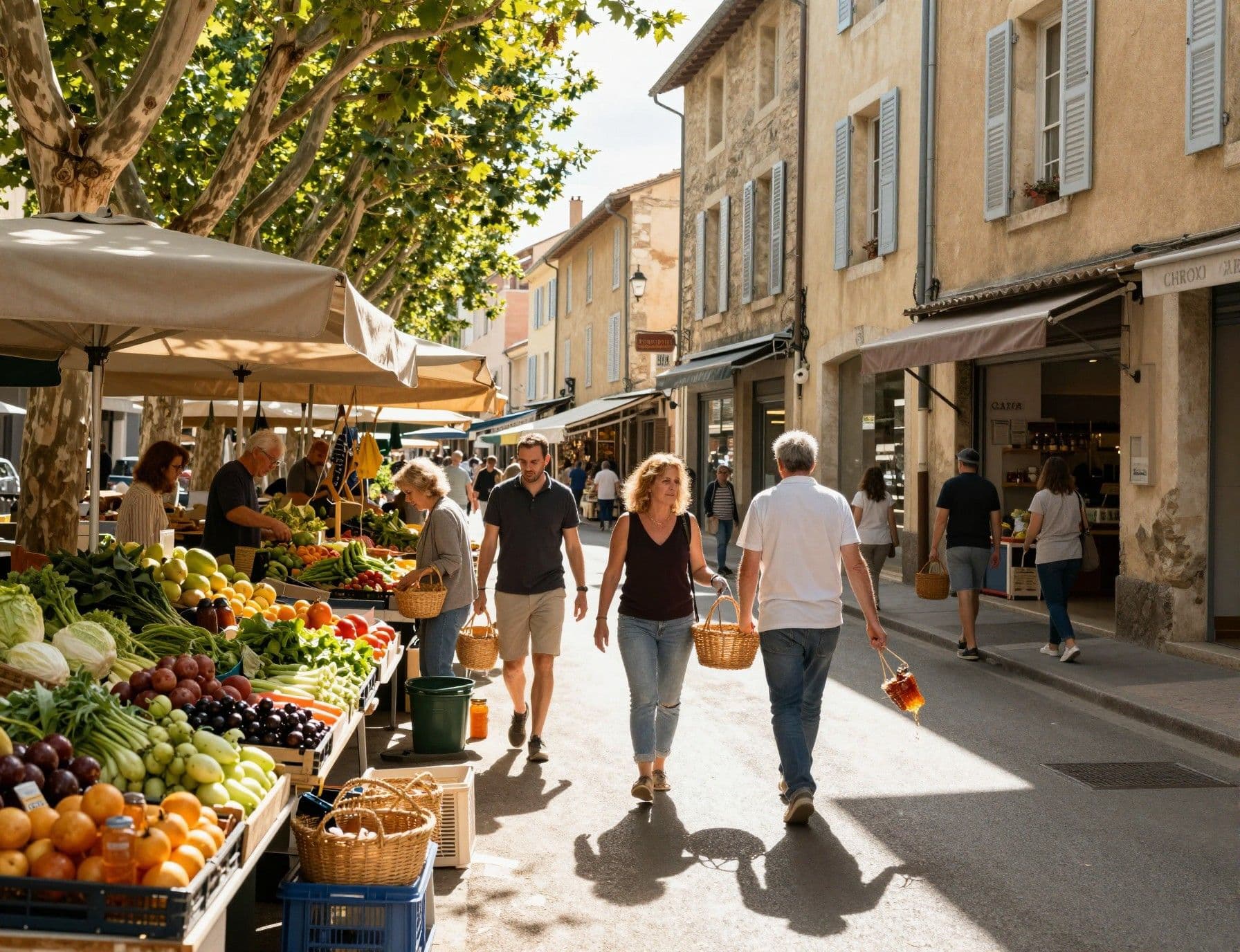
Daily life in France is arranged around small rituals: market runs, coffee at the corner café, and the certainty that public calendars — mayoral fêtes, brocantes, harvests — will punctuate the year. These rituals affect where you want to live as much as price per square metre; proximity to a weekly market or a reliable boulanger can transform a neighbourhood. French municipal life is formalised: planning constraints, local servitudes and communal calendars shape prospects for renovation and rental alike. Before an offer, check the mairie’s urbanisme service and national guidance so local character becomes an asset rather than a surprise.
Neighbourhood portraits: Provence, Paris Left Bank, the Atlantic coast
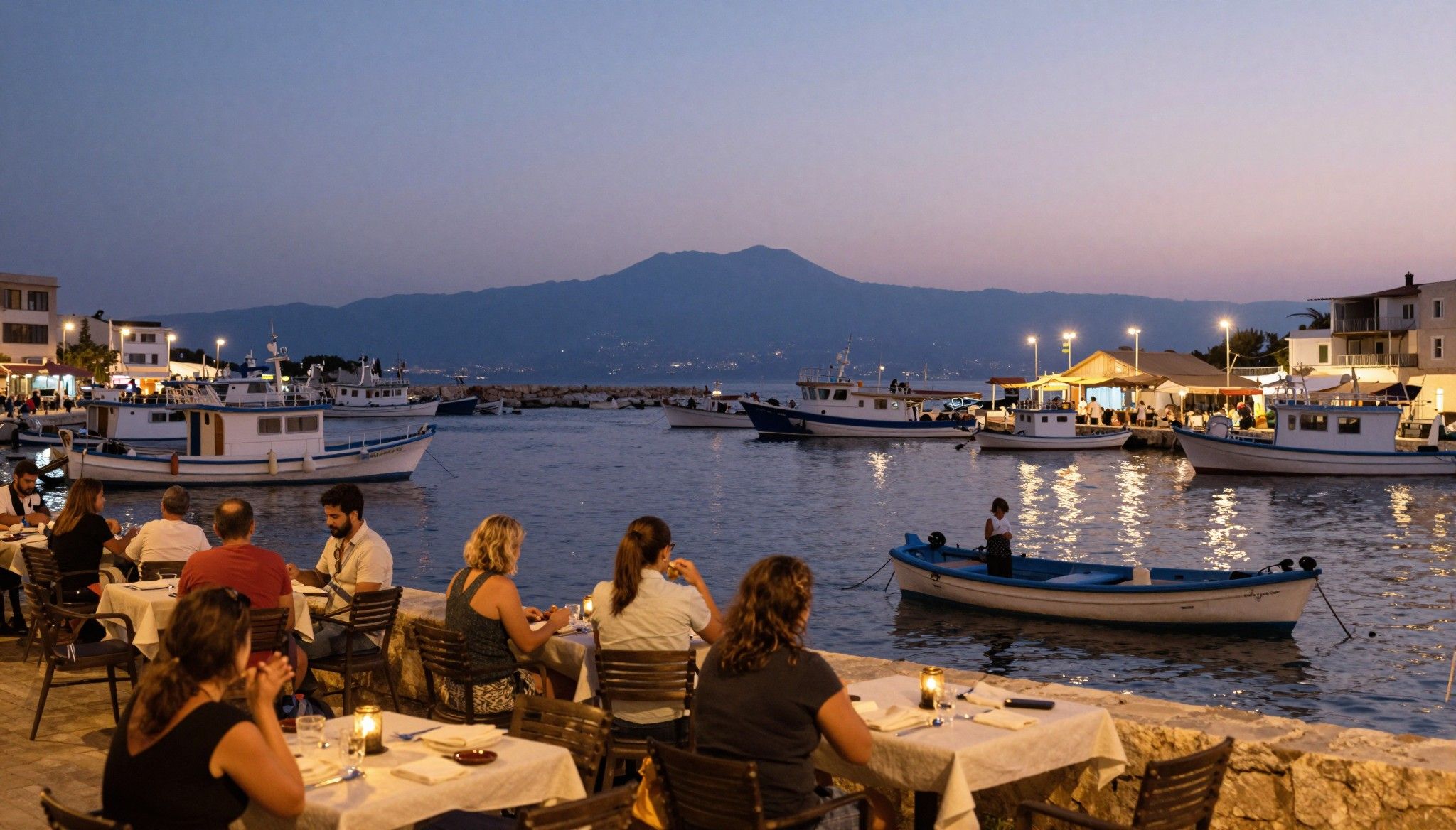
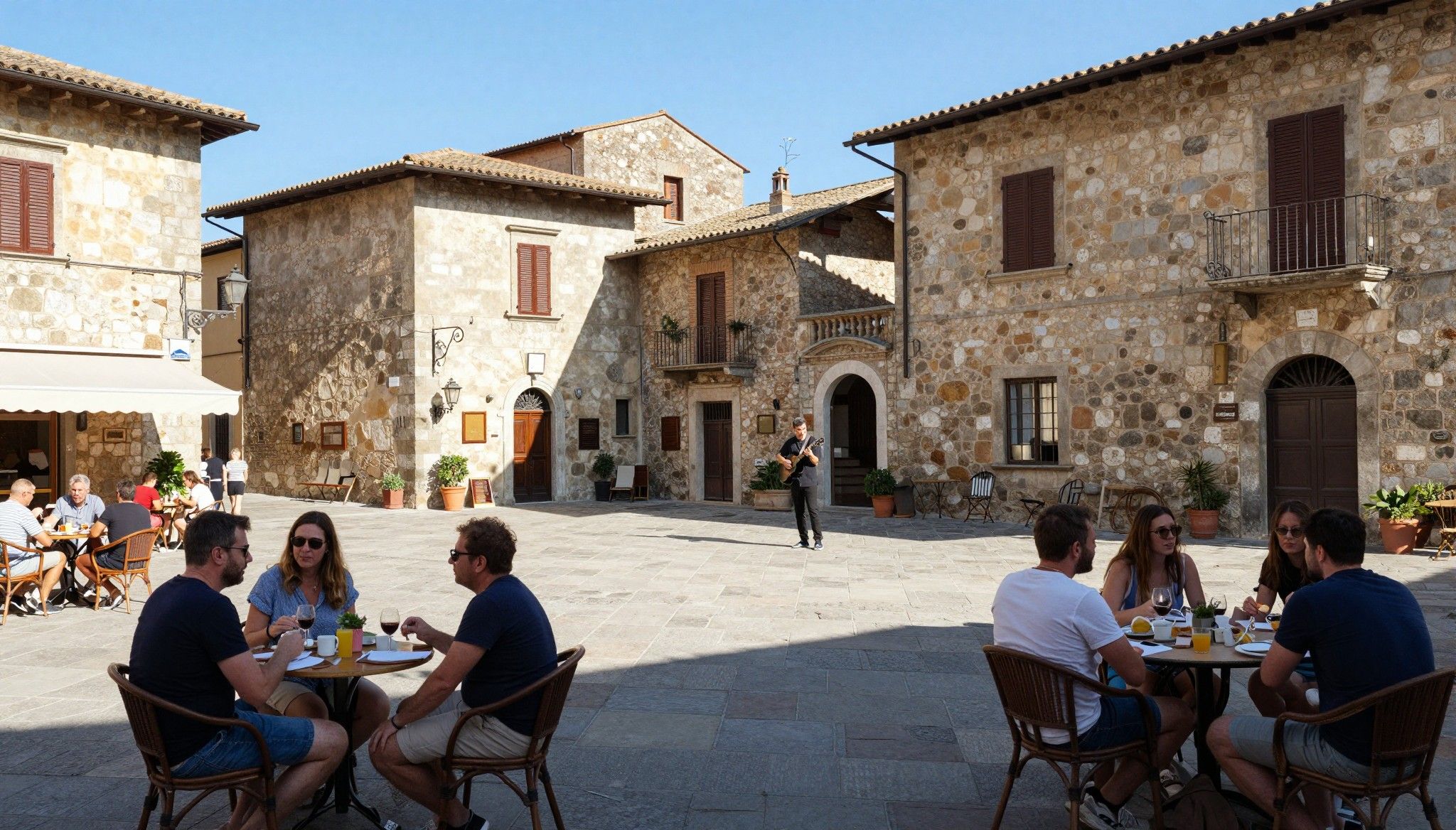
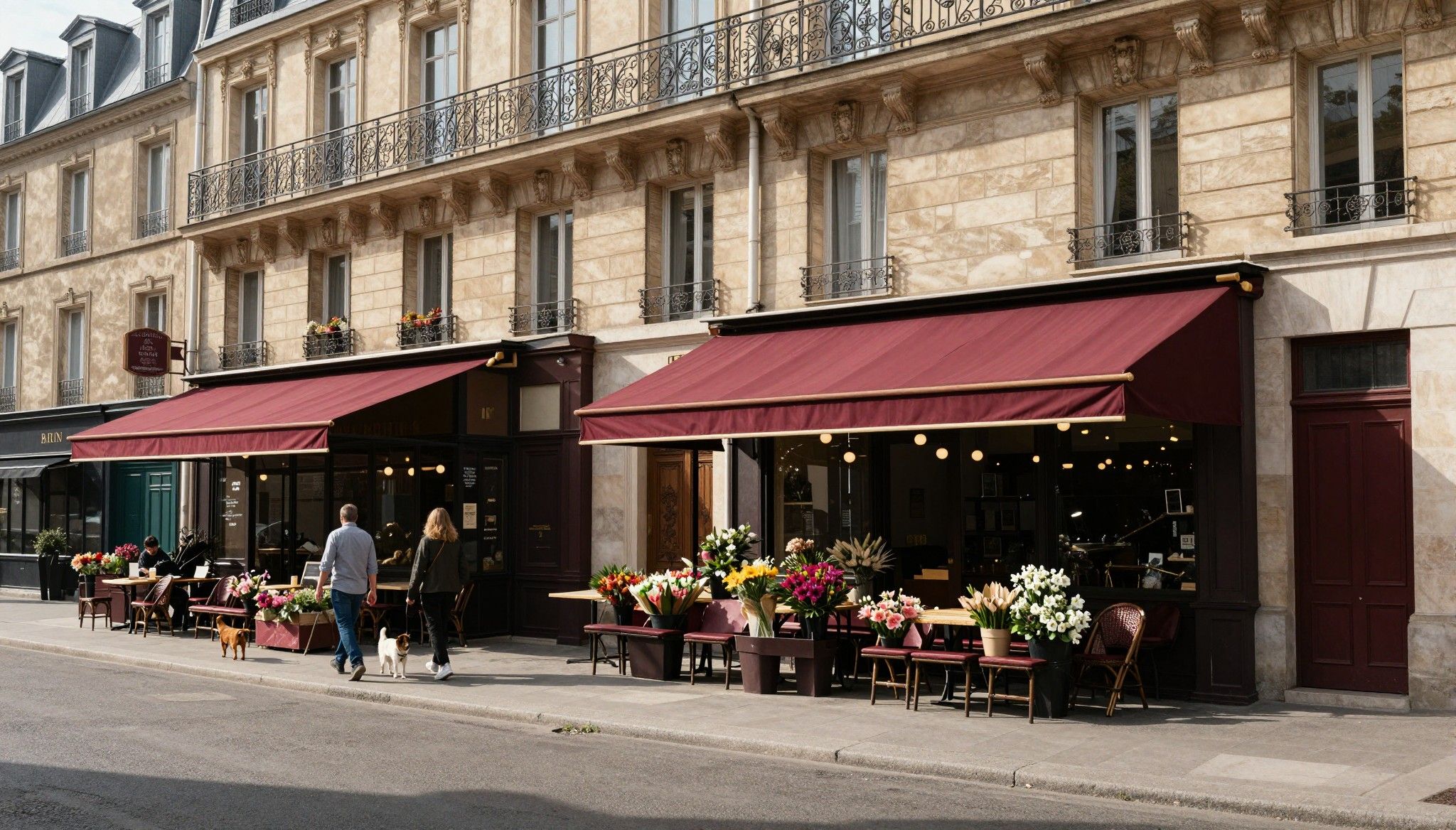
Provence offers sun‑lit stone houses, shaded courtyards and a slower afternoon cadence; the compromise is seasonal tourism and summer service rhythms. The Left Bank in Paris provides compact apartments with high‑ceilinged rooms, discreet garden courtyards and a culture of cafés that carry conversation late into the evening, at a price for intimacy and centrality. The Atlantic coast from La Rochelle to Biarritz trades the sculpted calm of oyster ports for wind‑built dunes; properties there reward lovers of outdoor life and tolerant maintenance budgets for salt and storm exposure. Each setting requires different stewardship and a realistic view of what maintenance and local regulation will demand.
Food, markets and seasons — the practical romance
Markets and food culture are not mere aesthetics; they shape daily routines, rental attractiveness and even renovation choices — a kitchen sized for convivial Sunday meals is a different investment to a functional pied‑à‑terre kitchenette. Seasonal surges in demand will affect short‑term lettings and service availability, from builders to gardeners. Notaire transaction reports and regional notes are useful when estimating local demand and turnover, especially in highly seasonal towns. Plan for a home that supports how you will really live in France, not only the image you fell in love with.
Making the move: legal realities that protect the life you want
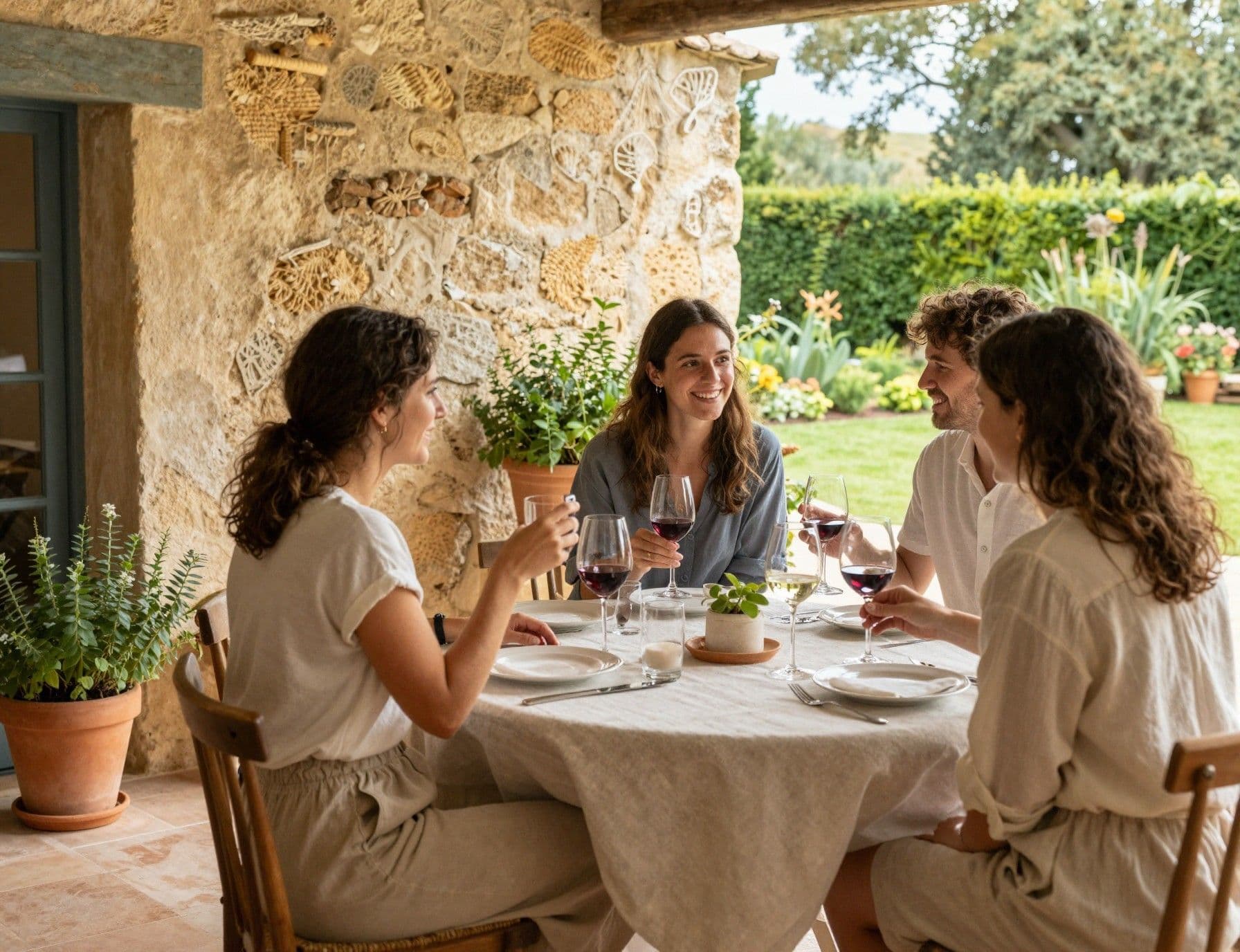
The law makes no blanket distinction between nationals and foreigners when it comes to acquisition — you may buy in France regardless of nationality — but the form and fiscal consequences follow French rules. Notaries (notaires) play a central, impartial role: they verify title, register deeds and collect taxes at the point of sale, providing a legal certainty unique to the French system. Expect formal documents, certified translations where required, and a preference for written, notarised commitments rather than verbal assurances. Early engagement with a local notaire and an agency accustomed to international clients will smooth timing and clarify costs.
Property types and what they mean for ownership
A village maison with a garden implies different legal checks than a Parisian appartement in copropriété. Co‑ownership (copropriété) brings monthly charges, syndic governance and required diagnostics that affect livability and upkeep; country houses bring servitudes, cadastral histories and potential heritage protections. New builds (VEFA) follow construction guarantees and VAT regimes, whereas old stone houses require careful diagnostic attention to lead, termites, and energy performance. Match the building type to the life you intend to lead: entertaining, year‑round living, or seasonal use — each choice influences permits, insurance and future resale.
Working with local experts who protect the lifestyle you imagine
A curated team reduces friction: a bilingual agent who knows the lane‑by‑lane market; a notaire who explains the deed and fiscal timing; a local architect familiar with municipal constraints; and an accountant knowledgeable in non‑resident taxation. Agencies that specialise in provenance and restoration will better value properties whose worth lies in original fabric rather than contemporary finishes. Insist on an English‑language summary of critical documents and a transparent fee schedule before committing to viewings. This combination secures both the life you want and the legal structures that sustain it.
Insider knowledge: lesser‑known legal traps and cultural truths
Forced heirship in France means that estate plans which feel ordinary in common‑law countries may be limited here; the law protects children’s reserved portions and affects long‑term succession planning. For non‑resident owners this matters both now and for heirs later; a clear will drafted with French and home‑jurisdiction advice prevents disputes. Taxation of rental income, local property taxes and the mechanics of declaring French property from abroad are administratively precise — impots.gouv.fr is the definitive reference and should be consulted early. These rules reward planning; without it, your cherished house may not pass to descendants as you expect.
Practical red flags and lifestyle trade‑offs to watch for
- • Title irregularities: old sales or undocumented partitions may take months to clear and affect your renovation plans. • Copropriété debts: an attractive apartment can carry deferred charges that become your responsibility after purchase. • Heritage restrictions: listed façades and classified interiors preserve character but limit alterations and increase restoration costs. • Seasonality: properties in resort towns can have high yields but require heavier management and local familiarity. • Inheritance law quirks: without early planning, forced‑heir rules can frustrate cross‑border estate intentions. Address these matters immediately; each item has a practical remedy when handled with the right advisors.
Steps to move from dream to deed
- 1. Visit with intention: spend time in the neighbourhood across different days and seasons to sense service rhythms and noise patterns. 2. Commission local searches: order a title search, local urbanisme extract and copro diagnostics through a notaire before making an offer. 3. Secure finance clarity: if you seek a French mortgage, get a pre‑approval and ask banks about document translation and cross‑border income treatment. 4. Draft dual legal advice: engage a French notaire and an adviser in your home jurisdiction to align estate plans and tax obligations. 5. Plan stewardship: set a maintenance budget, identify local craftsmen and decide on management for seasonal letting or year‑round living.
Owning in France is an exercise in stewardship as much as acquisition. The house you buy will keep cultural memory, absorb seasons and ask for careful attention; while paperwork and legalities are not romantic, they secure the life you imagined. Begin with taste and finish with tenure: let lifestyle desires guide the search, and let notaires, municipal records and local experts translate desire into durable ownership. When you pair an appreciation for provenance with measured legal advice, the result is a property that feels inevitable — not accidental.
Former Copenhagen architect who relocated to Provence, offering relocation services, market analysis, and a curator’s eye for authentic regional design.