How to Finance the Life You Want in Cyprus
A lifestyle‑led guide to financing a life in Cyprus: where to prioritize location, how local lenders treat foreigners, and the practical steps that preserve both joy and capital.
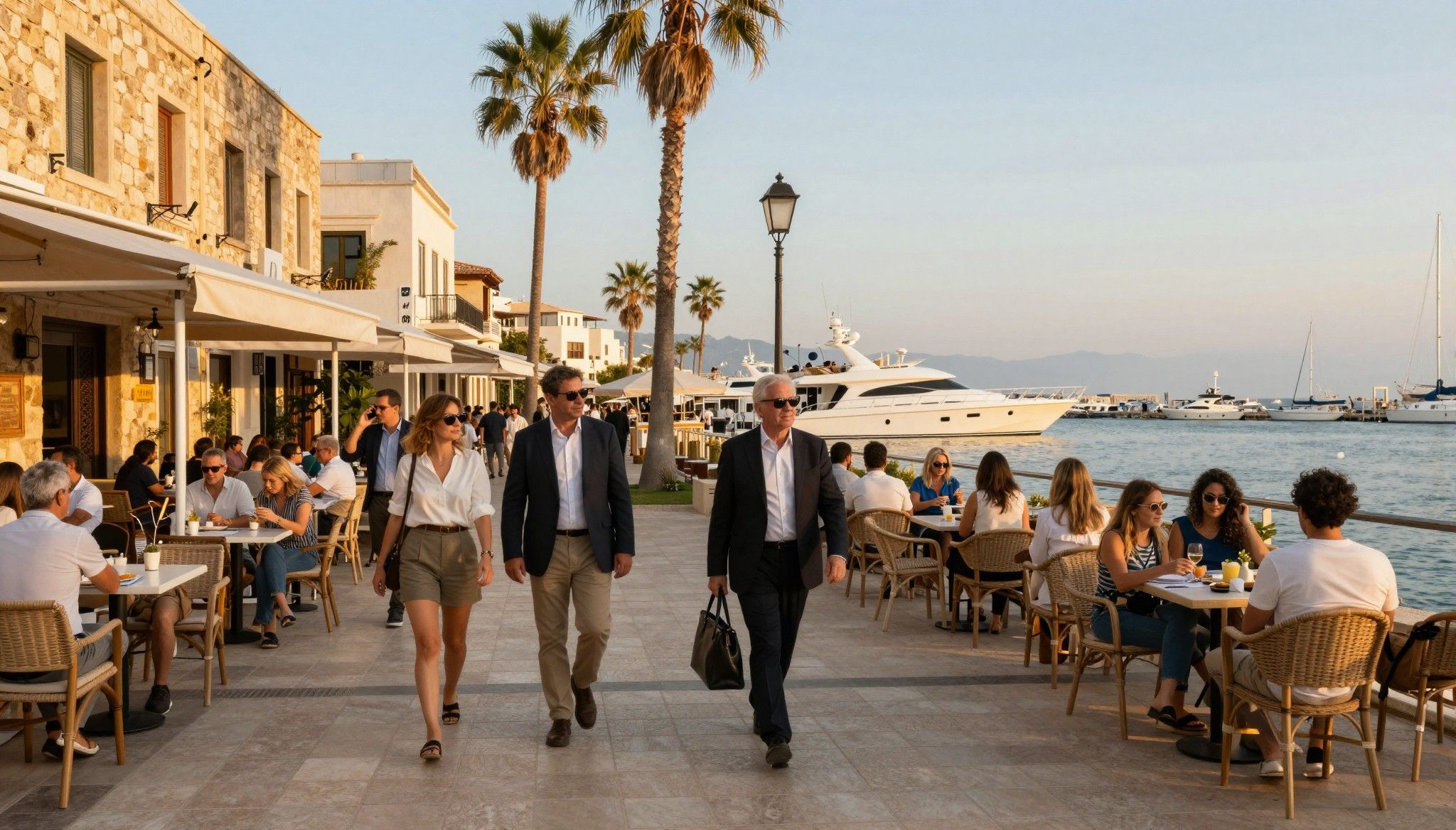
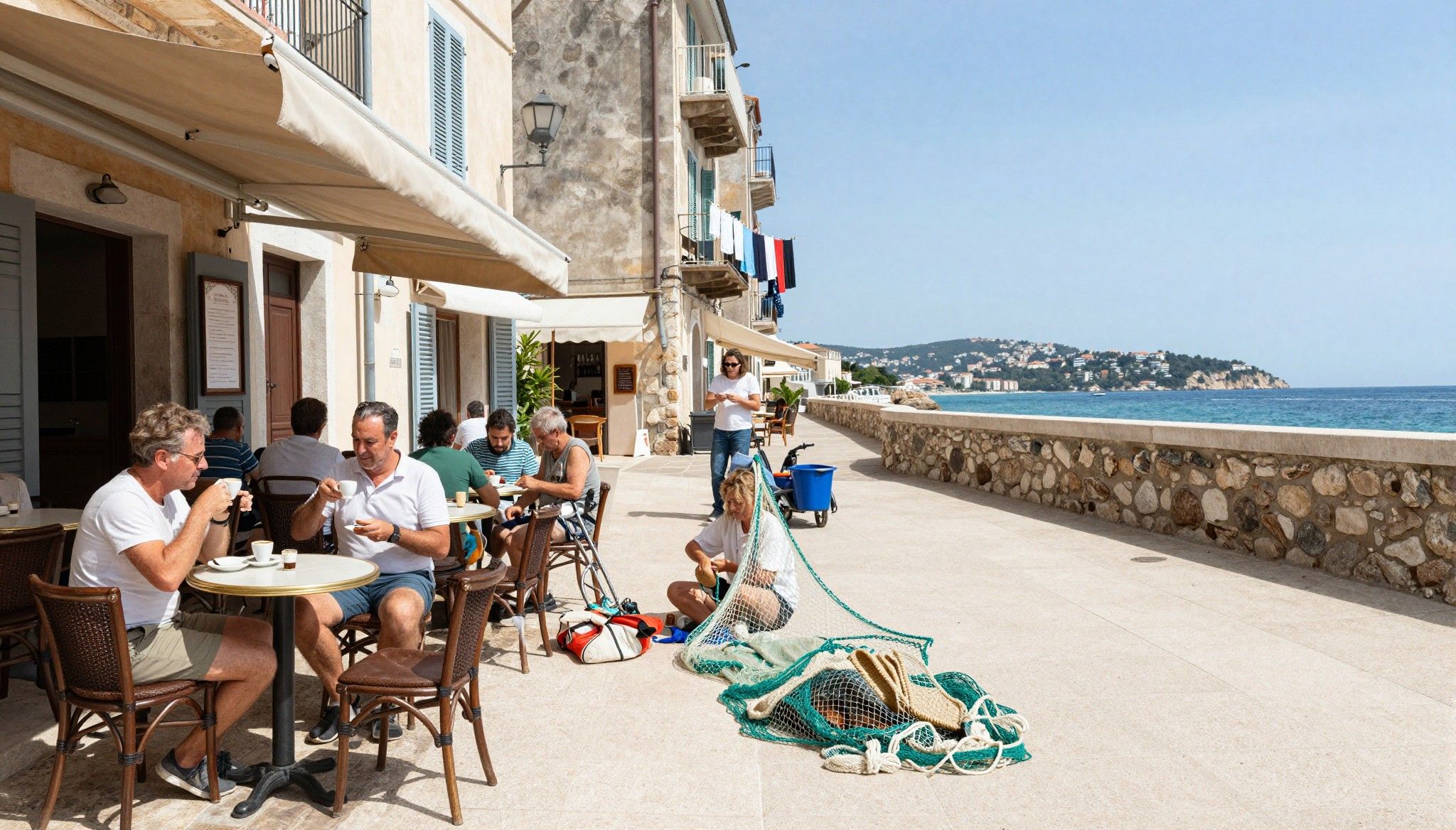
Imagine late-morning coffee at a stone‑paved table on Limassol’s Molos, the sea a muted turquoise, neighbours greeting each other by name and a nearby architect restoring a townhouse with original timber shutters. Cyprus, more than a destination, is a rhythm: slow enough for ritual and precise enough for purposeful investment. Yet the question most readers whisper is practical: how do I pay for a life like this without losing the life itself?
Living Cyprus: light, mise‑en‑scène and everyday particularities
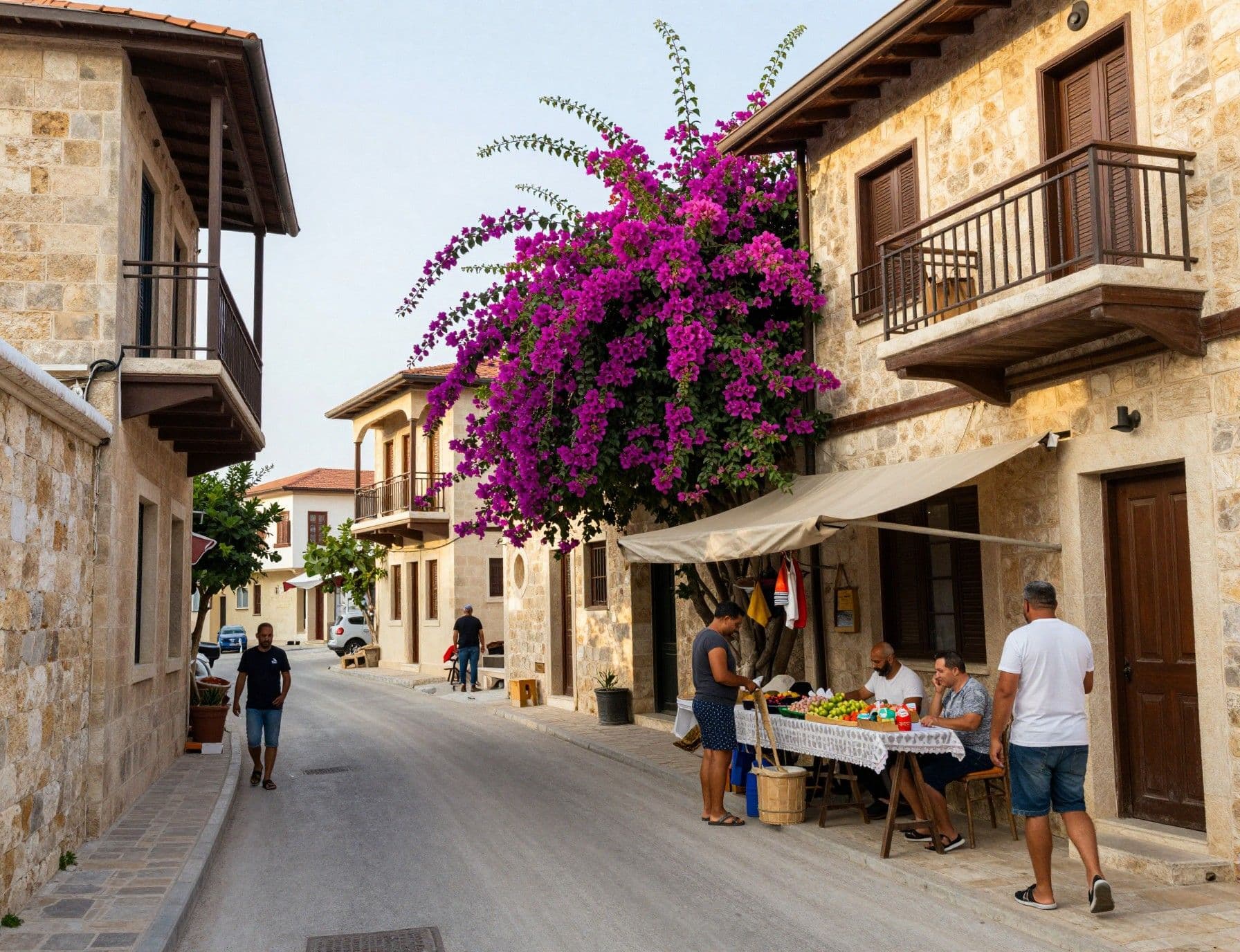
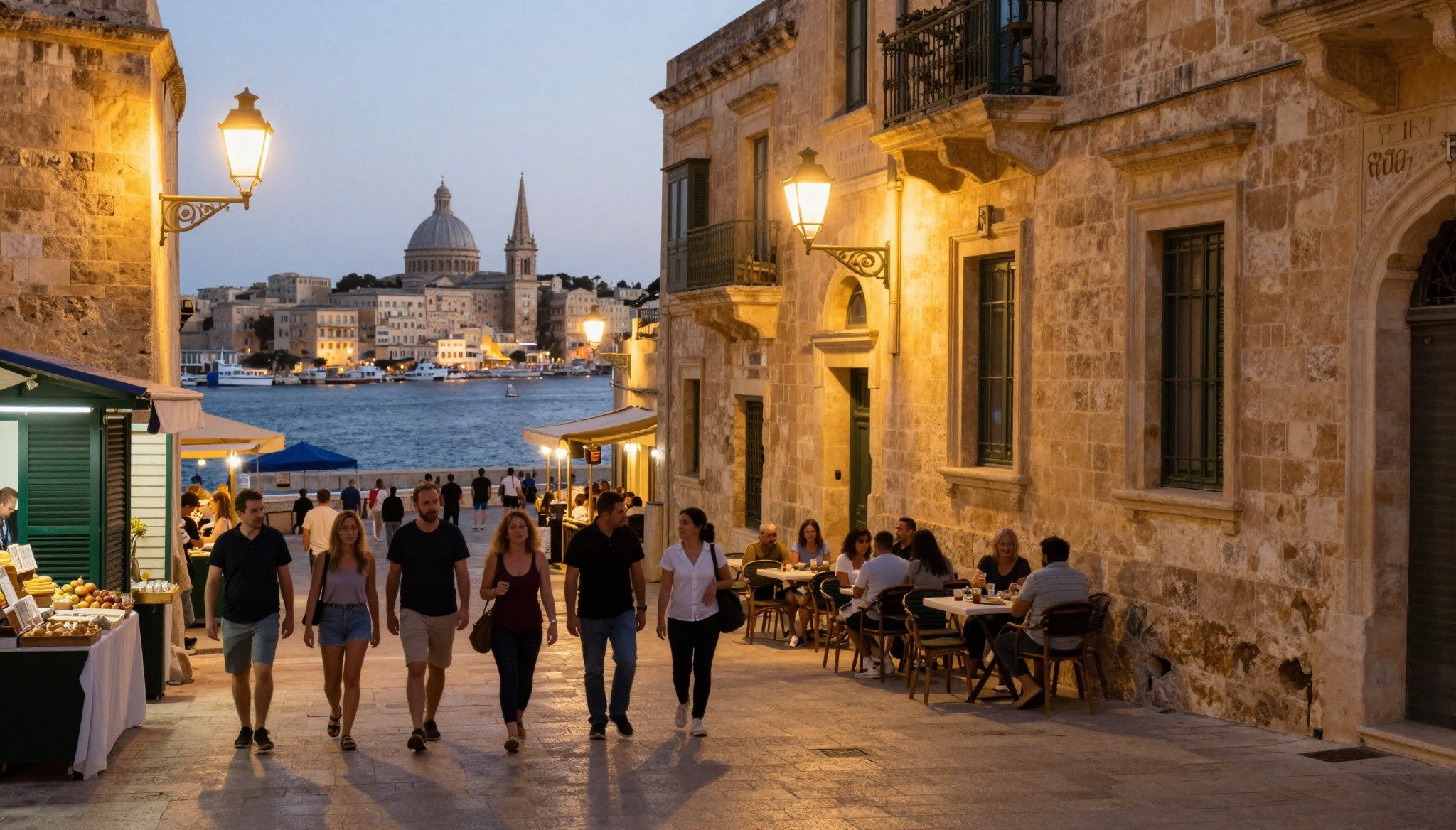
Cyprus is sunlit texture: limestone facades warmed by late afternoon light, vineyards drifting up narrow slopes near Omodos, and mornings in Nicosia where cafés open to a quieter, civic centre. Those who relocate here speak of two immediate impressions — the scale of the sea and the intimacy of place — and both shape what type of property makes sense. Rising price indices in recent quarters reflect real demand in Limassol, Larnaca and pockets of Paphos, meaning timing and source of finance materially affect value preserved over time.
Limassol and its coastal ateliers
Limassol is for those who want the sea and a metropolitan pulse: marina promenades, contemporary apartments with deep terraces, and small bakeries on Agias Fylaxeos. For buyers seeking provenance, look to the older blocks between the marina and Palodia — buildings with original rendered cornices and potential for careful restoration rather than blank-slate newness.
Paphos, villages and the slow‑mend of life
Paphos and inland villages offer slate roofs, narrow lanes and an intimate community life. Here, lower per‑square‑metre entry points can be real advantages for buyers prepared to steward a traditional house. Expect a different set of priorities: water provisioning, repair of stonework and a slower rental market, but a reward of authentic neighbourhood life.
- Neighbourhood and lifestyle highlights: • Limassol marina promenade and Agias Fylaxeos bakery • Nicosia’s old city cafés and pedestrian mornings • Omodos village wine routes and weekend markets • Coral Bay beaches near Paphos for quiet seasonal life
Making the move: the financing realities that shape your lifestyle
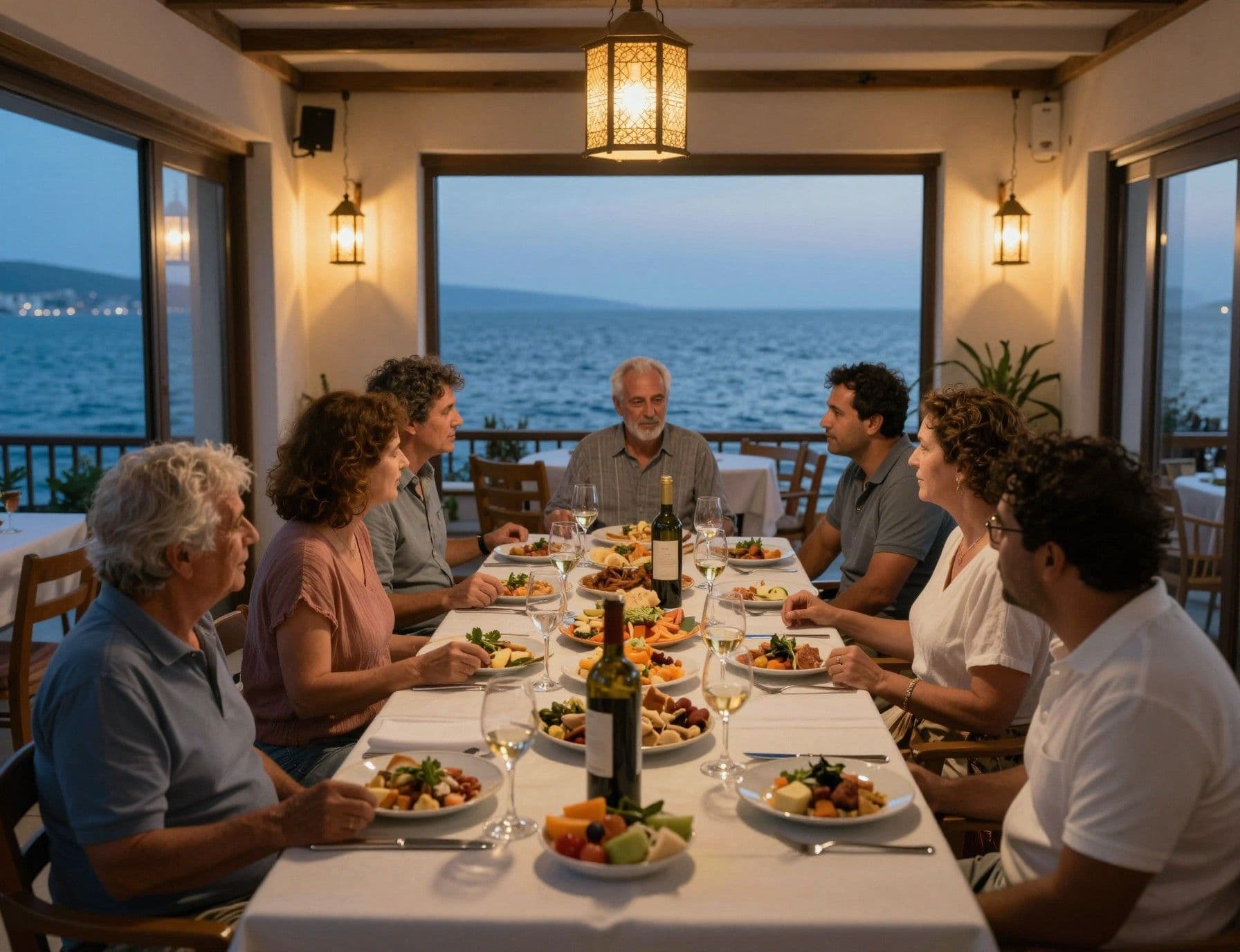
The romantic image of buying a sunlit stone house meets three fiscal realities: lender conservatism for non‑residents, the structure of transaction taxes and the rhythm of local market growth. In short: decide first what life you want, and second how much of it you will finance locally. Local banks do lend to foreigners, but loan‑to‑value (LTV) and terms differ markedly from domestic offers — and those differences influence the property types you should target.
Mortgages, LTV and interest: what to expect
Cypriot banks increasingly offer mortgages to EU and non‑EU buyers, though typical LTV for non‑residents sits lower (commonly 60–70%) and interest margins reflect perceived risk. Recent market guides report non‑resident rates a little higher than resident products; variable and fixed packages exist but prepare to show clear income documentation, a local valuation and, for pensions or rental income, demonstrable receipts.
Tax structure matters to the financing decision. New builds can attract VAT while resale transactions fall under transfer fees and stamp duty; when VAT applies, transfer fees may be waived. These distinctions affect effective purchase cost and the choice between a renovated vernacular villa and a newly constructed sea‑view apartment.
- Steps to match lifestyle goals to finance: 1. Decide the lifestyle anchor (sea, village, city) and the property type you can live in from day one. 2. Obtain a pre‑approval from a Cypriot bank or international lender to understand LTV and currency exposure. 3. Compare total acquisition cost (price + VAT/transfer fees + legal fees) rather than headline price alone. 4. If renovating, budget conservatively for structural works and professional oversight (architect + structural engineer).
Insider knowledge: contrarian moves and expat lessons
A few insights that seasoned buyers wish they’d known: first, the market rewards patience — properties with good title deeds and clean land registry histories trade at a premium for that certainty. Second, buying a modest town house with an excellent location and committing to tasteful restoration often returns more joy than a larger, new build at equal cost. Third, foreign buyers represent a substantial share of transactions; that creates both competition and opportunity if you move off the beaten path into lesser‑known villages.
Cultural and practical integration
Language is rarely a barrier in everyday life — English is widely used in business and services — but social integration is local work: shopkeepers in smaller towns value patience and repeated visits. For financing and legal clarity, use bilingual lawyers and accountants: they smooth title investigations, clarify VAT applicability and translate local norms into the language of stewardship you understand.
- What expats often regret and how to avoid it: • Underestimating renovation costs — commission an early structural survey. • Buying on seasonality alone — check winter habitation and local services. • Relying on informal seller promises — insist on title‑deed proof. • Ignoring energy and water systems — these shape comfort and utility spending.
Three practical moves that materially improve outcomes: secure bank pre‑approval before making an offer; budget for a local architect and structural engineer when older properties are involved; and request a written schedule of works and warranties for new builds. These steps protect both lifestyle expectations and capital.
Working with an agent who understands stewardship
Treat your agent as curator rather than salesperson. The best local agencies in Cyprus will present provenance (title deeds, past renovations, planning permissions) alongside neighbourhood life — which cafés open mornings, which schools have international curricula, where seasonal festivals punctuate the calendar. This knowledge saves months of trial and error and aligns financing choices with lived experience.
- Practical checklist before you sign: 1. Confirm VAT vs transfer‑fee status and budget the greater of the two. 2. Obtain a local written valuation used by lenders and compare to asking price. 3. Engage a bilingual lawyer to clear title deeds and Land Registry encumbrances. 4. Get pre‑approval and check currency exposure if your income is non‑EUR. 5. Agree a schedule of completion and holdback for any outstanding defects.
In Cyprus the life you seek — morning markets, late dinners under bougainvillea, restorative walking routes — is practical to buy into if you plan finance with equal refinement. A measured approach, local expertise and modest flexibility on property type often deliver more of the life you imagined than a rushed search for headline bargains.
If Cyprus feels like a place you could call home, start with a conversation: define the life you want first, then structure financing to protect that life. Request lender pre‑approval, commission a concise due diligence pack from a local lawyer and consider a modest renovation budget as part of acquisition cost. These actions preserve both the integrity of the purchase and the quiet pleasure of living here.
Next steps: ask your agent for (1) a lender‑facing summary of your intent, (2) recent comparable valuations in your chosen neighbourhood, and (3) an itemised estimate of transfer/VAT/stamp duties for the specific property. These three documents turn aspiration into a negotiable, evidence‑based plan.
Former Copenhagen architect who relocated to Provence, offering relocation services, market analysis, and a curator’s eye for authentic regional design.