When French Life Shapes Your Financing Choices
France offers a life as much as a market—match its seasonal rhythms, local taxes and lender habits to make financing a stewarded, not accidental, choice.
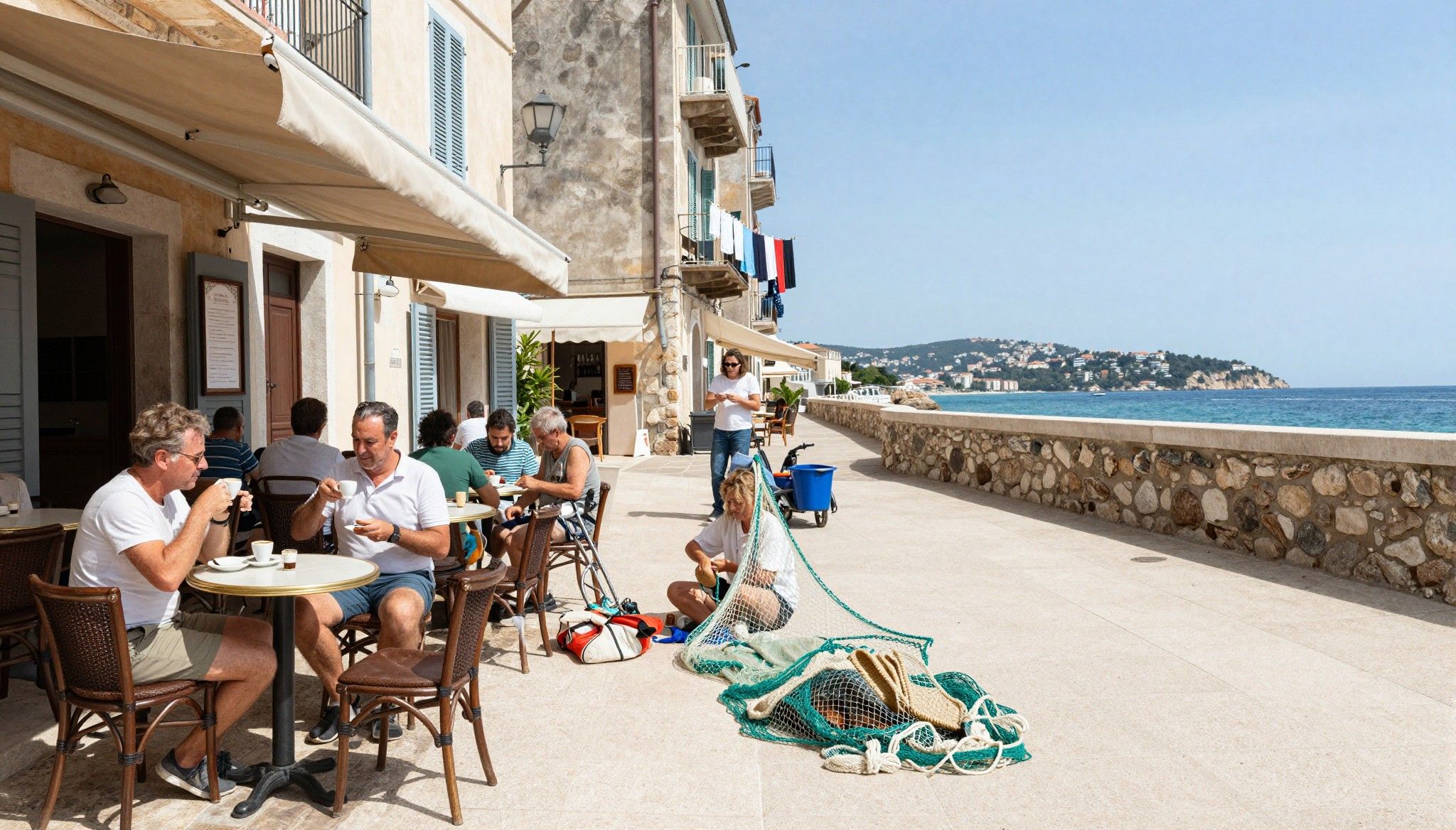
Imagine a late‑morning in Aix‑en‑Provence: a narrow sunlit street, a baker arranging fougasses, a neighbour pausing for a brief conversation. That rhythm — food markets, measured pace, neighbourhood rituals — is why people buy in France. But the way you pay for that life matters. Financing here is unusually local: bank habits, departmental taxes and notarial formalities can alter the final cost of a dream house as surely as architecture or view.
Living French: place and pace before process
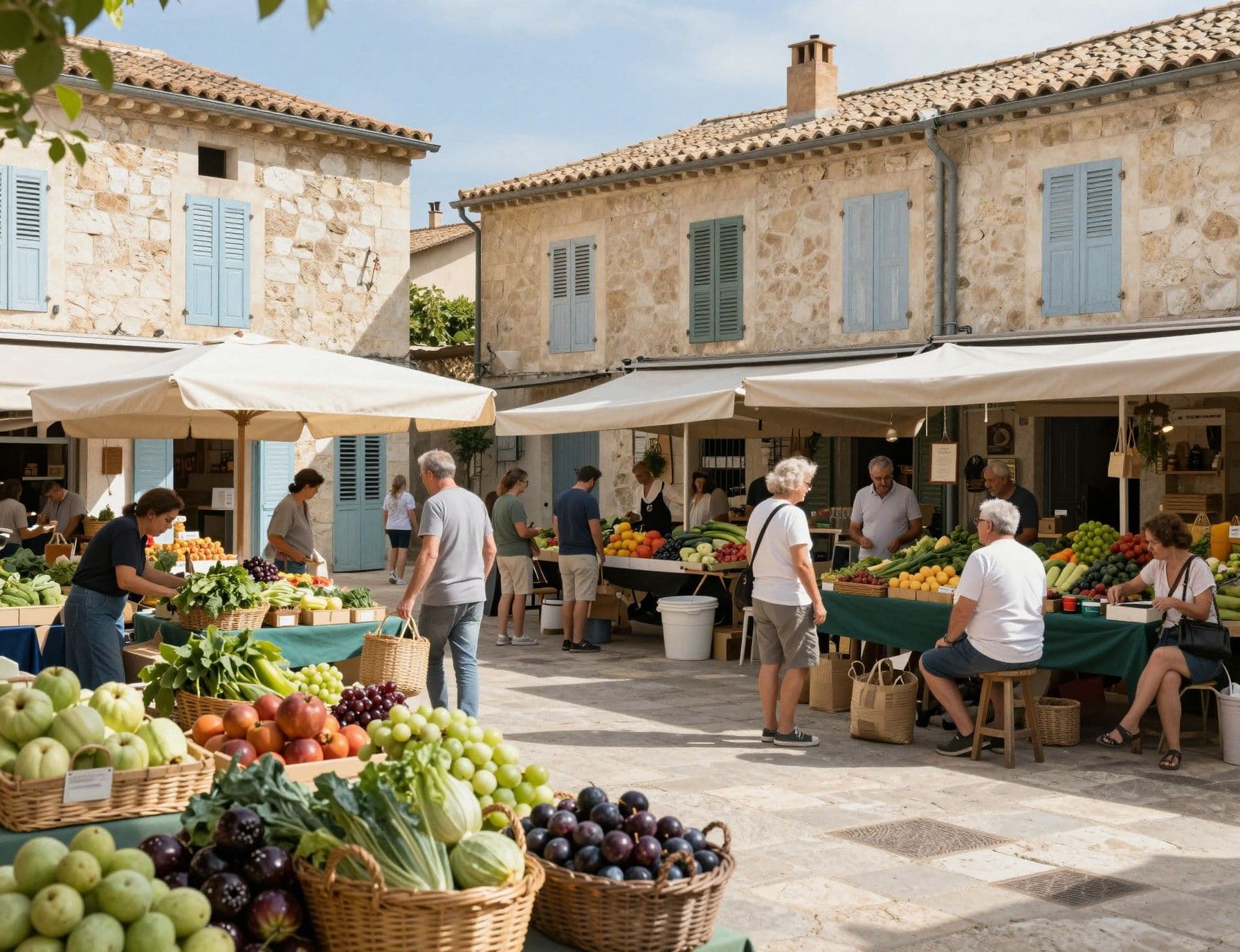
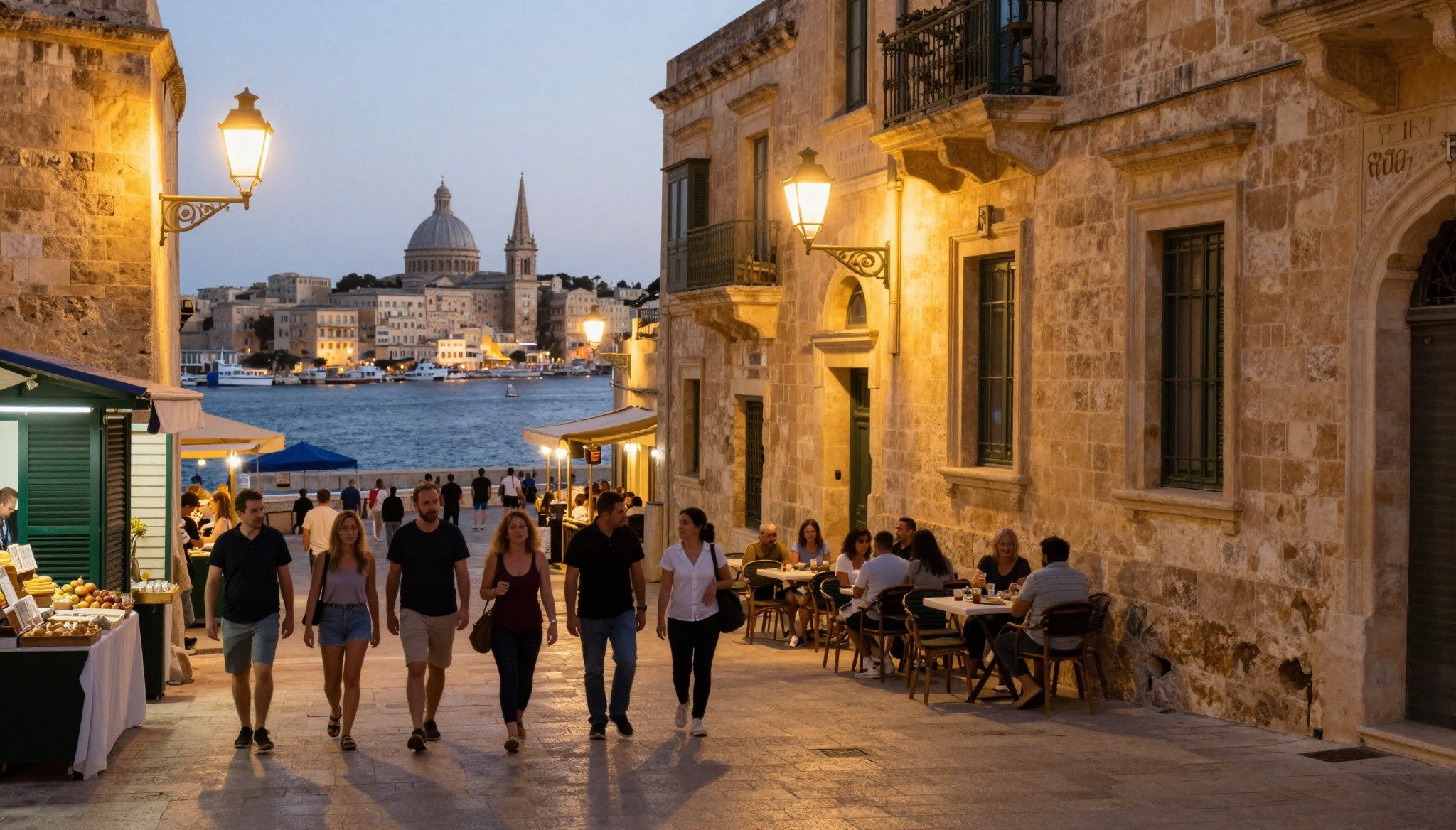
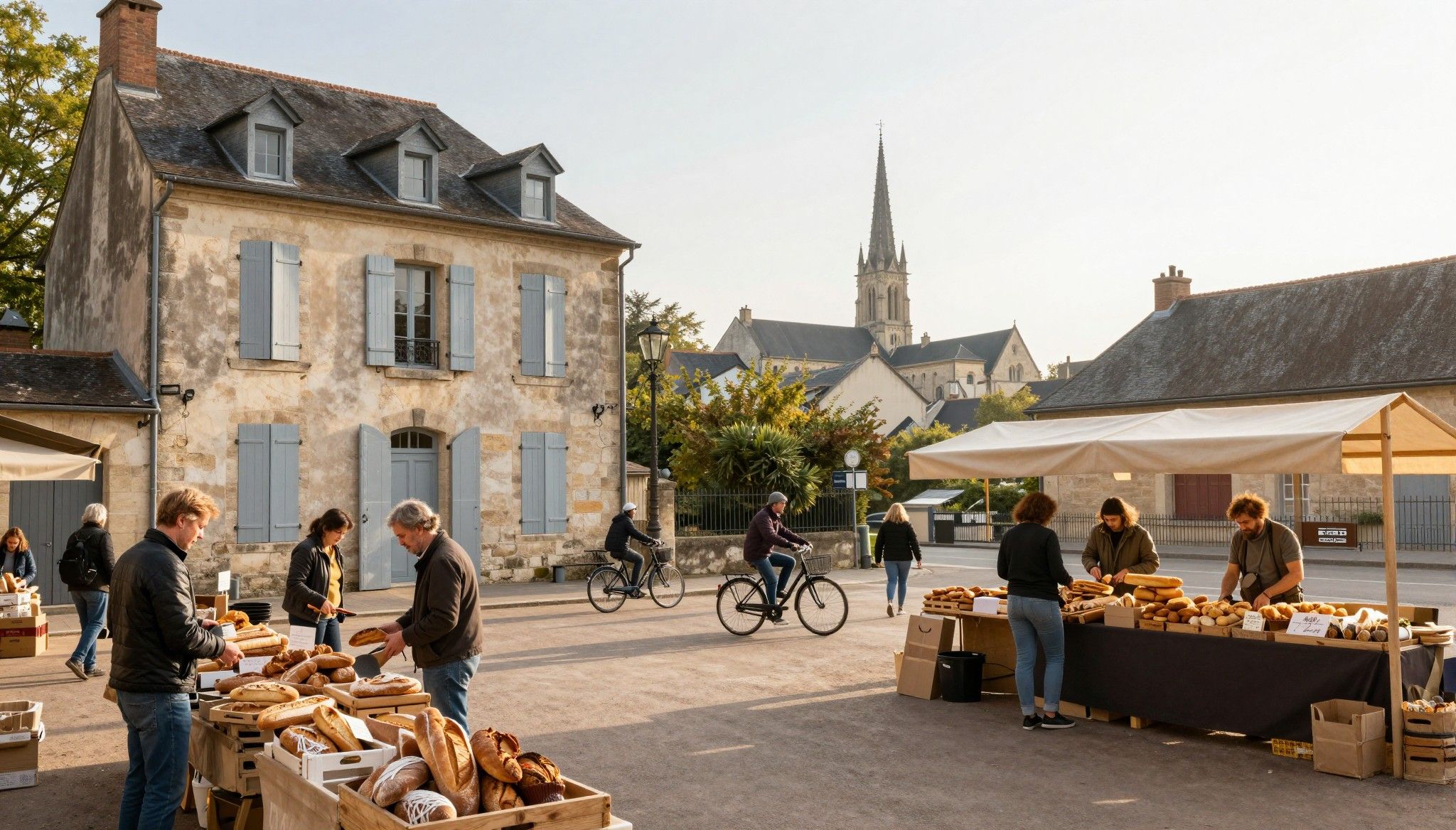
France sells a way of living more than a price per square metre. In Paris you will hear the clipped cadence of metro announcements and see evenings spent in narrow bistros on Rue de l'Abreuvoir; in Biarritz the Atlantic wind rewrites plans and surfboards share the pavement with bicycles; in the Loire Valley mornings still belong to markets on the Place du Marché. These daily rhythms shape the practical choices you make: whether you prioritise insulation and heating for northern winters, a courtyard garden in Provence, or a compact pied‑à‑terre near the Opéra in Lyon.
Neighbourhoods that define how you live
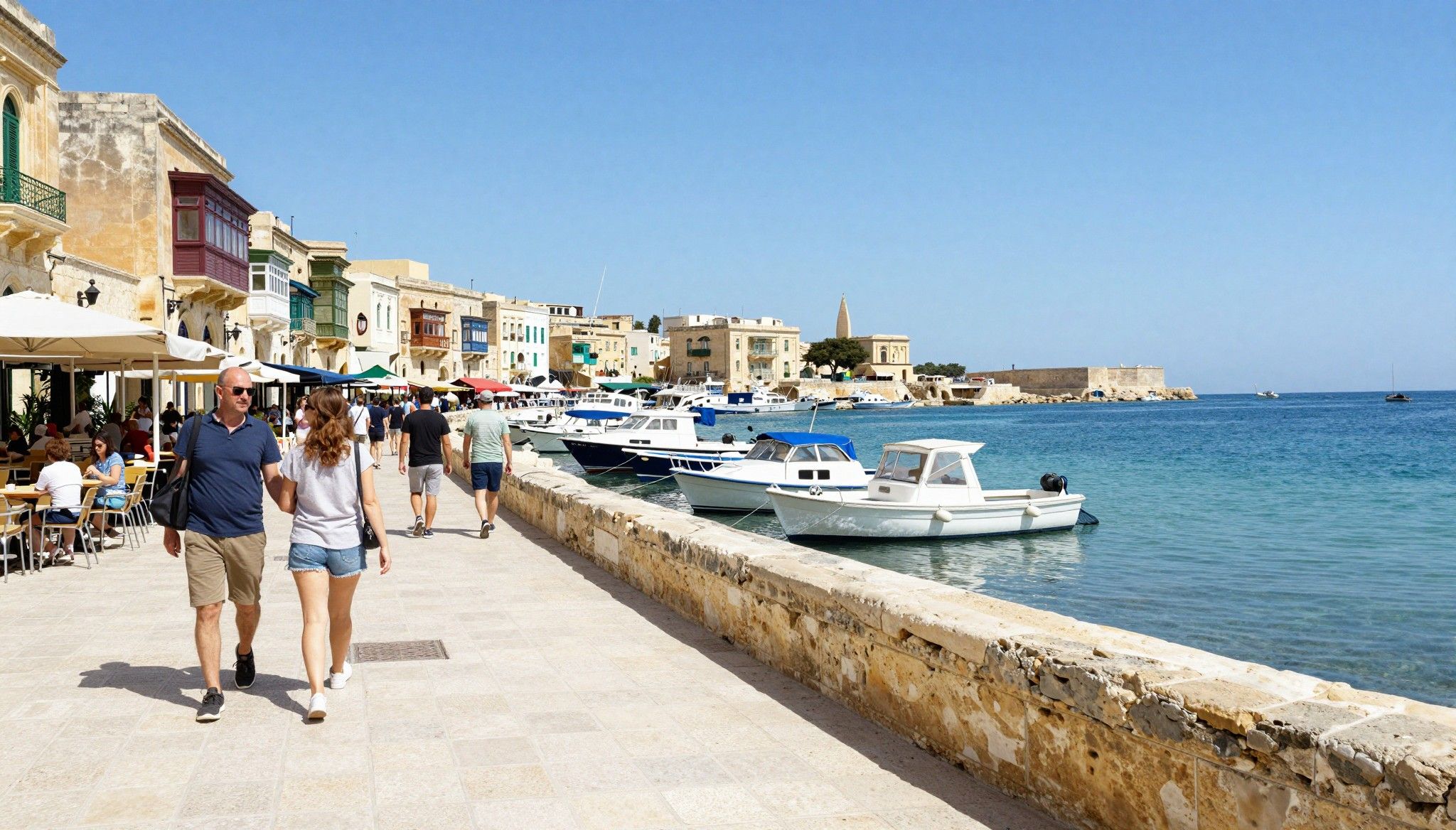
Look beyond regional brands and name the streets: the Marais’ hôtel particulier doorstep life, Rue des Vieux Moulins in Antibes for morning markets, or Rue des Trois Frères in Montmartre — each offers a different cadence and different financing implications. Historic cores often bring higher notary taxes and stricter renovation rules; coastal towns can command higher insurance and maintenance budgets. Buying for lifestyle means matching daily routines to the property’s obligations.
Food, markets and the seasons that alter demand
Seasonality in France is not a marketing device: it is a real force. In Provence harvests and truffle season concentrate local life into vivid weeks; the Riviera swells in July and August then softens; winter in the Alps turns apartments from quiet to commercially viable for seasonal rentals. These rhythms influence lender appetite, rental yield calculations and the timing of inspections or notarial appointments.
- Lifestyle highlights to weigh when choosing a region: 1) Daily markets (e.g., Cours Mirabeau, Aix) 2) Local cafés and places for neighbourly life (e.g., Café de la Paix, Bordeaux) 3) Seasonal festivals that affect short‑term rental demand 4) Proximity to reliable transport (TER, TGV) 5) Climate‑related costs (heating, insulation) 6) Local planning constraints (monuments historiques, ZPPAUP).
Making the move: how French financing quietly differs

The practical side often surprises those who have bought elsewhere. Notary fees and transfer duties in France are a significant component of transaction cost; for resale properties these can be roughly 6–7% of price, and substantially lower in new builds. Departments may adjust their share of the tax in ways buyers should check early in the process. That constant local variation makes a single budget figure hazardous without region‑specific inquiry.
Property types and the financing they invite
Old stone houses and period apartments often need bespoke renovations that affect lenders’ underwriting: banks take into account renovation scope when valuing collateral, sometimes offering staged releases of funds or asking for renovation quotes signed by an architect. New builds bring lower transfer taxes but can carry deferred delivery and additional guarantees; these factors change the timetable for mortgages and the structure of loan disbursements.
Working with local experts who curate lifestyle and numbers
A French‑based broker or an agency with an experienced international desk will translate lifestyle priorities into lender language: they can present renovation‑sensitive valuations, explain required guarantees, and often negotiate bank fees. They will also advise on whether to use a French mortgage (stability, euro repayments) or a foreign loan (currency exposure). Approach them as a curator of both place and process.
- Steps to marry lifestyle ambitions with financing: 1) Define the lifestyle cost sheet (maintenance, local taxes, seasonal income expectation). 2) Obtain a pre‑approval from a French lender to test DTI and LTV. 3) Commission a local valuation that reflects renovation risk. 4) Agree a disbursement schedule aligned with any restoration. 5) Factor in notary and departmental tax variations before signing.
Insider knowledge: myths, red flags and quiet advantages
Real‑world buyers repeat a few practical truths: lenders expect conservative ratios (often requiring 20–30% deposit for non‑residents), notary and departmental fees can shift overnight, and insurers will price in local hazards. Yet there are less visible advantages: France’s long legal tradition provides clarity of title, and reputable local lenders often offer competitive terms to well‑prepared international clients who show stable income and thorough documentation.
Cultural and legal quirks that affect life and value
French inheritance law, long lease traditions and co‑ownership (copropriété) rules create both protection and obligation. A charming apartment in a listed building can come with strict maintenance committees and co‑ownership charges that affect monthly budgets. Similarly, the capital gains regime has precise exemptions and tapering rules that will influence your long‑term resale planning.
Red flags to note early
- Watch for these warning signs: 1) A valuation that differs substantially from market comparables 2) Undisclosed co‑propriété debts 3) Unclear planning restrictions near monuments historiques 4) Insurance premiums rising steeply for coastal or flood‑prone properties 5) A lender insisting on unreasonable cash reserves without written justification.
A few well chosen pieces of due diligence—an up‑to‑date syndic report, a certified diagnostic technique (DPE) inspection, and a signed architect’s estimate for renovations—often decide whether a purchase becomes a stewardship opportunity or an expensive lesson.
Conclusion: buy the life, but cost the life honestly. Start with the scene you want to live — a terrace in Saint‑Germain, a farmhouse near Sarlat, a Côte d’Azur apartment — then translate that scene into a financing plan. Early conversations with a French notaire and a lender, combined with a broker who understands regional rhythms, will preserve both the romance and the numbers. Villa Curated can introduce local experts who marry provenance, craftsmanship and the practical discipline essential for making France a home rather than a postcard.
Having moved from Stockholm to Marbella in 2018, I help Scandinavian buyers navigate Spanish property law, restoration quality, and value through authentic provenance.