Malta: Where the Price Tag Buys a Way of Life
Malta’s everyday costs often feel modest, but housing drives the gap; pair seasonal lifestyle testing with RPPI‑backed diligence to buy with confidence.
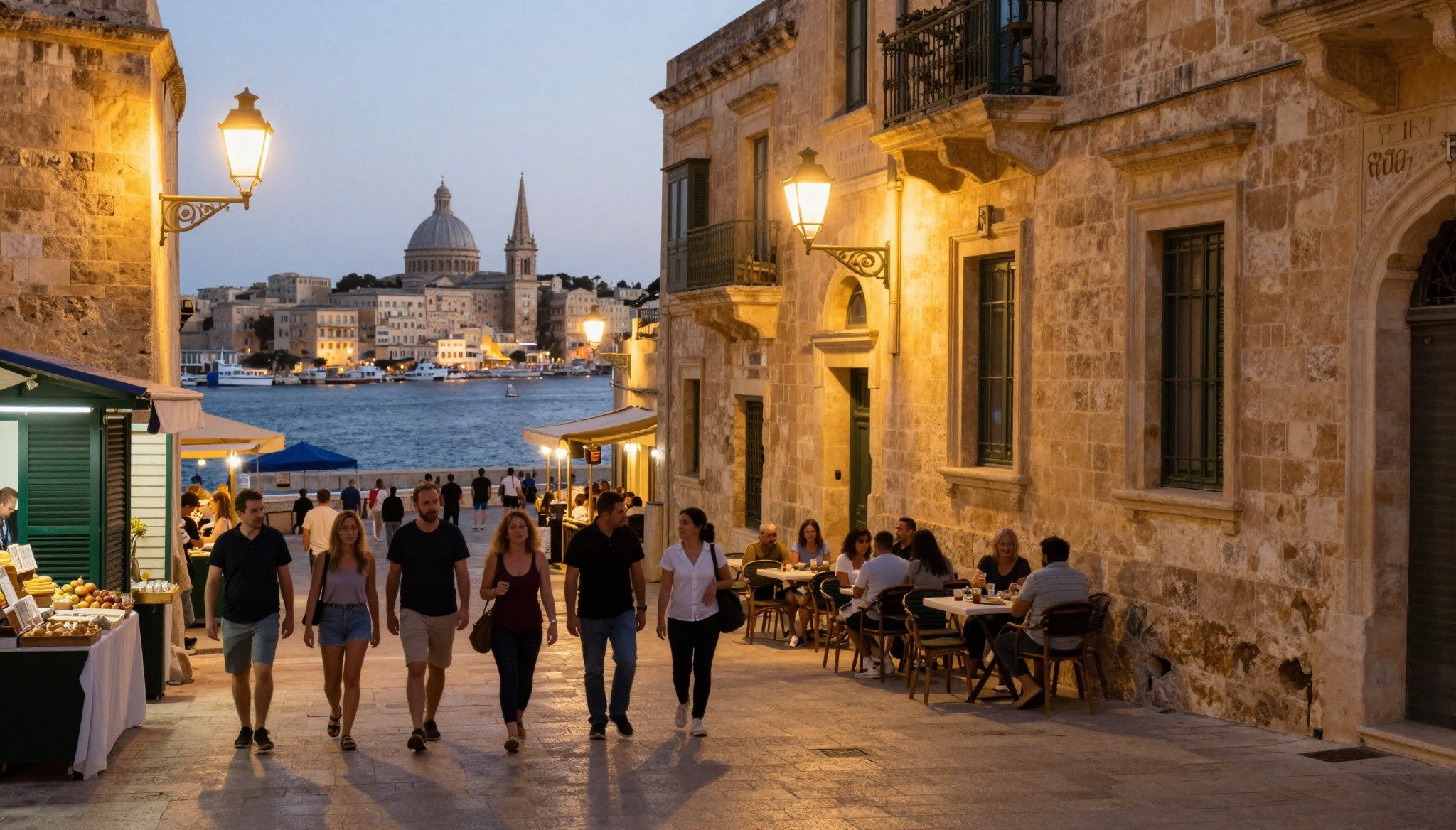
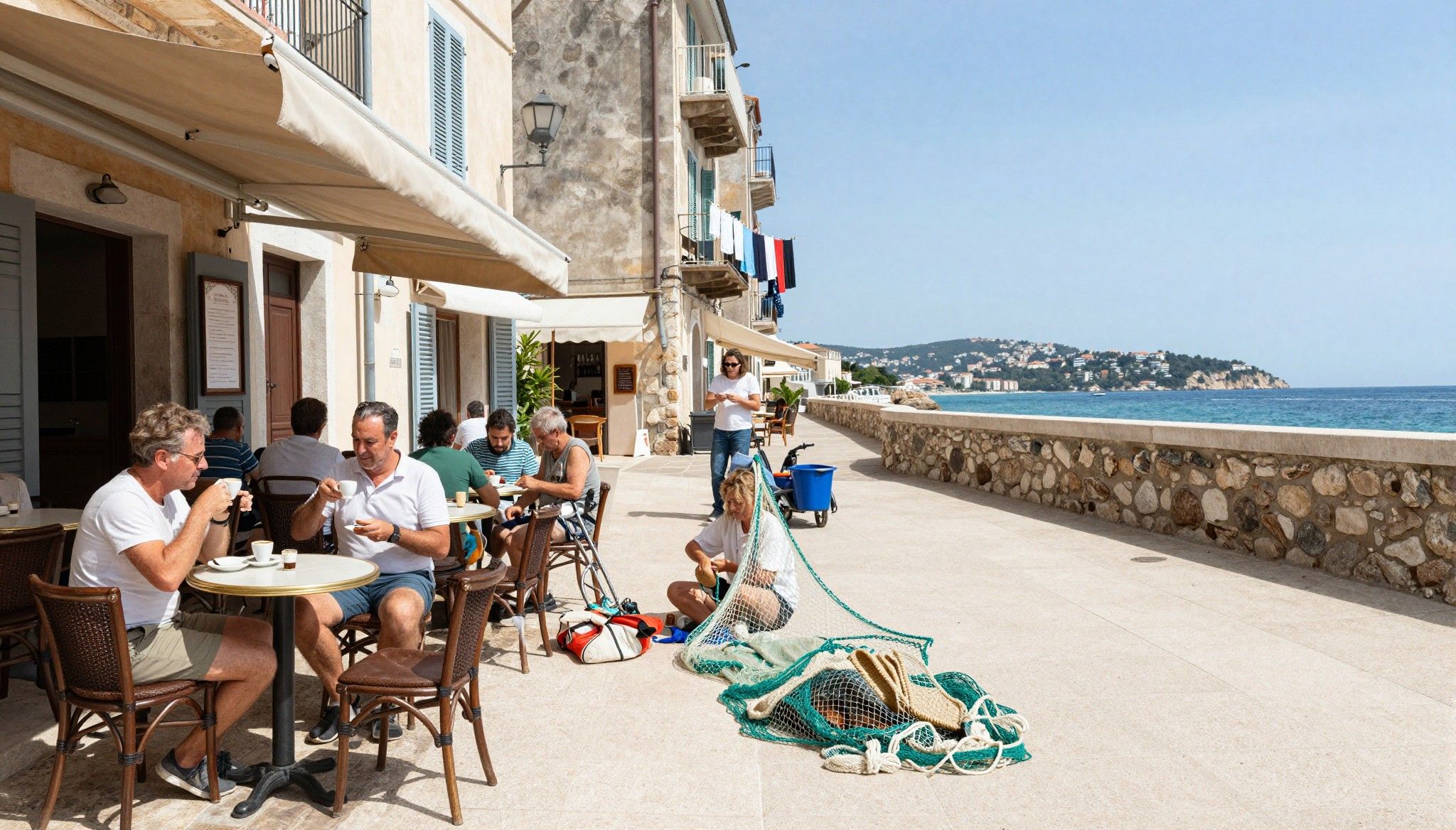
Imagine an evening in Valletta: limestone façades warmed by late sun, espresso ordered at a shuttered café on Merchants Street, and the harbour’s hush as fishermen mend nets. Malta’s compact scale concentrates pleasures — markets, churches, and sea‑cliff walks sit within short drives — yet the island’s rising property prices make many international buyers pause.
Living the Maltese Life
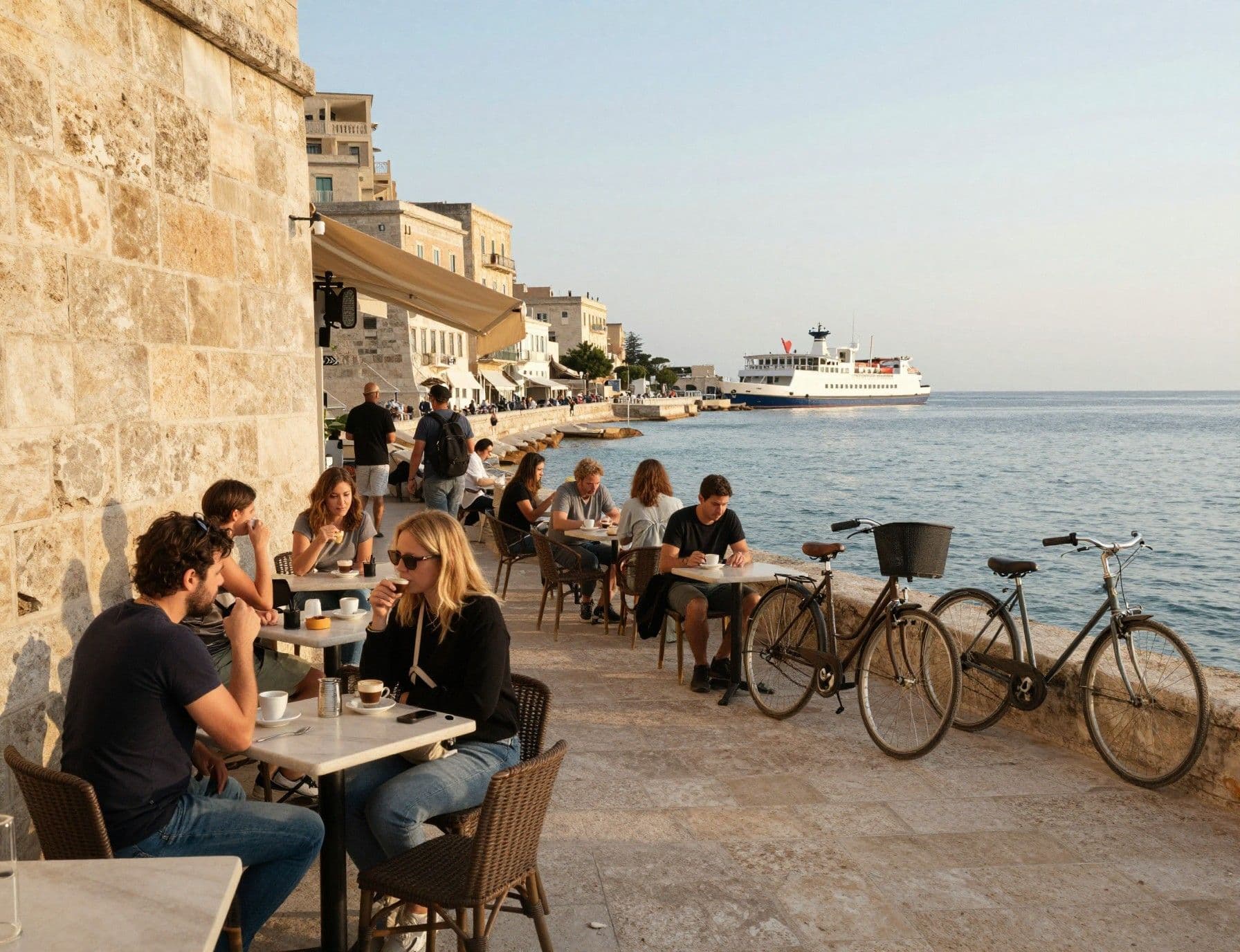
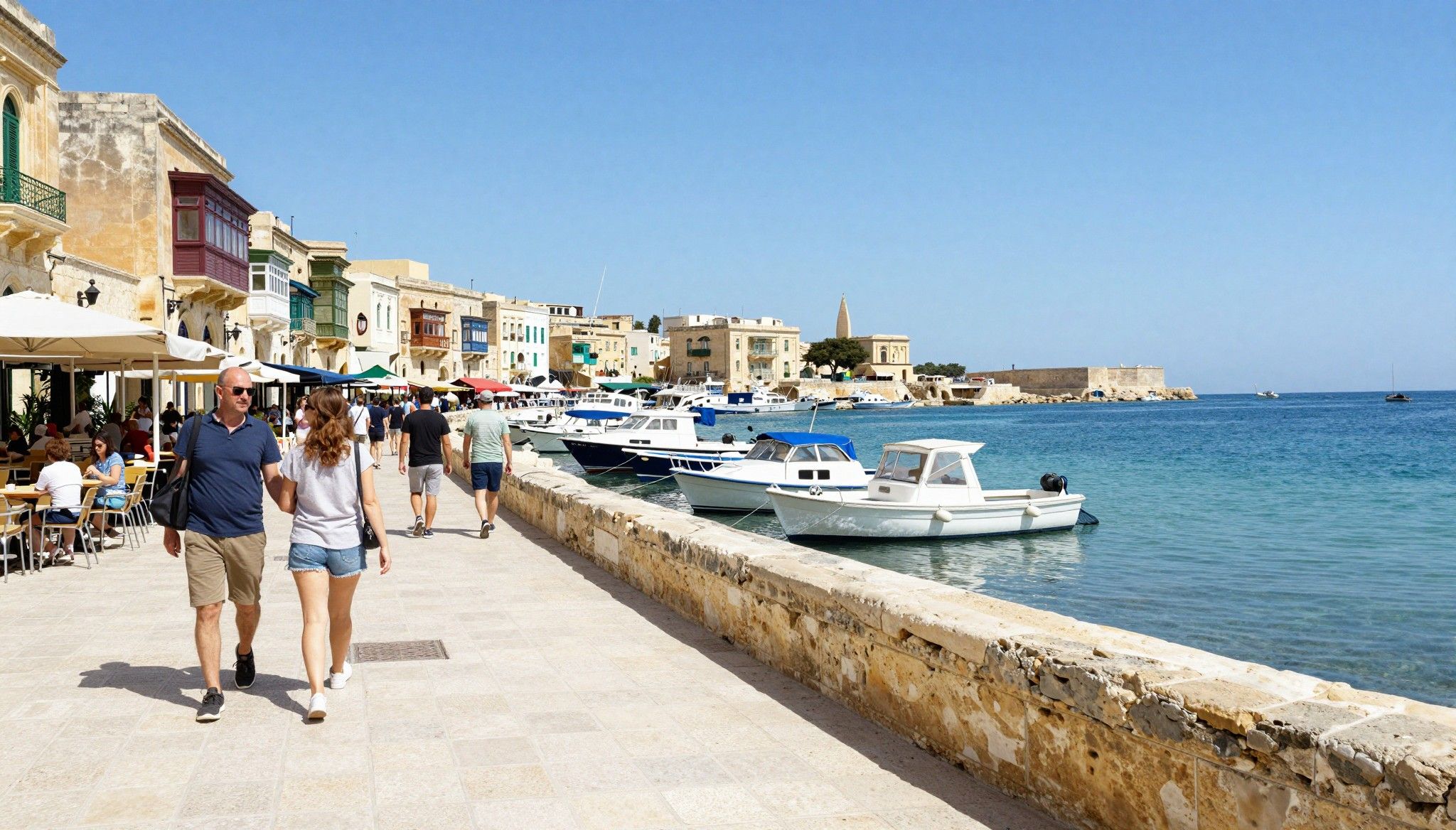
Daily life in Malta is tactile and social: mornings at tas‑tal‑kafe (local cafés) in Sliema, afternoons on Mellieħa Bay, evenings at a table‑shared pastizzi and Ġbejniet. Costs can feel moderate at an experiential level — eating out, groceries and entertainment remain reasonable versus Northern Europe — even as housing costs outpace wage growth, a tension visible in recent cost and price indexes.
Neighbourhoods that shape the day
Each neighbourhood offers a different rhythm. Valletta is formal and ceremonial; Sliema and St Julian’s pulse with cafés, galleries and marina life; Rabat and Mdina practise a quieter, historic cadence; Gozo favours pastoral cadence and slower Sundays. Choosing where to live will determine whether your daily ritual is a sweep of gallery openings or a morning swim off rocky coves.
Food, markets and small luxuries
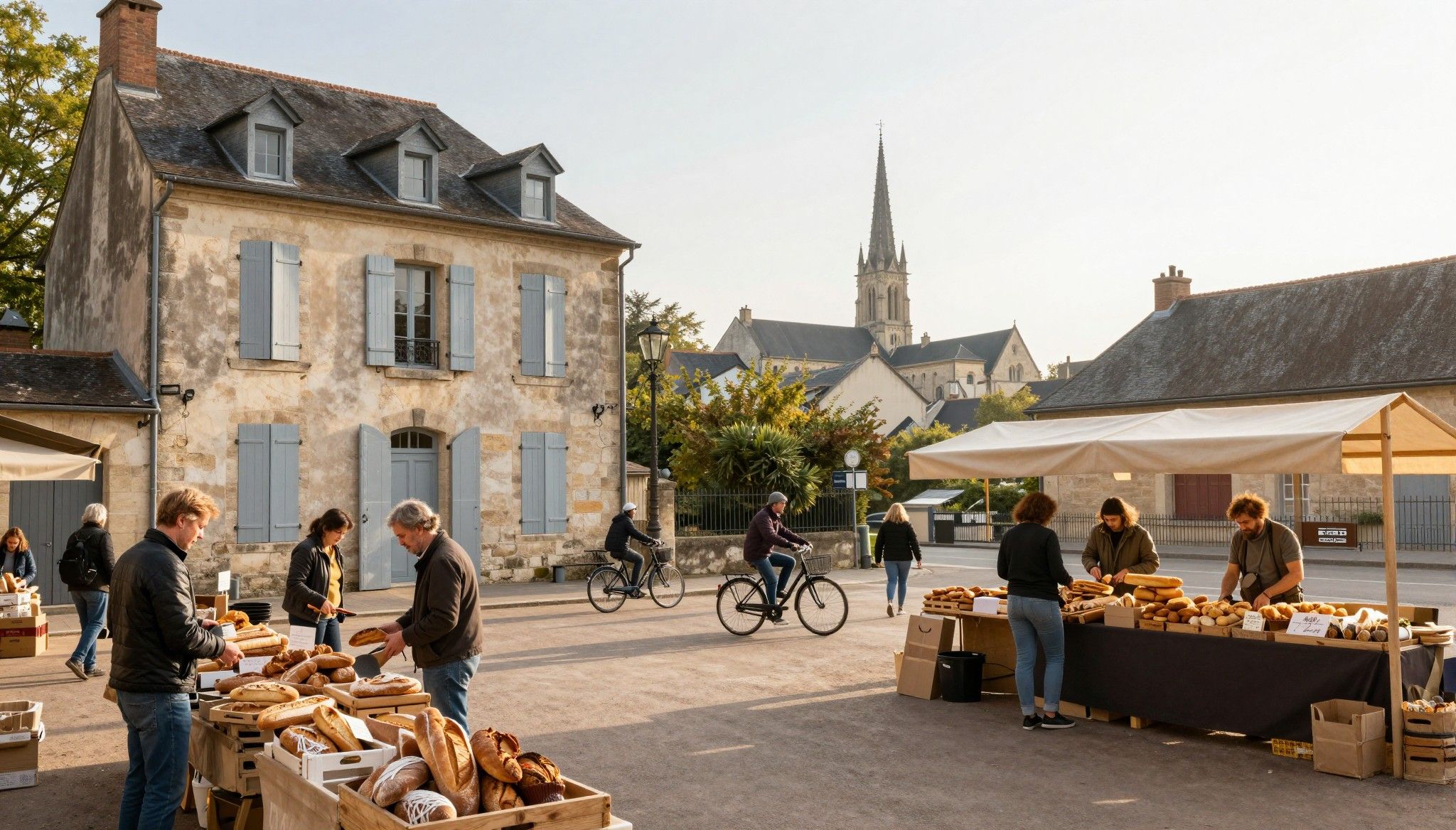
Markets at Marsaxlokk and local bakeries supply ingredients that make everyday dining effortless. The island’s restaurants vary from refined, chef‑led tasting rooms in Valletta to family trattorias in Mellieħa. For international buyers the behavioural detail matters: a compact weekly market trip will feel inexpensive; consistent restaurant dining adds up quickly.
- Lifestyle highlights: Valletta’s evening promenades; Mellieħa’s sandy shorelines; Sliema’s waterfront cafés; Marsaxlokk fish market Sundays; quiet terraced gardens in Rabat; Gozo’s pastoral villages.
Making the move: how lifestyle meets the market
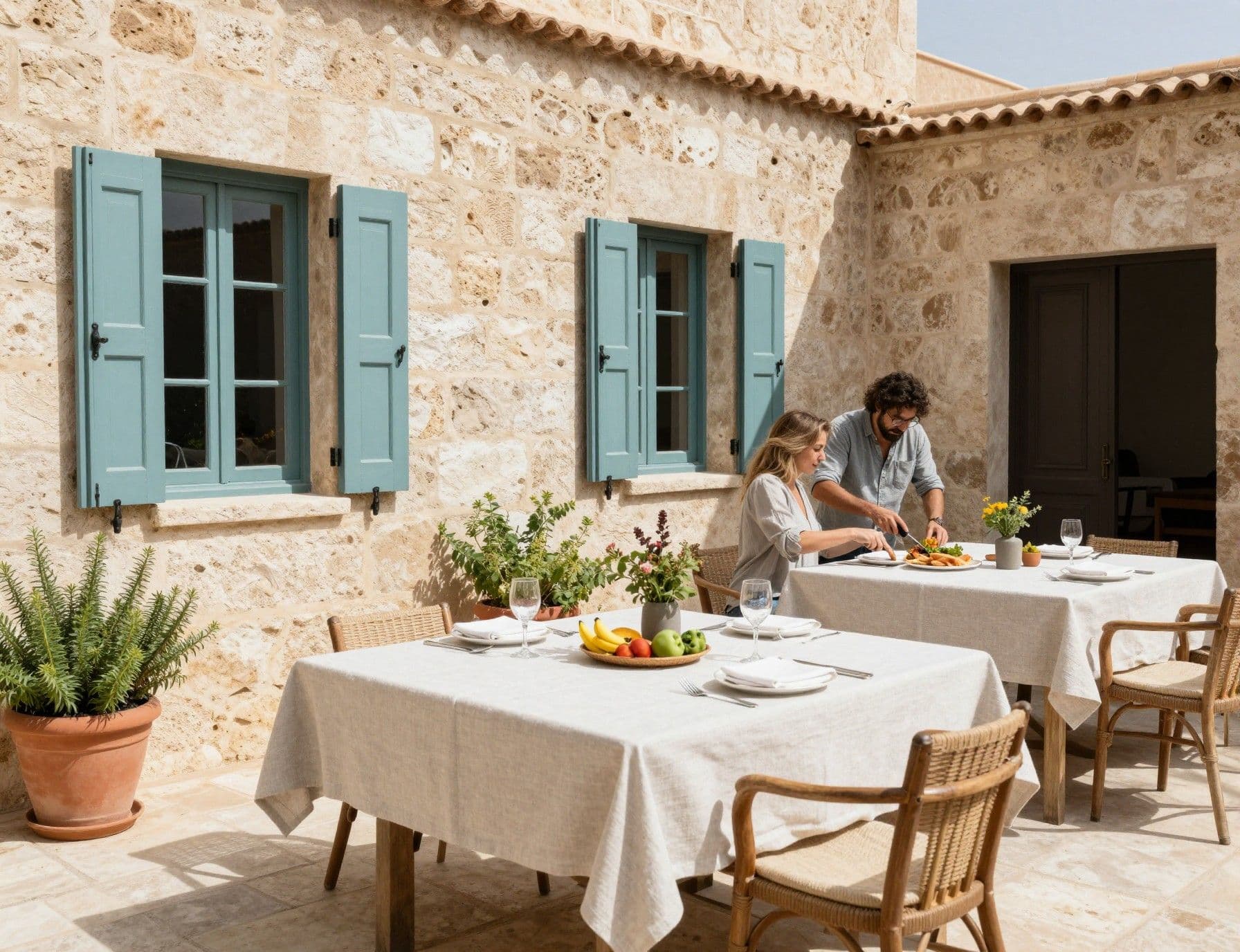
The romance of daily life will meet practical realities when you start looking at listings. Malta’s property indices have recorded steady gains; transaction volumes and declared sale prices rose in recent years, reflecting both local demand and interest from international purchasers. That means budget for more than the asking price: legacy maintenance, communal charges and adaptation to local climate are immediate considerations.
Property types and how they shape living
A palace‑like maisonette in Rabat gives room for a library and walled garden; a refurbished penthouse in Sliema grants sweeping sea views and walkable cafés; newer developments in the north provide modern amenities and parking. Consider how features — thick limestone walls that keep interiors cool, small balconies that become dining rooms, or narrow staircases that limit accessibility — will change daily patterns.
Working with local experts who understand life here
A local agent does more than negotiate price: they translate neighbourhood rhythms into practical tradeoffs, advise on communal charge norms, and identify properties whose orientation, insulation and finishes suit Mediterranean living. Seek brokers experienced in heritage restoration if provenance matters; demand transparent comparables and recent deed data rather than glossy staging.
- Practical steps that preserve lifestyle: 1) Walk the neighbourhood at dawn and dusk to assess noise and light; 2) Review recent deeds and RPPI movements; 3) Request maintenance histories and communal accounts; 4) Estimate realistic running costs (utilities, service charges, restoration); 5) Arrange short‑term rentals to test seasonal life.
Insider knowledge: what expats learn slowly
Expat experience often uncovers the small frictions that matter: summer crowding in Sliema, the limited scope for large gardens, and repair lead times for heritage fabric. While aggregated cost indexes show Malta as modestly cheaper for everyday spending compared with many EU capitals, housing remains the dominant line item — and within housing, location and property type drive most of the variance.
Cultural integration and daily civility
English is widely spoken and social life is neighbourly; joining a local association, church group or hobby club accelerates integration. Note the island’s festival calendar — festas, carnivals and band marches — which punctuate life and occasionally affect traffic, noise and short‑term rental demand.
Long‑term lifestyle costs and stewardship
Expect long‑term costs tied to coastal exposure and older construction: salt damage, the need for breathable lime mortars, and periodic re‑pointing of stone. Buyers who plan for stewardship — budgeting for sympathetic restorations and energy upgrades — preserve value and the particular pleasure of Maltese living.
- Red flags to watch: properties with unclear deed histories; communal accounts with deferred maintenance; buildings lacking proper vapour‑permeable finishes; improbable rental yields that ignore seasonality; and agents who resist showing recent comparable sales.
Begin with lifestyle first: visit during a shoulder season, stay in different towns, and let daily rhythms inform your shortlist. Then bring data: recent RPPI and deed figures, local agent comparables, and a conservation‑aware surveyor. That balance — living imagination sustained by disciplined due diligence — is how sensible international buyers translate Maltese charm into lasting ownership.
Relocating from London to Mallorca in 2014, I guide UK buyers through cross-border investment and tax considerations. I specialise in provenance, design integrity, and long-term value.