When Cash Wins: Mortgages and Lifestyle in Cyprus
A lifestyle‑first look at financing in Cyprus: why residents often secure better mortgage terms, when new‑build VAT helps, and practical steps for non‑residents.
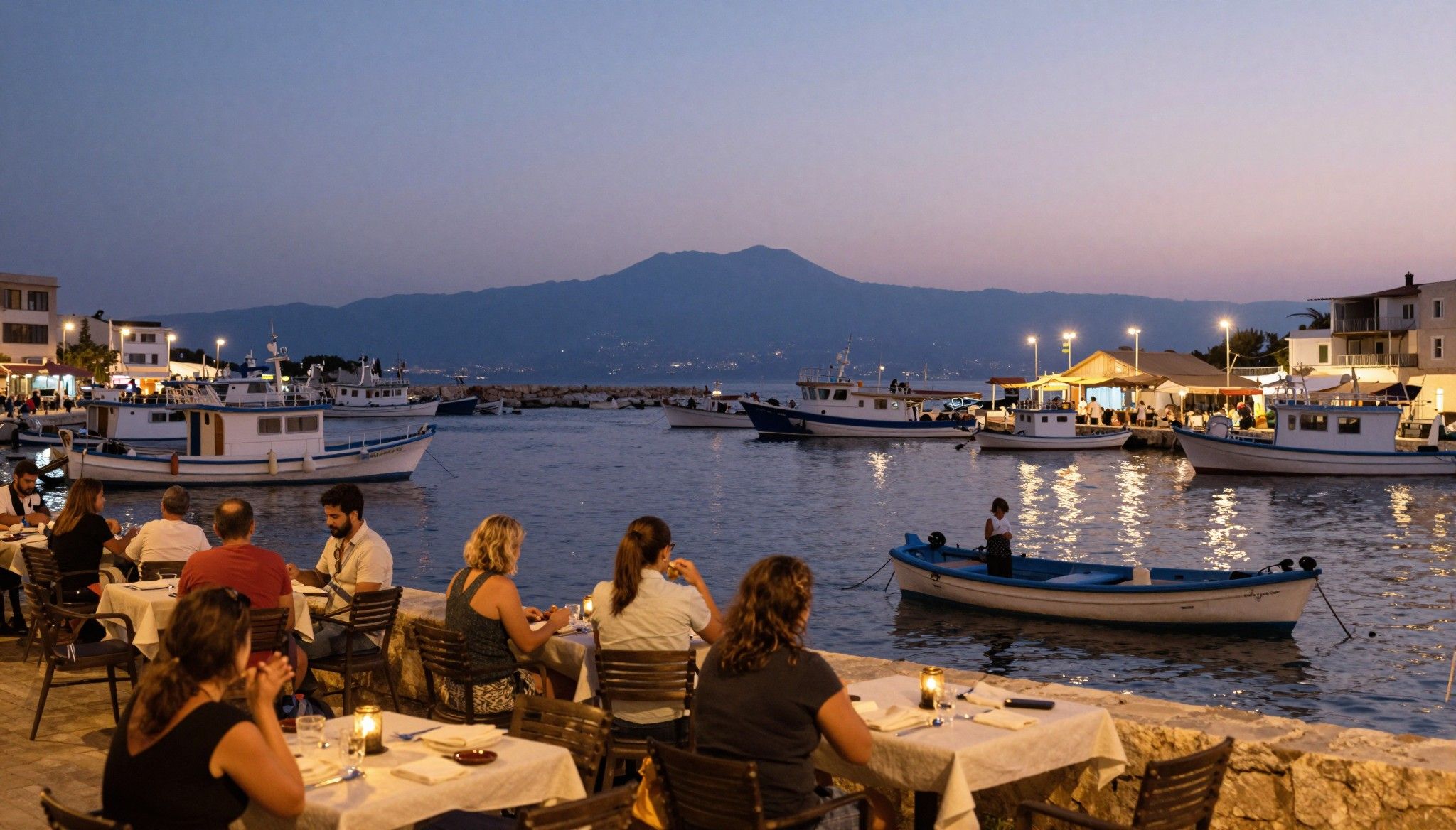
Imagine stepping out for an espresso in Limassol’s old port as fishermen mend nets, then signing a purchase contract that afternoon with the sea visible from the lawyer’s window. Cyprus feels at once leisurely and immediate: sunlit mornings in mountain villages, evenings of slow mezze on verandas, and a property market where cross‑border capital hums beneath the surface. For buyers who arrive with a lifestyle in mind, financing is the place where dreams collide with local reality — and where a few counter‑intuitive choices will save you time, money and disappointment.
Living the Cyprus Life

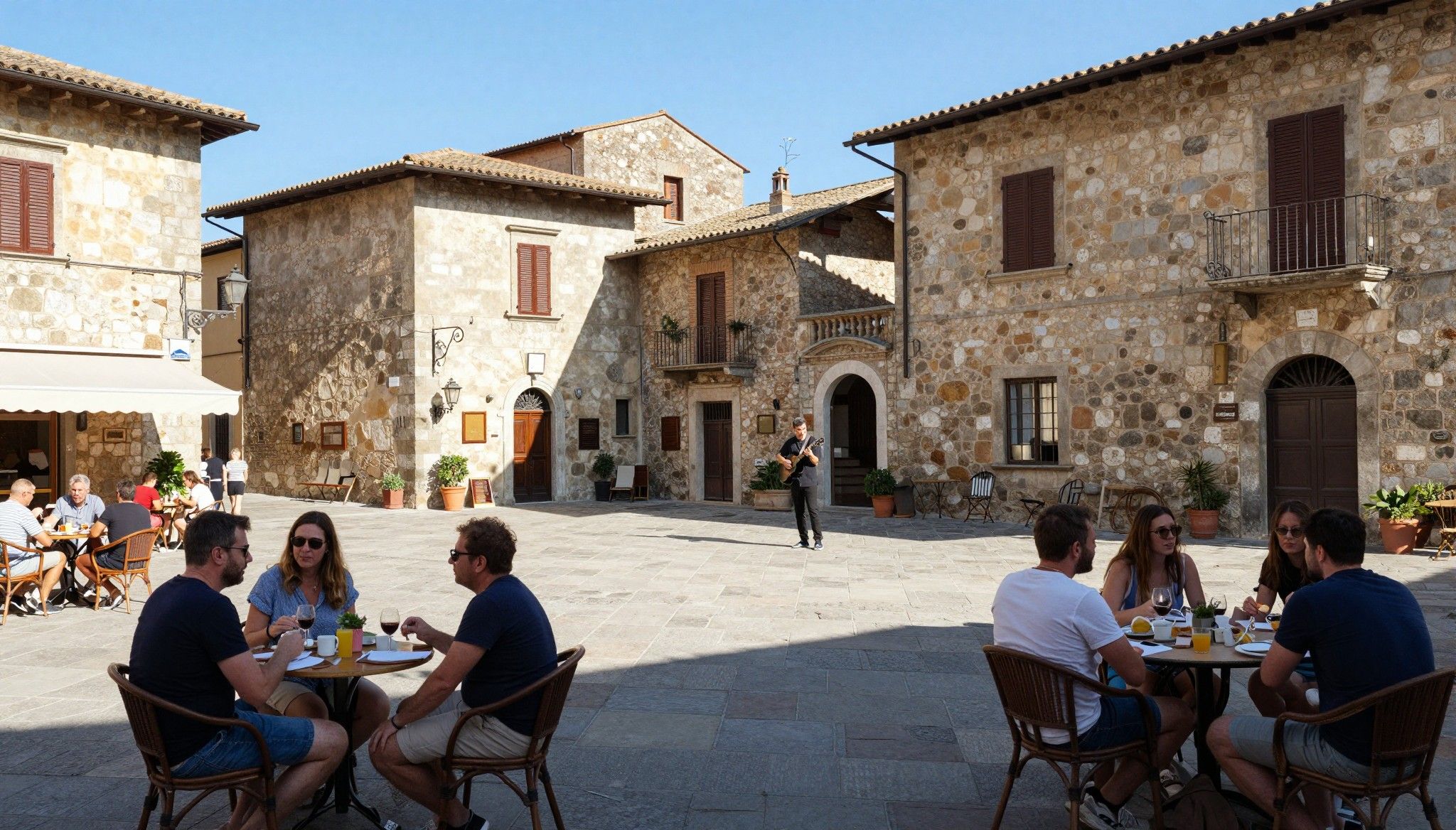
Daylight in Cyprus moves people outdoors: morning cafés in Nicosia’s Ledra Street, late lunches in Paphos’ harbour and coastal promenades in Larnaca where families cycle into the evening. The island’s rhythms matter to financing choices — proximity to seasonal rentals, for example, changes lender appetite and realistic income forecasts. Picture narrow lanes in old Paphos, stone arches shaded by bougainvillea, and contemporary apartments with terraces opening on glassy Mediterranean light; each life‑style choice suggests different lending terms, risk profiles and tax implications.
Neighborhoods that feel like home
Limassol’s seafront offers cosmopolitan convenience and strong rental demand; the old town’s mix of townhouse conversions attracts collectors of provenance. Troodos villages trade altitude and cooler summers for stone houses and long views, suited to buyers seeking restoration projects. In Larnaca, the relaxed Corniche and quiet suburbs balance affordability with easy airport access. When you imagine life in a place, note that lenders underwrite risk differently for sea‑front holiday units than for permanent residences in family suburbs.
Food, markets and the social ledger
Saturday markets — the fresh halloumi stalls in Polis, the fish market in Larnaca — are where neighbours trade news and expectations about local planning. That social ledger matters: older communities resist certain developments, which in turn affects future yields and a lender’s view of resale liquidity. Investing in a neighbourhood with authentic daily life should be a conscious choice; the lifestyle dividend is real, but it changes underwriting and insurance conversations.
- Lifestyle highlights
- Limassol old port cafés, Pissouri bay sunsets, Troodos hiking on weekend mornings, Larnaca’s Finikoudes promenade, Paphos archaeological evenings, Polis market breakfasts.
Making the Move: Practical Considerations

The practical bridge between desire and ownership in Cyprus is a mix of local conveyancing practice, lender expectations and tax design. Non‑resident financing is available, but it is conservative: expect lower loan‑to‑value ratios, more documentation and a stronger preference for borrowers with EU banking histories or established income streams. Recent Central Bank analysis shows steady price growth, which lenders factor into valuation and stress testing. Treat pre‑approval as a moment of clarity — it refines where you look and what structures make sense.
Property types and how they affect financing
New builds commonly carry VAT but may be exempt from transfer fees; this can make headline costs lower for buyers prepared to accept developer timetables. Conversely, village stone houses often require renovation — lenders price that retrofit risk differently and may cap LTV accordingly. Match the property’s condition and intended use (holiday let versus principal residence) to realistic mortgage scenarios before committing.
Working with advisers who understand lifestyle value
A lawyer who knows place and process, and a mortgage broker with Cypriot bank relationships, are the practical equivalent of a local friend who can read subtle context. They help you model cashflow for seasonal letting, advise on VAT versus transfer‑fee outcomes and secure the specific performance protections that Cyprus practice emphasises. This team translates lifestyle wants into acceptable collateral and acceptable loan terms.
- Practical steps to align lifestyle with finance
- Obtain a preliminary valuation and lender pre‑approval; decide whether new‑build (VAT route) or resale suits your timeline; gather 2+ years of overseas tax returns and proof of income; secure a Cypriot lawyer to conduct title and AML checks; model seasonal rental income conservatively when it matters to servicing.
Insider Knowledge: What Expats Wish They'd Known
Expats commonly say: we fell in love with the view and ignored the financing implications. The realities are specific — lenders commonly require larger deposits from non‑residents (often 30–50%), and rates reflect broader Eurozone monetary policy and local bank pricing. But there are strategic advantages: buyers with cash negotiate from strength; those who blend a modest Cypriot mortgage with home‑country borrowing often gain superior terms. Understanding these trade‑offs is the mark of a considered buyer.
Cultural and seasonal nuances that touch finance
Cyprus’s summer season inflates short‑term rental income but also concentrates maintenance costs and wear. Lenders will not accept peak season figures as sustainable income without robust historical accounts. Social norms — a preference for multi‑generational homes in villages, for example — shape demand and therefore resale assumptions. Attend local events, speak to neighbours and you’ll hear these signals before a valuation or mortgage decision is made.
Longer‑term considerations
Think beyond purchase: capital gains tax on property disposals, modest municipal levies and the absence of a national annual property tax alter holding costs. A considered acquisition anticipates renovation budgets, insurance that covers coastal risks and an exit strategy aligned with local demand patterns. Where stewardship and provenance matter, patience often outperforms haste.
- Red flags and quick checks
- No clear title or long pending applications; developer guarantees not backed by escrow; unrealistic rental income in sales literature; lack of local bank pre‑approval options for non‑residents; properties with unresolved planning or coastal protection issues.
Conclusion — the lifestyle‑first, finance‑wise purchase
Cyprus offers a life framed by sea, stone and conviviality. To make it yours with confidence, begin where living matters: pick the neighbourhood that matches how you will spend your days, then assemble a small local team — lawyer, broker, and trusted agent — who translate that life into secure finance. If you value provenance and tasteful permanence, finance should be the tool that preserves the lifestyle you fell in love with, not the obstacle that reshapes it.
Relocating from London to Mallorca in 2014, I guide UK buyers through cross-border investment and tax considerations. I specialise in provenance, design integrity, and long-term value.