Insurance & Buyer Protections: France, Life First
Pair the pleasures of French life with practical insurance and buyer protections: what to check, whom to brief, and how small resilience steps save you from large losses.
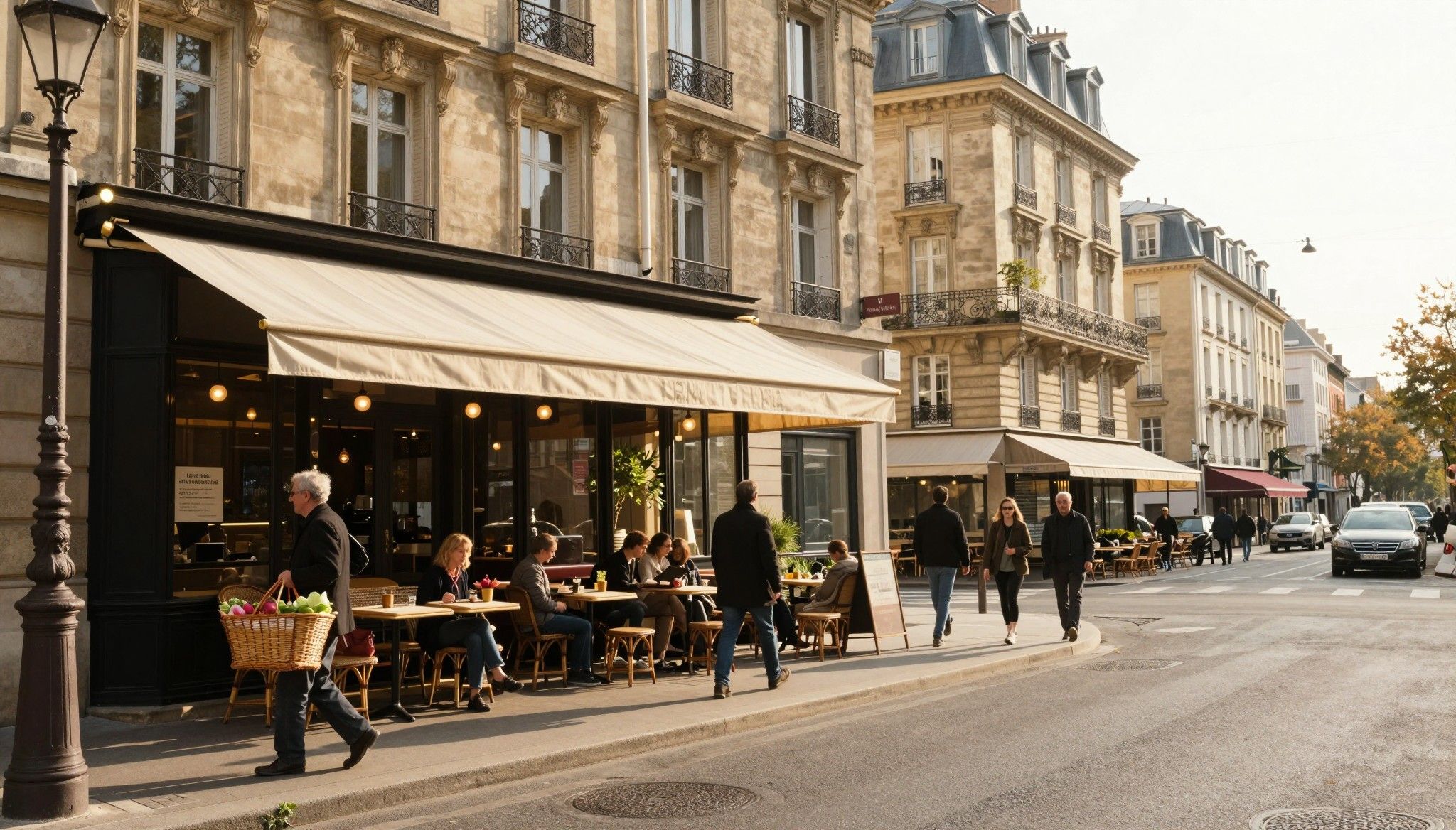
Imagine mornings on a narrow rue in Lyon, market bags swinging as you cross to a coffee terrace, then afternoons spent cataloguing restoration details in a stone maison de ville. For many international buyers, that sensory promise precedes the practicalities of ownership: insurance, liability, seasonal risks and the quiet rules of co‑ownership. Understanding how protection works in France changes a purchase from a romantic notion into a livable, resilient plan. This guide pairs the pleasures of French life with the insurance and buyer‑protection moves that preserve them.
Living the France lifestyle
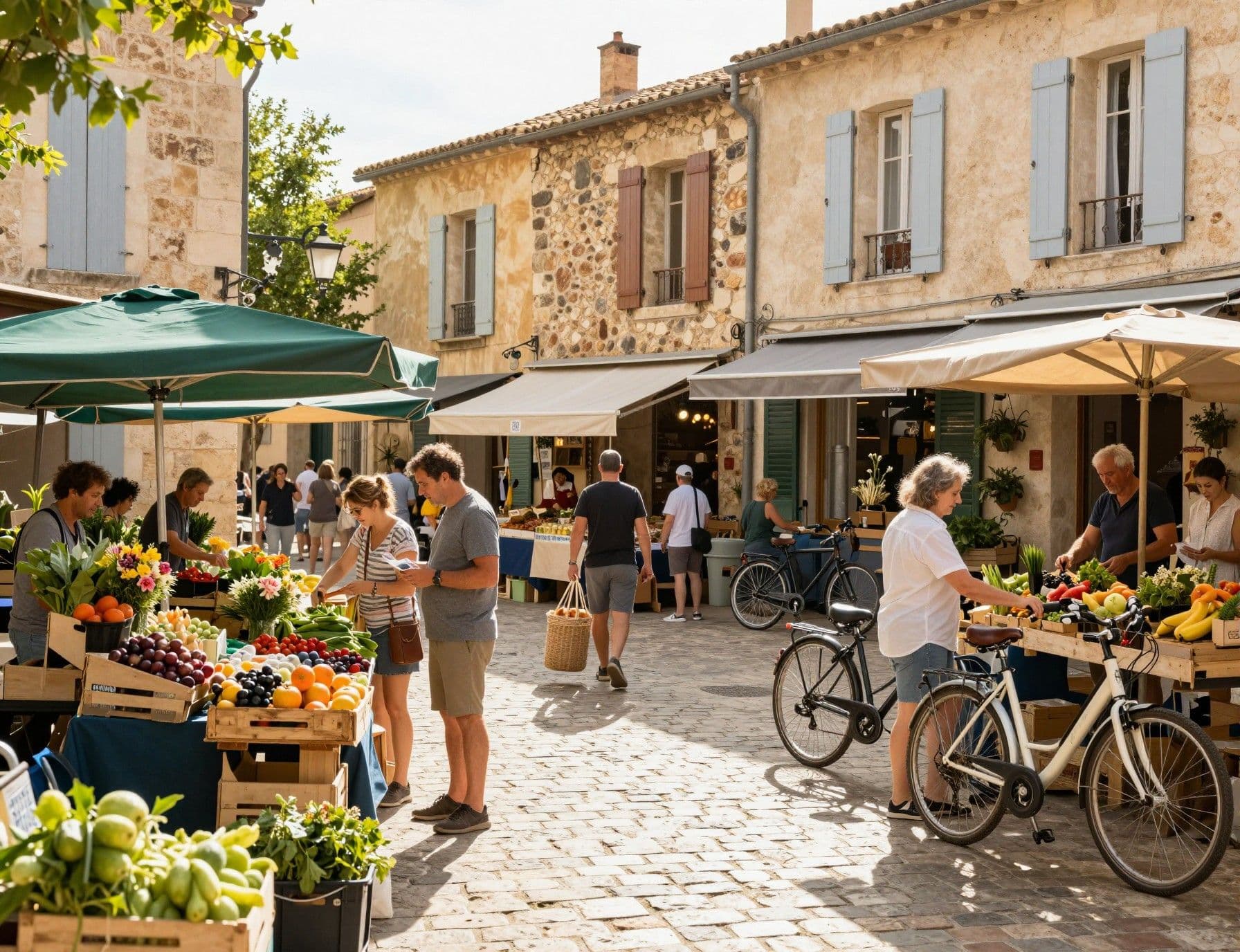
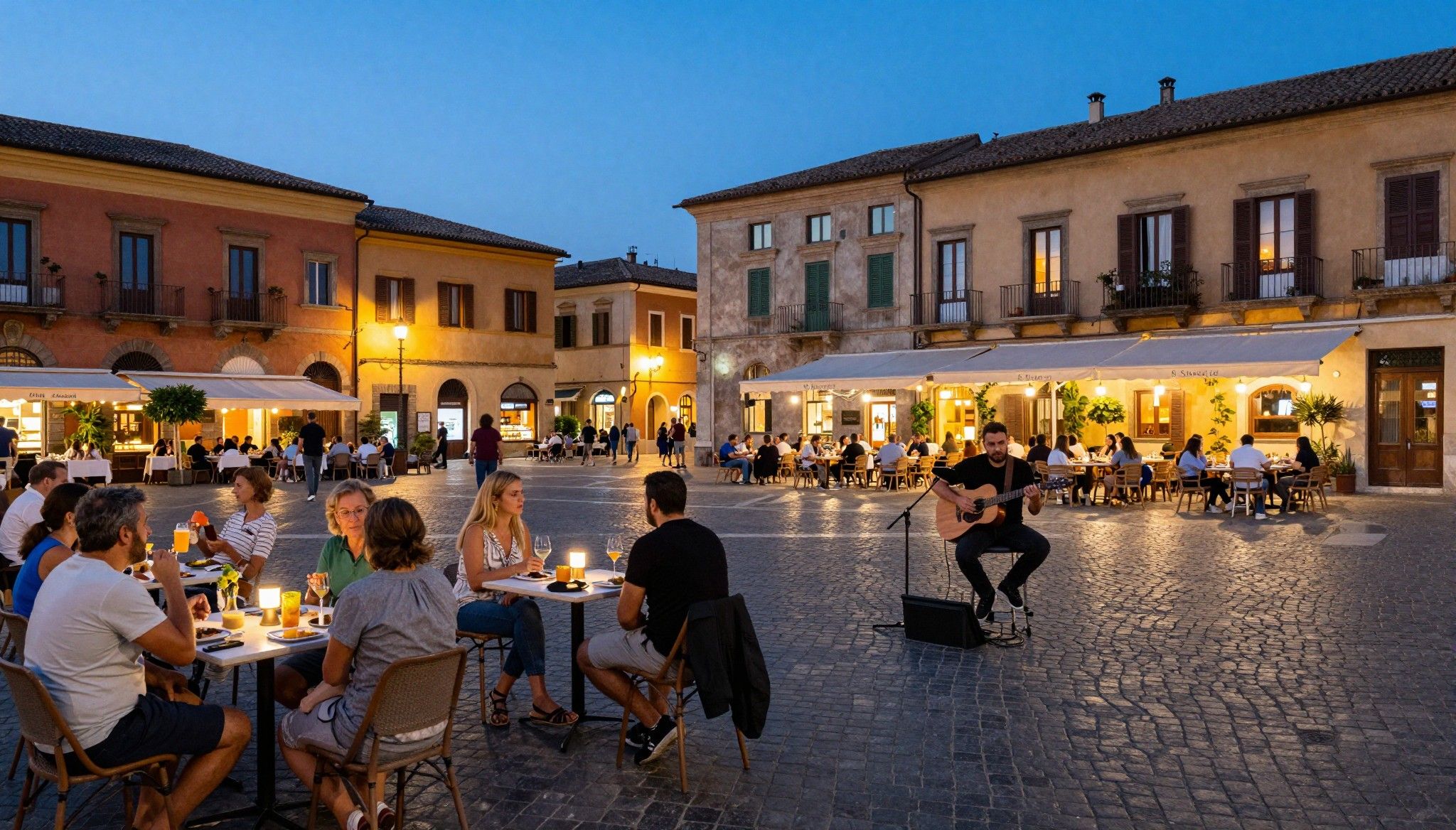
France is less a single rhythm than a chorus of daily rituals: boulangeries that seduce you at dawn, marchés that determine the week’s menus, and late‑light strolls along riverbanks or seafront promenades. Whether you are choosing an apartment on the Left Bank, a pied‑à‑terre in Nice, or a stone farmhouse in Dordogne, the practical needs of residence — climate adaptation, community rules, and risk management — are embedded in that life rather than incidental to it. The right insurance and buyer protections should feel like an invisible layer that lets you live fully without fear of sudden financial erosion.
Neighborhoods that teach you how to live
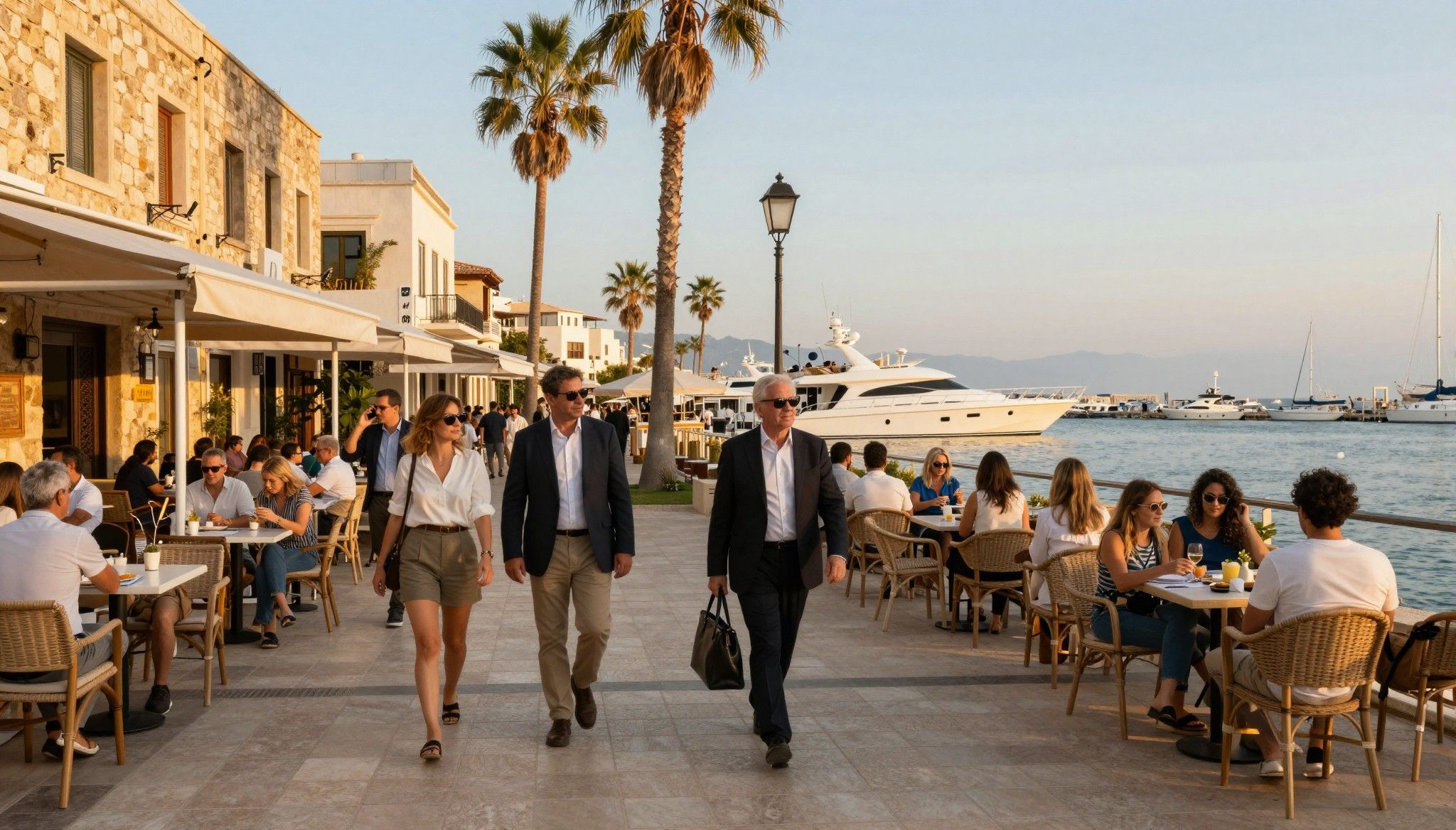
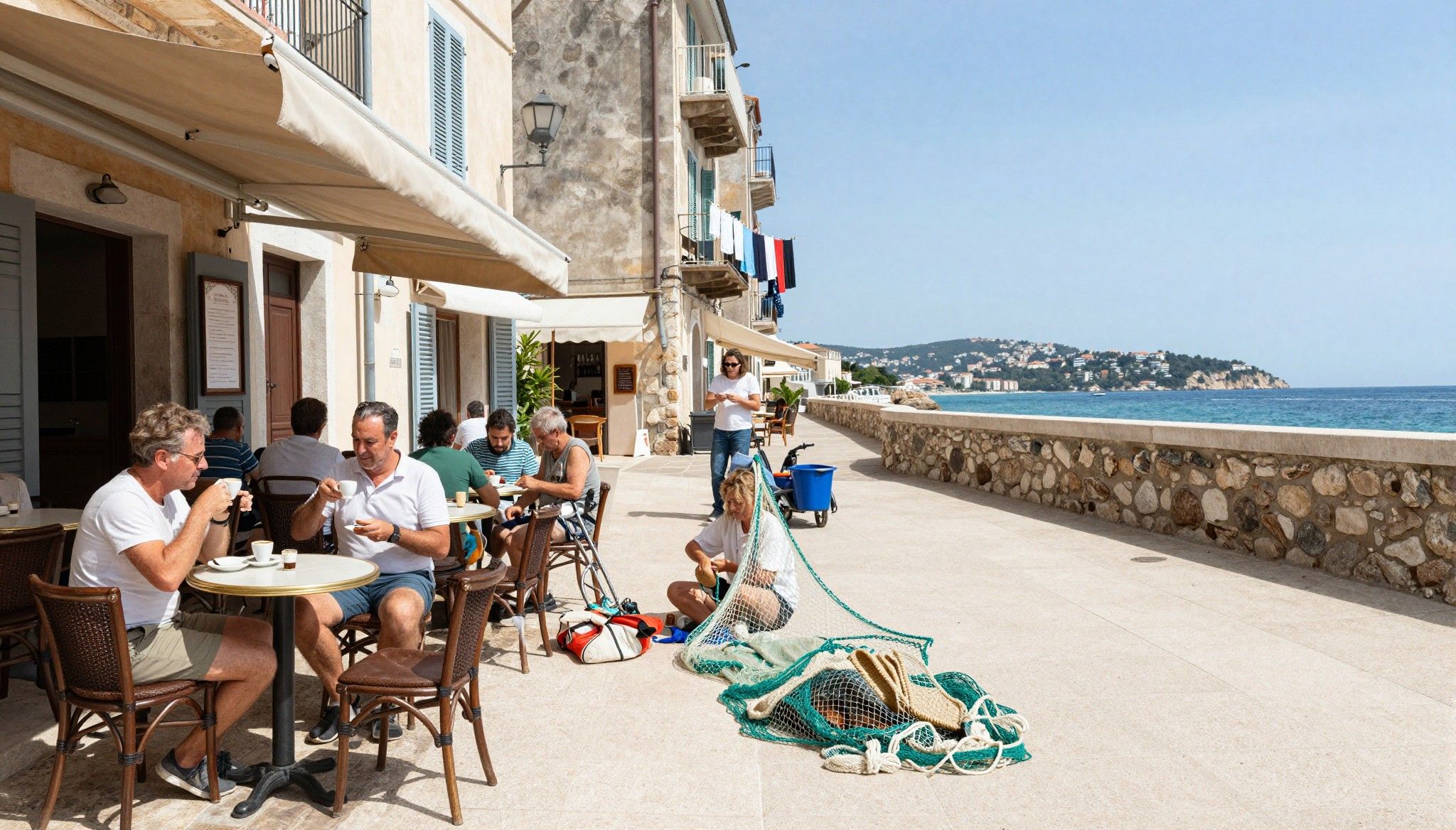
Walk the Marais in Paris and you learn to prize narrow light, hidden courtyards and the particular demands of pre‑war buildings — low ceilings, wooden joists, and a higher risk of water ingress from upstairs neighbours. In Provence, village life on streets like Rue de la République in Aix is about outdoor kitchens, stone terraces and mistral‑proofing; on the Riviera, from Nice’s Promenade des Anglais to Antibes’ old town, salt, sea spray and tourist seasonality shape insurance choices. Small differences in street, exposure and building type create large changes in what you must insure and how you negotiate covenants.
Food, markets and the rhythm of seasons
Picture buying vegetables at Marché Victor Hugo, returning to a restored apartment that smells of tarte tatin and beeswax polish. Practicalities follow: if you plan to rent your property, whether short term or long, French law makes insurance and declarations a part of that routine, and co‑ownership rules can require collective policies. Knowing these expectations ahead of signature prevents costly surprises and preserves the daily pleasures that drew you to the place.
Making the move: practical considerations

Turning affection for a place into secure ownership requires clarity on three fronts: what you must insure, what you should insure, and how to structure buyer protections into contracts. France has explicit expectations for tenants and copropriétés while owners face nuanced choices depending on use, location and building type. Experts — notably local notaires and insurers — translate local custom into enforceable steps; enlist them early and treat insurance as part of your offer rather than an afterthought.
Property styles and their insurance profile
A Haussmannian apartment, a seaside villa, and a converted barn require different coverages: water damage and neighbour liability dominate in Parisian mid‑rise buildings; coastal properties need wind and salt corrosion considerations and higher contents cover for outdoor furniture; rural houses should prioritise roof and stonework restoration clauses and protection from agricultural run‑off. A local insurer will tailor a multirisque habitation policy to these specifics, but you must specify use — primary residence, seasonal let, or permanent rental — when obtaining quotes.
Working with local experts who know the lifestyle
A French notaire will confirm which covenants and collective policies affect premiums; a syndic (co‑ownership manager) can show the building’s insurance dossier and recent sinistre history; an independent broker can compare terms across providers for expatriate‑friendly cover. Relying on a single international insurer without local validation risks gaps: many French contracts include clauses and franchises (deductibles) that vary by département and by urban versus rural claims history. Gather documentation early—plans, procès‑verbaux de copropriété, recent expert reports—and share them with advisers.
Insider knowledge: what expats wish they'd known
Buyers often learn too late that national premium averages mask sharp local variation. Coastal areas and flood‑prone valleys have seen larger rate adjustments in response to climate‑linked claims, and urban centres can show surprising year‑on‑year volatility. Insurers increasingly ask for precise risk‑mitigation measures — vetted shutters, certified heating systems, and documented drainage improvements — before offering favourable terms. Early investment in small resilience measures can buy lower franchises and preserve rental income streams.
Cultural integration, language and everyday life
Practicalities have cultural texture: neighbours expect prompt reporting of water leaks, syndics expect orderly annual general meetings, and landlords must retain certain documents for years. Learning a few legal terms in French — dégât des eaux, responsabilité civile, dommages‑ouvrage — eases discussions with insurers and syndics. Many expats find that a minimal glossary and a reliable bilingual broker or notaire transform bureaucracy from a barrier into a routine.
Long‑term lifestyle and protections that matter
Think beyond the first five years: how will coastal erosion, municipal rezoning, or changing tourist patterns affect your property and premiums? Consider judicial warranty clauses in purchase contracts, and whether you need a dommages‑ouvrage policy for substantial renovations — it accelerates recovery after a construction defect without initial fault finding. These protections are part of stewardship: they preserve the character and value of a home you intend to keep for generations.
- Lifestyle‑first insurance checklist
- Confirm whether the building has an existing copropriété policy and request the last three years of sinistre reports before you sign.
- Match policy limits to replacement cost for artisan fixtures and heritage features, not only to current market value.
- For rental plans, ensure you have explicit cover for short‑term letting or seasonal rental, and verify tax and registration obligations locally.
- Ask about climate‑related endorsements (flood, storm, subsidence) and what mitigation will improve your premium.
- Keep photographic inventories and receipts for high‑value items; insurers often require proof for full indemnity.
Concrete steps: from offer to secure ownership
Treat insurance and buyer protections as components of your offer: request the syndic’s insurance dossier during due diligence, build a clause requiring the seller to produce the last procès‑verbaux, and insist on a cooling period to organise binding cover. Early clarity reduces the chance that a final policy will be more expensive or narrower than expected, and it gives you leverage to negotiate price adjustments or seller contributions for remedial work.
- Step‑by‑step buyer protection actions
- Request the building’s insurance certificate and sinistre history as a condition precedent in your promesse de vente.
- Commission an independent expert for any property over 100 years old or with visible structural work to quantify risks and recommend mitigations.
- Negotiate a seller contribution or escrow for agreed remedial works that lower insurer risk; obtain written confirmation of completion before notary finalisation.
A measured approach brings practical confidence: gather dossiers, invest in modest resilience upgrades, and position insurance as an integral part of the purchase offer. Local experts — notaires, syndics and bilingual brokers — align the lifestyle you seek with the protections you need. With sensible preparation, your French home becomes not a liability but an asset you can steward across seasons and generations.
Next steps: ask your Villa Curated adviser for a tailored checklist, request the syndic dossier for any co‑owned building you love, and obtain at least three comparative insurance estimates before signing the compromis. Begin with small, meaningful investments — certified roof repairs, tested heating, basic flood proofing — that both improve daily life and materially reduce insurance friction. In France, good homes are as much about care as about purchase; protect both.
Former Copenhagen architect who relocated to Provence, offering relocation services, market analysis, and a curator’s eye for authentic regional design.