When Italy’s Summer Glow Hides Your Best Investment
Italy’s beauty can mislead: buy with season-aware inspections and market data; OMI and ISTAT show steady growth — timing matters as much as taste.
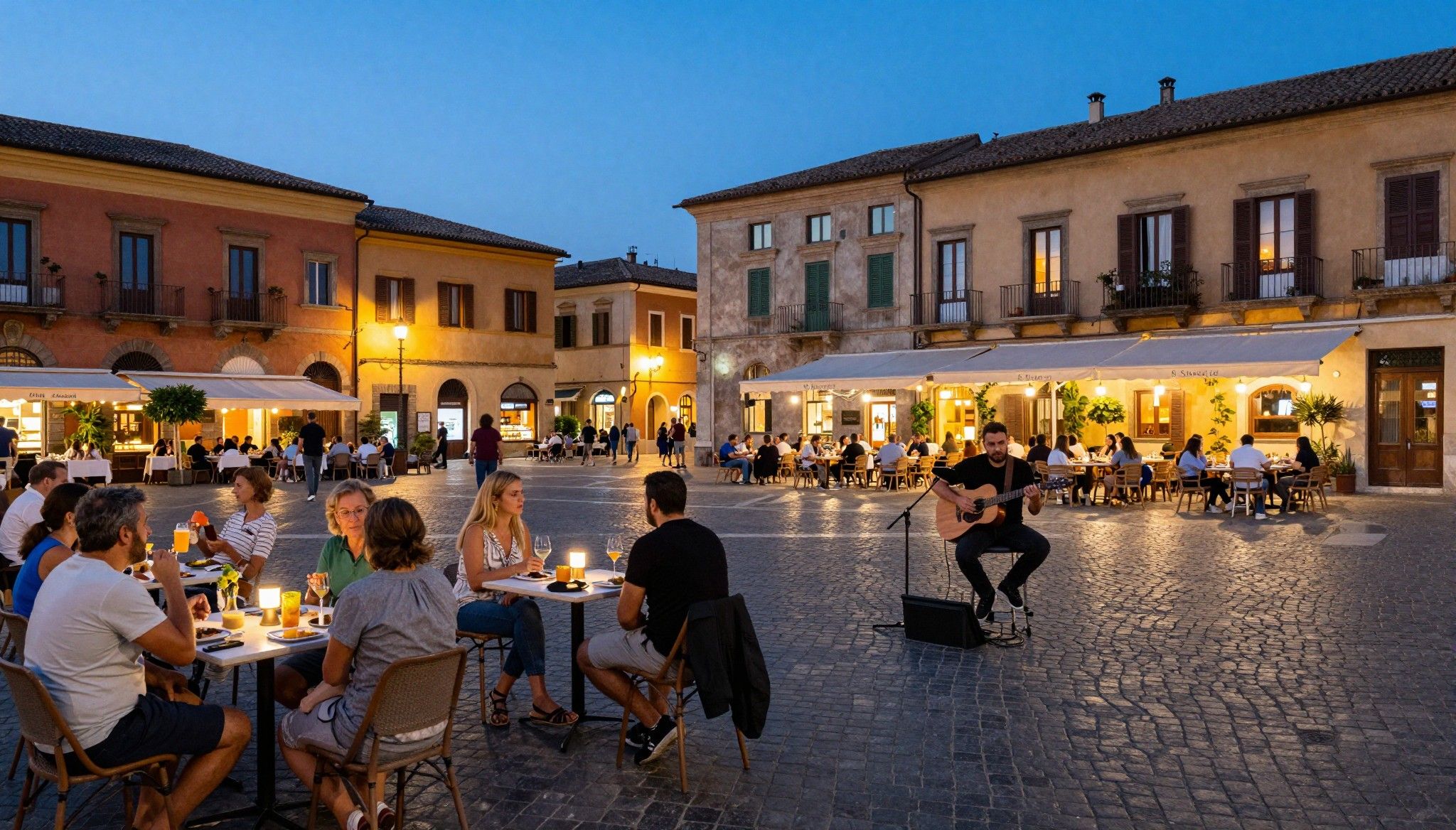
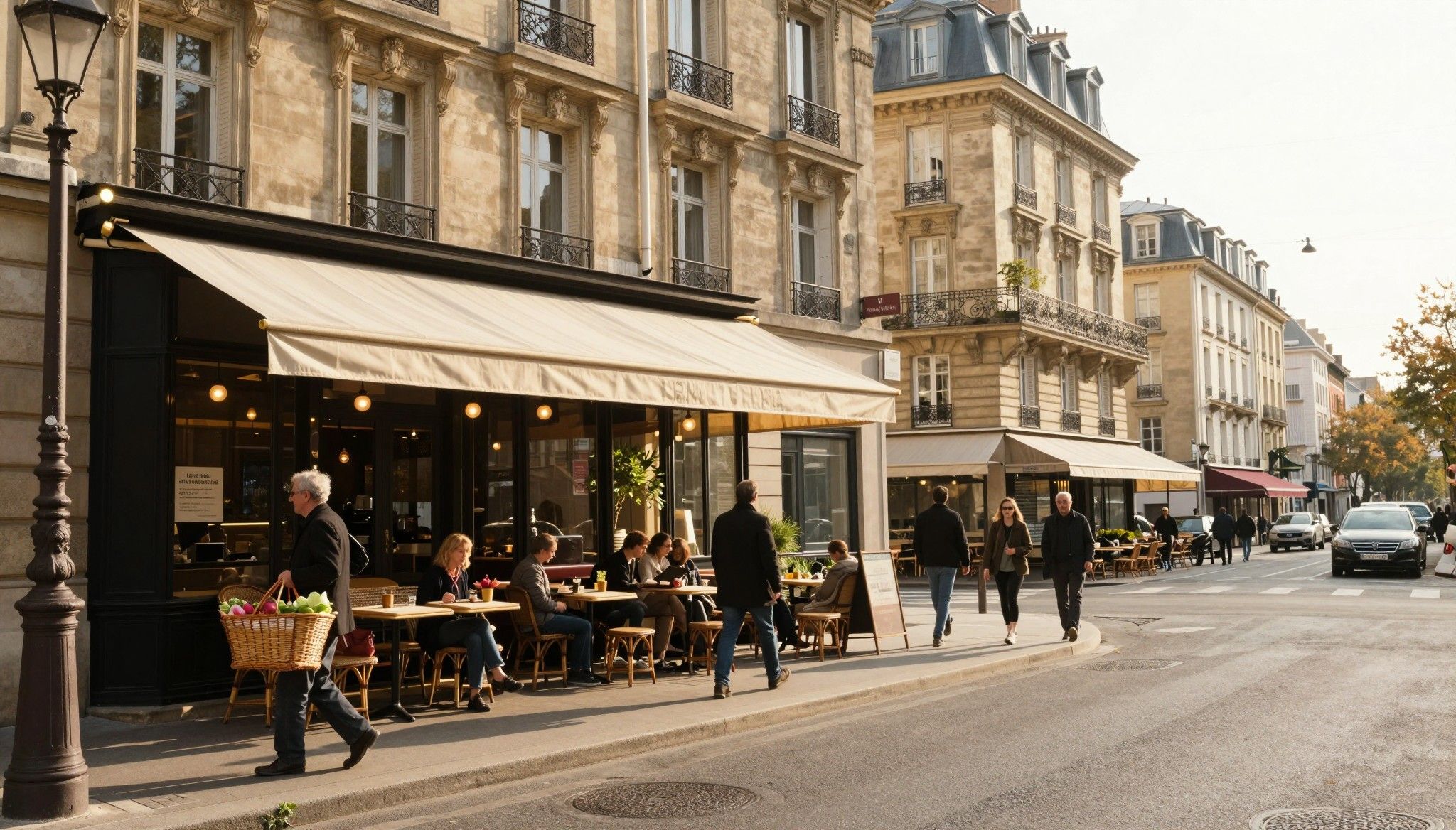
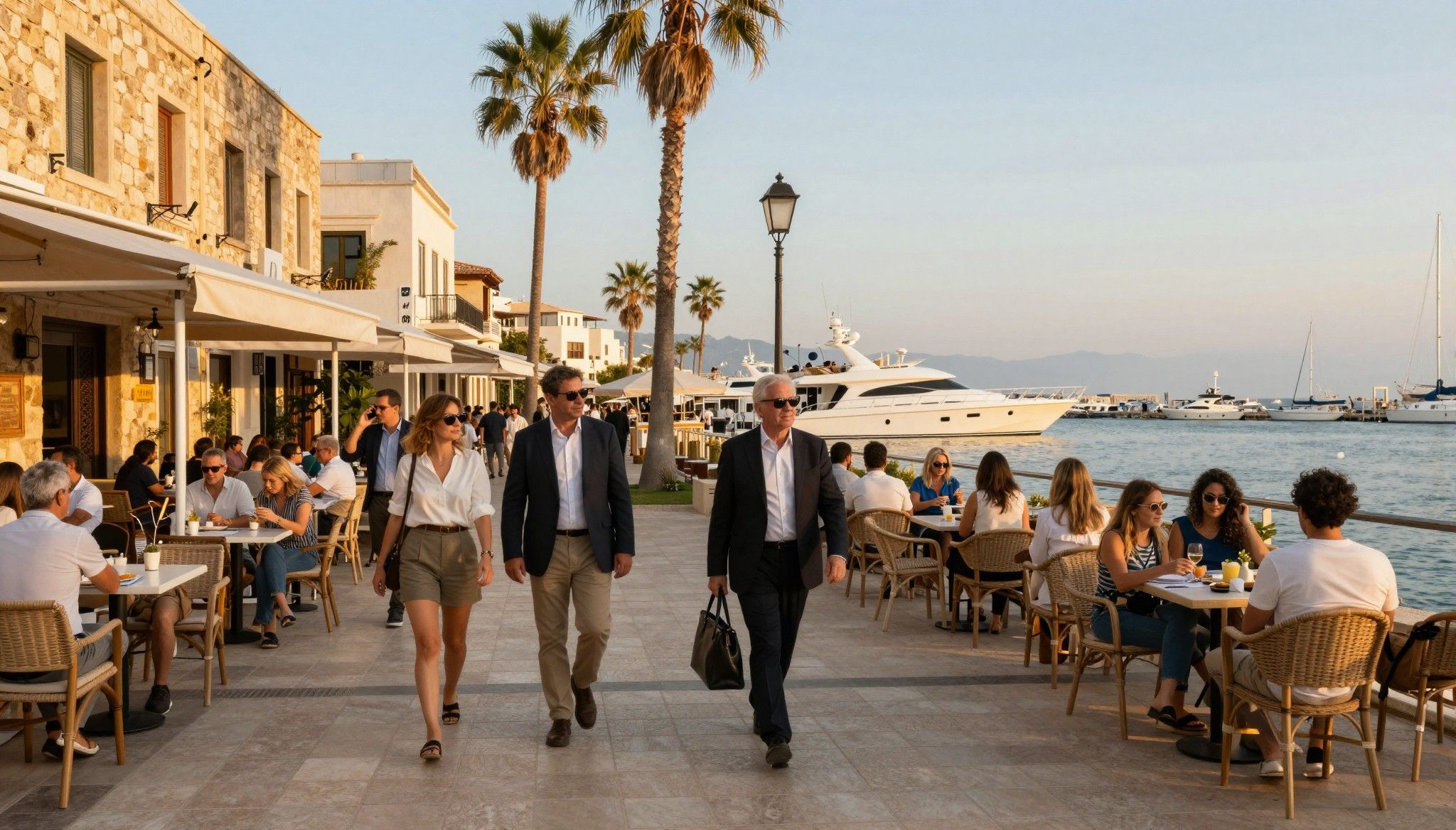
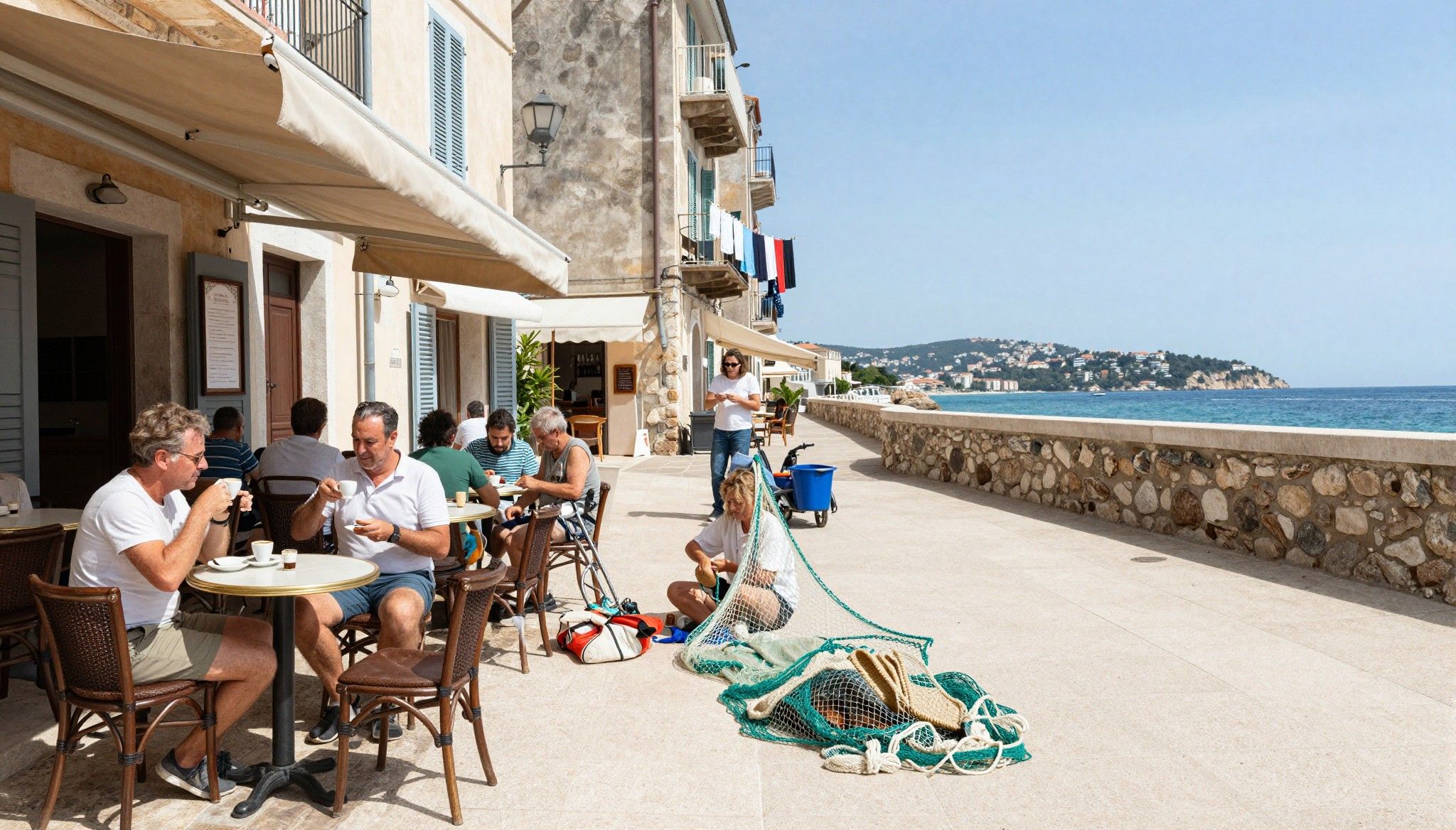
Imagine an early June morning in Italy: espresso crema pooling at the edge of a small porcelain cup in Florence’s Oltrarno; fishermen dragging nets along an Adriatic quay near Polignano a Mare; a Ligurian boulangerie opening shutters on Via Garibaldi in Genoa. The country feels lived in — public life flows through neighbourhood squares, markets and piazze rather than gated courtyards — and that daily choreography is the first thing international buyers fall for. Yet the calendar and the crowd can mislead. Recent market analysis shows steady price growth through 2024–25 and varying city-by-city momentum, which makes timing — not just taste — a critical part of a prudent purchase. ([istat.it](https://www.istat.it/en/archive/house%2Bprices?utm_source=openai))
Living the Italy lifestyle: rhythm before real estate
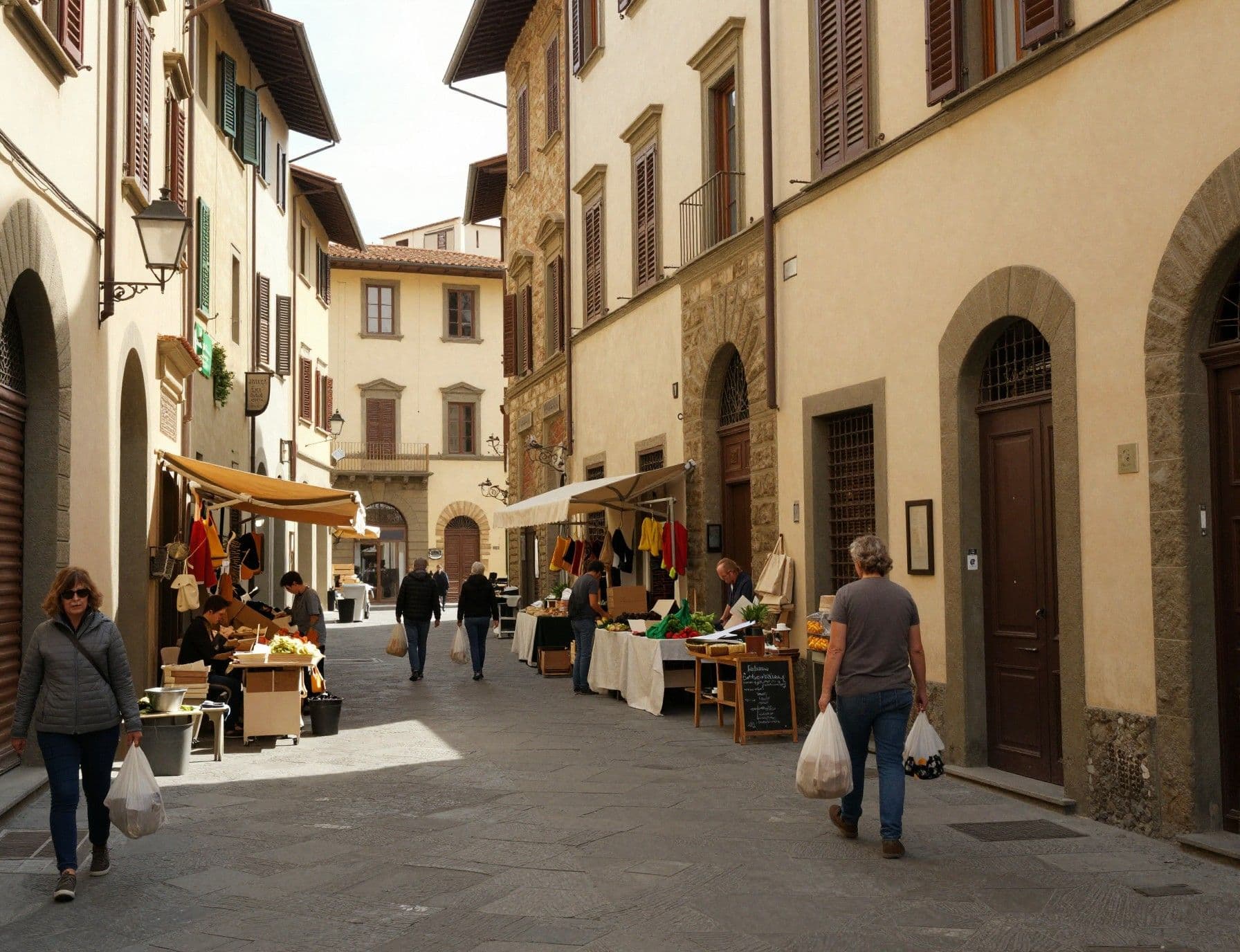
Italy’s pleasures are directional: mornings belong to the market and the barista; afternoons to siesta-laced streets or hilltop cafes; evenings to long meals and late passeggiata. Choose a property by how it lets you inhabit those rhythms. A pied-à-terre in Brera places you within an artful aperitivo circuit; a restored farmhouse on the Chianti ridge gives you vineyard mornings and slow, domestic year-round life. When I show clients properties, I ask: which hour of the day do you want most of your life to be in?
Neighbourhood portrait: Oltrarno and the tactile pleasures of craft
Crossing the Ponte Vecchio toward Oltrarno is to step into workshops and narrow streets where artisans still fashion leather, paper and ceramics. Properties here range from Florentine apartments with beamed ceilings and pietra serena fireplaces to palazzine whose courtyard wells out onto artisan alleys. For an international buyer, the area’s advantage is experiential authenticity: morning markets at Santo Spirito, neighbourhood trattorie, and a compact walkability that sustains year-round life rather than seasonal tourism.
Food, rituals and seasons: how taste shapes where you live
A day in an Italian neighbourhood is an edible map: morning coffee at a bar counter, a market run for seasonal vegetables, and aperitivo by twilight. This culinary tempo influences property choices — larger kitchens and storerooms matter in Tuscany; shaded terraces and shutters matter on the Amalfi and Ligurian coasts. Market data indicates rent growth in many Italian cities even as sales recover, underscoring the value of properties that can be used both for living and selective yielding. ([immobiliare.it](https://www.immobiliare.it/info/ufficio-stampa/2025/il-mercato-immobiliare-nel-2026-crescita-costante-per-vendite-3-1-e-affitti-8-1-2761/?msockid=0de48b0c9ce46e97210b9df49db76f1c&utm_source=openai))
- Lifestyle highlights to look for
- Daily market within a 10-minute walk (e.g., Mercato Centrale, Florence; Mercato di Porta Romana, Milan)
- A café that feels like your living room (Brera’s historic bars; Venice’s quieter sestieri off the tourist trail)
- An outdoor, private space — courtyard, terrace or rooftop — sized for daily use rather than occasional entertaining
Making the move: practical considerations that respect the lifestyle
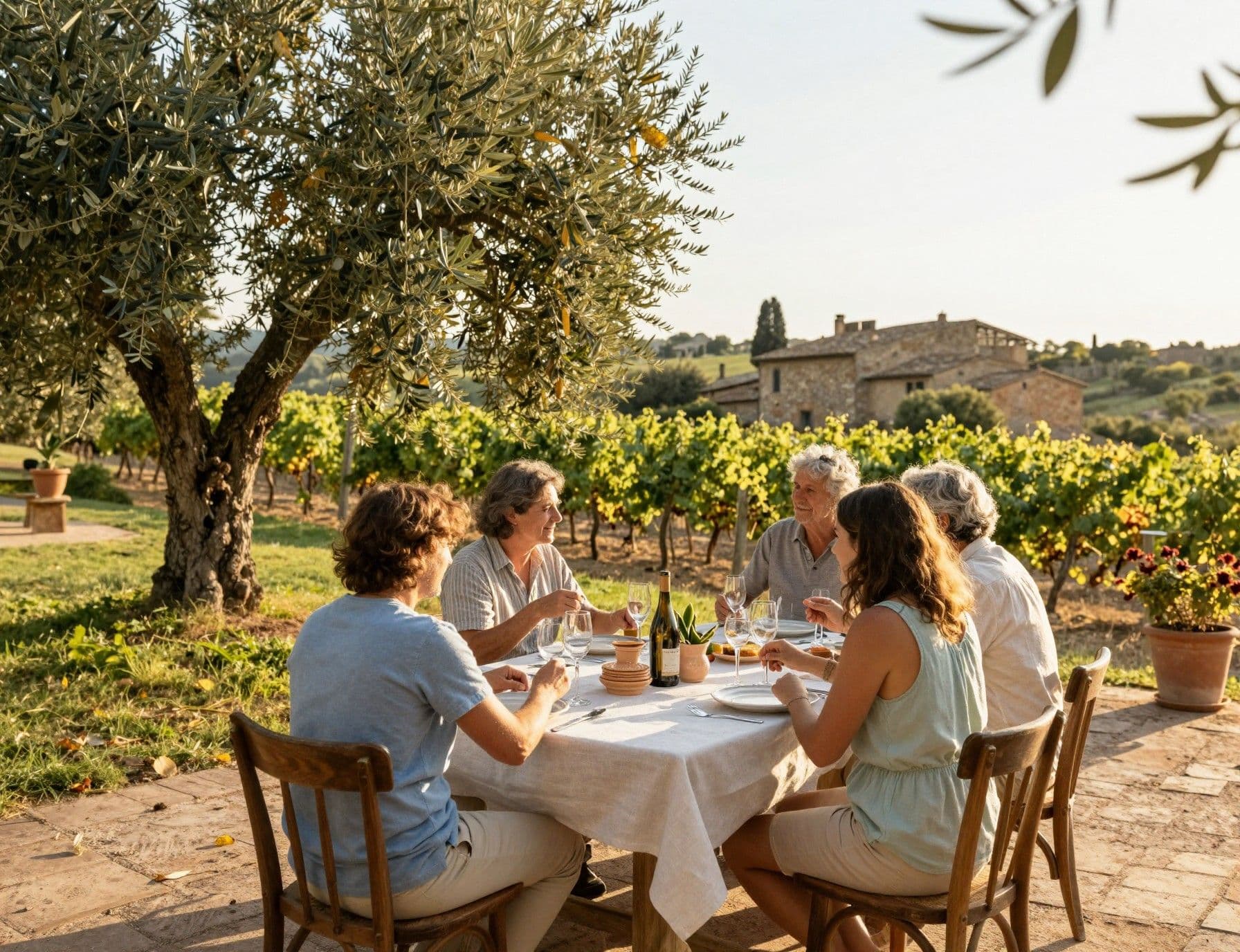
Your dream and the market intersect in measurable ways: price momentum, transaction volumes and the seasonality of viewings. National statistics show an ongoing recovery in transactions with pockets of prime-market tightening around Milan, Rome, Tuscany and Lake Como. Working with local experts who read both the cultural texture and the market curves prevents costly mistakes — for example, paying prime-season premiums on coastal properties that would be considerably less sought after in October. ([assets.cushmanwakefield.com](https://assets.cushmanwakefield.com/-/media/cw/emea/italy/insights/italymarketoverviewtrends2025outlook2026.pdf?rev=6d6b103642dc4d67a898c355defca78d&utm_source=openai))
Property types and what they actually offer
Historic apartment in a centro storico: provenance, high ceilings, ornate moldings, and sometimes restrictive condominium rules. A restored farmhouse (casale): privacy, land and the chance for agrarian projects, but higher maintenance and utility logistics. A modern penthouse in Milan: connectivity and services, yet less of the tactile patina many buyers seek. Match the property’s character to the life you intend to lead rather than to postcard charm alone.
Working with agencies who understand the life, not just the ledger
A good Italian agent is as much cultural translator as market intermediary. They can tell you which streets retain neighbourhood families after tourist seasons, which condominiums enforce renovation standards, and where municipal plans might change a view. Choose advisors who show you actual daily life (walk the market, sit at the bar at 9am, 2pm and 8pm) and bring data: comparable sales, OMI maps from the Revenue Agency, and recent HPI releases. These details preserve the lifestyle you buy into.
- Steps that blend lifestyle and due diligence
- Spend three separate visits at different times (market morning, slow afternoon, evening): observe daily rhythms before placing an offer.
- Request OMI comparable maps and recorded transactions for the past two years to verify pricing trends rather than relying on anecdote. ([globalpropertyguide.com](https://www.globalpropertyguide.com/europe/italy/price-history?utm_source=openai))
- Check municipal plans and conservation restrictions for heritage properties — what you can renovate is often as decisive as what you can buy.
Insider knowledge: what expats wish they’d known
Expats often report two surprises: first, the persistence of neighbourhood identity despite tourism; and second, the false logic of buying at the sunniest moment. Prime coastal and historic quarters look their finest in July, but that visibility draws premium seasonal prices and conceals maintenance issues that only appear in autumn storms. International buyers who delay inspections until high season risk overpaying and missing the real functional picture of a property. ([content.knightfrank.com](https://content.knightfrank.com/research/84/documents/en/global-house-price-index-q2-2025-12456.pdf?utm_source=openai))
Cultural integration: language, neighbourhood etiquette and daily life
Learning basic Italian opens doors to local networks — the barista who knows your name, the baker who reserves the crusty pane after market day, the neighbour who can recommend a reliable mason. Neighbourhoods organise themselves around rituals: market stalls close on different days across regions; garbage collection schedules vary and affect where people store recyclables; condominium assemblies decide heating schedules. These small civic rhythms shape how comfortably you will live.
Long-term life: stewardship, renovation and generational value
Italy rewards stewardship. Properties with documented restorations, artisan-led conservation, and sympathetic modern interventions hold cultural and market value. Consider long-term running costs — heritage roofs, stone façades and traditional heating systems require specialist craftspeople — and factor those into price discussions. The buyers who treat homes as projects of provenance, not quick flips, are those who find both satisfaction and enduring value.
- Red flags to notice when you fall in love
- A property shown only in peak season with no off-season access for inspection.
- Incomplete service records for structural works, terraces or pool maintenance.
- A condo assembly resistant to non-resident owners — it may complicate renovations and long-term use.
If an address reads like a postcard in July, ask to visit it in October. Observe weather exposure, damp, access roads and neighbours’ winter routines. That one additional visit is often decisive in revealing maintenance burdens, noise levels and whether the neighbourhood remains inhabited off-season.
Conclusion: make the calendar part of your criteria. Pursue places that suit the hour of life you imagine — morning markets, vineyard afternoons, or canal-side evenings — and insist on research that matches that imagination. Work with advisors who steward the cultural and material integrity of properties, bring hard data (HPI trends, OMI comparables, municipal plans) and arrange off-season inspections. Come for the cuisine and the light; buy with the quiet rigor of a custodian. The life you want in Italy begins with hospitality, and endures through stewardship.
Former Copenhagen architect who relocated to Provence, offering relocation services, market analysis, and a curator’s eye for authentic regional design.