Where Italy’s Price Myths Hide Real Value
Italy’s charm masks micro‑markets where lifestyle and value meet; use neighbourhood rhythms, seasonal visits and local experts to translate romance into sound property selection.
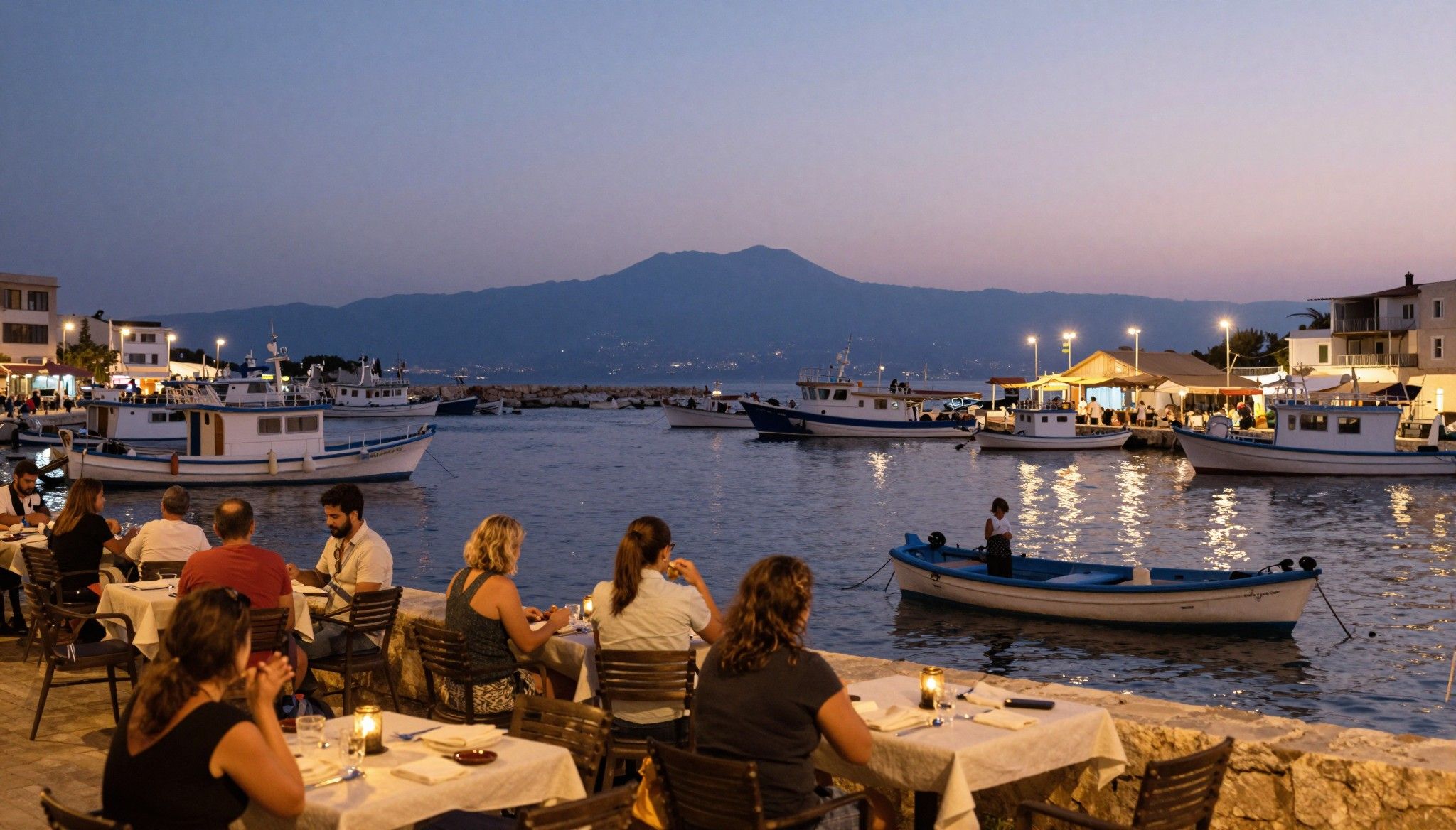
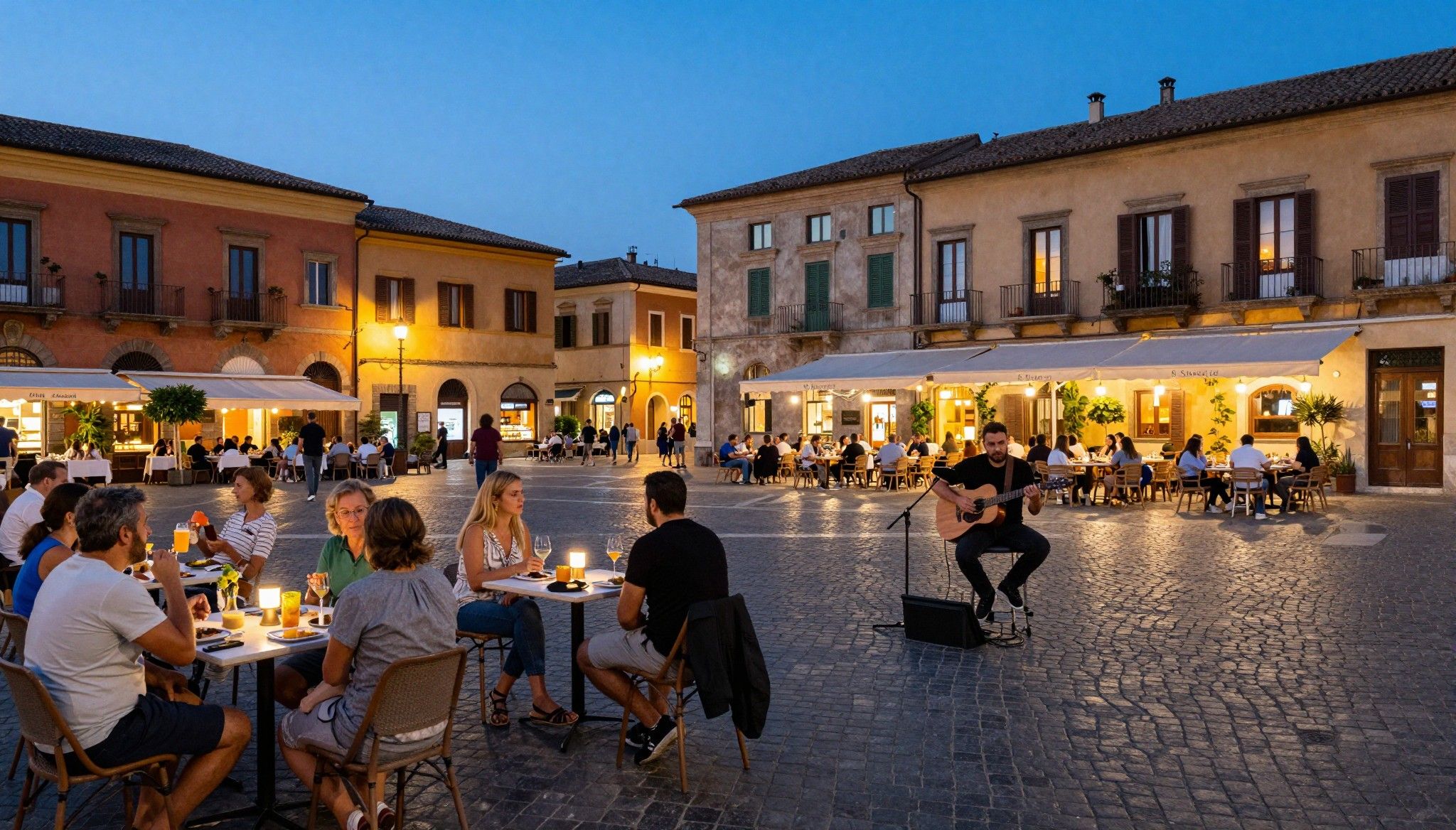
Imagine waking to the clatter of espresso cups in a narrow lane of Bologna, or to late‑afternoon light pooling over Roman terraces where neighbours fold sheets on wrought‑iron balconies. Italy invites a daily choreography — markets at dawn, aperitivo at dusk — that reshapes how a home is lived, not merely owned.
Living the Italy lifestyle
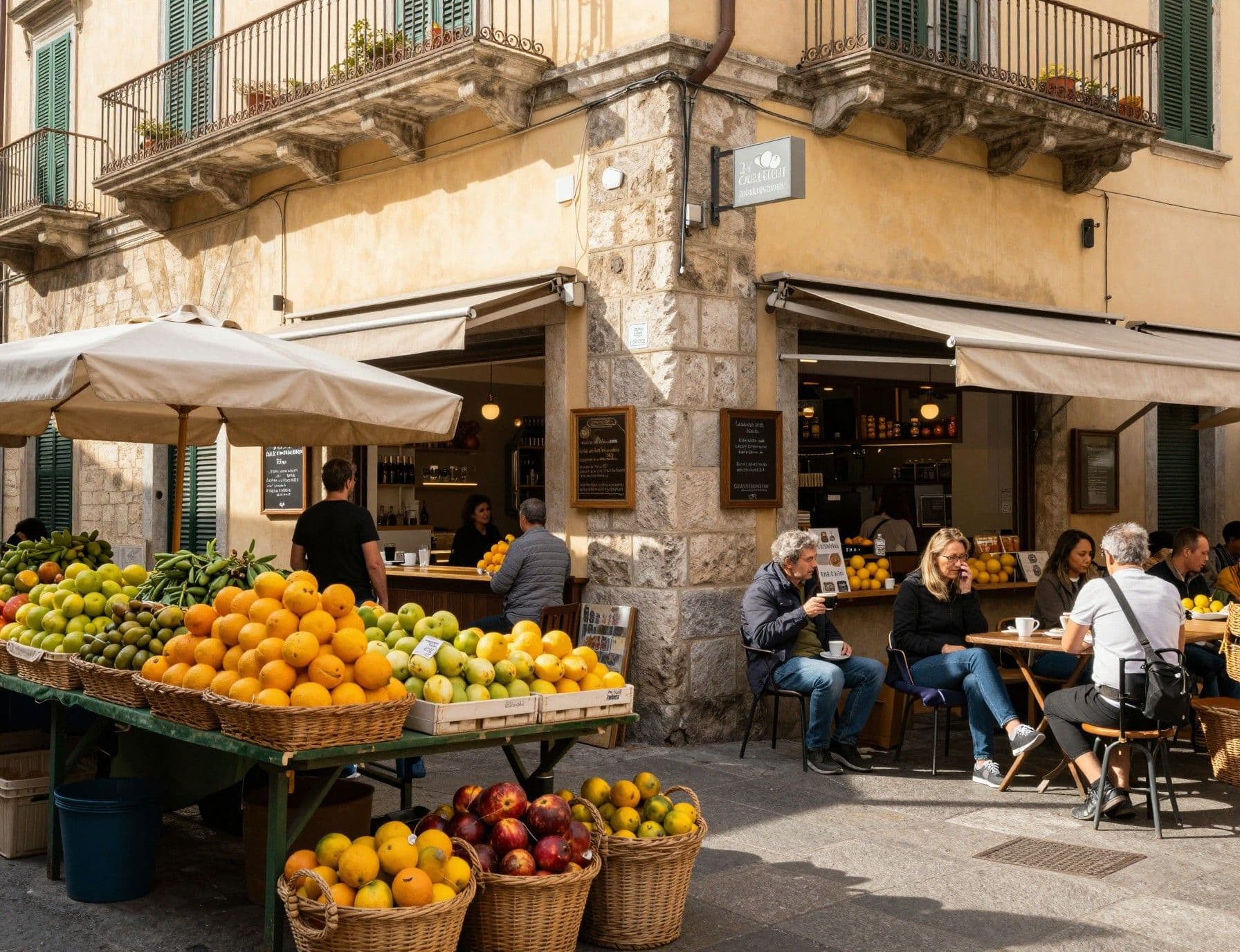
Italy is not a single rhythm but a collection of rhythms: the scholarly quiet of Siena’s streets, the sea‑murmur of Ligurian promenades, the industrious hum of Milanese design districts. Each tempo suggests a different property proposition — a restored palazzo for evenings of chamber music, a simple stone farmhouse for gardened mornings.
Neighbourhoods that reward attention
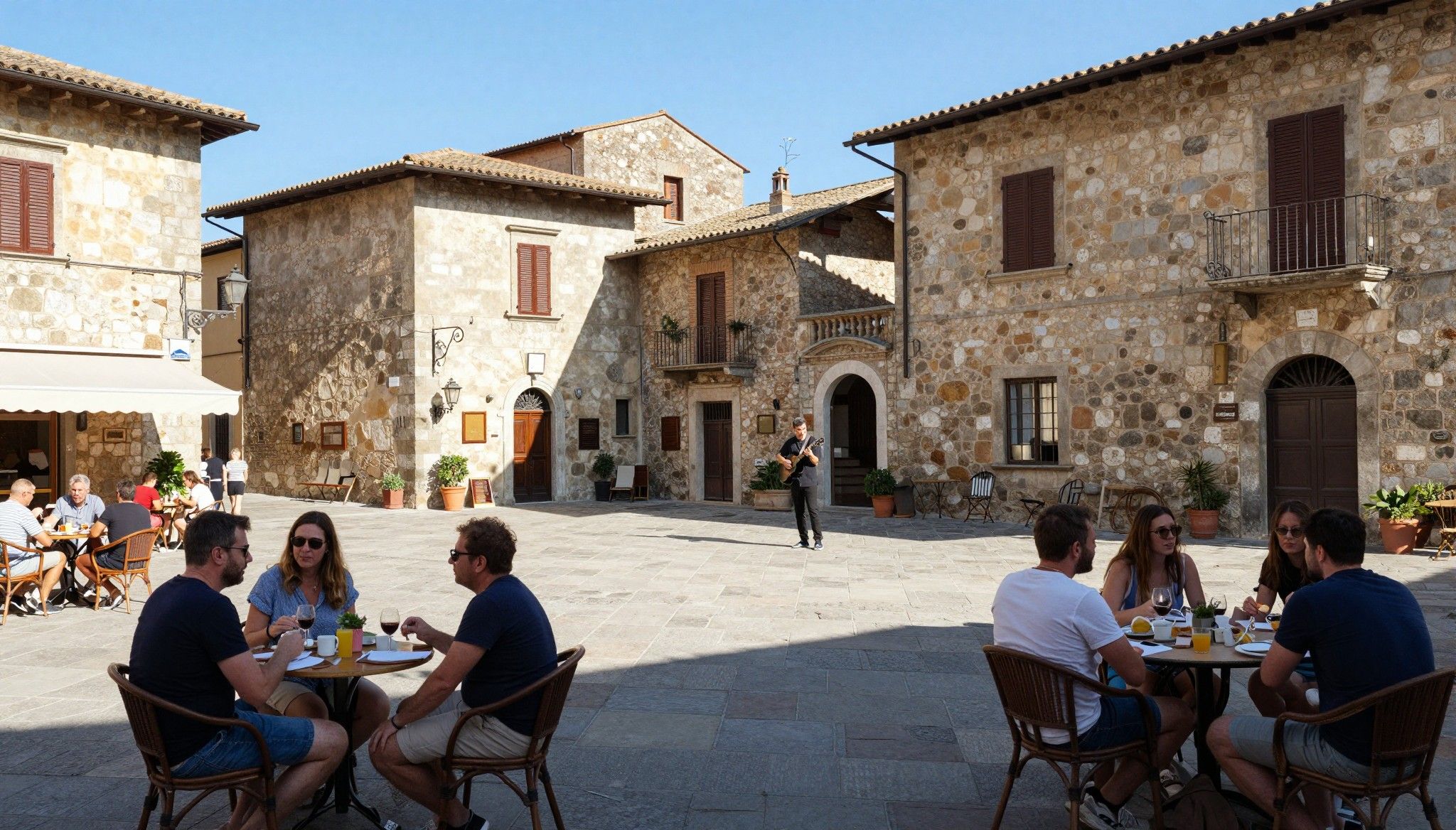
Seek blocks where local life remains intact: Trastevere’s cobbled lanes in Rome for convivial street life; Brera in Milan for galleries and discreet ateliers; Salento’s lesser‑known coastal hamlets for limestone houses and olive groves. These places offer lifestyle dividends — morning markets, trusted cafes, a network of small artisans — that translate into steady demand and enduring value.
Food, market and seasonal life
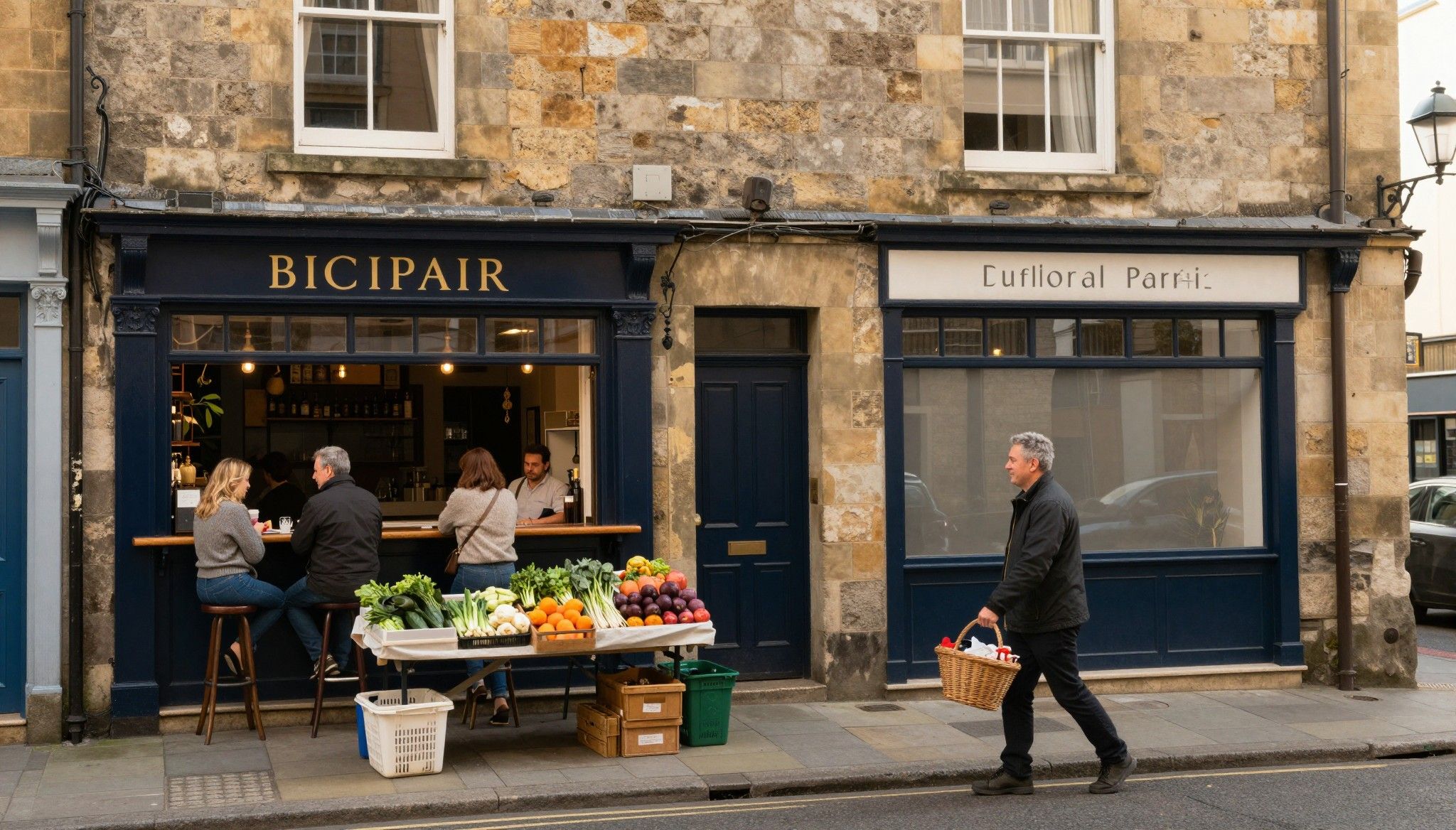
A day begins with a short walk to the mercato for seasonal produce — citrus in Sicily, wild asparagus in Abruzzo, late‑summer tomatoes in Emilia‑Romagna. Restaurants follow the calendar: trattorie that close for a month after harvest, wine bars that stage vendemmia suppers. For buyers, proximity to these rhythms matters as much as square metres.
- Lifestyle highlights: neighbourhood markets at dawn; afternoon passeggiata and piazza life; regional food festivals (Sagre) tied to harvests; small artisanal workshops; weekly communal laundry days in historic quarters.
Making the move: lifestyle meets reality
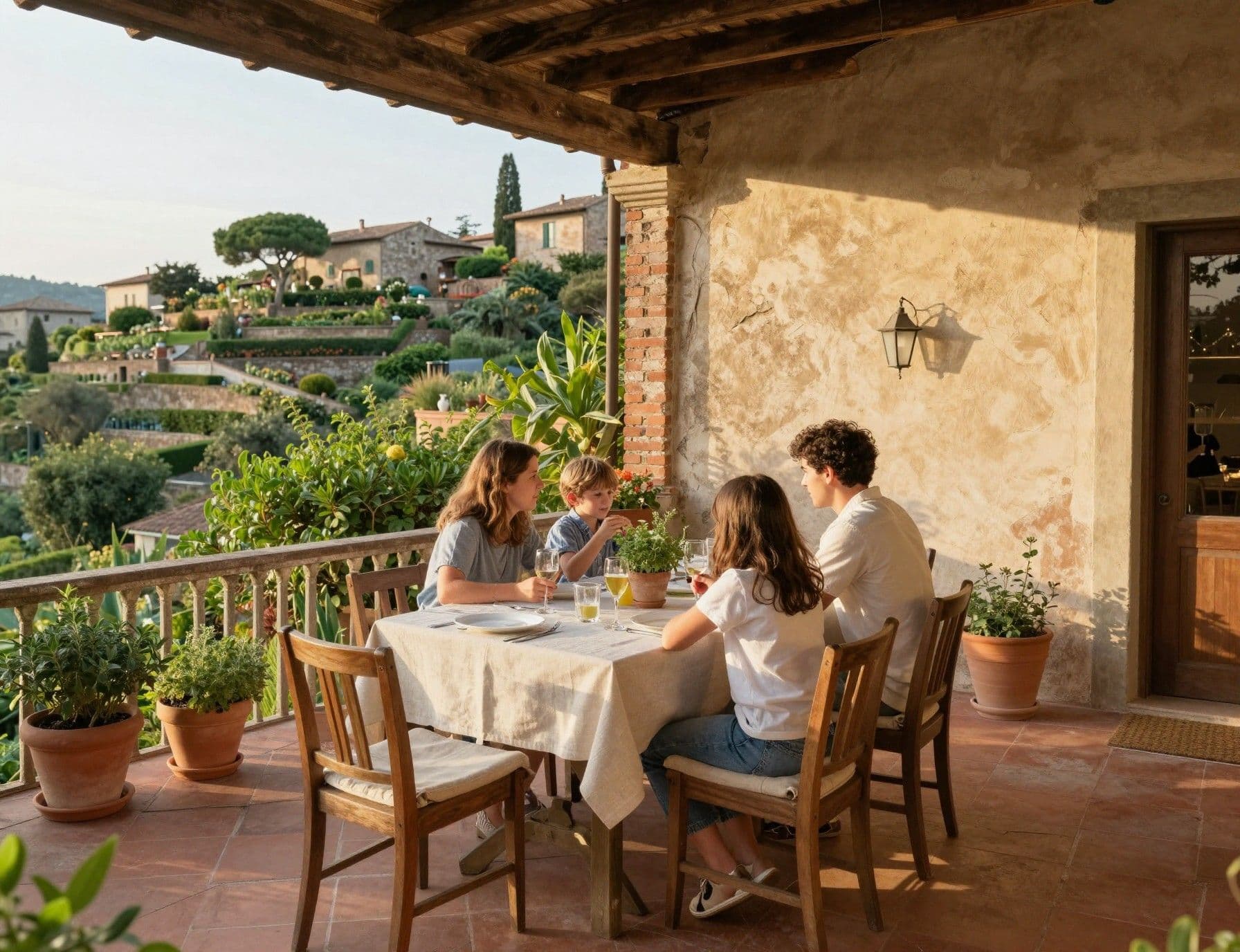
The romance of Italy must be balanced with market facts. Official data show prices rose in 2025, particularly for existing stock, even as regional patterns diverge: Milan and Rome reported stronger gains while peripheral towns moved more slowly. Understanding those micro‑patterns informs where lifestyle and value converge.
Property types and how they shape daily life
A restored palazzo suite offers ceilings of carved stucco and a life of private courtyards and evening salons; a countryside casale frames outdoor living and olive groves; a compact centro storico apartment trades garden space for immediate access to markets and cultural life. Choose by ritual: where will you take coffee, cook, entertain and store seasonal clothes?
- How local experts turn lifestyle into a shortlist
Work with an agency that can: 1) map neighbourhood rhythms and off‑market inventory; 2) verify restoration provenance and artisan credentials; 3) assess utility upgrades for comfort in historic fabric; 4) model seasonal rental potential against private use; 5) introduce you to local conservators and property managers.
Insider knowledge: what expats wish they’d known
Beyond documentation and taxes, buyers discover cultural rules that shape daily life: shutters closed for midday heat, the social capital of knowing a local merchant, and the patience required by municipal permit timelines. These habits determine not only comfort but resale desirability.
Language, community and the slow art of belonging
Learning enough Italian to read market notices and to greet neighbours materially alters integration. Join a cooking class, a communal olive harvest or a local festa; these are where introductions become friendships and a house becomes a home. Agencies that arrange local introductions accelerate this transition.
Long‑term lifestyle realities
Consider maintenance rhythms: older masonry needs seasonal attention, rural properties require water and energy planning, and historic properties demand conservation expertise. These ongoing commitments should factor into purchase price and the selection of local stewardship partners.
- Practical red flags to spot: inconsistent provenance of restoration; unclear condominium records; poor heating upgrades that undermine insulation; properties with limited road access in winter; promises of tourism income without occupancy evidence.
Italy’s sensory pleasures are immediate; the practicalities require patience and the right local counsel. Begin by making a list of daily rituals you cannot forgo, then ask an agency to translate those into specific streets, building types and seasons for visits.
Next steps — how to proceed with confidence
1) Shortlist neighbourhoods by lifestyle priorities; 2) commission a targeted viewing trip in shoulder season; 3) request agency references for restorations and off‑market sales; 4) secure local stewardship and a bilingual notary before offers.
A house in Italy is a way of life: sensory, social and seasonal. With careful selection, local expertise and respect for provenance, international buyers can find properties that repay living as much as investment. Let the place choose you — but bring a clear plan.
Norwegian with years in Florence guiding clients across borders. I bridge Oslo and Tuscany, focusing on legal navigation, cultural context, and enduring craftsmanship.