Seasonal Protections: Buy in France with Confidence
Plan purchases around France’s seasons: schedule diagnostics and insurance checks after wet and cold months to reveal hidden risks and secure stronger protections.
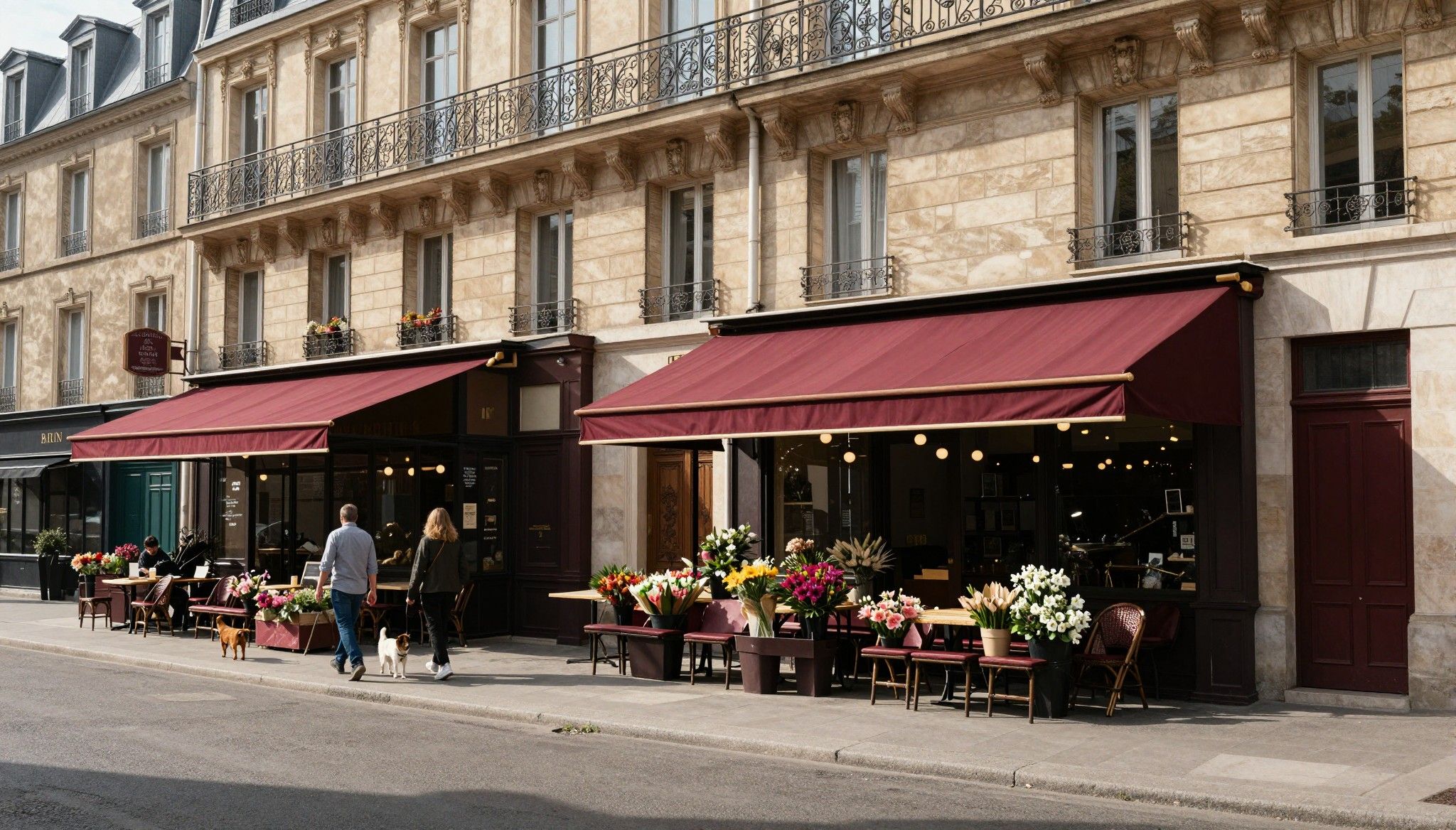
Imagine arriving in early October to a village market in Provence: chestnuts roasting, a market stall selling confit and young rosé, a stonemason sweeping the steps of a seventeenth‑century maison de maître. It is in these seasonal moments — harvests, fêtes patronales, the lull after the summer rush — that the realities of French property ownership reveal themselves: community rhythms, local craftspeople, and the administrative rituals that protect buyers long before the keys change hands.
Living the French life — and why timing matters
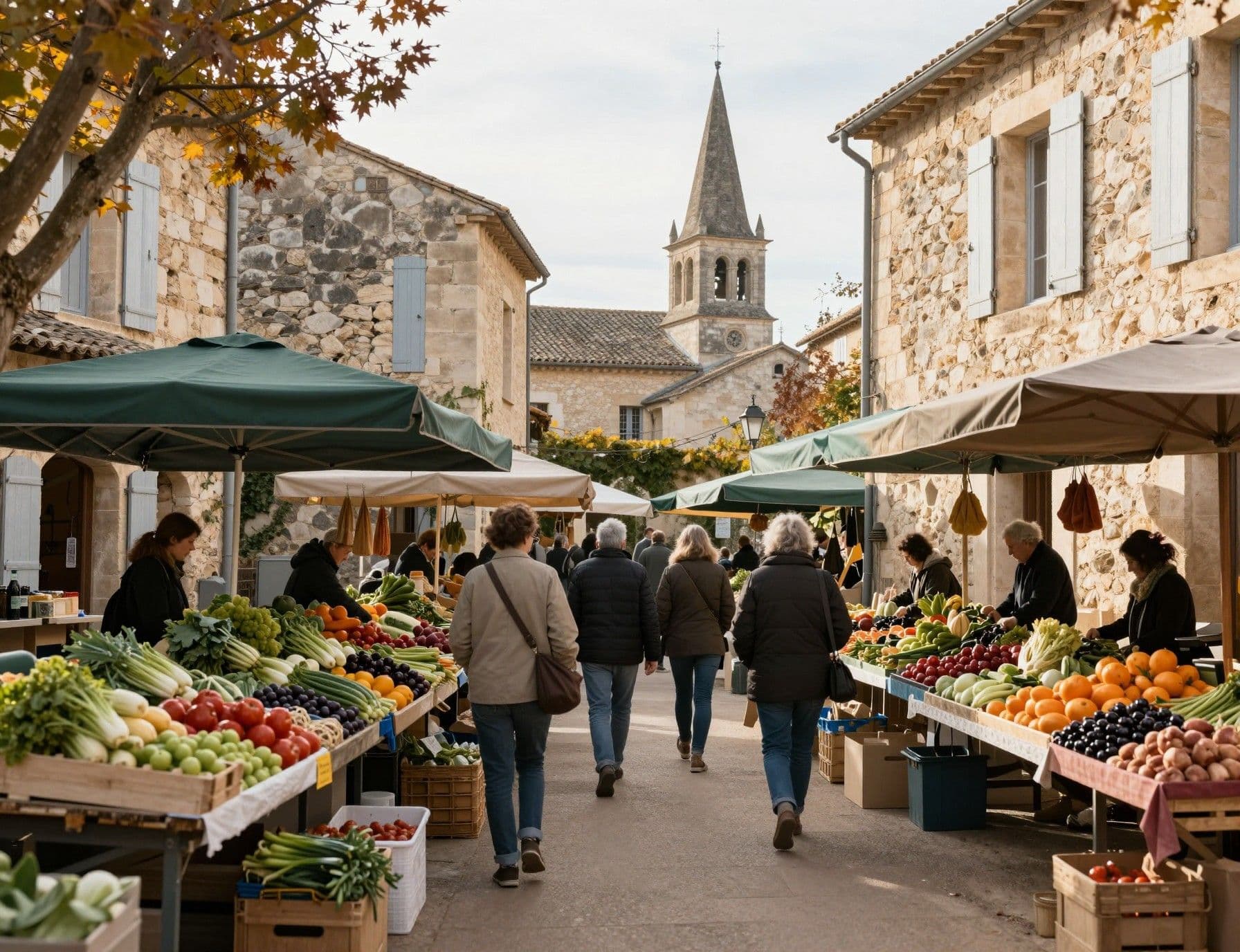
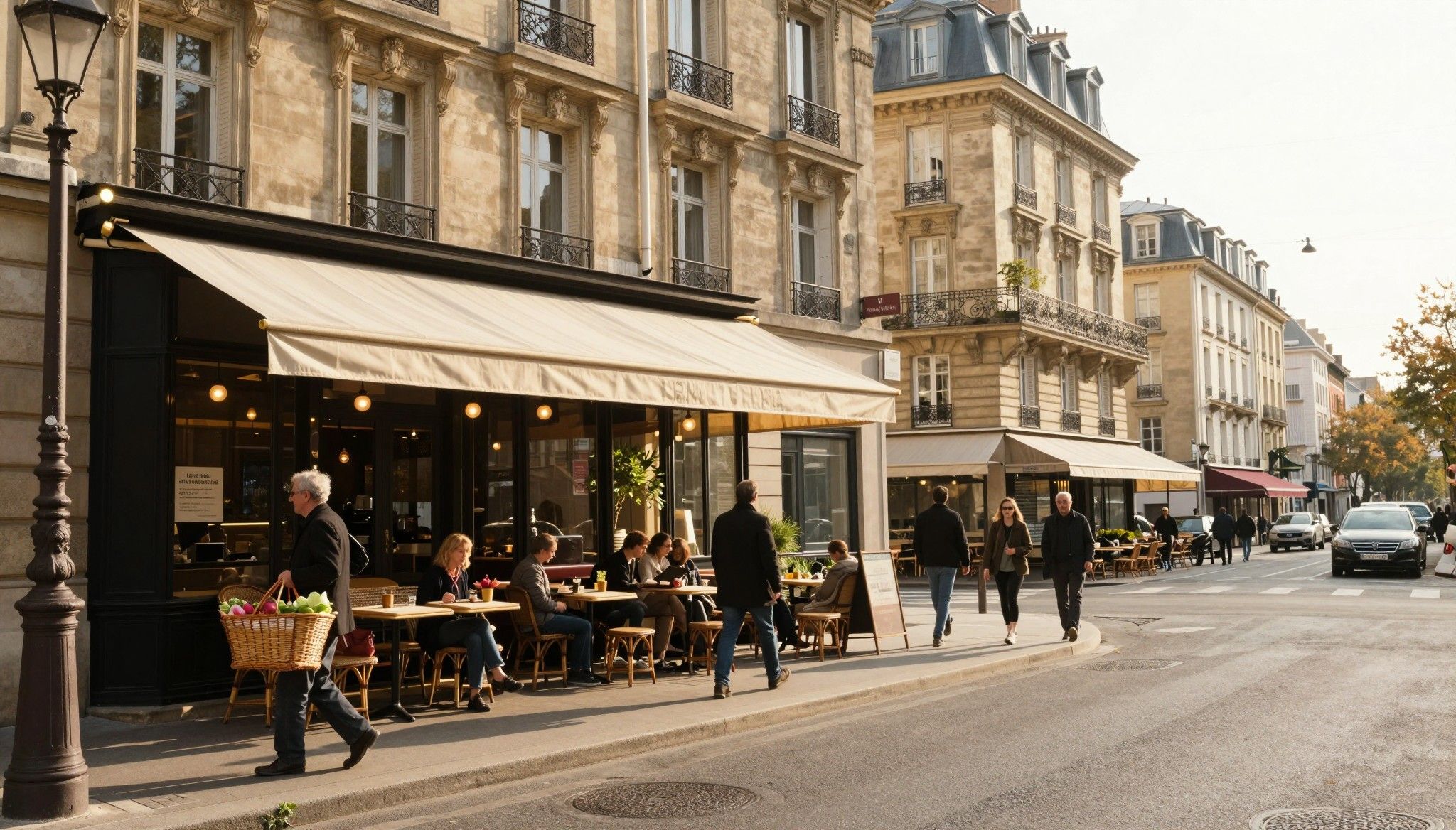
France is a country of small rituals that shape daily life: morning cafés in Rue Cler, market bargaining in Aix‑en‑Provence, late‑afternoon promenades along the Promenade des Anglais. Homeownership remains a long‑term aspiration for many — INSEE’s housing reports show a stable, mature market — and that stability is reflected in how local sellers, notaries and insurers prepare properties for sale. Recognising seasonal patterns will change the practicalities of your purchase, especially insurance, diagnostics and risk management.
The rhythm of place: markets, craftsmen and hidden risks
When market stalls close for winter and local artisans have time to complete small repairs, faults become more visible than during a sunlit summer viewing. The dossier de diagnostic technique (DDT) — including DPE, plomb, amiante, termites — is mandatory for sales and often exposes seasonal vulnerabilities: damp revealed after rainier months, insulation issues in autumn, or roof leaks noticed when the gutters fill. Buying with the season in mind gives you clearer evidence for negotiating protections and insurance terms.
A neighborhood that breathes: where locals actually live
Consider the Marais in Paris for quiet mornings among galleries; the Rue d’Antibes in Cannes for measured seaside life; or the village centre of Saint‑Rémy‑de‑Provence where weekly markets still set the social timetable. These places are lived in across seasons; their rhythms reveal whether a property is genuinely cared for — an essential signal for insurers and for buyers seeking manageable running costs.
Making the move: insurance, buyer protection and seasonally smart steps
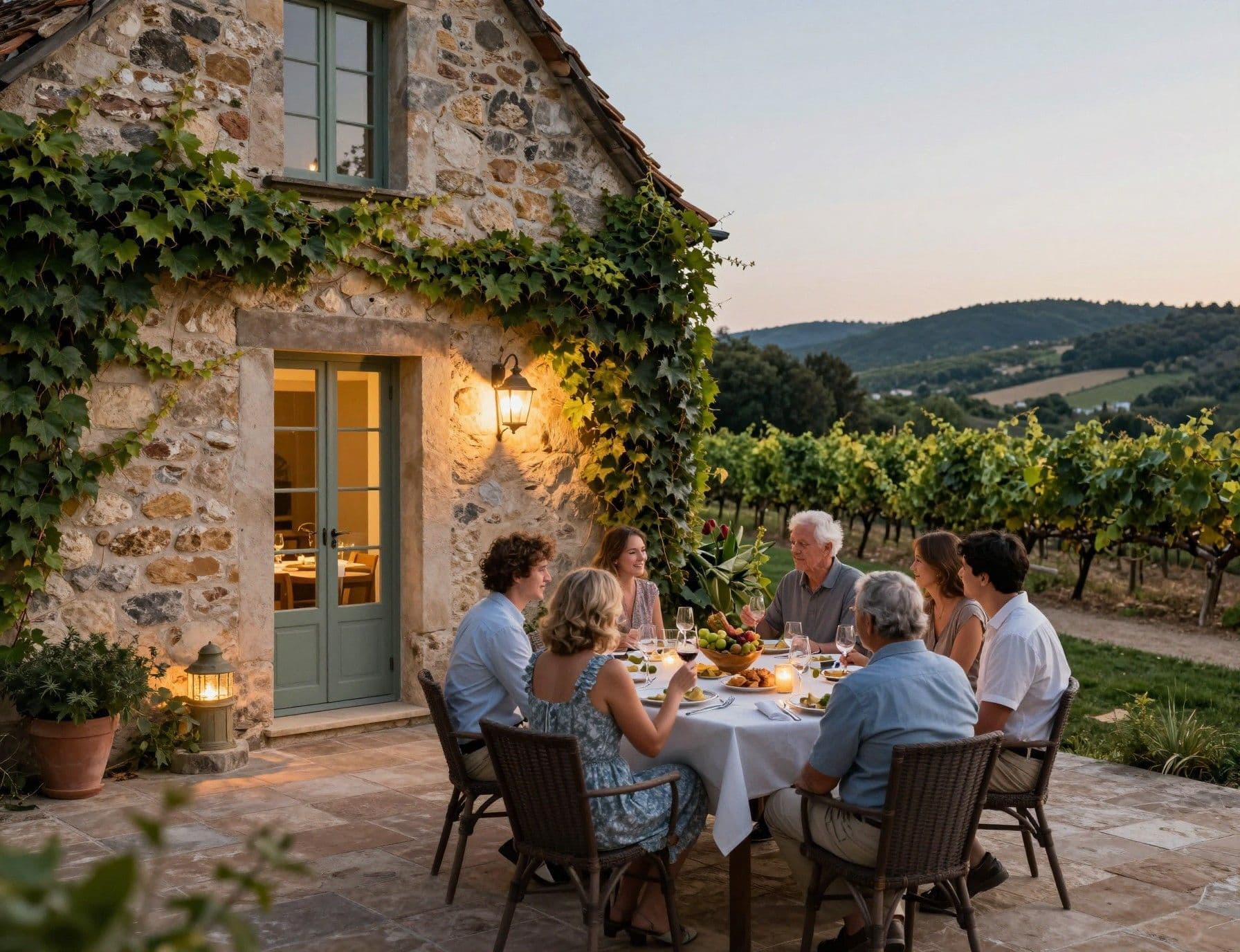
Practicalities follow the poetry. French insurers and lenders respond to risk profiles that are themselves seasonal: wildfire risk in summer on the Mediterranean slope, flood risk in autumn along river valleys, freeze and pipe bursts in winter inland. The civil liability core of an assurance habitation is standard, but the additional coverages you will want — natural disaster (cat nat), subsidence, legal protection, delayed completion cover — depend on when and where you buy.
Property styles and the protections they need
A limestone mas in Luberon demands different insurance and inspection emphases than a Haussmannian apartment in the 7th arrondissement. Older stone houses often conceal damp and structural movement that only show in wet seasons; period city apartments may reveal electrical and plumbing defects when use intensifies in winter. Matching insurance endorsements to construction type — and scheduling inspections in the season those faults usually surface — reduces surprise exclusions later.
Six seasonally informed steps to protect a purchase
1) Time a full inspection for after the wet season in the region so hidden damp and roof defects appear. 2) Verify DDT documents and request re‑tests for any borderline results before signature. 3) Ask your notaire to insert a clause requiring seller repairs or an escrow. 4) Obtain ‘cat nat’ flood/wind history for the address and insurer quotes for that peril. 5) Confirm lender insurance requirements — some mortgage offers insist on specific sums or guarantees. 6) Buy a tailored legal protection policy to cover mortgage disputes or latent defects claims.
Insider knowledge: what expats wish they’d known
Expats often arrive enchanted by image of France and then learn that local protections are procedural: a notaire’s role, the DDT folder, and the seasonal habit of neighbours to report roofers or plumbers who are trusted. Those personal networks — the baker who knows the mason; the mayor who remembers past floods — matter for risk management and for negotiating warranties or repair schedules before purchase.
Cultural rhythms that shape risk and remedy
French communal life is governed by calendars: municipal budgets approved in spring, local festivals in summer, building works concentrated in autumn. If you sign a promise de vente (compromis) during a festival month, expect slower municipal responses on permits; conversely, negotiate for completion dates that allow remedial work in the off‑season when artisans are available and insurers can inspect before winter.
Red flags and seasonal clues to heed
• A recently repainted façade hiding old rising damp (wet‑season test advisable). • Gardens that flood after autumn rains — check mairie flood maps and 'cat nat' history. • Electrical installations that pass a quick check in summer but fail under winter loads — request a certified electricity diagnostic. • Roof tiles replaced hastily before summer viewings — ask for invoices and guarantees.
Practical protections are best achieved by blending legal safeguards with insurance: a notaire’s clause for escrowed repair funds, an insurer’s pre‑inspection, and a local agency that arranges seasonal checks. The Ministry of the Economy provides clear overviews of cover types; combine that with local market intelligence — Notaires de France publications and INSEE housing data — to form a realistic view of exposure and cost.
How local agencies become seasonal custodians
A good agency in France does more than show properties: it introduces you to reliable diagnostiqueurs, to an architect for costed renovation estimates, and to insurers familiar with the town’s micro‑risks. Ask your agent whether they schedule follow‑up inspections after the first winter or autumn post‑purchase; agencies that steward the property through seasons reduce long‑term surprises and insurance disputes.
Lifestyle checklist: match season to daily life
• If you prize market life and festivals, prefer village centres with active autumn and winter calendars. • If sea air and summer light matter, assess corrosion and storm history and secure comprehensive wind/flood cover. • If quiet country life is the aim, confirm heating efficiency and freeze protection for pipes before winter arrives. • If you plan rentals, check seasonal demand patterns and the insurer’s position on short‑term lets.
A short seasonal timetable to inform offers
1) Spring (Mar–May): ideal for permit queries and viewing gardens. 2) Summer (Jun–Aug): best for light and lifestyle viewings — but ask for off‑season inspections. 3) Autumn (Sep–Nov): reveal damp, roof and gutter issues; strong time for negotiation. 4) Winter (Dec–Feb): reveal heating and insulation performance; useful before final mortgage commitment.
Conclusion — fall in love deliberately: savour the lifestyle, protect the purchase. Buying in France is an act of stewardship: observe the seasons, commission the right diagnostics at the right moment, and build contractual protections that reflect local rhythms. Your agency should be your seasonal steward — arranging inspections, liaising with notaires and insurers, and ensuring that the house you chose in sunlit summer is still the house you own in a rain‑soaked autumn.
Relocating from London to Mallorca in 2014, I guide UK buyers through cross-border investment and tax considerations. I specialise in provenance, design integrity, and long-term value.