Italy: Where Streets, Not Skylines, Decide Value
Italy’s value is in its streets and seasons—use local market data and micro‑neighbourhood knowledge to buy a home that delivers daily life, not just a view.
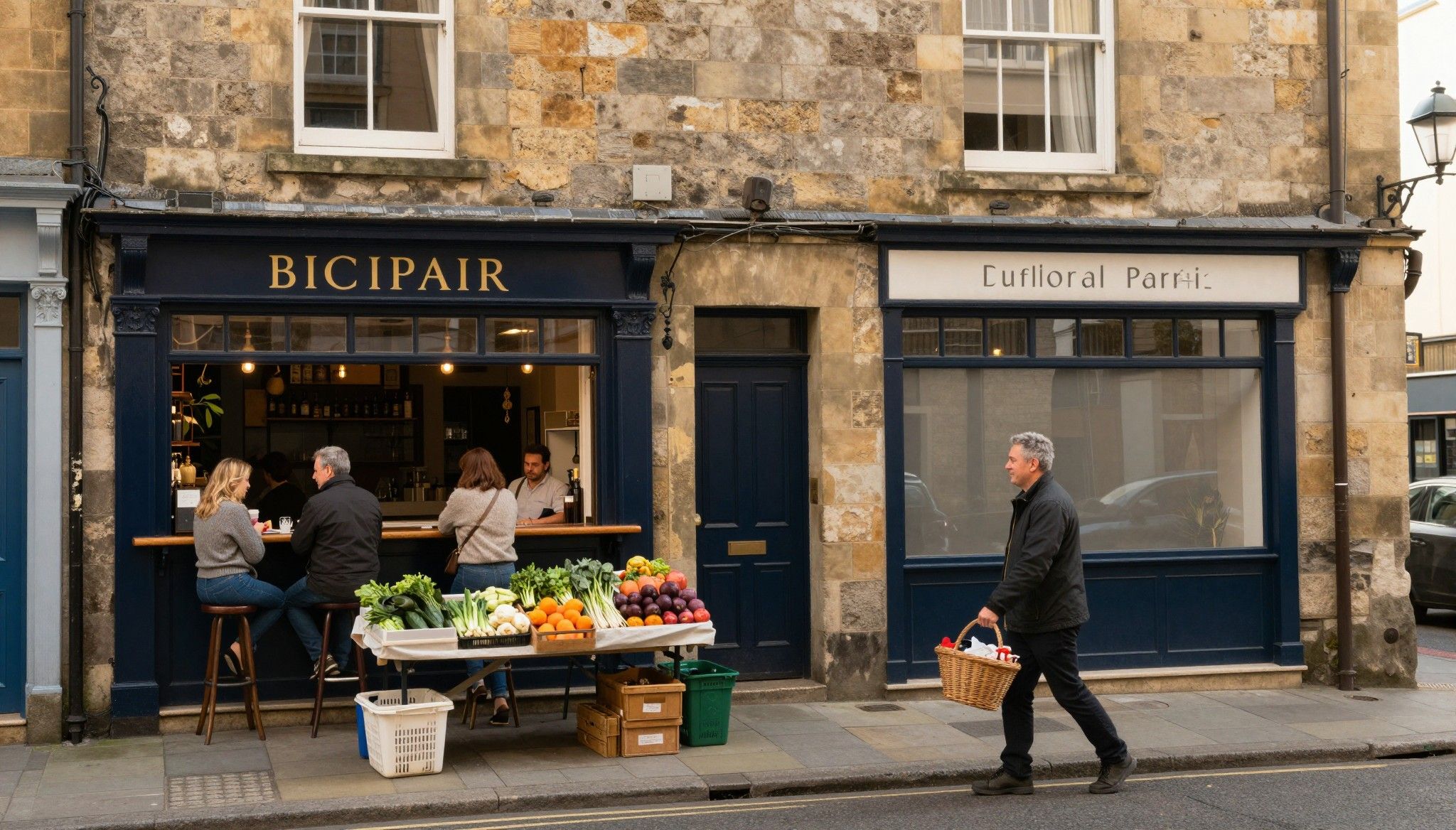
Imagine waking before dawn to the smell of roasted coffee and warm brioche on a narrow piazza in Bologna, or returning from a late-morning market with bunches of basil and fennel to a sunlit apartment on Viareggio’s promenade. Italy asks you to live slowly but richly: morning rituals at corner bars, long lunches that shift into passeggiata, and neighborhoods that change character block by block. For buyers from abroad, that texture of daily life—the sounds, scents and local rhythms—matters as much as square metres and ceilings.
Living the Italy lifestyle: light, market life, and streets that remember
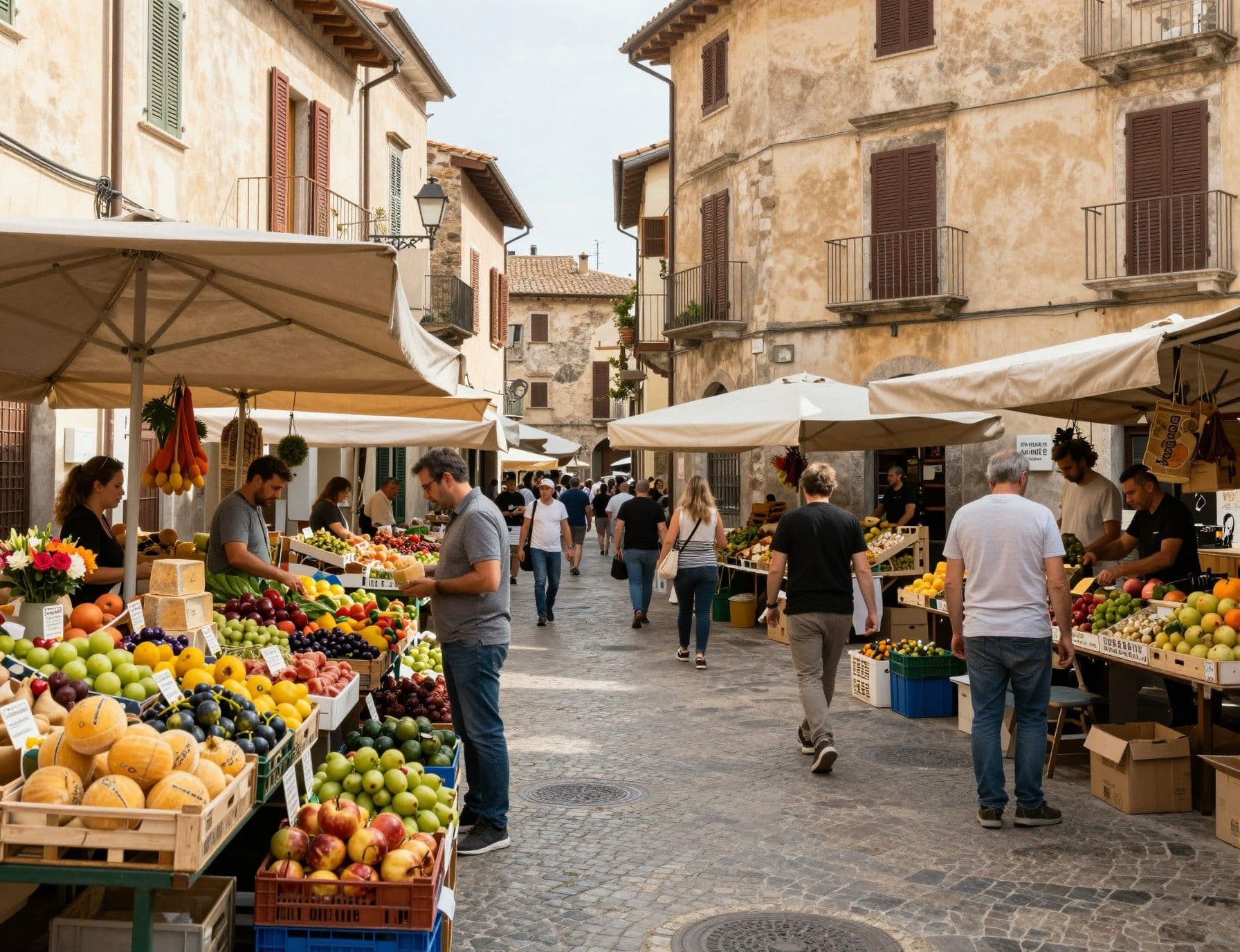
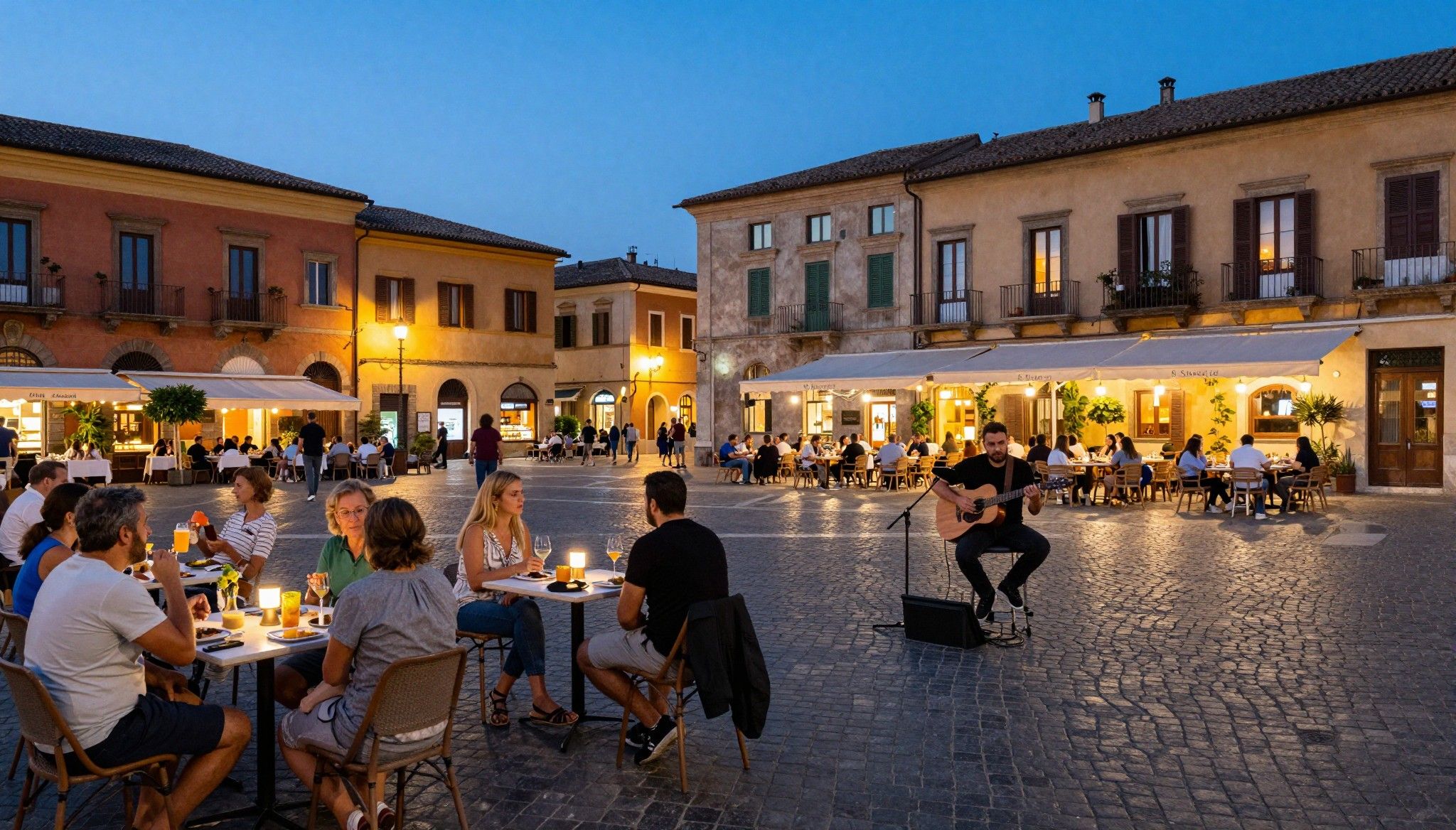
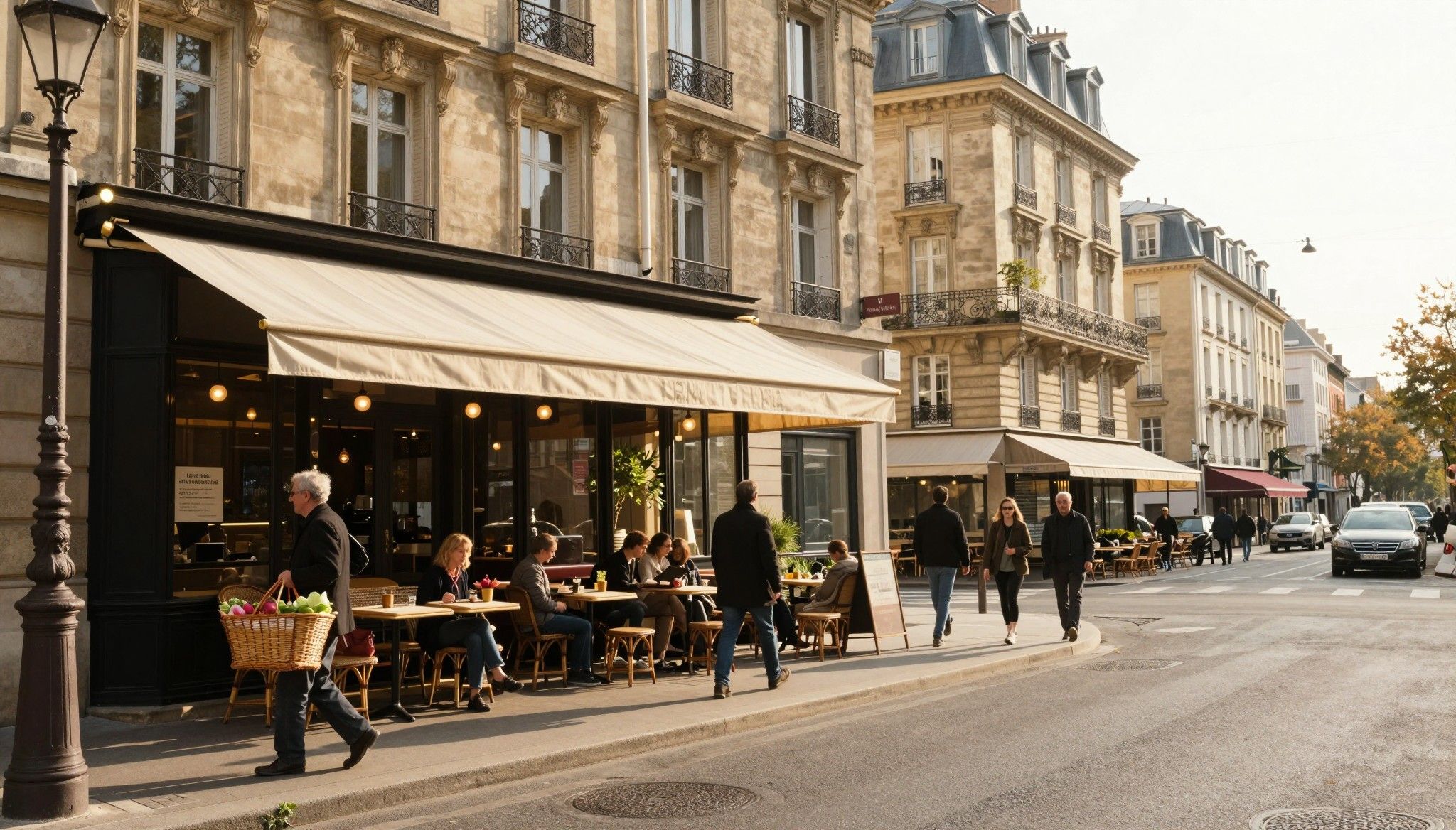
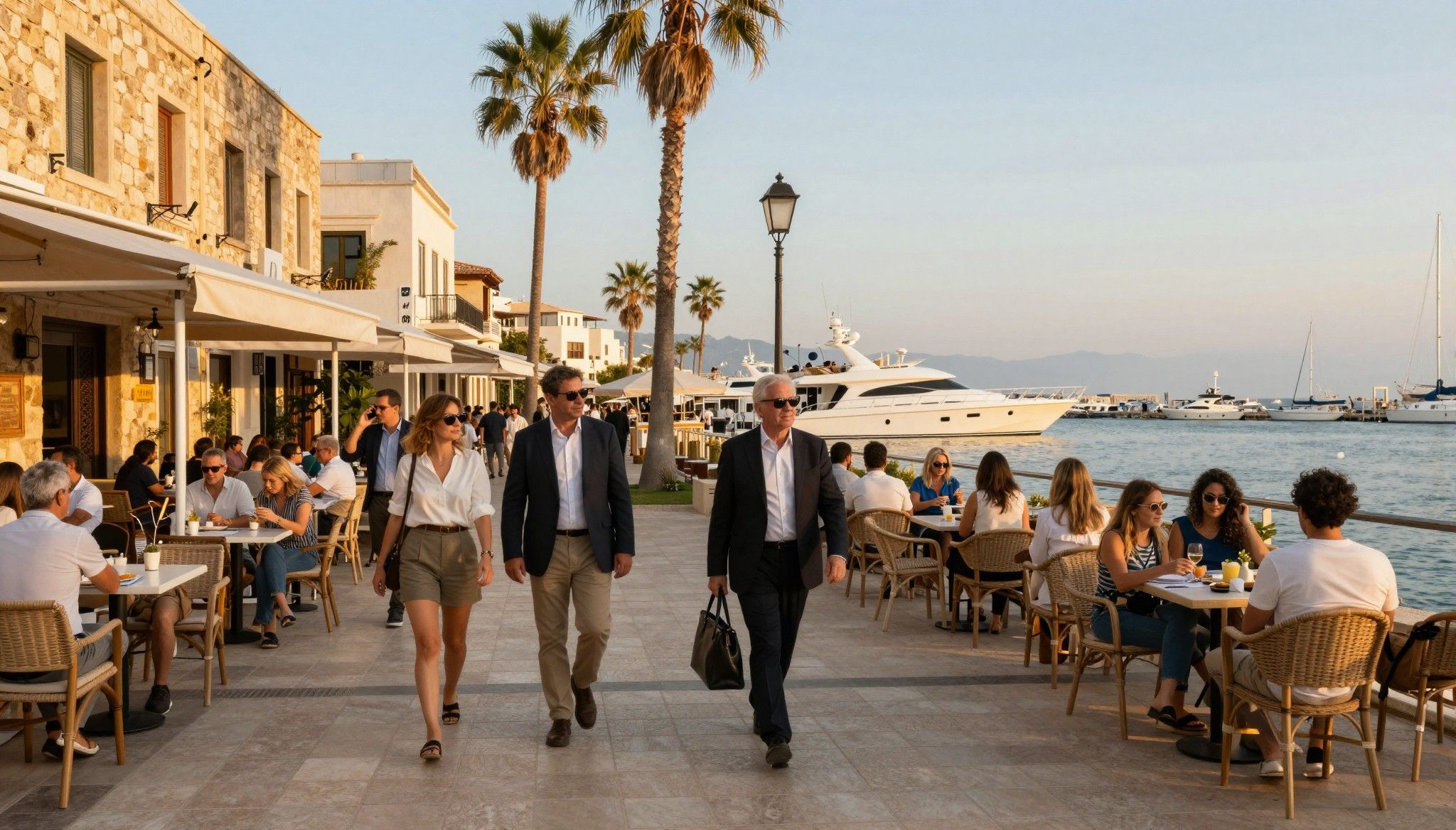
Italy’s appeal is spatial and seasonal: coastal promenades and beach clubs in Liguria, frescoed stairwells in Florence, the hush of Umbrian hilltop towns. Life here is local by design—the morning espresso, the mercato’s cadence, the long aperitivo that folds neighbors into friends. That choreography shapes where people buy: not always the centre, but the street with a market on Saturday, a baker who knows your order and a pharmacy open late.
Boroughs and streets to know: where Italians actually live
In Milan, the bicameral charm lies in Brera’s ateliers and the quieter, residential Portello with its parks; in Rome, Trastevere’s cobbled intimacy sits beside Prati’s wide boulevards and access to institutions. On the coast, consider the fishing terraces of Camogli rather than the more photographed Portofino for authentic village life and a calmer market. These are the blocks where local life—cafes that open at 7, corner grocers, and weekday markets—makes a property worth owning.
Food, ritual and small economies that shape real estate taste
Taste matters. From Palermo’s street-food lanes to the wine-cellars of Montalcino, neighbourhood dining scenes indicate long-term desirability: a reliable trattoria signals community stability; a weekly farmers’ market implies supply of fresh produce and a lively social calendar. For many buyers the ability to step outside and buy day-to-day provisions transforms a house into a life.
- Lifestyle highlights to look for when visiting neighbourhoods
- Early-morning cafes with regulars (e.g., a bar on a corner piazza)
- Weekly outdoor markets within a ten-minute walk
- Mixed-use streets—bakers, cobbler, small grocer—signalling local demand
Making the move: how lifestyle choices shape property choices
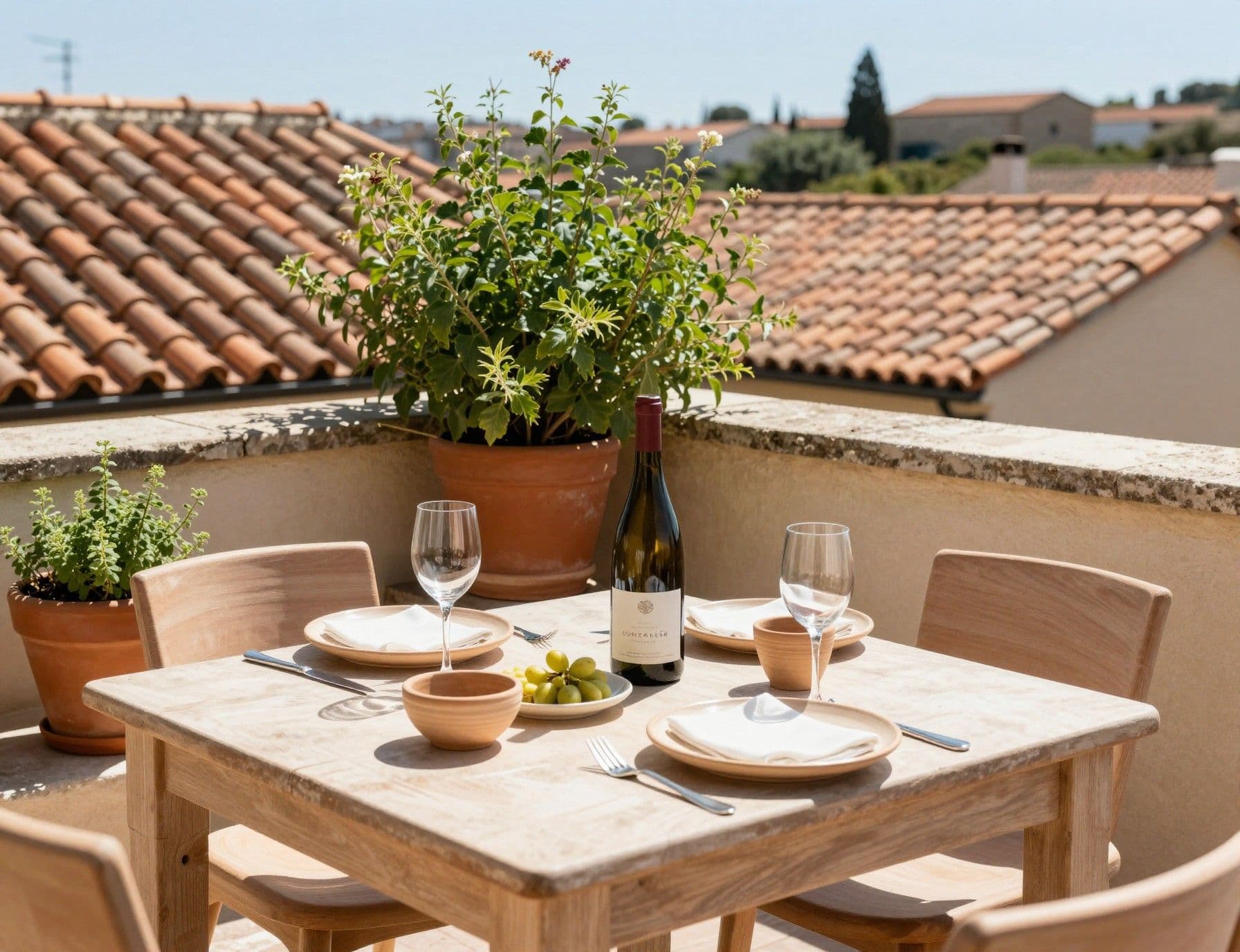
The romance of a place must be tested against market reality. Recent Istat data show Italy’s house-price recovery is underway after 2023’s contraction, with nominal price rises across 2024 and into 2025. That means some neighbourhoods are appreciating quietly while previously overlooked zones regain favour. Use local market evidence to choose streets where everyday life already matches the lifestyle you want.
Property types and how they alter daily life
A 17th‑century palazzo apartment delivers high ceilings, thick walls and a cooling stillness in summer; a renovated farmhouse offers land, privacy and the work of stewardship. New-build interventions bring efficiency and space planning but often lack the patina that makes Italian properties feel rooted. Choose the building type that supports the life you plan to lead—entertaining terraces for regular guests, a garden for a vegetable patch, or compact, well-connected flats if you plan to be out most days.
Work with an agency that understands streets, not just spreadsheets
Find agents who know the micro‑market—the baker who will vouch for a neighbourhood, the municipality office that approves small restorations without delay, and which streets quiet down after midnight. A local agency can point to hidden value: terraces with afternoon sun, mezzanines that convert to workspaces, or underpriced apartments in stable residential streets. Proper curation is about placing you in the right street as much as the right price bracket.
- Practical steps to marry lifestyle and market realities
- Spend three mornings on foot in a candidate neighbourhood: visit a market, a cafe and a pharmacy; note the daily rhythms.
- Ask an agent for recent comparable sales on the exact street, not only the zone.
- Commission a local technical survey to check for damp, structural quirks and permitted works before making an offer.
Insider knowledge: expat truths and seasonal realities
Expats often arrive seduced by postcards and discover the necessity of local rituals: register with the anagrafe, learn where recycling is collected, and identify the small shops that close on Wednesday afternoons. Seasonality matters: some coastal towns quiet to a whisper in winter, while midsize cities like Bologna and Padua sustain year-round life and services. For lifecycle planning—family, remote work, retirement—these patterns determine whether a property remains joyful year-round.
Language, community and how to belong
You do not need fluency on day one, but a willingness to learn will change how neighbours respond. Enrol in a local language course, attend Saturday markets, and join a small club—walking, wine, or cooking. These modest social investments create the networks that make living in Italy pleasurable and make property stewardship simpler: neighbours notice issues early and traduzioni are easier when you know someone local.
Long-term stewardship: what buyers often underestimate
Historic buildings require a different relationship: regular maintenance, periodic replastering, and patience with permitting. Modern conversions bring lower upkeep but may lack the craft details many buyers value. Consider the commitment to maintenance as part of the lifestyle: do you want the ritual of olive‑pressing and garden care, or a compact flat that allows frequent travel? That choice shapes both cost and daily satisfaction.
Conclusion: Italy is a country of fine distinctions. The right street will give you daily pleasures—the bakery that knows your order, a market that supplies the week, a square that stages the seasons—and those are the features an attentive agency will prioritise. Begin with neighbourhood reconnaissance, consult local market data and work with a curator who values provenance as much as price. If you seek a life here, choose a property that invites you into that life.
Dutch former researcher who moved to Lisbon, specialising in investment strategy, heritage preservation, and cross-border portfolio stewardship.