Beyond Sliema and St Julian's: Three Maltese Neighbourhoods to Know
Choose neighbourhood rhythm over headline addresses: how Gżira, Valletta and quiet streets deliver Maltese life with different trade‑offs, backed by NSO and market data.
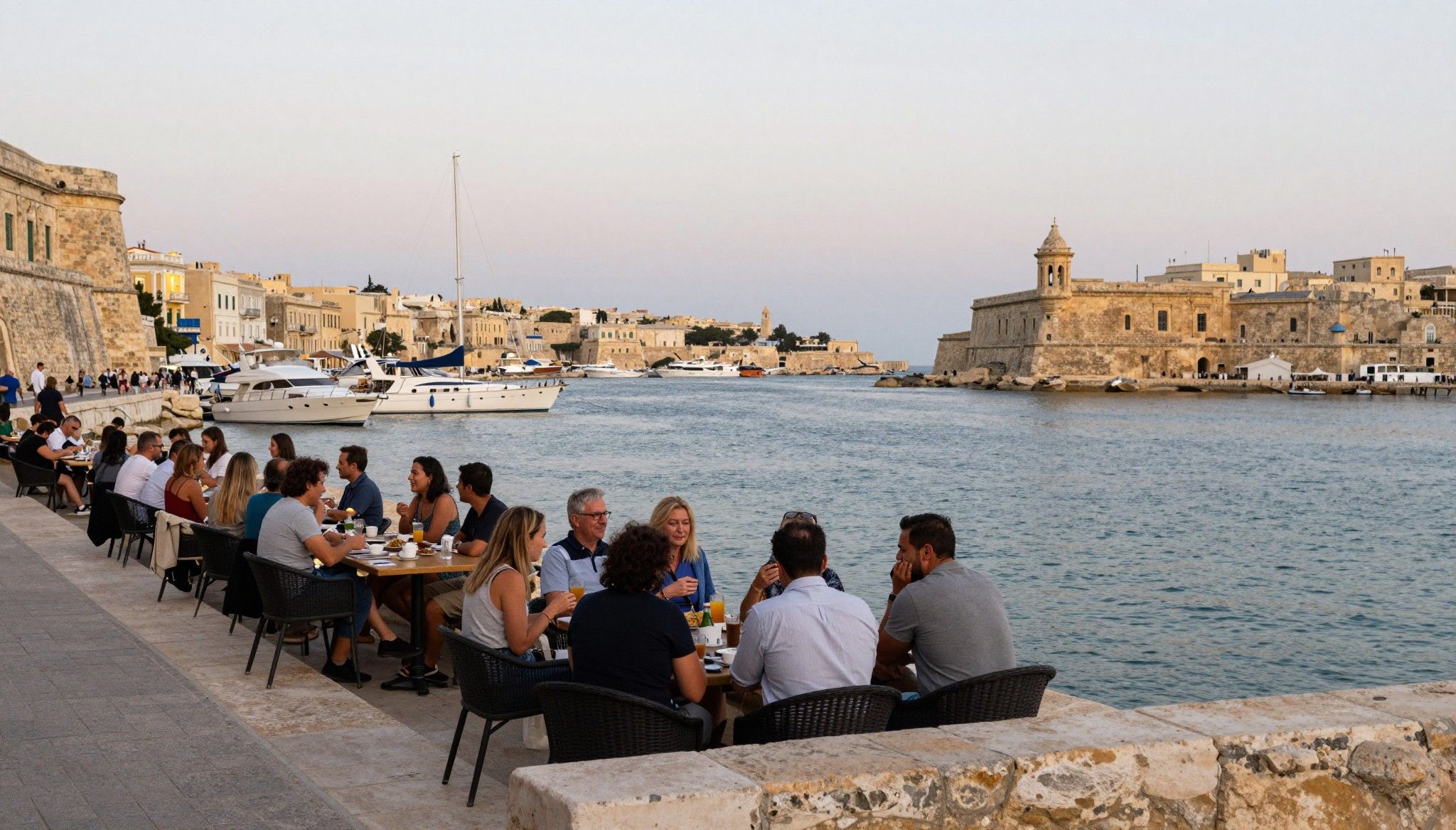
Imagine walking a late‑afternoon promenade where baristas call out names in English and Maltese, fishing boats putter under seventeenth‑century bastions, and an ordinary terrace cafe can feel like a private salon. Malta is compact in the way great old cities are compact: the sea, the market, the parish church and your neighbourhood grocer are rarely far apart. For buyers who prize history, craft and a life lived outdoors, the island offers an unusual proposition — high architectural quality next to practical, sunlit living. But the market is not a single mood: it is a collection of neighbourhood rhythms, some loudly priced, others quietly underappreciated.
Living the Maltese Rhythm
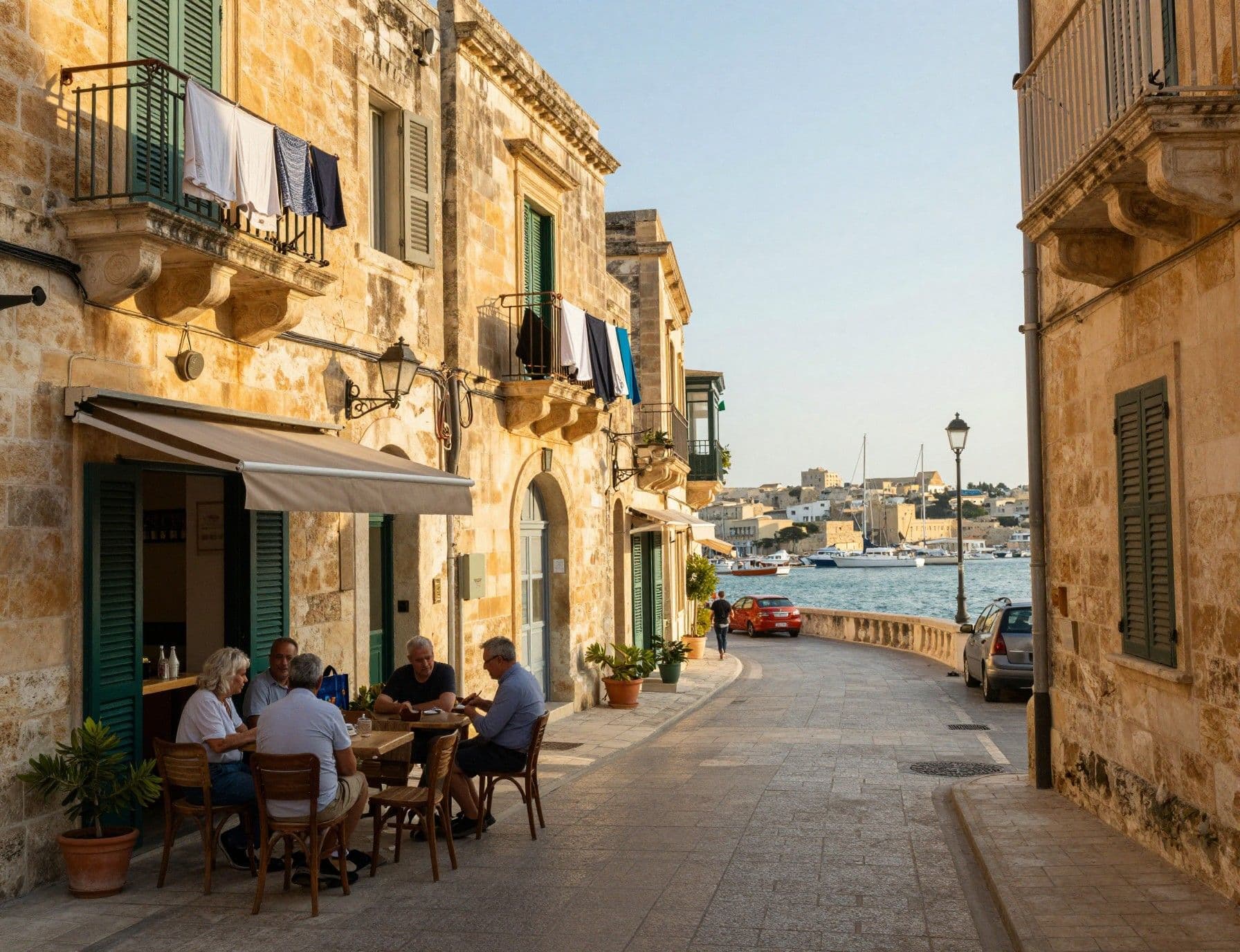
Life in Malta is paced by light and small ceremonies: morning espresso on a narrow street, a three‑course lunch at noon, and a late walk along the water when the light cools. Valletta’s stone facades hold afternoon warmth into the evening; Sliema buzzes with seafront commerce; and quieter inland towns keep a steady parish life. Recent market reports underline that prices have been rising across the island, yet that rise is uneven — some waterfront addresses command international attention while neighbouring streets offer value and character for buyers who look beyond the headline areas. Local cafés, markets and small harbourfront galleries are the social infrastructure that make a house a home here.
Gżira: The Waterfront Alternative
Once an overlooked bridge between Sliema and Valletta, Gżira has quietly remade itself. The promenade beside Manoel Island now hosts cafes and yachts, and a steady influx of professionals — particularly those in services and technology — has given the town a cosmopolitan, lived‑in feel. For the buyer seeking maritime ease, short commutes and a genuine neighbourhood culture, Gżira often delivers what Sliema promises at a softer premium. The architecture is a mix of early twentieth‑century townhouses, careful conversions and contemporary apartment buildings; many properties offer views across Marsamxett harbour rather than expensive seafront frontage.
Valletta and the Historic Core
Valletta is the island’s most singular address: high stone, tight lanes, baroque churches and a scale that rewards walking. Living inside the city walls is to accept a particular rhythm — smaller rooms, steeper stairs, and a calendar of festivals and state occasions. Prices in the historic core reflect that rarity; the National Statistics Office continues to record above‑average growth in residential property values, especially for characterful, well‑restored properties. For buyers after provenance and architectural pedigree, Valletta is unmatched, but the daily life differs markedly from the seaside suburb model.
- Lifestyle highlights
- Morning espresso on Tower Road, Sliema; waterfront walks from Gżira to Manoel Island; Saturday market at Is-Suq tal-Belt, Valletta; Sunday fish grills near Marsaxlokk; rooftop suppers in restored townhouses.
Making the Move: Lifestyle Meets Practicality
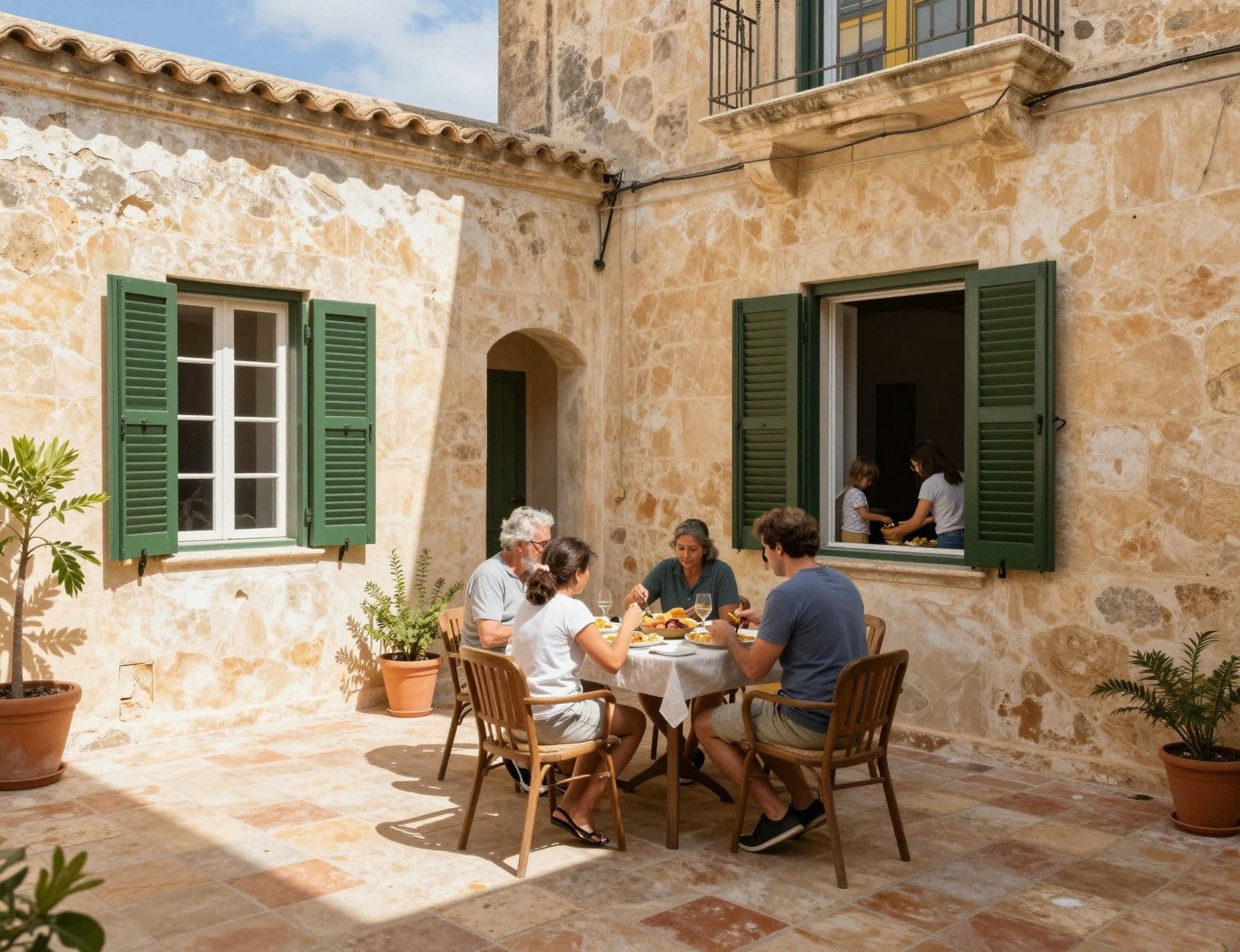
A Maltese purchase begins with the dream and ends with paperwork that honours it. The island’s constrained geography, steady tourism and growing services sector have pushed prices upward in recent years, a trend economists and official reports note in assessing domestic housing pressure. For an international buyer, this means paying attention to micro‑location, transaction timing and the precise condition of listed buildings. Your goal is to secure a property that delivers the daily pleasures — terrace dinners, easy walking, sunlight — without paying a premium for adjacent hype.
Property types and how they shape life
Stone townhouses reward buyers who value character — high ceilings, shutters, and small internal courtyards — but often require restoration and a willingness to adapt light modern conveniences sympathetically. Contemporary seafront apartments deliver ease and low maintenance, but they can feel less rooted in Malta’s material culture. Maisonettes and converted warehouses offer generous terraces and living‑outside options that suit Mediterranean life. Match the property type to how you intend to live: daily walking and social life, or more secluded garden and entertaining focus.
Working with local experts who understand rhythms
An agent who knows the neighbourhood street by street is the difference between a good buy and a missed life. Look for advisors who can point to recent restorations, Urban Conservation Area (UCA) restrictions, and which streets are quietly favoured by locals rather than tourists. The best local experts can recommend tradespeople, suggest which façades have long‑term maintenance needs, and advise on how to adapt interiors without breaching conservation rules. This is practical stewardship: buying a Maltese home often means caring for a piece of place.
- Steps to marry lifestyle with prudence
- Visit at different times of year and at varied hours to feel true daily rhythms; commission a building survey that addresses salt intrusion and historical materials; check UCA and planning constraints early; ask an experienced local lawyer to review titles and easements; build a modest contingency for restoration work in older properties.
Insider Knowledge: What Expats Often Learn Too Late
Expats often arrive with a picture of Malta seen through the postcard lens. The reality is more textured: a neighbourhood’s daily life, parking rhythms and street‑level commerce determine long‑term satisfaction more than a single view. Many buyers discover that an apartment with a modest harbour view but a warm community and nearby market outperforms a more expensive showpiece when it comes to daily happiness. Equally, buyers underestimate seasonal swings: summer vibrancy can mask quieter, off‑season supply constraints and service variability.
Language, community, and small social codes
English is an official language and commonly used in business and cafes, which eases the transition. Yet community integration often depends on small courtesies: learning a few Maltese phrases, attending parish events, and supporting local shops will open doors. For buyers keen on a quiet, embedded life rather than a temporary rental circuit, investing time in neighbours and local associations pays dividends in day‑to‑day ease.
Long‑term lifestyle considerations
Think in decades. Malta’s compact size means infrastructure choices and conservation policies have outsized effects on neighbourhood character. Areas that are carefully managed — whether through local councils, heritage grants or community stewardship — preserve long‑term desirability. For buyers who see property as stewardship rather than a short‑term flip, choosing streets with active conservation projects and engaged residents is a reliable strategy.
- Red flags and what to watch for
- Properties listed without recent structural surveys; façades in a UCA with unclear repair liabilities; listings priced below market without clear reason; streets subject to major redevelopment plans; apartments on lower levels with chronic damp or salt exposure.
If Malta feels like the life you have imagined, begin with a short reconnaissance visit, talk to residents over coffee, and insist on advisors who balance affection for place with technical rigour. An experienced local agency will not sell you a dream alone; it will map the tradeoffs between light, room size, maintenance and community so the house you choose supports the life you envision. In Malta, good stewardship and good taste are the same habit.
Relocating from London to Mallorca in 2014, I guide UK buyers through cross-border investment and tax considerations. I specialise in provenance, design integrity, and long-term value.