Off‑Season House‑Hunting in France: A Financing Edge
How timing your search in France — off‑season viewings and patient offers — can improve mortgage terms, valuation clarity and negotiation leverage.
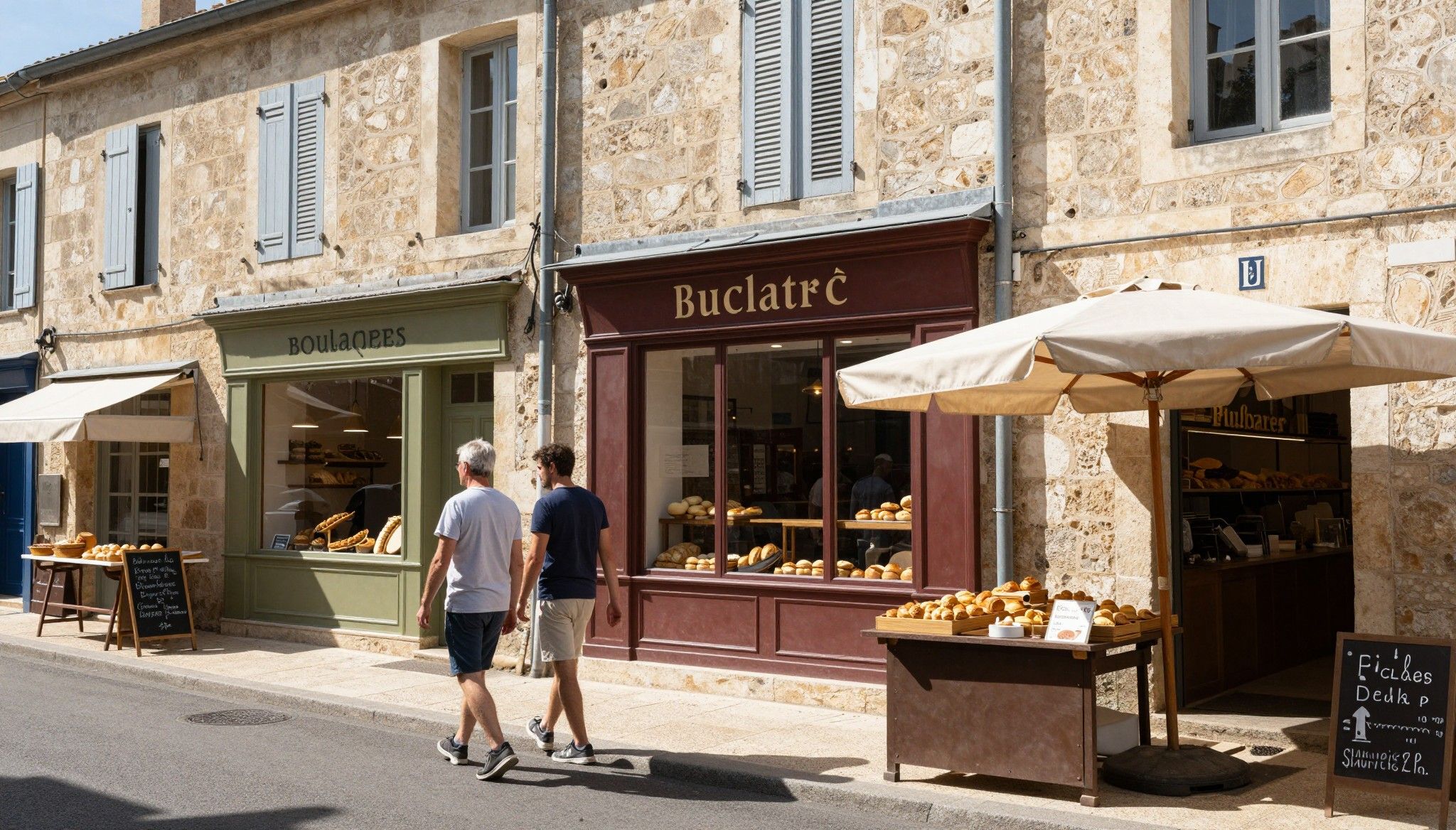
Imagine a Sunday morning in Aix‑en‑Provence: sunlight pooling on limestone, a baker loading fougasses, local buyers strolling with serious intent. In France the rhythm of property life follows seasons, markets and festivals as much as it follows interest rates. For many international buyers there is a hidden advantage to timing a purchase when the streets are quieter — lenders reassess risk, negotiating leverage grows and the paperwork that once felt opaque becomes a sequence you can predict. This guide explains how the season you choose to search and sign in France changes not just the view from the terrace, but the mortgage terms you can obtain.
Living the French Life — and Why Season Matters
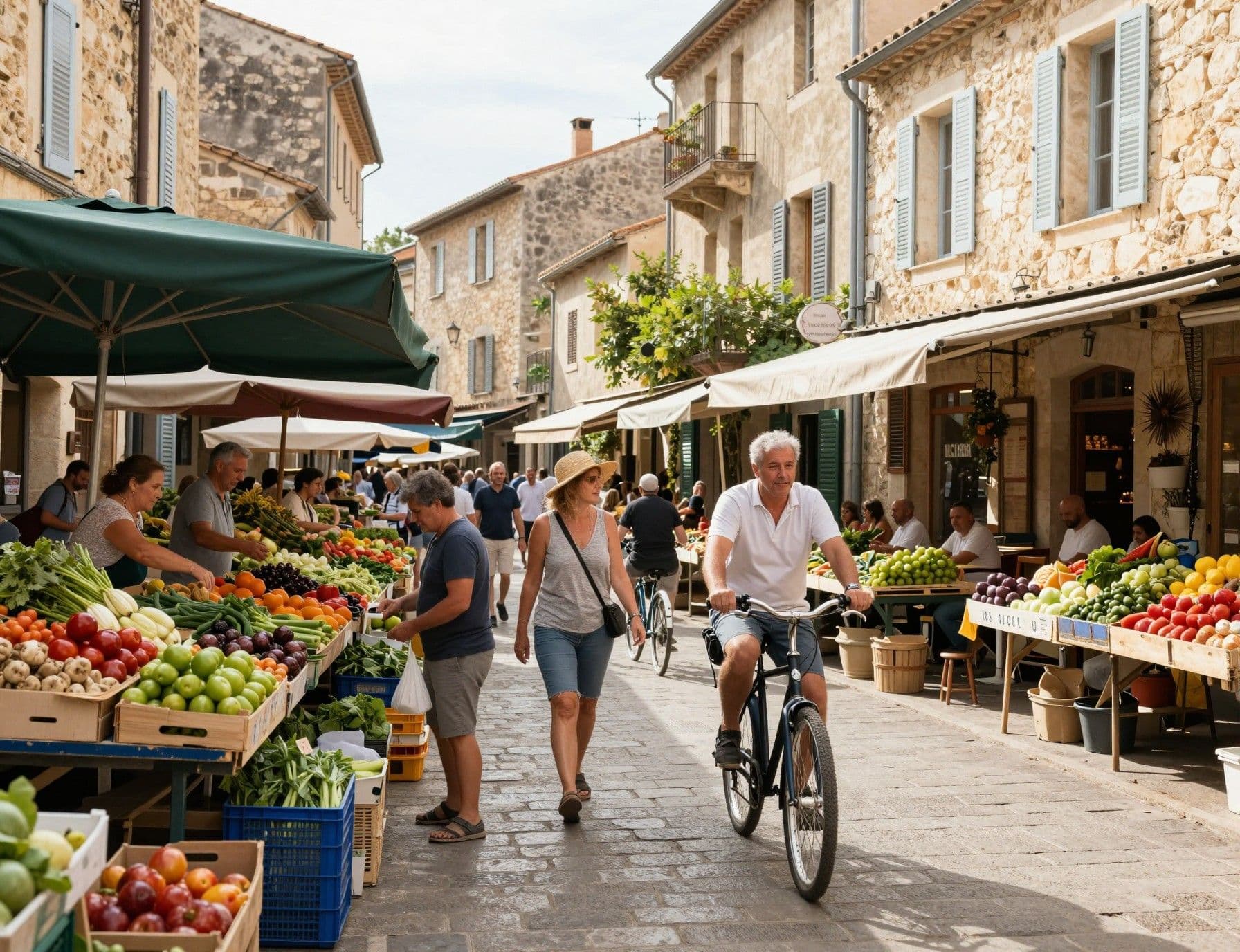
France is a country of distinct daily rhythms: market mornings in Lyon’s Croix‑Rousse, aperitif terraces on the rue des Rosiers in Le Marais, fishing boats unloading at Cassis by dawn. These rhythms shape demand — tourist months see brisk, often emotion‑driven sales while off‑peak quarters produce steadier, data‑driven transactions reflected in INSEE price indices. An understanding of seasonal demand is not merely romantic: it reframes how banks value risk and how negotiable a price or lending package becomes when transactional pressure eases. When you pair a considered lifestyle choice with seasonal market intelligence, you control both the view and the financing.
Neighbourhood pulse: where locals buy and when
In provincial towns such as Rennes or Annecy, local buyers dominate and transactions slow in August as families take long holidays. In contrast, Paris’s core market remains active but more discerning in winter months. Understanding a neighbourhood’s social calendar — market days, school holidays, local fêtes — helps you time viewings when motivated sellers are most likely to negotiate. This local calendar is a buyer’s quiet ally: it shapes who shows up at viewings and which properties linger on the market.
Food, light and the seasons: how climate changes desirability
A terrace that dazzles in July may feel different drenched in February rain; a vineyard view is persuasive at harvest and revealing in winter pruning. These seasonal truths alter buyer preference and, consequentially, how banks and valuers judge future resale. Some of the most effective financing negotiations begin with a property assessment out of high season — fewer competing offers, clearer evidence of maintenance and a calmer, more forensic valuation process. For buyers who prize long‑term stewardship, seeing a house in three seasons is both aesthetic and fiscal prudence.
Making the Move: Practical Financing Considerations
France has no legal bar to foreign ownership and banks lend to non‑residents, but they do so within conservative, well‑documented rules. The official guidance on credit emphasises clear documentation, insurance and the 35% debt‑to‑income norm that underpins approval decisions. In practice, seasonality affects more than viewing cadence: it influences the bank’s appetite for particular borrower profiles, the timing of appraisals and the speed at which offers reach a notaire. If you marry lifestyle timing with a pragmatic financing plan, you arrive at negotiation well prepared and unusually persuasive.
What lenders commonly expect from international buyers
French lenders generally require proof of income, recent bank statements, tax returns and a clear source for the deposit; life insurance covering the loan is also the norm. Typical loan‑to‑value for non‑residents ranges broadly between 60–80% depending on nationality, assets in France and the borrower’s profile. Banks apply a strict monthly‑liabilities ceiling — often cited as around 35% of gross income — which means your cashflow presentation matters more than headline wealth. Presenting a dossier during quieter market periods can shorten decision timelines and sometimes reveal flexible terms reserved for strong, well‑documented applicants.
Property types, terms and how they change your mortgage story
A village house with a garden in Dordogne will be underwritten differently from a Parisian Haussmann flat; banks consider liquidity, resale market and maintenance exposure. New builds (VEFA) often carry predictable warranties that lenders respect, while historic properties may need renovation contingencies that affect LTV offers. If a property requires work, request a conditional offer that isolates renovation costs — banks will sometimes permit a higher combined financing if restoration is handled by recognised contractors and staged through controlled releases. Seasonal inspections make these contingencies easier to justify and to price accurately.
Insider Knowledge: What Expats Wish They'd Known
Experienced expats emphasise three pragmatic truths: timing changes leverage, paperwork determines speed, and local expertise converts curiosity into a robust offer. Notaires’ reports show pockets of renewed price growth in 2025 and 2026, so the window for negotiating seasonally is practical rather than purely theoretical. A quiet November viewing in the south can produce a year‑round enjoyment that cost you less than a panicked July purchase. The balance of lifestyle and finance is delicate; those who treat both as parallel projects fare best.
Cultural rhythms and the art of a patient offer
French sellers often prize discretion and history; an offer that reflects knowledge of local usage — mentions of recent market days, a reference to a trusted local agent, or a notaire acceptable to the seller — signals seriousness. In quieter months sellers are more receptive to a composed, evidence‑based negotiation rather than a headline bid. This is where a local agency that understands the lifestyle of a district becomes indispensable: they read neighbourhood calendars, manage introductions and present dossiers in a manner French banks recognise and respect. The result is not just a lower price but a more favourable financing dialogue.
Practical checklist: seasonal moves that improve financing outcomes
1) Gather comprehensive documents (last 3–6 months of bank statements, tax returns, employment letters) and present them before viewings. 2) Schedule valuations and inspections in off‑peak weeks to secure thorough reports and avoid rushed appraisals. 3) Discuss staged releases for renovation with lenders if the property needs work — present contractor quotes. 4) Consider opening a French bank account and arranging a modest blocked deposit if required; it signals commitment. 5) Use local agency recommendations for notaires and insurers to smooth approval and settlement. These steps convert seasonal calm into tangible negotiating power.
Numbered steps to prepare your mortgage dossier
Obtain a written pre‑approval from at least one French bank or broker; present translated and notarised income documents; verify insurance availability for the borrower; prepare evidence of deposit provenance; and confirm debt‑to‑income calculations with a mortgage specialist. Each step should be completed before you submit an offer, particularly if you intend to take advantage of quieter market windows.
Seasonal advantages to use now: - More thorough valuations and time for counter‑offers. - Easier scheduling of inspections and contractor estimates. - Sellers more willing to accept conditional offers tied to finance. - Greater clarity on maintenance costs seen outside peak presentation months.
France offers a life shaped by markets, menus and measured time; financing is part of that landscape. By embracing seasonality you find not merely a bargain but a dossier that reads well to lenders and a pace that reveals maintenance truths before commitment. Begin by gathering paperwork, consult a French mortgage broker, and plan viewings in quieter months — your lifestyle will thank you, and so will the bank. When you are ready, a Villa Curated adviser can assemble local expertise, negotiate conditional terms and present a dossier that honours both the property’s provenance and your long‑term stewardship.
Having moved from Stockholm to Marbella in 2018, I help Scandinavian buyers navigate Spanish property law, restoration quality, and value through authentic provenance.