Malta: Rhythm, Stewardship and Market Reality
A sensory, neighbourhood-led view of Malta paired with evidence: rising RPPI, regional micro‑markets and practical steps for buyers who prioritise craft and daily life.
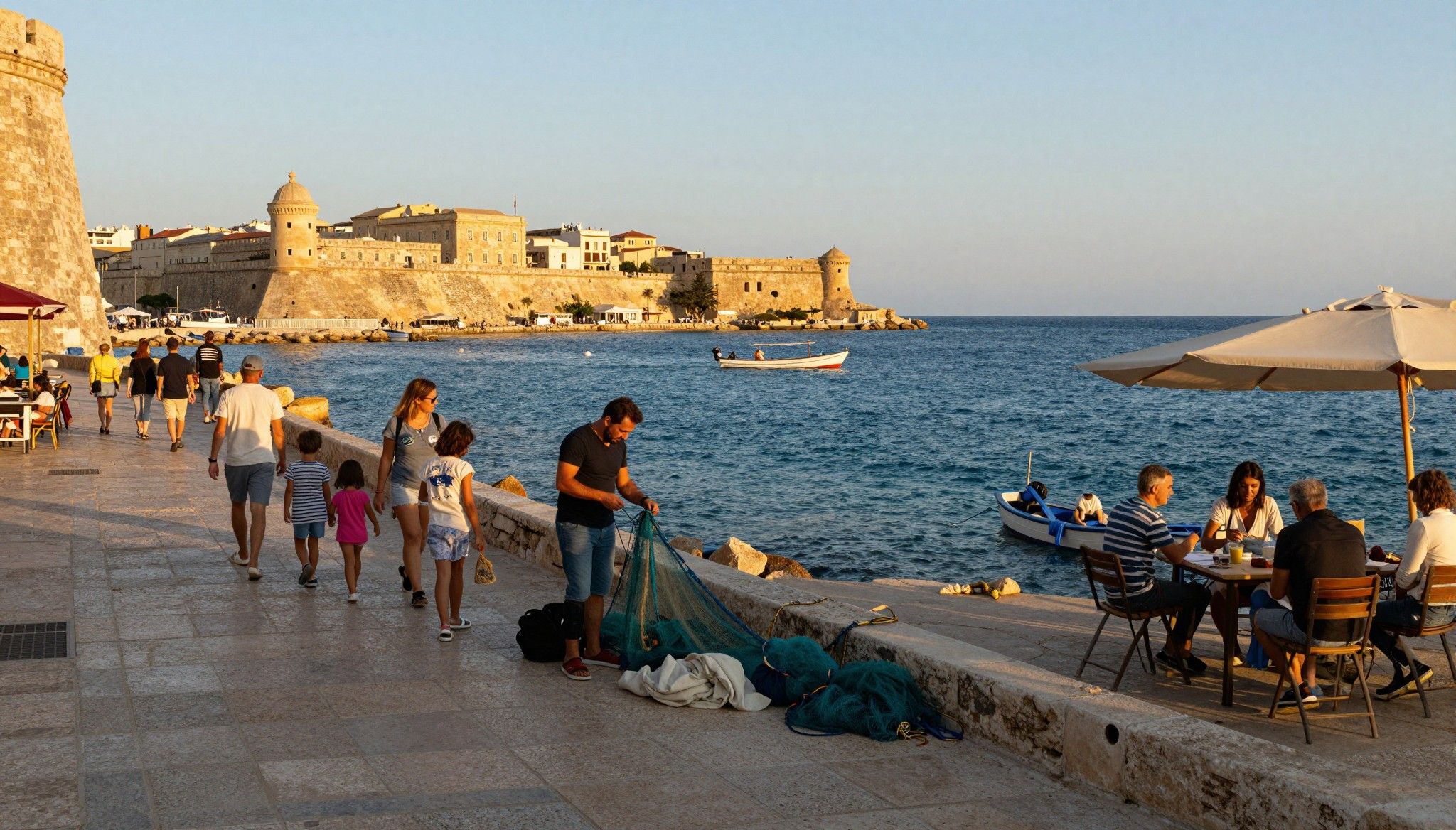
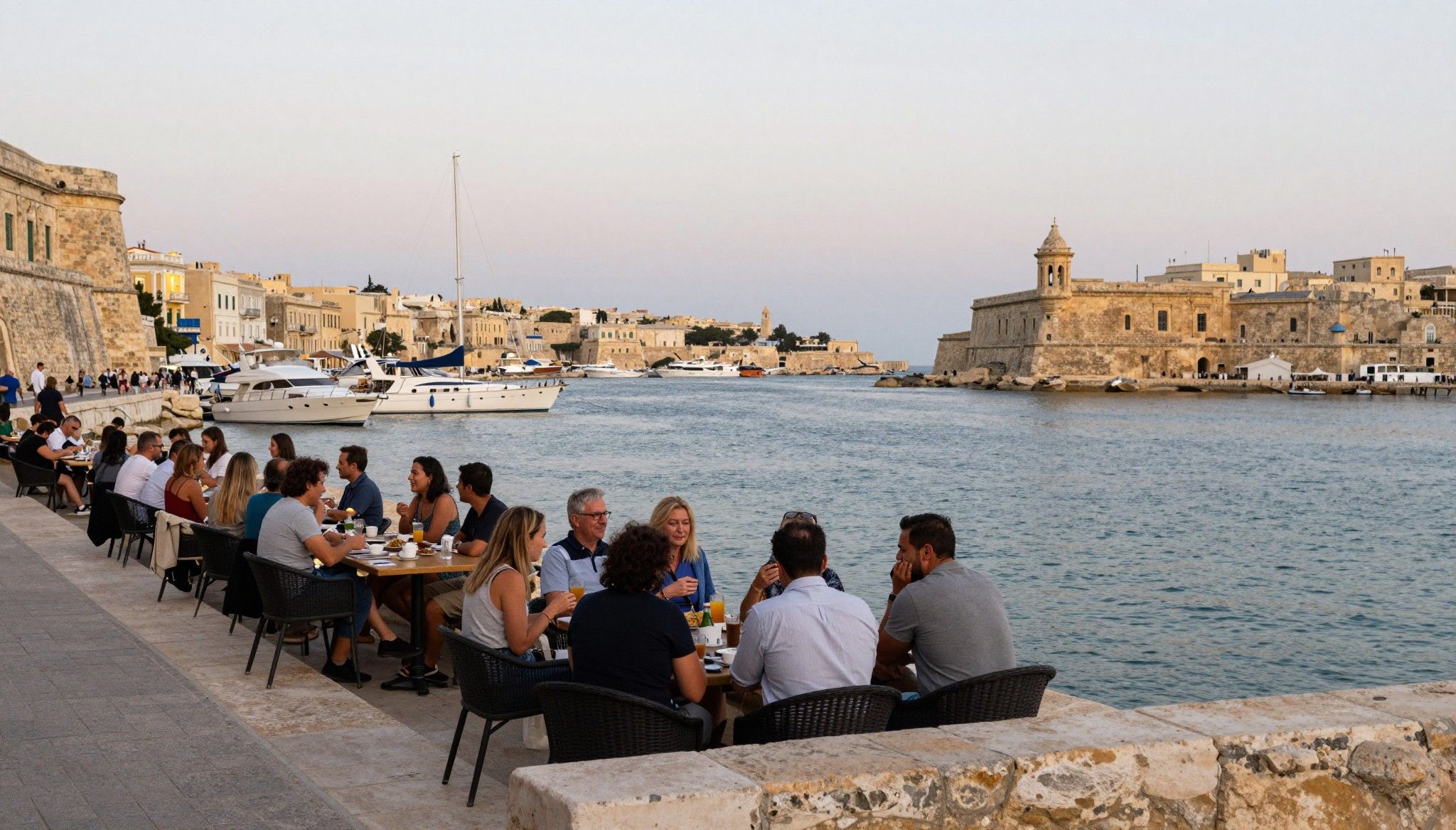
Imagine waking to the toll of church bells in a limestone street, then crossing to a harbour café for a slow espresso while fishing boats rock gently in the light. Malta is compact enough that the sea is never far and layered enough that a single hour can move you from fortified baroque Valletta to a pebble cove on Gozo. For the international buyer this means a distinct kind of portability: neighbourhoods with palpable histories, houses with patina, and an everyday life organised around outdoor ritual — markets, passeggiata, and neighbourhood bars. Yet the market’s steady price momentum has consequences for timing and expectation; a mindful approach keeps the dream from becoming a costly lesson.
Living the Maltese Rhythm
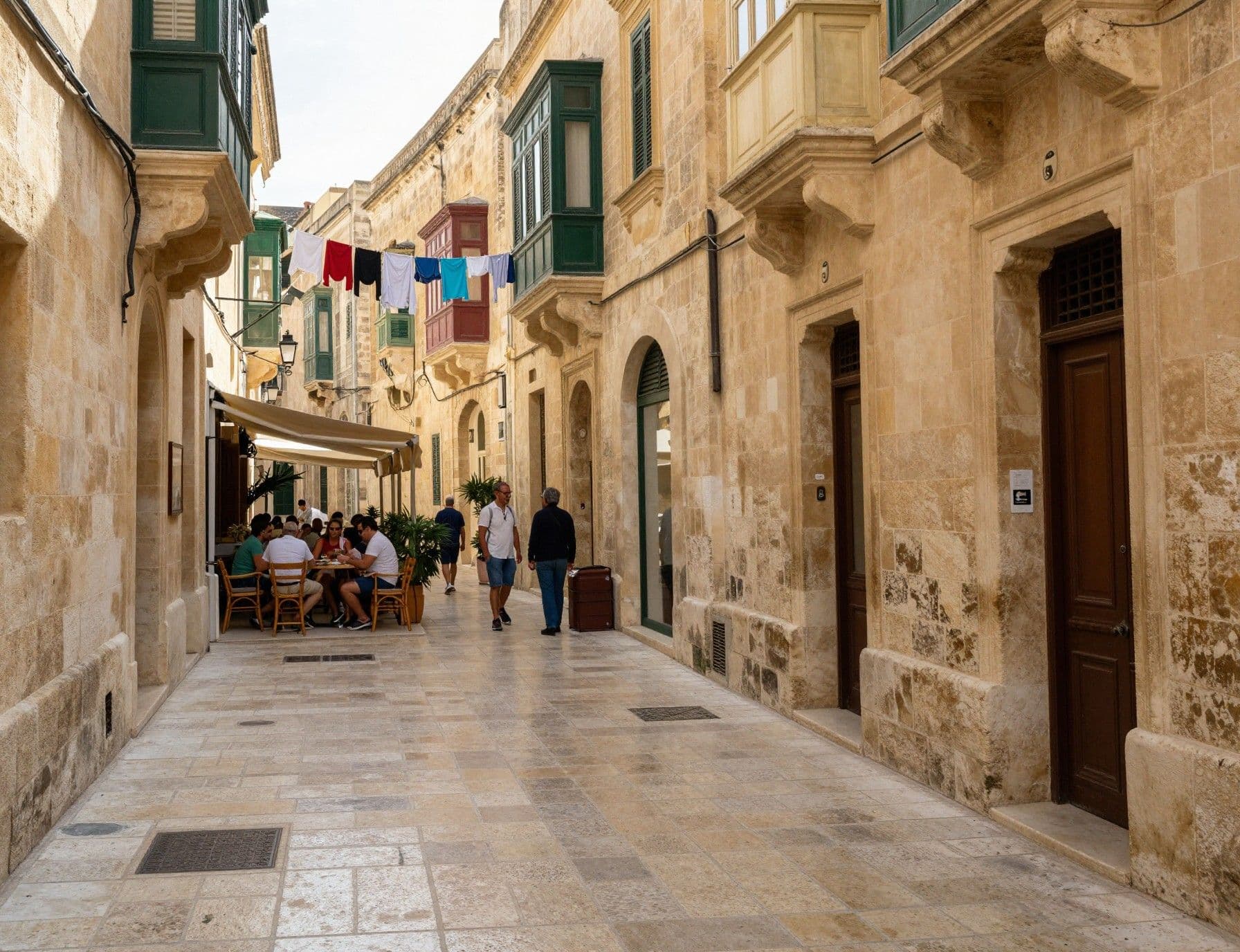
Daily life in Malta is an exercise in tempering tempo: long lunches in summer, brisk winter market mornings, and late-night conversations that spill from restaurant to street. Valletta’s grid rewards walking — private palazzos and small apartments sit above discreet cafes and artisan shops — while Sliema and St Julian’s trade history for a denser, more cosmopolitan shoreline that suits a life threaded with yachts, gyms and international schools. Buyers should be conscious that the market itself is active; recent NSO releases show national residential prices continuing to rise, a reality that colours where and when to look.
Valletta and the Three Cities: Quiet gravity
Valletta offers a particular compactness: grandiose facades, narrow streets, and rooms that favour scale over open-plan living. The nearby Three Cities — Vittoriosa, Senglea and Cospicua — feel lived-in and private; restored townhouses here often come with small courtyards and harbour views, and they attract buyers who prize provenance and craftsmanship. If your life values promenades and museums within walking distance, these districts supply a layered urbanity uncommon for their size.
North Shore: Sliema, St Julian’s and the seaside lifestyle
Sliema and St Julian’s represent Malta’s social axis for expatriates and families: cafés that open by seven, a coastline repurposed for evening passeggiata, and a greater supply of contemporary apartments with terraces. PropertyInsights notes that the market in these northern localities participates in a two-tiered market where rental demand and service‑orientation support higher asking prices. For buyers seeking a lifestyle defined by sea views and concierge-style living, the premium buys convenience and immediate social infrastructure.
Gozo and the quieter life
Gozo answers a different appetite: stone farmhouses, wider skies, and a community cadence that feels rural yet connected. Buyers who value privacy, land, and restoration projects will find Gozo’s Houses of Character compelling; data shows these asset classes commanding a clear premium within the broader Maltese market. Expect slower turnover, a more deliberate purchase process, and properties where craftsmanship and conservation matter more than open-plan volumes.
Lifestyle highlights: morning market at Marsaxlokk; espresso at Café Cordina, Valletta; sunset walk along Sliema seafront; fresh-zeekra fish at Birgu waterfront; weekend boat to Comino’s Blue Lagoon.
Making the Move: Practical Considerations
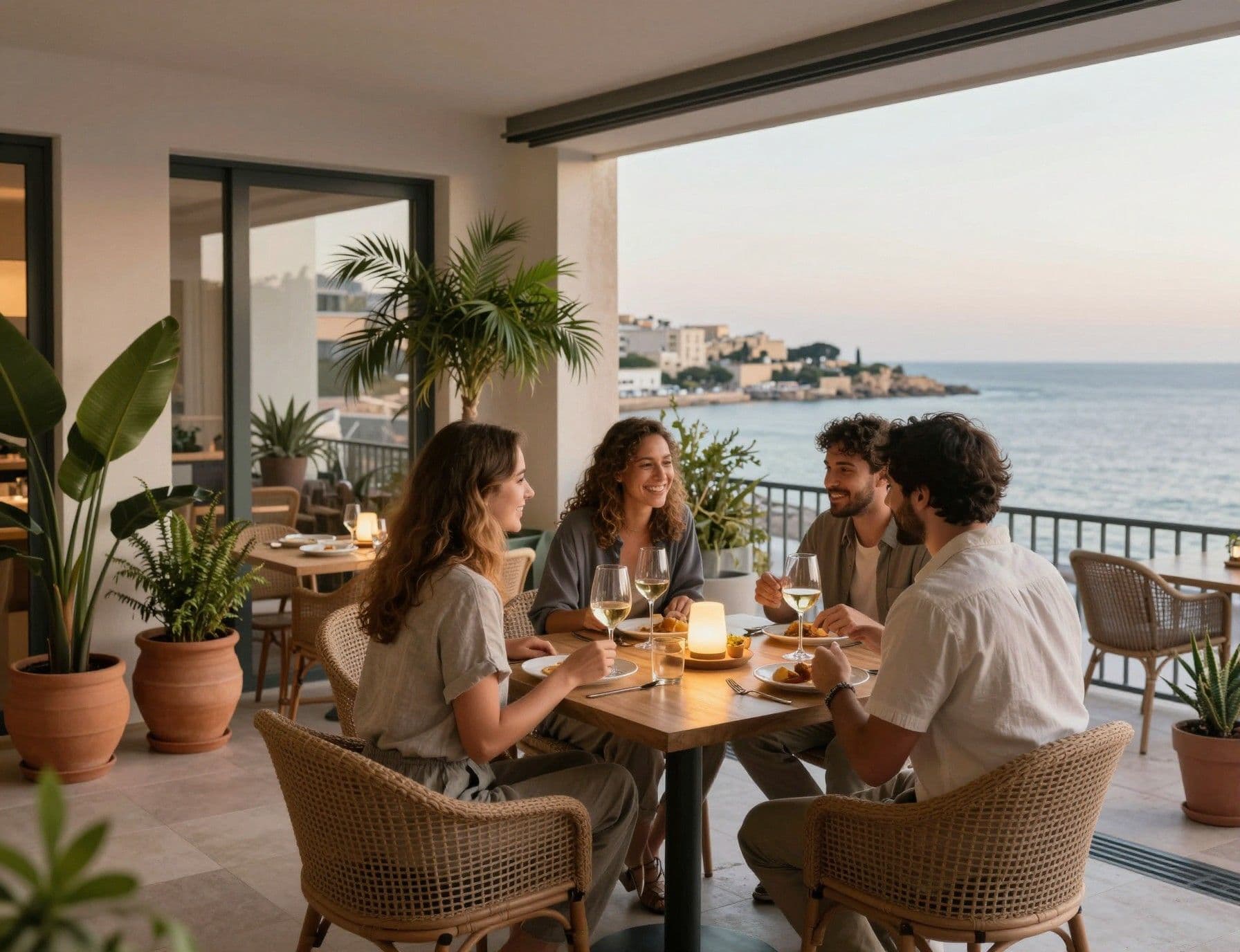
The picturesque streets are the reason many arrive; the paperwork is why many pause. Residency and investment schemes exist but carry strict thresholds and conditions — the Residency Malta Agency provides clear property-value tests for different programmes and is an essential first check for buyers seeking a residency-linked purchase. Simultaneously, national statistics on prices and transaction volumes should temper enthusiasm: the island’s limited stock and continued price growth mean swift decisions can be costly unless guided by local expertise.
Architecture and what it means for living
Stone palazzos, maisonettes with internal courtyards, and modern seafront apartments each require different stewardship. Traditional houses of character reward patient restoration and an appreciation for thick walls, timber beams and original shutters — they age gracefully but need committed maintenance. By contrast, newer developments trade patina for amenities: lift access, secure parking and rooftop terraces that suit seasonally mobile owners. Match the property’s construction logic to the life you intend to lead.
Working with an agency that understands place: steps to align lifestyle and purchase
List your non‑negotiables (walkability, sunlight, school commute), visit in the relevant season, commission a local surveyor familiar with Maltese conservation rules, verify residency or permit thresholds early, and agree an off‑market search brief with an agent who knows the fabric of each neighbourhood.
Insider Knowledge: What Expats Wish They’d Known
Small surprises accumulate: insurance for seaside properties, the cost of sympathetic restoration, and the seasonal variance in neighbourhood life. Official indices show national prices rising in recent quarters, but asking prices and micro‑market behaviour differ; some central pockets have cooled while northern coastal areas remain in demand. Expat residents often say the best investments were those that matched a personal rhythm — morning markets, a short school run, or an afternoon sea dip — rather than chasing headline returns.
Cultural integration and daily life
English is an official language and widely used, which flattens many practical barriers to living in Malta; however social integration favours small civility — attend festas, know your nearest kafena, and learn basic Maltese phrases to deepen neighbourhood ties. Community life is often organised around parish and family networks; patience and local courtesy open doors that paperwork cannot.
Long view: stewardship over speculation
For buyers drawn to Malta’s architectural heritage, stewardship is a primary return: careful restoration sustains property value and community standing. Consider long-term costs — periodic limewash, masonry repair, and the constraints of protected façades — as part of the investment calculation. Those who buy with an intention to live well here tend to find their properties repay them through a richer daily life and steadier capital preservation.
Red flags to watch: inconsistent title history; missing conservation permits for alterations; structural damp in basements; overly optimistic rental yield projections; sellers resisting an independent survey.
If Malta feels like a promise — stone terraces, market mornings, beaches a short drive away — treat the promise with exacting care. Start with a visit timed to the season you intend to live here, work with a locally rooted agency that knows both the architectural language and the small daily rituals, and base decisions on both NSO transaction indicators and street‑level observation. The island rewards those who come for more than headlines: your property will be instrument and archive of an adopted life.
Former Copenhagen architect who relocated to Provence, offering relocation services, market analysis, and a curator’s eye for authentic regional design.