Italy: The Off‑Radar Districts Outsmarting Headlines
Contrarian look at Italy’s 2025–26 market: prices rose modestly, but true value often sits in everyday streets and off‑radar districts where lifestyle and demand converge.
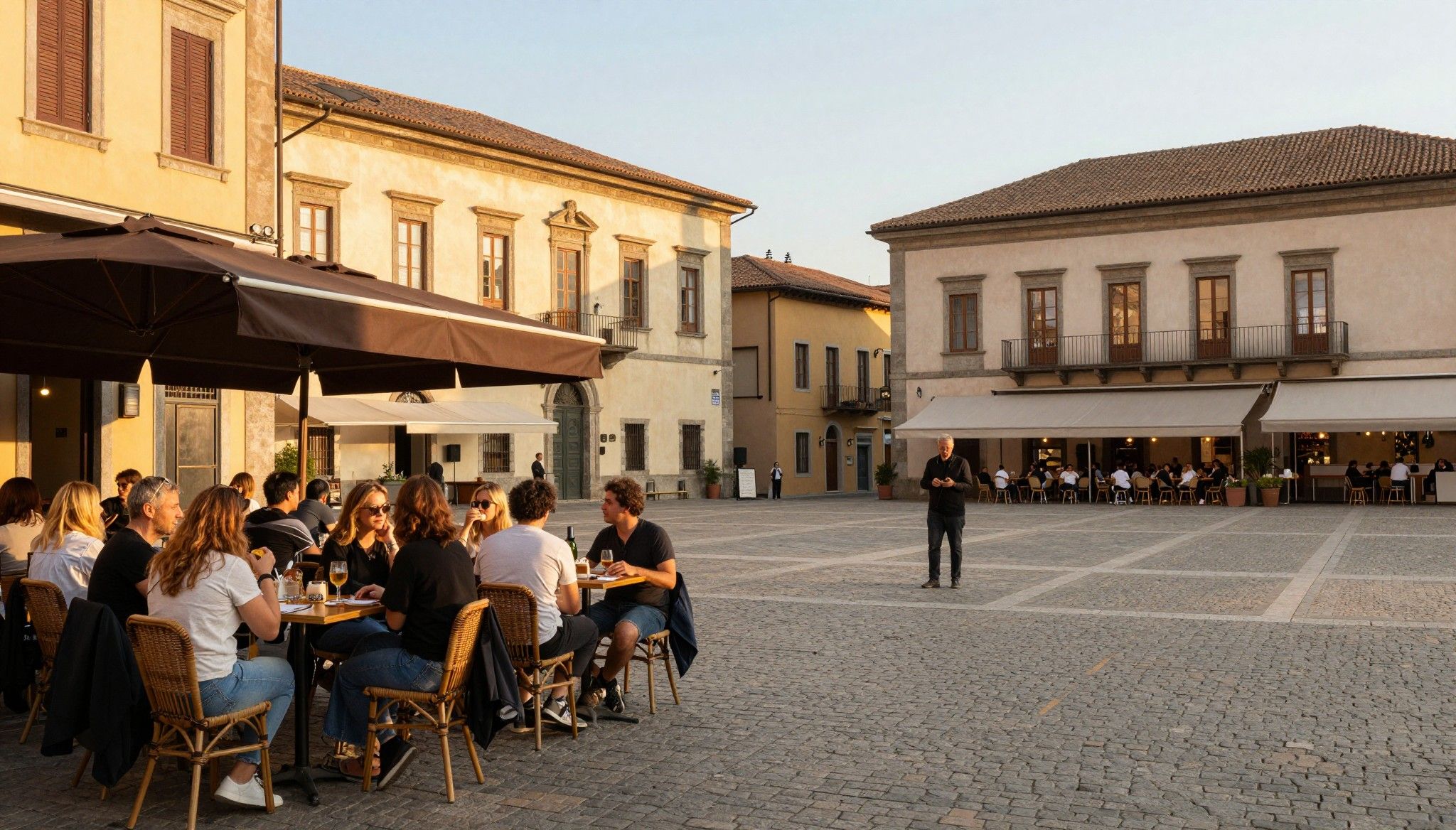
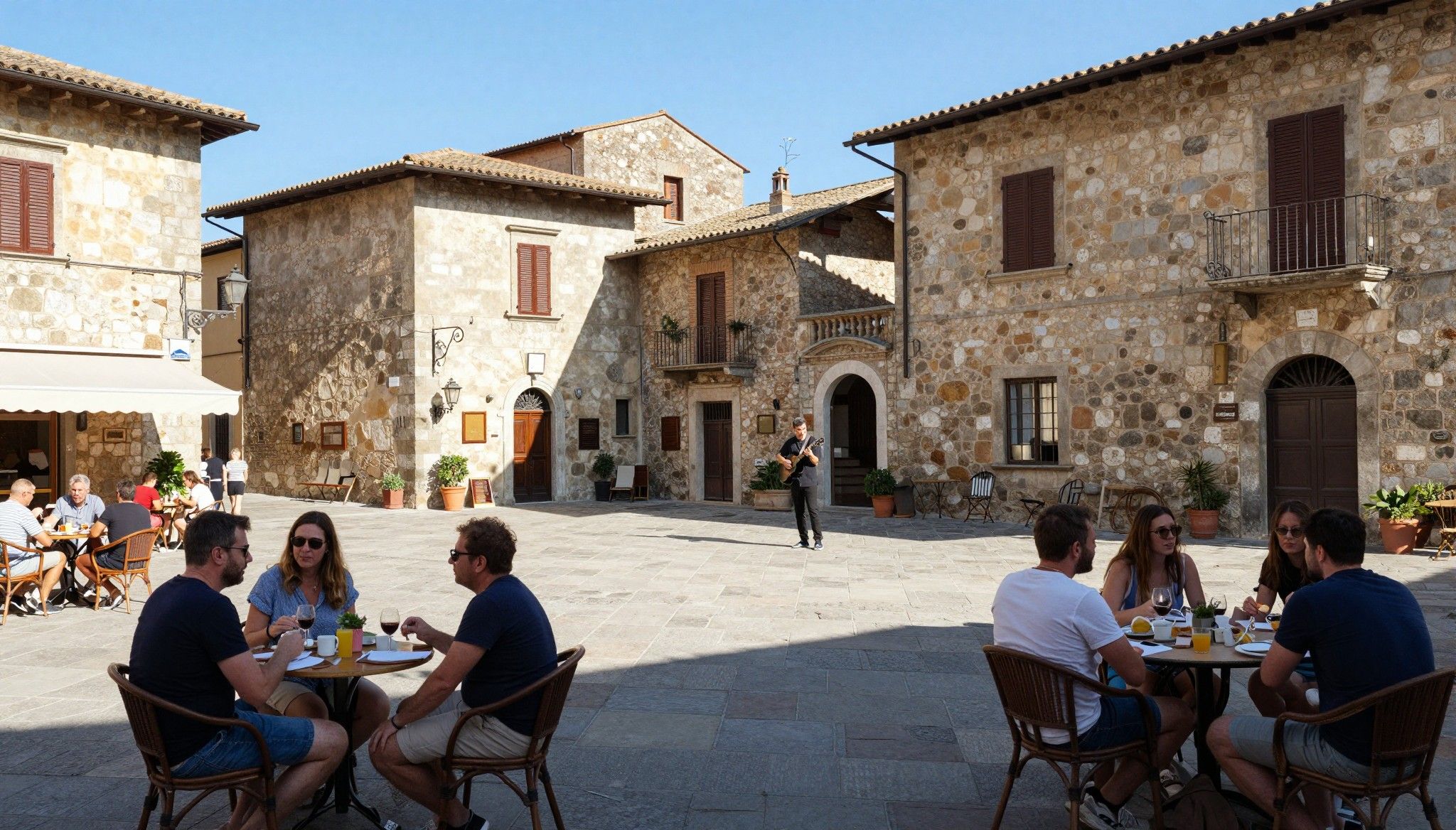
Imagine an early morning in an Italian neighborhood: espresso cups clink at a corner bar on Via Giulia in Rome, a greengrocer stacks crates of figs in Palermo’s Ballarò market, and the light slices across limestone façades in Lecce. This is the texture of life here—seasonal, social and materially grounded—and it explains why buyers so often choose Italy not for a headline return but for a daily life that accrues value like patina.
Living the Italian Rhythm
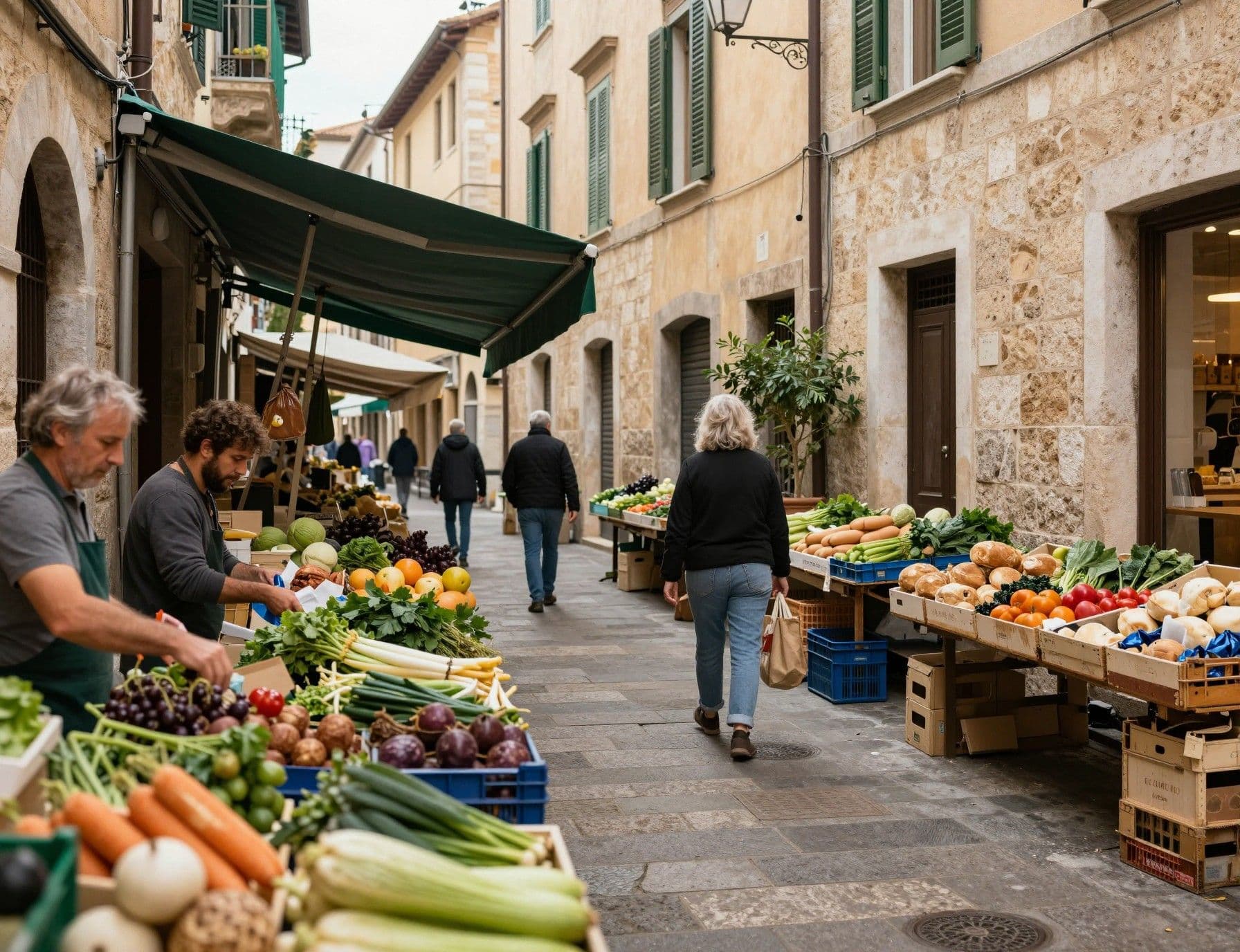
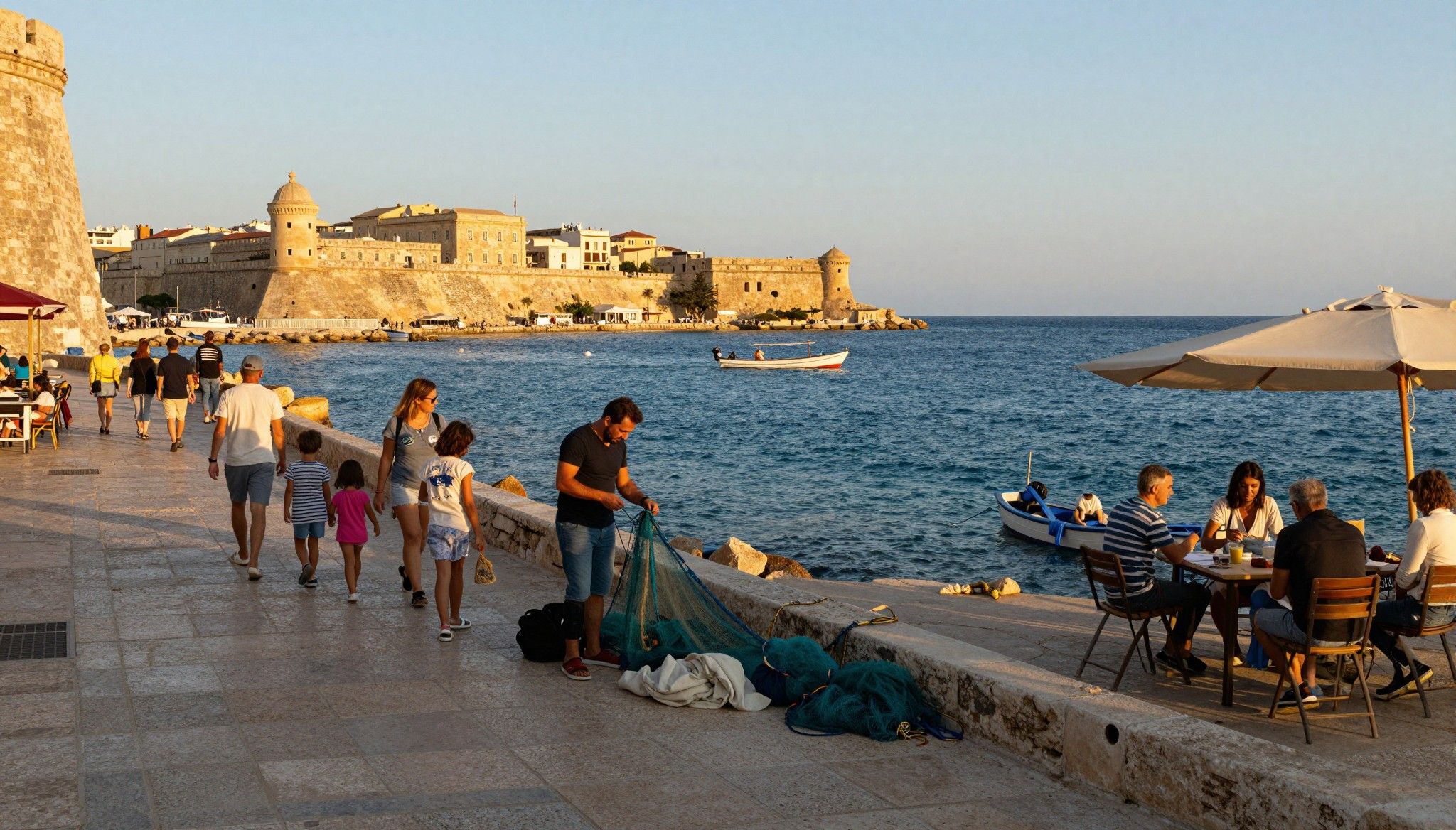
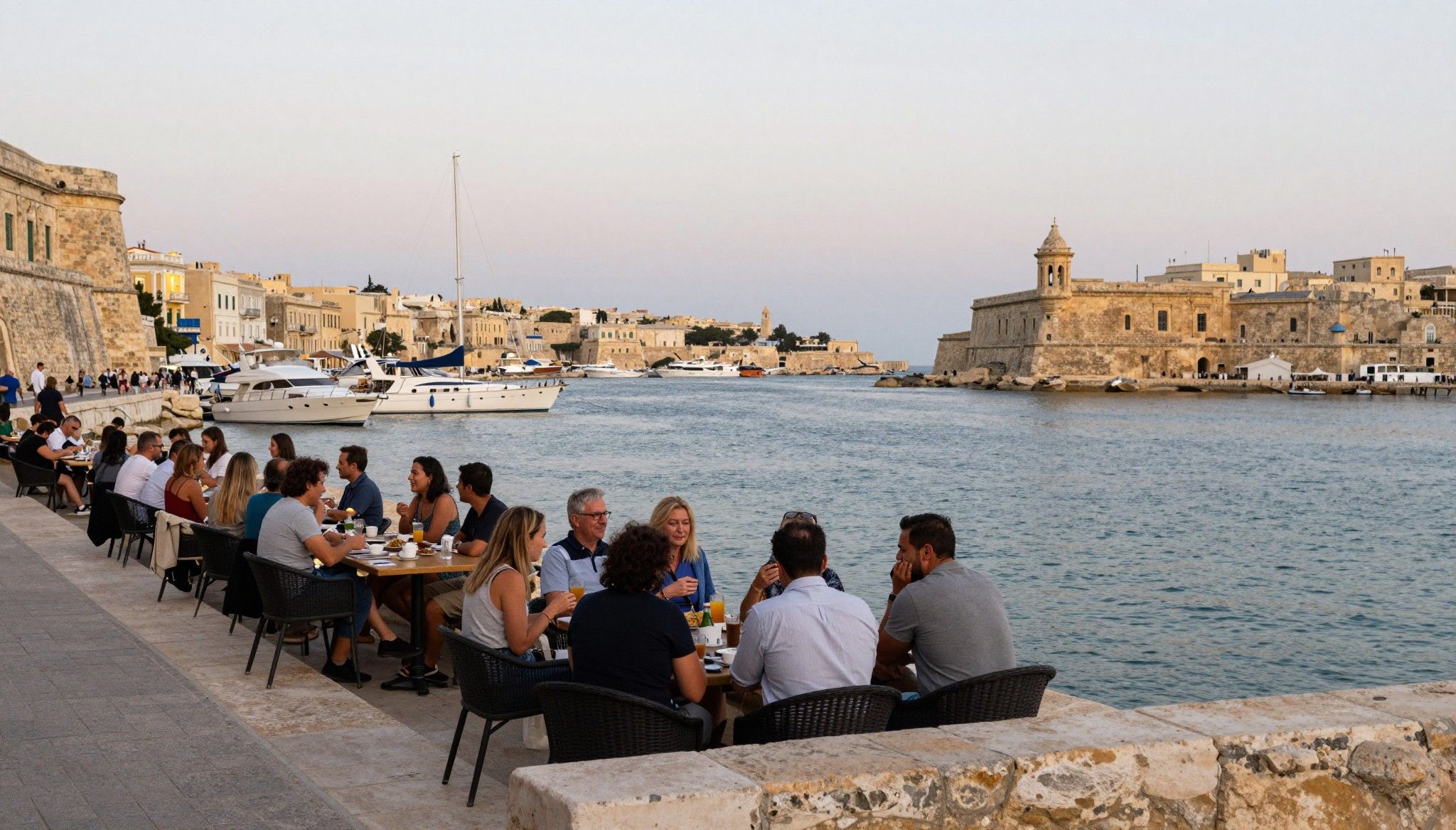
Italy’s towns and cities move at multiple paces at once: measured mornings, convivial afternoons, and evenings that gather in piazzas and trattorie. Neighborhood identity—whether Trastevere’s narrow lanes, Turin’s arcades, or Porto Sant’Elpidio’s seafront promenades—shapes everything from how you use space to which property type will serve you best.
Neighborhoods that feel like home
Seek streets where daily life happens: Milan’s Brera for quiet cultural gravitas and atelier cafés; Bologna’s Santo Stefano for an intimate network of porticoes and markets; and Salento’s coastal hamlets where limestone courtyards and sea breezes define routine. These are not merely picturesque; they are resilient markets because they host sustained local demand.
Food, market life and weekend rituals
Markets shape the week: early-morning fish auctions in coastal towns, Saturday mercato visits in Florence’s Sant’Ambrogio, and evening aperitivo in Genoa’s caruggi. Nomisma’s recent observations note that rental demand and local occupancy patterns remain robust—an important reality for buyers who imagine life lived among neighbours rather than a tourist calendar.
- Lifestyle highlights that influence property choice: Corso Como (Milan) for design-led living; Via dei Coronari (Rome) for antiquarian atmosphere; Mercato del Capo (Palermo) for street-food culture; Porto Venere and Cinque Terre for coastal provenance; Piazza delle Erbe (Verona) for market rhythms.
Making the Move: Practical Considerations
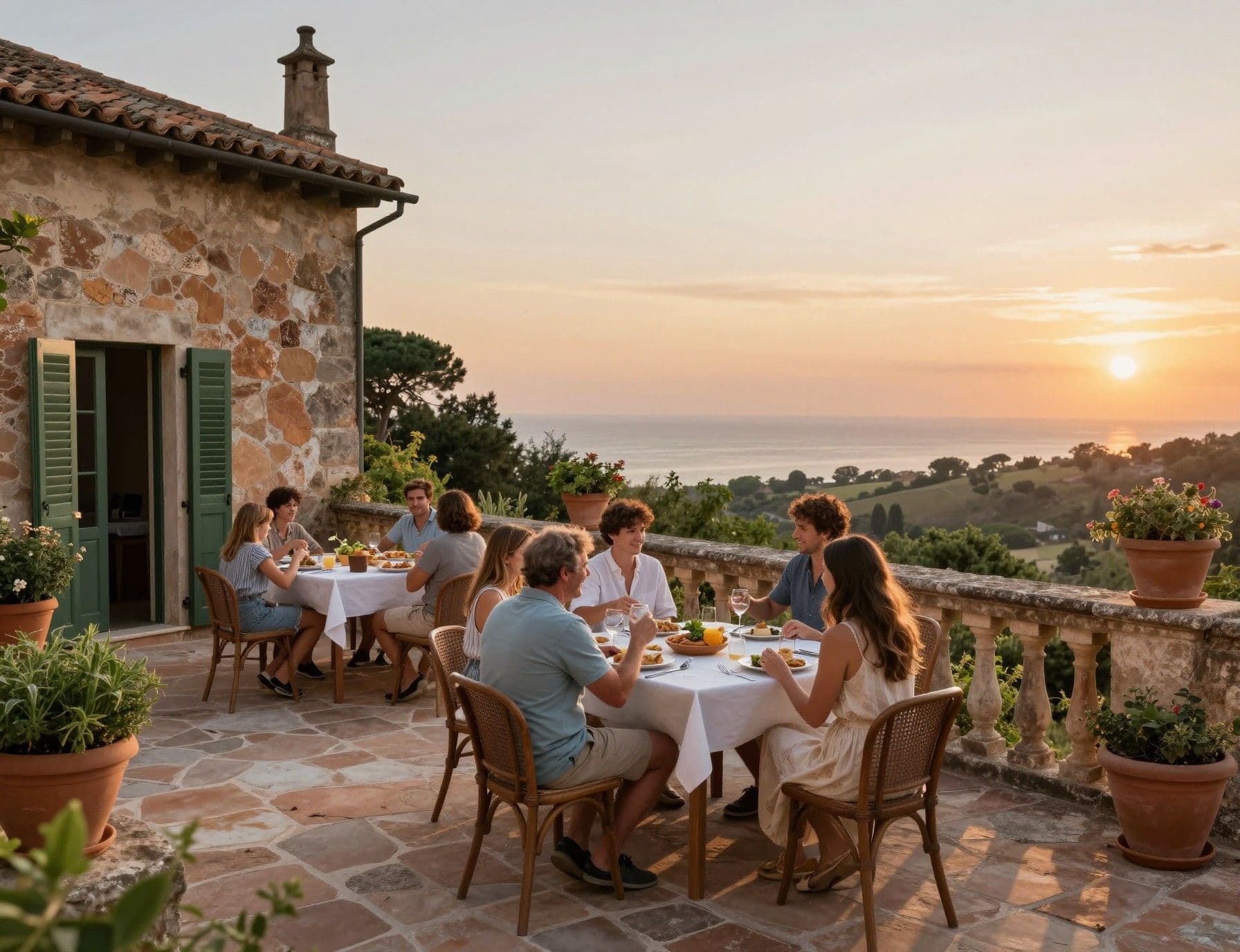
Romantic expectation meets procedural detail when you buy. Recent Bank of Italy surveys show tighter credit conditions than in prior cycles but also suggest buyers are adapting: asking-price discounts have narrowed and time-on-market shortened in many centres. That combination favours prepared international buyers who prioritise specificity over haste.
Property styles and how they shape daily life
A palazzo apartment with high ceilings and original shutters creates a different life from a restored farmhouse with a courtyard. Select by how you will inhabit space: do you want a compact centro storico flat steps from cafés, or a light-filled villa with a garden for summer dining? Materials and layout—stone thresholds, loggias and thermal mass—determine comfort as surely as location.
Working with local experts who understand rhythm and value
- Steps to blend lifestyle and market prudence: 1. Begin with neighbourhood recon: spend multiple mornings and evenings in at least two candidate districts. 2. Commission a local market brief from an agency that can show transaction comparables, not just listings. 3. Inspect construction fabric—look for damp, roof condition and original joinery—and estimate restoration need. 4. Test rental demand (if relevant) by speaking to local property managers about seasonality and short-term vs long-term yields. 5. Negotiate on provenance: provenance and restoration quality matter more than square metres in Italian heritage properties.
Insider Knowledge: What expats wish they'd known
Contrary to the broad 'Italy is expensive' trope, national statistics show modest but clear price appreciation in 2025—driven largely by existing stock in dynamic centres—while new-build segments remain more tempered. Understanding that split is essential: value often resides in off‑radar streets within popular cities rather than in headline suburbs.
Cultural integration and the practicalities of daily life
Language matters less than courtesy: attending a market, learning opening hours, and observing local rhythms quickly unlock neighbourly goodwill. For families, proximity to scuola primaria and access to medical practices weigh on district choice; for remote workers, reliable fibre and a calm daylight workspace are decisive.
Longer-term lifestyle considerations
- Considerations for long-term stewardship: 1. Energy performance and retrofit potential—factor in the cost and feasibility of upgrading historic fabric. 2. Local governance and planning—conservation zones limit alterations but preserve value. 3. Community longevity—look for neighbourhoods with active local associations and year‑round residents rather than mono‑seasonal tourism. 4. Provenance—properties with documented restoration history and artisan finishes retain desirability.
Practical next steps: spend time in place, request IMUs/municipal rates for candidate properties, and ask an agency for off‑market opportunities. Agencies that read local rhythms—those that know the baker, the market hours and the parish calendar—are the ones that find homes that feel like Italy rather than mere investments.
Having moved from Stockholm to Marbella in 2018, I help Scandinavian buyers navigate Spanish property law, restoration quality, and value through authentic provenance.