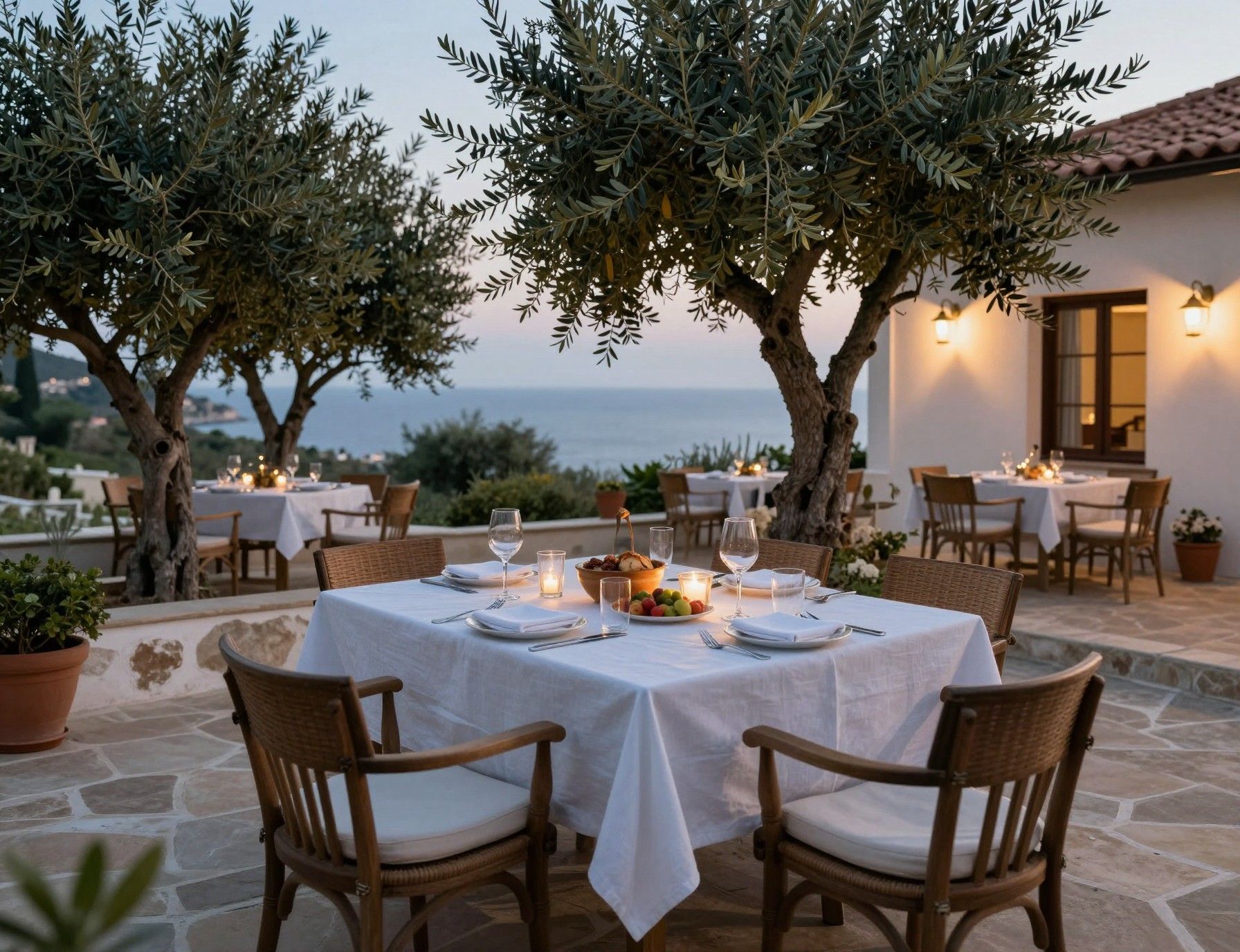
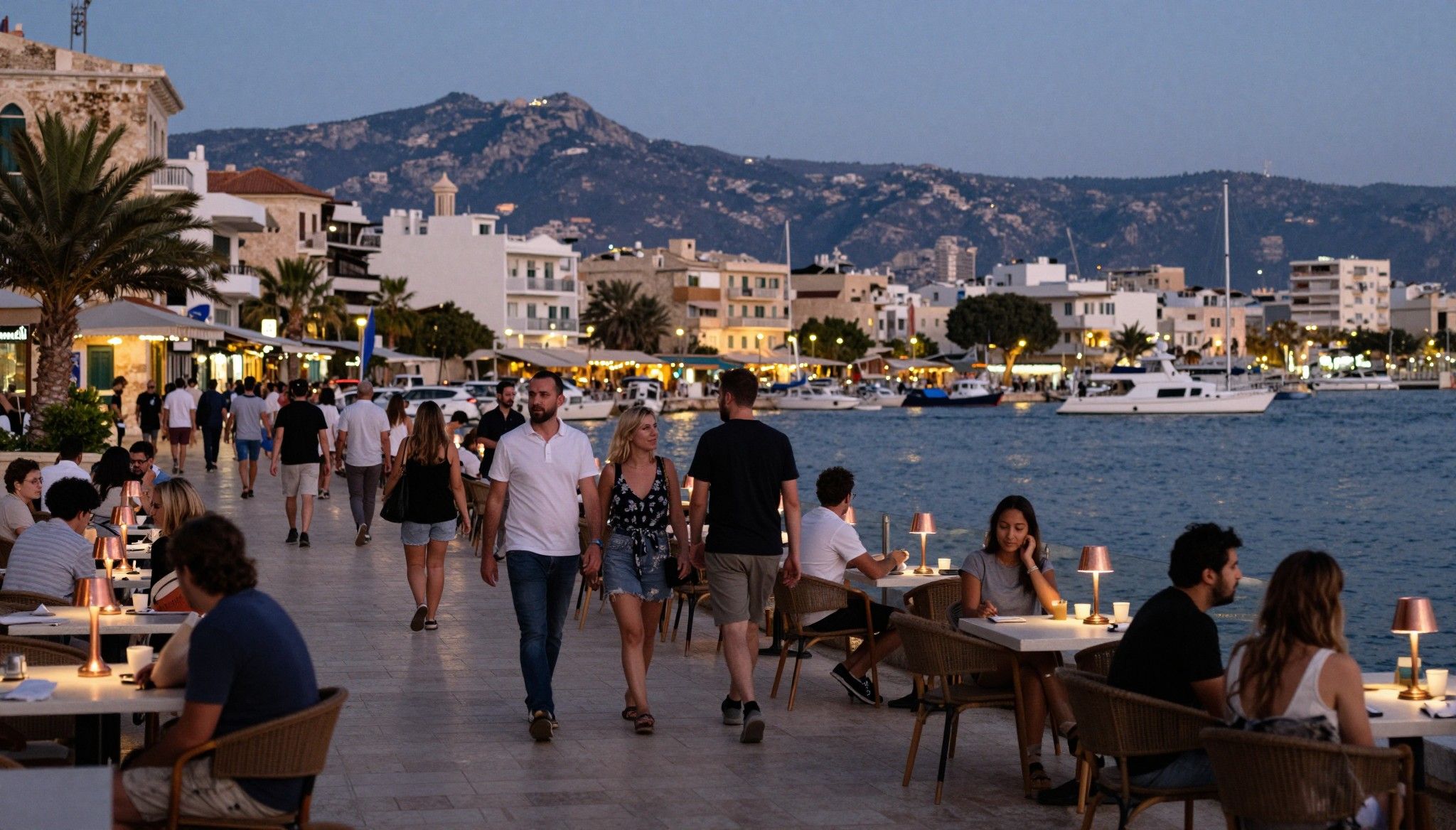
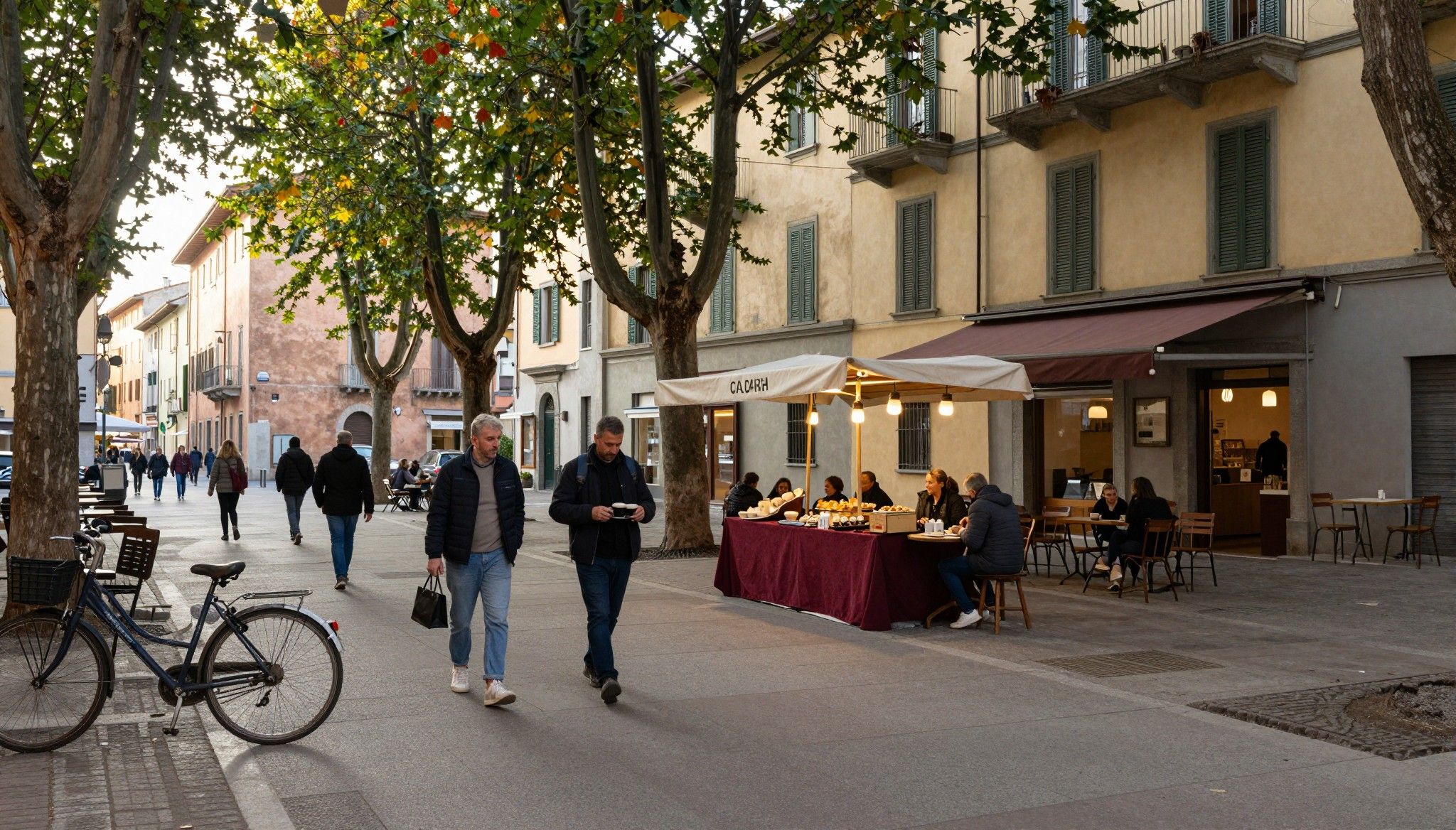
Imagine a late-September morning in Aix‑en‑Provence: the market stalls release the scent of lavender and warm figs, a boulanger from Rue Gaston de Saporta sets out croissants, and the narrow rue invites a slow walk toward a ochre‑stone apartment you might call a pied‑à‑terre. That sensory ease is part of what buying in France buys you—rhythms of daily life, a deep food culture and neighbourhood identities that persist across generations. But that romance sits beside a precise ledger: local taxes, non‑resident reporting, and wealth levies that subtly shape which neighbourhoods and property types remain prudent purchases. This piece blends the lived experience of French streets with the tax realities international buyers must plan for.
Living the France lifestyle
France is not a single tempo. Parisian mornings begin with espresso and newspapers on Boulevard Saint‑Germain; in Biarritz, surf and market life set the day. Small towns—Cordes‑sur‑Ciel or Vézelay—move to the cadence of the weekly marché; Provence villages gather at the same café terrace for aperitif. For an international buyer the choice is as much about social fabric as square metres: do you want the measured civility of the 7th arrondissement, the convivial market life of Lyon’s Croix‑Rousse, or the maritime ease of Cassis? Each place implies different tax and property considerations—conservation rules in historic centres, higher taxe foncière in rural estates, or tourist‑driven rental regimes on the coast.
Neighborhood character: pick the rhythm, not merely the façade
Walk Rue Cler in Paris and you feel intentionally local service; choose Île Saint‑Louis and evenings are quiet and domestic. In the Marais, old hôtel particuliers share streets with contemporary galleries; in Nice’s Liberation quarter life is organized around markets and small boucheries rather than seafront tourism. These micro‑differences dictate practicalities: insurance costs, potential for short‑stay rentals, and whether municipal surtaxes apply to second homes. The lived detail—market days, boulanger opening hours, bicycle traffic—predicts the type of rental demand and therefore the tax regime you should anticipate.
Food, seasons and social life that shape choice
Seasonality matters. A house in Provence swells with life during truffle and lavender seasons; a Biarritz apartment earns most of its rental yield in summer. Local councils sometimes levy higher charges for second homes in tight housing markets, a factor highlighted on official pages about taxe d'habitation and taxe foncière. That affects net yield and the desirability of short‑stay letting. In practice, buyers who love market culture and seasonal festivals will choose properties that suit occasional letting, while those seeking quiet permanence will prioritise neighbourhoods where community life endures year‑round.
- Lifestyle highlights — places and rhythms to consider
- Aix‑en‑Provence: morning marché at Place Richelme and late‑afternoon pétanque on Cours Mirabeau
- Saint‑Germain (Paris): intimate bookshops, discreet hôtels particuliers and easy access to embassies and private clinics
- Cassis: seaside coves, small harbours and a strong short‑stay market balanced by strict building controls
- Lyon Croix‑Rousse: artisan food culture, local cooperatives and a daytime market that defines the neighbourhood
Making the move: practical considerations
Romance becomes stewardship when you sign a compromis de vente. France’s legal framework is precise: local notaires manage title transfer, and tax liabilities attach not only to annual rentals but to capital gains and, for significant portfolios, the real‑estate wealth tax (IFI). Understanding how these obligations interact with your country of residence—especially the double taxation treaty you rely on—is essential. The tax administration’s guidance for non‑residents outlines which income is taxable in France and withholding mechanisms that may apply. Practical preparation saves both cost and surprise.
Property, rental income and IFI: what to expect
If your net real‑estate assets in France exceed the IFI threshold, you must declare under the IFI regime; a main residence receives a 30% abatement if directly owned. Rental income is taxed for non‑residents on French‑source earnings with minimum withholding rates that depend on thresholds—many non‑residents opt to calculate tax under the progressive scale where advantageous. Deductions for loan interest, management fees and certain renovation costs can materially change your taxable base, so keep detailed accounts and local invoices.
Working with local experts who know both lifestyle and ledger
- Practical steps — blend lifestyle aims with tax planning
- Clarify residency and treaty effects: confirm where you’ll be tax resident and obtain guidance on the France treaty with your country (this alters withholding, social charges and capital gains rules).
- Choose the right letting regime: micro‑foncier, micro‑BIC or régime réel; the right choice depends on likely gross rents and deductible costs—run scenarios with a French accountant.
- Consider holding structure: direct ownership versus an SCI or shares in an SCPI affects IFI, succession planning and administrative burden—seek tailored legal advice.
- Budget for local levies and administration: taxe foncière, potential taxe d’habitation sur seconde résidence (where applicable), and seasonal municipal surtaxes can alter net yield; set aside a contingency for local improvements and compliance.
Insider knowledge: what expats wish they’d known
Here are the unvarnished lessons most commonly learned after purchase: short‑stay demand can be seasonal and regulated at municipal level; historic district renovations often require Architectes des Bâtiments de France approval; and inheritance law in France follows forced‑heirship principles that may surprise buyers used to testamentary freedom. These realities shape both lifestyle satisfaction and the long‑term stewardship of a French property.
Cultural and legal nuances — language, customs and succession
Many buyers underestimate how much daily life depends on a modest command of French: utilities, notaire communications and municipal permits are conducted in French and carry legal nuance. More materially, French succession rules protect children’s shares; international buyers should review cross‑border succession treaties and, where permitted, consider using a French will to clarify property disposition. These steps preserve both family harmony and the architectural legacy you acquire.
- Red flags and common surprises
- Unclear permitting history for extensions — check municipal archives and any Architecte des Bâtiments de France restrictions
- Over‑optimistic short‑stay yield projections — verify seasonality and local council regulations
- Holding property in an opaque structure without tax counsel — creates IFI and succession complications
In each case, a well‑placed local adviser—an experienced notaire, a bilingual chartered accountant and an agent who knows the street life—turns potential pitfalls into manageable tasks. Agencies that curate properties for provenance will also help you see whether a house fits the life you imagine and the tax profile you’ll inhabit.
If you are ready to proceed, consider these next steps: commission a local valuer to estimate market value (affects IFI and capital gains), instruct a bilingual notaire early to review title and servitudes, and obtain a tax opinion on your residency status and likely withholding on rental income. These measures protect both the lifestyle you seek and the financial clarity every prudent buyer demands.