Cyprus tax myths that alter where and how you buy
How Cyprus’ non‑dom perks, seasonal rhythms and ownership choices shape the lifestyle and tax outcome of a property purchase—practical steps and red flags.
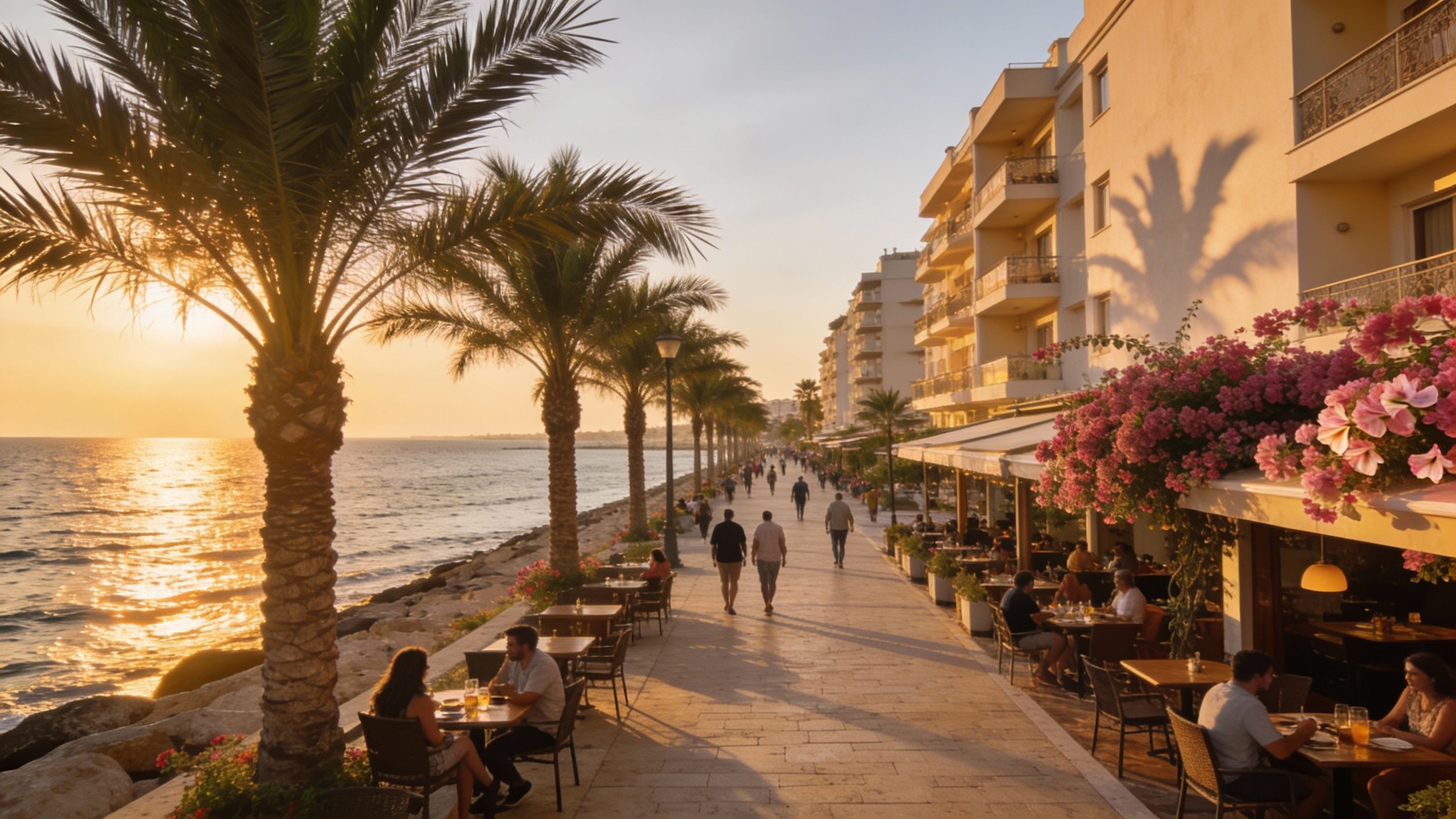
Imagine sitting at a small table on Limassol’s Molos promenade, espresso steaming, bougainvillea shading the pavement, while a local real‑estate lawyer explains how a single clause in a purchase contract can change your lifetime tax bill. Cyprus feels immutably sunlit and gentle; its legal and fiscal contours are quietly consequential. Knowing which myths to trust — and which to discard — shapes whether a house here becomes a cherished home or an avoidable tax story.
Living the Cyprus life: sun, salt and village rhythm
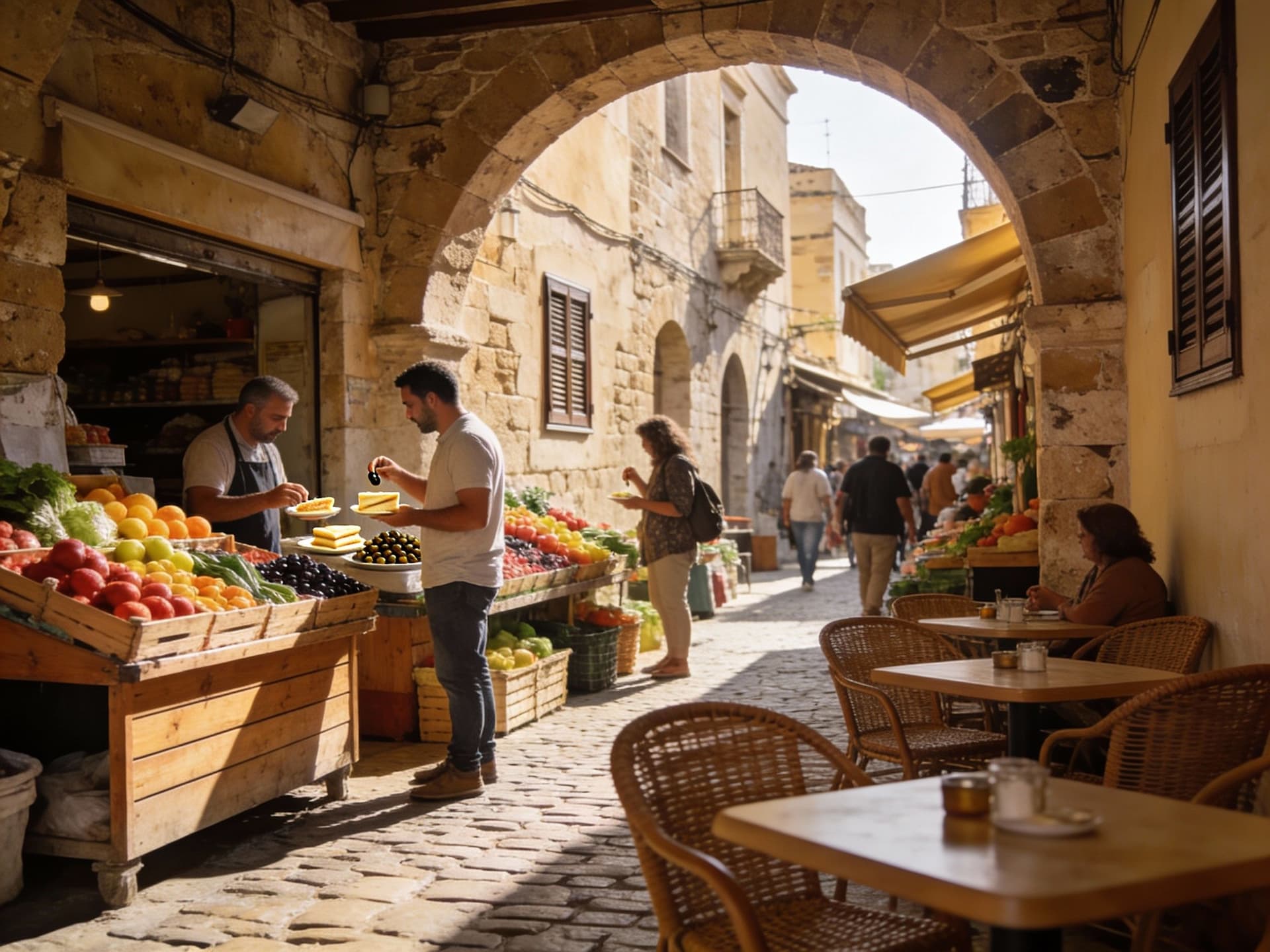
Cyprus is not a single rhythm but a cluster of tempos. Mornings in Nicosia are measured — narrow streets, coffee shops where lawyers and restaurateurs confer. Limassol hums with the maritime energy of a modern coastal city; Paphos preserves an intimate tapestry of tavernas and Byzantine fragments. In summer, Larnaca’s beaches thin into glittering sociability; in winter, the Troodos foothills trade heat for pine scent and quiet. The daily life you imagine — terrace dinners, market runs, weekend hikes — is real, and it influences the type of property that will suit you best.
Neighbourhoods that matter: Limassol’s old port and Paphos’ Kato Paphos
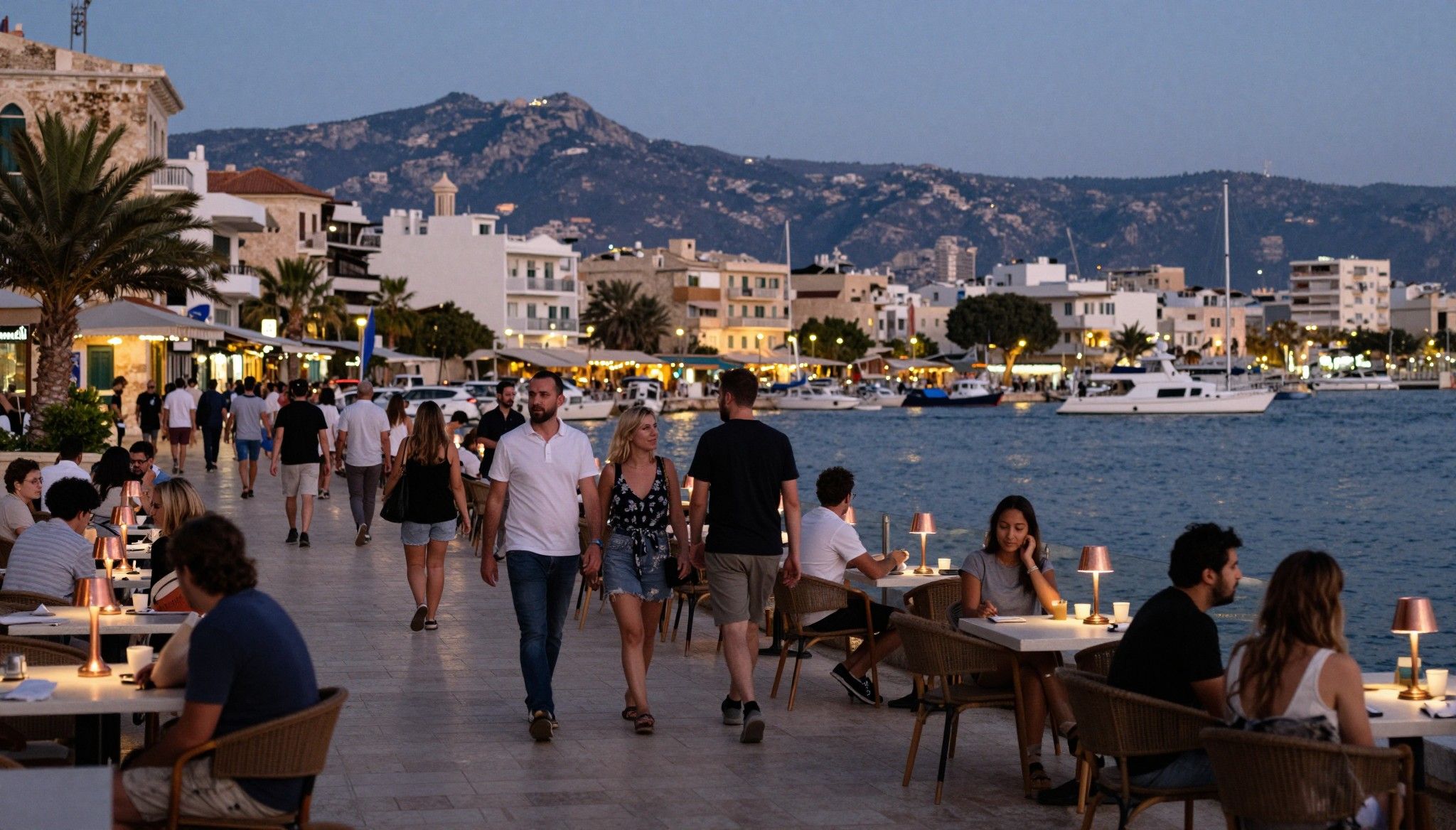
Walk along Limassol’s Old Port at dusk and you feel how a coastal apartment becomes a lived object — layered terraces, shaded shops, a cadence of evening promenades. By contrast, Kato Paphos sits near archaeological parks, where restored stone houses and compact apartments attract owners who prize provenance over panoramic sea views. Each neighborhood carries practical tax and use implications: holiday‑rental demand, municipal rates, and even the likelihood of noise restrictions that matter when planning short‑term lets.
Food, markets and the calendar: how season shapes property use
Saturdays at Limassol’s Municipal Market or Paphos’ open stalls show the island’s seasonality: citrus in winter, tomatoes and halloumi in summer. That seasonality dictates rental peaks and maintenance cycles for villas and apartments alike. Owners who understand local rhythms time renovations for low season, schedule lettings around festival weekends, and factor municipal waste, water and service charges into annual budgeting rather than assuming constant occupancy.
- Lifestyle highlights: neighbourhoods, cafés and hidden corners
- Espresso at To Kazani in old Nicosia; sunset walks on Limassol Molos; weekend markets at Paphos Central; fish tavernas on Larnaca’s Skala; snow hikes and village dinners in Troodos.
Making the move: practical considerations that protect the lifestyle

You may prefer to begin with a lifestyle brief — the number of terraces, proximity to a market — and then stitch in the fiscal reality. Cyprus offers powerful non‑dom incentives that alter how dividend, interest and many capital gains are treated; but qualifying, registering and timing residency matter. Practical planning preserves the life you buy and limits surprises on annual returns.
Property types and their tax behaviour
A seafront apartment used for holiday lets will attract different tax obligations and municipal permits than a stone house in Polis used as a primary residence. Rental income is taxable in Cyprus whether you are resident or not; non‑dom residents are generally exempt from Special Defence Contribution on rental income but remain liable for income tax on net rental profits after allowable deductions.
Work with specialists who think like residents
- Steps a good advisor will take to protect both lifestyle and tax position: 1. Verify domicile and residency timeline to confirm non‑dom eligibility and SDC exposure. 2. Advise on whether to hold property personally or through a Cyprus company for inheritance and VAT reasons. 3. Model rental income under local progressive rates and allowable deductions to set realistic net yields. 4. Schedule renovations, tenancy arrangements and insurance to minimise year‑end tax surprises. 5. Map double taxation treaty positions between Cyprus and your home jurisdiction to avoid double tax.
Insider knowledge: mistakes I’ve seen and the myths that persist
The most common misstep is assuming that Cyprus’ favourable headlines remove the need for early planning. Buyers hear “no capital gains” or “non‑dom” and delay registering residency, selecting ownership structure, or clarifying local vs foreign income. That small delay can transform an elegant plan into a costlier exercise.
Cultural and administrative realities that change decisions
Cyprus’ bureaucracy is straightforward but particular: utility connections, planning permissions for alterations, and municipal registration often require local representation and patient sequencing. Socially, learning a few phrases of Greek and attending a local festival will accelerate integration and open doors to reliable tradespeople and helpful neighbours — a practical advantage when maintaining a second home.
Long‑term view: stewardship, inheritance and tax continuity
Cyprus has no inheritance or wealth tax, which simplifies estate planning, but ownership structure affects how property passes to heirs and whether favourable non‑dom treatment continues. Many buyers preserve provenance by choosing transparent title and clear wills rather than opaque corporate holding that complicates future stewardship.
- Red flags to watch when buying in Cyprus
- Unclear title searches or missing municipal permissions; overreliance on verbal assurances about residency timing; ignoring VAT status on new‑build purchases; assuming SDC exemptions without formal non‑dom declaration; lack of double‑tax modelling with home country advisers.
Conclusion: the life and the ledger must travel together. Cyprus rewards those who respect both its light and its laws. Begin with a shortlist of neighbourhoods that suit your daily life, then convene a local tax adviser, property lawyer and a trusted agency to align purchase structure, residency steps and use‑case (primary home, seasonal retreat or income property). That sequence preserves evenings on the terrace and keeps the tax story pleasantly understated.
Relocating from London to Mallorca in 2014, I guide UK buyers through cross-border investment and tax considerations. I specialise in provenance, design integrity, and long-term value.