The Croatian Tax Surprises That Shape Your Purchase
Why Croatia’s taxes are not an afterthought: understand transfer tax, reciprocity rules and seasonal income realities so your lifestyle choice endures.
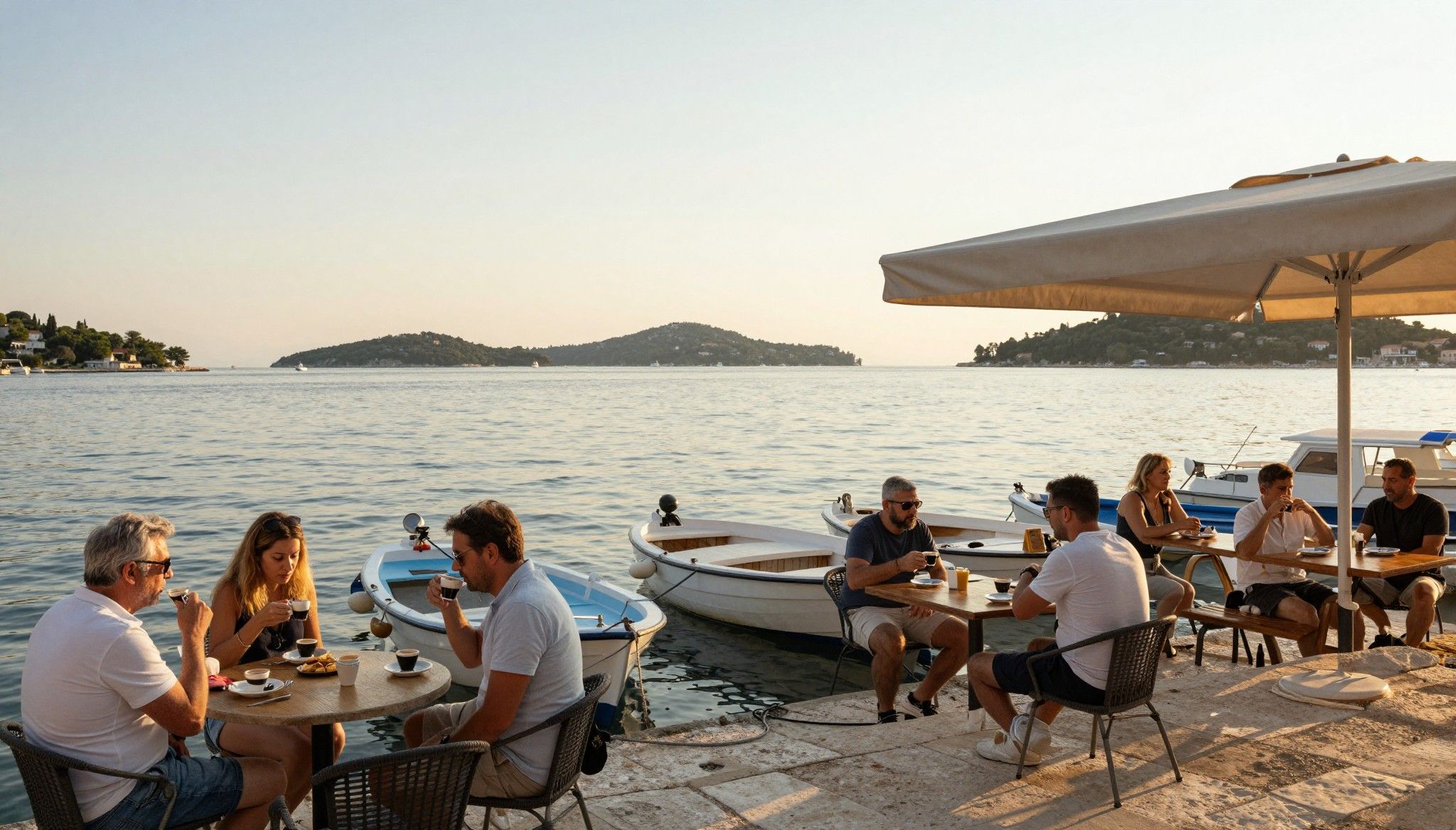
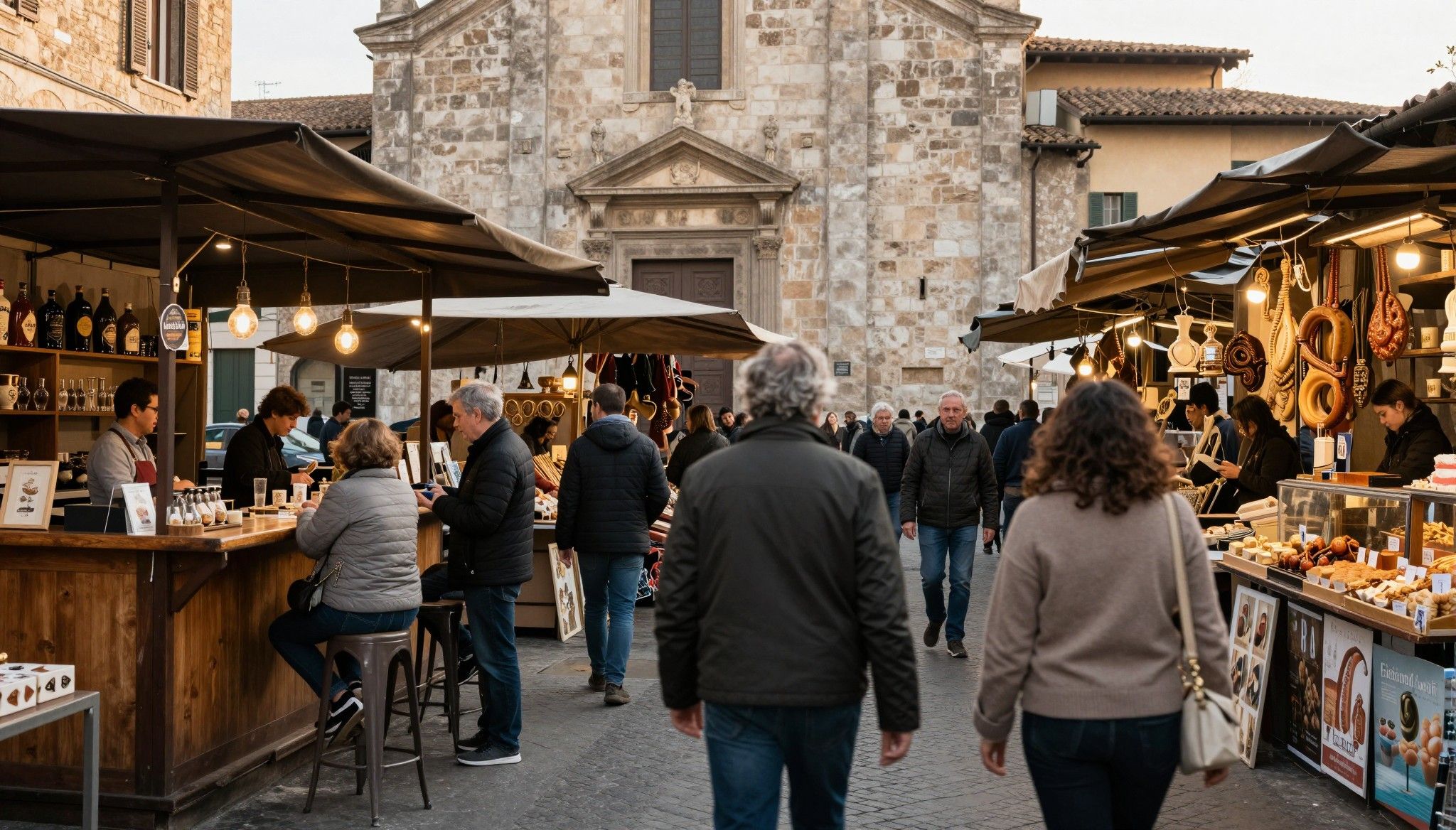
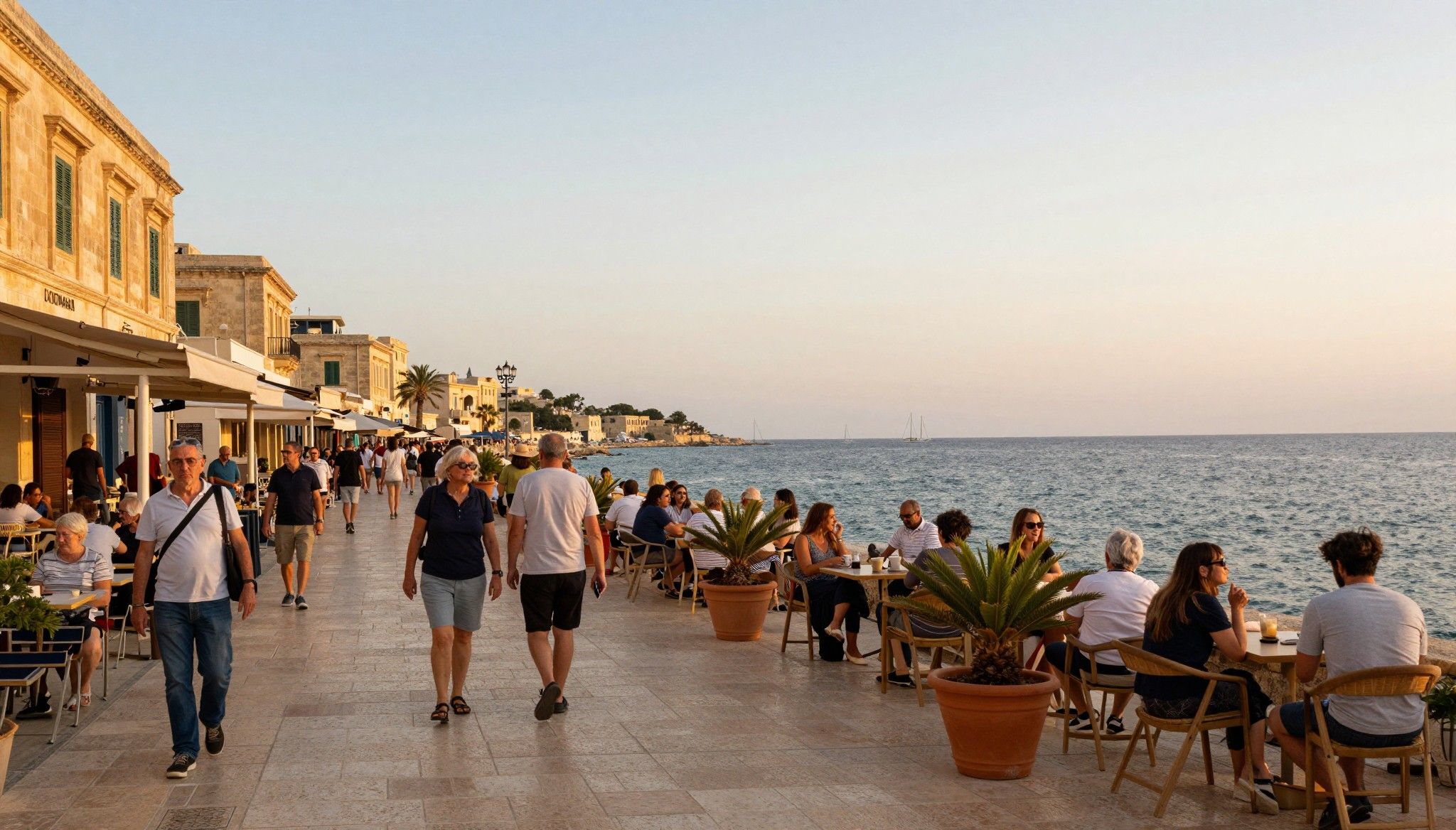
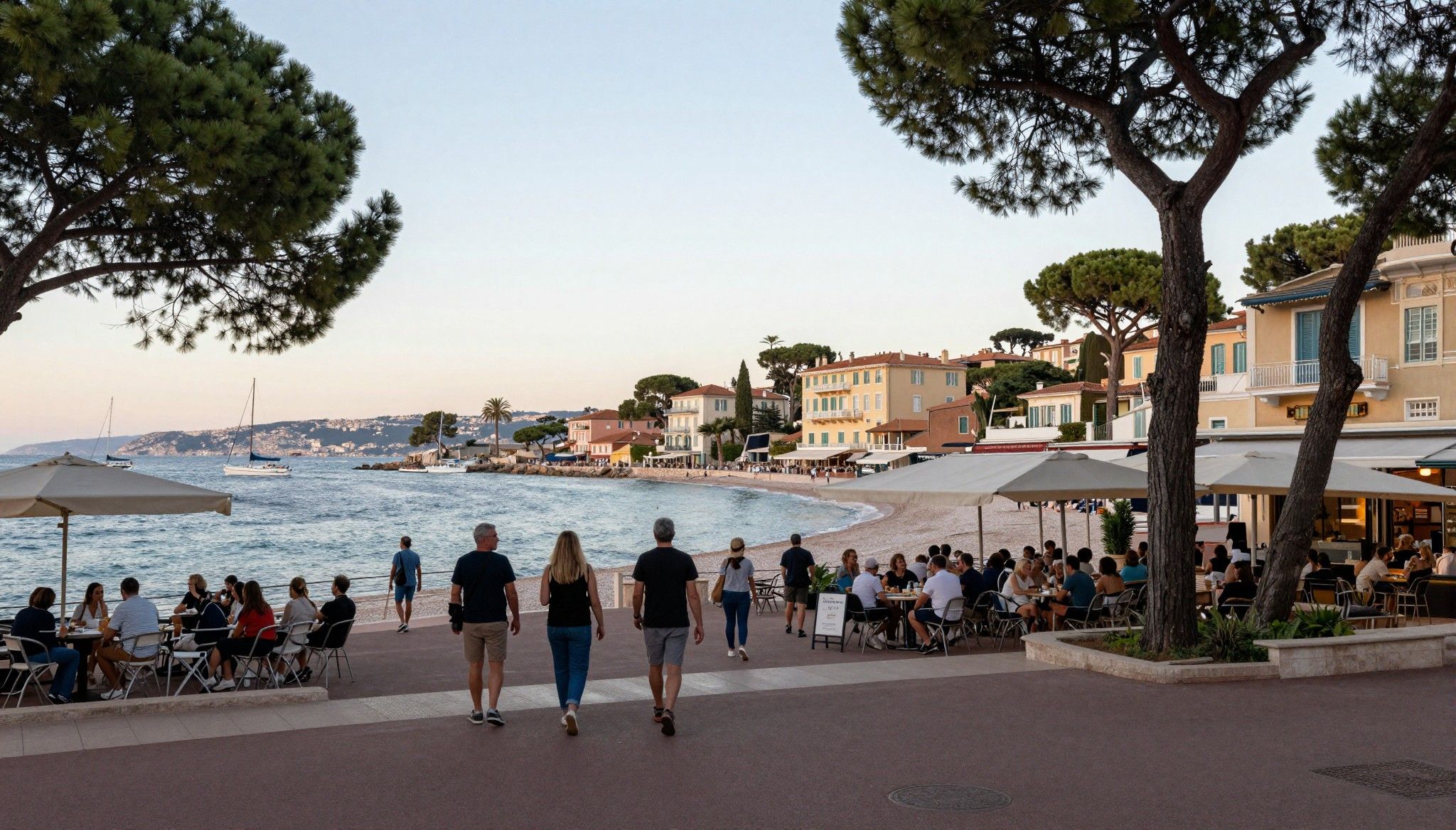
Imagine waking to the sound of church bells over a stone piazza in Zadar, buying fish from the morning market in Split and returning to a terrace that looks across the Adriatic. In Croatia the daily life is composed of small public rituals—espresso at 08:00, a brisk walk along the riva, a late lunch that dissolves into conversation. For many international buyers that rhythm is the purchase’s true prize, yet fiscal details—the transfer tax, residency implications and reciprocity rules—are the scaffolding that determines whether the dream is secure. Recent market analysis shows Croatia drawing steady cross‑border interest; understanding where taxes sit in the purchase process can change not only cost, but how and where you live.
Living the Croatian lifestyle
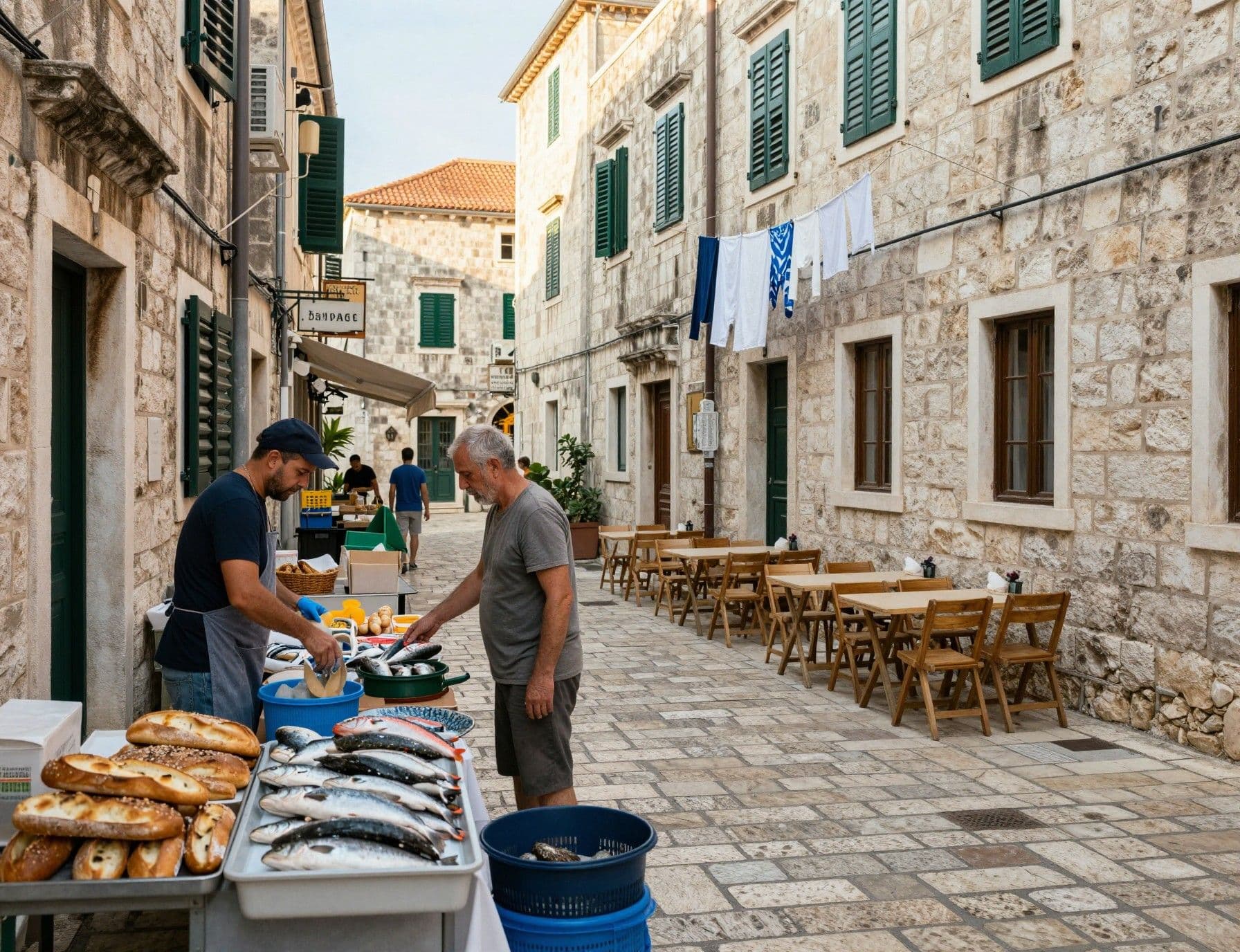
Croatian life feels quietly provincial and cosmopolitan at once. In Zagreb you will find late nineteenth‑century façades, cafés where editors still gather and leafy streets that host weekend markets; on the Dalmatian coast life is more horizontal—stone houses, terraces layered above sea, and summers that thin daily schedules in favour of the sea. Properties here are often defined by material: exposed stone, timber shutters, hand‑finished tiles and terraces that extend seating into summer evenings. For buyers, these material pleasures map directly onto tax and ownership decisions—how you intend to use a property (primary residence, seasonal retreat, long‑term let) alters which taxes apply, the feasibility of renting, and the long‑term stewardship you will plan for.
Dalmatia: terraces, tides and small‑town stewardship
Picture Supetar, Hvar Town or the back streets of Šibenik at dusk: neighbours sweeping stone thresholds, a fishmonger packing the last orders, and a sense that each house is part of an inherited patchwork. These coastal towns reward owners who see their property as a parcel of community life rather than a speculative asset. That perspective matters because local councils and cadastre records influence everything from permitted uses to the ease of renovating a listed exterior; a modest conversion to a rental apartment may require permissions that affect cost and timing. When you fall for a coastal stone house, ask how the municipality classifies short‑term letting and whether the property’s construction date or protected status triggers additional approvals.
Inland towns and Istria: markets, wine and practical space
In Istria and Slavonia the tempo of life is measured by markets and harvests rather than tides. Morning markets in Rovinj or Motovun set the week; you will find trattoria‑like konobas in converted stone barns, and properties often come with land—an olive grove, a small vineyard, a kitchen garden. Those parcels introduce different tax considerations (agricultural use, land classification) and sometimes reciprocity constraints for non‑EU buyers. If your dream includes a productive garden, the legal classification of land and rights attached to it will determine both the closing cost and the long‑term obligations you inherit.
Making the move: how taxes alter the lifestyle case
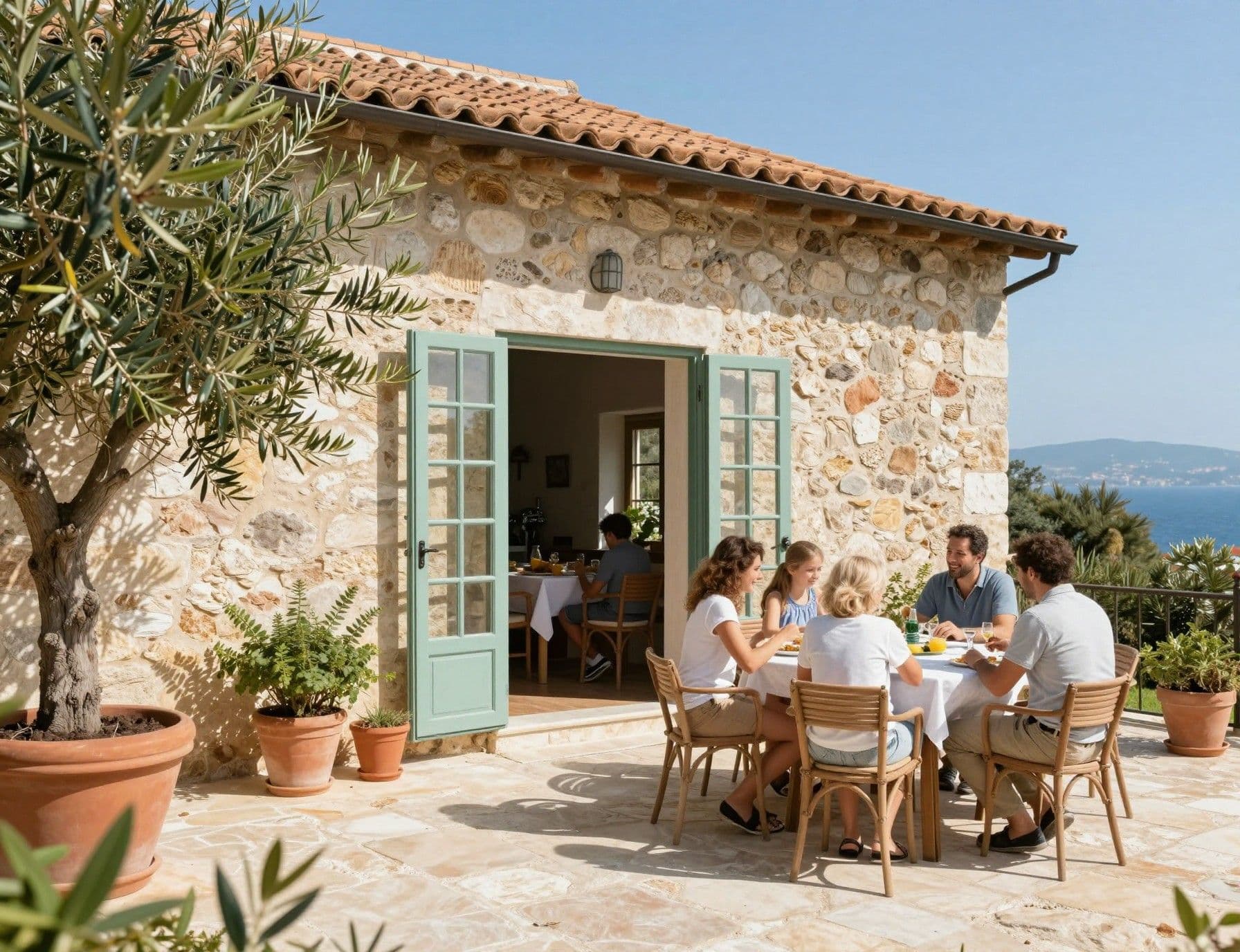
Taxes are not an add‑on: they are part of the story a house tells about your life there. Croatia’s real estate transfer tax is a predictable line item to budget for; the law sets the rate at 3% of the market value where VAT is not charged, and in practice buyers pay it at acquisition. Knowing this upfront reframes what a coastal bargain actually costs once notary fees, registry charges and potential renovation levies are included. For those who plan to let a property, income taxation, VAT exposure and tourist levies change the arithmetic—what looks like a high yield on paper may be narrowed by compliance costs and local municipal rules.
Property types and the tax consequences
Stone townhouse, modern apartment, agricultural parcel—each comes with a different fiscal footprint. Apartments and houses sold as used property are generally subject to the transfer tax; new‑builds sold by developers are often subject to VAT instead, which changes whether the 3% transfer tax applies. Non‑EU buyers should familiarise themselves with reciprocity rules: acquisition rights differ depending on citizenship, and procedural consent can add months to a transaction. A considered property choice balances immediate lifestyle wants with these tax mechanics so you avoid surprises after purchase.
Practical steps that blend life and compliance
- Engage a Croatian lawyer specialising in property to confirm title, municipal classification and any protected‑status constraints. Register the sales contract with the land registry promptly and budget 3% transfer tax where VAT is not paid. Confirm whether a planned rental activity will require VAT registration or local tourist licences and calculate net yields after those costs. If you are a non‑EU buyer, check reciprocity and, if necessary, prepare an application for ministerial consent—expect administrative lead times. Consider establishing a Croatian legal entity only when it materially reduces tax burden after accounting for corporate administration and double taxation treaties.
Insider knowledge: what expats wish they’d known
Experienced expats will tell you the surprise is seldom the headline tax rate and more often the local micro‑costs: cadastral corrections, municipal approval fees, and the slow accrual of maintenance obligations for stone properties. Many buyers also underestimate how seasonality shapes income expectations—peak summer weeks can generate healthy revenue, but the off‑season often reveals the fixed costs you cannot avoid. Sources that consolidate Croatia’s tax framework and investor guidance are indispensable when assembling realistic cashflow projections and after‑purchase plans.
Cultural and practical integration
Learning to live in Croatia means accommodating a different tempo of administration and a preference for personal relationships. A lawyer who speaks Croatian and English, a local notary who knows the municipal staff, and an agency with a long track record on the coast will save you time and protect you from costly misinterpretation. Social integration—joining a local klapa choir, learning basic Croatian, and attending market mornings—also smooths municipal interactions and makes permissions and small repairs less transactional and more neighbourly. In practice, good local relationships often shave weeks off administrative processes.
- Lifestyle‑practical checklist before you sign
- Confirm whether the sale is VATable (new build) or subject to 3% transfer tax (used property).
- Check reciprocity rules if you are a non‑EU national and prepare for ministerial consent where required.
- Obtain an itemised cost estimate from a local lawyer including registry, notary, municipal fees and likely renovation permits.
- Model seasonal cashflow conservatively—reduce peak revenue by at least 40% to account for off‑season vacancy and management costs.
- Ask your agency to introduce you to an accountant experienced with non‑resident income and Croatian double taxation treaties.
- A short timeline for a thoughtful purchase: 1) Preliminary due diligence and title search (2–4 weeks); 2) Legal checks, reciprocity confirmation and contract drafting (4–8 weeks); 3) Signing before a notary, payment and registration, including transfer tax payment where applicable (2–4 weeks); 4) Post‑purchase registrations, permits for rental or renovation (variable). Each stage benefits from local counsel and a reliable agency who can translate municipal expectations into clear next steps.
Conclusion: the life you buy is shaped as much by taxes and local procedure as it is by sea view or stonework. Treat fiscal clarity as part of the design brief: specify how you intend to live in the home, and let that purpose determine which tax treatments and permissions you pursue. Work with advisers who can translate Croatian law into a lifestyle plan—so that days spent at a riva café or hours tending an olive tree are supported by governance that is sensible and discreet. When structured with care, the tax conversation in Croatia becomes a tool to protect the life you want, not an obstacle to it.
Dutch former researcher who moved to Lisbon, specialising in investment strategy, heritage preservation, and cross-border portfolio stewardship.