Southern Italy's Quiet Value: Lifestyle and Market Truths
Why southern regions like Puglia and Sicily are quietly outperforming expectations: lifestyle richness, improving market metrics and practical steps for international buyers.
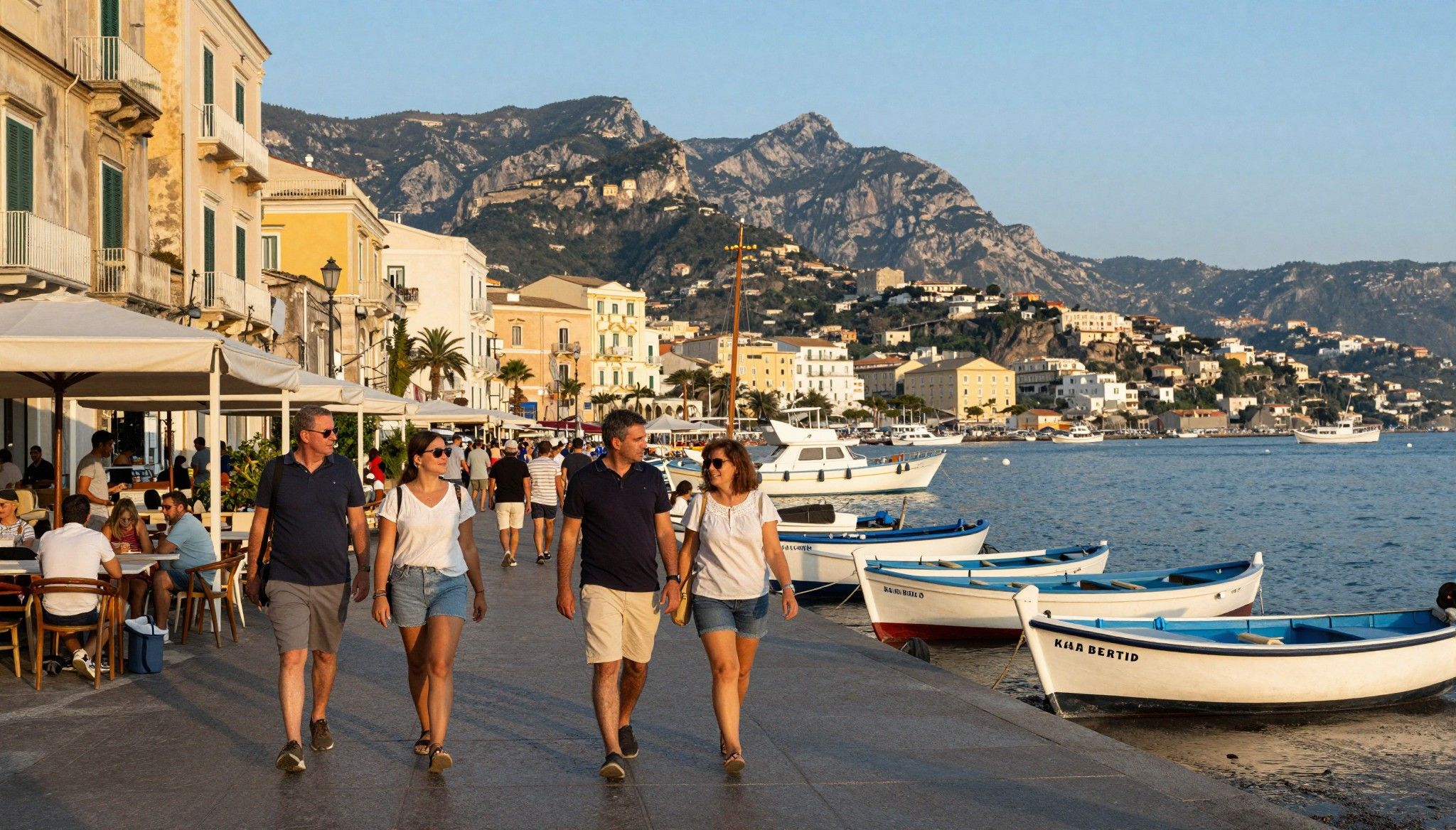
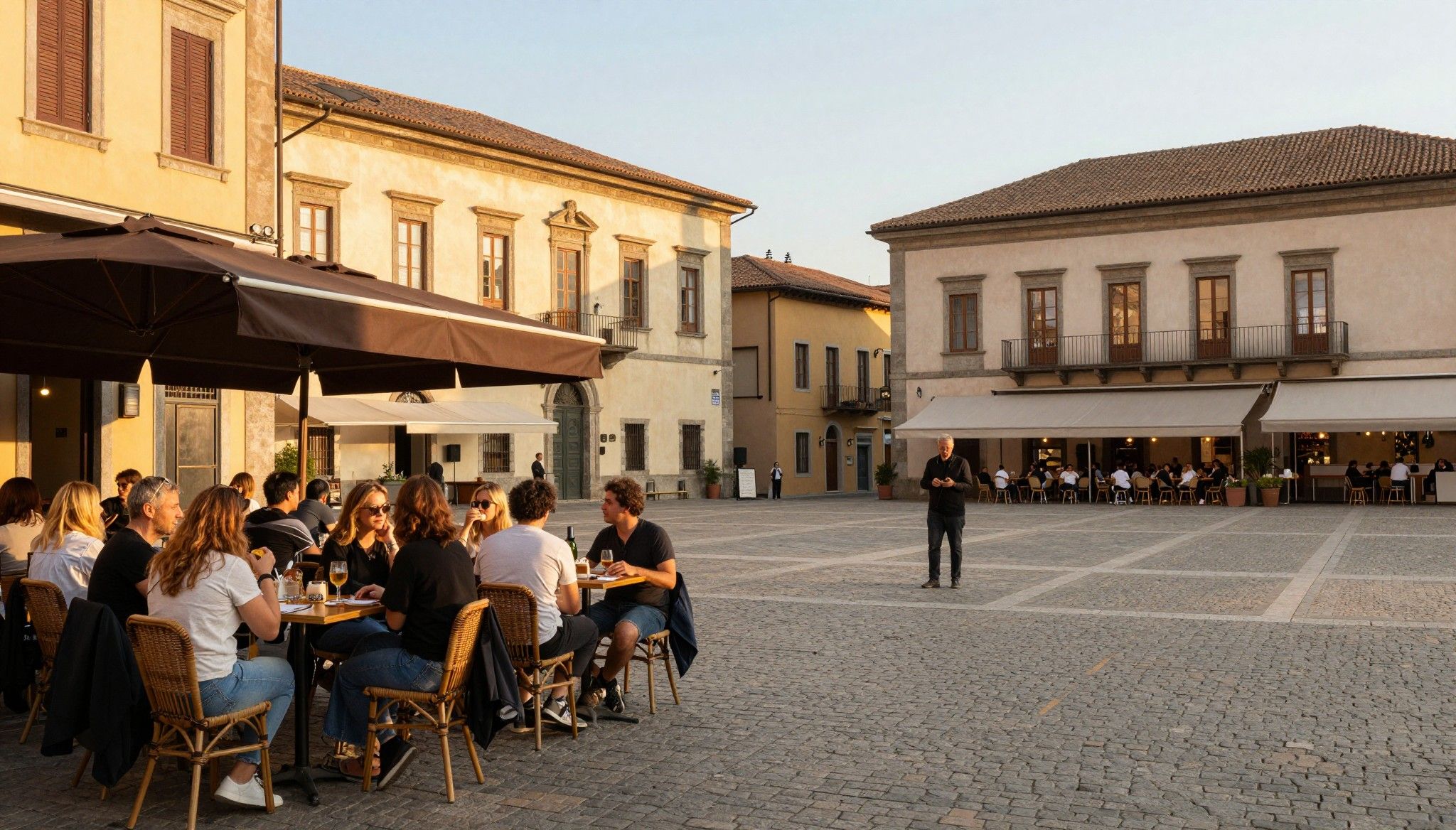
Imagine waking to fig trees and sea-breeze light, pausing for an espresso at a corner bar on Via Roma, then wandering to a market where the fishmonger already knows your name. Italy can feel like a sequence of superb smallnesses — squares that stage daily life, lanes that keep secrets, coastlines that slow time. For international buyers who prize provenance and craft, these are not backdrops but active partners in daily living. Yet the part of Italy that most quietly rewards both lifestyle and value is often not the headline region you expect.
Living the Italy life — beyond the postcard
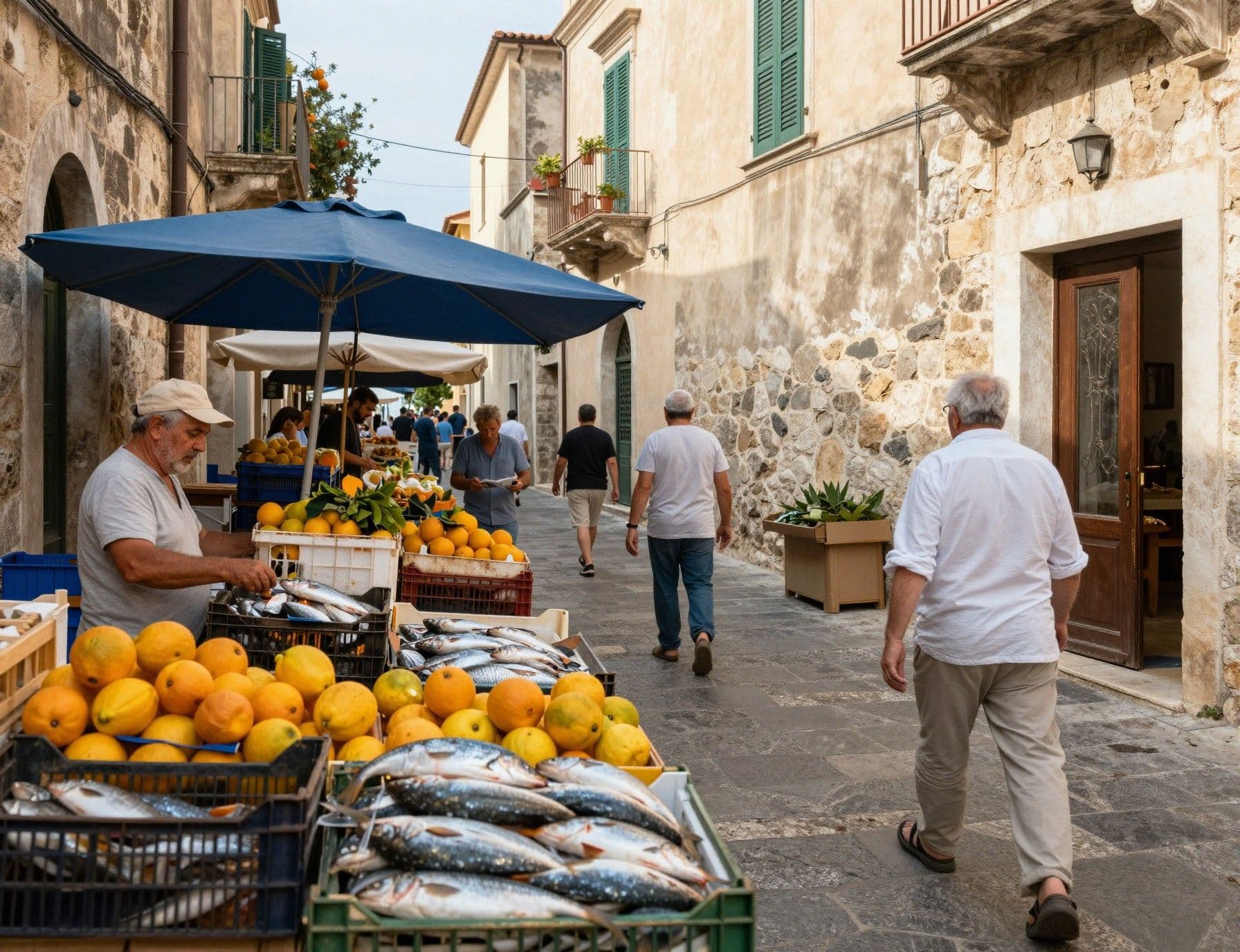
Living in Italy is essentially local. In cities like Milan mornings are brisk and design-conscious; in Florence, the day moves through museum light and narrow streets; on the Adriatic and Ionian coasts, the rhythm follows tides and market days. For a buyer, quality of life is decided by a handful of variables: a café where you are recognised, the market that opens at dawn, the scale of your outdoor space, and the ease of daily errands. Those elements shape what a property will be used for — not merely how it performs financially.
A corner of contrast: Puglia and Sicily in focus
Visit Ostuni’s whitewashed hill or Modica’s baroque streets and you will see why buyers are arriving with clearer expectations than a decade ago. Demand has broadened beyond Tuscany and Lake Como: regions such as Puglia and Sicily now attract buyers searching for authentic village life, substantial plots for olive groves, and coastal properties where supply remains relatively generous. Market reports from 2024–2026 show growing foreign interest in southern regions as buyers trade headline prestige for proportionate value and lifestyle quality. ([idealista.it](https://www.idealista.it/en/news/luxury-real-estate-in-italy/2025/02/19/209936-big-spenders-from-abroad-favour-villas-in-italy-especially-on-lake-como-or-in?utm_source=openai))
Food, markets and quotidian luxury
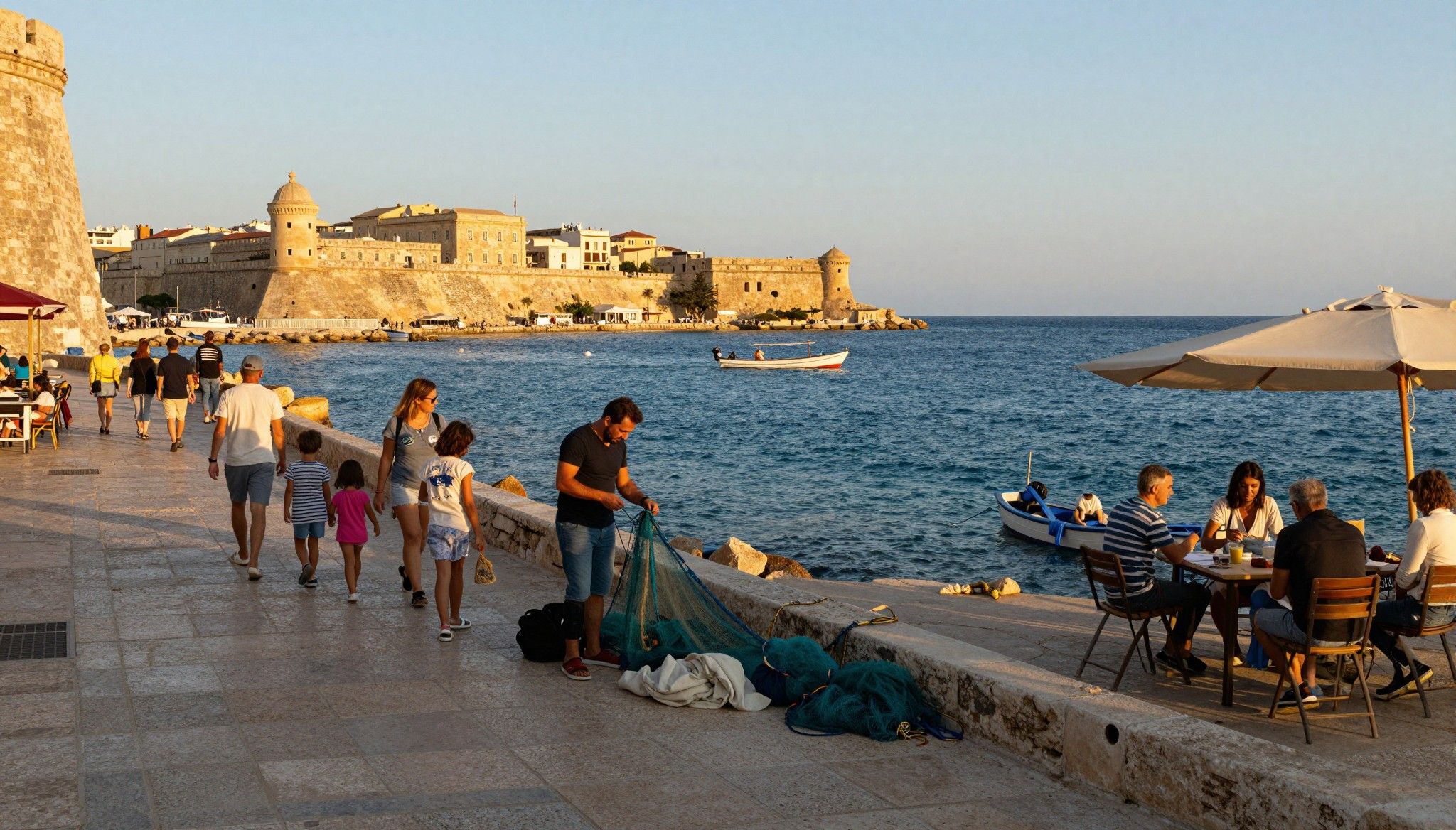
A day in southern Italy might start with breads at Forno Santoro, continue with purchases at the mercato di Ballarò, and finish with an evening passeggiata by the harbour where the light makes tufa and limestone glow. These rituals are integral: a home with a small courtyard or a kitchen that opens onto a terrace changes how you live, and explains why many buyers prize modest renovation potential over turnkey, anonymous new-builds.
- Lifestyle highlights you will actually use
- Dawn markets (Ballarò, Mercato del Capo) — daily fresh produce and social rhythm.
- Seafront passeggiate (Syracuse coastline, Salento promenades) — outdoor life that extends the living season.
- Local trattorie and small wijnbars — neighbourhood places where friends and neighbours gather.
Making the move: practical considerations that preserve lifestyle
If the lifestyle is the first draw, practicality must follow. From regional planning rules that protect historic centres to contemporary mortgage availability, Italy rewards buyers who align use with context. National statistics and industry analyses from 2024–2026 indicate a measured market recovery, with transaction growth and renewed mortgage activity — but outcomes vary widely by province. A local advisor will match the daily-life you want with the property archetype that supports it. ([blog.casa.it](https://blog.casa.it/2026/05/22/rapporto-immobiliare-residenziale-2026/?utm_source=openai))
Property types and how they shape living
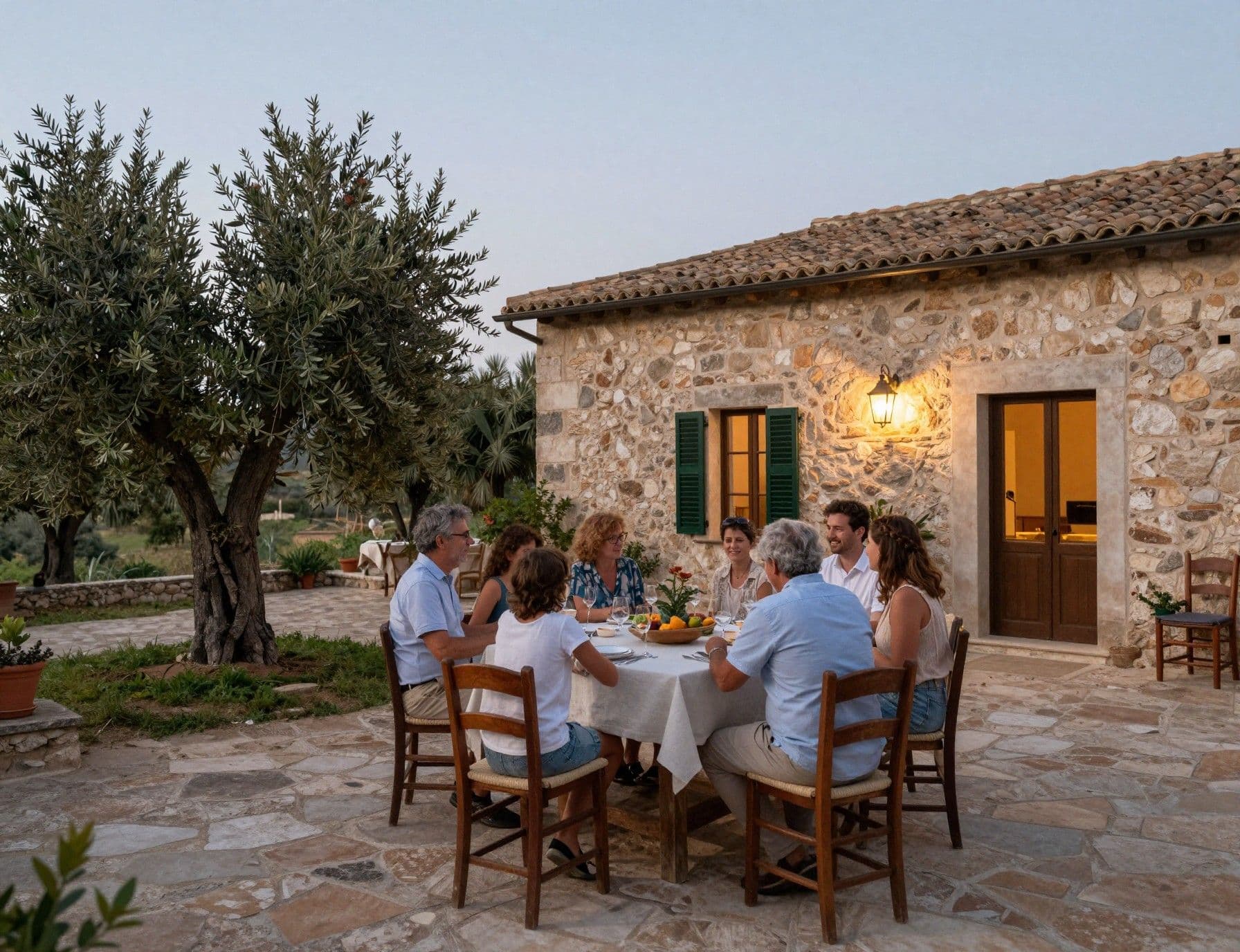
Stone casali in Umbria or Puglia offer land, provenance and a program of gradual restoration; noble apartments in Florence or Rome provide immediate urban life with smaller maintenance overheads; coastal villas give outdoor living but bring seasonality and tourism management. Match your preferred daily rhythm — market visits, hosting, vineyard hobby — to the property's fabric before making offers.
How local experts protect both lifestyle and value
- Hire a bilingual notary or lawyer experienced in regional planning; they translate local constraints into realistic restoration budgets and timelines.
- Work with an agent who specialises in the micro‑market you desire — someone who understands village politics, seasonal rental feasibility, and authentic restorations.
- Request recent utility and cadastral (catasto) records early; hidden servicing or access costs are the regular, avoidable surprises.
Insider knowledge: what expats wish they’d known
Long-time residents say the same things: language unlocks more than convenience; local relationships unlock services. Seasonal surges alter how often you will use a property; festival weeks can make a small town feel global. The best investments are made where you will be invited to the market table, not merely where you own a view. Statistical trends confirm steady regional growth, but the lived experience explains why certain purchases keep their value. ([istat.it](https://www.istat.it/wp-content/uploads/2026/02/ENG_IIQ2025_Real_estates_loans.pdf?utm_source=openai))
Cultural integration and daily life
Learn a little Italian before arrival. Attend local events — sagre, patron saint festivals, market mornings. These practices introduce you to neighbours who will become essential allies during restoration, rental management or simple neighbourly problem-solving. Social capital is a utility every bit as valuable as reliable broadband.
Long-term stewardship and value
Think in generations. Properties with documented provenance, traditional materials and sound foundations age better in both use and market perception. Where possible, prioritise quality of restoration and respect for typology over aggressive modernisation: buyers in Italy pay a premium for authenticity, and local regulations often reward sensitive conservation.
- Practical red flags to check before you bid
- Unresolved cadastral irregularities or incomplete permissions.
- Access limitations — seasonal roads, private easements, or communal rights that restrict renovation.
- Under‑insulated roofs and electrical systems that require full replacement; factor these into your offer.
Conclusion: Italy as an experienced choice, not a headline chase. If your aim is a life lived in detail — markets, neighbours, terraces — then southern Italy offers a quietly superior alignment of daily pleasure and relative value. Start with a short residency trial: rent in your target village for a season, talk to local artisans, and instruct a local advisor to assemble comparable recent sales and regulatory checks. That way, your purchase will be the beginning of a life here, not simply a real‑estate transaction.
Relocating from London to Mallorca in 2014, I guide UK buyers through cross-border investment and tax considerations. I specialise in provenance, design integrity, and long-term value.