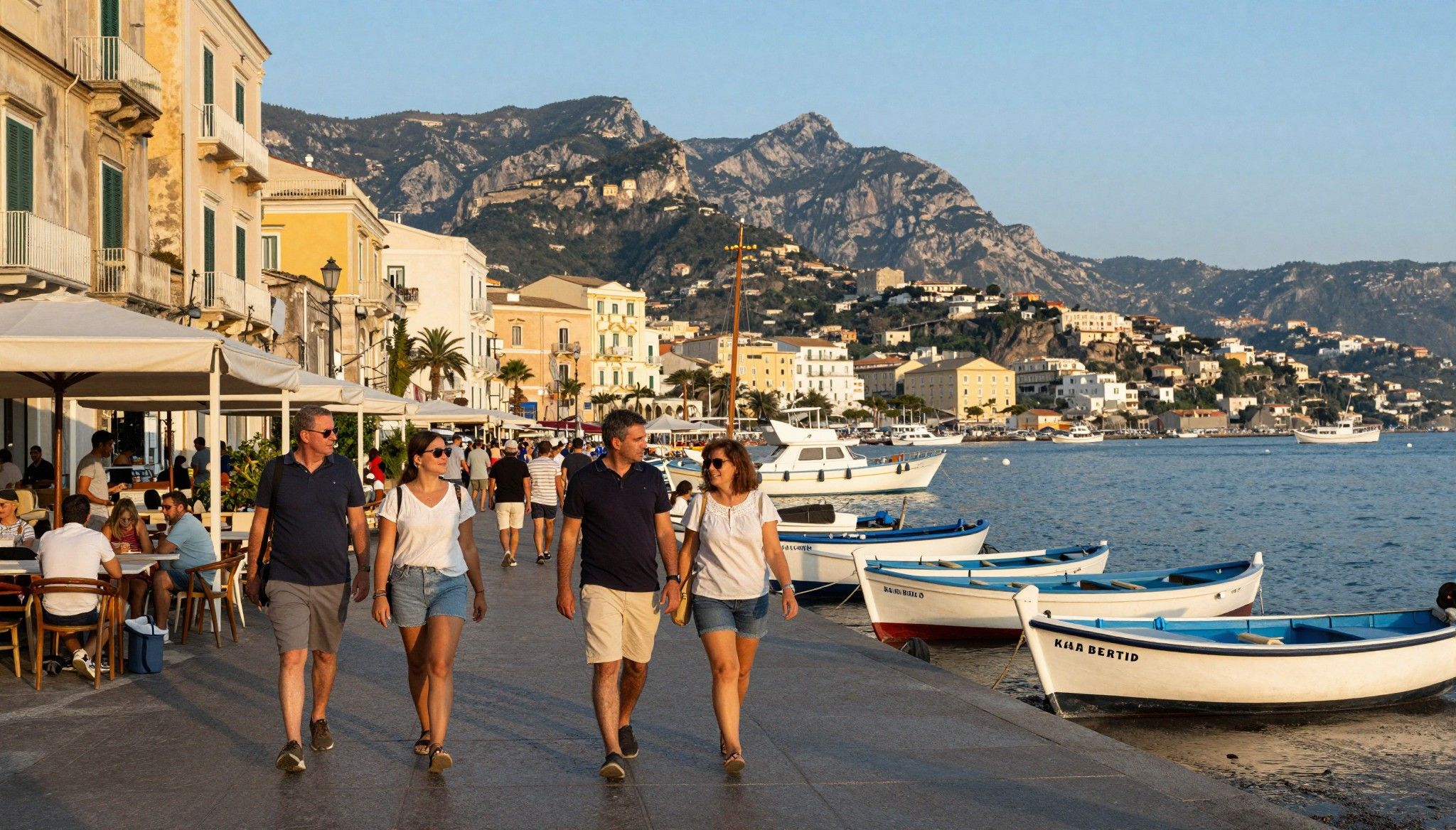
Hidden Insurance Risks in French Property Purchases
Practical, lifestyle-led advice to avoid hidden insurance and legal gaps when buying property in France; includes checklist and regional considerations.

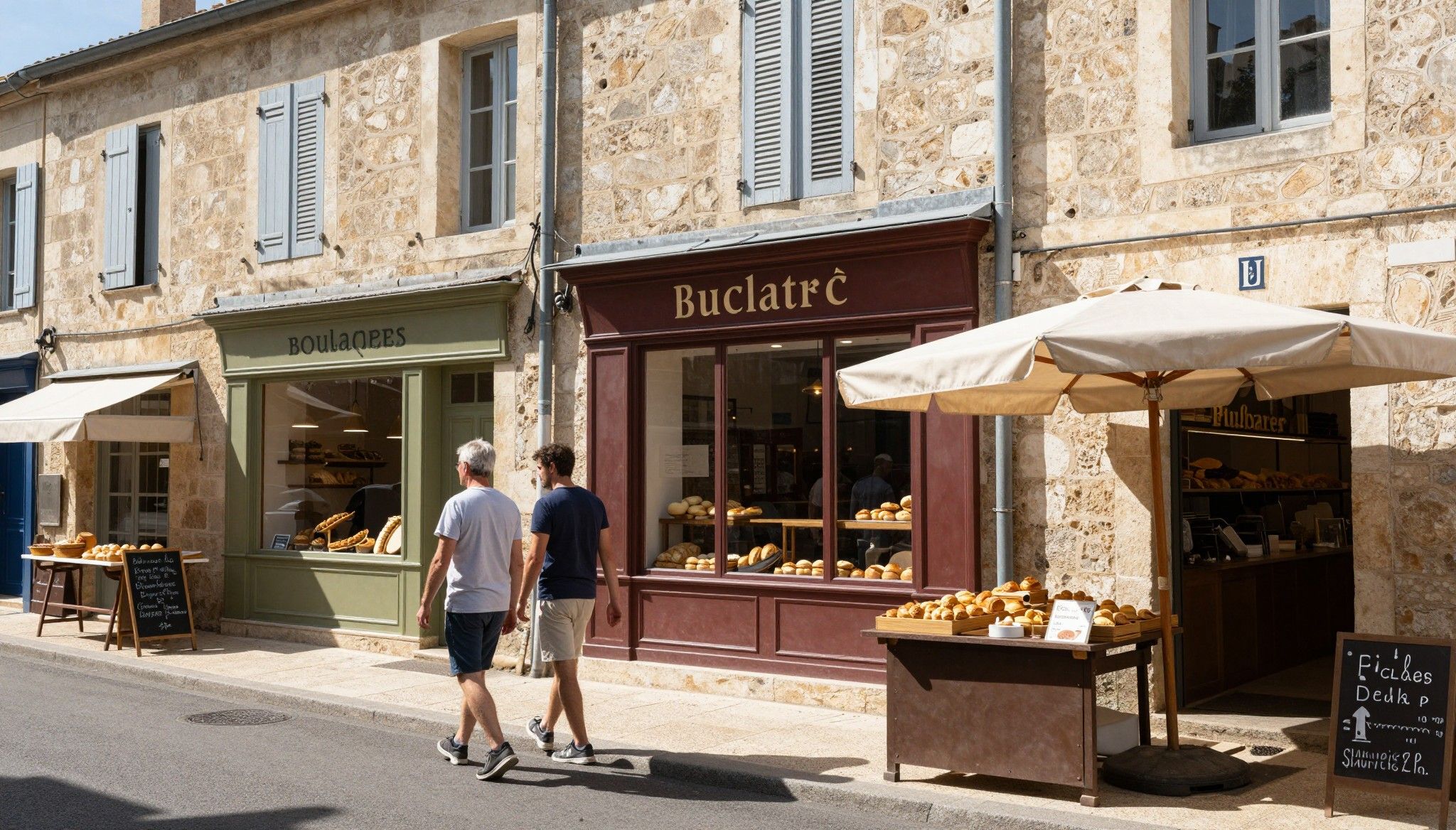
Imagine waking before dawn to a boulangerie line on Rue Cler, the rue’s plane trees shedding a soft litter of leaves while tradespeople set out fromage and radishes. The air here is ordinary and precise: bread, municipal order, a neighbourhood that keeps its secrets. For many international buyers that magnetism is the reason to look in France; the lesser-known reason is insurance and protection—small legal seams that, if left unchecked, can turn a lived-in idyll into an expensive problem. This guide shows the quiet protections you should insist on before you buy, framed by the life you are actually buying.
Living the French Life — sensory, civic, real

France presents itself as a catalogue of precise pleasures: market mornings in Lyon’s Croix-Rousse, the slow, salted afternoons on the Cap Ferret oyster benches, and the hush of vaulted libraries in Aix. Those rhythms shape how you use a property. A narrow Parisian mews lends itself to pied-à-terre life; a Provençal mas is about terraces, shutters and clay tile roofs. Knowing the life you want first makes insurance and protections pragmatic rather than bureaucratic.
Neighbourhood snapshots: what the streets tell you
Walk the Marais at evening and you feel the layers: hôtels particuliers, discreet ateliers, and a municipal will that preserves façades. Contrast that with Biarritz, where surf culture meets Belle Époque villas, or the Loire Valley’s village cores where stone barns and orchards define use. These differences determine the practical protections you need—copropriété rules in Paris, coastal erosion considerations on the Atlantic coast, rustic easements near heritage sites.
Food, markets and smaller daily choices that shape cover
If your day begins at a marché—Marché d’Aligre or Marché Forville—consider how frequent hosting, a professional kitchen, or a wine cellar changes risk. A house in Burgundy with a vaulted cellar has humidity and seepage risks; a Mediterranean home faces salt-laden air and roof tile uplift in storms. These lifestyle details should direct conversations with insurers and notaries from day one.
- Lifestyle highlights to map against protection needs: 1) Marché routine and kitchen use (risk of water and fire), 2) Coastal gardens and salt exposure (roof and metal corrosion), 3) Historic interiors and heritage fixtures (specialised restoration cover), 4) Wine cellars and humidity (moisture damage clauses), 5) Shared courtyards or narrow lanes (access and liability concerns)
Making the move: insurance and legal protections that matter
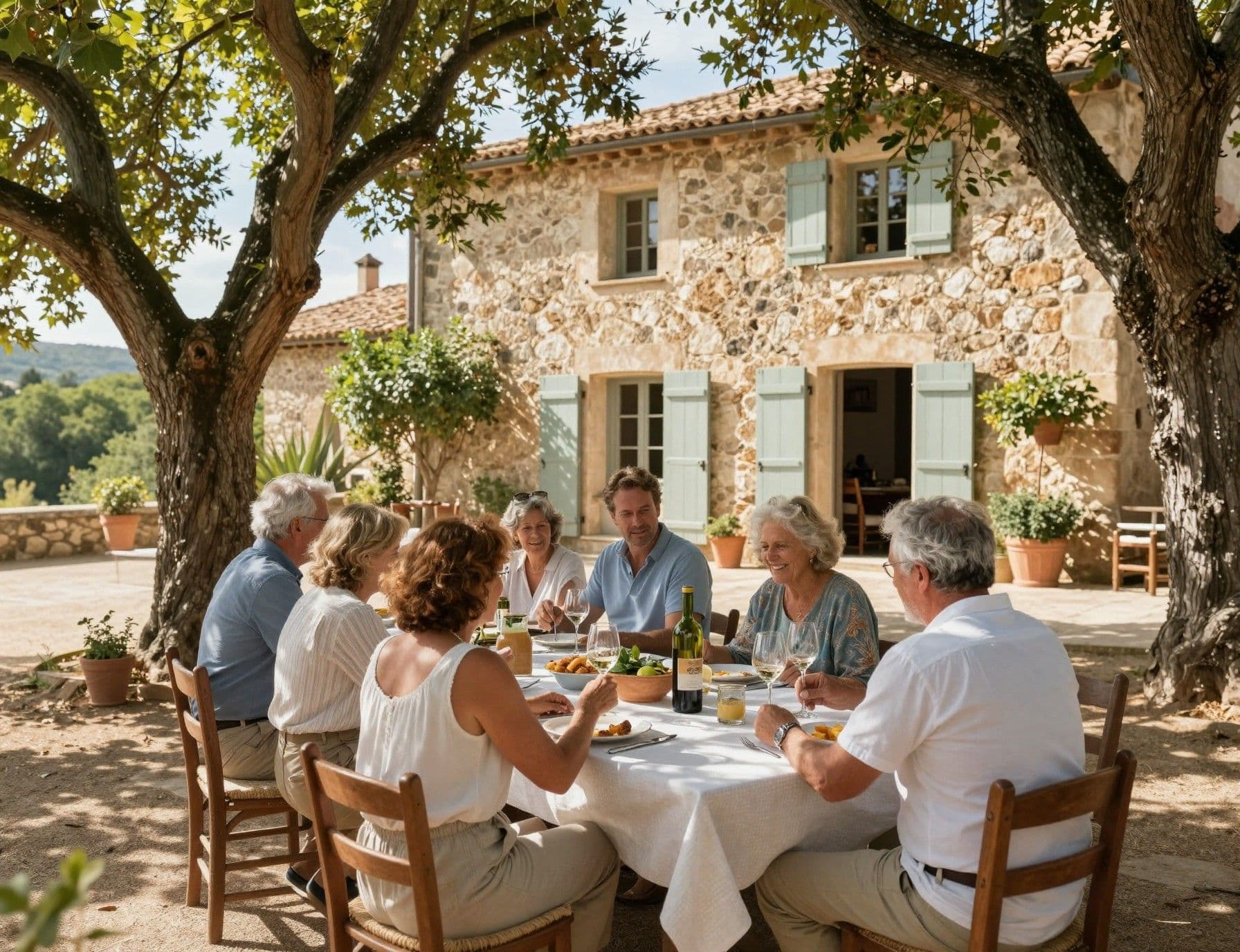
Dreams meet contracts when offers are written. French practice bundles protections that may be unfamiliar: tenant insurance obligations, mandatory builder guarantees, and optional but recommended owner cover. Start by understanding two pillars: the tenant/owner habitation rules (what Service-public calls out as mandatory for tenants and many copropriétaires) and the construction guarantees that protect against latent defects.
Property types and the insurance each invites
A new-build villa brings a régime of construction insurance: garantie décennale and dommage-ouvrage (where applicable) protect purchasers against major defects for ten years. By contrast, an 18th‑century hôtel particulier requires bespoke valuation of materials and contractor warranties for any restoration. Match the policy to the fragile element—roof timbers, lime plaster, or century-old wiring—and demand documentary proof.
Working with local experts who preserve lifestyle and limit risk
A local notaire, an architect familiar with régionale techniques, and an insurer used to heritage properties are not optional extras; they are the team that translates lifestyle into enforceable protection. A notaire will flag diagnostic reports to append to the sale; an architect will advise on guarantees for listed façades; an insurer will propose endorsements for flood, subsidence or salt spray specific to your commune.
- Steps that blend lifestyle desires with practical protection: 1) Commission a detailed diagnostic (DPE, lead, termites) early; 2) Request proof of décennale and dommage‑ouvrage for recent works; 3) Ask the notaire for a clause listing known communal rules and charges; 4) Obtain tailored insurance endorsements for coastal, cellar or historic-risks; 5) Secure a local architect or surveyor for a restoration plan before signing.
Insider knowledge: what expats often miss
Many buyers are surprised that market softness or modest price upticks do not remove the need for prudence. Even with the Notaires‑INSEE indices showing slight increases in some quarters, premiums and claim practices vary regionally. Insurers price risk by commune; a small river in Provence or newer drainage work in Brittany materially alters cover and premium.
Cultural and administrative quirks to plan for
Paperwork matters in France in a way that affects protection. Minutes of syndic meetings, older cadastre entries, and historical permits for extensions are part of the file. If a syndic has not kept minutes about a shared roof overhaul, your recourse after purchase is limited. Insist on full disclosure, and treat the notaire’s dossier as a lifestyle‑safety net rather than mere formality.
Long‑term living: stewardship and insurance as a relationship
Owning in France is often a slow transgenerational conversation: restorations are passed along, as are responsibilities for trees, wells and shared courtyards. A good policy covers succession events, temporary rentals and long absences. Think in decades: choose contractors who offer recurring maintenance plans and insurers who allow scheduled reviews rather than annual surprises.
- Practical red flags to spot before you sign: 1) Missing décennale or dommage‑ouvrage for recent structural works; 2) No diagnostic reports attached to the compromis; 3) Syndic accounts that show deferred major works; 4) Properties in mapped flood or subsidence zones without tailored cover; 5) Overly broad 'all risks' language that excludes heritage materials.
A short checklist for the first meeting with your notaire and insurer
Bring the compromis, any contractor warranties, the last three syndic budgets (if copropriété), and a clear statement of intended use (year‑round residence, rental, seasonal occupation). Ask the notaire to identify known servitudes and the insurer to confirm specific endorsements for coastal, cellar or listed‑building risks.
Conclusion — France asks you to live well and to take responsibility for place. The best purchases are those that pair an exacting lifestyle imagination with precise protection: the right guarantees for the roof you love, the cellar you cultivate and the market mornings you will keep. When you can describe how you want to live—where you will shop, entertain and retreat—the right notaire, architect and insurer assemble like a discreet concierge, preserving the life you bought as much as the walls around it.
Having moved from Stockholm to Marbella in 2018, I help Scandinavian buyers navigate Spanish property law, restoration quality, and value through authentic provenance.