France: Life‑First Legal Essentials for Buyers
A lifestyle‑first guide to buying property in France: how neighbourhood character intersects with notary fees, transfer taxes and recurring local charges. Practical steps and sources included.
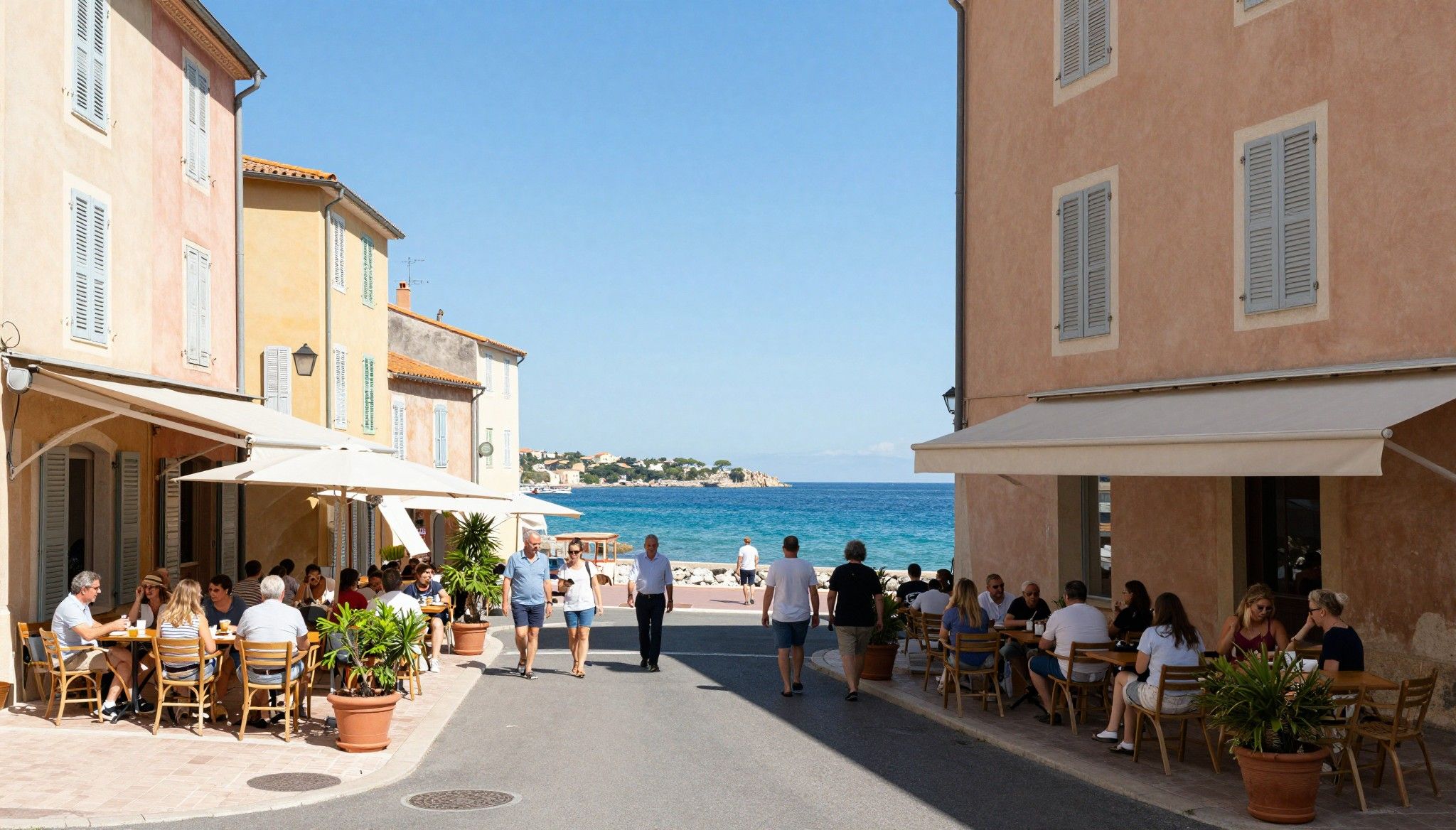
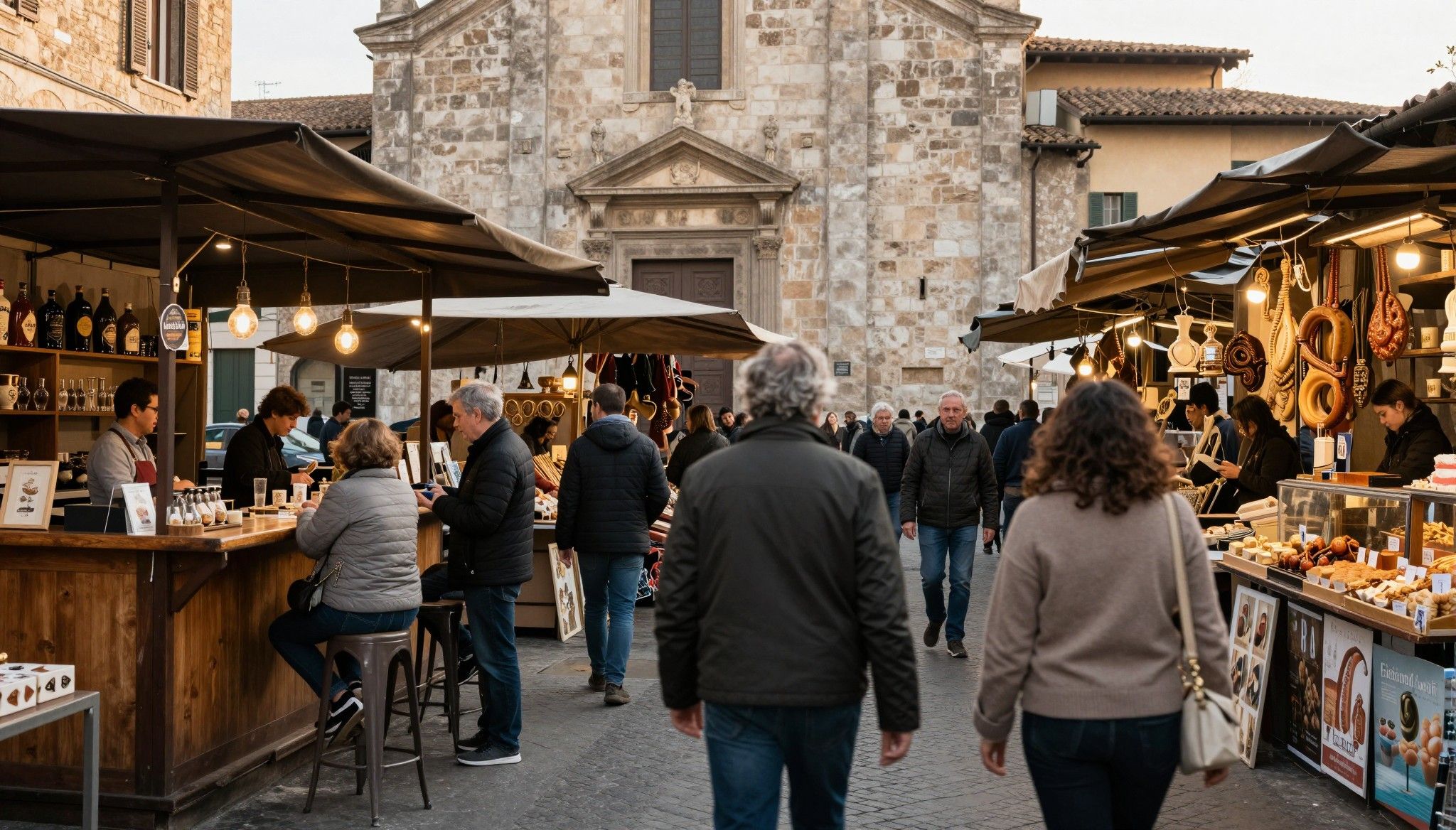
Imagine a morning in Aix‑en‑Provence: a boulangerie on Rue Espariat, shutters opening to light, the scent of warm croissant and roasted coffee. You picture an old stone maison with a shaded courtyard, a market on Place Richelme and neighbours who know your coffee order. That sensuous, quotidian rhythm is what draws international buyers to France. Yet the legal architecture that secures that life — notary fees, local taxes, residency implications — is quieter and more consequential than the market headlines. This guide pairs those rhythms with the legal essentials you will need to make the life tangible and lasting.
Living the French life — how places shape daily rituals
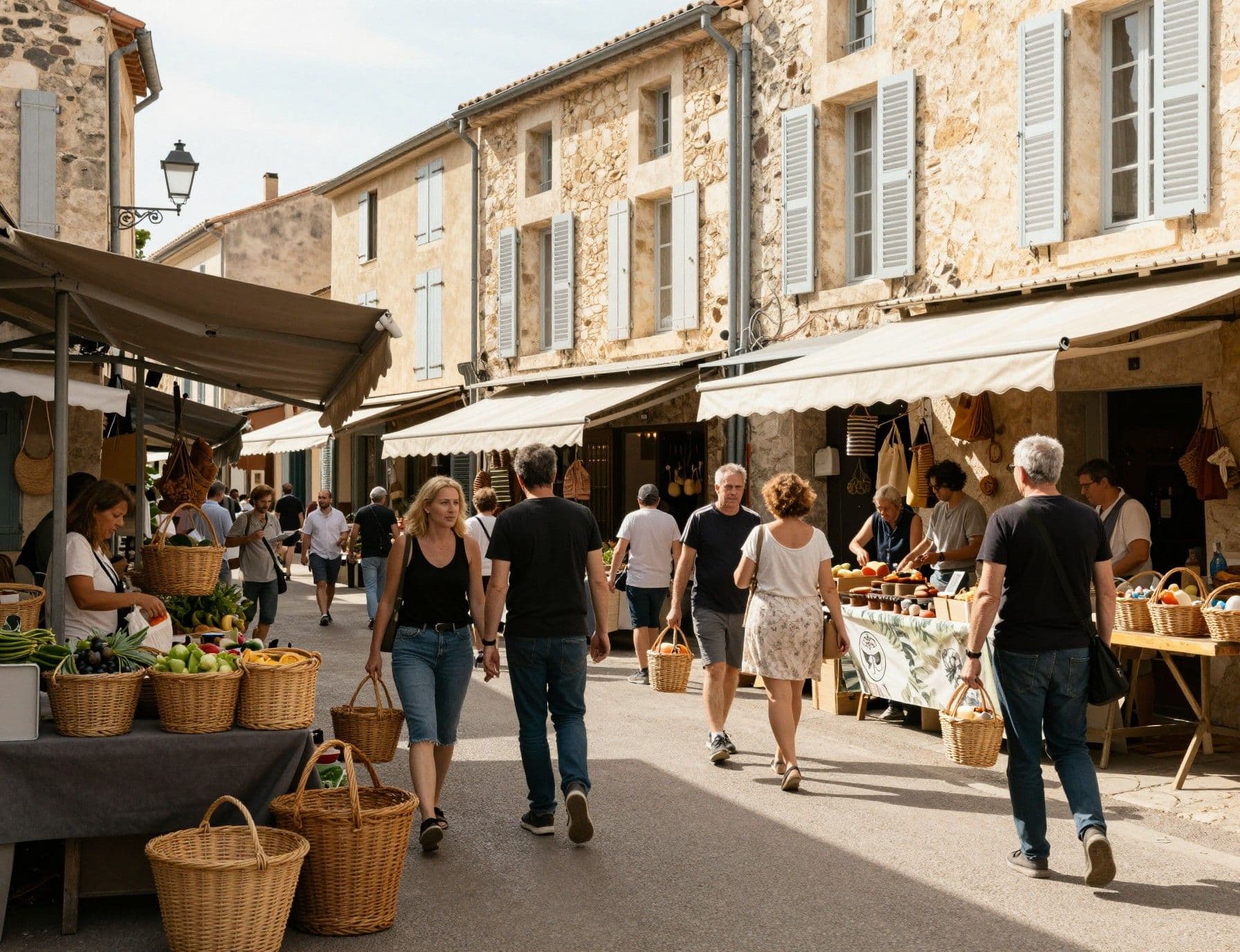
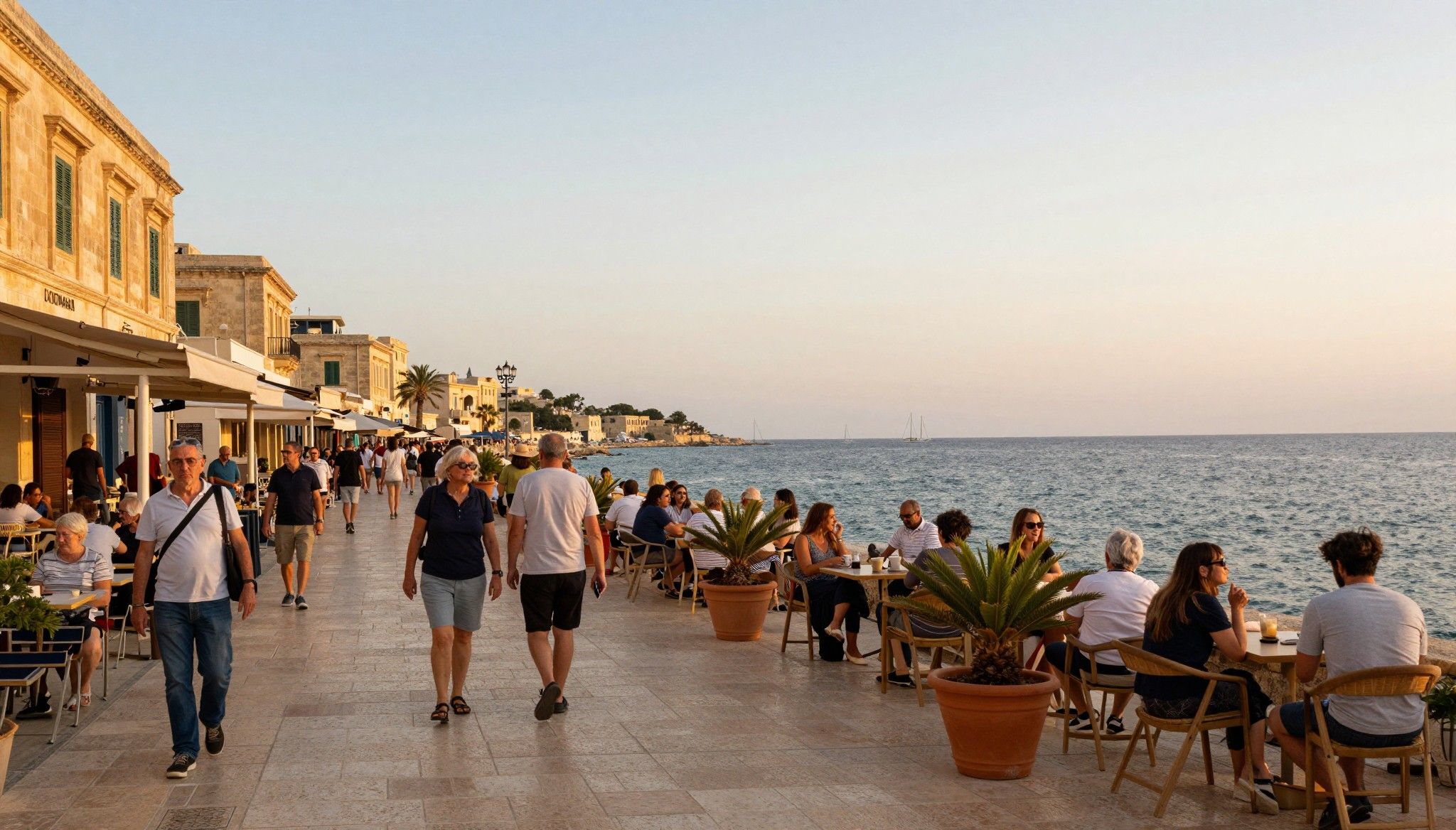
France is lived at a human pace: weekday markets that refill the kitchen, long lunches in shaded squares, evening promenades along riverbanks or seafronts. Each region sketches a discrete character — the limestone intimacy of Dordogne villages, the stony terraces of Cassis, the grand boulevards of Paris — and that character determines how you use space, from compact pied‑à‑terre to a stone farmhouse with a офисu garden. When you buy, you are buying into that daily choreography as much as into bricks and mortar; consider how a property’s layout, outdoor space and proximity to market life will mediate your routine.
Neighbourhoods that feel like home
In Paris, the 6th arrondissement has narrow bookshop streets and cafés that double as salons; in Lyon, Vieux Lyon’s traboules lend an intimate, layered scale; on the Côte d’Azur the villages of Villefranche‑sur‑Mer and Saint‑Paul‑de‑Vence offer artisanal markets and coastal light. These micro‑areas influence price rhythm but also the way you will socialize and feel anchored. When you tour, observe not only the apartment but the street: is there a market day? Are cafés busy in the morning? Those small signals matter more to daily satisfaction than broad headline averages.
Food, markets and seasonal patterns
The rhythm of seasons is a practical planning tool. Truffle season reorients calendars in Dordogne; summer tourists reshape coastal life and short‑term rental demand on the Riviera; winter snow alters access in alpine communes. For buyers who prize market life, proximity to a weekly marché or to a reliable agricultural supply chain can be as important as municipal services. Choosing the right season to visit for property viewings — ideally in the season you intend to live there — yields the truest sense of everyday life.
Making the move: practical legal and financial considerations
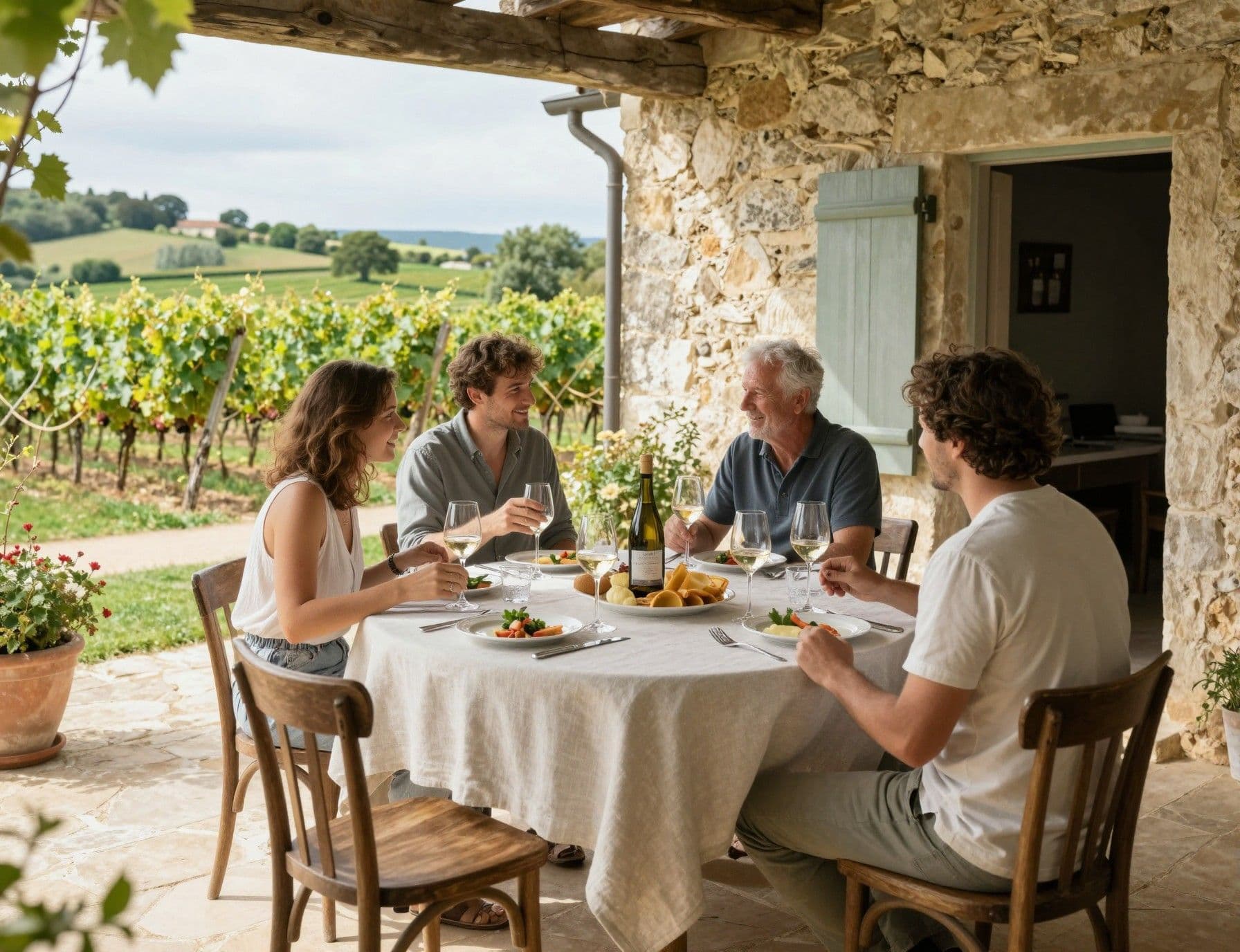
The romance of a Provençal façade meets hard responsibilities: notary formalities, transfer taxes, local property taxes and the paperwork that proves clear title. In France the notaire acts as a public officer who guarantees the legal transfer and collects acquisition taxes often called "frais de notaire." These costs are not incidental; they are a contractual and fiscal bridge between the dream and its lawful stewardship. Understanding them early — and using local expertise — preserves both budget and tranquillity.
Notary fees and transfer taxes: what to expect
Acquisition costs in France typically include droits de mutation (transfer taxes), the notaire’s fees and various administrative disbursements. Recent changes have allowed departments to raise those duties slightly between 2025 and 2028, affecting the effective purchase cost. For existing housing, these combined charges commonly amount to several percent of the purchase price; new builds attract lower rates. A local notaire will produce a precise breakdown before signature — insist on that estimate to avoid surprise.
Local taxes for non‑residents: annual obligations
Owning property in France makes you liable for local taxes regardless of tax residence. Taxe foncière is levied on all property owners as of 1 January each year; taxe d’habitation persists for second homes in certain circumstances. These obligations are administered locally and often require registration with the municipal tax office. Non‑residents should budget for these recurring charges and check whether a tax treaty with their home country influences their overall fiscal position.
Insider knowledge: what expats wish they’d known
Expats frequently remark that the smallest details — who maintains the shared courtyard, how winter heating is billed, whether historic façades require special permissions — become the most persistent daily negotiations. The French system values formal documentation and local custom; a verbal assurance from an agent is rarely sufficient without written confirmation. Spend time with neighbours, attend a mairie meeting if possible and request written summaries of any agreed repairs or responsibilities before you sign.
Cultural subtleties and integration
Learning a few legal phrases in French — titre de propriété, servitude, copropriété — and understanding the cadence of local administration will pay disproportionate dividends. In many towns the mairie is the hub of practical life: permits, waste collection schedules, local events and sometimes even mediations between neighbours. Cultivating a respectful local presence facilitates smoother dealings with syndic (co‑ownership managers) and tradespeople when restoration or maintenance is needed.
Longer‑term stewardship and resale considerations
Think of property as an intergenerational asset: restoration choices, energy upgrades and legal clarity affect both livability and future resale. Recent debates about value mapping and revision of rental values suggest that municipal tax frameworks may shift in coming years; energy performance diagnostics (DPE) now meaningfully influence market perception. Buyers who document improvements and maintain compliance with local rules preserve optionality for future use or sale.
Practical tips to marry lifestyle and legality
Ask the notaire for an itemised estimate early: include droits de mutation, notary emoluments and débours.
Visit in the season you expect to live there to judge noise, market life and access.
Confirm local tax administration details with the mairie and the DGFiP; non‑residents remain liable for taxe foncière.
Insist on written agreements for shared charges, renovation responsibilities and any verbal promises from sellers or agents.
How to proceed — a concise six‑step approach
1. Clarify your lifestyle priorities (market access, outdoor space, proximity to services).
2. Request a formal notary estimate and review projected droits de mutation before offer.
3. Verify local taxes and registration with the mairie and DGFiP; budget recurring costs.
4. Secure written records for co‑ownership rules, maintenance obligations and any seller concessions.
5. Use a bilingual legal or tax advisor to interpret local rules and any bilateral tax treaty effects.
6. Arrange property insurance and register with the local tax authorities immediately after purchase.
Conclusion — how to make the life lawful and lasting
Embracing life in France begins with its small pleasures and is sustained by careful legal stewardship. Work with a local notaire, verify municipal charges and keep lifestyle priorities central to every legal decision; that way the courtyard breakfasts and market afternoons remain the dominant narrative of your ownership. When legal clarity and cultural fluency align, the house becomes a home and the investment endures.
Dutch former researcher who moved to Lisbon, specialising in investment strategy, heritage preservation, and cross-border portfolio stewardship.