The Neighbourhood Italians Overlook — Value Off the Radar
Contrarian market view: modest national gains mask neighbourhoods where year‑round life and artisan culture create overlooked value for international buyers.
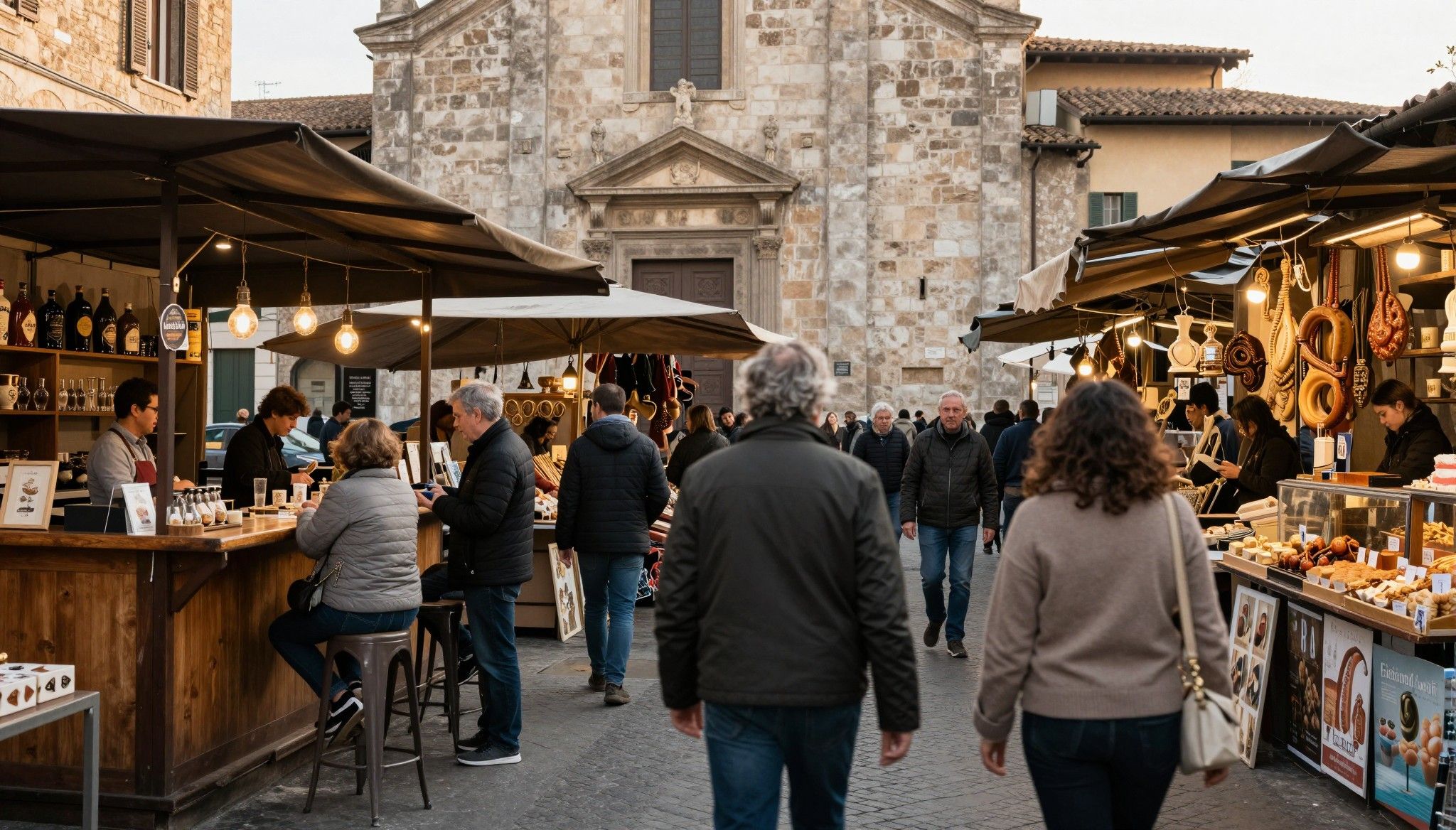
Imagine a narrow piazza in an unhurried provincial town — early light on stone, a barista tamping espresso, laundry fluttering from a wrought‑iron balcony. This is Italy away from glossy postcards: neighborhoods of measured cadence, small artisan shops, municipal gardens where weekend life gathers. For many international buyers that scene is the dream; for a smaller, more discerning few it is the opportunity. Recent data show national prices recovering modestly, yet pockets of overlooked value remain for buyers who favour rhythm over headline prestige. (Sources linked below.)
Living the Italian life — texture, time and place
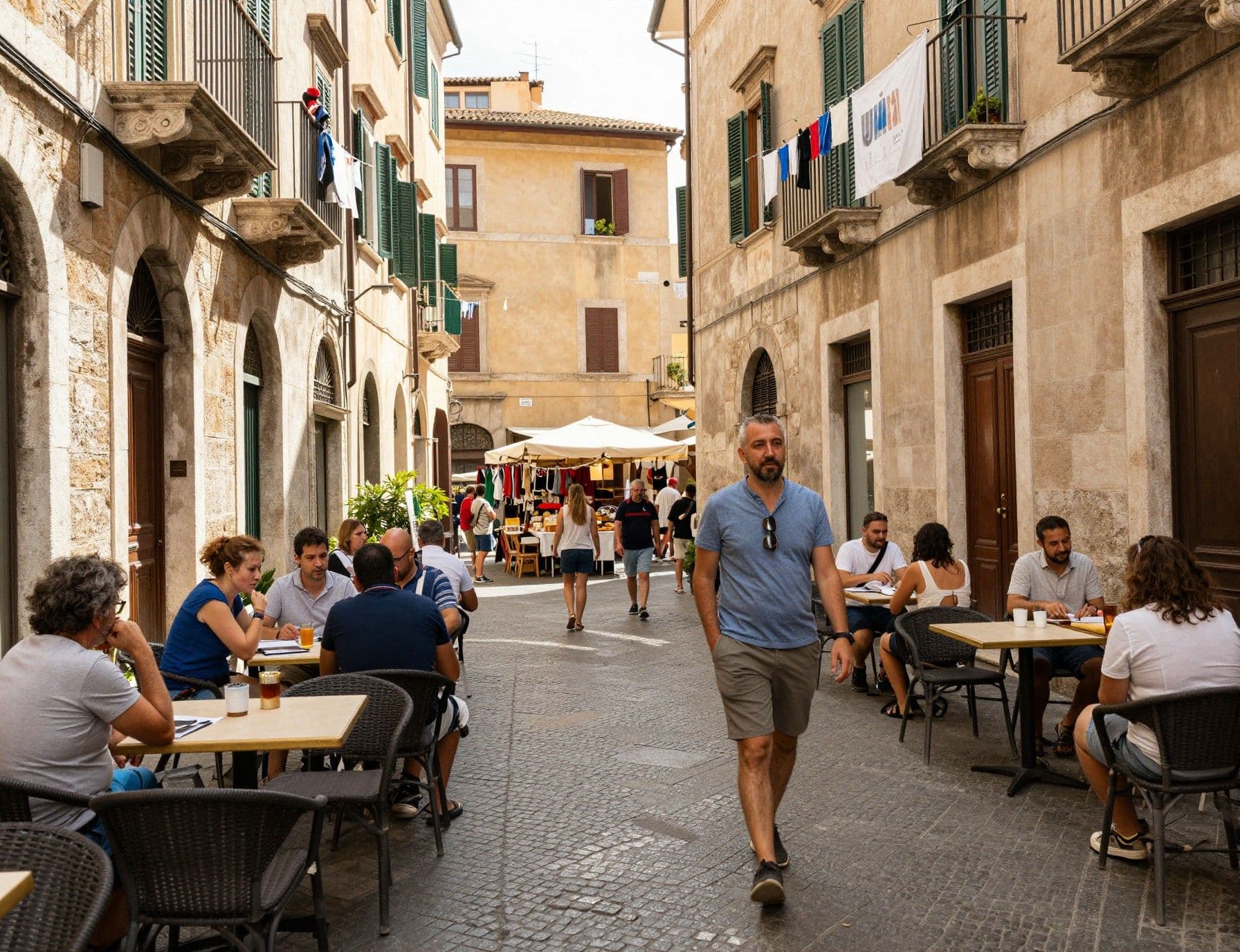
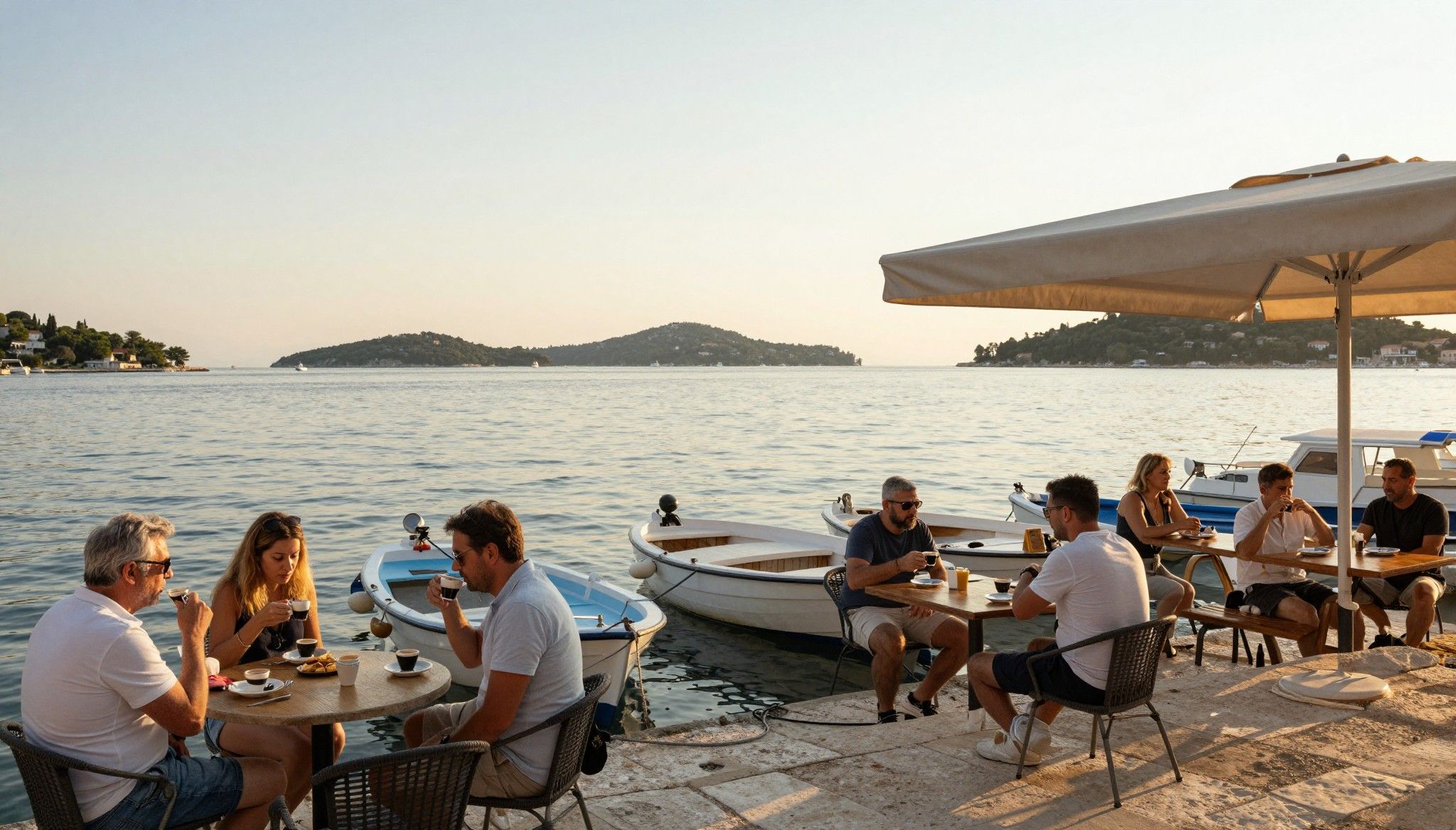
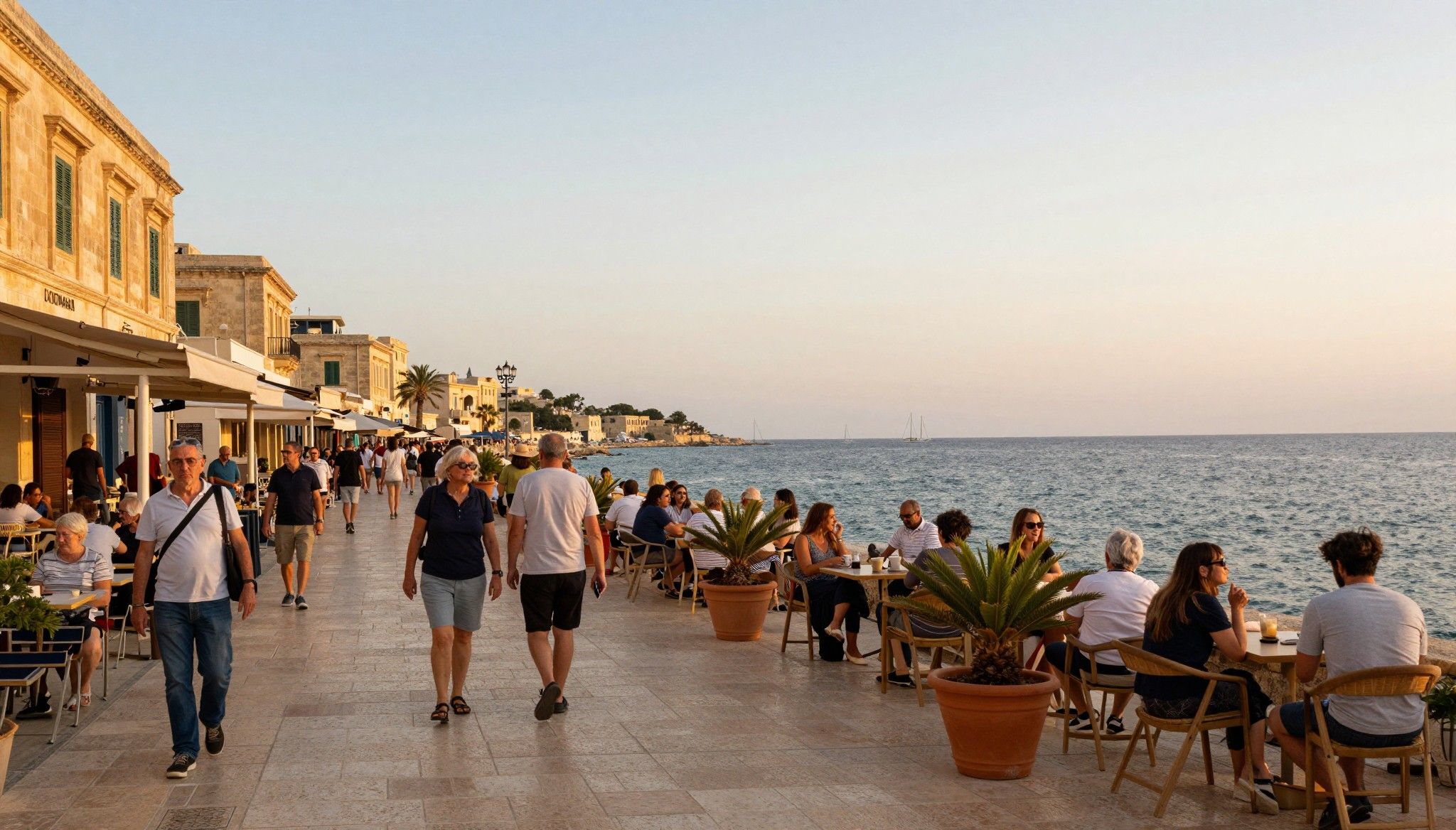
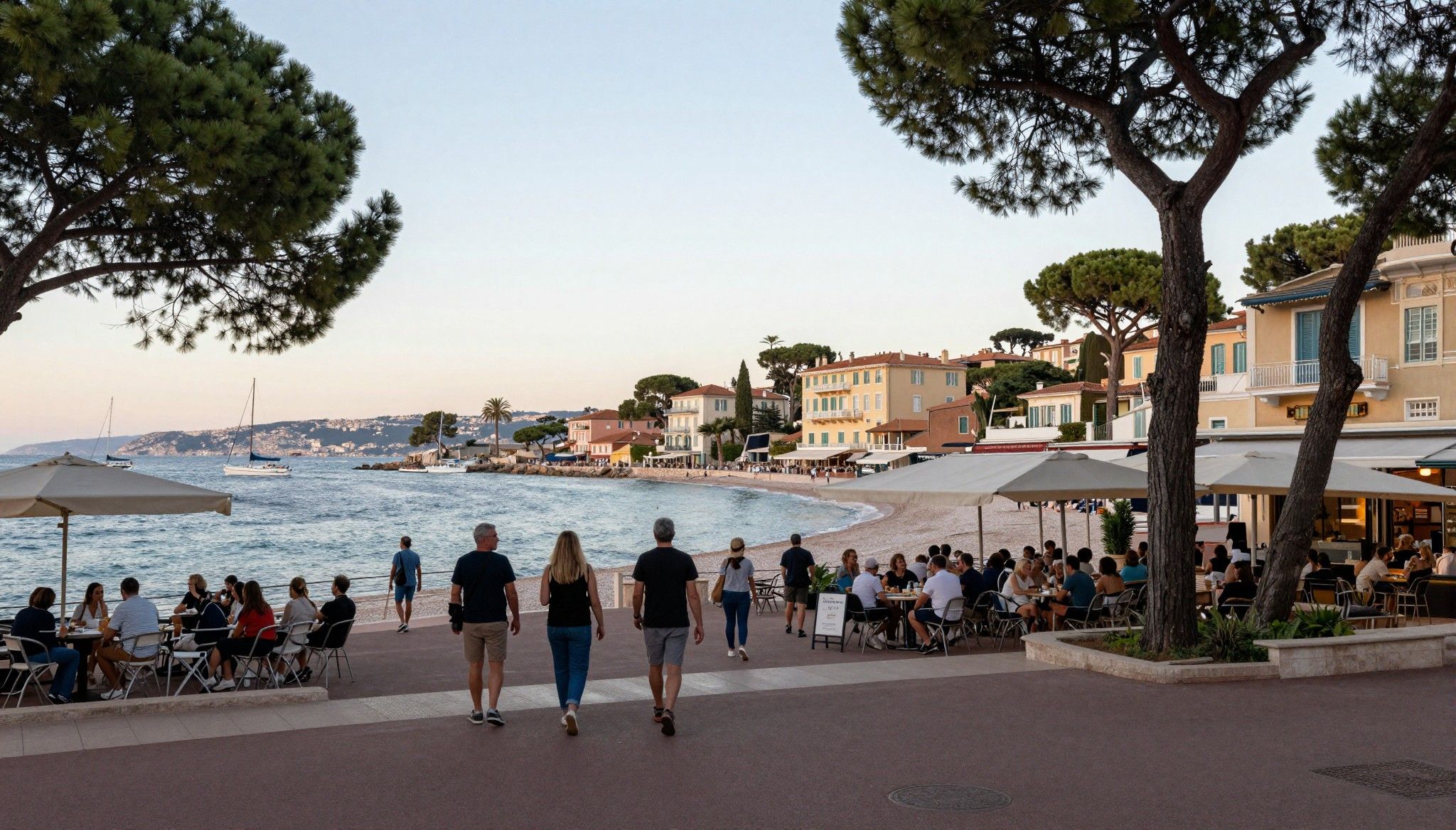
Daily life in Italy folds around neighbourhood rituals: morning markets, an aperitivo that dilates the evening, and lunch that still commands a long, deliberate pause. In cities such as Bologna, Florence and Trieste, historic centres pulse with layered use; in coastal towns from Liguria to Puglia, mornings belong to fishermen and bar owners. For an international buyer, these rhythms define what to buy and where — proximity to a market, quiet streets for family life, or a terrace oriented to late‑afternoon light.
Spotlight: The small-streets appeal in Urbino and Bergamo Alta
Walk through Urbino’s winding lanes or Bergamo Alta’s medieval grid and you feel the structural advantage: compact parcels, human scale, and a civic life concentrated around a single piazza. Properties here trade on provenance — stone thresholds, original timber beams, and simple porte in need of careful restoration. These are homes that reward stewardship rather than speculative flips; they suit buyers seeking cultural depth and long‑arc value.
Food, markets and the social geography of value
Where chefs, producers and market traders cluster, neighbourhood demand follows. Think the Mercato di Sant’Ambrogio in Florence, the weekly markets around Parma, or small fish markets along the Adriatic: these nodes create daily convenience and year‑round desirability that does not always show on national price maps. As Nomisma notes, the market’s recovery in recent years is uneven; local demand drivers matter far more than national averages when seeking value.
- Lifestyle highlights to scout in small‑scale Italian towns
- Morning market stalls (name a piazza), a single excellent osteria within walking distance, a municipal garden or children’s park, a local cooperative bakery, a seasonal festival that brings the town together, a well‑maintained communal laundry or public fountain
Making the move: how lifestyle choices shape property decisions
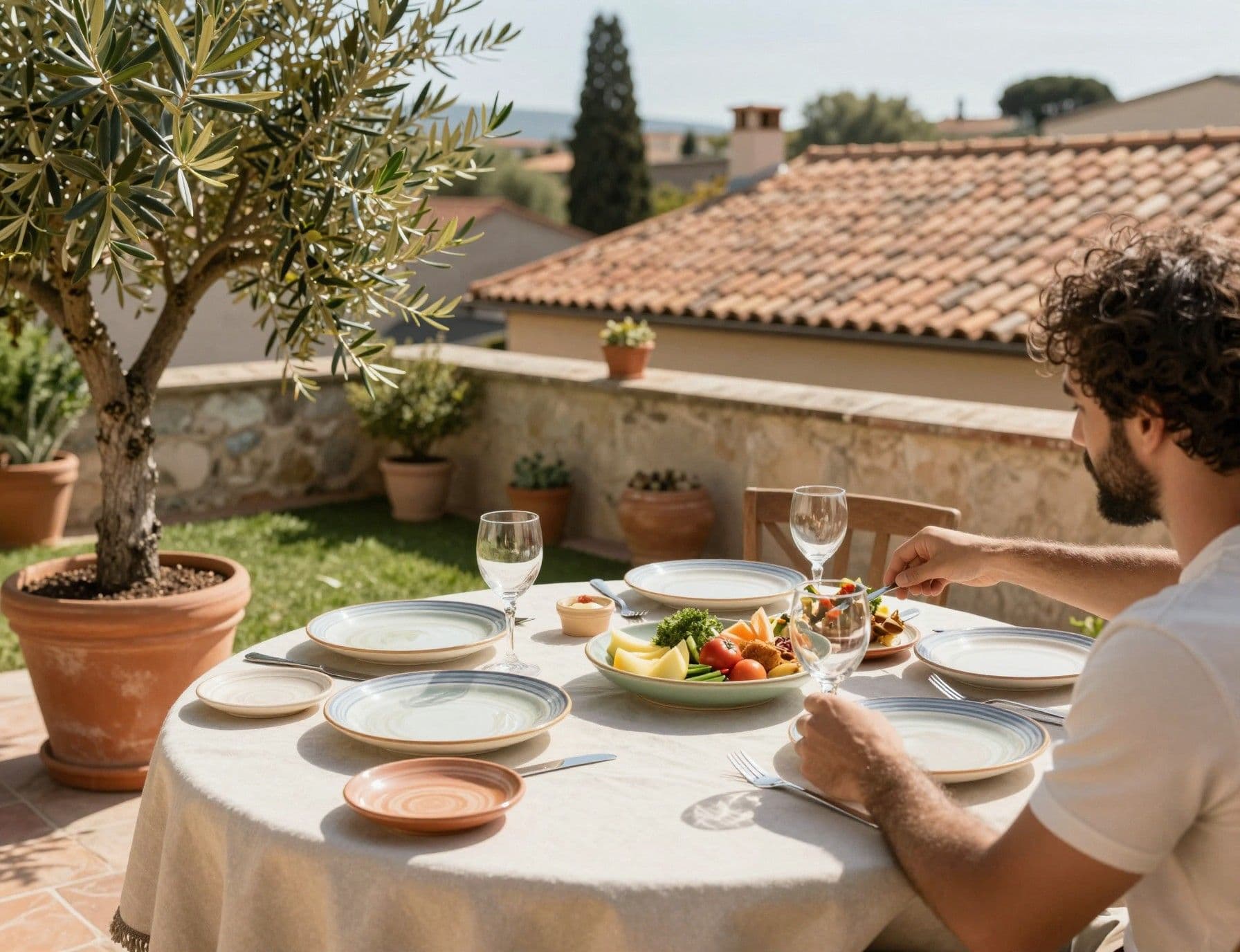
Translating the romance into a sound purchase means reading fine grain signals: the town’s demographic trajectory, time on market, and the presence of year‑round services. ISTAT’s housing releases and national house price indices show modest nationwide gains; yet regional variance is large. A village with a year‑round market and steady public services will out‑perform a similar town dependent on seasonal tourism — even if both appear on the same map.
Property styles and how they suit daily life
Stone cottages with thick walls offer cool interiors in summer and lend themselves to sympathetic thermal upgrades; terraced apartments in historic centres are about proximity and community, while country villas give space for gardens and food production. The right choice depends on whether you want an urban rhythm — cafés and passeggiate — or a slow rural life governed by light and season.
Working with local experts who understand the life behind the listing
Choose agents who speak of piazze, not just price per square metre. Local agencies and notaries familiar with region‑specific restoration practice, building consents and energy‑class upgrades provide practical clarity. They will also point to off‑market opportunities — estates passing quietly between generations — which often represent the best value for buyers prepared to invest in restoration.
- Steps to marry lifestyle with investment (practical and sensual)
- Visit at least twice in different seasons to feel annual rhythms; commission a local survey focused on fabric and utilities; map everyday services (market, pharmacy, school); ask agents about owners’ intentions and off‑market chances; budget for sympathetic upgrades rather than speculative modernisation; plan for long‑term stewardship rather than quick resale
Insider knowledge: things expats wish they’d known
Expats often arrive enchanted by a street and purchase quickly, only to learn that practical life — waste collection schedules, local winter closures, or the absence of broadband — shapes daily comfort. Conversely, buyers who spend time in a place learn its cadence: which cafés hum year‑round, where the bus still runs in January, and which municipal initiatives are restoring a square. Those details determine whether the dream endures.
Cultural integration, language and social life
Italian social life is local. Mastering a few phrases, joining community activities and respecting seasonal rhythms will foster neighbours’ goodwill — an invaluable asset when managing a property from abroad. Many towns prize stewardship and civic continuity; being seen as a patient and interested custodian opens doors that transactional buyers rarely find.
Long‑term lifestyle considerations
Think beyond year one: demographic trends, energy retrofit potential and local governance decisions will shape long‑term value. Bank of Italy surveys suggest borrowing and lending conditions influence market liquidity; buyers who combine prudent financing with an appreciation of local governance and restoration potential stand to preserve both lifestyle and capital.
- Red flags and subtle warning signs
- Empty town centre at all hours (not seasonal quiet), unclear ownership history, roofs and foundations deferred repeatedly, lack of potable water or unreliable internet, listings that avoid showing façades or street context
If a place feels rehearsed rather than lived in — pristine staging in a town that otherwise shows activity — pause. The best buys are often in places where life is visible: chairs on balconies, a queue at the bakery, children on scooters. Those signs mean the neighbourhood sustains year‑round life, and that your investment will buy not only walls but a continuing way of living.
Conclusion: buy the life, steward the house
Italy rewards patience and attention. Seek neighbourhoods where everyday rituals are robust, where artisans and markets still set the calendar, and where restoration is a craft not a fad. Work with local agents who understand the social fabric as well as cadastral quirks; visit in different seasons; budget for conservation. Do this and the house will be an entrance to a life rather than a souvenir of travel.
Having moved from Stockholm to Marbella in 2018, I help Scandinavian buyers navigate Spanish property law, restoration quality, and value through authentic provenance.