Malta: A Street‑Level Steer for International Buyers
Malta’s compact markets reward street-level knowledge: choose micro‑location, season-aware visits and agencies versed in restoration to convert lifestyle desire into enduring value.
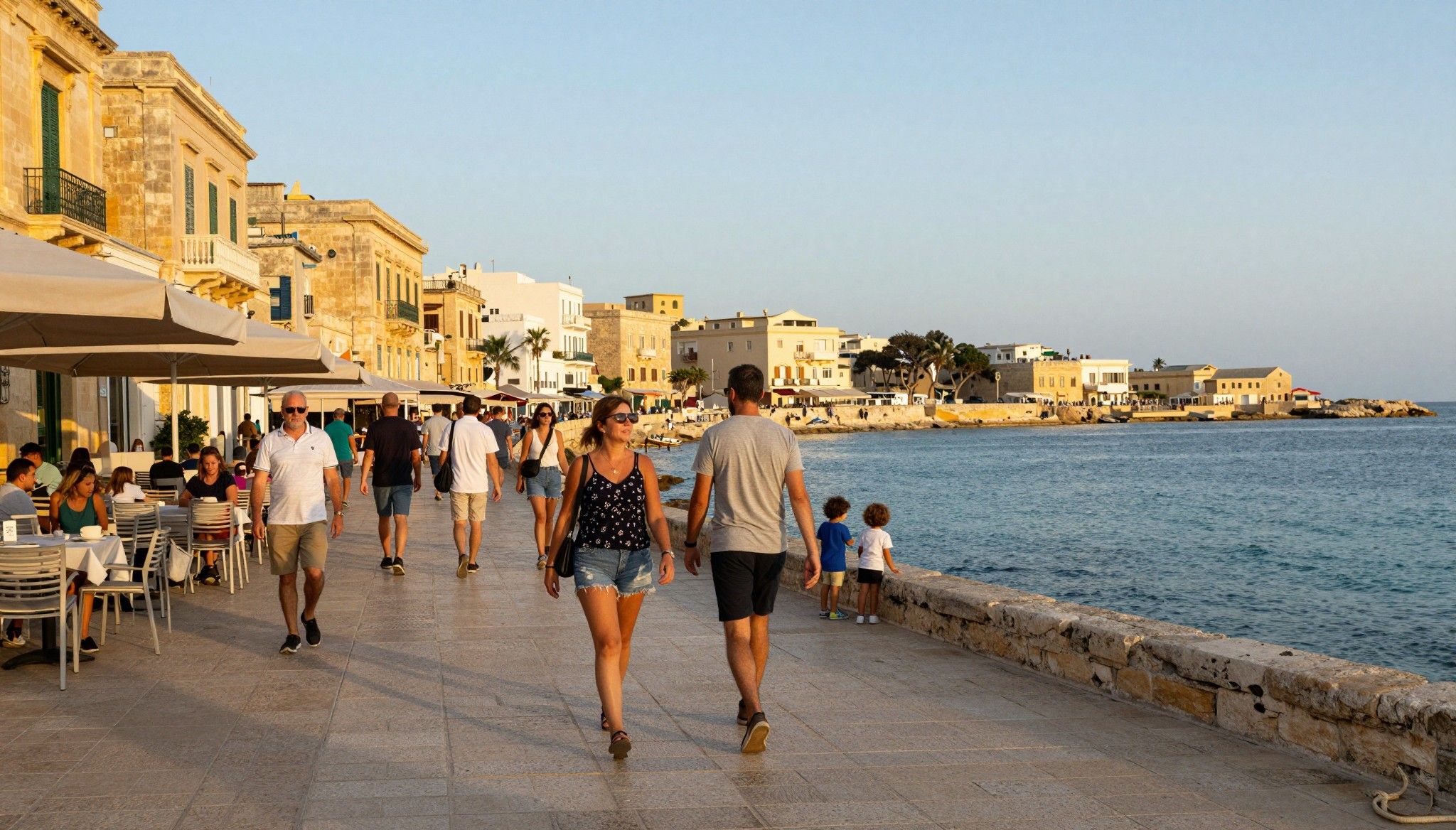
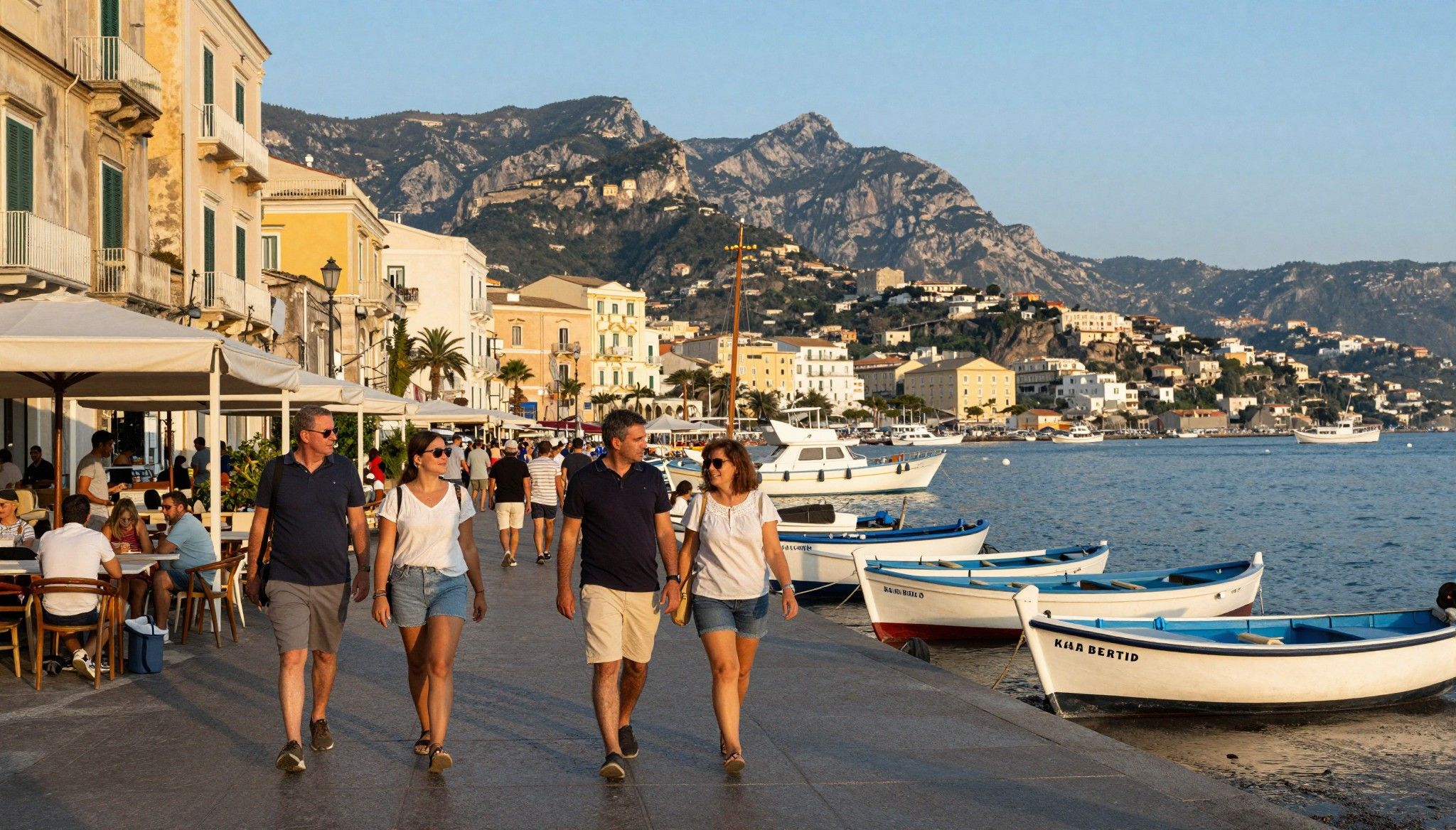
Imagine waking to the salt-tinged air of a Maltese morning, the barista at Café Cordina handing you an espresso on Republic Street as limestone façades warm to the sun. Valletta’s baroque silhouette, the fishermen’s morning routines in Marsaxlokk and the terraced calm of Mellieħa all suggest an island of immediate pleasures and quietly layered life. Yet the island’s property market tells a more complex story: constrained supply, steady international demand and pockets of rapid price growth that reward local nuance over headlines. This piece pairs the lived Malta — its streets, seasons and small rituals — with the market truths an international buyer needs to decide where to place a down payment and a life.
Living the Malta life
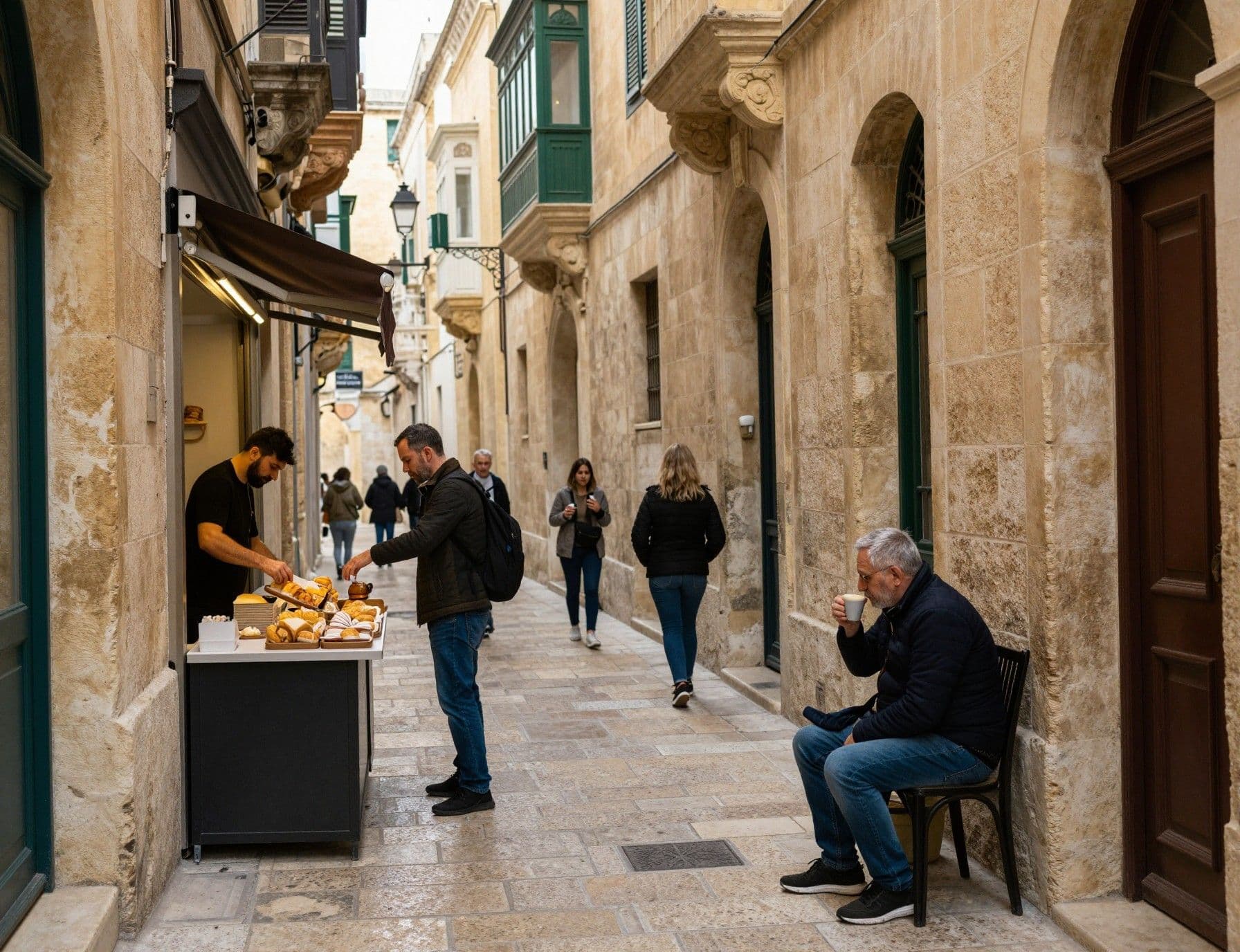
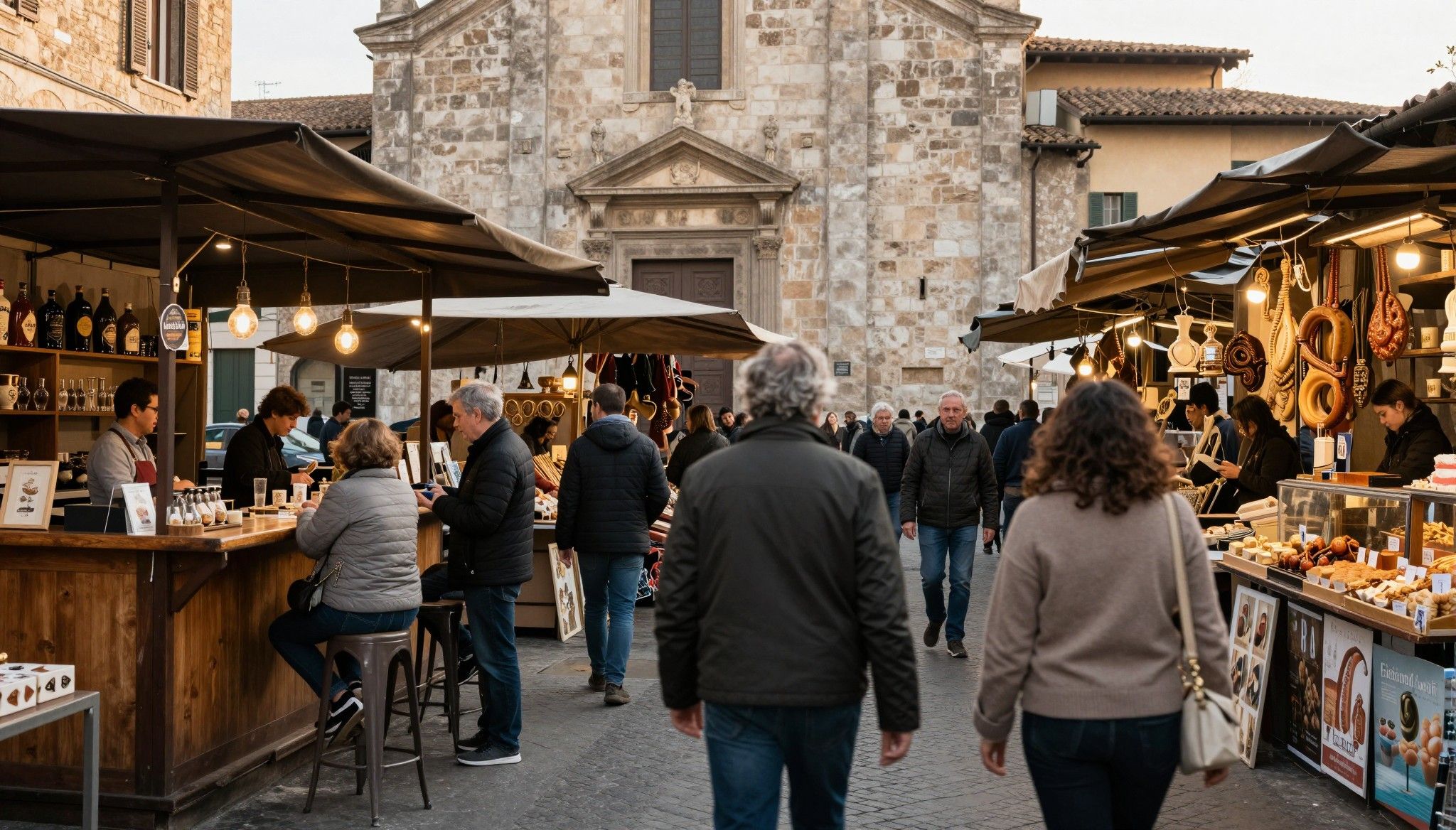
Malta is compact in territory and abundant in ritual: weekday market runs in Ta’ Qali, aperitivi at Sliema’s promenade, and Sunday church bells that punctuate a slower rhythm. The island’s human scale means neighbourhood character is legible on foot — narrow streets layered by centuries, small civic squares and roof terraces that catch the last light. For a buyer, that translates into intimate tradeoffs: proximity to the sea often comes with noise and tourist seasonality, while quieter inland villages offer space and traditional Maltese vernacular homes but require braver renovation choices. Recent official reporting shows house prices have climbed steadily in recent years, emphasising the value of selecting the right micro‑location rather than following broad market labels.
Valletta and the Three Cities: history lived daily
Valletta rewards those who prize provenance: high ceilings, wrought‑iron balconies and Palladian lines present a rarefied city living that feels like inhabiting a museum that breathes. The Three Cities — Birgu, Senglea and Cospicua — offer maritime intimacy and restored palazzini where craftmanship and community remain strong. Buyers should expect premium pricing for restored, characterful units close to the water; official data indicates continued price growth across core urban centres, so patience and selectivity are essential. For families, the neighbourhood schools and sheltered harbours make these areas particularly desirable; for collectors, architectural pedigree is the primary draw.
Sliema, St Julian’s and the northern coast: social life and liquidity
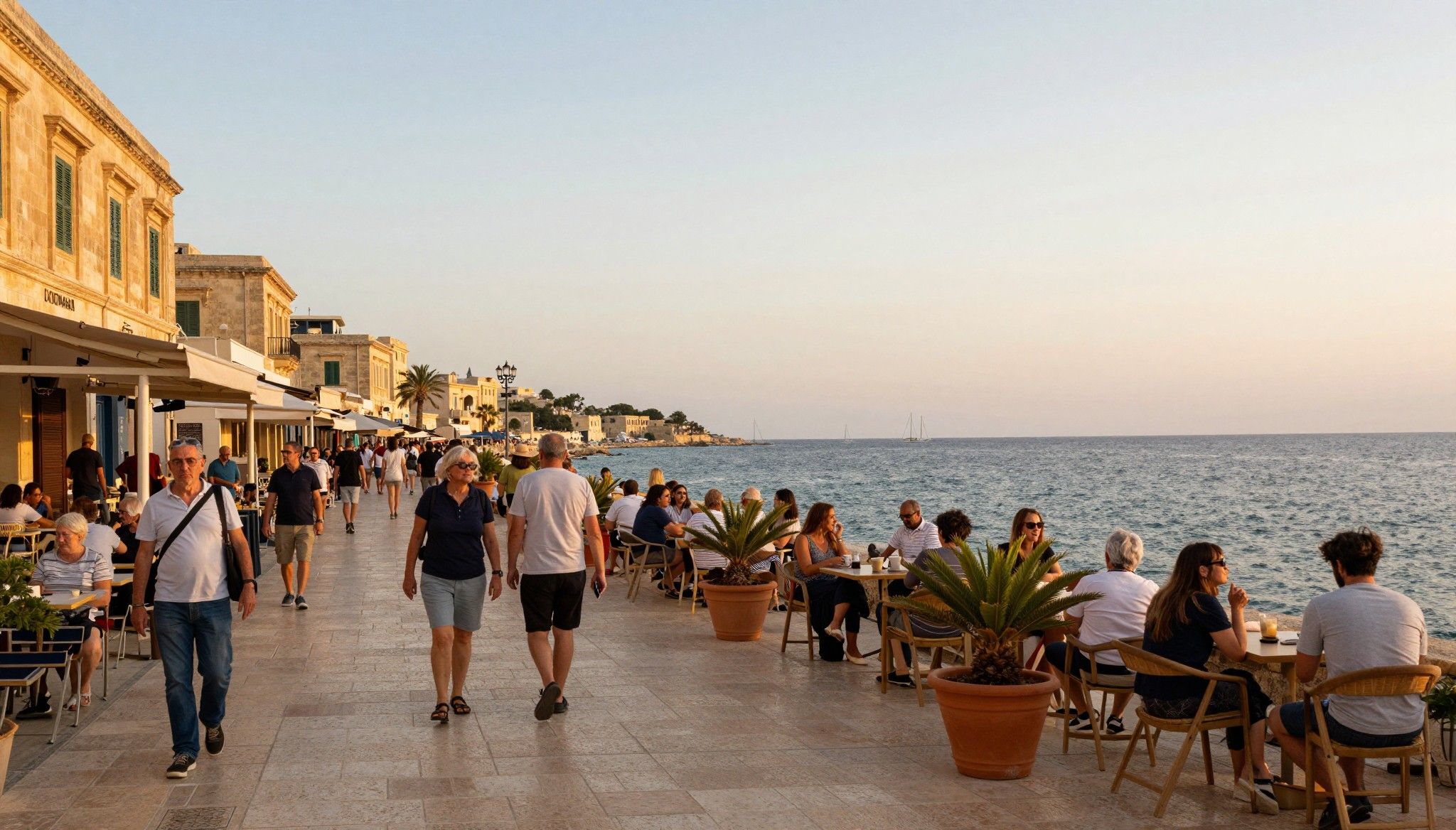
The northern corridor — Sliema and St Julian’s — is where contemporary life hums: cafés with sea views, boutique fitness studios and an expatriate social calendar that keeps listings moving. These areas offer liquidity for sellers and easier rental potential for owners wishing to let seasonally or to expats. KPMG and industry analyses have highlighted this corridor as an ‘expat housing axis’, where demand for turnkey apartments remains strong and asking prices reflect both lifestyle convenience and investment appeal. Expect smaller internal floorplates and higher price-per-square-metre for apartments with sea views; for many international buyers, the tradeoff is convenience and immediate rental market access.
- Lifestyle highlights: cafés, coves and cultural habits
- Espresso culture at Café Cordina (Valletta) and small‑batch roasters in Sliema
- Sunday fish market in Marsaxlokk and seaside fish restaurants on the promenade
- Sunlit roof terraces in Mdina and quiet walks along Dingli Cliffs at dusk
- Local artisan bakeries and pastizzi stands hidden in inner lanes
Making the move: practical considerations

Transitioning from admiration to acquisition in Malta asks for a precise local rhythm: timing offers around festival seasons, understanding small‑scale building regulations and considering the island’s constrained supply. Central bank and NSO reports underline that the market has seen steady price appreciation in recent quarters, which matters when weighing renovation versus turnkey purchase. Local agencies provide more than listings; they translate municipal nuance — planning constraints, permitted extensions, and whether a maisonette keeps its traditional timber balcony — into actionable choices. A measured purchase in Malta is as much about the street and neighbours as it is about square metres.
Property types: the practical poetry of maisonettes, penthouses and townhouses
Maisonettes and traditional townhouses offer rooms with high ceilings, stonework and roof terraces suited to Mediterranean living, yet they often demand careful restoration and modern services upgrades. Contemporary penthouses deliver immediate comfort and panoramic light but can lack the provenance and architectural charm many buyers prize. GlobalPropertyGuide and market analyses show differing price dynamics across typologies: apartments dominate transactional volumes while historic maisonettes command premium per‑square‑metre value when restored sensitively. Match the property type to how you want to live — rooftop dinners, quiet studios for writing, or family courtyards — and budget for the work that will make it genuinely liveable.
Working with agencies that understand lived life
An effective local agency is a cultural interpreter: they know which streets hold community lunches, which blocks close to the sea are noisy in summer and which courtyards need structural attention despite charming façades. For international buyers, ask agencies for walk‑through videos at different times of day, neighbour references and records of recent transactions on the street. Agencies with restoration networks are invaluable when considering a vernacular townhouse; those experienced in the northern corridor can advise on short‑term rental potential if that is part of your plan. The best agents balance market data with atmosphere, helping you imagine life before you sign.
- Practical steps blending lifestyle and market sense
- Visit in two seasons (off‑peak and high season) to assess noise, light and community rhythms
- Ask agents for recent comparable transactions on the same street, not just the neighbourhood
- Budget for authentic restoration (stonework, timber balconies, roof waterproofing) rather than cosmetic fixes
- Consider rental strategy: long‑term expat tenancy vs selective short lets in tourist corridors
Insider knowledge: expat truths and market realities
Expats often arrive enchanted by the island’s light and find themselves surprised by practicalities: smaller apartment footprints, seasonal tourism impact and planning rules that protect façade character but complicate extensions. Community integration is typically straightforward — English is an official language and neighbourhood social life is active — but true belonging takes a little local time: regularing at the local parish festa, shopping at a single butcher or knowing which cafe will reserve your table. Data trackers and local housing observatories highlight affordability pressures; savvy buyers reconcile emotional desire with a sharp appraisal of local supply constraints.
Cultural rhythms, language and social codes
Maltese society rewards presence: being seen at the band club, supporting the festa or shopping in the same grocer builds social capital quickly. While English suffices for business and bureaucracy, learning a few Maltese phrases opens doors to quieter neighbourhoods where trust matters. Buyers should recognise that neighbours often influence minor permissions and renovations; cultivating local relationships is practical as well as pleasant. This social belonging materially affects where you want to live: some streets feel like extended families, others like transient portfolios.
Long-term considerations: stewardship and value
Owning in Malta is often a responsibility of stewardship: historic roofs, limestone façades and shared stairwells require maintenance and sometimes communal decision‑making. Recent market commentary shows divergent movement between micro‑markets — coastal north versus central pockets — underscoring the need for street‑level due diligence. Consider long‑term issues such as overheating in summer, sound insulation in older masonry and the cost of authentic repairs using local stone and joinery. The properties that preserve craftsmanship and context tend to retain value better than those that chase short‑term cosmetic upgrades.
- Red flags that temper romance
- Unresolved planning fines or permits on title
- Persistent damp or roof problems in older houses
- Sales that rely on tourist-season rental promises without documented yields
- Streets under continuous construction that will affect day‑to‑day living
Conclusion: how to act with taste and prudence
Fall for Malta first — for the light, the markets, the evenings on a roof terrace — and then temper that affection with street‑level research and local counsel. Use official indices and reputable market reports to set expectations about price trajectory and employ agents who can translate atmosphere into verifiable comparables. Visit across seasons, budget for genuine restoration where required and prioritise neighbourhoods that align with how you intend to live rather than how listings photograph. When matched to careful due diligence, a Maltese purchase can be both a deeply pleasurable home and a stewardship investment in a rare Mediterranean context.
Former Copenhagen architect who relocated to Provence, offering relocation services, market analysis, and a curator’s eye for authentic regional design.