Why House‑Hunting in France in August Can Cost You
Why timing, neighbourhood rhythms and the right insurance matter as much as price when buying property in France — and how to protect your lifestyle.
Imagine Paris emptied of tourists in November, a slow café morning on Rue de Bretagne, and a burgundy-clad concierge who knows every building’s restoration history. In France the life you crave — market mornings, village fêtes, coastline light — arrives in small, intimate details. Yet the moment you decide to buy has consequences: timing, insurance and local practice change the experience of ownership as much as the address.
Living the French Life — textures, routines and address
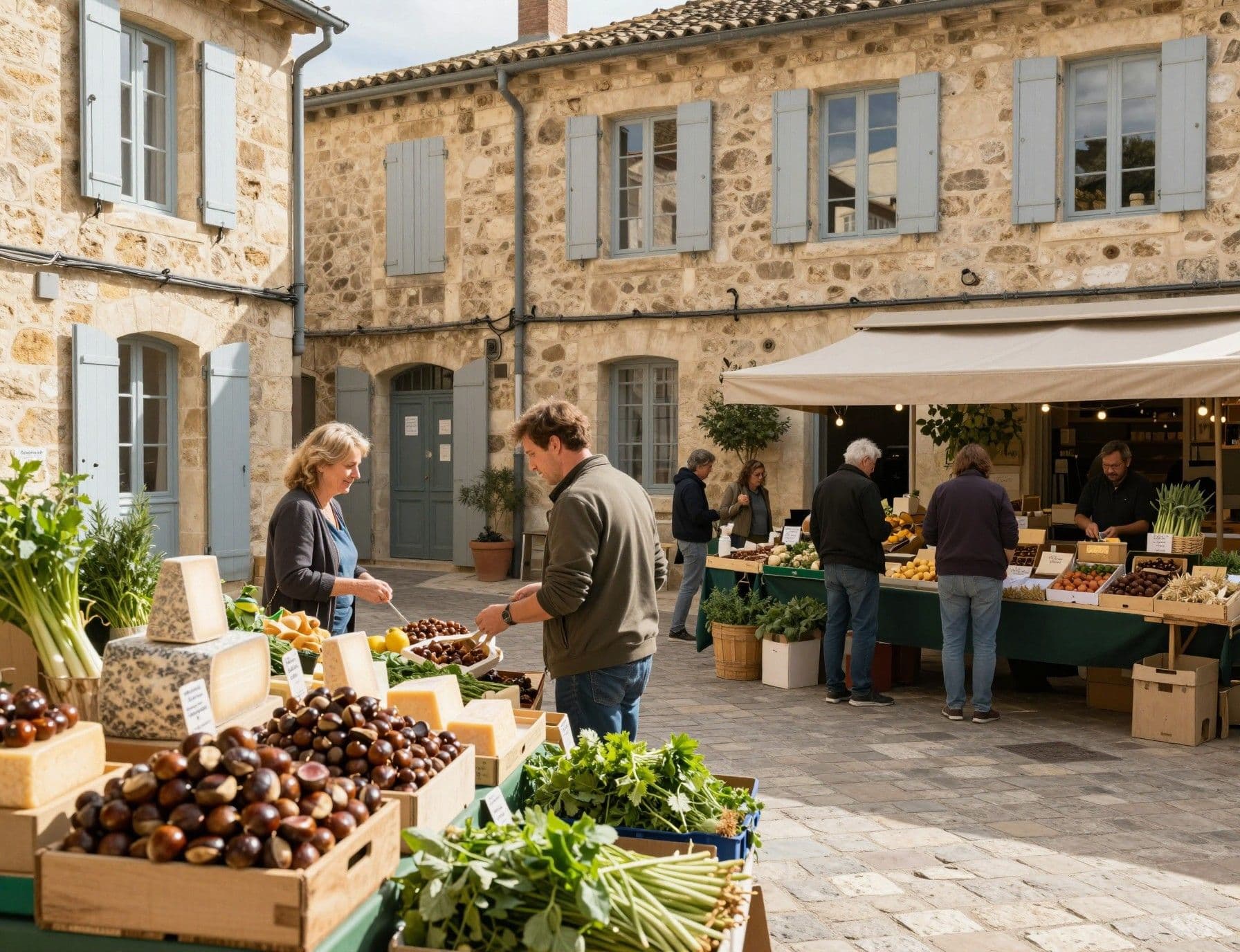
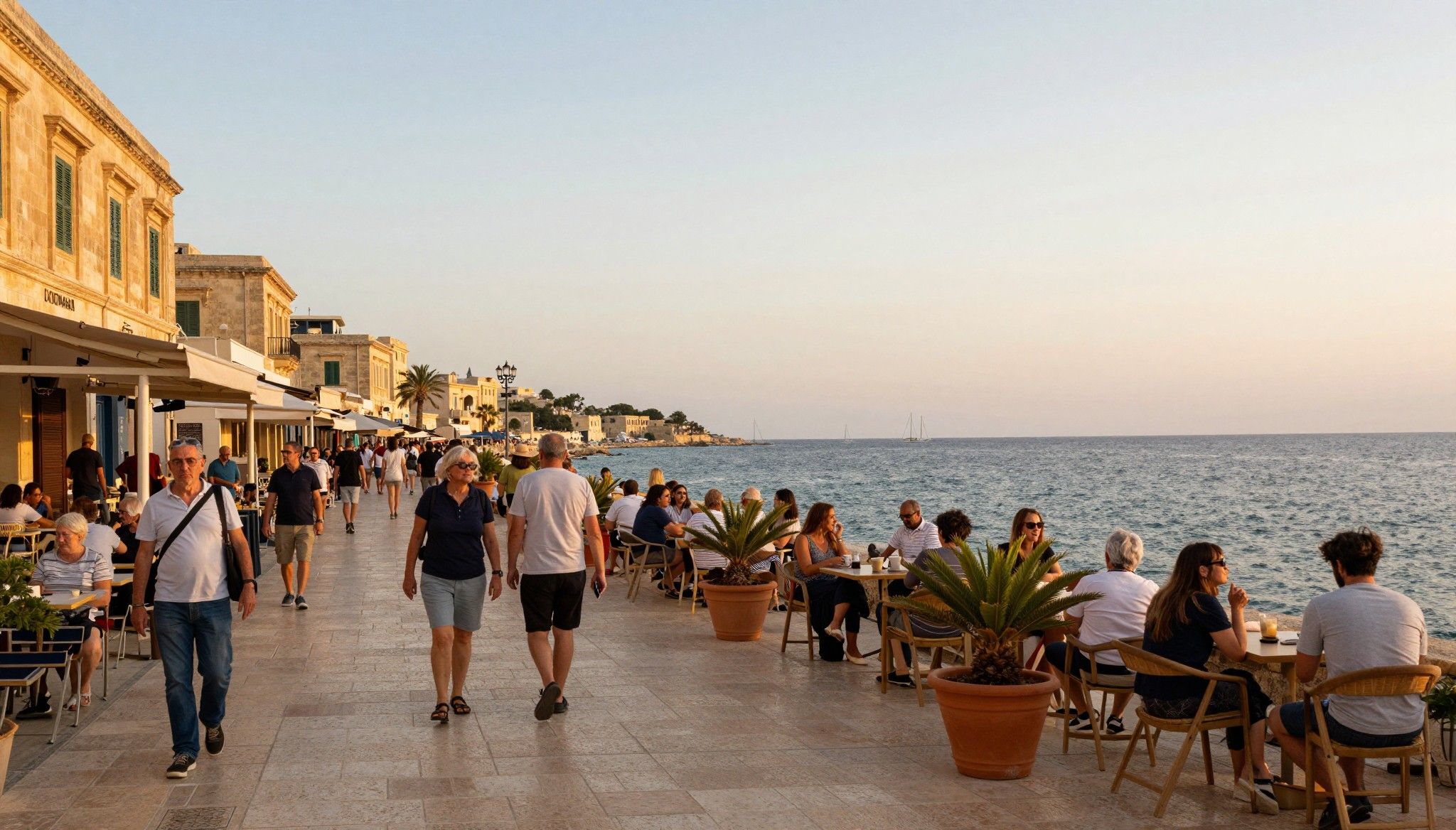
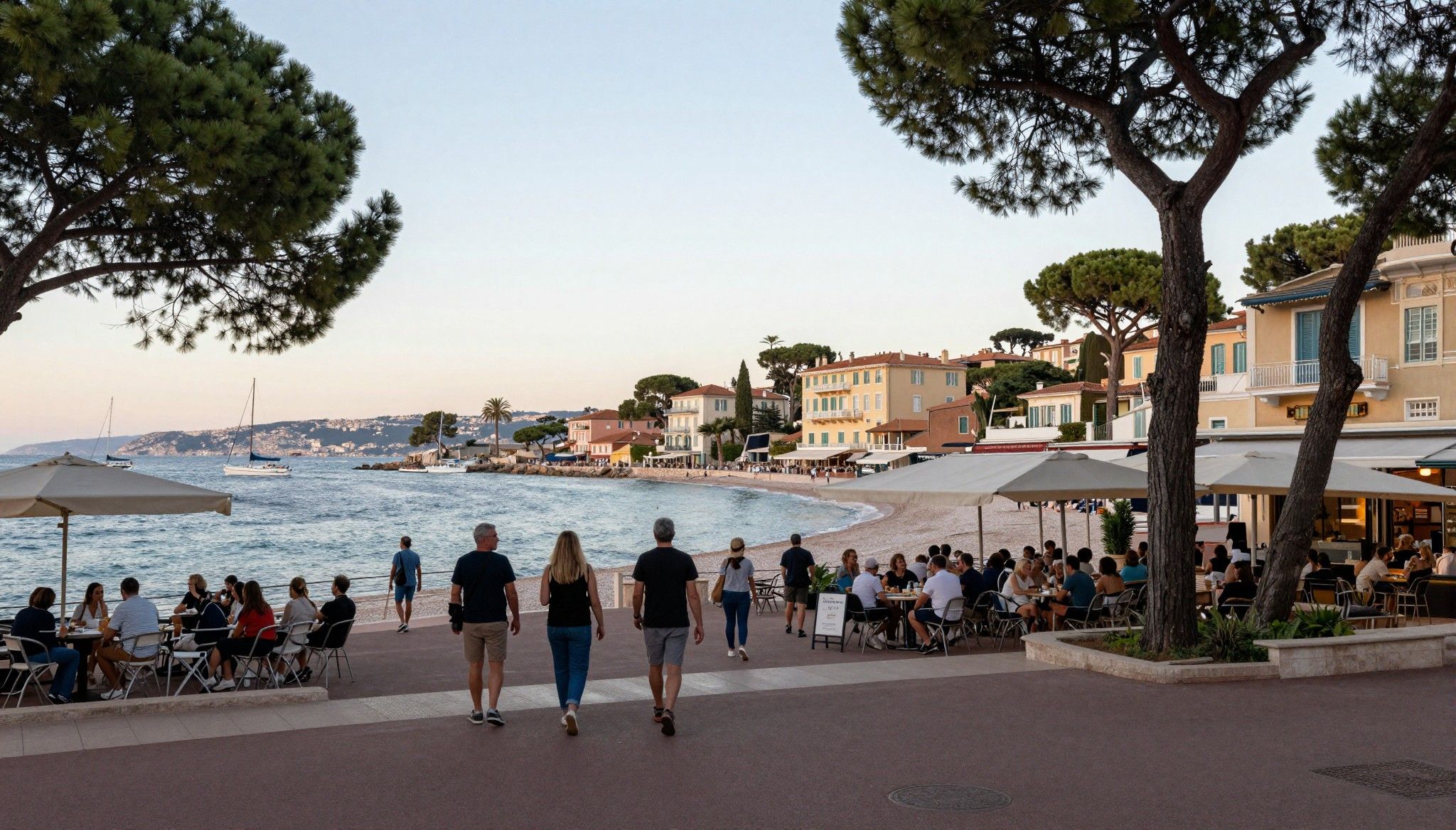
To picture living in France is to think in sequences: a market run before breakfast, a late‑afternoon terrace with a carafe of local wine, a winter afternoon beside a stone fireplace. Streets matter here — the narrow lanes of Le Marais feel different from the broad promenades of Aix’s Cours Mirabeau or the salt air of Cap Ferret. Those daily rhythms should shape what you insure and how you protect a purchase.
Neighbourhoods that define distinct lives
Choose the seventeenth‑century courtyards of Saint‑Germain and your days will revolve around small bookshops and grand boulangeries. Choose Biarritz or the Cap d’Antibes and mornings will be about surf, marché stalls and long lunches. In Lyon’s Croix‑Rousse you will find a different tempo, textile history and locally owned bouchons. These choices change practical needs — proximity to a market alters storage and pantry design; coastal exposure changes insurance profiles.
Food, market life and seasonal rhythms
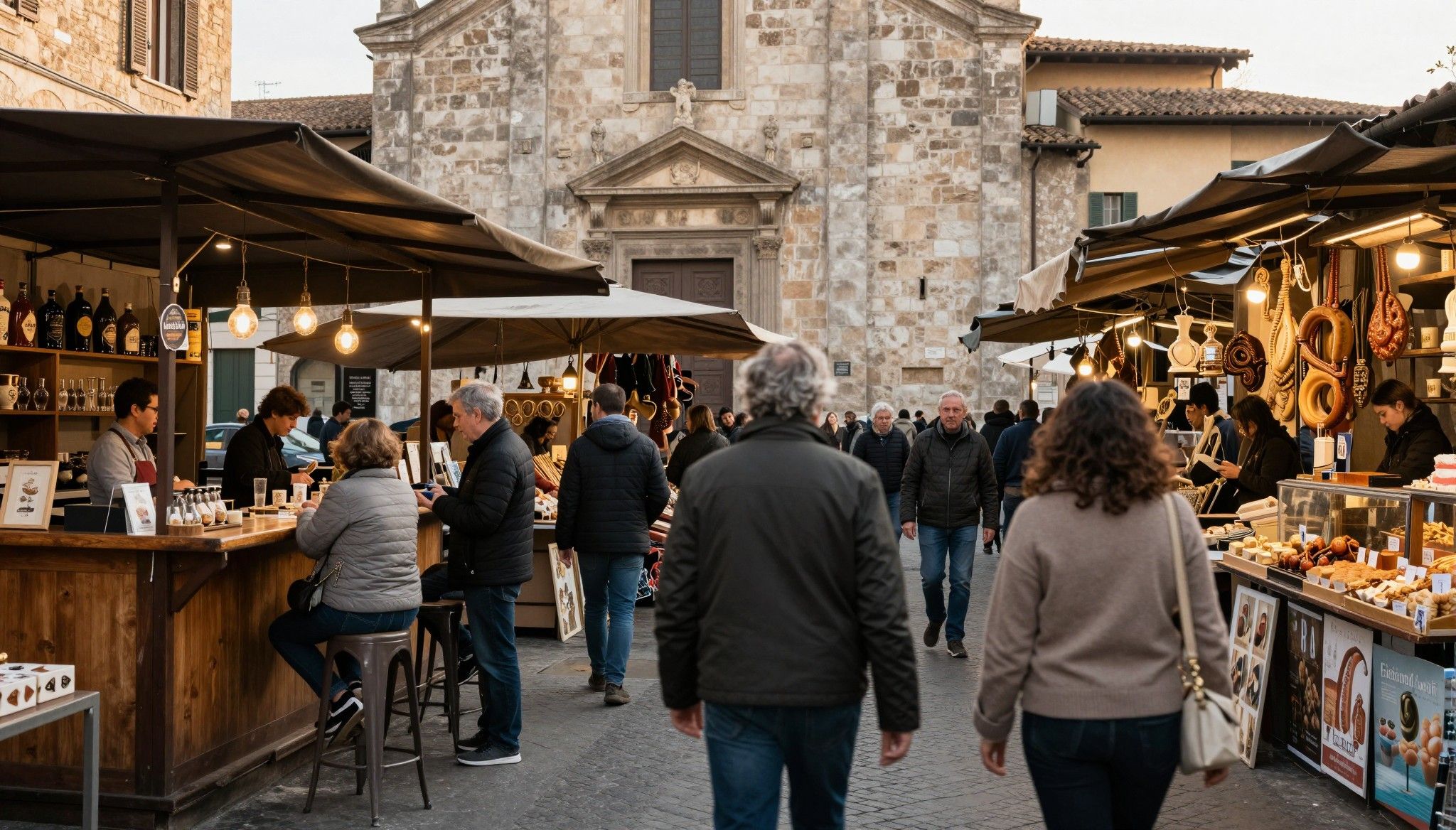
Market culture is a practical and emotional anchor. Picture buying chestnuts in Versailles in November, choosing bitter chicory in Lille in February, or watching the oyster sellers on the Île de Ré in September. For buyers this matters: properties near permanent markets sustain year‑round rental demand and reduce reliance on long supply chains for fresh food — a subtle but real quality‑of‑life metric.
- Daily-life highlights that change where you buy
- Morning markets: Marché d’Aligre (Paris), Cours Saleya (Nice)
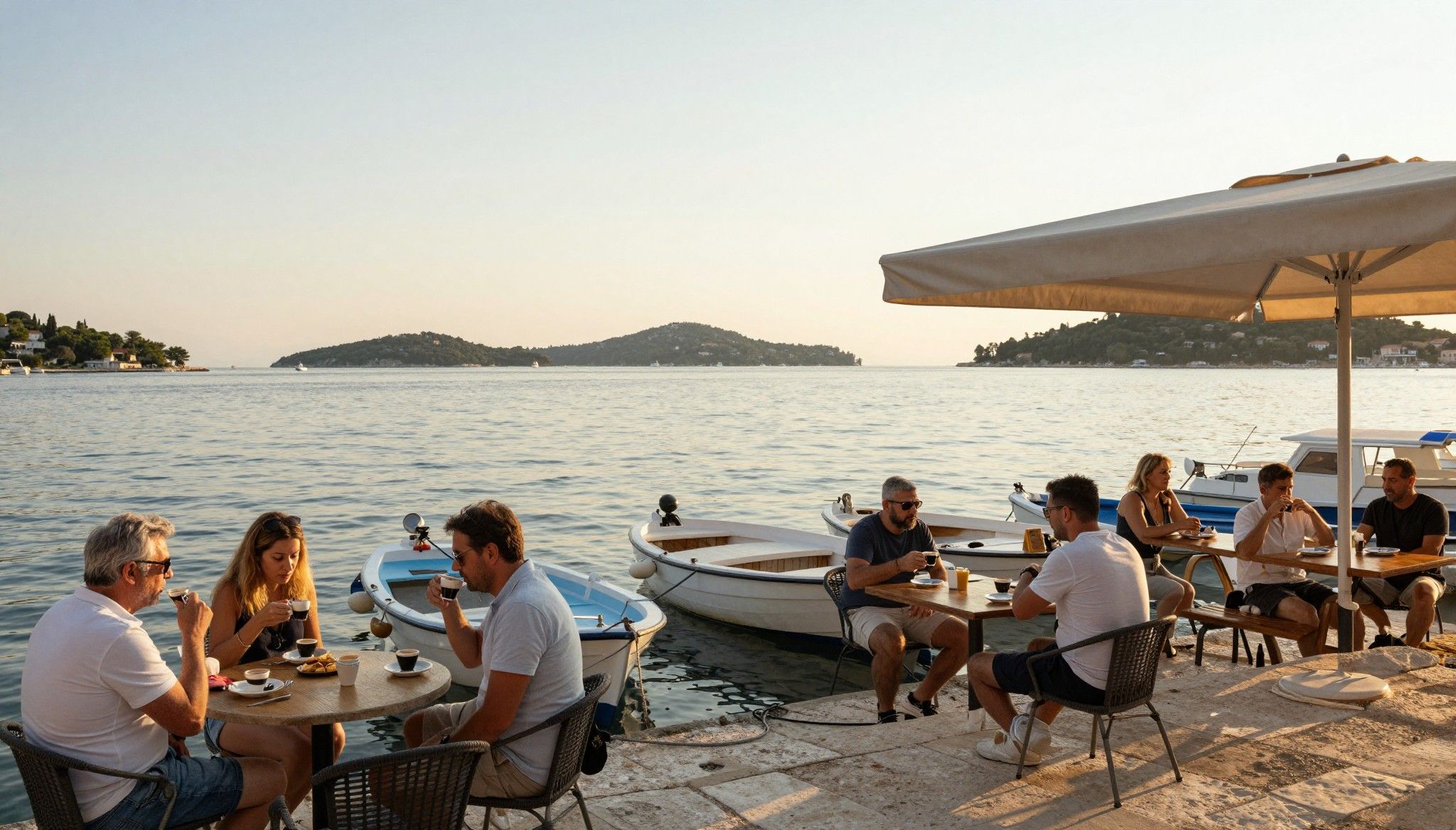
- Seaside ritual: morning walks on Plage de la Côte des Basques (Biarritz)
- Village fêtes and harvests: Provence and Dordogne autumn events
Making the move: how lifestyle choices affect insurance and protections
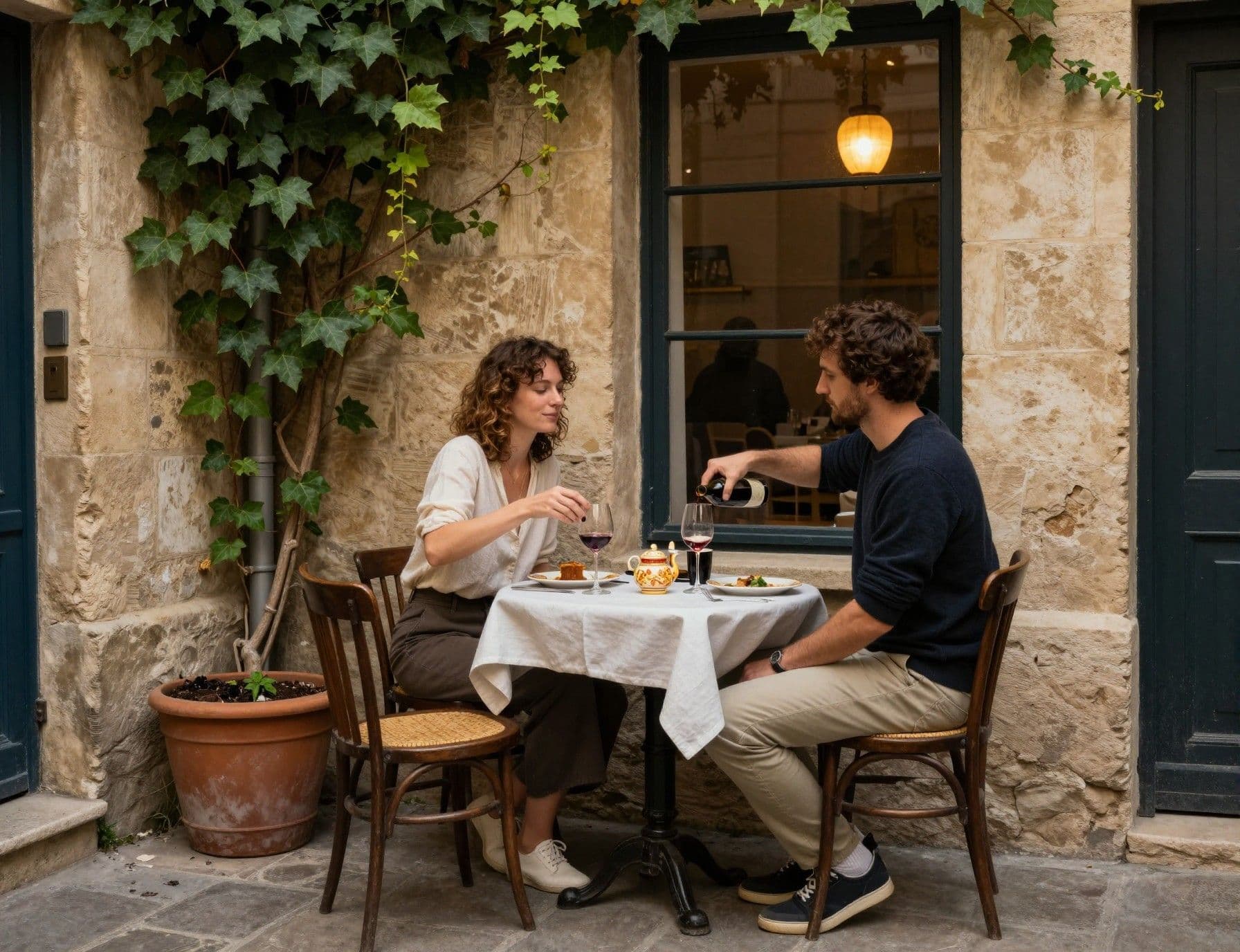
The romance of a Provençal farmhouse ends at the notaire’s desk and in the fine print of an insurance policy. In France, practical protections — the right homeowner policy, whether to hold a propriétaire non‑occupant (PNO) policy, and clear conveyancing — change the cost and comfort of ownership. Understanding local insurance norms keeps your life in France uncomplicated.
Property styles and their insurance implications
A medieval townhouse in Bordeaux has different vulnerabilities than a newly built villa near Marseille. Older stone buildings commonly lack modern damp‑proofing and require broader civil liability and renovation coverage; seaside properties need expanded storm and salt‑damage cover. New builds carry lower notarial fees but may require additional construction‑phase protections if purchased off‑plan.
Working with local experts who protect the lifestyle
An agency versed in provenance and materials will pair you with notaires and insurers who know the local quirks: clauses about historic‑monument constraints, compulsory building surveys in seismic zones, or municipal flood maps. These professionals translate lifestyle wishes — a garden for dinner parties, a cellar for wine — into the correct coverage and contract clauses.
- Practical steps that blend life and protection
- Commission a local building survey (diagnostics techniques) to check damp, lead, asbestos and termites before signing.
- Ask a notaire for a detailed list of charges and transfer taxes — recent changes allow departmental rates up to 5% for certain acts; budget this with your insurer in mind.
- Buy owner‑occupied or PNO insurance that explicitly covers seasonal rental use if you plan short‑lets; otherwise gaps are common.
Insider knowledge: what expats wish they'd known about timing and protections
A frequent regret among expats is buying in high season. In August many agents and municipal offices slow down: renovation contractors are on holiday, municipal planning offices operate reduced hours, and you may misread how a neighbourhood functions outside tourist months. Seasonality can therefore create hidden post‑purchase costs and delays in establishing protections.
Cultural integration and everyday practice
French administrative rhythms favour precision and provenance. Paperwork is not a formality: local mairie contacts, syndic de copropriété records and cadastral extracts matter. Learning a few phrases and a little administrative etiquette — and hiring a trusted bilingual notaire or property manager — smooths the path and ensures your insurance and liability cover the realities of daily life.
Long‑term stewardship: what to protect now for future ease
If you intend to preserve a property as a family asset, secure documentation: full restoration records, architect approvals and certified appraisals. These reduce disputes when selling and can lower premiums for heritage properties that have documented maintenance and approved interventions.
- Red flags and what to check immediately
- No recent diagnostics report (diagnostic de performance énergétique, plomb, termites).
- Inconsistent boundaries on the cadastre or unclear servitude (right of way) entries.
- No evidence an insurer accepts seasonal rental or non‑resident ownership — this gap causes major claims denials.
- Steps to close with confidence
- Secure a notaire early to verify title, servitudes and outstanding charges before signing the compromis de vente.
- Obtain binding insurance quotations that reference the exact use (primary, secondary, short‑let) and material risks (flood, seismic, coastal exposure).
- Include clear contractual conditions for completion dates, contractor handover and any municipal authorisations in the acte authentique.
Buying in France is, at heart, a pledge to a way of life: preservation of craft, reverence for place and the delight of routine. Protect that life by thinking beyond price per square metre: consider seasonal rhythms, the kind of company you keep in a neighbourhood, and the precise insurance that turns aspiration into secure enjoyment.
Next steps: visit in an off‑peak month, meet a notaire and an insurer together, and commission diagnostics before a provisional offer. An agency that understands materials and lifestyle will not only show you houses but will protect the life you imagine for them.
Having moved from Stockholm to Marbella in 2018, I help Scandinavian buyers navigate Spanish property law, restoration quality, and value through authentic provenance.