Malta: Streets, Sea and the Sensible Move
Malta’s charm is immediate and specific: compact streets, layered history and steady price growth. Live here well by matching property type to the island’s pace and enlisting local expertise.
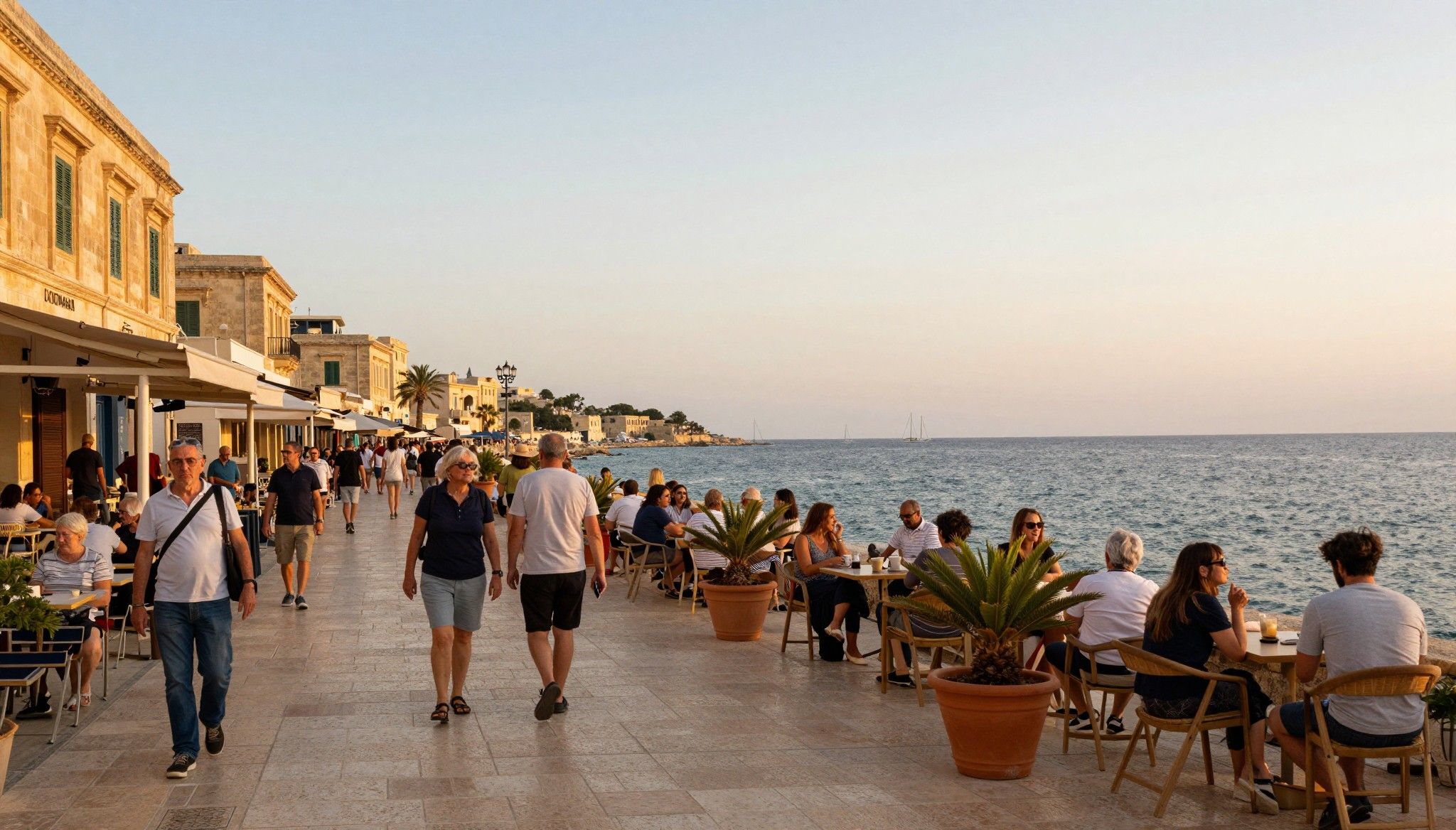
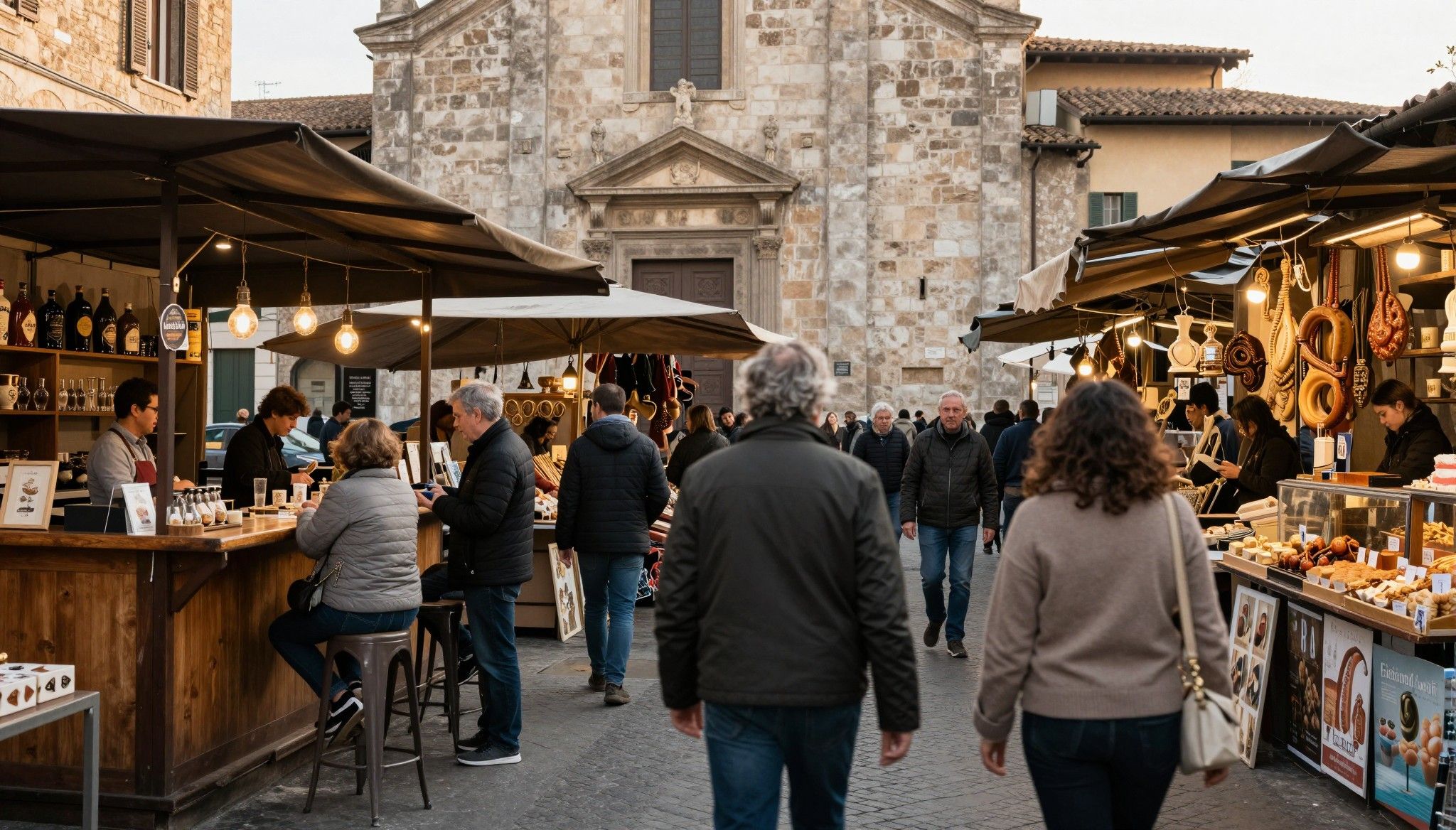
Imagine stepping out at dawn to buy bread on Republic Street in Valletta, the limestone facades still warm from the previous day’s sun and the harbour beyond the bastions gleaming. This is Malta: compressed, sunlit, and intimate — a place where a short walk connects a baroque convent door, a neighbourhood bakery and a modern co‑working loft. For many international buyers the attraction is not only scenery but a particular way of life: compact scale, layered history, and a culture that stages its conviviality in small public rooms — piazzas, band club halls and terrace cafés.
Living the Malta life

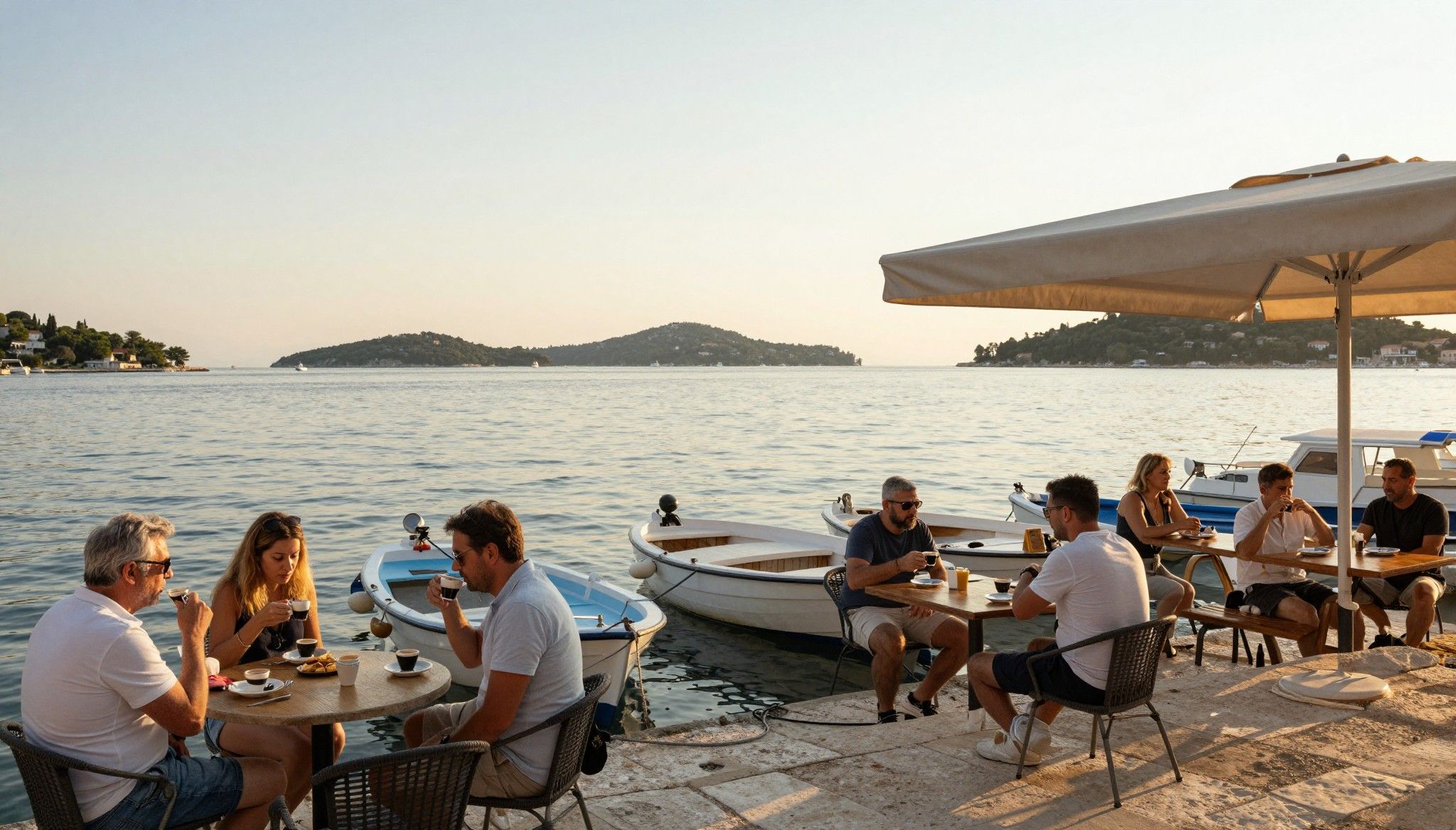
Daily life in Malta moves at a measured, Mediterranean tempo. English and Maltese are both familiar; conversations over coffee often slip between the two and Italian too is widely understood. Mornings are for markets and errands; afternoons for brief, restorative rests; evenings for ritual socialising — an aperitivo on a terrace, a late stroll along the seafront. For buyers who prize walkable streets, a strong civic rhythm and neighbourhood continuity, Malta delivers with unusual immediacy.
Valletta and the Three Cities: history made intimate
Valletta’s compact grid rewards curiosity: quiet churches tucked between palazzi, rooftop terraces offering harbour views, and narrow stairways opening onto unexpected courtyards. Across the water, Vittoriosa, Senglea and Cospicua — the Three Cities — hold lower-profile residences where mooring, maritime traditions and a more local tempo remain prominent. These areas suit buyers wanting immediate historical context and streets that feel lived-in rather than staged.
Sliema, St Julian’s and the seaside cadence
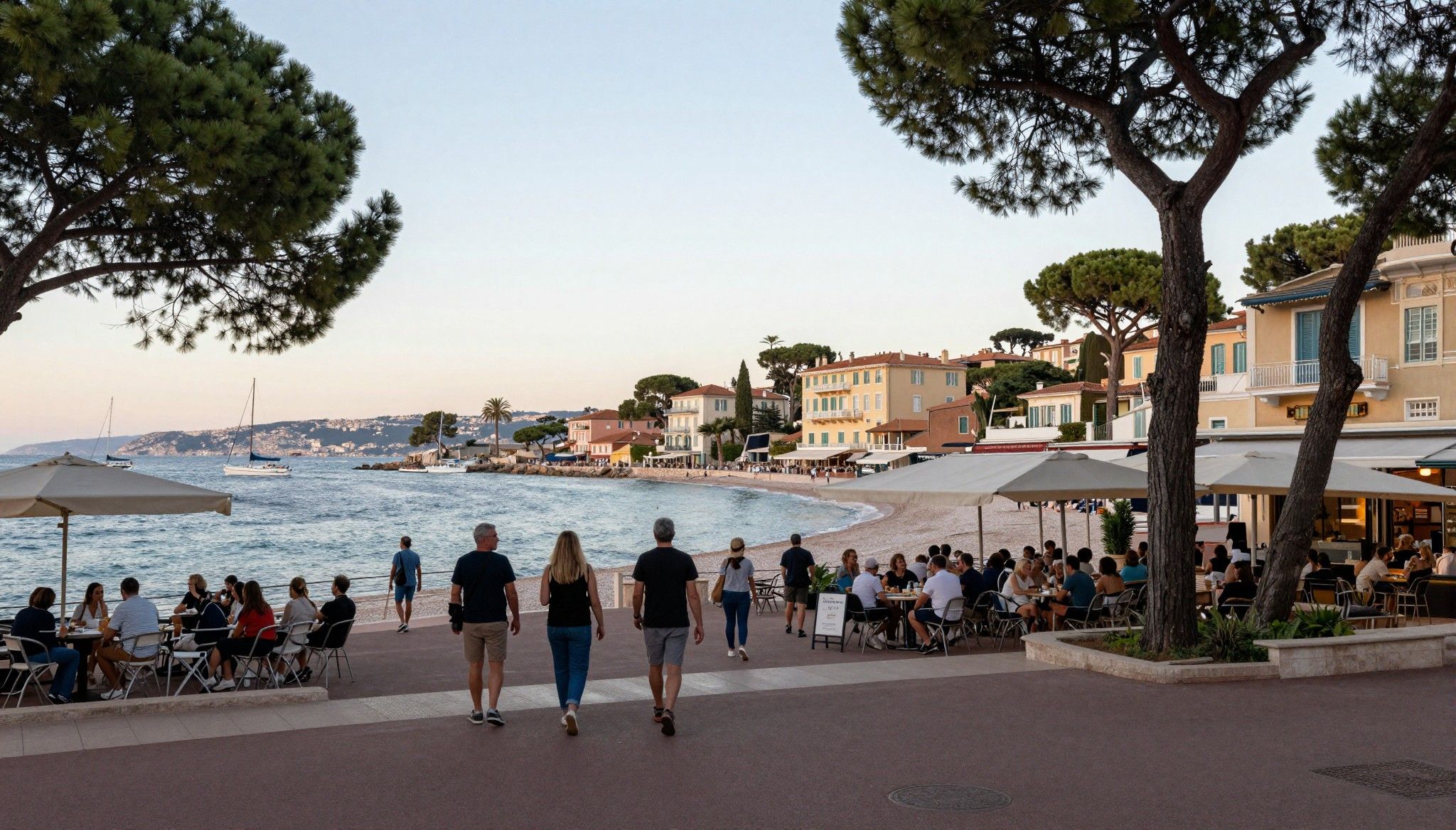
If you prefer extended promenades, cafés with sea light and a mix of modern apartments with period buildings, Sliema and St Julian’s present a different Maltese rhythm. Weekends extend toward the sea: swimming off rocky ledges at Balluta Bay, supper at a family‑run bistro in Gzira, or an evening concert in a converted warehouse. These neighbourhoods are more overtly cosmopolitan and command stronger short‑let markets — both a benefit and a complexity for long‑term residential buyers.
- Balluta Bay, Valletta waterfront, Marsaxlokk fishing market, Dingli cliffs sunset walk, Fort St Elmo museum visit, a Sunday paseġġ (stroll) in Mdina
Making the move: lifestyle‑aware practicalities
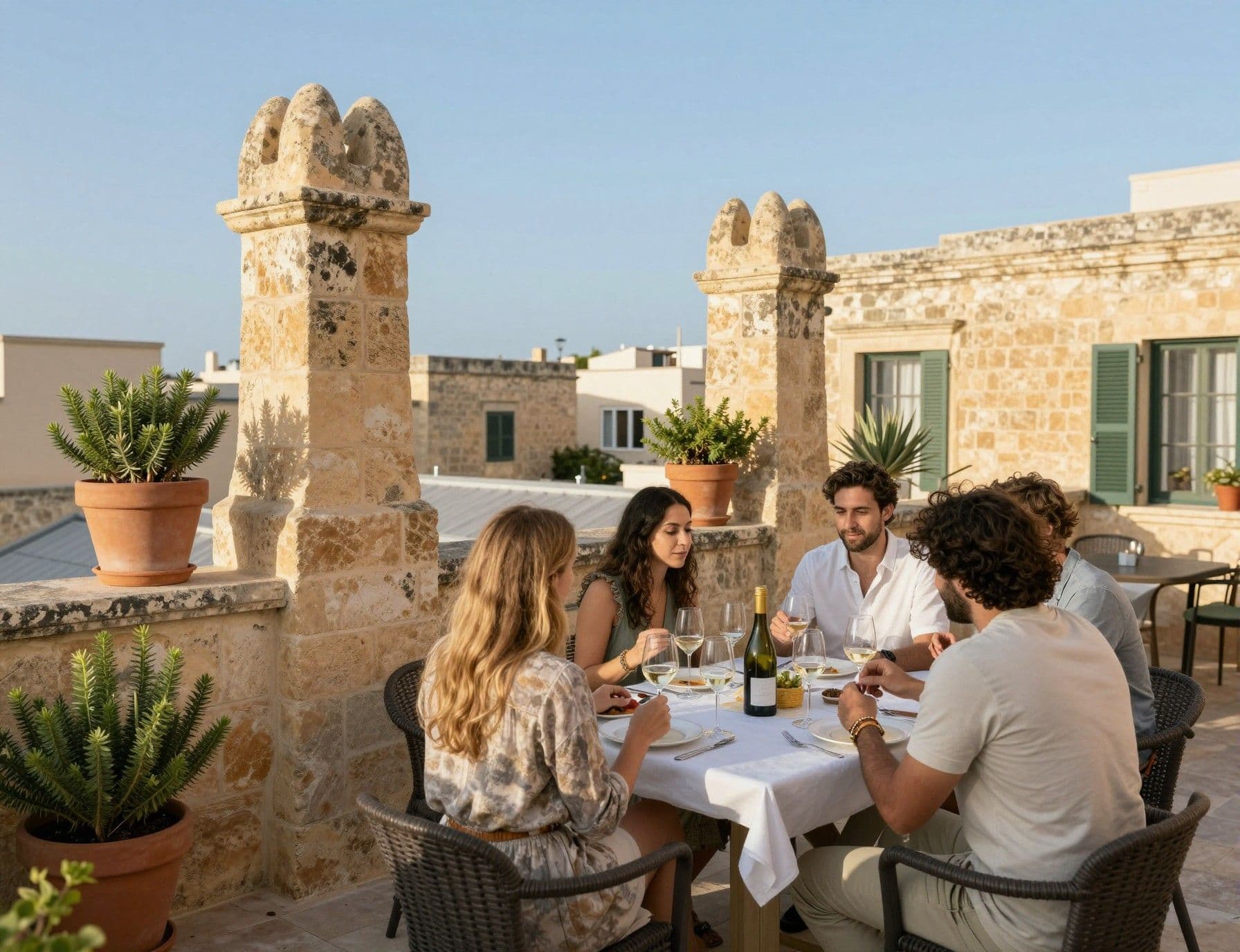
The romance of terraces and limestone must be weighed alongside market rhythms. Malta is small and tightly traded; location premiums arise quickly and neighbourhoods can change character within a few years. Recent official indices show continued price growth, reflecting robust domestic demand and tourism‑linked pressure. For buyers this means greater premium on precise local knowledge and timing: the right street can offer the lifestyle you imagined without the speculative noise.
Property types and how they shape life
Choose an apartment for proximity to cafés and services; a converted townhouse or maisonette for layered interiors and private roof terraces; a farmhouse or villa on Gozo for quieter, rural living. Each type demands different stewardship: older townhouses often require careful restoration of beams, stone and maltese balconies, while contemporary developments prioritise convenience and lower immediate maintenance.
Working with local experts who know the life
- Engage a local agent with a track record in the exact neighbourhood you desire; commission a chartered surveyor familiar with limestone construction and humidity issues; retain a notary experienced with cross‑border transactions and the particularities of Maltese conveyancing.
Insider knowledge: what expats wish someone had told them
Expat experience in Malta often follows a short arc: immediate enchantment, then a practical recalibration. You will love the compact social world; you may underestimate maintenance demands on older stone buildings; and you will discover that English makes integration straightforward but local networks matter for everything from school choice to trusted tradespeople. The best outcomes come from living first‑hand in a chosen street — even briefly — before committing.
Cultural integration and daily rhythms
Making friends in Malta is less a matter of language than of presence. Attend band club concerts, neighbourhood festas, or a farmers’ market in Marsaxlokk and you will meet people who can translate local practicalities into lived advantage. For families, local schools and extracurricular clubs form the social scaffolding; for professionals, co‑working hubs in Sliema and Valletta are effective meeting points.
Longer‑term considerations
- Plan for maintenance budgets on older properties; consider seasonal rental regulations if you intend to let; and evaluate neighbourhood trajectories — new infrastructure or planning permissions can materially influence value. Thoughtful stewardship over a decade often outperforms short‑term speculation in Malta’s compact market.
What matters most in Malta is the match between the life you want and the property’s grain: a townhouse that affords daily walks to markets; a modern apartment that frees time with low upkeep; a farmhouse that delivers quiet and land. Begin with afternoons spent in the streets you might call home. Then assemble local expertise — agent, surveyor, notary — to convert the feeling into a contract. For international buyers, the path is not merely transactional: it is the careful acquisition of a way of life.
Dutch former researcher who moved to Lisbon, specialising in investment strategy, heritage preservation, and cross-border portfolio stewardship.