VAT or 3%? How Croatia’s Taxes Shape Your Life There
Trade the postcard for daily life: in Croatia, VAT versus the 3% transfer tax shapes whether you buy a restored stone home or a turnkey apartment—plan taxes to protect lifestyle.
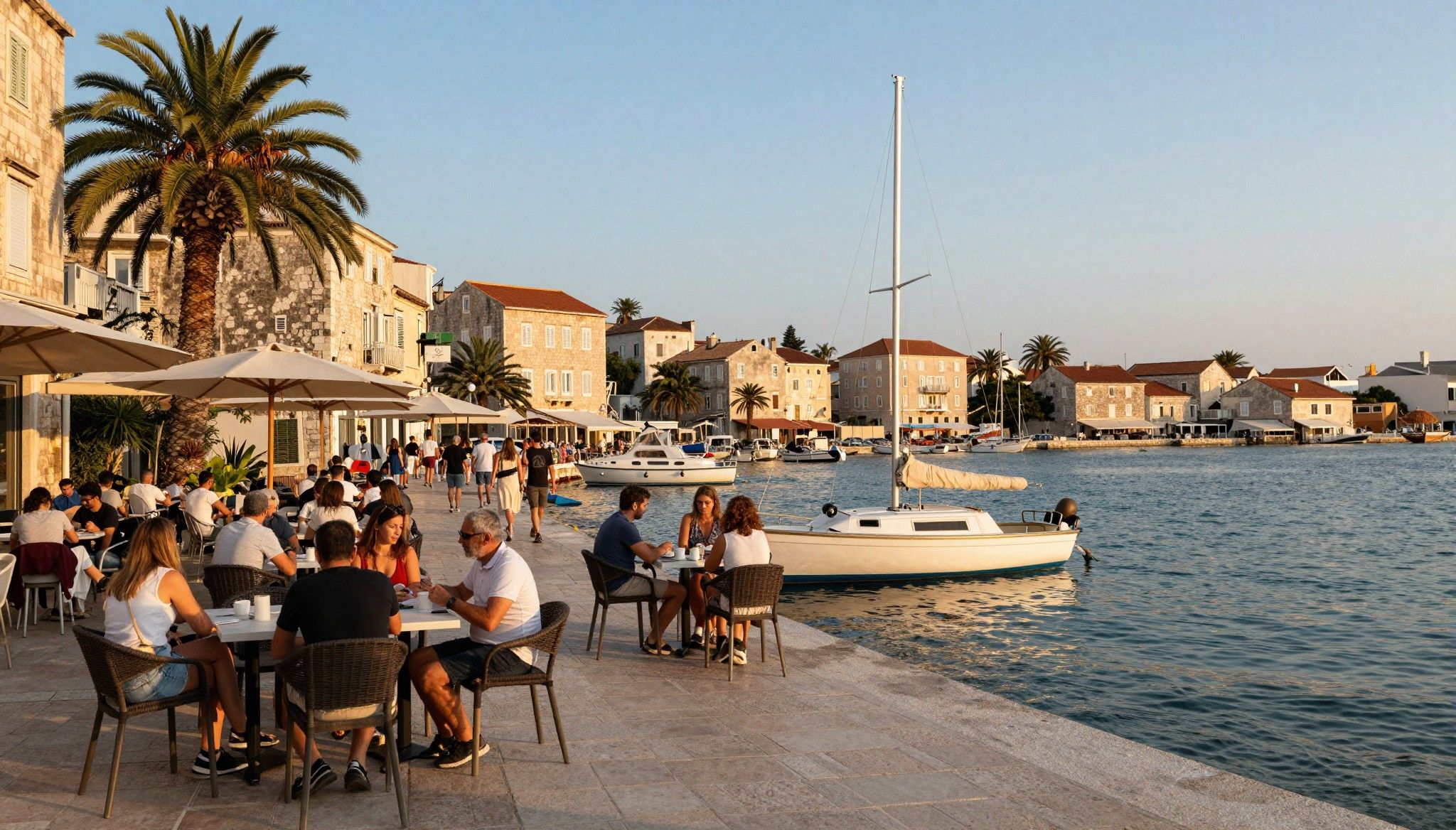
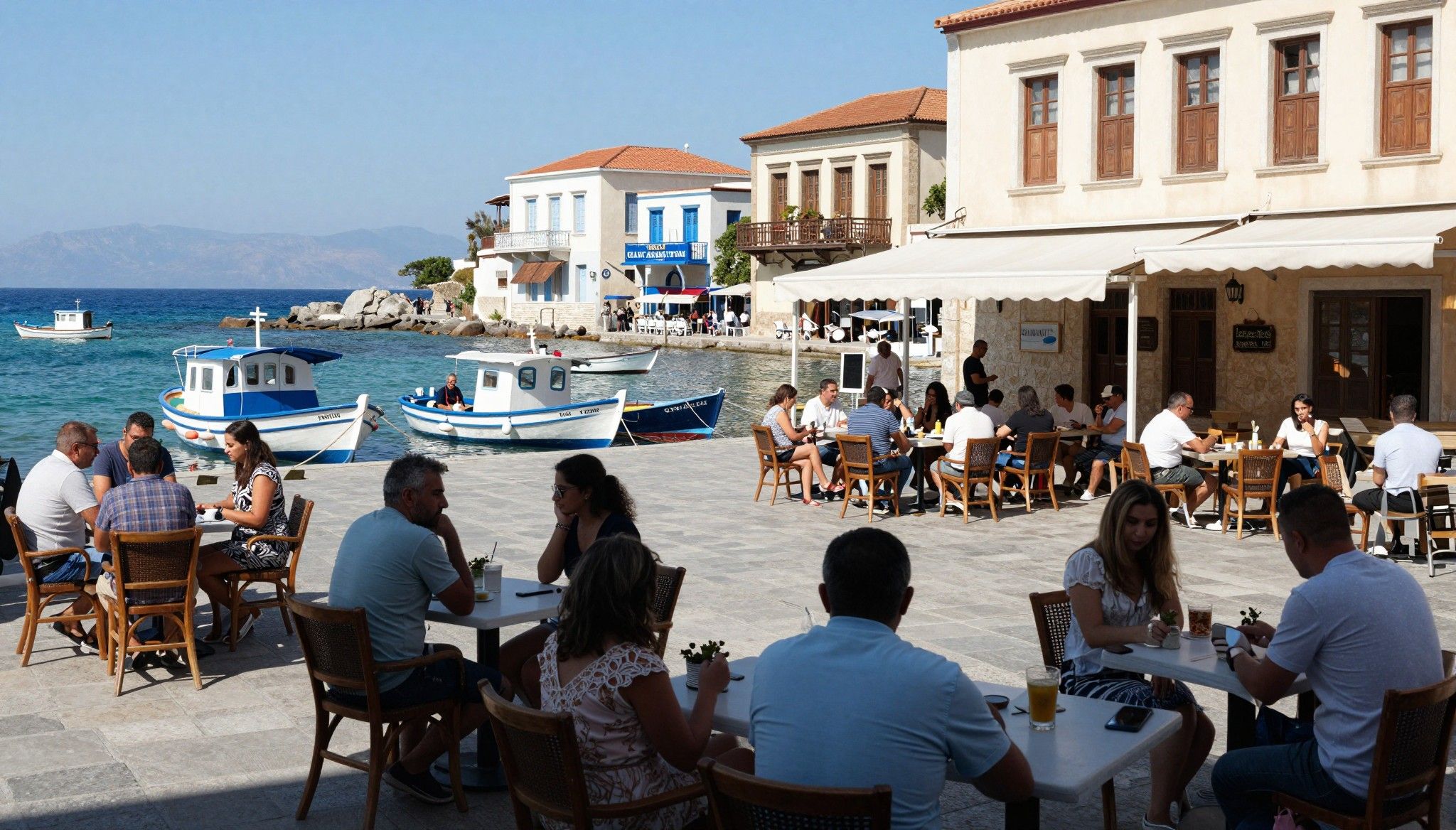
Imagine a slow Saturday in Split: espresso steamed to crema at Kava Toma beneath Diocletian's shadow, fishermen arranging mackerel on Korčula's market, and a terrace in Hvar where neighbours still haggle over the morning catch. Croatia's coast is lived-in, tactile — stone thresholds warmed by sun, narrow lanes that open to unexpected piazzas, and a sense that houses keep their stories.
Living the Croatian life — sensory, local, particular
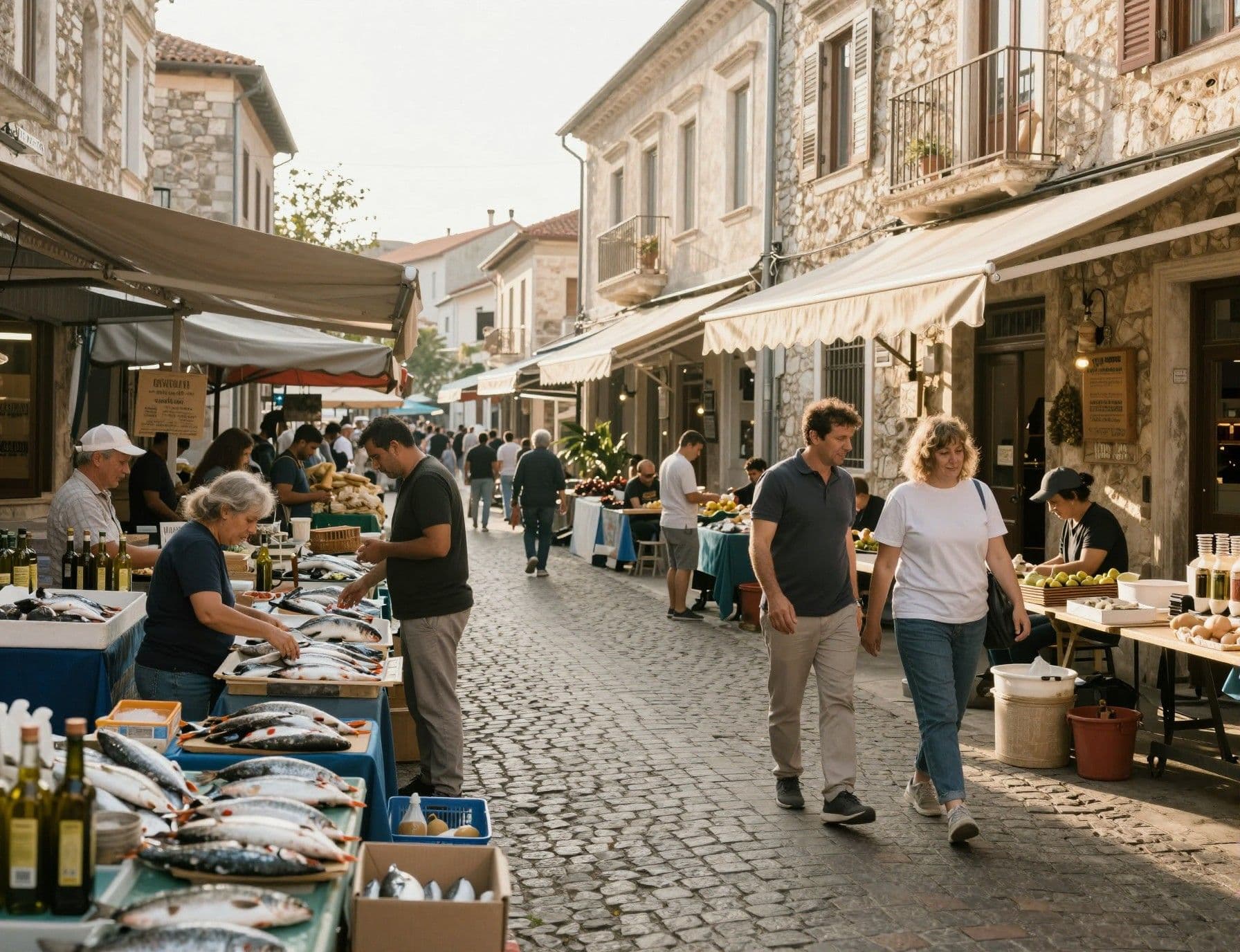
To fall for Croatia is to fall for details: the scent of olive oil at the morning market in Zadar, the way Rijeka's cafés hum during the shipyard shift change, the late‑afternoon lull on Dubrovnik's St. Dominic Street. Each coastal town and inland village writes its own rhythm; choosing a home here is less about a postcard view and more about the daily choreography of light, food and community.
Dalmatian harbours and stone thresholds: Split, Hvar, Šibenik
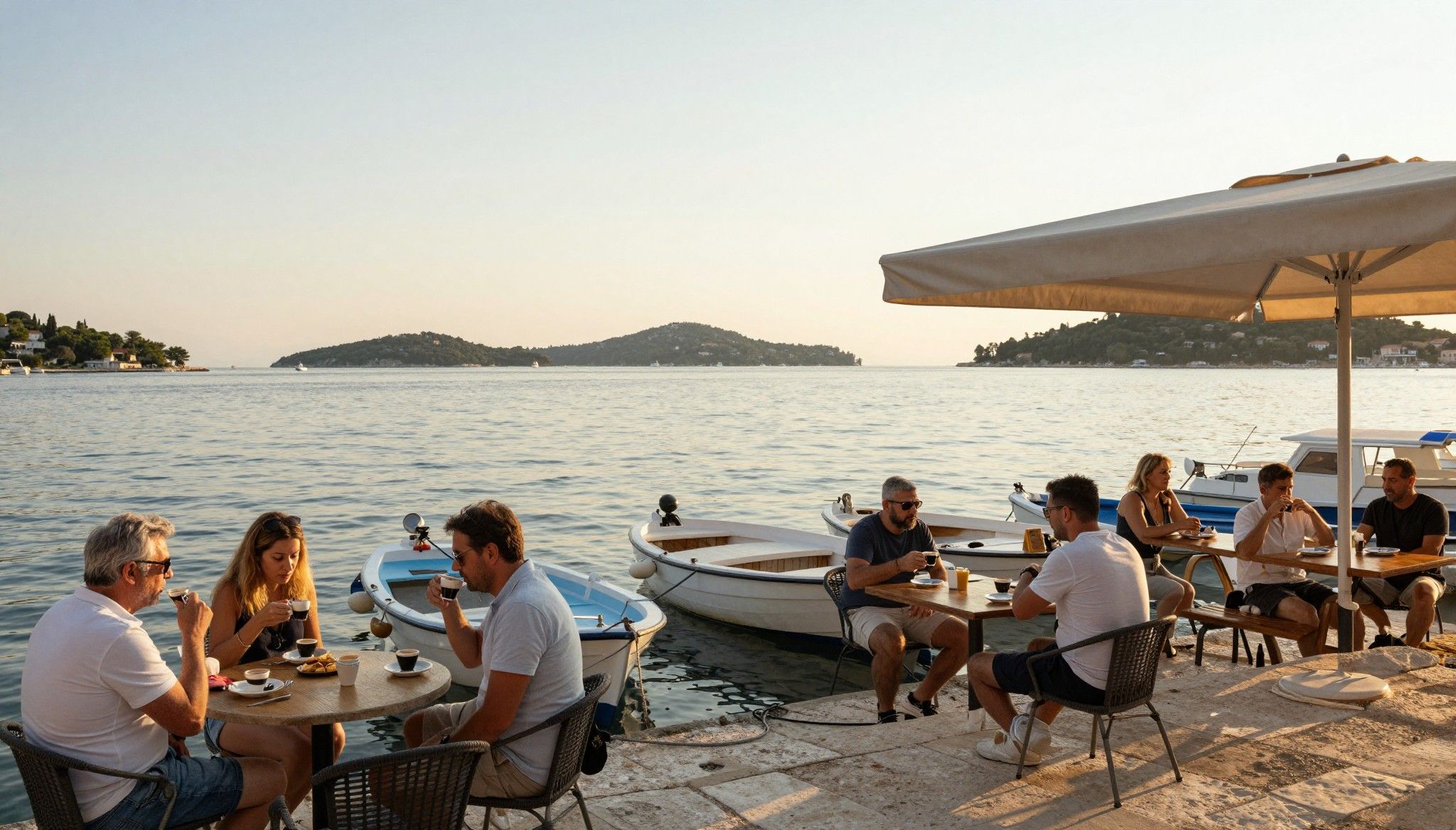
On Riva mornings you will see tradespeople, neighbours and visiting captains who exchange news over short black coffees. In Split, seek streets off Marmontova for refined restorations; in Hvar, look to the quieter east side of the island for restored stone houses with private terraces. Šibenik keeps a more provincial pace: an appealing balance for buyers who want proximity to pristine bays without the summer crowds.
Inland rhythms: Istria and the quiet hinterland
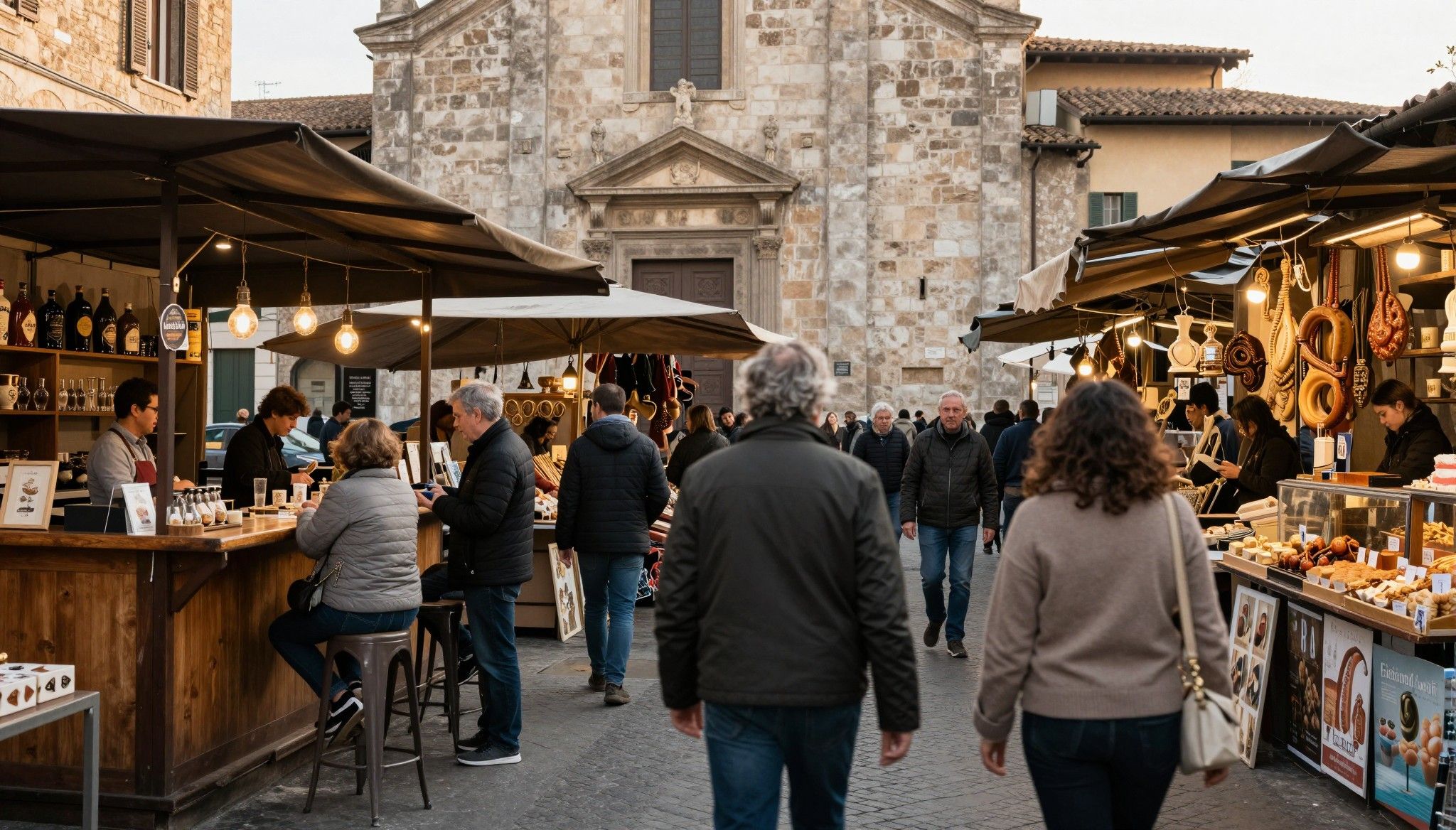
Istria offers vineyard mornings, truffle-hunting weekends and hilltop villages where renaissance palaces rub shoulders with rustic stone farmhouses. Motovun and Grožnjan feel like chapters from a different pace of life — markets, small trattorias, and neighbours who trade bottles of malvasia rather than gossip lines. For many buyers the inland is where seasonal living becomes year-round habit.
- Lifestyle highlights: markets, marinas, and neighbourhoods to know
- Morning espresso ritual — Kava Toma (Split); afternoon ice at Veneranda (Rovinj).
- Hidden beaches — Stiniva (Vis) and small pebbled coves around Lastovo for private afternoons.
Making the move: how taxes shape the lifestyle you buy
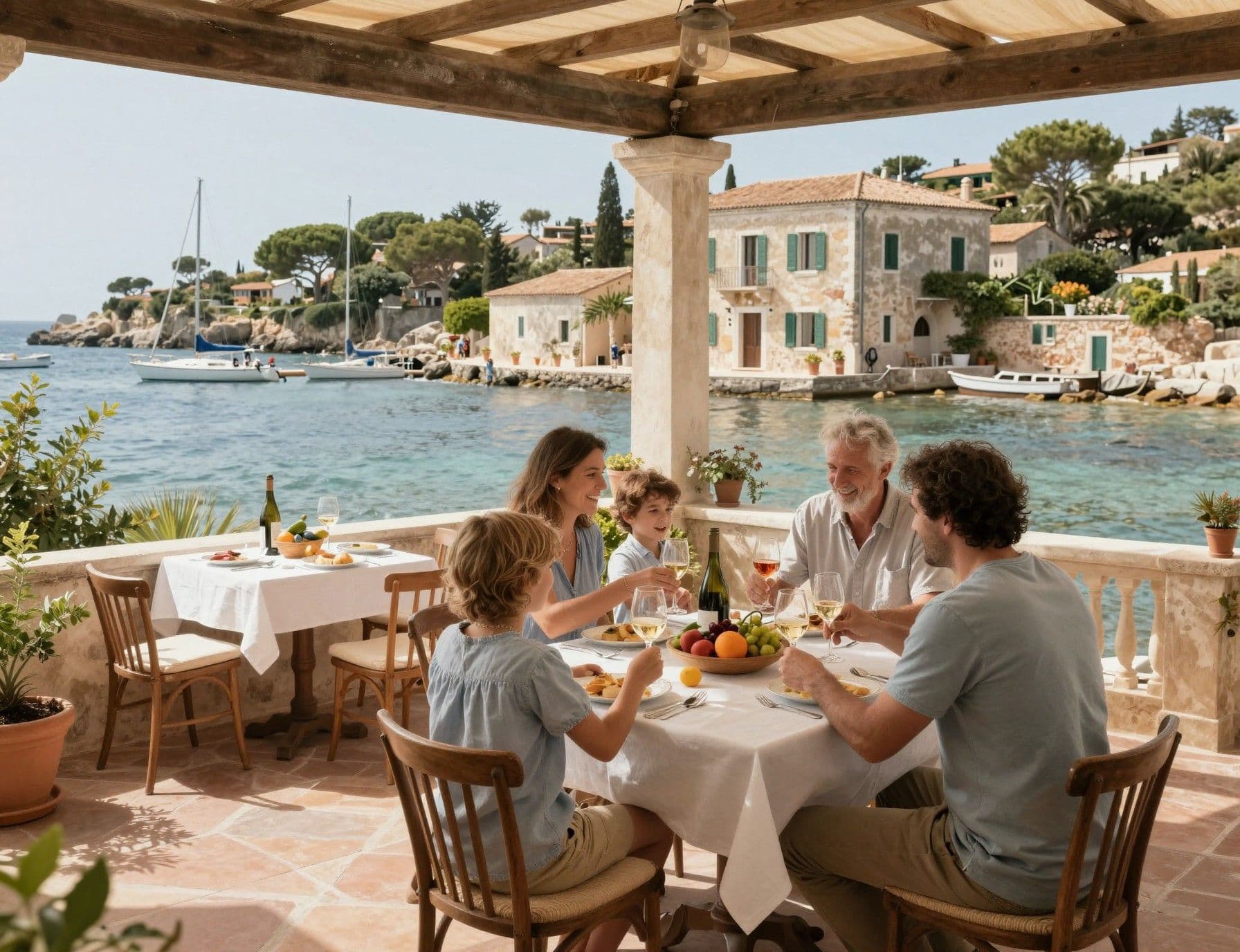
The practical truth is simple: fiscal rules quietly determine which lifestyle you can afford. In Croatia most secondary-market purchases carry a 3% real estate transfer tax; that cost nudges many buyers towards slightly older properties with character rather than newly built, VAT‑priced apartments. Understanding when VAT (25%) applies — typically on new builds sold by VAT-registered developers — is decisive for budgeting and lifestyle expectations.
Property types and what the tax choice means for living
If you choose a developer apartment with VAT included you trade the joy of a restored stone house for turnkey convenience and often modern amenities such as underfloor heating and integrated kitchens. Paying the 3% transfer tax on older properties, by contrast, can free budget for quality restoration — artisanal tiling, reclaimed timber beams, a terrace for evening aperitifs — that truly defines life here.
Working with experts who preserve the lifestyle
An agent who knows local builders, a notary familiar with coastal deeds, and a tax advisor who can model VAT versus transfer tax will protect both your purchase and the life you intend to lead. Notaries in Croatia forward sale documents to the tax administration, which issues temporary rulings — small procedural steps with real budget consequences.
- Practical steps that blend lifestyle and tax prudence
- Obtain a pre-purchase tax ruling via your notary to confirm whether VAT or the 3% transfer tax applies.
- Commission a market valuation to ensure the tax base reflects true market value rather than an inflated asking price.
- When buying older stone homes, budget 4–8% beyond the purchase price for tax, notary and restoration contingencies.
Insider knowledge: what expats wish they’d known
Expat buyers often speak of two surprises: seasonality's effect on neighbourhood life and the way taxes redirect renovation plans. A summer facade looks different in January. Annual property tax changes introduced recently mean you should model ownership costs across seasons rather than assuming a single figure suffices.
Cultural integration: language, local norms and community
Croatians value directness and reciprocity. Small gestures — learning market greetings in Croatian, patronising the same konoba, returning favours — accelerate integration and make neighbourhoods welcoming. Many long-term buyers find that modest investments in restoration and local relationships yield outsized returns in quality of life.
Long-term considerations: rental rules, capital gains and stewardship
If you plan to rent, consider local short‑stay regulations and the tax treatment of rental income; after initial years, rental yields and capital gains tax outcomes can alter whether a coastal pied-à-terre remains a sensible family asset or becomes a burdensome upkeep. Thoughtful stewardship — preserving original elements, using local craftsmen — keeps a property's provenance intact and its market appeal enduring.
- Red flags and quick checks before you commit
- Unclear land registry entries or co-ownership stains; insist on a full cadastral extract and legal clearance.
- Sellers who insist VAT applies without documentary proof — ask for the developer's VAT registration details.
- Properties with informal extensions — verify building permits before you buy; regularisation can be expensive.
- A simple due‑diligence ranking when you view a property
- 1. Title clarity — no encumbrances and clear parcel registry.
- 2. Tax model check — confirm VAT vs transfer tax with notary.
- 3. Restoration estimate — three quotes for works and a margin for surprises.
Conclusion: buy the life, prepare for the ledger. Croatia rewards those who value provenance and thoughtful living. Arrange a notary-led tax ruling early, work with an agent steeped in local craftsmen and permits, and allow your budget to respect both the property’s soul and the state's fiscal rules. In doing so you purchase more than stone and timber — you buy a rhythm of life you will come to know by name.
Relocating from London to Mallorca in 2014, I guide UK buyers through cross-border investment and tax considerations. I specialise in provenance, design integrity, and long-term value.