Greece: Neighbourhood Rhythm, Not Just Address
Practical, season‑aware neighbourhood analysis of Greece: from Kolonaki’s urbane calm to Crete’s lived‑in islands, with market data and tactical questions for buyers.
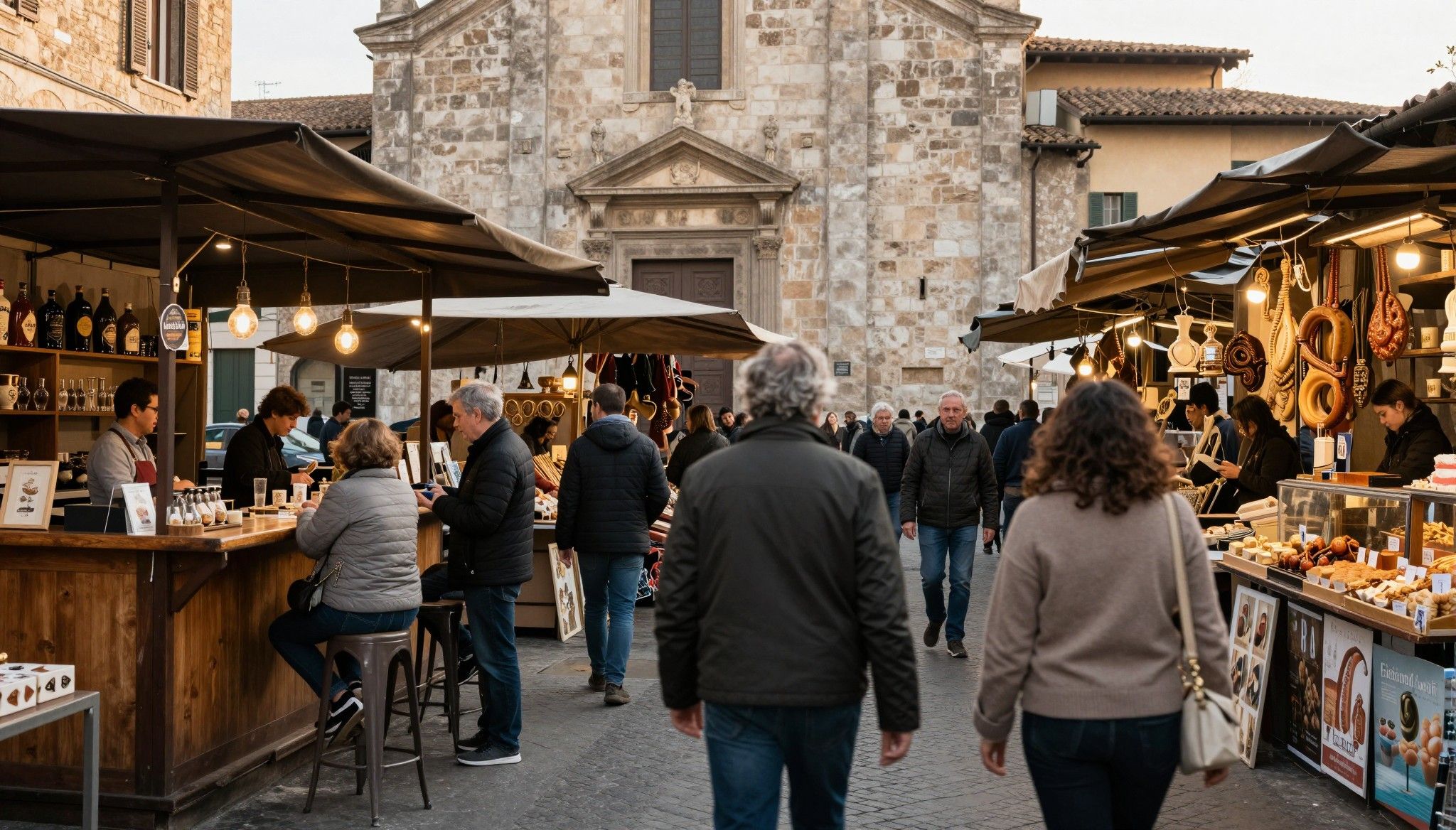
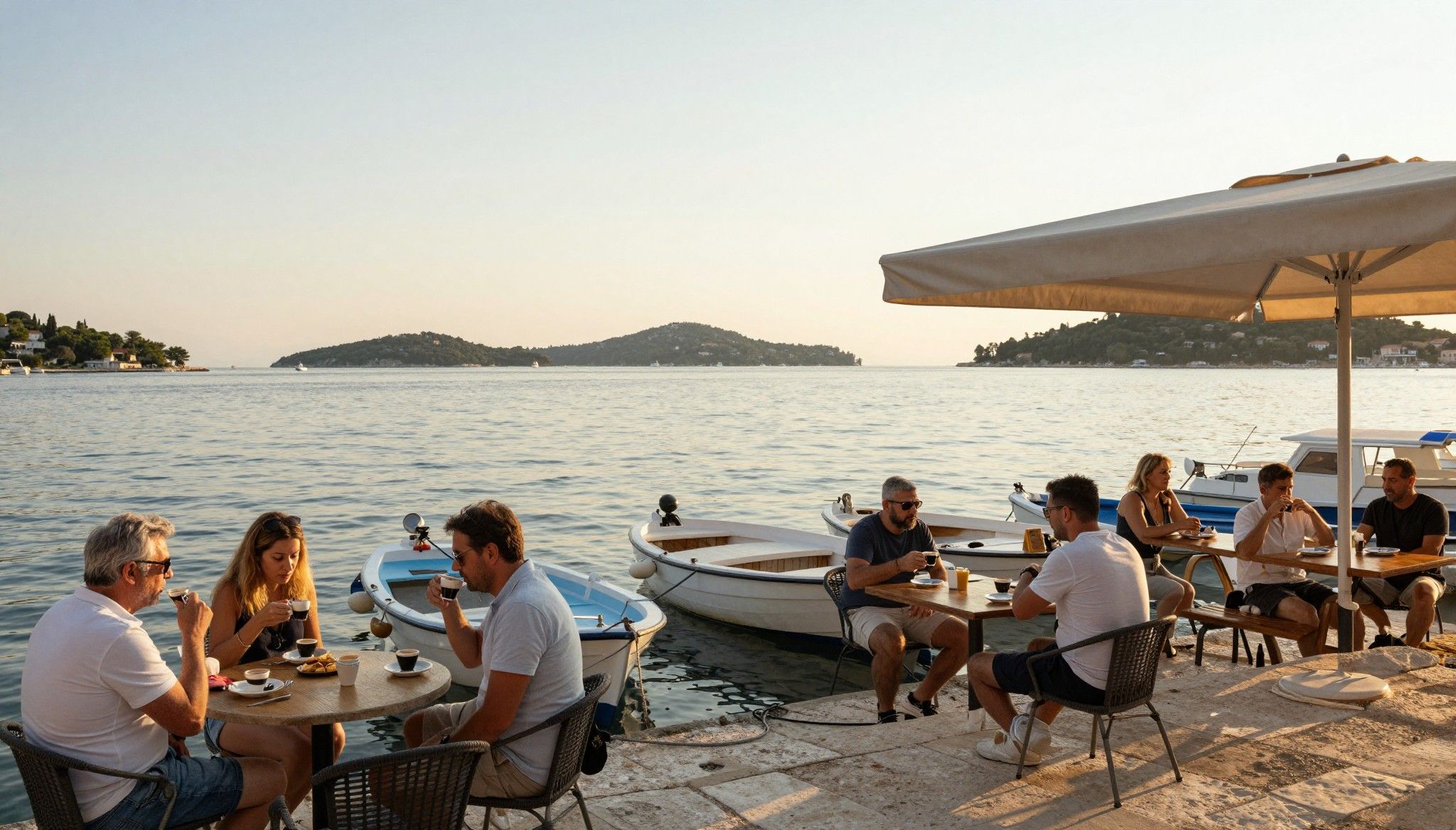
Imagine a Sunday morning in Koukaki: light spills through a plane‑tree canopy, an elderly vendor arranges crimson tomatoes at the pavement market, a barista pulls a slow espresso while tourists drift toward the Acropolis. That ease — food on the street, old stones, urban rhythms that fold into sea breezes within an hour — is what draws many of us to Greece. Yet the decision to buy here asks for more than sentiment; recent market reports show meaningful momentum in urban and island markets, and a useful purchase begins with knowing which neighbourhood rhythm suits the life you want.
Living the Greek Life: City, Suburb and Sea
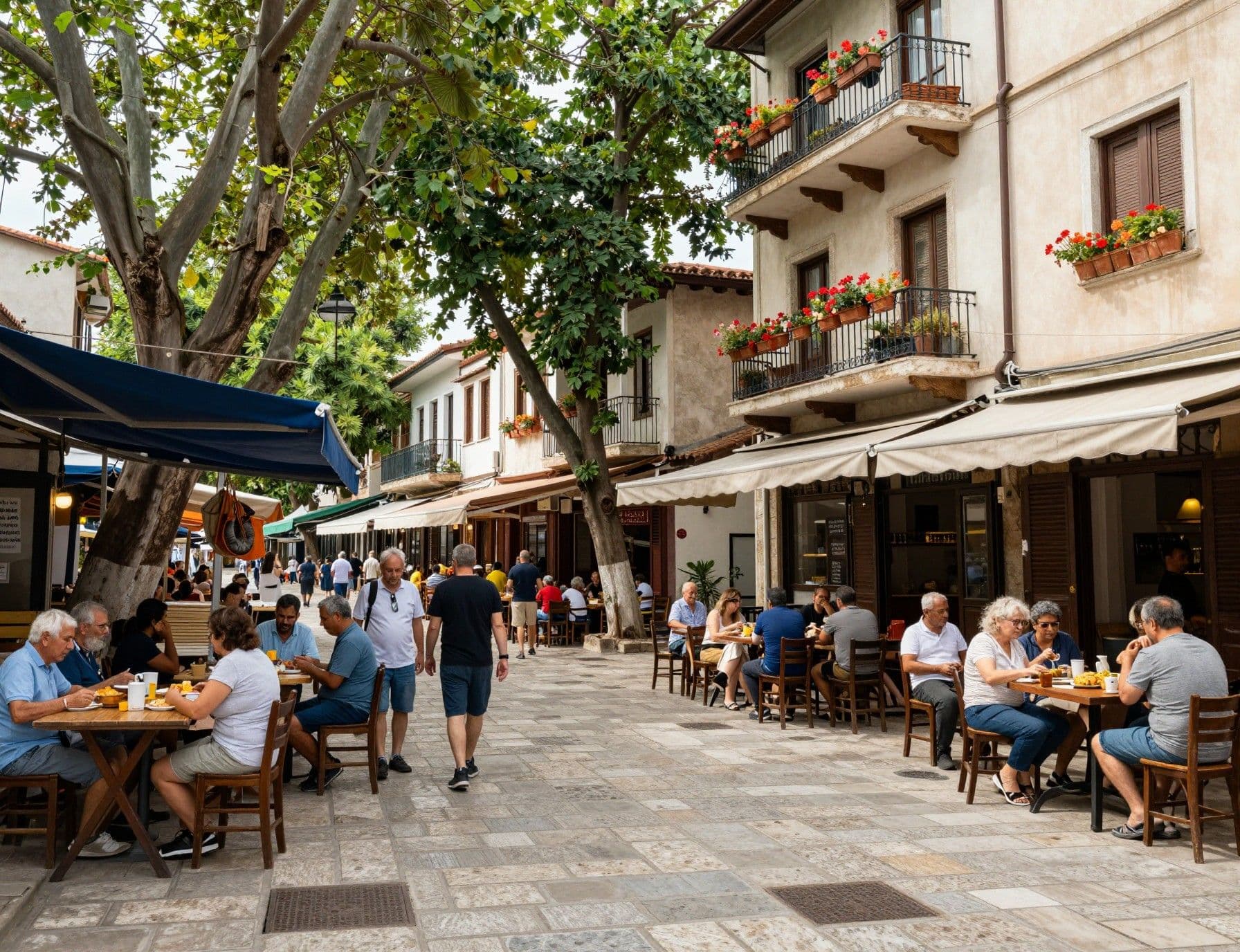
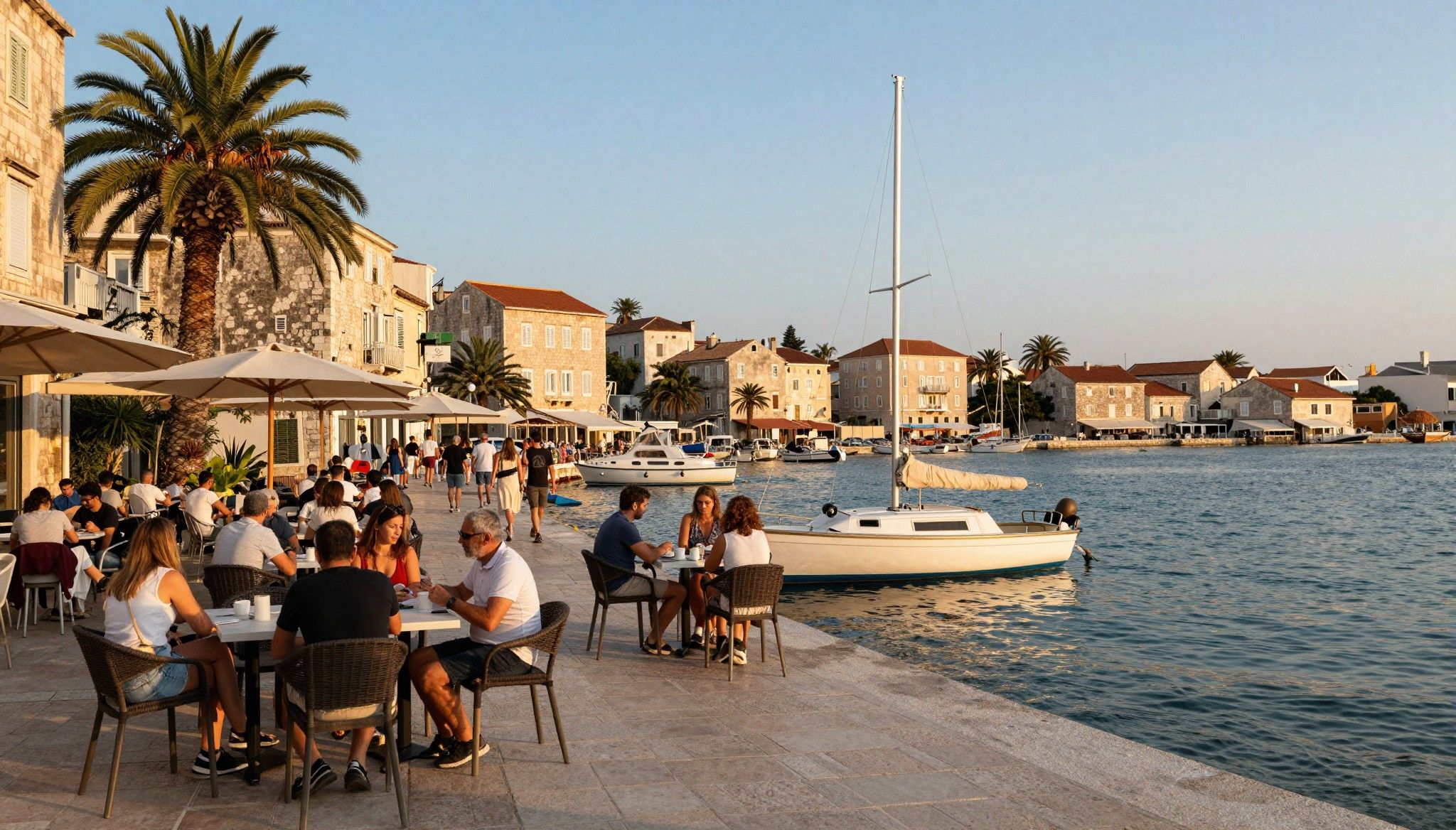
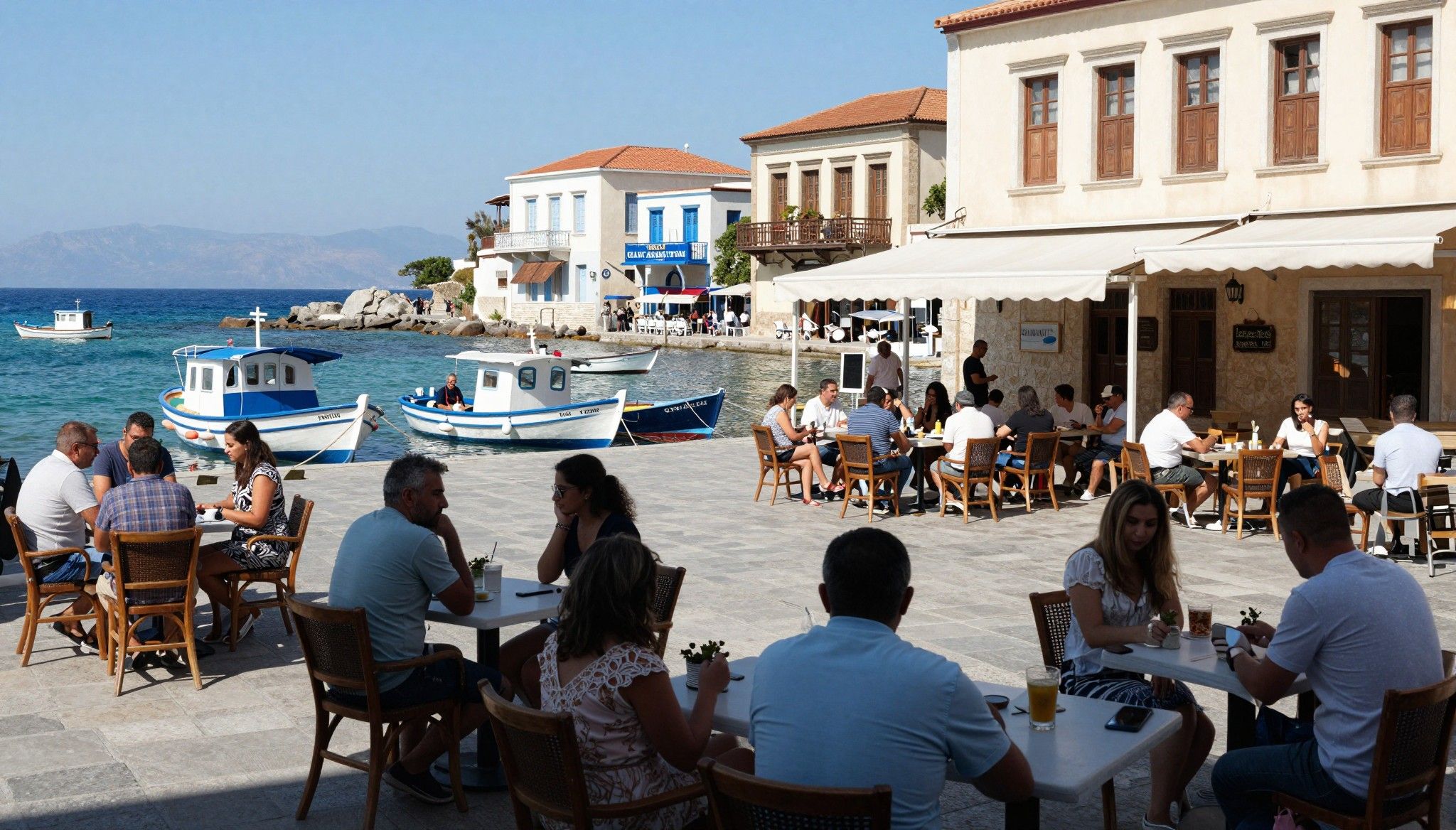
Greece folds a dozen lifestyles into one small country: Athens centres life around cafes, galleries and small public squares; northern suburbs like Kifisia offer leafy villas and cooler summers; the islands trade anonymity for seasonal vividness and views. For many internationals the choice is not only sea versus city but cadence — do you want the measured, year‑round social fabric of a suburb or the intense, tourism‑shaped seasonality of an island village?
Athens: where neighbourhood character matters more than postcode
Walk from Syntagma to Kolonaki and you pass museums, discreet boutiques and terraces where conversations last. Kolonaki presents a compact, walkable prestige — limestone facades, mid‑century apartment blocks with restored lobbies and a strong after‑work wine bar scene. Meanwhile Koukaki and Pangrati appeal to buyers who value proximity to culture without the souvenir‑shop energy of Plaka; the street life there feels residential rather than performative.
Islands and Crete: seasonal drama, year‑round stewardship
On Crete, Chania and Rethymno blend authentic markets and tourist infrastructure; prices and rents there rose notably through 2024–25 as short‑term demand tightened supply. Islands such as Paros and Naxos retain a quieter provenance than Santorini or Mykonos, making them attractive where understated cultural life matters more than headline cachet. The practical effect: if you buy for living rather than pure yield, choose places where the off‑season still feels like life, not a ghost town.
- Lifestyle highlights: cafés, markets and small pleasures - Morning espresso at Koukaki’s Funky Gourmet café; stroll up to Filopappou for city views - Sunday fish market in Chania followed by a taverna lunch on Parodos Sifaka - Aperitifs at a Glyfada marina bar as dusk softens the Aegean - Winter museum nights in Athens’ Kolonaki and neighbourhood bookshops - A short ferry ride from Piraeus to islands offering weekend sanctuary
Making the Move: Practical considerations that preserve lifestyle
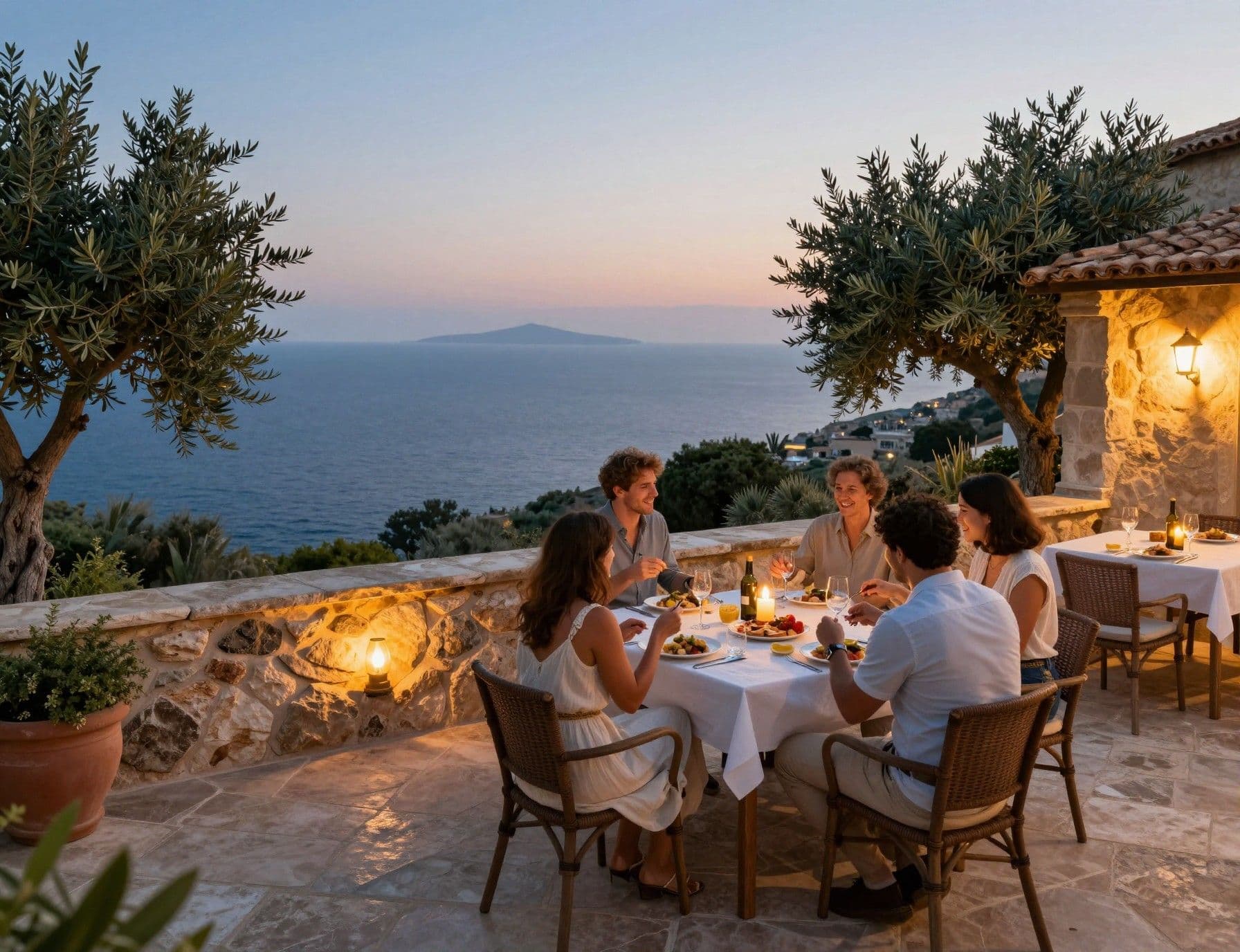
The romance of a terrace with sea views needs to be anchored to market reality: national residential prices rose through 2024–25 and prime pockets in Athens and the islands continued to appreciate. That makes timing, neighbourhood selection and an agent who understands seasonality essential. A property bought in an overhyped tourist core will feel different in November than in August; choose a location where the year‑round life reflects your priorities.
Property types and what they enable
A neoclassical apartment in Kolonaki offers formal rooms and parquet floors that reward careful restoration; a Cycladic stone house on Naxos demands climate‑sensitive detailing — shutters, thick walls and shade‑oriented terraces. Consider not only footprint and view but fabric: masonry thickness, roof insulation, and provenance of finishes determine living comfort and lifecycle costs. If you want year‑round habitation, favour properties with reliable access to services and winterised systems.
- Working with local experts: lifestyle questions to ask 1. Which neighbourhoods still host authentic community life in winter? 2. How does short‑term rental pressure affect quiet streets and long‑term community? 3. Can the property support modern systems (heating, insulation, water storage) without losing its character? 4. What nearby cafes, markets and schools define daily life here? 5. Are there local planning constraints that affect restoration or extensions?
Insider Knowledge: what expats wish they'd known
Many buyers arrive with one assumption — that a seaside purchase is always a safe investment. The reality is nuanced: policy changes to residence‑by‑investment rules in 2024–25 altered thresholds and qualifying uses, and local planning regimes vary by municipality. Experienced expats advise testing a neighbourhood in different seasons and asking whether the local community supports year‑round life or primarily tourist rental models.
Cultural integration: small courtesies that matter
Learning a few phrases, favouring local shops and attending a neighbourhood feast day open doors quickly. Greeks value reciprocity; introductions through a café owner or a local architect often lead to practical help during renovations. For a purchaser, cultural fluency lessens friction with craftsmen, municipal officers and neighbours — and transforms a house into a home.
If you imagine mornings in a sunlit kitchen and evenings at a local taverna, take the next practical step: arrange a season‑spanning visit, meet an agent who specialises in the neighbourhood rhythm you prefer, and ask for comparable sales that show winter occupancy as well as summer demand. With careful curation — and an advisor who treats provenance and craftsmanship as value, not marketing — a Greek property can become both a lasting home and a considered investment.
Former Copenhagen architect who relocated to Provence, offering relocation services, market analysis, and a curator’s eye for authentic regional design.