Croatia: Tax-Smart Moves That Protect Your Lifestyle
A lifestyle-first tax guide to buying in Croatia: how transfer tax, VAT and new municipal property levies change timing, structure and true ownership costs.
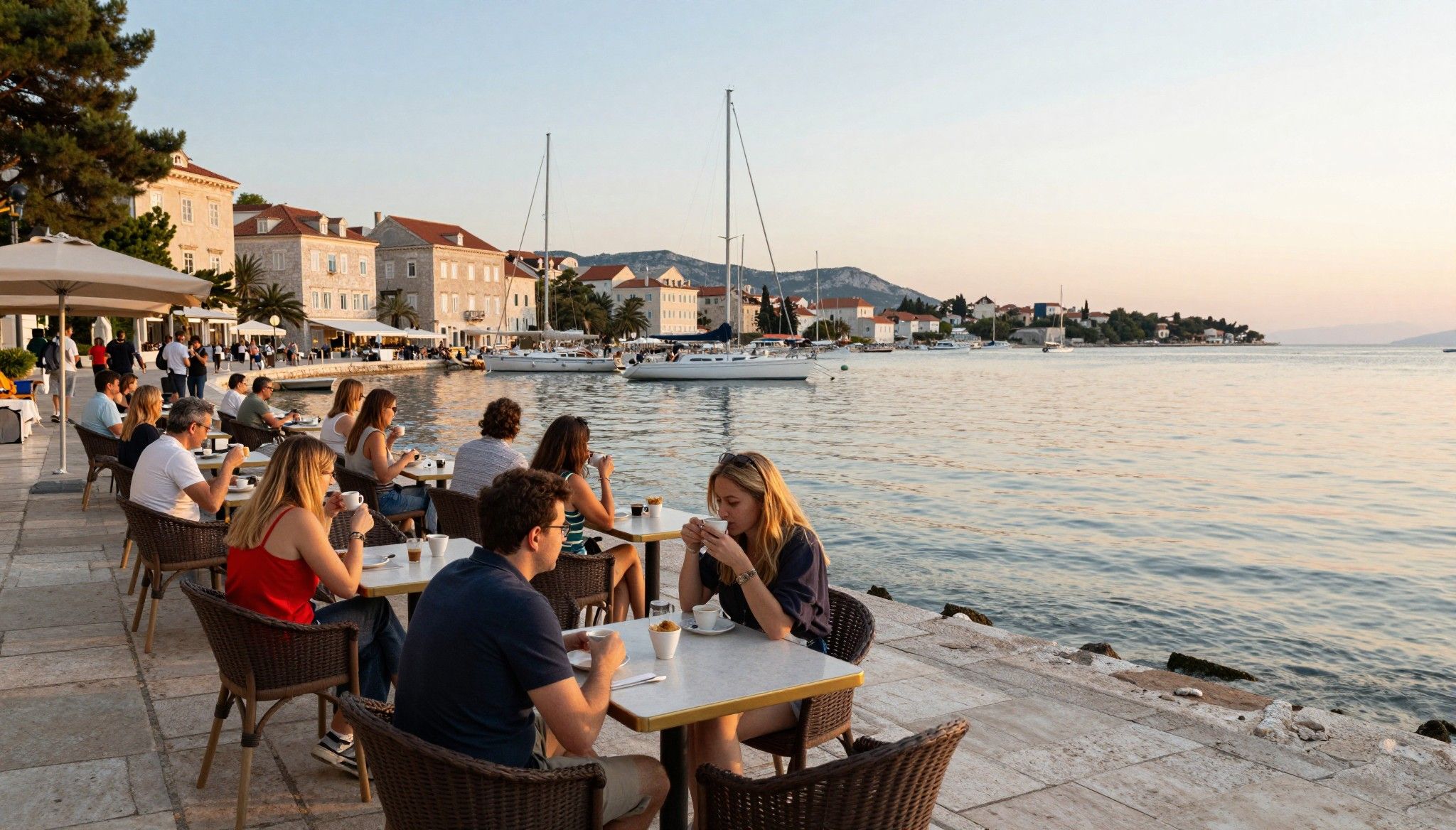
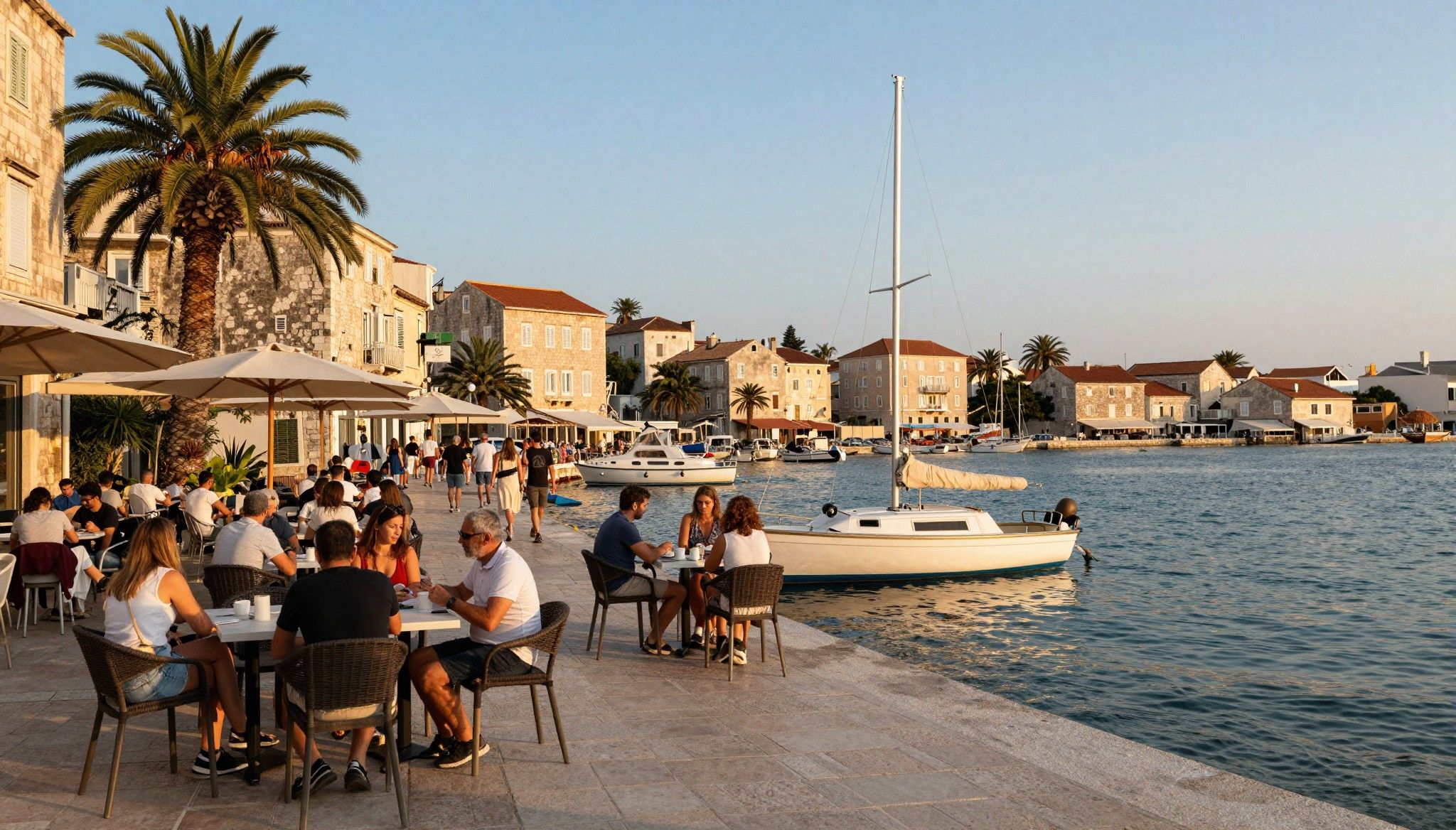
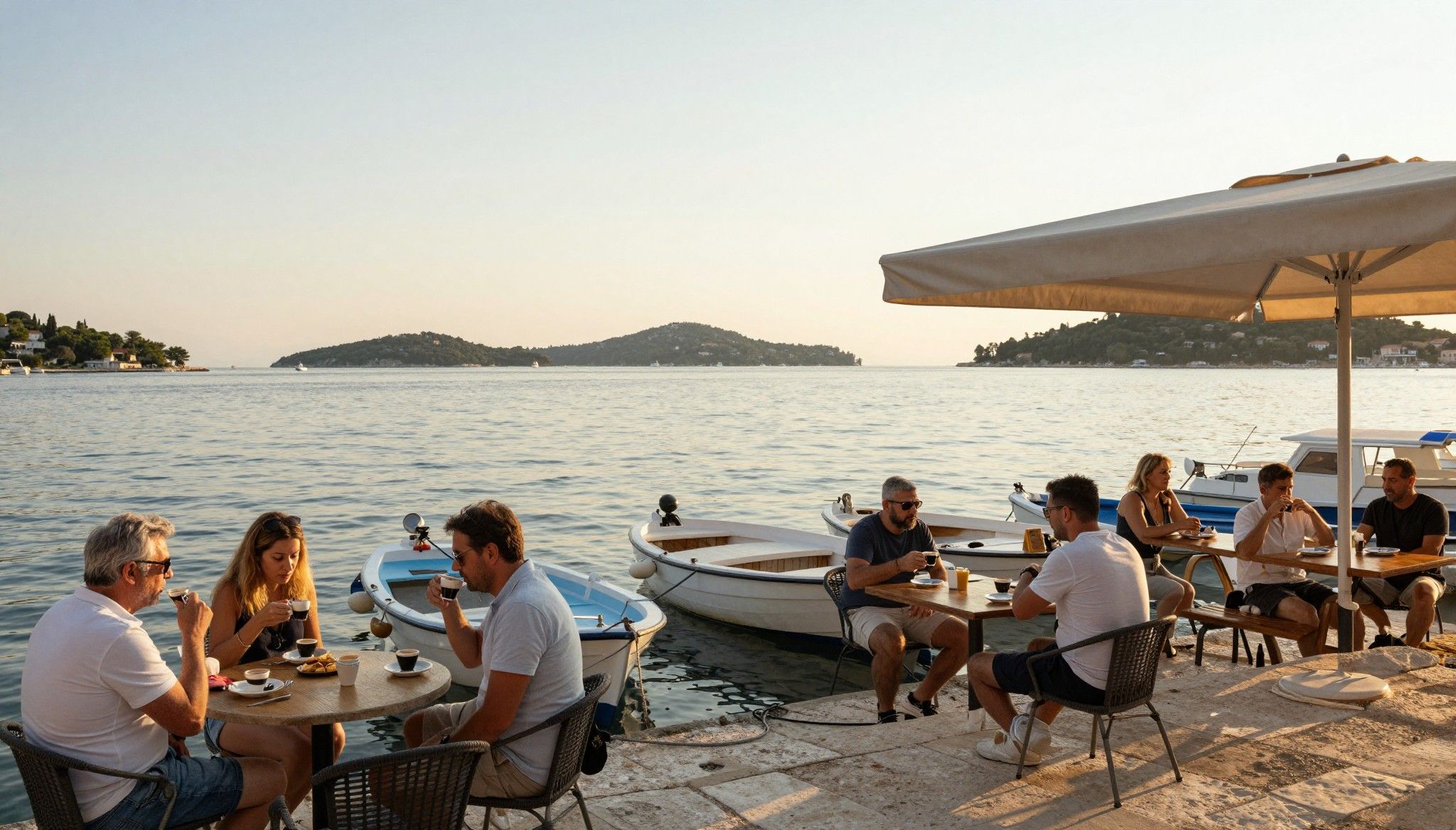
Imagine a late-afternoon café terrace in Dubrovnik's Ploče neighbourhood: espresso, the clack of bowls from a nearby konoba, and limestone façades cooling as the sea breeze arrives. That scene is what draws many of us to Croatia — a rhythm of coastal mornings and quiet, craft-led afternoons in towns such as Rovinj, Split and Trogir. Yet the romance of place meets a precise, modern tax and legal framework; understanding it early preserves both the lifestyle you crave and the capital you steward. This guide pairs atmospheric observation with targeted tax planning so you can buy with confidence and still spend evenings at that terrace.
Living Croatia: places, pace and practical pleasures
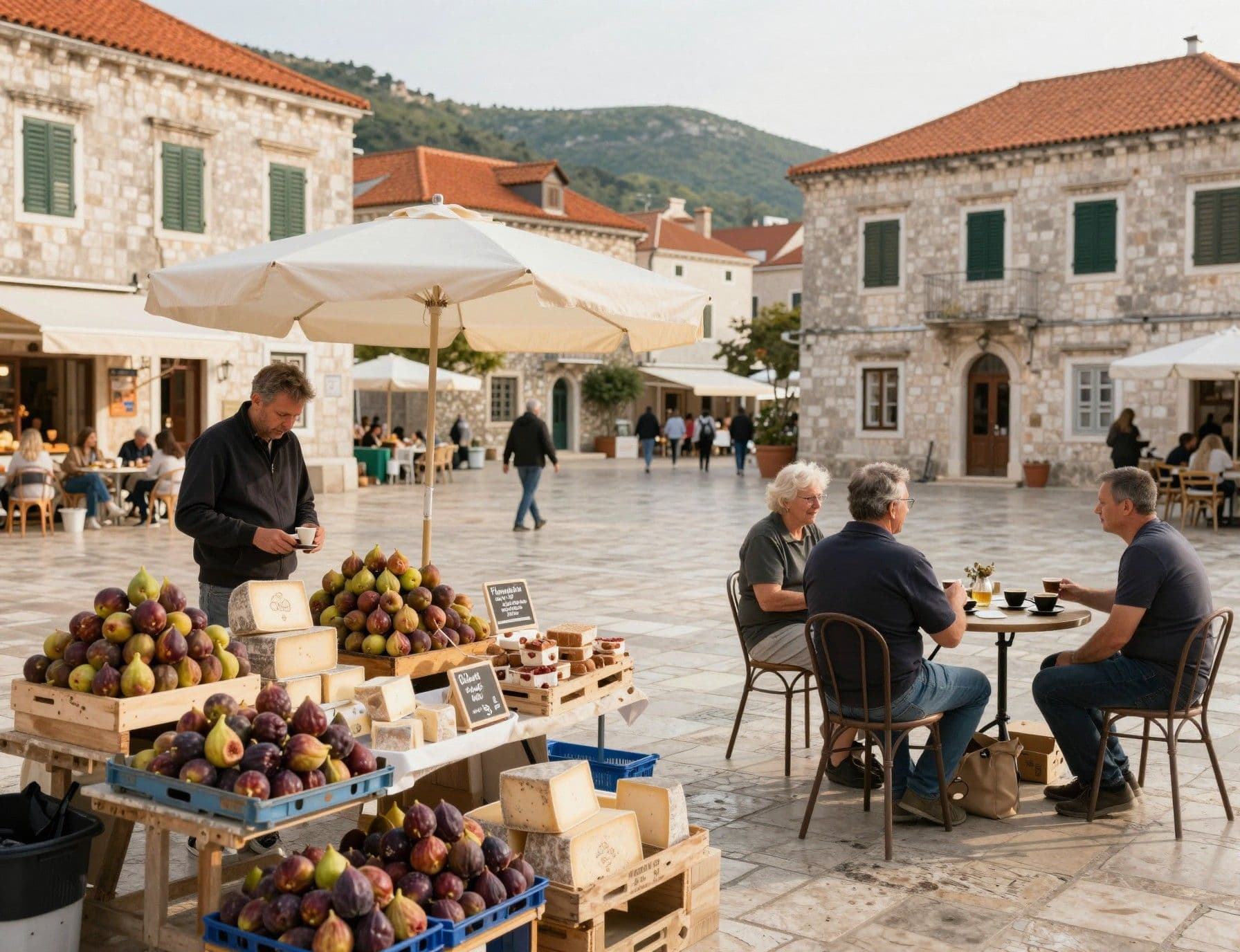
Living in Croatia feels like a choreography between sea and town: markets at dawn, siesta-like pauses in the heat of the day, and then long convivial evenings. The coastal towns keep a measured tempo — fishermen at the piers, families at bakers, and neighbourhood konobas that know your name. Inland, Zagreb offers a more structured urban life of galleries, classical cafés and tree-lined promenades. For a buyer, these rhythms determine not just where you want to live, but how you use a property across seasons and what taxes or municipal charges you will practically encounter.
Coastlines and old towns: Rovinj, Split, Hvar and Dubrovnik
Rovinj's narrow lanes and Venetian stone, Split's bustle around the Diocletian cellars, Hvar's lavender-dusted terraces and Dubrovnik's sea-facing promenades each offer distinct daily pleasures. Properties here are often restoration projects: exposed stone, timber beams and small courtyards that invite outdoor living. That character attracts buyers seeking provenance and craft, but it also means renovation costs, heritage constraints and municipal fees must be factored into ownership plans. Local zoning and cadastral records will reveal what is possible before you commit.
City life and countryside: Zagreb, Istria’s inland villages
Zagreb delivers cultured urban living — classical concerts, artisan bakeries and galleries — while inland Istrian villages offer truffle hunts, vineyard stewardship and a quieter calendar of local festa. These differences affect tax exposure and running costs: municipal property taxes vary by local government decisions; utilities and maintenance costs differ markedly between islands and mainland. Think beyond purchase price: your weekly rhythms (market visits, vineyard management, commuting) will shape the type of property that suits both life and budget.
Making the move: tax realities that shape lifestyle choices
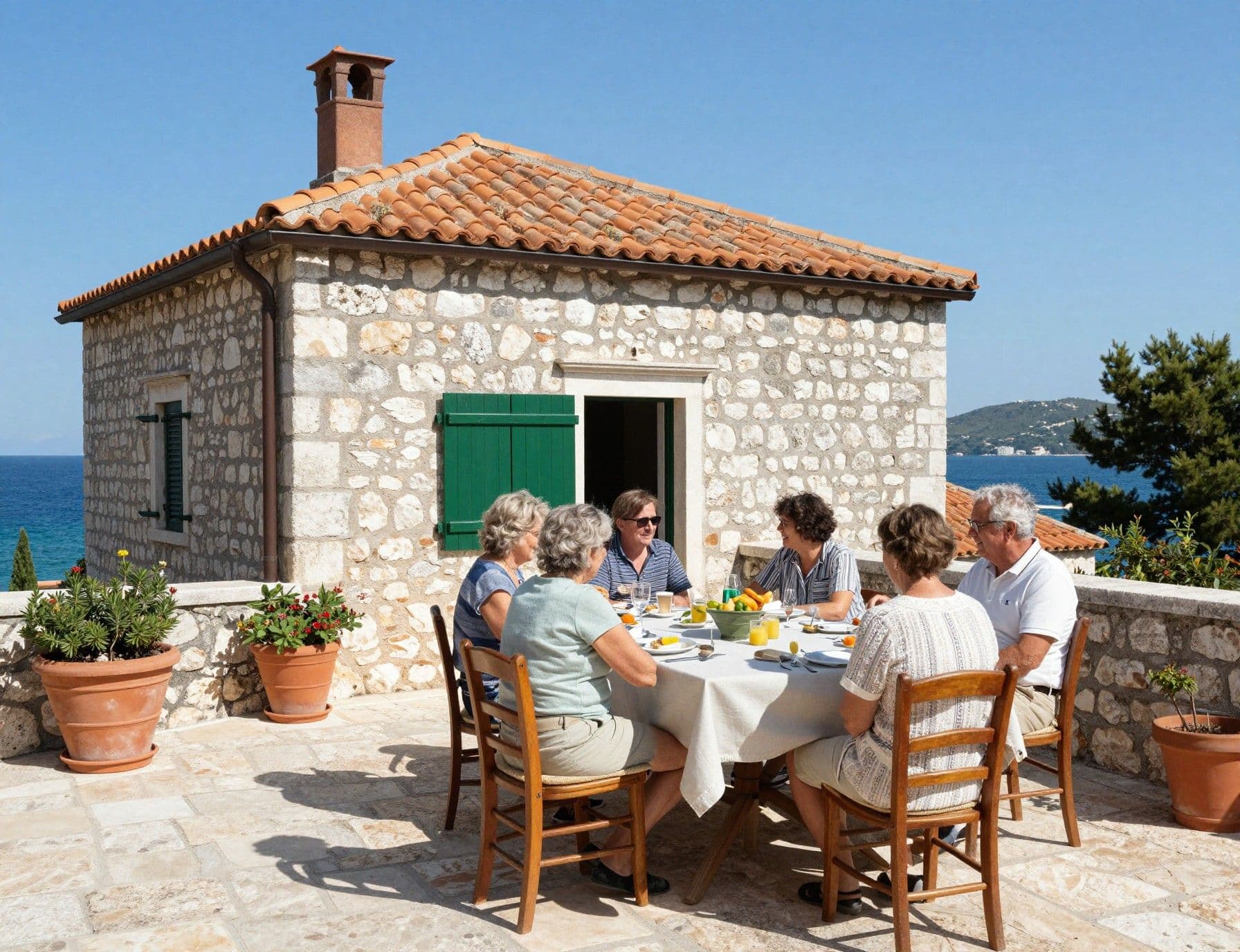
If you love the idea of restoring a stone house in Dalmatia, you must also love the arithmetic that accompanies ownership. Croatian law distinguishes transactions taxed by VAT (typically new builds or commercial conversions) from those subject to a real estate transfer tax (commonly 3% of the market value). Since 2025 a national property tax framework has been formalised, with municipalities setting annual rates (reported between €0.60 and €8.00 per m2 in many areas). These three elements — VAT, transfer tax and annual municipal property tax — materially affect ongoing affordability and rental return calculations.
Why 3% transfer tax matters (and when VAT replaces it)
Most resale properties are subject to the 3% real estate transfer tax, payable by the buyer at the point of transfer. New-builds or conversions sold by developers often carry 25% VAT instead, which can change the optimal purchase structure for second homes or investment properties. The choice between a resale and a new-build therefore influences short-term cashflow and long-term stewardship: VAT can be recovered or offset in some business structures, whereas the transfer tax is generally a direct, non-recoverable cost. Discussing this with a tax adviser before signing avoids costly surprises.
Municipal property tax: a new running cost to plan for
From 2025 municipalities set annual property tax within national parameters, meaning coastal towns with tourism economies typically sit at the higher end of the scale. Expect to budget for an annual levy that reflects usable area and property category — a modest town apartment will attract a different rate than a converted villa on an island. For buyers intending seasonal rentals, this tax changes net yield calculations and may influence whether you operate through a local company or as a private owner. Ensure your pro forma includes a municipal tax line.
Insider knowledge: strategies that preserve lifestyle and capital
A few small adjustments in structure and timing can materially protect your lifestyle budget. International buyers often overlook how the method of purchase — direct, via a Croatian company, or through an EU-registered entity — affects VAT exposure, tax reporting and estate planning. Similarly, the season you close and the condition you accept (turnkey versus raw shell) change immediate costs and the first year of enjoyment. These are not academic points; they determine whether you spend your first summer in Croatia renovating or relaxing at the terrace café.
Five practical tax-smart moves
- Engage a local tax lawyer pre-offer to verify cadastral records, previous ownership and any encumbrances; early legal clarity avoids deal collapse.
- Model VAT vs transfer-tax scenarios with your accountant — new builds may look attractive but can increase upfront tax significantly.
- Plan for the municipal property tax by checking the local municipality's tariff; coastal municipalities often levy higher per-m2 rates.
- Consider purchase timing: closing after tourist season can reveal true running costs (utilities, maintenance, property management) rather than inflated summer estimates.
- If you intend to rent, register and plan tax treatment early — short-term rental income is taxable in Croatia and reporting affects net yield and residency considerations.
Work with specialists who preserve both lifestyle and capital
An agency that understands heritage properties, municipal idiosyncrasies and tax structuring is a lifestyle enabler rather than a simple listing service. They advise which quarters have sympathetic restorations, where neighbours are protective of village rhythm, and which municipalities are pragmatic about building consents. For an international buyer, that counsel turns a good property into a lived home and avoids the distress of surprise charges or planning refusals. Choose advisors who can introduce tax counsel, not just arrange viewings.
What expats wish they'd known: real-life cautions
Expats commonly recount two regrets: underestimating the time and cost of sympathetic restoration, and assuming municipal rates mirror national averages. A restored stone house may reveal structural surprises; planning permission can be slow in historic cores; and service provision on islands often raises maintenance costs. Those lessons matter because they transform an aesthetic purchase into a sustainable way of life. Accept that stewardship in Croatia is partly about patience and partly about local knowledge.
Three-step checklist before you sign
- Commission an up-to-date land-registry extract and a notarial pre-check to confirm ownership, easements and access rights.
- Obtain a written estimate of municipal property tax and utility costs for at least the first two years to feed into cashflow models.
- Ask for a VAT vs transfer-tax analysis from your tax adviser to decide the most efficient buying structure for your intended use.
Croatia rewards careful buyers with a life of market mornings, limestone courtyards and convivial neighbourhoods. If you pair that sensibility with early tax planning and local expertise, you preserve both the lifestyle you imagined and the capital it takes to sustain. When you are ready to explore options, a local agency that speaks in cadastral numbers and café names will be the most useful companion: they translate municipal practice into days spent on terraces rather than on paperwork.
Relocating from London to Mallorca in 2014, I guide UK buyers through cross-border investment and tax considerations. I specialise in provenance, design integrity, and long-term value.