Why Sliema’s ‘Expensive’ Tag Overlooks Lasting Value
Why Sliema’s price tag hides durable lifestyle value — a neighbourhood-led view of Malta with data-backed market context and actionable steps for buyers.
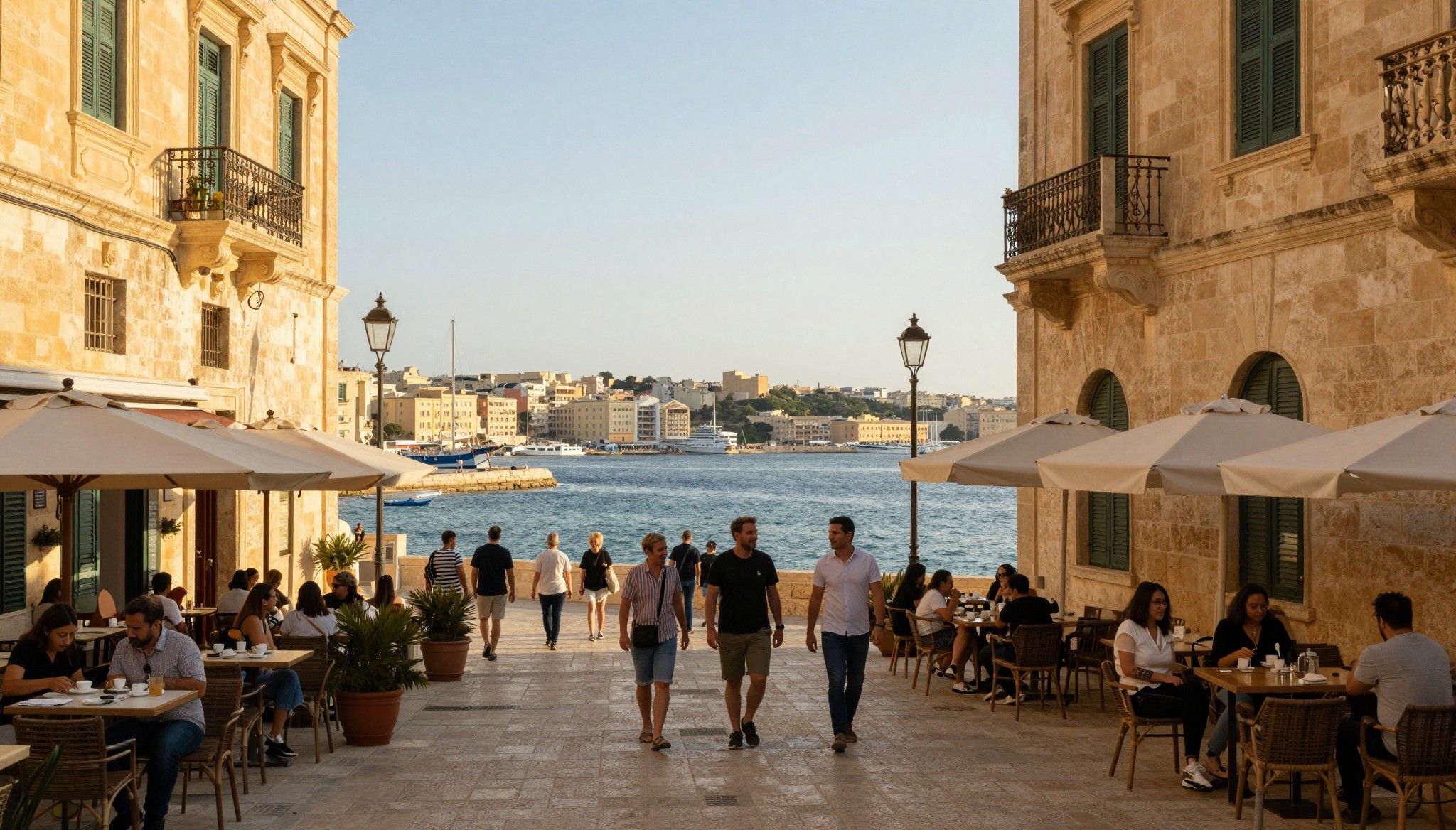
Imagine waking to a narrow promenade softened by bougainvillea, sipping espresso as fishing boats cut across a glassy harbour. Malta is compact enough that this morning scene might be followed by an afternoon in a Baroque piazza and an evening at a fishermen’s tavern. For many international buyers the island’s reputation is binary — historic Valletta versus the seaside bustle of Sliema and St Julian’s — yet that shorthand misses the finer textures that determine lasting value.
Living the Maltese Life
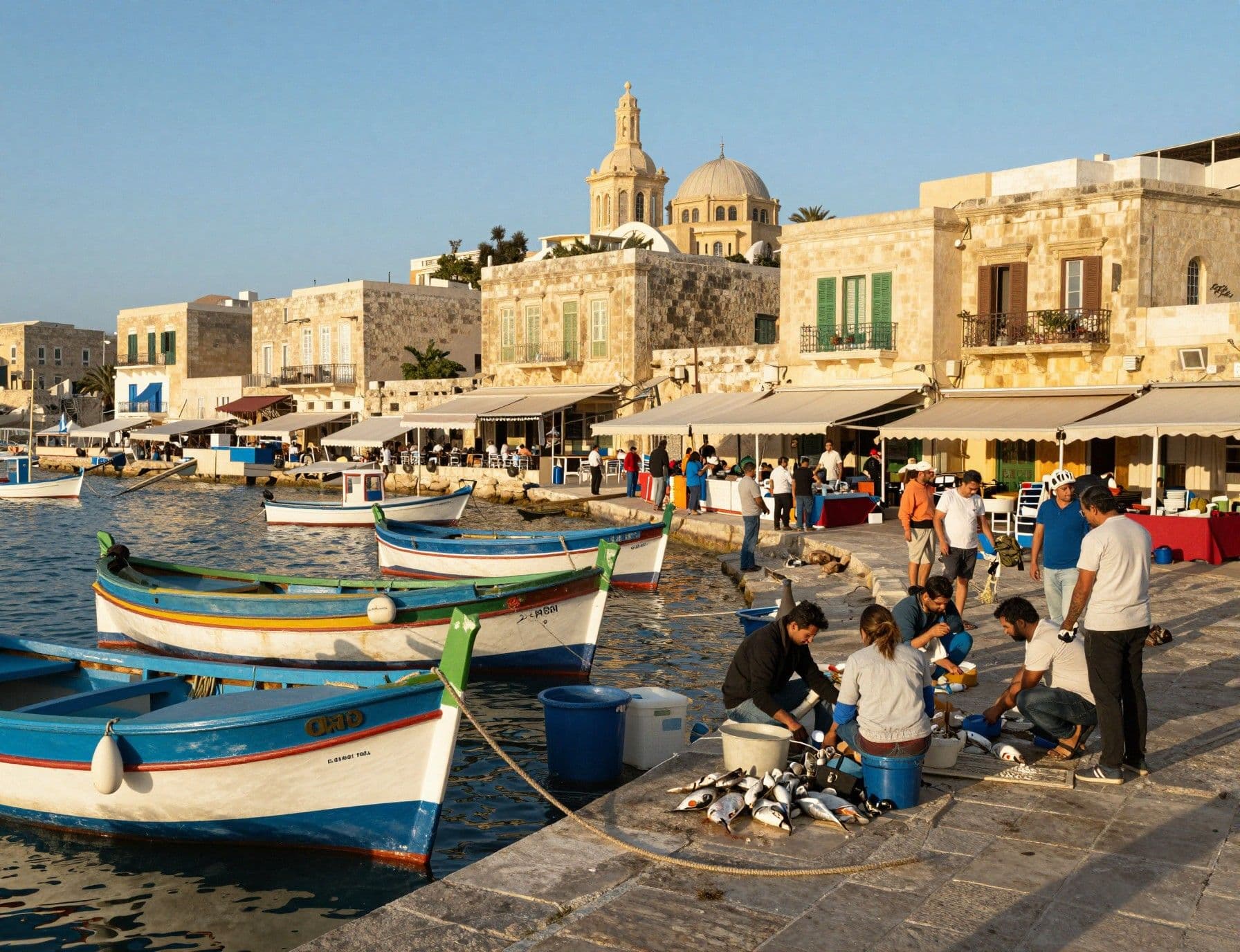
Life in Malta is a sequence of small, decisive pleasures: a market run at Marsaxlokk on Sunday, late-afternoon promenades in Sliema, and summer swims from rocky ledges off Delimara. These rhythms are why buyers should prioritise neighbourhood texture over headline prices. While national indices show steady price growth, it is the lived qualities — sunlight on limestone, the hush of a restored palazzo, proximity to a market — that repay stewardship over a decade. Buyers who treat Malta as a constellation of neighbourhoods, rather than a single ‘market’, find both lifestyle and resilience.
Sliema: Promenade, Cafés, and a Quiet Architectural Core
Sliema’s seafront sets the tempo: gentle commerce, coffee bars opening before nine, and families walking the promenade at dusk. Beyond the tourist-facing front, streets such as Bisazza and Tower Road conceal robust residential blocks and Victorian townhouses that reward careful conservation. For buyers seeking daily convenience — grocery shops, language schools, and short ferries to Valletta — Sliema’s combination of civic life and shoreline is hard to match. The trade-off is liveliness; nights can be animated, and quality interiors command a premium.
Marsaxlokk: The Neighbourhood People Underestimate
Marsaxlokk is often dismissed as a weekend market for visitors; in reality, its low-slung cottages, sheltered bay and working-harbour atmosphere create a quieter, year-round rhythm that many buyers prize. Where investors see modest price points, stewards of property see opportunity: restored maisonettes with harbour views, a strong sense of community, and immediate access to fresh seafood. For owners who value authenticity over centrality, Marsaxlokk offers a form of Maltese life that is increasingly rare within easy driving distance of the capital.
- Lifestyle highlights: morning fish market at Marsaxlokk; sunset promenades in Sliema; a quiet aperitivo in Ta’ Xbiex marinaside; a Sunday walk inside Mdina’s Silent City; Espresso at Café Cordina in Valletta.
Making the Move: Practical Considerations
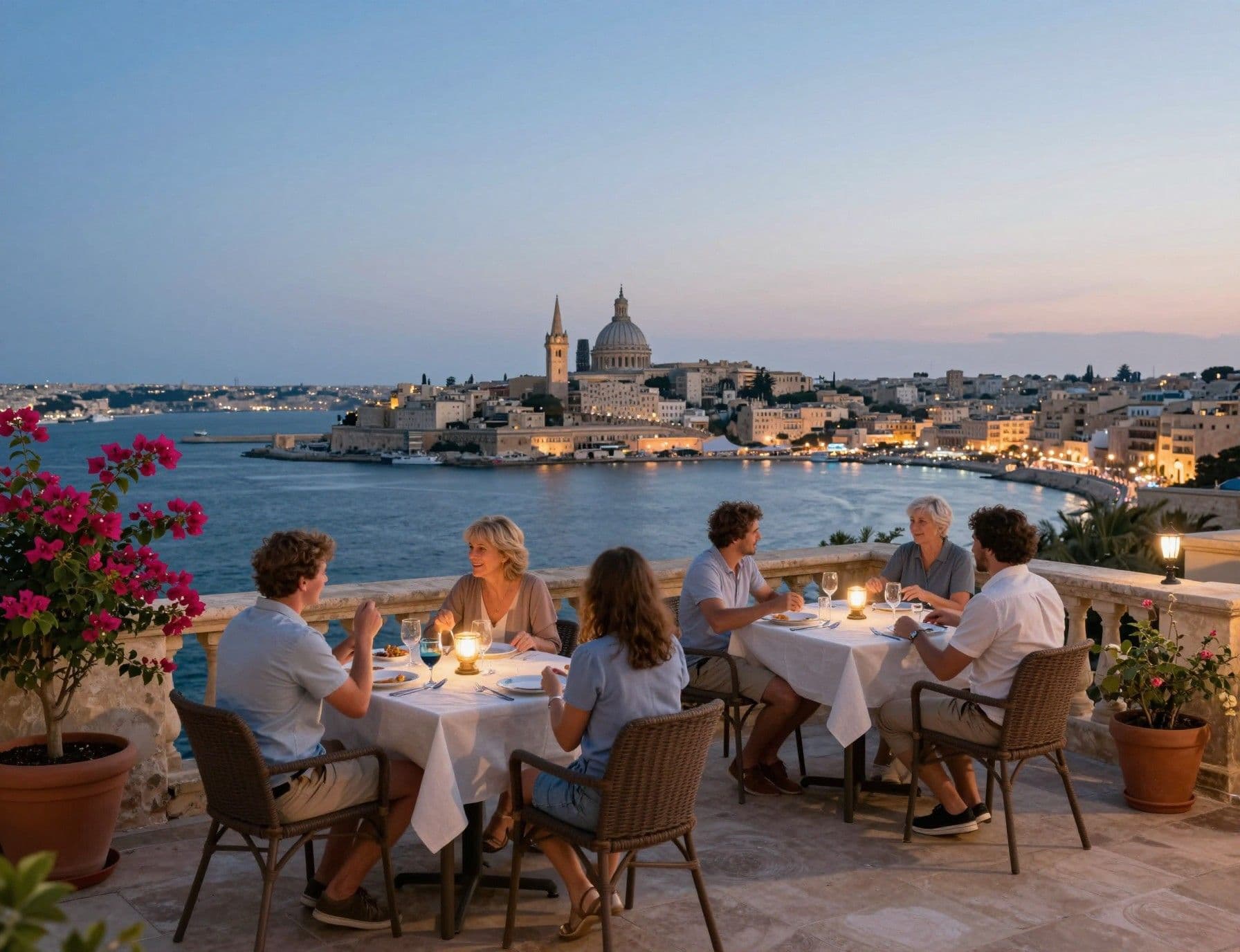
Translating a neighbourhood preference into a purchase requires reconciling lifestyle with market signals. Malta’s Residential Property Price Index has recorded steady rises in recent years, reflecting constrained land supply and steady demand. That trend rewards careful choice: a modestly priced maisonette in a neighbourhood with civic renewal can outperform a flashy seafront apartment whose appeal is purely seasonal. Practical diligence — title checks, an inspection of moisture and structural work, and an appraisal of sunlight and ventilation — protects the lifestyle you expect to live.
Property styles and what they mean for living
In Malta you will encounter palazzini (townhouses), traditional maisonettes with closed timber balconies, modern apartments, and renovated farmhouses (especially on Gozo). Each form supports a different life: a palazzo offers formal reception rooms and storage for a serious collection; a maisonette provides terraces and street life; new-build apartments deliver efficient systems but less provenance. Match the architecture to daily ritual — early morning breezes, terrace dining, or a quiet study — rather than to resale aesthetics alone.
Working with experts who know neighbourhood texture
An agent’s value is not only sourcing listings but translating subtle differences between streets: which blocks see offshore investment, where noise resurfaces after summer, and which conservation areas limit alterations. Seek firms that can cite recent comparable sales, explain local planning constraints, and introduce you to neighbourhood craftsmen — not only because that protects value, but because it preserves the life that attracted you to Malta in the first place.
- Steps to align lifestyle and purchase: 1. Walk neighbourhoods at different times of day to test rhythm and noise. 2. Commission a structural and damp survey focused on limestone and roof drainage. 3. Verify title and usufruct/permitted use with a local notary before offer. 4. Ask agents for at least three recent comparables on the same street. 5. Budget for tasteful conservation rather than cosmetic modernisation.
Insider Knowledge: What Expats Wish They’d Known
Expats often remark that Malta is smaller and more social than they expected: neighbours know local tradesmen’s hours, small rituals matter, and seasons significantly alter life. Summer concentrates tourism along promenades and bays; winter reveals Malta’s quieter charms and, at times, maintenance needs under winter rains. Buyers who plan for seasonal life — where a terrace is prized in summer and insulation matters in winter — settle both more happily and more durably.
Language, community and daily social life
English is an official language and widely used, yet Maltese social life is woven through family networks, festa calendars and neighbourhood cafés. Integrating requires attending local events, learning a few Maltese phrases, and choosing a neighbourhood with the social texture you prefer: Ta’ Xbiex and Gżira for quiet marinaside routines, St Julian’s for an international social scene, or Mellieħa for seaward calm.
Long-term stewardship and lifestyle sustainability
Treat a Maltese purchase as generational stewardship. Prioritise durable materials (limestone repairs, roof waterproofing), plan modest adaptations for Mediterranean climate (shading, cross-ventilation), and consider proximity to civic investments that support long-term desirability. When the neighbourhood character endures, so does the value — and so does the life you came for.
If Malta’s light and rhythm have moved you, begin the practical journey deliberately: visit streets in different seasons, request neighbourhood comparables from agents, and commission a specialist survey. With the right local counsel — an agent who understands craft, conservation and the true texture of each street — you are buying more than a property. You are buying the daily life that will, over years, become the real return on your investment.
Relocating from London to Mallorca in 2014, I guide UK buyers through cross-border investment and tax considerations. I specialise in provenance, design integrity, and long-term value.