Italy: How Neighbourhood Rhythm Shapes Living Costs
How Italy’s distinct neighbourhood rhythms shape living costs — lifestyle-led comparisons, local examples and research-backed steps to match budget with the life you want.
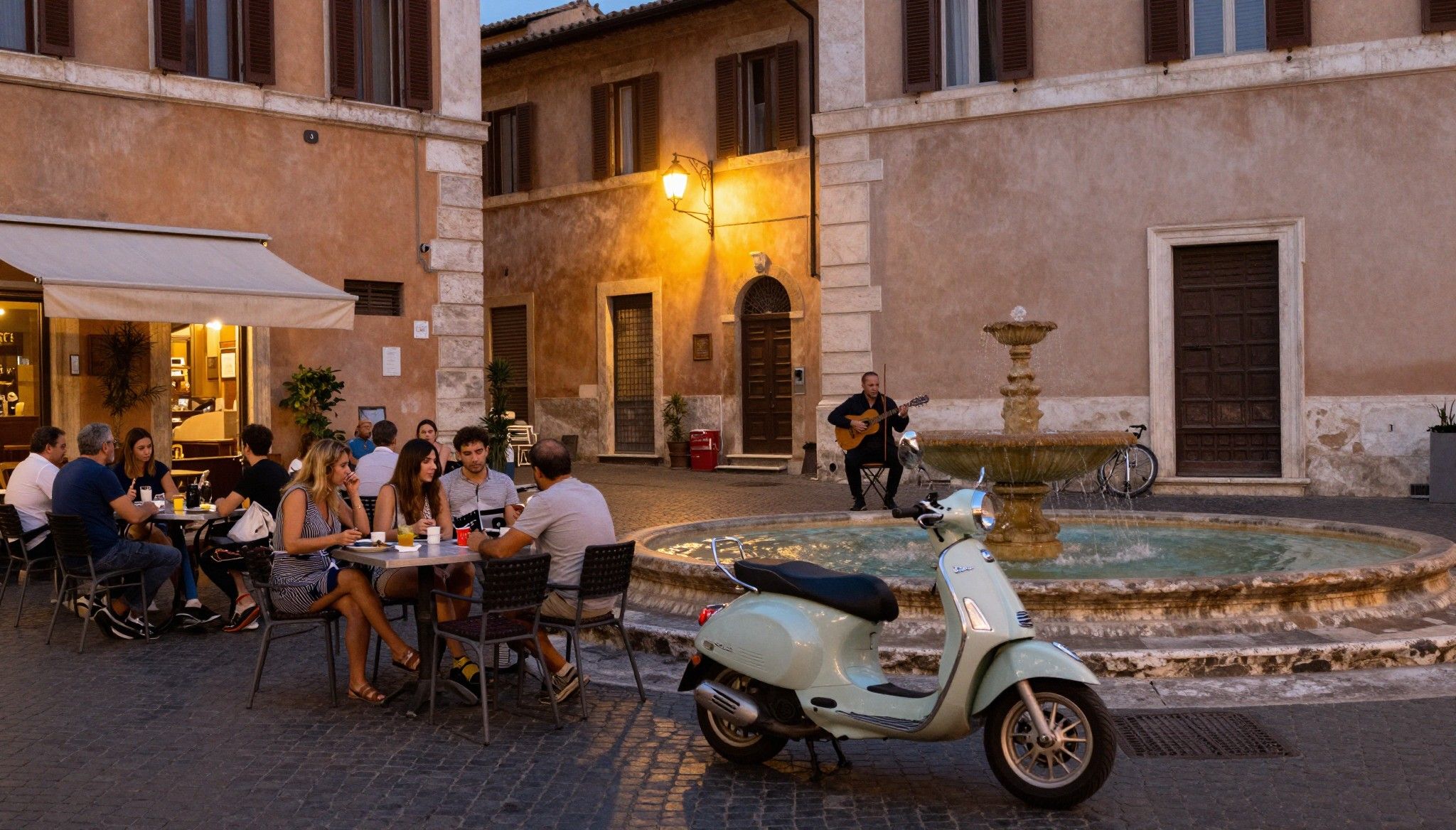
Imagine an early morning in a Roman neighbourhood: an espresso pulled at a corner bar, a fruit vendor arranging figs at Mercato Testaccio, bicycles weaving through cobbled streets. Italy’s everyday textures — sun-warmed travertine, the scent of baking focaccia, church bells on a slow Sunday — are the first currency for anyone buying here. But the cost of that life changes dramatically from Milan apartments to Sicilian hilltowns, and understanding those differences separates an inspired purchase from a costly surprise.
Living the Italian Life: daily rhythms and neighbourhood character
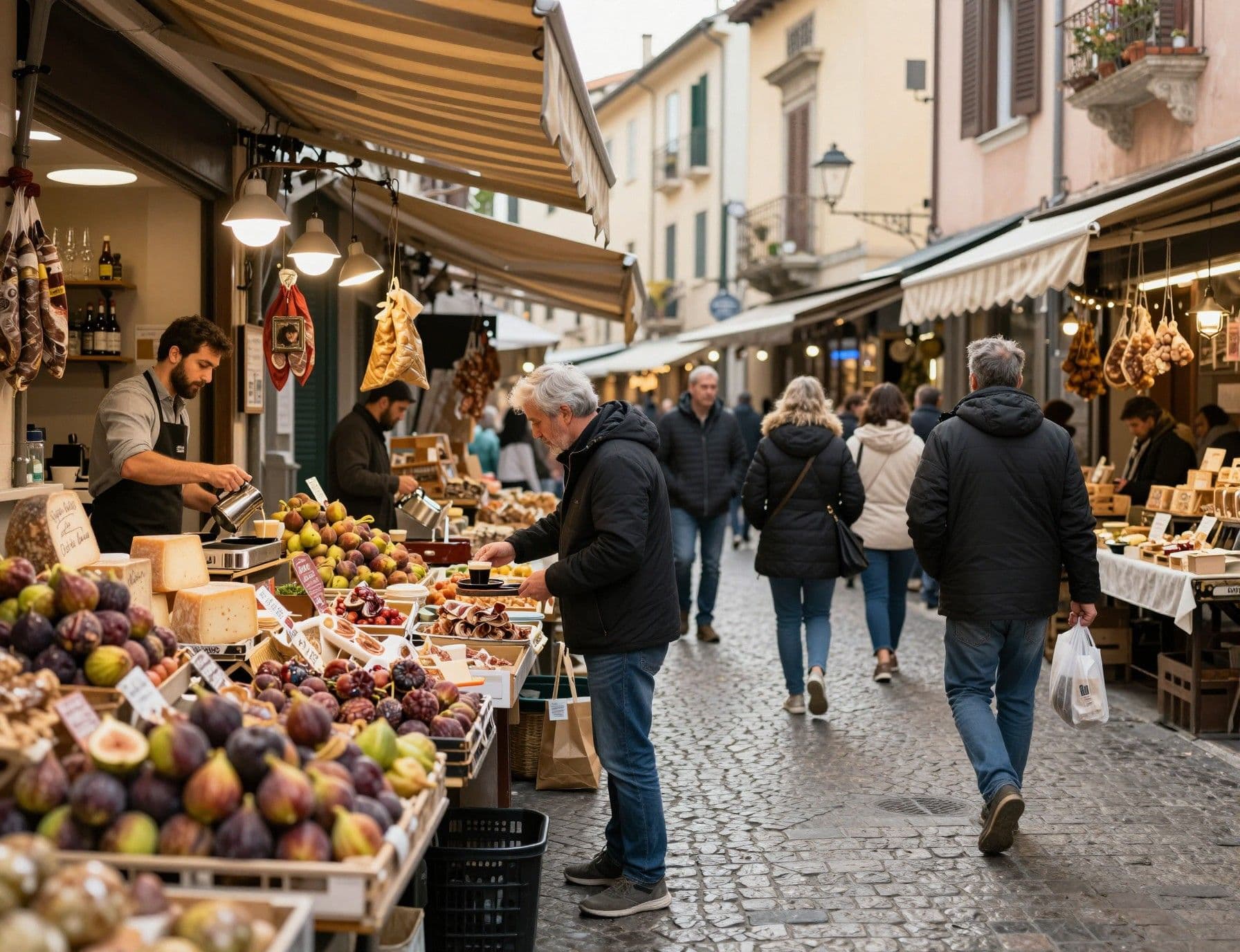
To live in Italy is to choose a cadence. In northern cities the mornings are streamlined — tram schedules, quick cappuccini, efficient markets — while in southern towns life unfolds more slowly around communal squares. For buyers, those rhythms are not merely romantic detail: they determine where you will spend (and save). Central Milan and historic Florence carry higher everyday services and dining costs; smaller towns offer lower running costs but often require a car and different stewardship of the home.
City spotlights: Milan, Rome, Florence and the quieter alternatives
Milan feels like the country’s commercial pulse: Michelin lunches, private clinics, designer ateliers. Expect higher monthly utilities, dining and services. Rome mixes grand public life with intimate residential pockets — Trastevere and Prati feel very different in cost and quiet. Florence concentrates tourism-driven premium rents near the Duomo but offers calmer Oltrarno streets. Contrast these with Lucca, Lecce or Orvieto, where local markets and slower seasons materially lower living costs.
Food, market culture and where you’ll spend most
Your weekly budget will bend around food and services. Local produce markets — Mercato Centrale in Florence, Campo de' Fiori in Rome — let you eat exceptionally well at modest cost if you shop seasonally. Imported goods, private schooling, international healthcare plans and frequent dining at tourist-facing restaurants add quickly. Recent consumer price trends show modest inflation in everyday items; tailoring your lifestyle to local produce and neighbourhood trattorie is the simplest way to preserve quality while containing cost.
- Lifestyle highlights worth budgeting for
- Morning espresso ritual at the corner bar, €1–€2 in many towns; more in tourist areas.
- Weekly market shopping (seasonal fruit, cheese, cured meats) — excellent value in non-tourist markets.
- Private domestic help (cleaning, gardener) — common and affordable in many regions but varies by city.
Making the move: practical considerations that preserve the lifestyle
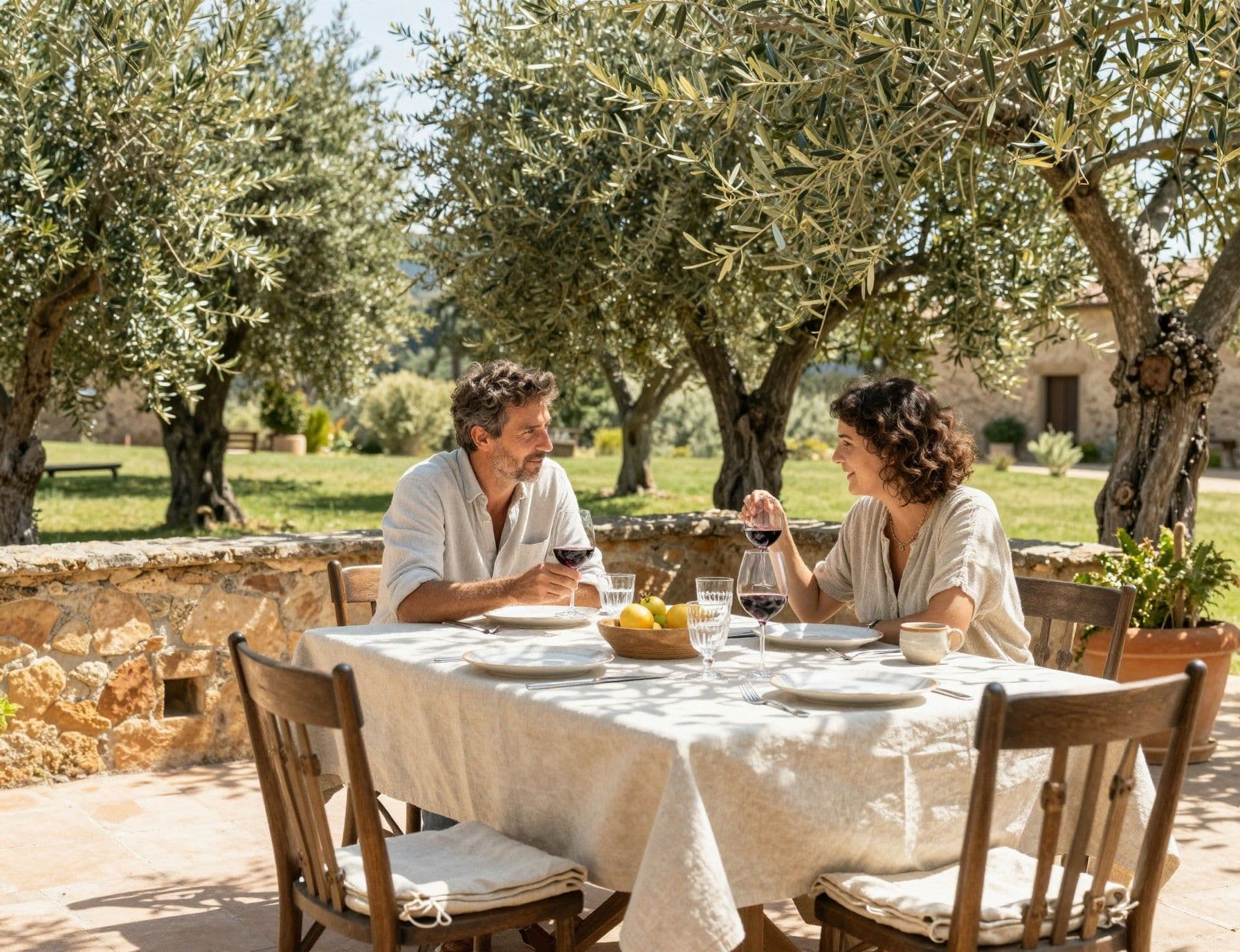
The pleasures of Italian life are available at many price points, but they require local knowledge to access sustainably. Practical choices — whether to buy an apartment in a historic centre or a farmhouse in the hills — influence recurrent expenses: condominium charges, heating, seismic retrofitting, and renovation standards. Recent market reports show renewed price growth in prime areas; a clear budget for ongoing stewardship keeps the romance from becoming an unmanageable cost.
Property types and what they mean for running costs
A central apartment in a palazzo offers convenience and less need for a car but usually higher condominium fees and limited private outdoor space. A restored farmhouse in Tuscany grants land and privacy — with higher maintenance for roofs, wells and thermal efficiency upgrades. Newer builds in suburbs can be thermally efficient but may lack the cultural fabric that defines Italian living. Factor energy class (Classe energetica), access to local services, and seasonal heating needs into yearly cost estimates.
Working with local experts who protect both lifestyle and budget
A local agent, architect (architetto) and geometra are essential: they translate neighbourhood nuance into realistic ownership costs. Agents familiar with seasonal rental dynamics will advise on short-term letting viability; a geometra verifies cadastral classification and past permits; an architetto estimates renovation budgets and energy upgrades. Engage advisors early to align a property’s lifestyle promise with the true running costs.
- Steps to align lifestyle wishlists with realistic budgets
- Define the day-to-day life you want (walk-to-cafe, market access, private garden) and map that to neighbourhoods.
- Commission a local cost audit (utilities, condominium, heating, waste removal) before making an offer.
- Obtain energy certification and a structural survey to anticipate renovation and compliance costs.
- Match an agent to your lifestyle priorities — look for demonstrated stewardship of period homes and local networks.
Insider knowledge: what expats wish they’d known about costs and rhythm
Expat experience often follows a pattern: enchanted by streets and markets, surprised by maintenance and seasonal expenses. Recent Istat data show national house-price growth concentrated in major cities, which means the headline price you pay may rise faster than your local running costs change. That gap is where good stewardship — planned maintenance, energy upgrades, and a sensible renting strategy — preserves both lifestyle and value.
Cultural nuances that change where you buy
Neighborhood life in Italy depends on participation. If you expect a quiet retreat but buy in a lively centro storico, communal events, markets and late dinners will be part of your ownership. Conversely, choosing a periphery suburb may buy tranquillity at the cost of daily convenience. Meet neighbours, visit neighbourhood markets at different times, and imagine a full week of life before committing.
Longer-term considerations: stewardship and seasonal shifts
Italy rewards patient stewardship: careful restoration, respect for provenance, and selective modernisation maintain value and the lived-in elegance of a home. Seasonal rhythms — quiet winters in coastal towns, bustling summers in hilltop villages — affect rental potential and personal enjoyment. Factor these cycles into expected income and personal use months. A winterised heating plan and a summer ventilation strategy materially reduce surprises.
- Red flags that quietly inflate long-term costs
- Missing energy certificate or unclear cadastral class.
- Unregistered renovations or lack of seismic upgrades in older properties.
- High condominium fees without transparent accounting.
Italy’s promise is sensory and social; its costs are often procedural. A buyer who imagines morning markets and quiet piazzas but neglects energy class, local taxes and maintenance will find the romance interrupted by administration. Conversely, one who budgets for stewardship, hires local experts and chooses a neighbourhood aligned with daily life will find the cost equation favourable — the price paid buys a life, not merely a property.
If you feel the pull of Italy, begin by listing the three daily experiences you cannot live without — a local bakery, a nightly passeggiata, or access to a coastline — and ask a trusted local advisor to map those to realistic neighbourhoods and budgets. With care, the country’s varied rhythms can be matched to a property that both delights and endures.
Relocating from London to Mallorca in 2014, I guide UK buyers through cross-border investment and tax considerations. I specialise in provenance, design integrity, and long-term value.