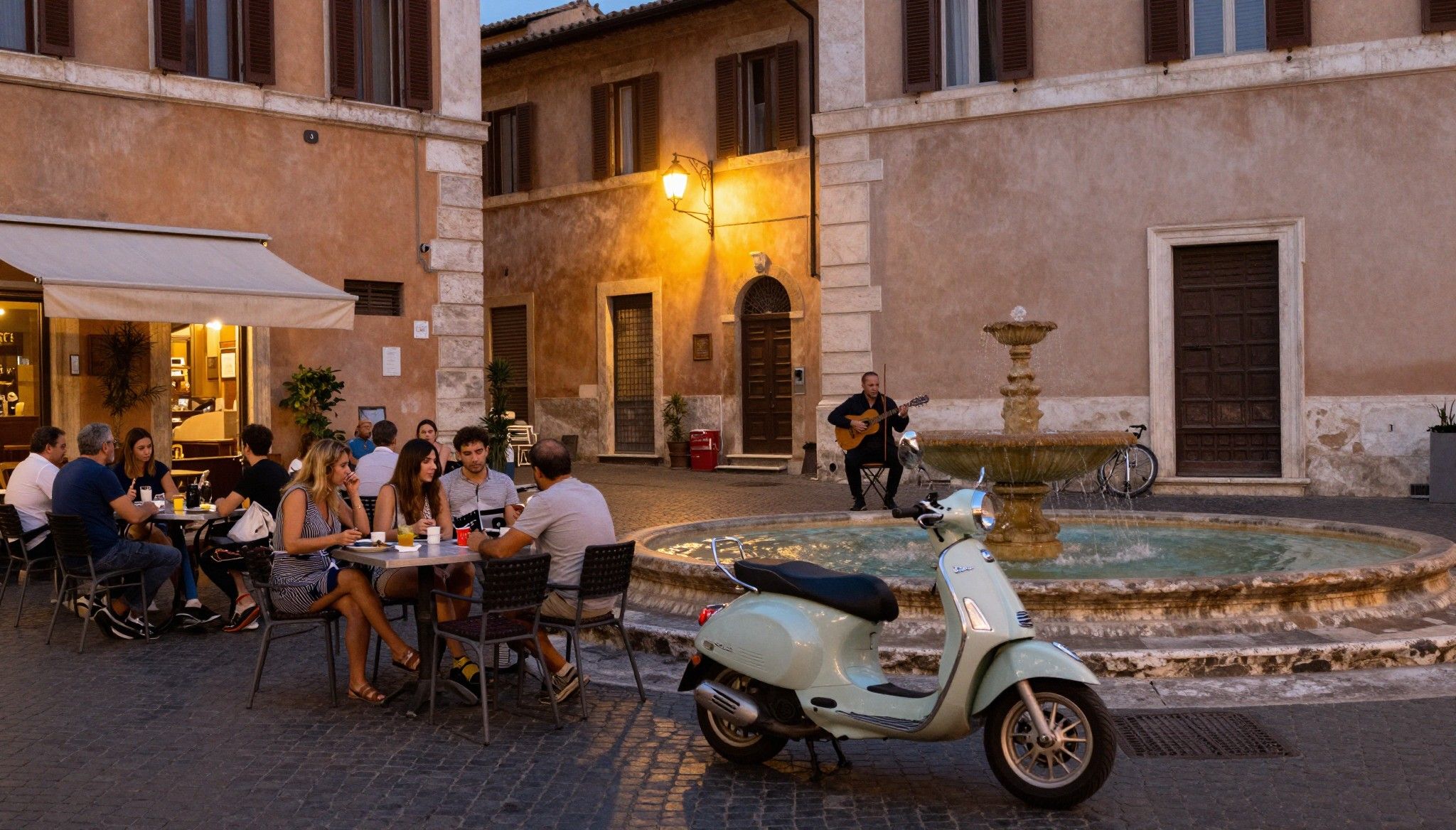
Finance for France: Life‑First Mortgages and Local Truths
Fall in love with French daily life while planning mortgage strategy: region‑specific financing, local taxes and expert steps to secure a lifestyle‑aligned purchase.
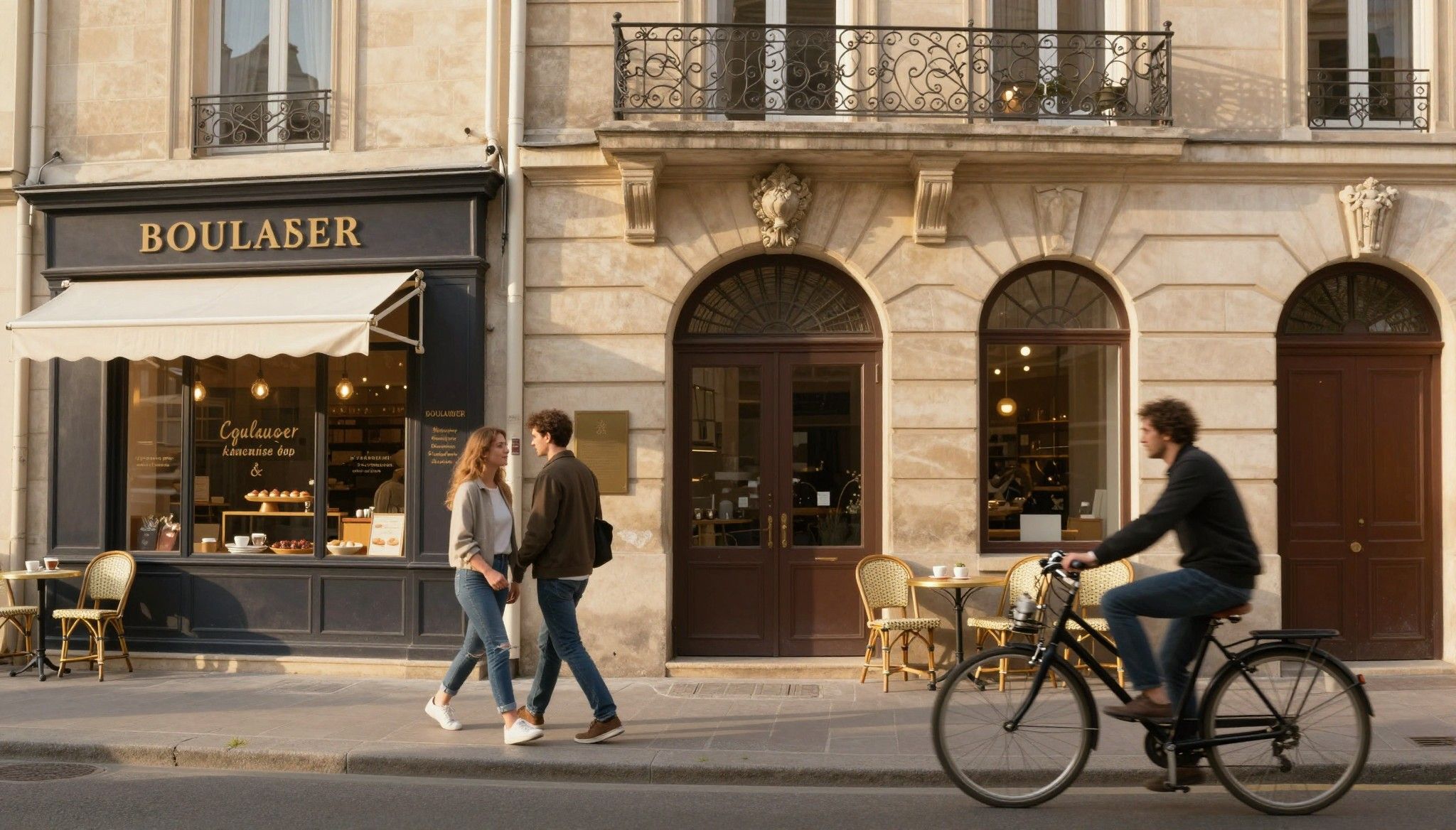
Imagine arriving in a small Provençal marché at dawn: crates of figs glint with dew, a boulanger smiles as you order a warm pain au levain, and the façades of limestone houses hold the soft honeyed light. In France the day begins as a study in texture — cobbled streets, wrought‑iron balconies, and cafés that keep hours like rhythms. For many international buyers, the dream is this daily choreography: slow coffee, a weekly marché, an evening paseo by the Seine or a coastal light that changes the colour of a villa’s shutters. But behind the romance sits a practical truth: financing a French property is a different kind of choreography. Understanding local market trends, mortgage mechanics, and tax rules lets you move from dreaming to owning without missteps.
Living France: texture, tempo and neighbourhood character
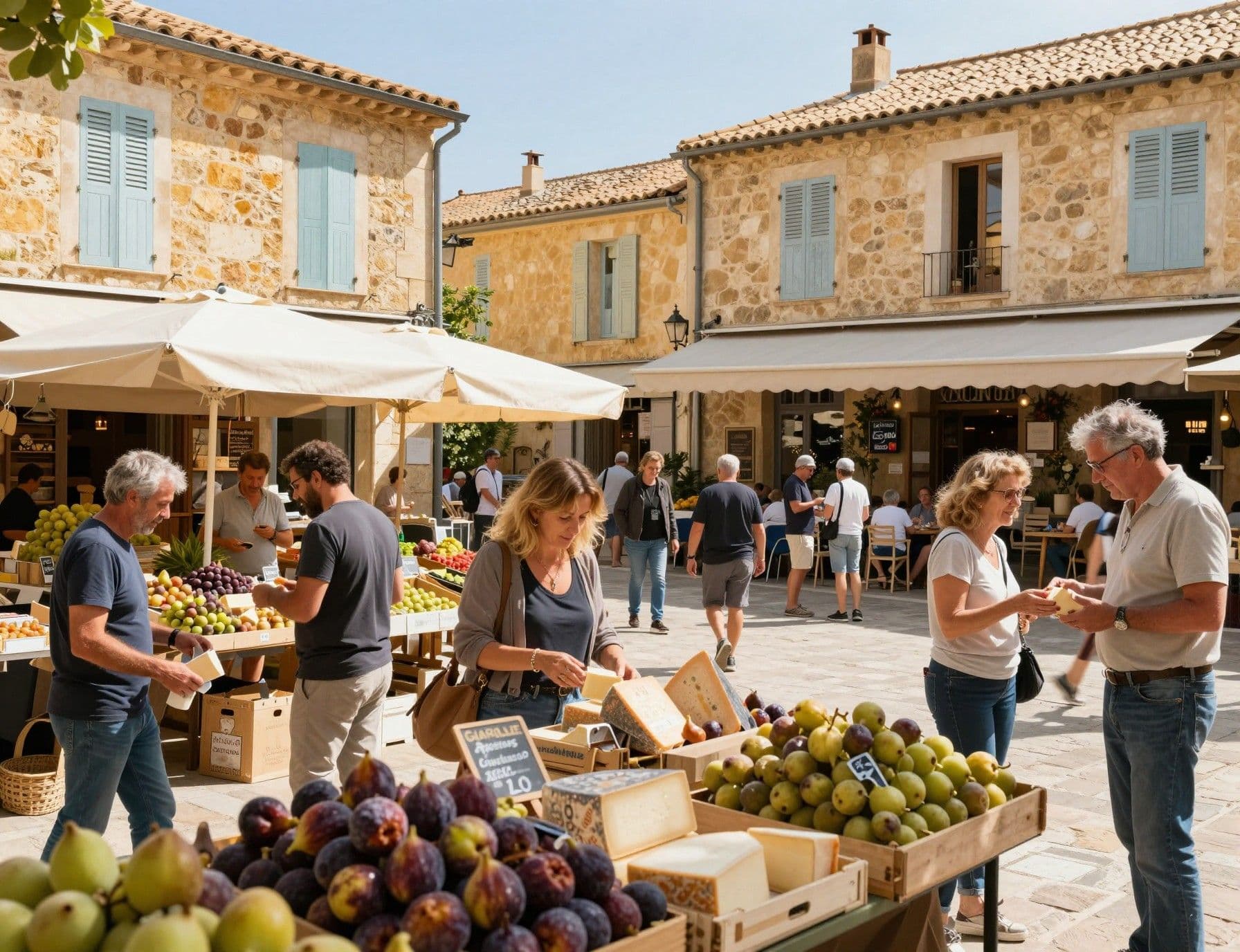
France is not a single lifestyle but an anthology of towns and seasons. Parisian mornings begin with espresso and a quick marché for asparagus in the 6th arrondissement; Biarritz wakes to surf and Basque cafés; Aix‑en‑Provence smells of rosemary and tarte tropézienne; and the Loire valley offers languid drives past châteaux and vineyards. Senses guide choice: light, market cadence, and whether you want the hum of a city or the hush of a vineyard.
Spotlight: Île‑de‑France, Provence and the Atlantic coast
In Île‑de‑France, classical Haussmannian apartments reward those who prize proximity to museums, private schools and discreet concierge services. Provence trades density for gardens and vaulted cellars. The Atlantic coast—La Rochelle to Hendaye—offers salt air, modest stone houses and a slower property market than the Riviera. Each region asks different financing questions: term length, seasonal rental potential, and renovation budgets for historic fabric.
Food, markets and the social geography of place
Weekend life in France is often defined by markets and small rituals — a Saturday marché on Rue d’Assas in Paris, oysters and white wine in Arcachon, or a Thursday evening aperitif on Cours Mirabeau. These routines shape where you want to live: proximity to a marché matters more than a view for many. When you assess a property, consider the life you want to host — outdoor dining, cellar storage, or a kitchen large enough for market produce — and build those preferences into your financing plan.
- Lifestyle highlights: weekly marchés (Marché Forville, Cannes), favourite cafés (Café de Flore, Paris), beaches (Plage de la Côte des Basques), village boulangeries, and regional wine markets.
Making the move: finance with a lifestyle lens

Translating lifestyle into a mortgage requires a few local facts. French mortgage lending is conservative: loan‑to‑value is typically lower for non‑residents, and lending rates are informed by the Banque de France’s published ceilings and prevailing market rates. Recent data shows lending conditions shifting with inflation and central bank policy, so plan for rate volatility when scheduling purchase offers and renovation budgets.
Property types and how they affect financing
A small Normandy cottage, a 19th‑century Paris apartment or a restored Provençal mas each attract different lenders and appraisal approaches. The Notaires‑INSEE indices remain the reference for price trends across departments; in recent quarters central and western cities have shown renewed price resilience while rural markets vary by local demand. Lenders will consider the property’s condition, heritage protections (monuments historiques), and likely rental income when assessing an international borrower.
Working with local experts
- 1. Engage a bilingual notaire early to confirm title, servitudes and right of pre‑emption. 2. Ask a local mortgage broker to pre‑check eligibility and set realistic LTV expectations. 3. Insist on a detailed renovation estimate from a French architect when buying older stock. 4. Use an accountant familiar with non‑resident tax filings to project taxes and rental income net of local levies.
Insider knowledge: expat truths and red flags
Expat buyers often under‑estimate recurring costs: taxe foncière, taxe d’habitation for second homes in some municipalities, and the recent obligation to declare the occupation status of every property on impots.gouv.fr. These levies are administered locally; neglecting them can complicate financing and ownership. Early clarity prevents surprises that undermine the lifestyle you purchased.
Cultural and seasonal realities that shape ownership
French bureaucracy may feel exacting: paperwork is precise and deadlines matter. Renovations are often slower than expected because of listed‑building permits and local craftsmen schedules. Seasonality affects rental income and market viewings — August can be deceptive in villages where locals leave for vacances, and winter can reveal insulation or heating weaknesses. Factor these rhythms into financing timelines and contingency reserves.
- Red flags to spot during purchase: incomplete title chains, unregistered building work, unclear servitudes, properties with persistent vacancy without explanation, and offers below local valuation without justifying reports.
Long view: stewardship, legacy and the investment case
Considered ownership in France is both lifestyle and stewardship. The housing stock is large and regional demographic shifts influence long‑term demand for different property types. Buying a well‑constructed home near services, with room for modest upgrades, usually outperforms speculative bets. For buyers who see property as a family heirloom, attention to materials, provenance and local planning will preserve value better than trend‑driven renovations.
Steps to align lifestyle and financing
- 1. Define the life you want (daily rhythms, entertaining, rental horizon). 2. Obtain a local market report and a pre‑approval to understand realistic budgets. 3. Budget 10–20% beyond purchase price for taxes, notary fees and modest works. 4. Secure a local accountant and notaire before exchange to avoid last‑minute tax surprises.
Conclusion: If France seduces you with market squares and slow evenings, match that romance with a pragmatic plan. Treat financing as part of the aesthetic: a carefully chosen mortgage term, the right local advisors, and provisions for seasonal realities preserve both the life you seek and the investment you make. When you pair refined taste with local expertise, the property becomes more than an asset; it becomes the setting for a life you already know how to enjoy.
Having moved from Stockholm to Marbella in 2018, I help Scandinavian buyers navigate Spanish property law, restoration quality, and value through authentic provenance.