Croatia’s New Tax Reality: Plan the Life, Not Just the Purchase
A lifestyle-led look at Croatia’s 2025 property tax reforms, VAT vs transfer tax, and practical steps to align seasonal living with tax strategy backed by government and industry sources.

Imagine waking to the smell of espresso on Split’s Poljička ulica, wandering a morning market in Hvar town and signing paperwork later that week to own a stone house with a view of the Adriatic. Croatia offers that rhythm — sunlit piazzas, a measured coastal pace, centuries-old masonry — but it also brings a tax landscape that will shape how you live, rent and pass a property to heirs. This guide blends those lived moments with the concrete tax realities you should plan for before the keys change hands.
Living the Croatia life
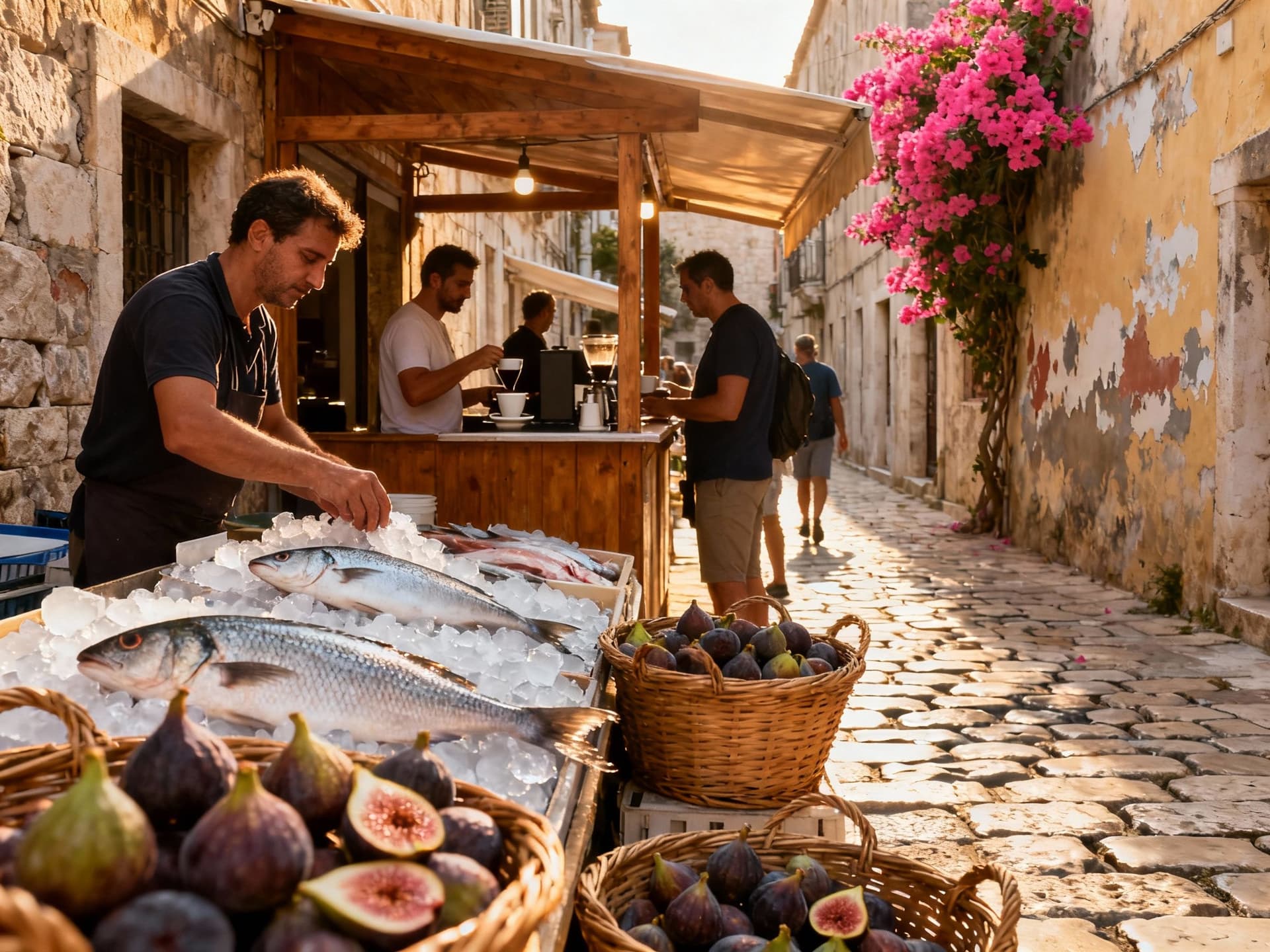
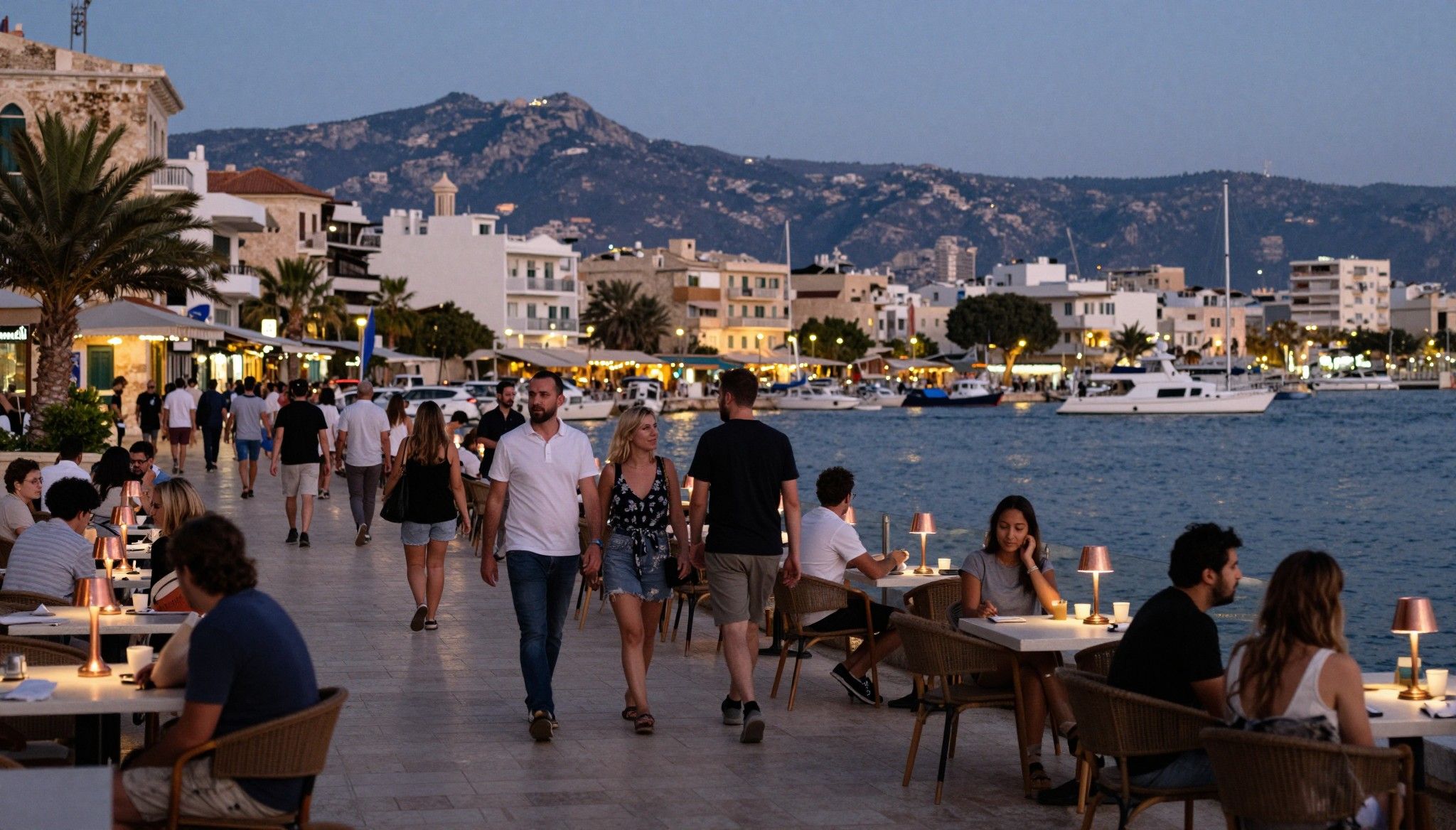
The image people buy into is immediate: cafés that open early, fishermen delivering the day’s catch, afternoons that dissolve into long walks along promenades. Coastal towns — Dubrovnik’s marble streets, Rovinj’s whiskey-gold sunsets, Split’s blend of Roman walls and café terraces — feel like stages for everyday rituals. Inland, Zagreb offers a classical cadence of galleries, bakeries and winters that demand a different home preparation. These rhythms matter; taxes in Croatia are increasingly localised, and what you pay can change with the municipality where your new life is anchored.
Neighbourhood spotlights: Where mornings differ
Choose Veli Varoš in Split and your mornings will be fisherman-busy; choose Pantovčak in Zagreb and they will be coffee-quiet. Each neighbourhood’s character influences practicalities: proximity to tourist hubs affects short-term letting demand, and municipal decisions now determine annual property tax levies. The transfer tax remains national, but recurring costs and local levies are set closer to home — a reminder that lifestyle choice and tax exposure are inseparable.
Food, seasons and local pace
Picture autumn markets piled with truffles and chestnuts, and off‑season neighbourhoods that reveal a truer community life. For owners reliant on rental income, seasons dictate cash flow; for residents, quieter months reveal whether a place is year-round liveable. Tax decisions — whether you register a property as a primary residence or for tourist letting — change how those seasons translate into net income and municipal obligations.
- Lifestyle highlights: a local checklist
- Morning espresso on Poljička ulica (Split); farmers’ market at Dolac (Zagreb); late-afternoon swim at Zlatni Rat (Brač); weekend wine tastings in Istria’s Motovun hills; sunset aperitivo on Rovinj’s waterfront.
Making the move: practical considerations

Turning affection into ownership requires attention to tax mechanics that affect purchase price, recurring cost and eventual resale. The essentials to know now are: transfer taxes or VAT at purchase, the new annual property tax set by municipalities since 2025, and how rental or capital gains taxation will affect your returns. Treat these as determinants of how comfortably you can afford the life you imagine.
Property types and their tax profiles
Resale apartments generally attract the 3% real‑estate transfer tax, while new builds sold by VAT-registered developers are subject to VAT (standard 25%). Commercial properties and certain tourist‑rental classifications may attract different rates. Beyond purchase taxes, ownership classification — primary residence, long‑term rental, short‑term holiday let — influences tax treatment on income and eligibility for municipal exemptions.
Working with local experts who know both life and law
Estate agents, notaries and tax advisors are practical translators: they match a dream address with tax realities. Seek advisors who can read municipal property‑tax tables, explain VAT versus transfer tax consequences, and model rental scenarios for both high season and winter. Ask for worked examples: net rental cash flow for June–September versus the annualised figure after tax and municipal levies. Good counsel converts lifestyle preference into a sustainable balance sheet.
- Steps to align lifestyle choice with tax reality
- Commission a municipal tax check (confirm annual €0.60–€8/m² rate for your parcel); verify whether the seller charges VAT or transfer tax; model rental income across seasons, deducting expected municipal fees and national taxes; review double taxation treaty implications with your home country; plan ownership structure (personal vs company) with tax counsel.
Insider knowledge: what expats wish they’d known
I met a British couple in Hvar who loved island life but were surprised by their first winter’s municipal charges; another family discovered that registering the property as primary residence removed certain local levies. The practical lesson: small administrative choices — your registered address, the letting classification, whether you claim a VAT-able new build — materially change annual costs and estate planning outcomes.
Cultural and administrative quirks that affect tax outcomes
Croatia’s legal practice relies on notarial certainty and municipal decisions. Documents must be translated and notarised; municipal registers determine usable area for the annual property tax; and local habit governs whether neighbours accept short-term lets. Expect administrative timelines measured in weeks rather than days, and make allowance for a deliberate pace that rewards careful planning.
Long-term considerations: inheritance, resale and stewardship
Capital gains rules differ for residents and non-residents and depend on ownership duration; corporate structures can change tax exposure on sale. Thoughtful estate planning — clear wills, consideration of Croatian inheritance law and double-tax treaty effects — preserves the property’s provenance. In short: buy as if you will keep the house for generations, and structure ownership to minimise friction for heirs.
- Red flags and practical checks before you sign
- No municipal tax table provided; unclear VAT or transfer tax liability in the contract; unexplained discrepancies between cadastral area and usable area; absence of a Croatian‑law will or succession plan; rental income projections with no seasonality applied.
Conclusion: live first, plan precisely. Croatia’s charms are immediate — sea-salted air, late dinners, market rituals — but the financial architecture supporting that life is locally determined and specific. Start with lifestyle clarity (where, how, when you’ll use the home), then engage local tax counsel and a notary to map VAT, transfer tax and the new municipal property tax against that life. That combination preserves the pleasures of place and protects the value you buy.
Relocating from London to Mallorca in 2014, I guide UK buyers through cross-border investment and tax considerations. I specialise in provenance, design integrity, and long-term value.