Croatia: Reciprocity, Tax Shifts and the Life You’re Buying
How Croatia’s reciprocity rules, new property taxes and short‑stay reforms reshape lifestyle-led buying—practical steps and local insights for confident purchases.
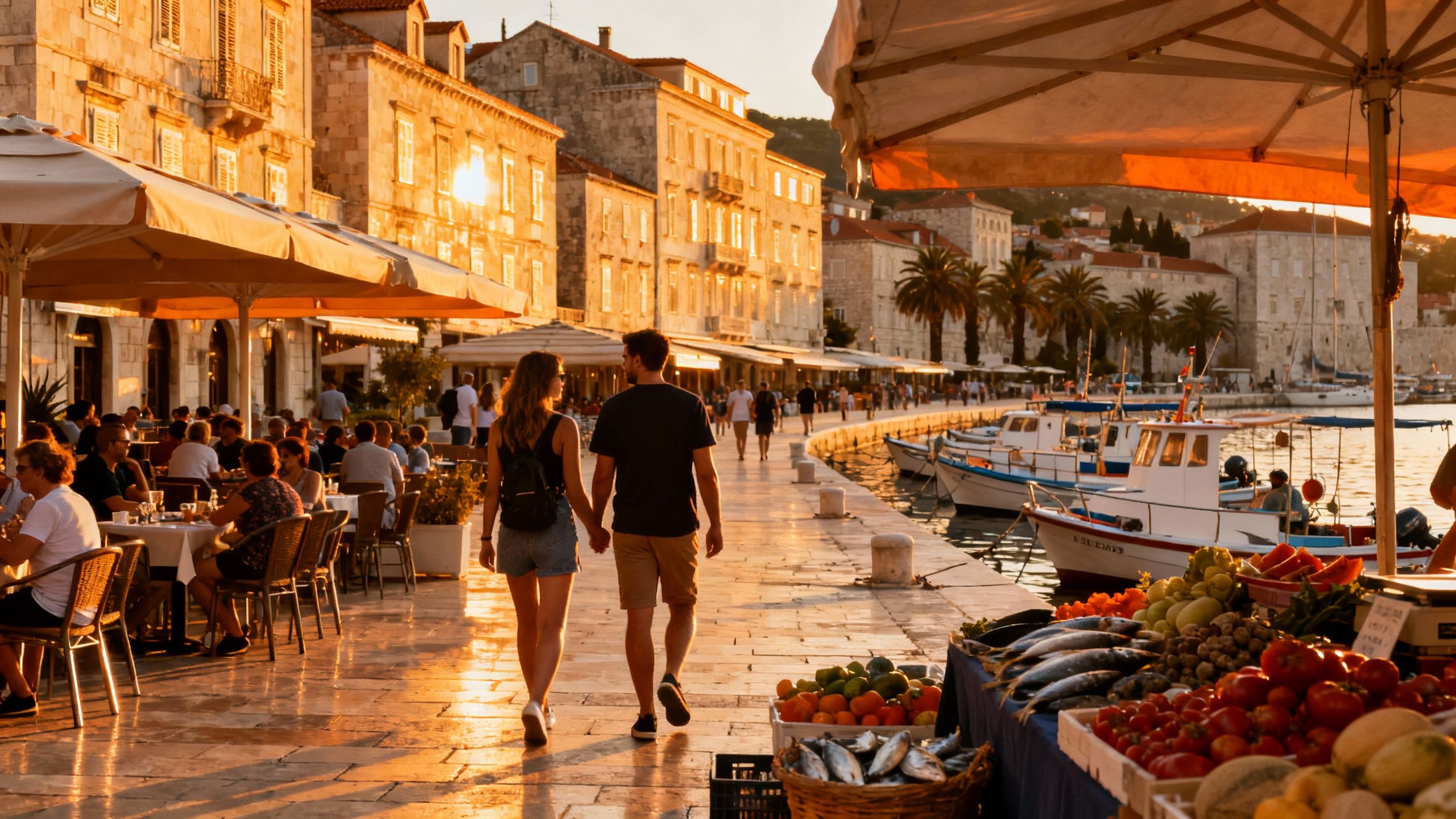
Imagine arriving in Split at dawn: the fish market filling with the sea's scent, a waiter sweeping tables outside Kavana Procaffe, and a stone stair that leads to a quiet terraced apartment above the Riva. It is as much a daily choreography as it is a lifestyle—one where convivial cafés, narrow alleys and Adriatic light become the prelude to conversations about property, taxes and stewardship. For international buyers the romance must meet regulation: Croatia’s reciprocity rules, evolving property tax landscape and new measures on short‑term rentals can change both lifestyle and the balance sheet. This guide blends the sensory life of coastal towns and Zagreb neighborhoods with the practical tax steps you will want taken care of before signing on a shuttered terrace or a restored Dalmatian stone house.
Living the Croatia life
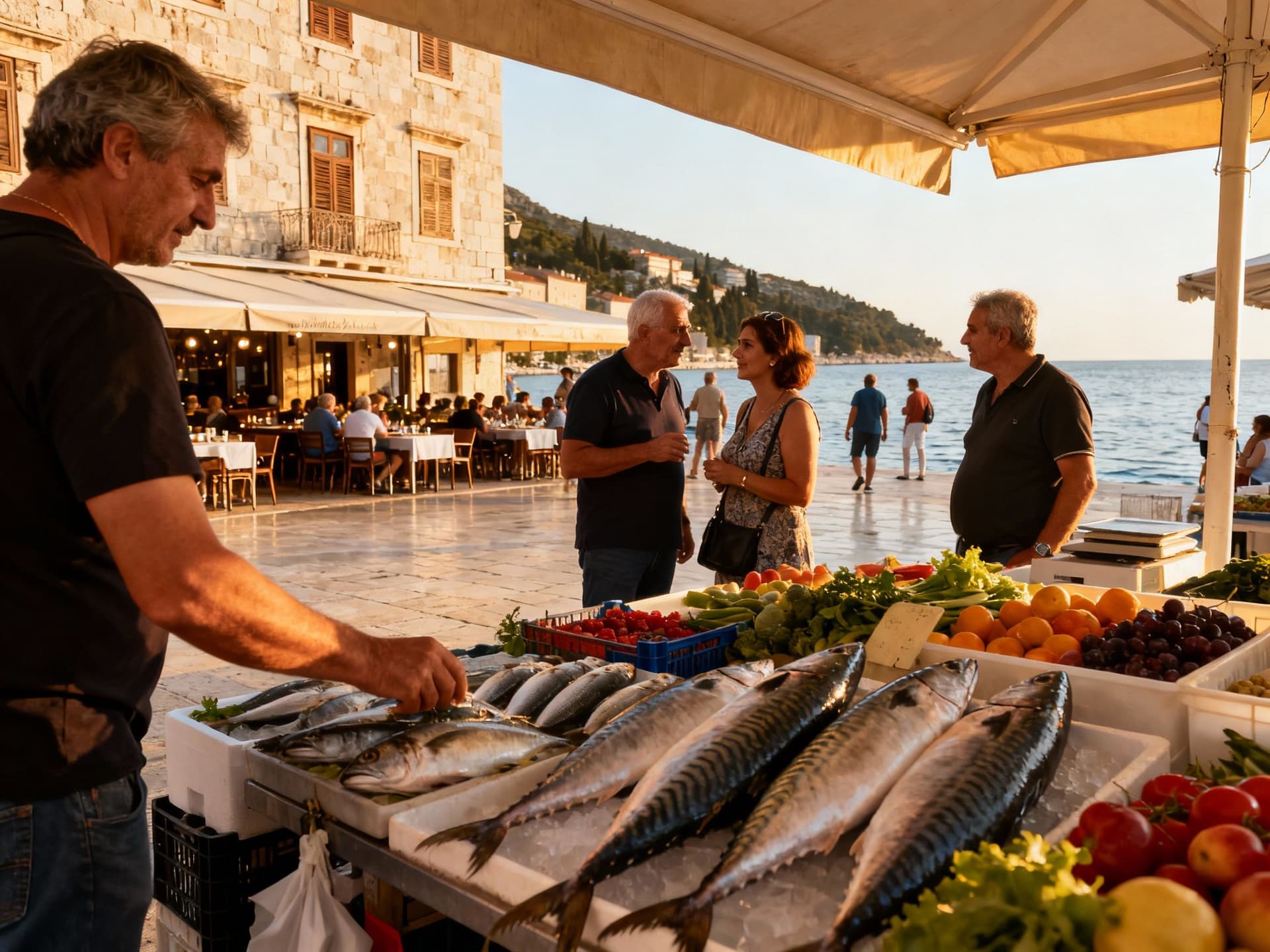
Croatia’s rhythm is defined by coast and countryside, by summer markets and quiet winter promenades. Morning in Dubrovnik’s old town is a study in limestone: bakers pull bread from ovens on Brsalje, accents mix—local and foreign—and terraces fill with espresso. In Zagreb, Baršun and Tkalčićeva pulse with year‑round life, galleries, and winter snow that softens the city’s Austro‑Hungarian façades. For buyers this means choices: a compact city apartment for cultural immersion, a stone villa on Hvar for sea access, or an Istrian farmhouse for slow seasonal life—and each carries different fiscal implications and ownership patterns.
Dalmatian coast: terraces, towns, and short‑term demand
Walk the Riva in Split, and you will understand why many buy close to the sea: light, walkability and maritime culture. Yet this desirability has produced a strong short‑term rental economy—good for yield, but increasingly regulated. Recent government measures and proposed property taxes are designed to discourage speculative short lets and incentivise long‑term residency, which changes rental projections and the kinds of returns buyers should expect in places such as Split, Hvar or Zadar.
Istria and Zagreb: year‑round communities and provenance
Istria’s hill towns and Zagreb’s historic districts offer a steadier calendar—markets that run through every season, municipal life and cultural institutions. Properties here often carry an architectural story: truffles and wine in Motovun, stone courtyards in Rovinj, or Zagreb townhouses whose façades recall a different era. These characteristics favor buyers looking for permanence and heritage stewardship rather than seasonal income, and they influence both municipal tax choices and long‑term maintenance budgets.
- Dalmatian mornings at the fish market (Split, Stari Grad) Tkalčićeva cafés and Zagreb gallery openings Istrian truffle dinners and weekend vineyard visits (Motovun, Buje) Hidden pebble coves on the island of Vis and early‑season swims Sunday market rituals in Pula and local olive oil tastings
Making the move: practical considerations
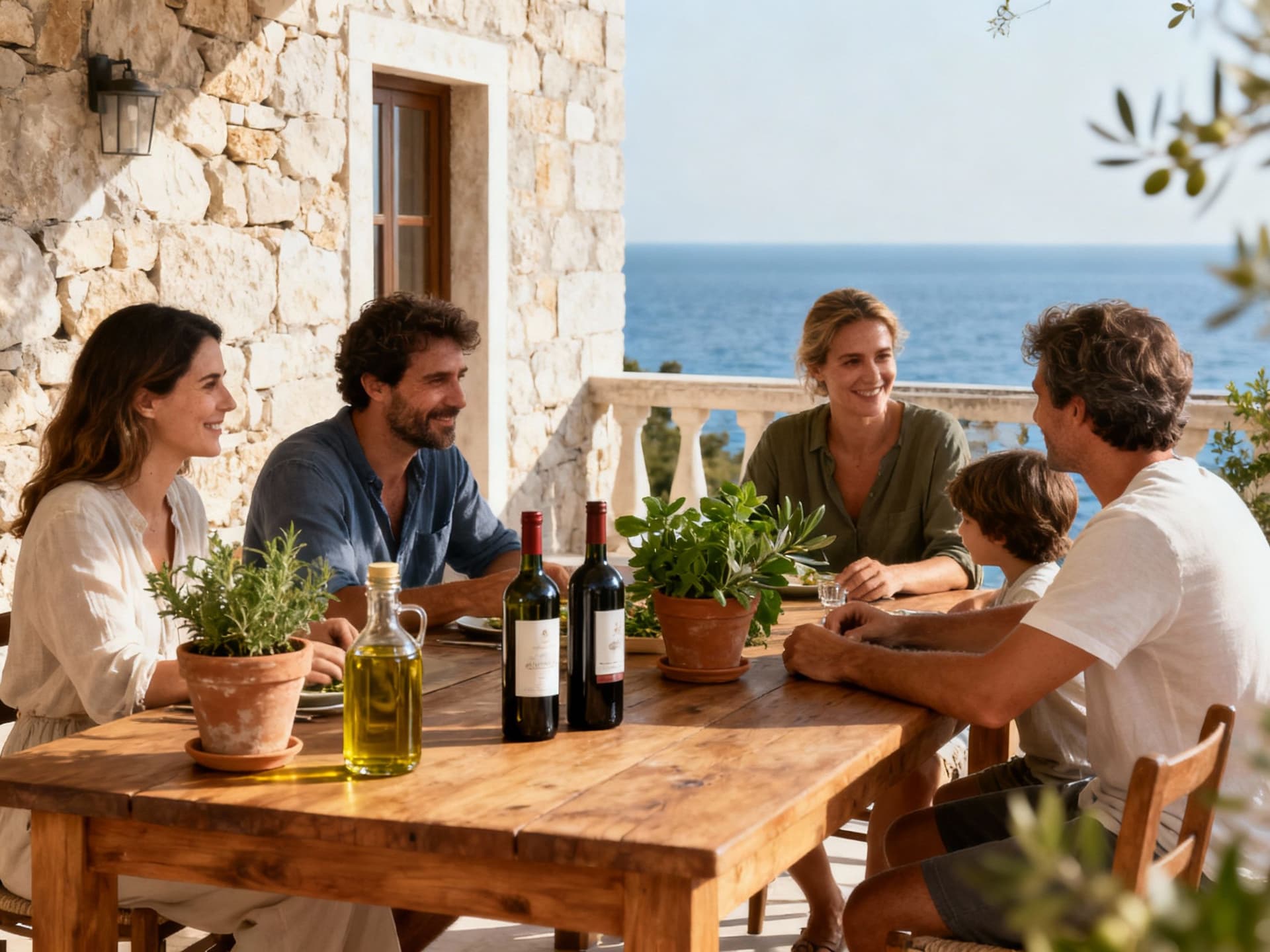
The paperwork is manageable when anticipated, but there are three practical friction points international buyers often underestimate: nationality and reciprocity consent, the rising local focus on property taxation and short‑let regulation, and the difference between gross asking price and true cost after taxes and compliance. EU/EEA and Swiss citizens enjoy parity with Croatian buyers for most residential purchases, while many third‑country nationals require Ministry of Justice consent—a process that can add weeks or months to completion. Meanwhile, tax reforms and tighter rules on tourist lettings mean modelling returns conservatively and planning for stewardship costs is essential.
Property types and their fiscal footprints
A restored stone house in Dalmatia and a modern Zagreb apartment will attract different tax treatments and operating costs. Proposed property taxes (discussed publicly and in draft law during 2024–25) target vacant and short‑term rental units more heavily, while exemptions often favour owner‑occupied residences and long‑term lets. VAT considerations apply to new builds or transactions involving companies, and one must factor municipal levies, notary fees and the possibility of transfer taxes where applicable; referencing the most recent guidance from advisors ensures accurate net‑price calculations.
Working with local experts who understand life, not just law
- Retain a Croatian‑licensed lawyer to verify title, urban‑planning status and any conservation restrictions; Croatian land registers and planning declarations can reveal encumbrances that affect renovation and use. Engage an accountant or tax advisor early to model rental income under new lump‑sum rules for tourist rentals, income tax on rental receipts and emerging property taxes—KPMG and local firms publish useful annual summaries. Ask your agent to connect you with municipal contacts: residency, utility transfers, and tourism boards often provide pragmatic timelines for permits and local compliance. Factor in stewardship costs—insurance, seismic reinforcement for older stone buildings, and annual municipal fees—into your three‑year cash flow plan.
Insider knowledge: what expats wish they'd known
Expats often tell the same stories: a small administrative omission delayed registration, a seaside renovation needed more structural work than anticipated, or a seasonal income forecast proved optimistic after new short‑rent rules. Many who bought in Croatia wished they had budgeted for translation and registry fees, and for the time it takes to turn a tourist‑season asset into a genuinely year‑round home. There is also a cultural nuance: relationships with neighbours, the local komunalna (municipal services), and seasonal rhythms shape both enjoyment and compliance.
Integration, language and community
Learning basic Croatian phrases, attending a market in Makarska or a wine tasting in Istria, and participating in local events are small acts with large returns: practical goodwill, clearer neighbourly relations and smoother municipal dealings. Expat communities cluster in places like Split, Dubrovnik and Istria, but the most rewarding integration happens when you frequent a single café, buy at the same olive oil mill and register with local services. This social anchoring reduces friction when permits, inspections or neighbour disputes arise.
Longer view: stewardship and resale
Think beyond a single season. Properties that respect local materials, that maintain stonework, and that meet local planning norms preserve provenance and resale value. Where short‑term returns once masked deferred maintenance, a buyer’s stewardship—proper insulation, seismic checks, and sympathetic restoration—now increasingly defines long‑term investment merit. For many buyers, that responsibility is part of the attraction: owning a home that contributes to a place’s continuity rather than its commodification.
- Verify reciprocity early via the Ministry of Justice list. Model rental yields after proposed property taxes and new tourist‑rental lump‑sum rules. Prioritise properties with clear planning status to avoid renovation surprises. Budget for stewardship—seismic, stonework, seasonal systems and insurance. Choose an agent who can translate lifestyle aims into legal checklists.
- Request Ministry of Justice consent if you are a non‑EU/EEA national and confirm whether your country appears on the reciprocity list; this determines whether registration is straightforward or administrative consent is required. Commission a full property due diligence package: land register extract, urban‑planning confirmation, servitude and easement checks, and a recent energy certificate if available. Obtain a tax model from a Croatian accountant that includes income tax on rentals (or lump‑sum tourist categories), municipal levies, potential property tax under new laws and any VAT exposure for new builds. Plan for a three‑year stewardship budget to cover restorations, local compliance and the transition from tourist season cash flow to year‑round living costs.
Croatia is a place where daily life rewards attention: a morning market purchase tells you more about a neighbourhood than any price per square metre. For buyers seeking both a life and an asset, the practical work—reciprocity checks, tax modelling and respectful stewardship—secures that experience. Start with an agent who knows which streets hold community life, a lawyer who reads cadastral records closely, and a tax adviser who models both current laws and the policy shifts aimed at cooling short‑term speculation. Then, allow the Adriatic light to do the rest.
Dutch former researcher who moved to Lisbon, specialising in investment strategy, heritage preservation, and cross-border portfolio stewardship.