Croatia’s 2025 Property Tax: Turn Change into Advantage
Croatia’s 2025 tax changes reshape cost and opportunity—learn which purchases face 3% transfer tax or 25% VAT, municipal annual levies, and tactical steps to preserve the lifestyle you seek.
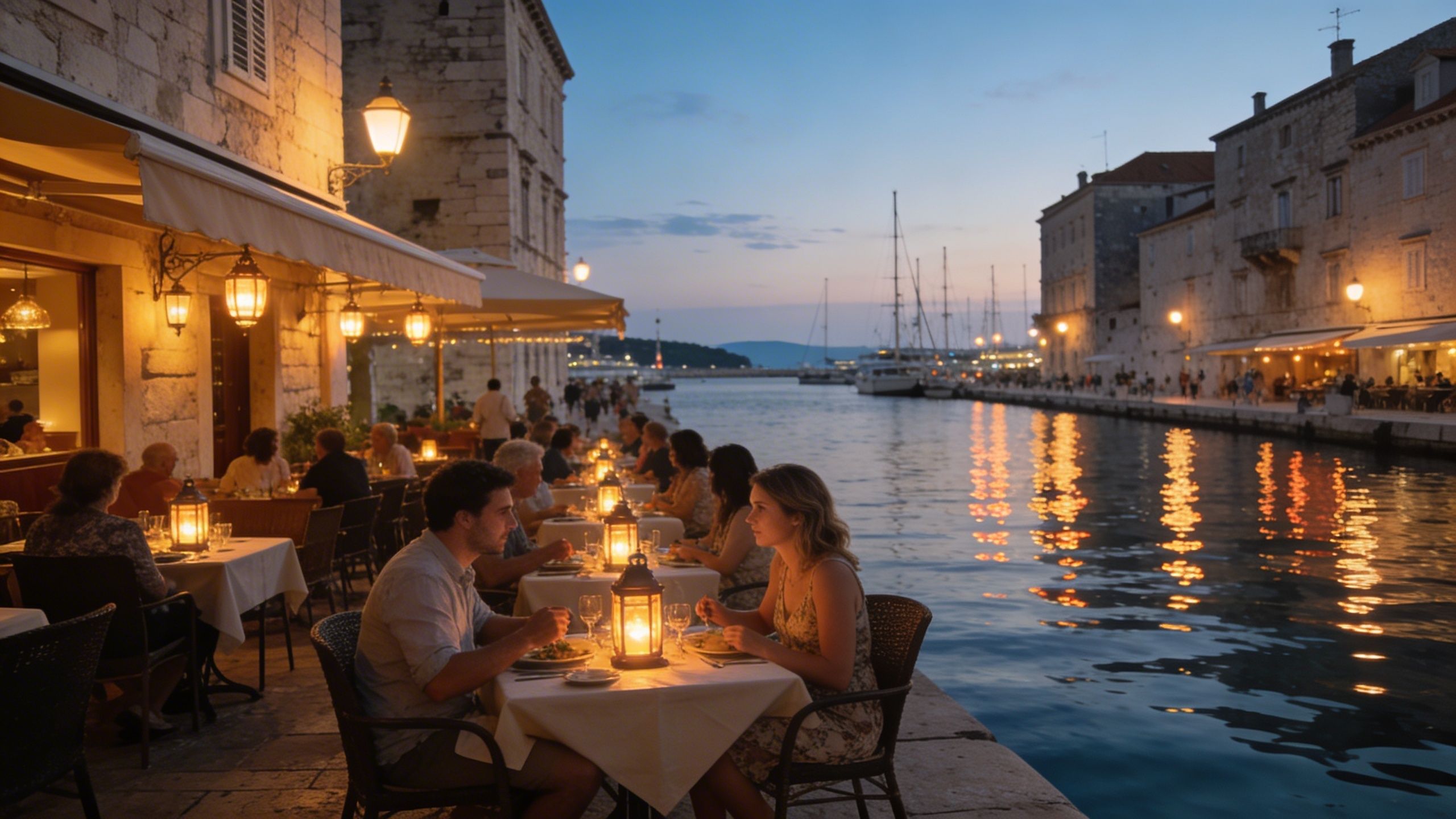
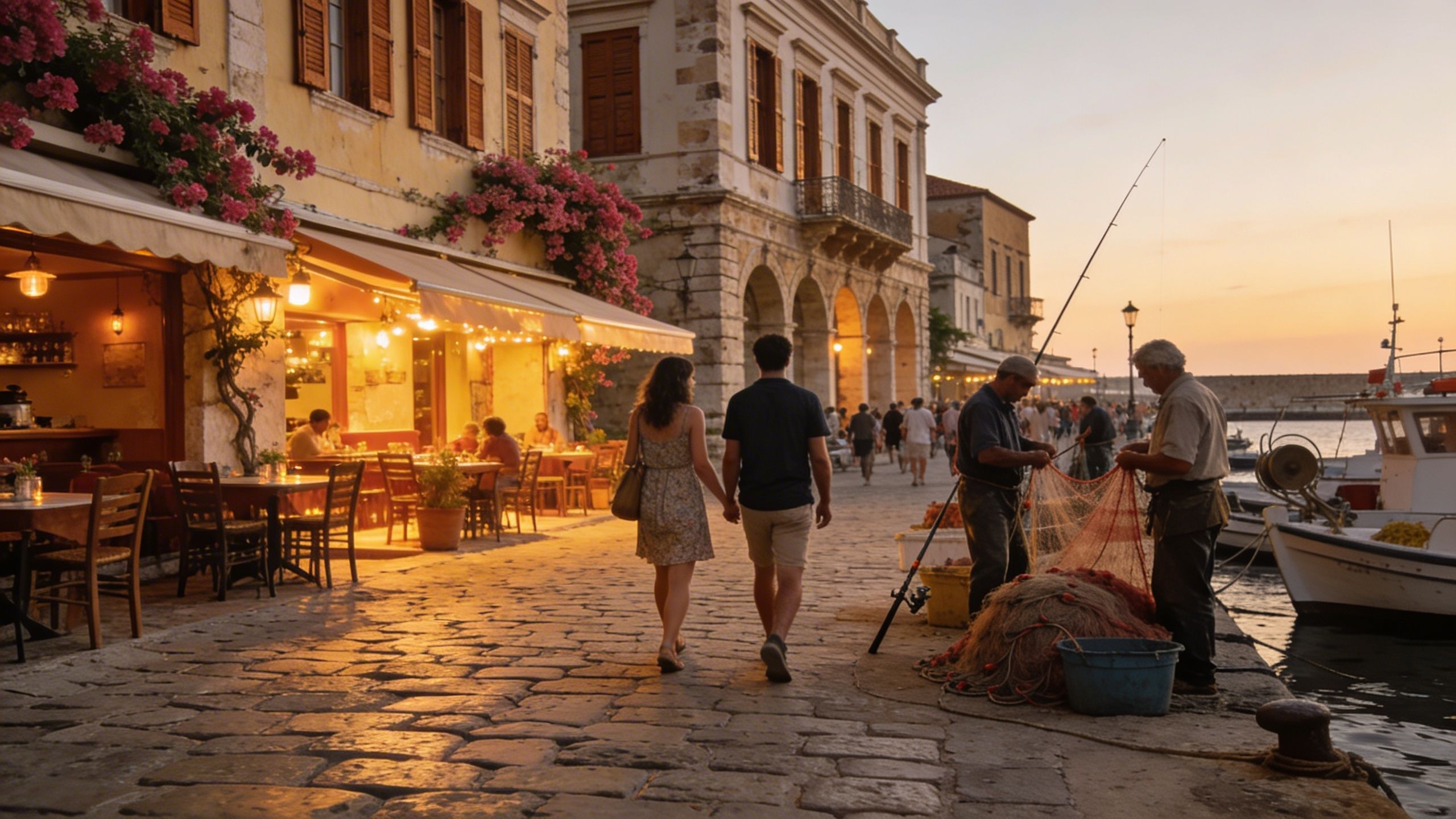
Imagine a late spring morning in Dubrovnik: an espresso at Gradska Kavana, a light breeze carrying salt from the Adriatic, and the soft clack of restoration scaffolding on a stone renaissance façade. For many who come to Croatia the first time, the conviction that the country is simply a summer playground persists. But if you plan to live here, the rhythms are quieter, the neighbourhood cafés in Lapad or Špansko are year-round anchors, and recent tax changes — introduced from 2025 — reframe both cost and opportunity for international buyers. This guide pairs the lived experience of Croatian life with precise, research-backed tax insights to help you weigh the dream against the ledger.
Living the Croatian life — beyond the postcard
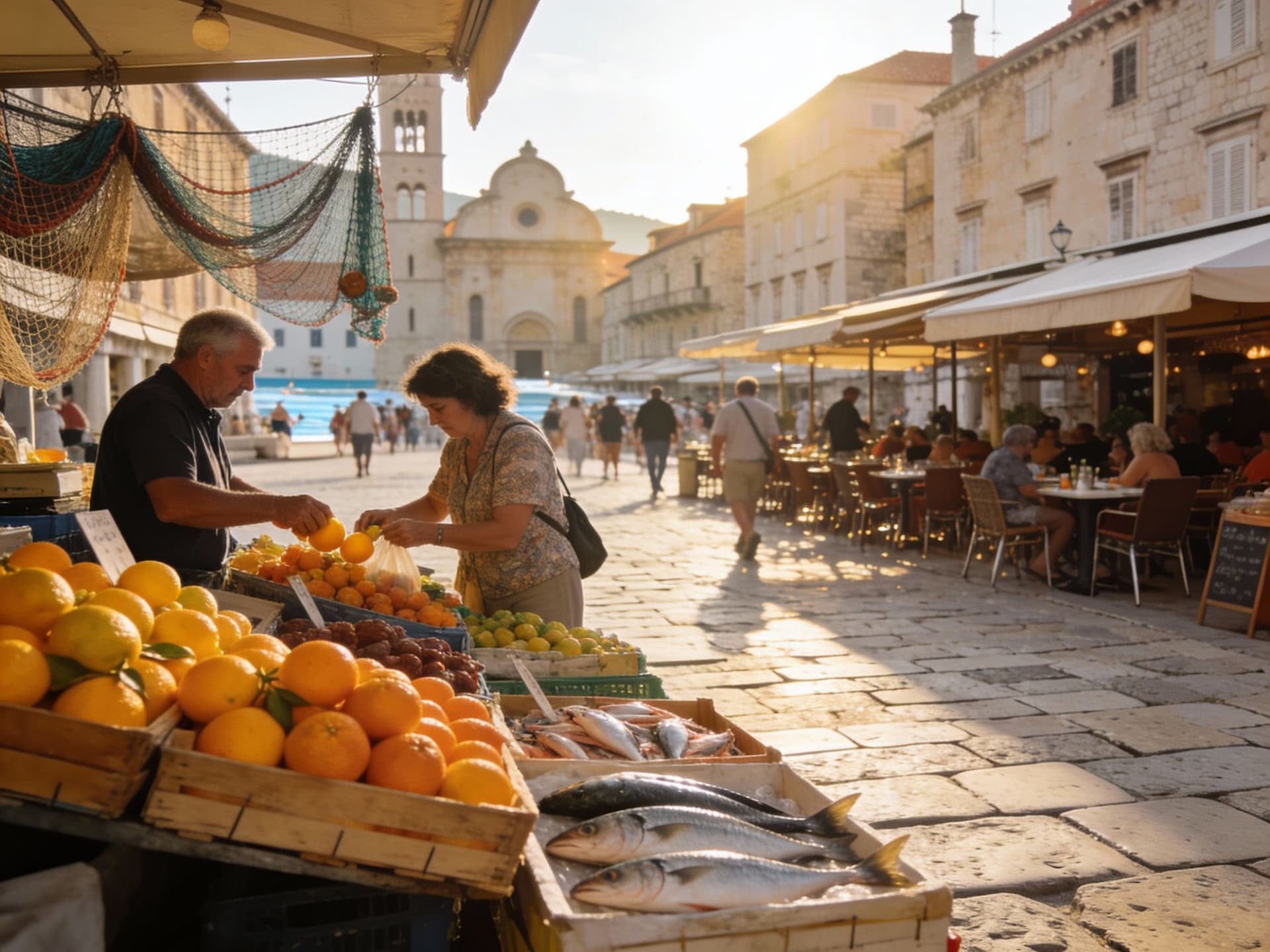
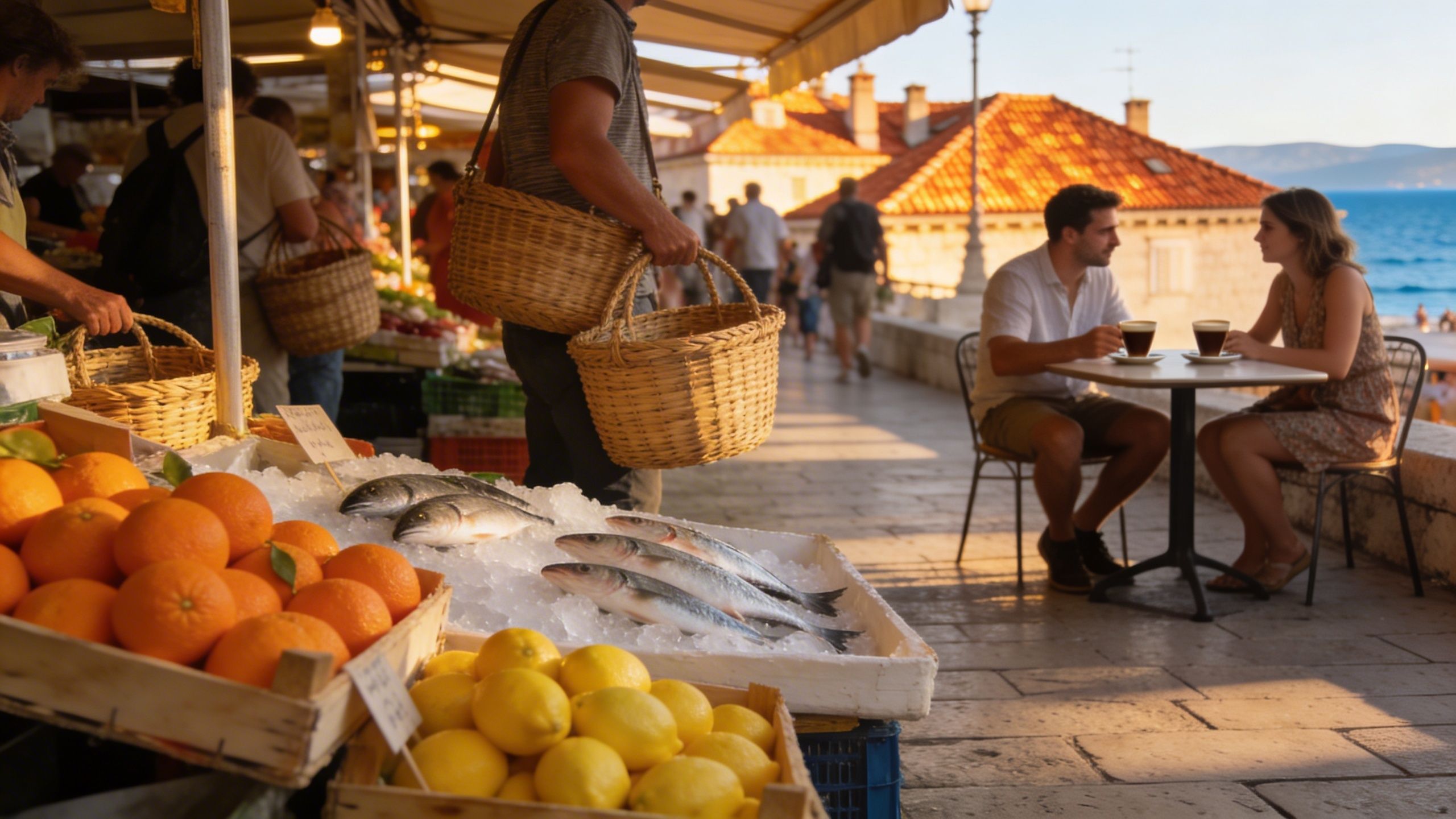
Croatia’s texture is a study in contrasts: Venetian facades in Rovinj, austere Austro-Hungarian blocks in Zagreb, and terraced limestone villages on Brač. Days begin with markets — Dolac in Zagreb, Pazar in Split — where citrus and fresh fish dictate menus, and evenings are given to slow aperitifs on stone terraces. For buyers, these rhythms inform property priorities: a courtyard for winter light in Istria; double glazing and heating in continental towns; shaded terraces and reliable water supply on the islands.
Neighbourhoods that match how you want to live
If you prize daily markets and a lively cultural calendar, Split’s Veli Varoš or Zagreb’s Donji Grad place you at the centre of municipal life. For seaside privacy without tourist throngs, consider Cavtat’s quieter promenades or the inland lanes of Istria around Motovun. Each neighbourhood has its seasonal pulse; where Dubrovnik’s Old Town hums in July, its quieter months reveal local life and potentially more favourable negotiations.
Food, markets and weekend rituals
Weekends in Croatia are for slow breakfasts of burek or pašticada after market rounds, for island hops to Hvar’s lavender fields in summer and for truffle hunts in Istria come autumn. These rituals affect property choices: proximity to a ferry line or a weekend market can be worth paying for if you expect frequent use, while long-term renters prize easy access to municipal services and transport.
- Lifestyle highlights: real places and small pleasures
- Morning coffee at Gradska Kavana (Dubrovnik) and evening promenades along the Riva (Split).
- Dolac market produce and Sunday lunches in Zagreb’s leafy neighbourhoods.
- Istrian truffle weekends in Motovun and wine tastings along the Pelješac peninsula.
Making the move: practical considerations that preserve the lifestyle
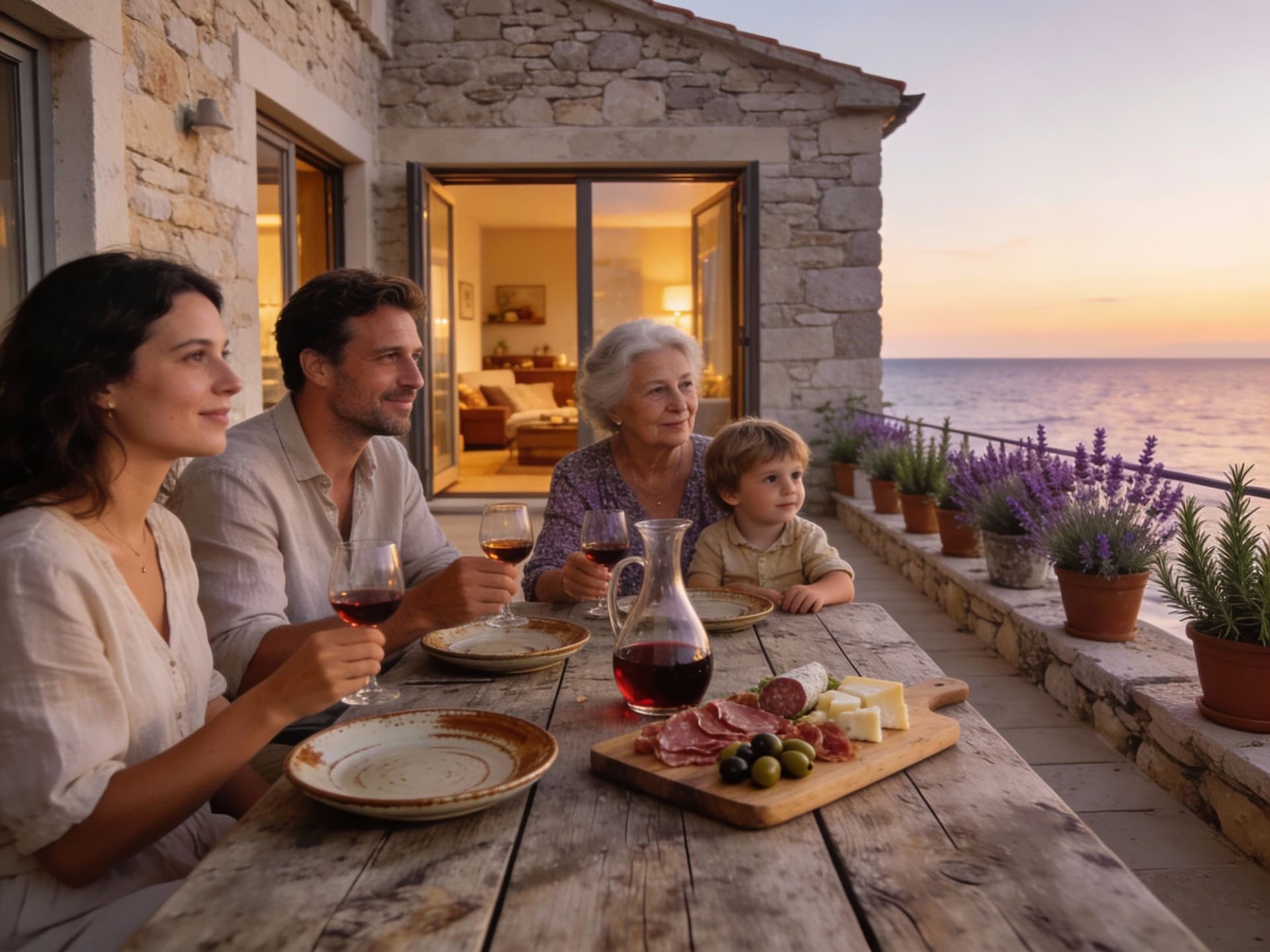
The romance of cobbled streets meets register entries and tax forms. Since 2025 Croatia introduced a reworked annual property tax alongside existing transfer rules; understanding when VAT applies, when transfer tax applies, and how local municipalities set annual rates is essential for aligning a lifestyle purchase with a sustainable budget. The good news: some provisions actively protect primary residences and long-term rentals, which can be used strategically.
Property types and the tax outcomes they create
Resale apartments and stone villas are typically subject to the 3% real estate transfer tax, calculated on the market value or contractual price (the higher of the two). New-builds sold by VAT-registered developers are usually subject to 25% VAT instead of transfer tax. That difference can shift the effective cost of acquisition materially and should influence whether you target a period restoration or a newly constructed apartment by the seafront.
Working with local advisors who steward both dream and diligence
A seasoned local lawyer and an accountant familiar with municipal rates will preserve the life you imagine. Agencies that know the neighbourhoods—whether the terraces of Lošinj or the courtyards of Zagreb—can advise on likely annual property tax levels, exemptions for primary residence, and how to structure rental use to benefit from long-term rental exemptions.
- Steps that blend lifestyle priorities with tax strategy
- Map your intended use: primary home, seasonal rental or long-term let. This defines VAT/transfer tax exposure and exemption options.
- Request municipality rate tables for annual property tax early—coastal municipalities may set higher per‑m² rates.
- Calculate acquisition cost both with 3% transfer tax and with 25% VAT scenarios for comparable properties to see true parity.
Insider knowledge: red flags, myths and contrarian opportunities
A few commonly repeated assertions mislead buyers. Myth: VAT always makes new builds unaffordable. Often, developers price new stock expecting tax-inclusive buyers but offer completion guarantees, warranties, and appliance fittings that reduce medium-term costs. Contrarian idea: a thoughtfully chosen resale in Split’s Veli Varos or an Istrian stone house can carry transfer tax but far lower annual municipal levies if designated as primary residence.
What expats wish they’d known sooner
Expat buyers frequently underestimate municipal discretion. Two identical apartments in neighboring municipalities can face different annual taxes. Registering a property as your primary residence (and meeting the residency conditions) can yield exemption from the new annual tax; likewise, structuring rentals as long-term lets (≥10 months) removes that liability. Small administrative choices, made with local counsel, change the economics without altering the lifestyle.
Longer view: stewardship, succession and resale
Think in generational terms. Inheritance and gift taxation exist but close relatives often benefit from reduced rates; property held through Croatian company structures can simplify rental management but changes estate planning. If you intend to restore a stone villa, document provenance and restoration spend carefully — both for heritage value and tax-deductible maintenance in certain setups.
- Red flags to avoid
- No municipal rate confirmation in writing: always obtain the municipality’s published rate or written confirmation.
- Assuming VAT applies uniformly: confirm whether your purchase is resale (3% transfer tax) or VATable new build (25% VAT).
- Ignoring residency rules: primary residence status has clear exemptions—document days and registration carefully.
- Practical next steps to move from imagining to owning
- 1. Visit neighbourhoods in low season to experience daily life and municipal services; gather local rate notices.
- 2. Commission a local valuation and obtain written municipal tax rates; ask your lawyer to model both 3% transfer and 25% VAT scenarios.
- 3. Decide ownership structure—personal name or Croatian company—after tax advice, considering succession and management.
Croatia rewards those who attend to detail. The country’s light and markets are immediate pleasures; the tax system, since 2025, simply asks for a little local knowledge. With careful structuring, the annual property tax can be mitigated without sacrificing the life you came for: Saturday markets, quiet winters in stone houses, and coastal terraces for long dinners.
Conclusion — next steps and where to seek tailored advice
If the life you imagine includes markets, craft cuisine and quiet courtyards, begin with two parallel tasks: spend time in your chosen neighbourhood outside high season, and instruct a Croatian tax lawyer to model acquisition and holding costs. Agencies with local stewardship ethos will help you locate properties that align with both taste and tax. For precise rates and the latest municipal decisions consult official sources and retain local counsel before signing.
Dutch former researcher who moved to Lisbon, specialising in investment strategy, heritage preservation, and cross-border portfolio stewardship.