The Permit and Title Risks That Shape Cyprus Buys
Why the permits and title checks matter in Cyprus: recent transfer trends show gaps between law and practice—confirm permits, cadastral plans and beneficial ownership.
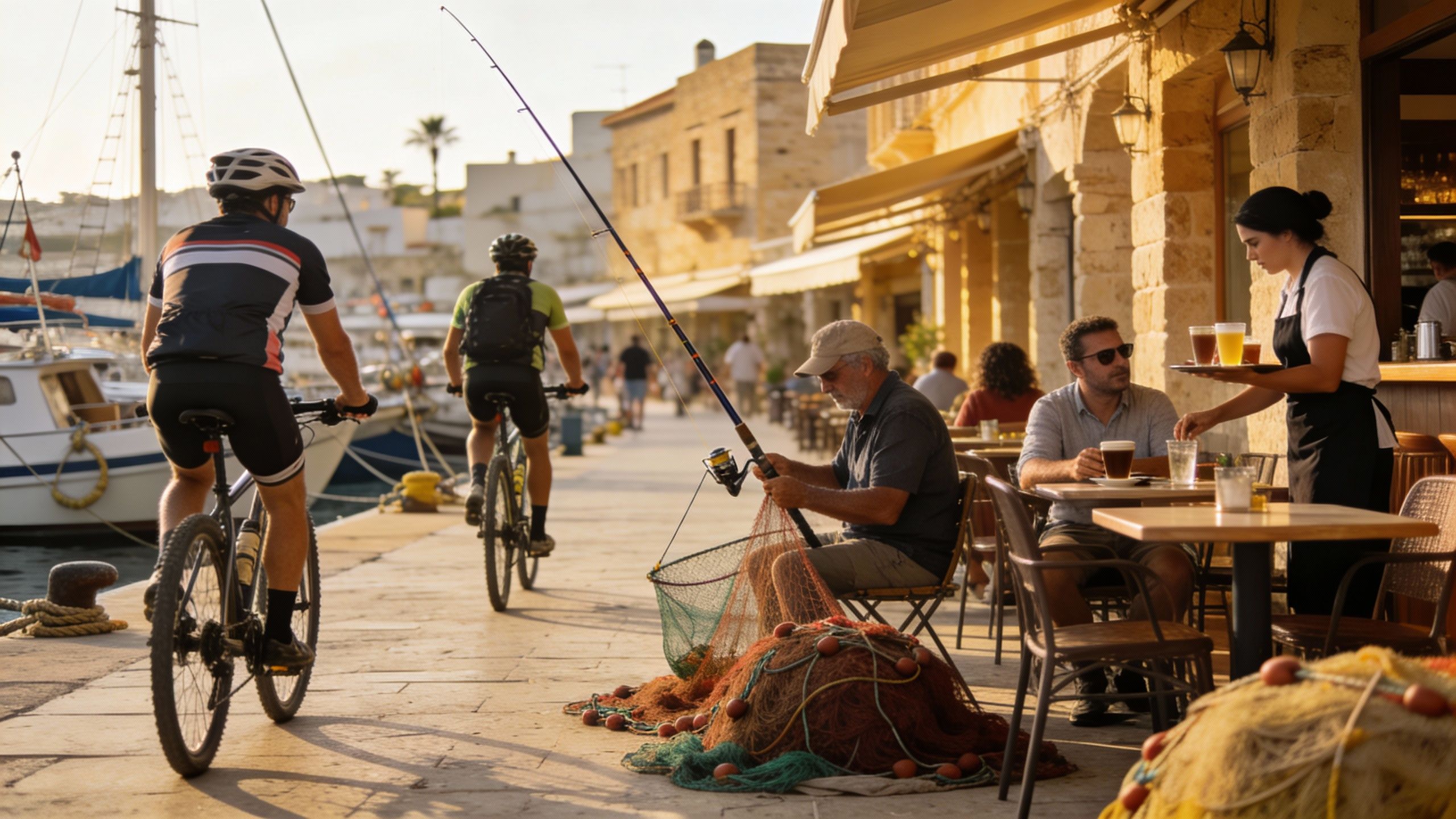
Imagine sitting at a small table on Gladstonos Street in Limassol as the morning light softens the limestone façades and a waiter sets down a frothy cappuccino. The rhythm here—markets opening, children cycling past neoclassical doors, fishermen hauling nets from the harbour—explains why people fall for Cyprus at once. Yet the legal steps under that charm are anything but incidental. Recent scrutiny of transfers to non‑EU buyers shows rules and practice are diverging, and knowing which permits matter will save you time and risk. (Sources below.)
Living Cyprus: texture, seasons and neighbourhoods
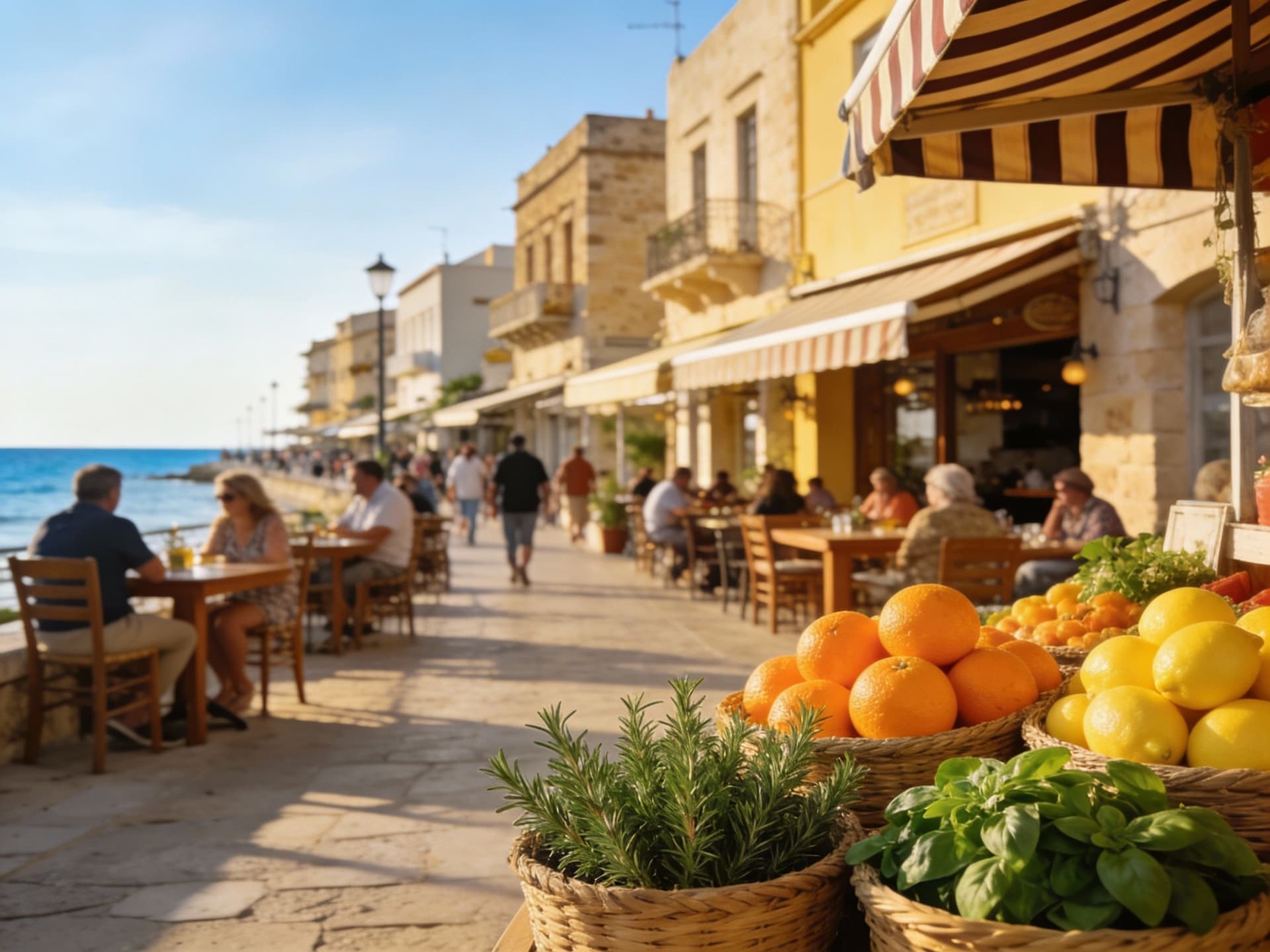
To live in Cyprus is to trade the uniform tempo of a global city for a varied island cadence: slow coffee in a walled square, a brisk swim on Fig Tree Bay by noon, vin santo-soaked evenings in a mountain taverna. Limassol offers maritime refinement and a new‑build promenade; Paphos keeps a quieter, archaeological grace; Larnaca’s salt lake and cafés feel quietly lived in; Nicosia marries bureaucratic bustle with centuries of townhouses and embassies. Each district encases a different daily life, and each will shape what sort of property—and which legal steps—you need.
Limassol and the shoreline of provenance
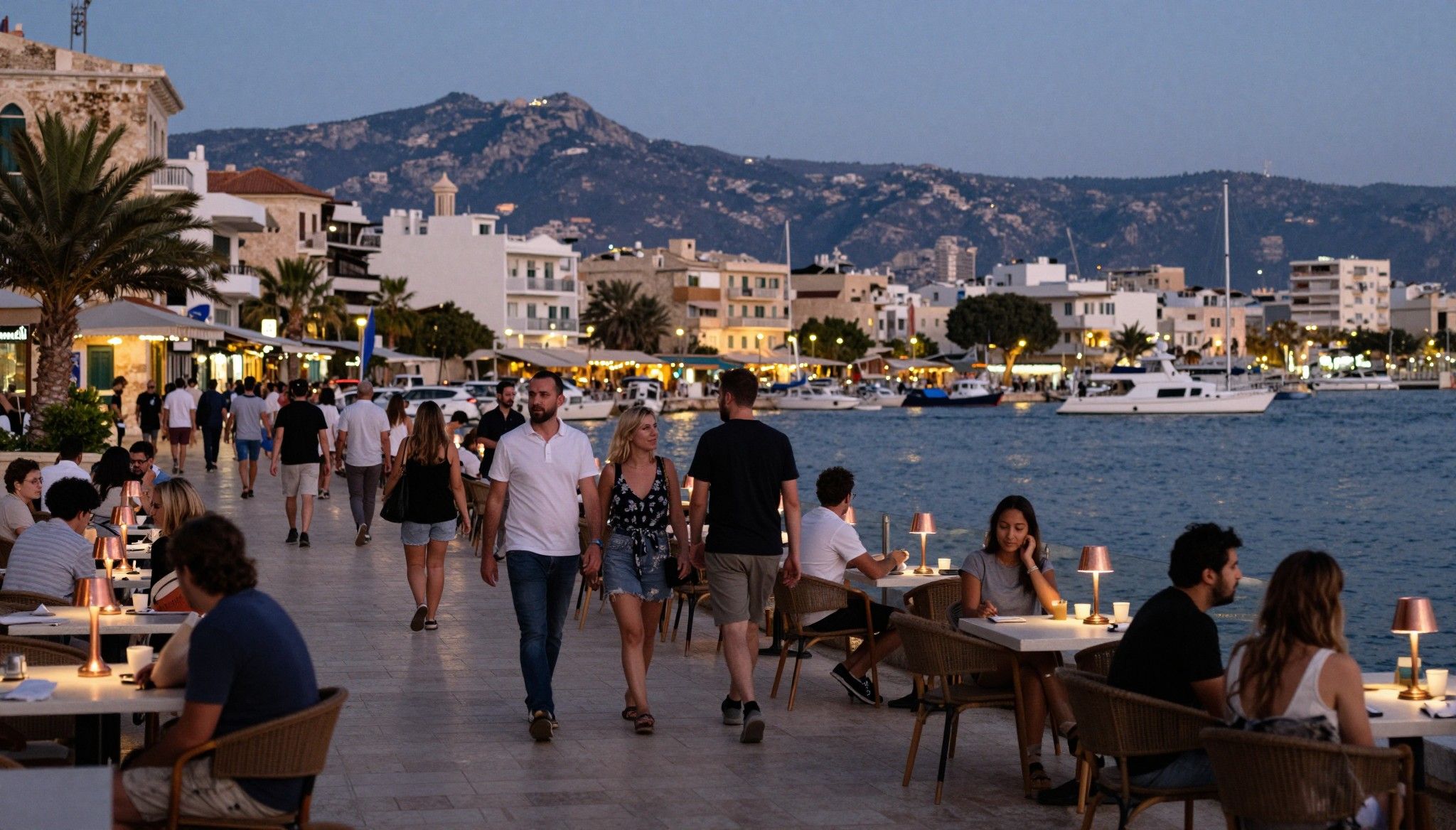
Stroll the Molos promenade in the evening and you understand why buyers prize Limassol: seaside cafés, contemporary marinas and pockets of listed nineteenth‑century villas. For buyers seeking provenance and resale liquidity, these seafront areas command higher prices but also require careful title checks—especially where recent reclamation or redevelopment has altered boundaries and titles. Practical tip: insist on a cadastral plan from the District Land Office before you sign.
Paphos, villages and the slow‑life appeal
Paphos’s lower density, Roman mosaics and olive‑rich hinterland attract buyers seeking a measured life. Here, plots and renovated stone houses offer character, but buyers must pay attention to planning permissions for extensions and to rights of way—informal paths used by generations that can later complicate renovations. A local lawyer and a site visit at low tide or harvest time will reveal more than an online title search.
The legal landscape: what actually governs foreign acquisition

Formally, the Immovable Property (Acquisition by Aliens) Law and the Department of Lands and Surveys set the framework: non‑EU nationals face restrictions, permit requirements and limits on agricultural or forest land. In practice, however, recent data show tens of thousands of transfers recorded to third‑country nationals without the expected oversight. Parliament is considering revisions that would tighten definitions of foreign‑controlled entities and close loopholes used to register title. That means rules you relied on last year may not apply next year—so contemporary due diligence matters.
Key legal red flags to watch
There are specific pitfalls that can turn a charming purchase into a legal quagmire. These include: properties advertised in the Turkish‑controlled north that lack enforceable Greek‑Cypriot title; transfers or assignments recorded without Cabinet or District Officer approval where law requires oversight; and purchases via opaque corporate structures that obscure ultimate beneficial ownership. Recent prosecutions demonstrate the island’s courts are enforcing boundaries—another reason to verify chain of title, historical ownership and whether a property lies near disputed zones.
- Lifestyle‑minded legal checklist
Before you exchange, confirm these items to match the life you expect to live and the protection you need.
- Written evidence of title (land registry entries and cadastral plan).
- Permit requirements for non‑EU buyers and whether the property is within restricted categories (forest, agricultural, buffer zones).
- Search for assignment or lease arrangements longer than 33 years—these can amount to ownership and trigger permit requirements.
- Historic encumbrances, rights of way, and planning permissions—important if you plan to restore a village house or extend a seaside terrace.
Working with local experts without losing the lifestyle vision
Local lawyers, surveyors and agents should be your partners in preserving the very life you buy. A lawyer fluent in land law and EU/anti‑money‑laundering requirements will translate regulations into the practical outcome: whether you can register title, how long the process will take, and whether the property’s history could complicate resale. A surveyor will show whether the sea view comes with erosion‑risk or whether agricultural soil classifications will prevent a kitchen garden.
A pragmatic six‑step process
- Commission a preliminary title report and cadastral search (lawyer + Land Registry).
- Confirm whether you, as a non‑EU national, need a permit and who issues it (District Officer/Cabinet delegations).
- Order a technical survey to identify planning, coastal‑setback or structural issues that affect lifestyle plans.
- Ensure AML and beneficial ownership are transparent if purchasing through a company; anticipate secondary approvals if lawmakers tighten rules.
- Agree escrow arrangements and conditional contracts that reflect permit timelines and contingencies.
- Plan for post‑purchase stewardship: local property management, tax registration, and an annual review of title and planning status.
What expats often wish they’d known
Experienced buyers tell a similar story: fall in love with a street, then check the legal seams. Expect lively markets in Paphos and Limassol, modest annual price growth island‑wide, and a patchwork of enforcement when it comes to purchases by non‑EU nationals. If you plan to rent a property seasonally, investigate local licensing; if you intend to live year‑round, prioritise secure title and utilities tied to the property, not merely the seller’s goodwill.
Longer‑term considerations for the life you want
Think beyond purchase costs: coastal properties may need sea‑defence attention, village houses often require upgraded plumbing and insulation, and conversions can trigger archaeological reviews. These are matters of stewardship as much as expense; they define whether a property will age gracefully and remain a pleasure to occupy.
Conclusion: buy the life, secure the title
Cyprus rewards those who pair affection for place with exacting due diligence. Begin with the day‑in‑the‑life scenes—the café, the bay, the marché—but complete the legal picture with current title searches, permit confirmation, and trusted local advisors. Laws and practice are changing; insist on contemporary, document‑based certainty so the life you fall for becomes the life you keep.
Having moved from Stockholm to Marbella in 2018, I help Scandinavian buyers navigate Spanish property law, restoration quality, and value through authentic provenance.