Season and stewardship: how to buy a French life
Pair the sensory pleasures of French neighbourhood life with essential legal checks — why season, not price alone, should shape where and when you buy in France.

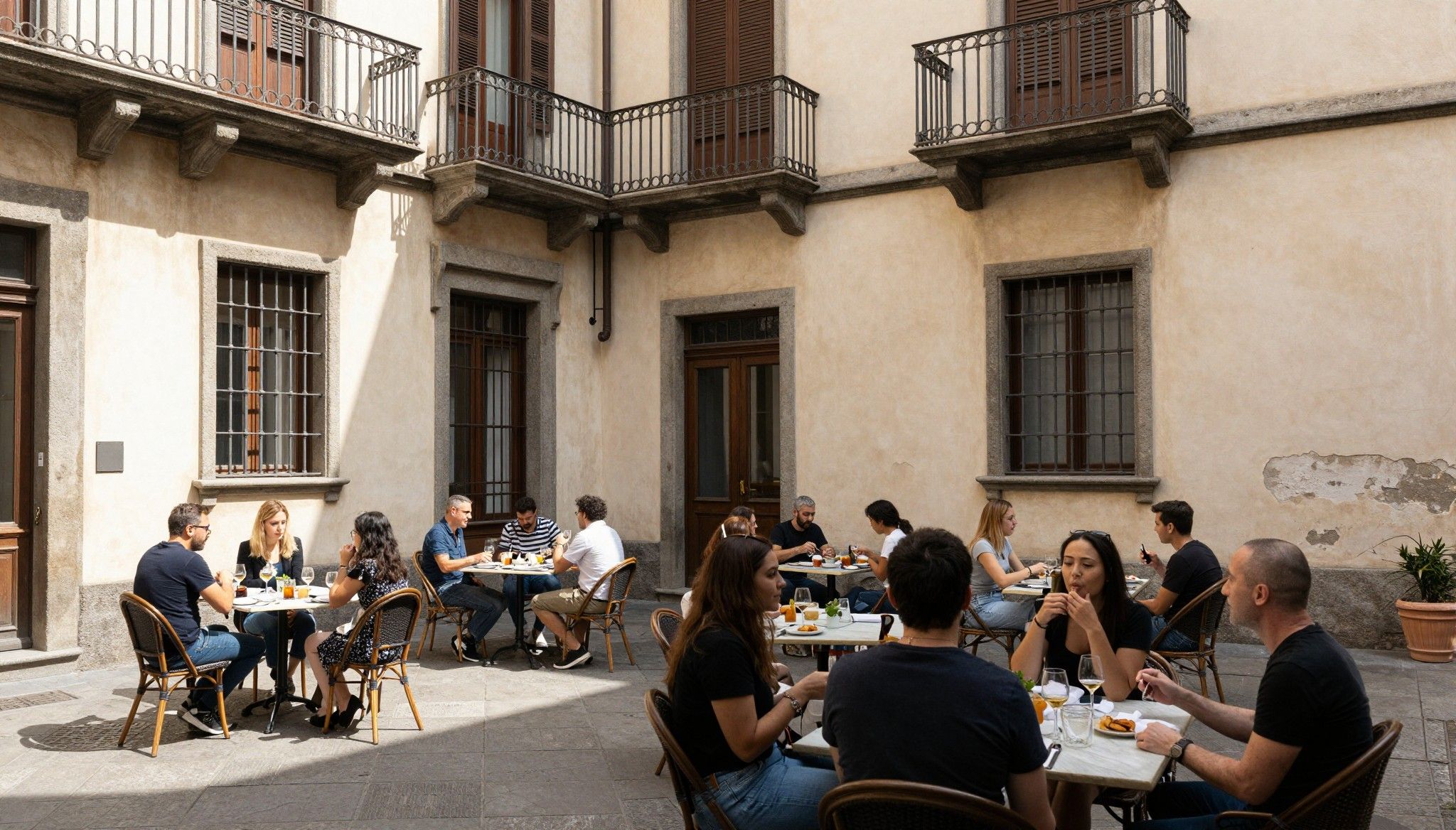
Imagine a mid‑morning in Aix‑en‑Provence: a panier of peaches from the Place des Prêcheurs market, a small coffee at La Palette, and the soft swing of shutters on sun‑warmed façades. In France the house you buy is more than a financial asset; it is a stage for seasons, markets and neighbourhood rituals. Yet for many international buyers that romance collides with practical questions: residency, local taxes, notarial checks and the quiet rules that shape ownership here. This guide pairs the lived‑in pleasures of French life with the legal clarity you need to proceed with confidence.
Living the France lifestyle — why location matters
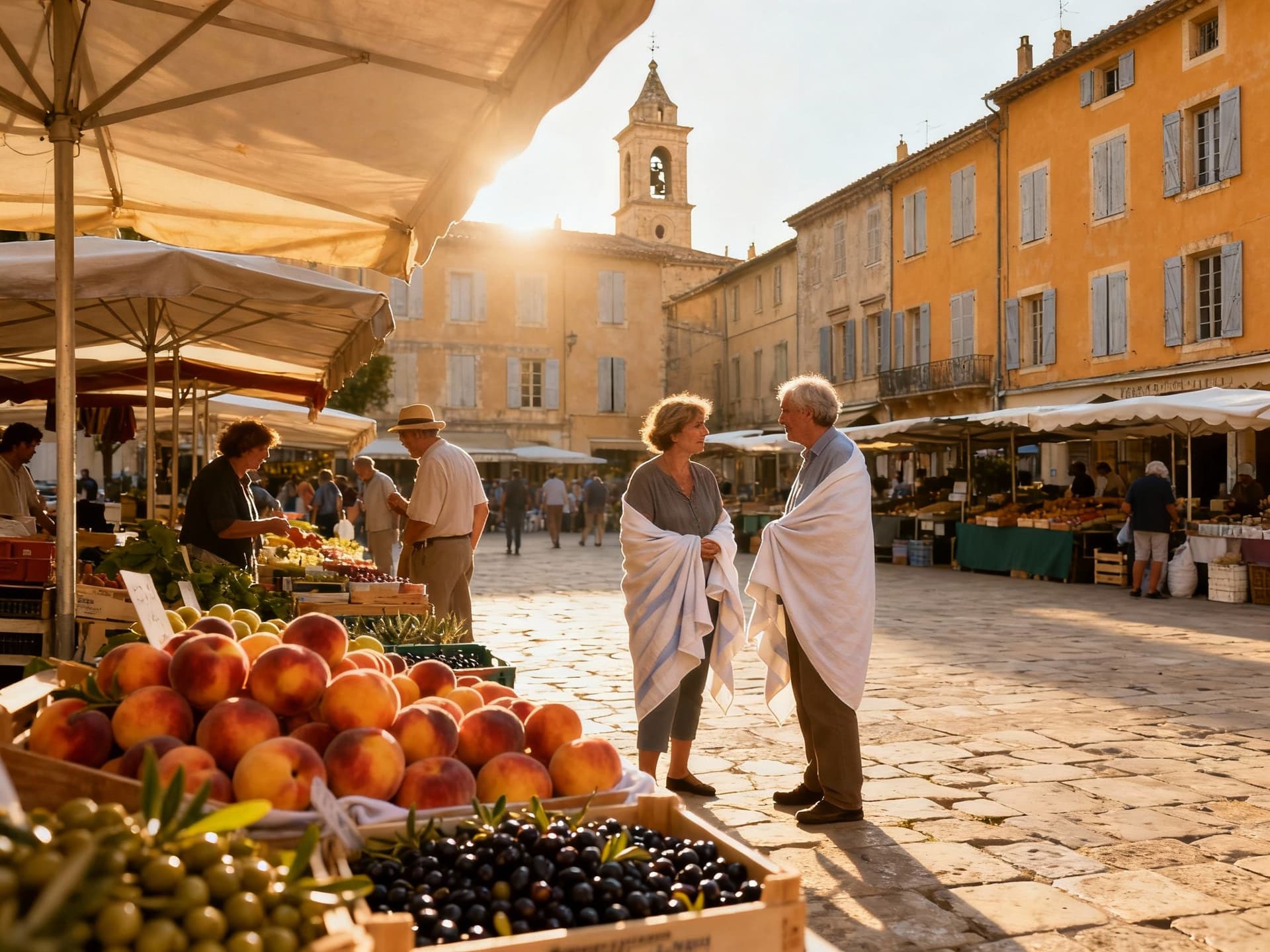
France is a collection of distinct rhythms. Paris moves to a metropolitan tempo of cafés, museums and late dinners; the Alpes‑Maritimes measure days by light and sea temperature; and rural departments like Dordogne keep a weekly market calendar that organises communal life. The property you choose dictates how you live: a Haussmannian flat on Rue de Grenelle invites long evening walks and cultural sorties; a stone farmhouse near Luberon means weekly marché trips, a vegetable potager and an intimacy with seasonal produce.
Neighbourhood characters — examples that sound like a life
If you linger in the Marais you’ll hear languages from every continent beside shopkeepers polishing brass; in Vieux‑Nice gelato carts and bouillabaisse chatter shape the morning; in Saint‑Germain‑des‑Prés the rhythm is literary cafés and discreet art salons. These micro‑cultures shape daily logistics — from school choices to waste collection days — and they matter legally: residency, local taxes and even repair obligations are administered at municipal level, so the neighbourhood defines practical responsibilities as much as pleasures.
Food, markets and seasonality — living by the calendar
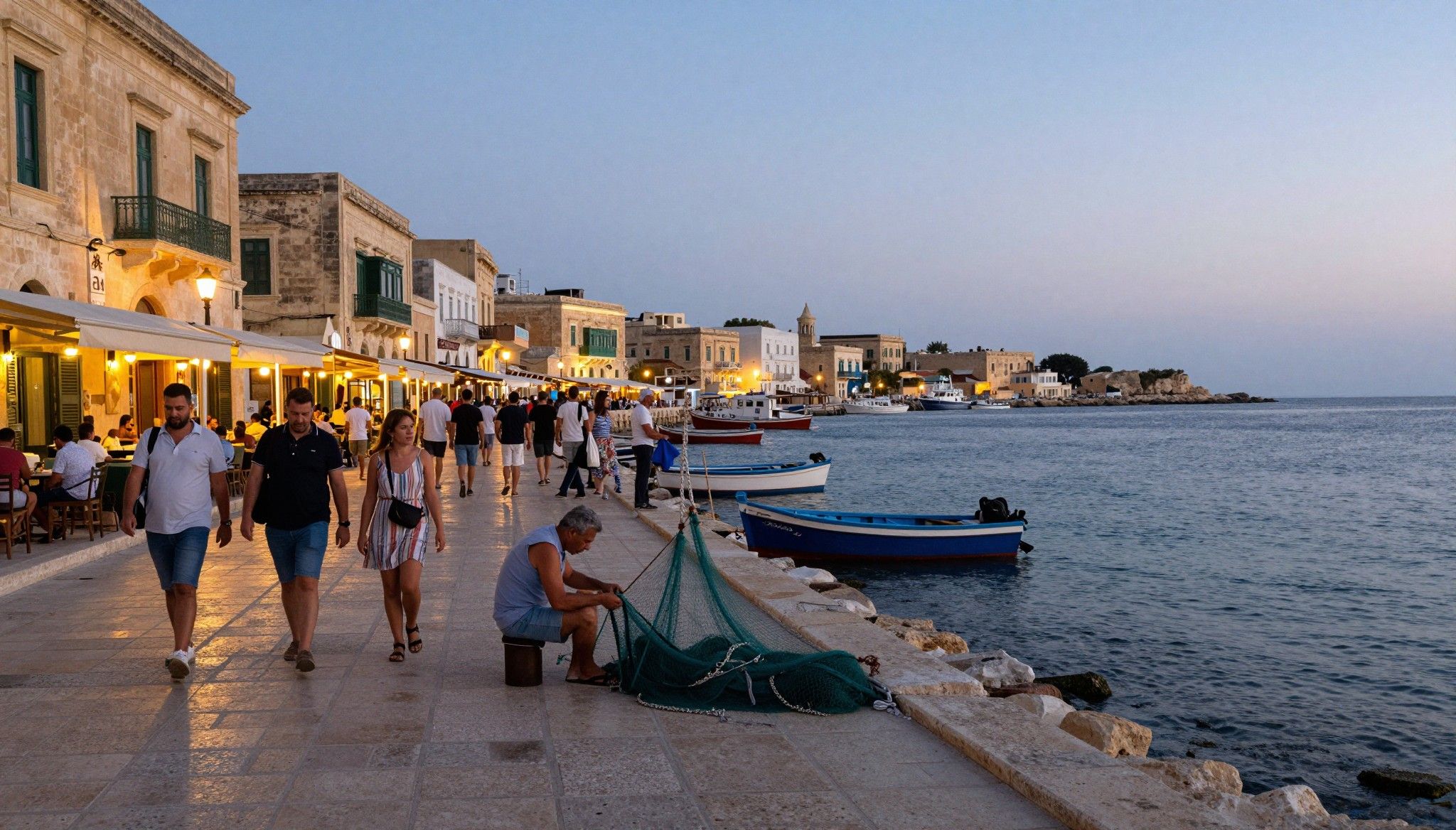
Weeks in France have a cadence: market mornings, slow lunches and aperitif evenings. Coastal towns spike in activity during summer festivals; alpine valleys close and then open with the ski season. Recent data show France’s foreign resident population remains substantial and diverse, influencing both demand and services in neighbourhoods frequented by internationals. Understanding seasonality affects everything from rental economics to maintenance schedules and insurance cover. See INSEE for demographic context.
Quick lifestyle highlights
- Morning market at Place du Lice (St‑Tropez) — seasonal produce and local gossip.
- Sunday stroll from Parc Monceau into a small boulangerie in the 8th arrondissement.
- Afternoon coffee on Cours Mirabeau watching shutters close in late summer heat.
Making the move: practical considerations that protect the life you want

The recent Notaires de France reports show the market stabilising after a period of adjustment and regional divergence in prices. That context matters to the buyer who wants to pair lifestyle with long‑term value: coastal and southern towns are recovering faster; Paris shows nuanced apartment performance. Use up‑to‑date notarial indices to test your assumptions about affordability before you fall in love. Notaires’ notes are essential reading when preparing an offer.
Property types and how they shape daily life
A pied‑à‑terre in Paris requires acceptance of shared‑building rules, syndic fees and limited outdoor space; a maison de maître in Provence invites garden stewardship, local craftsmen for roof and masonry and higher seasonal utility costs. Historic properties may be protected (Monument Historique) which offers tax incentives but imposes constraints on alteration. Choose the property class that matches how you intend to live — hosting, rental, retreat — and budget for the obligations that come with it.
Working with local experts protects the life you imagine. A French notaire finalises title and tax formalities; an architect or heritage consultant assesses restorations; a property manager maintains daily life from a distance. Service‑Public and notarial guidance underline a key legal truth: any foreigner may purchase in France, but ownership does not equal residency. If you intend to live here beyond short stays, consult visa and immigration resources early in the process.
Steps that blend lifestyle and law
- 1. Visit in the season that reflects your intended use (summer for coastal, winter for alpine) to test daily life.
- 2. Commission a notaire‑led title search to uncover servitudes, copropriété rules or heritage listings.
- 3. Obtain local quotes for renovation, insurance and annual running costs to compare lifestyle affordably.
Insider knowledge — what expats wish they’d known sooner
Expats regularly tell the same story: they underestimated municipal minutiae and overestimated how quickly a house becomes a home. Councils set rules for second‑home registrations, refuse collection and building permits; neighbours enforce unwritten hours for outdoor noise. Learning these small codes saves friction and makes integration smoother. Practical diligence preserves the very lifestyle you seek.
Cultural integration and community — small things with large effects
Master a few locutions for market bargaining, attend the communal fête or introduce yourself to the syndic and you will be invited into the practical life of a neighbourhood. Language and respect for local rhythms are not optional: they influence whether tradespeople prioritise your work, whether the mairie helps with permits and how easily you lease your property when absent.
Succession law in France follows forced heirship rules that may surprise international buyers. If generational stewardship matters to you, a dual testament strategy (French and home country) and early estate planning with a notaire avoid unintended outcomes. The notariat also offers clear advice on declaring foreign assets for tax purposes and IFI where relevant.
Red flags to watch for before signing the compromis de vente
- Missing diagnostic reports (termites, plomb, état des risques naturels) or ambiguous boundaries.
- Unclear copropriété minutes or unresolved syndic disputes that could mean unexpected charges.
- Evidence of informal agreements (verbal rights of way, neighbour oil storage) that aren’t on title.
When the romance and the rigor align, France rewards stewardship. The life you buy includes markets, festivals, and a community that will shape the property as much as you will. Start with neighbourhood visits in your intended season, commission notarial searches early, and allow local specialists to translate municipal practice into lifestyle certainty.
Next steps: plan a season‑appropriate visit, secure a notaire for title due diligence, and engage an agency or property manager who understands both the neighbourhood and the legal framework. With measured preparation you buy more than a home — you buy into a life. For market context and legal specifics consult the notaires’ indices and national statistics linked above.
Dutch former researcher who moved to Lisbon, specialising in investment strategy, heritage preservation, and cross-border portfolio stewardship.