Reciprocity, Seasons and Hidden Costs of Buying in Croatia
Croatia’s charm masks legal and fiscal quirks: reciprocity requirements, 2025 municipal property taxes, and VAT vs transfer‑tax choices shape who can buy and what it will cost.
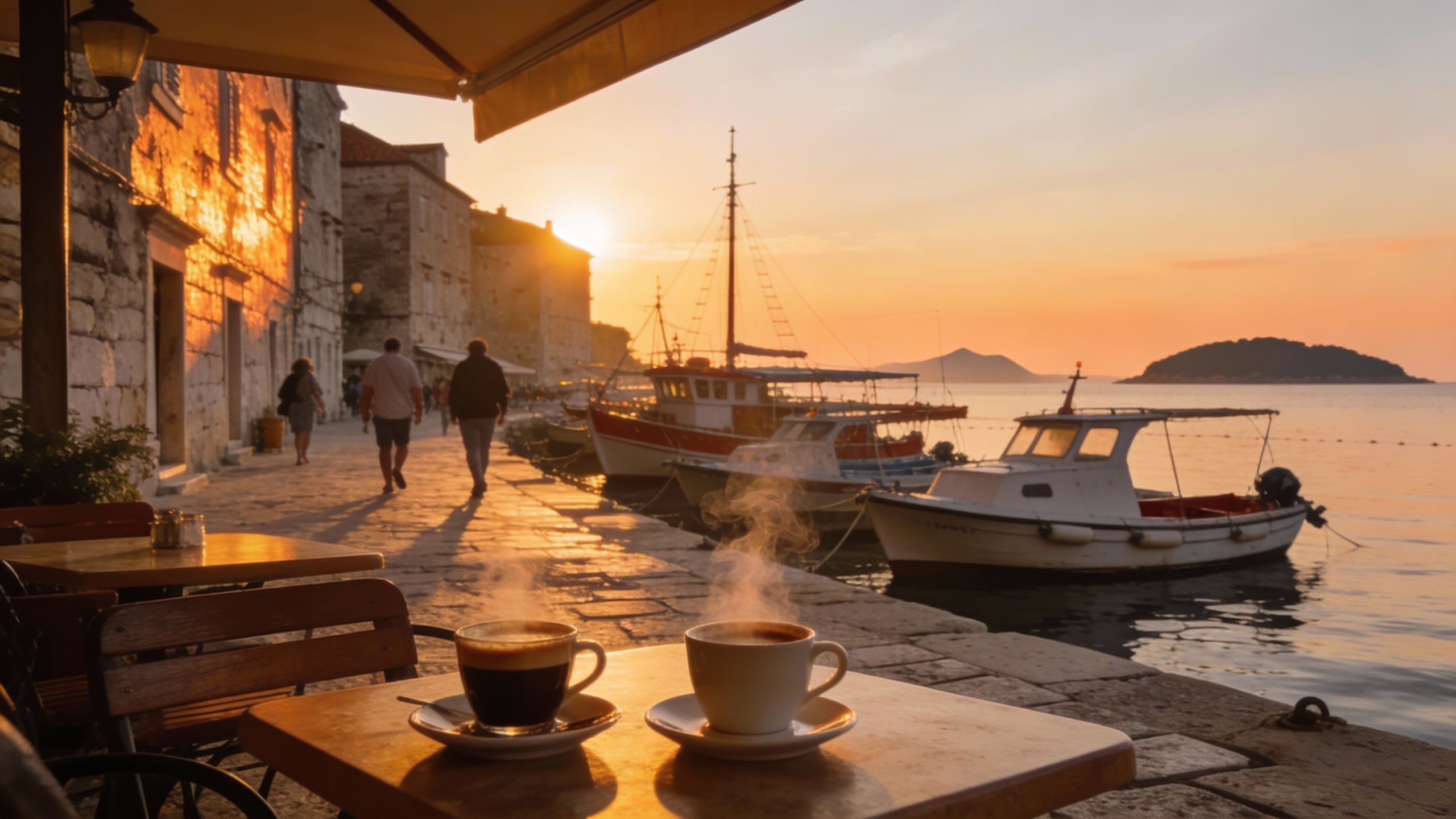
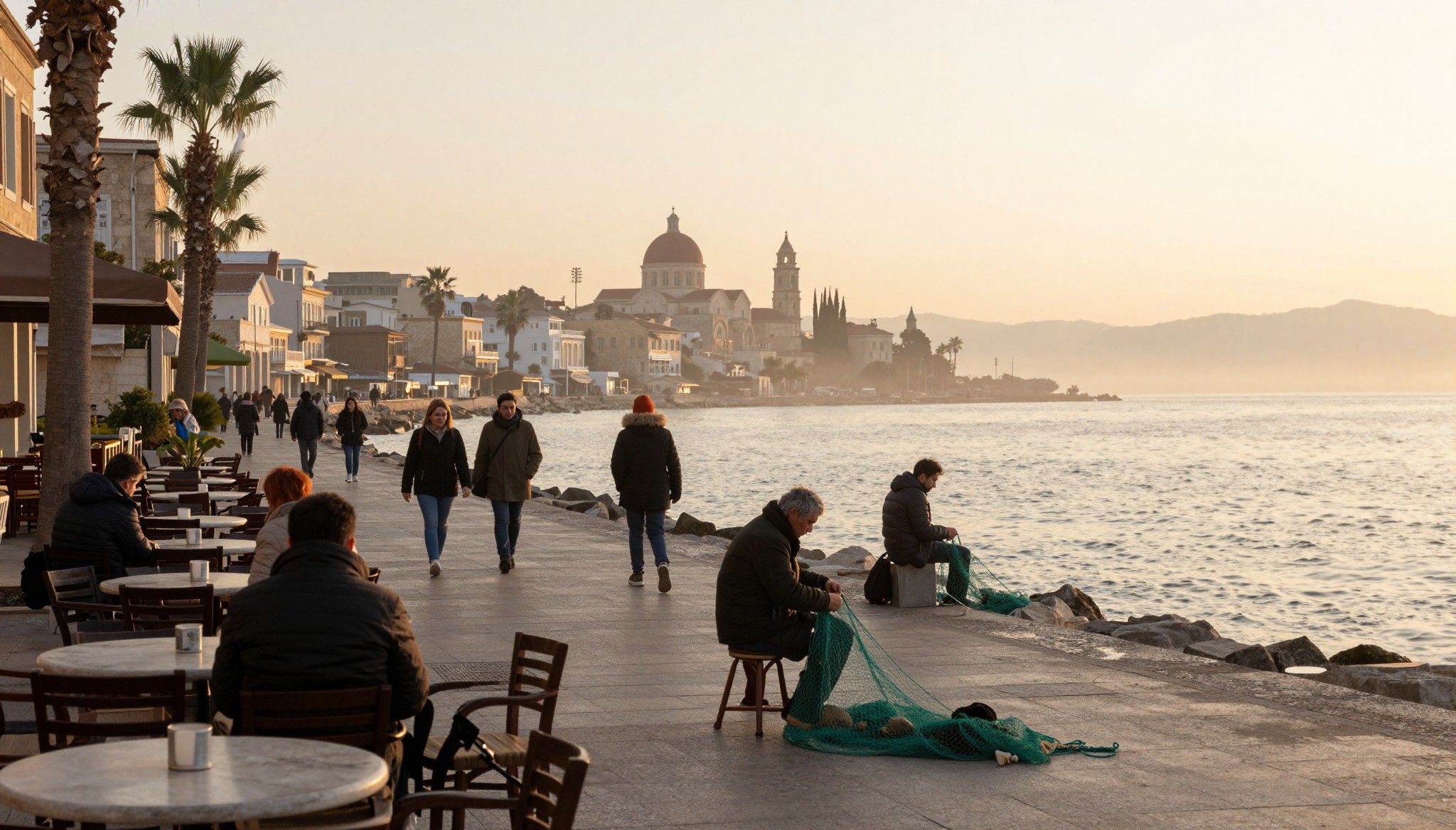
Imagine an autumn morning in Rovinj: the harbour fog lifting to reveal fishermen mending nets, a bakery on Šetalište Califfa busy with locals, and light spilling through stone archways. That domestic cadence — market baskets, mid‑day espresso, children cycling past a 19th‑century palazzo — is what draws many of us to Croatia. But the law and the tax ledger are part of the landscape too: reciprocity rules, a new municipal property levy and transfer taxes quietly shape which properties are available and what life there actually costs. For an international buyer, understanding those rules is as important as knowing which street has the best morning coffee.
Living the Croatia rhythm
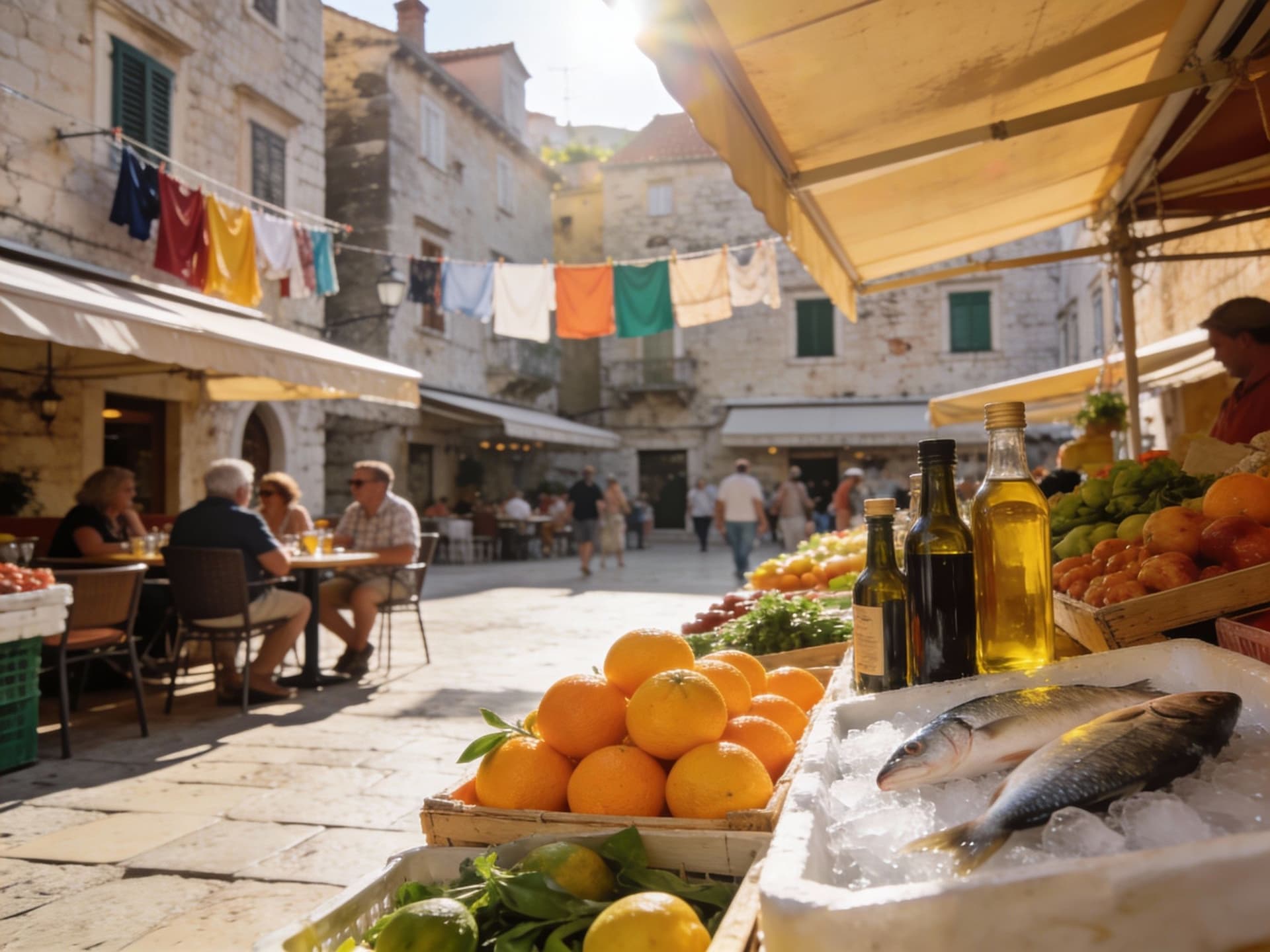
Life in Croatia balances weathered stone and thoughtful leisure: daily markets in Dolac, late afternoons on Split’s Riva, and island ferries moving like clockwork through the Adriatic. Neighbourhoods vary — Zagreb’s Gornji Grad is reserved and urbane; Split’s Varoš is intimate, with stairways and family‑run konobas; Hvar’s Stari Grad feels sunlit and cultivated. These rhythms determine what kind of property will suit you: a gardened townhouse for year‑round living, a high‑ceiling apartment in a historic centre, or a modern villa with sea access for seasonal life. Alongside this, fiscal rules—transfer taxes and VAT on new builds—affect the real cost of that lifestyle. See the national tax summary for rates and exemptions.
Coastlines and courtyards: where mornings matter
If you crave sea breezes and morning markets, consider Šibenik’s quieter streets or the stone lanes near Dubrovnik’s Ploče. In these places a front door opens onto a ritual: a bicycled baguette, neighbours greeting each other, and cafés that know your name. Properties here favour traditional masonry, thick walls and terraces that take advantage of light and shade — features that matter in both comfort and maintenance budgets. Expect restoration needs and a preference for proven craftsmanship when buying older stone houses.
Inland calm and town squares
Inland towns — Varaždin, Trogir’s quieter edges, Istrian hilltop settlements — offer a slower pace: morning markets are about local produce, evenings revolve around small family restaurants. Properties there often come with land or substantial gardens, which invites different legal considerations: agricultural zoning, possible restrictions on conversion and the need to consult cadastral records before imagining a pool or guest cottage.
Lifestyle highlights to seek in a Croatian neighbourhood
- Morning market within a 10‑minute walk (e.g., Zagreb’s Dolac; Split’s Pazar)
- A neighbourhood konoba or bakery that operates year‑round, not just in summer
- Reasonable ferry or road link for island living (Hvar–Stari Grad, Brač–Supetar)
- Presence of restoration craftsmen or architects familiar with Dalmatian stonework
Making the move: practical considerations that preserve the life you want
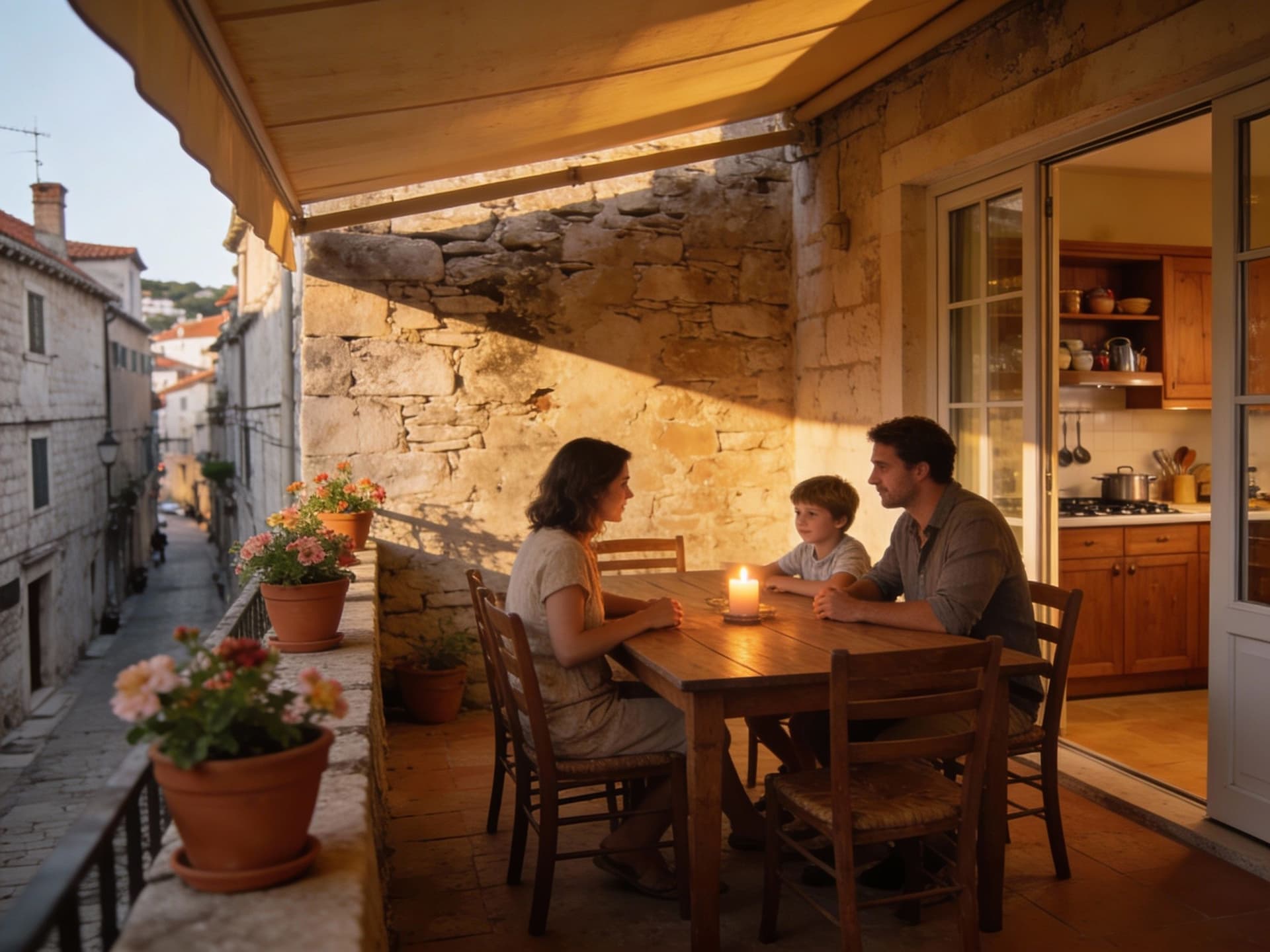
The transition from imagining life in Croatia to legally owning a home hinges on two practical realities: who may buy, and what the ownership costs look like after closing. For EU/EEA/Swiss buyers the process is straightforward. For others, the principle of reciprocity governs access and can require ministerial consent; that single document often determines whether an off‑market stone house becomes available to you. Concurrently, new national rules introduced in 2025 changed annual property taxation regimes and emphasised long‑term rental exemptions — a change with consequences for owners who plan to let seasonally.
Property types and the hidden obligations they bring
A medieval stone house in Korčula will have restoration needs and municipal heritage rules; a new build in coastal Split will likely be subject to 25% VAT rather than the 3% transfer tax. Land purchases can be restricted for foreigners and often carry agricultural zoning that limits development. Practical diligence means reviewing cadastral (katastar) maps, land‑use permits and any conservation overlays before committing. Local architects and notaries familiar with coastal preservation norms are indispensable.
Working with local experts who protect the lifestyle you imagine
An experienced agent, a Croatian notary, and an English‑speaking lawyer form the core team. Agents find properties aligned to life patterns — a café‑front apartment or gardened house — while notaries handle deeds and registration. Lawyers check reciprocity documentation and municipal obligations; they can be decisive when a Ministry approval is required. Because municipal property tax rates now vary by town, local counsel can also advise on likely annual charges and exemptions that preserve a feasible living budget.
- Request Ministry reciprocity confirmation early (if applicable).
- Order cadastral and ownership extracts and check zoning before offer.
- Compare transfer tax vs VAT scenarios — new build sellers often price with VAT included.
- Factor municipal annual tax and rental‑use exemptions into long‑term cost modelling.
Insider knowledge: expat truths and legal surprises
Expats often speak of two surprises: timing and the municipal micro‑rules. Ministry approvals can add weeks or months, and some municipalities interpret the 2025 property tax exemptions narrowly. Many buyers discover that buying a coastal stone house requires heritage permissions for even modest exterior alterations. The legal landscape rewards patience and local relationships: a notary who understands island bureaucracy, an architect who knows conservation commissions, and an agent with ties to restorers.
Language, community and daily integration
Croatian is melodic and practical; learning a few phrases opens doors to neighbours and craftsmen. Local clubs, konobas and volunteer events are where enduring friendships form. For families, schools and healthcare access differ between Zagreb and smaller towns; for professionals working remotely, check broadband and ferry timetables. These social and infrastructural factors influence which property will feel like home rather than just a holiday bolt‑hole.
Long‑term stewardship and what to budget for
Beyond purchase taxes, plan for maintenance of historic fabric, seasonal management and compliance with rental rules if you let the property. Municipal annual tax changes mean the arithmetic of owning a coastal apartment differs from owning inland: exemptions for long‑term rentals can neutralise municipal levies if you commit to year‑round tenancy. Consider building a five‑year stewardship budget that includes restoration contingency, local management, and insurance tailored to coastal weather exposure.
- Red flags to pause on: unclear cadastral extracts, missing building permits, unlisted easements, and properties sold by non‑owners.
- Opportunities to pursue: off‑market stone houses sold by descendants, long‑term rental exemption planning, and municipal restorations grants.
Conclusion: If Croatia’s light, food and daily rhythms are what you imagine — the law and tax code are the instruments that let that imagining become reality. Start with lifestyle clarity (which neighbourhood, what kind of daily life), then secure local legal counsel to check reciprocity, cadastral data and municipal tax rules. An agent who knows the cafés and a lawyer who knows the ministry can turn a hopeful viewing into a secure ownership. When you buy this way, you purchase not merely a house but a place in the neighbourhood ritual that first drew you here.
Norwegian with years in Florence guiding clients across borders. I bridge Oslo and Tuscany, focusing on legal navigation, cultural context, and enduring craftsmanship.