Reciprocity, Rhythm and Real‑Estate Reality in Croatia
Croatia offers a lifestyle of sea‑lit rituals but non‑EU buyers must mind reciprocity and ministry consent—plan stays, legal checks and stewardship for a confident purchase.
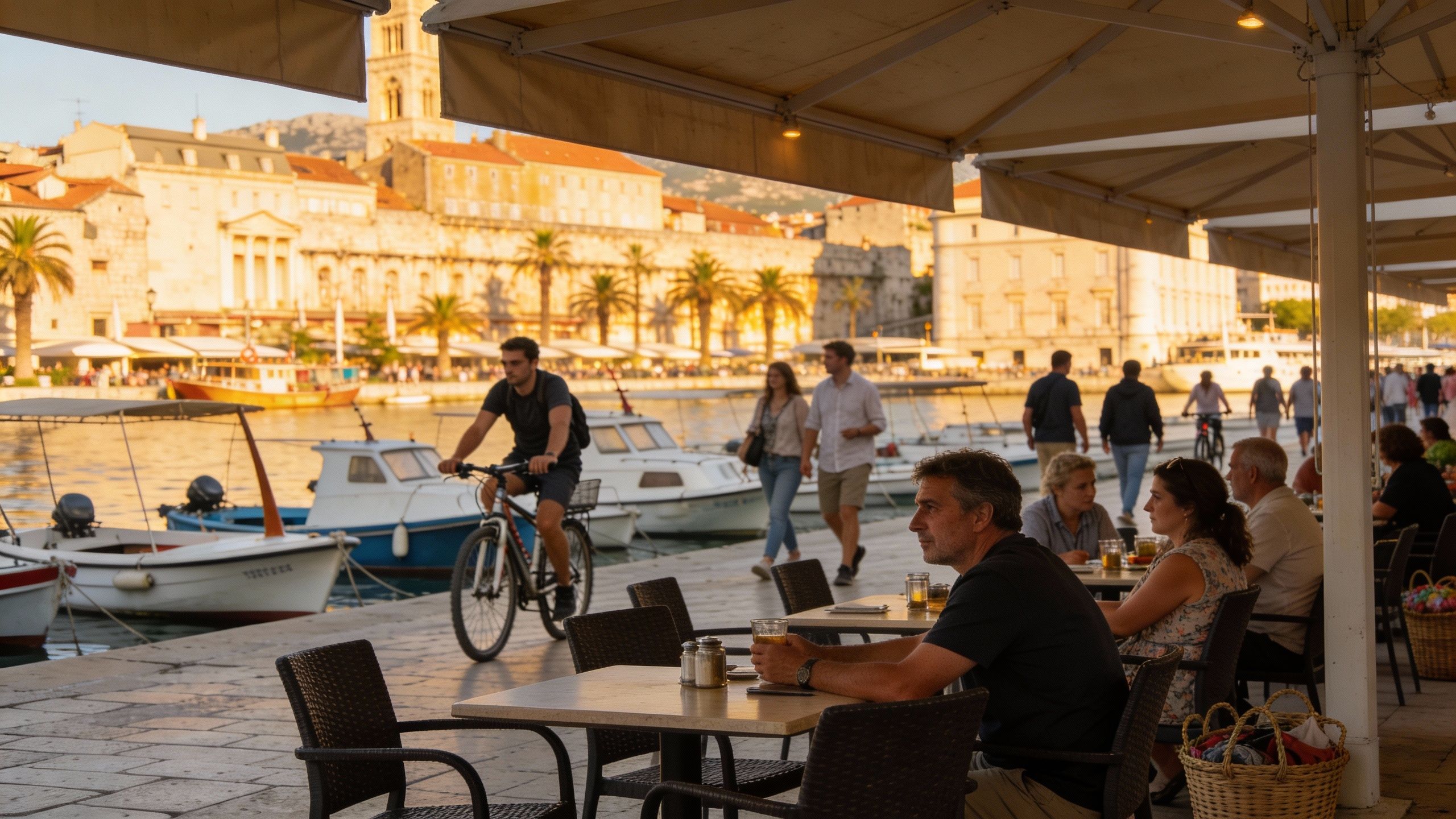
Imagine a late afternoon in Cavtat: espresso on a shaded terrace, fishermen repairing nets by the harbour, and limestone facades catching the low light. Life in Croatia is paced by the Adriatic and marked by small rituals—market Saturdays in Split, aperitivo along Dubrovnik’s Ploče, and bicycles threading the promenades of Zadar. For many, that rhythm is the reason to look here; for prudent buyers, the rhythm is also the reason to read the fine print. This guide pairs lived detail with legal clarity so that your romantic impulse meets an equally refined plan.
Living the Croatian Rhythm
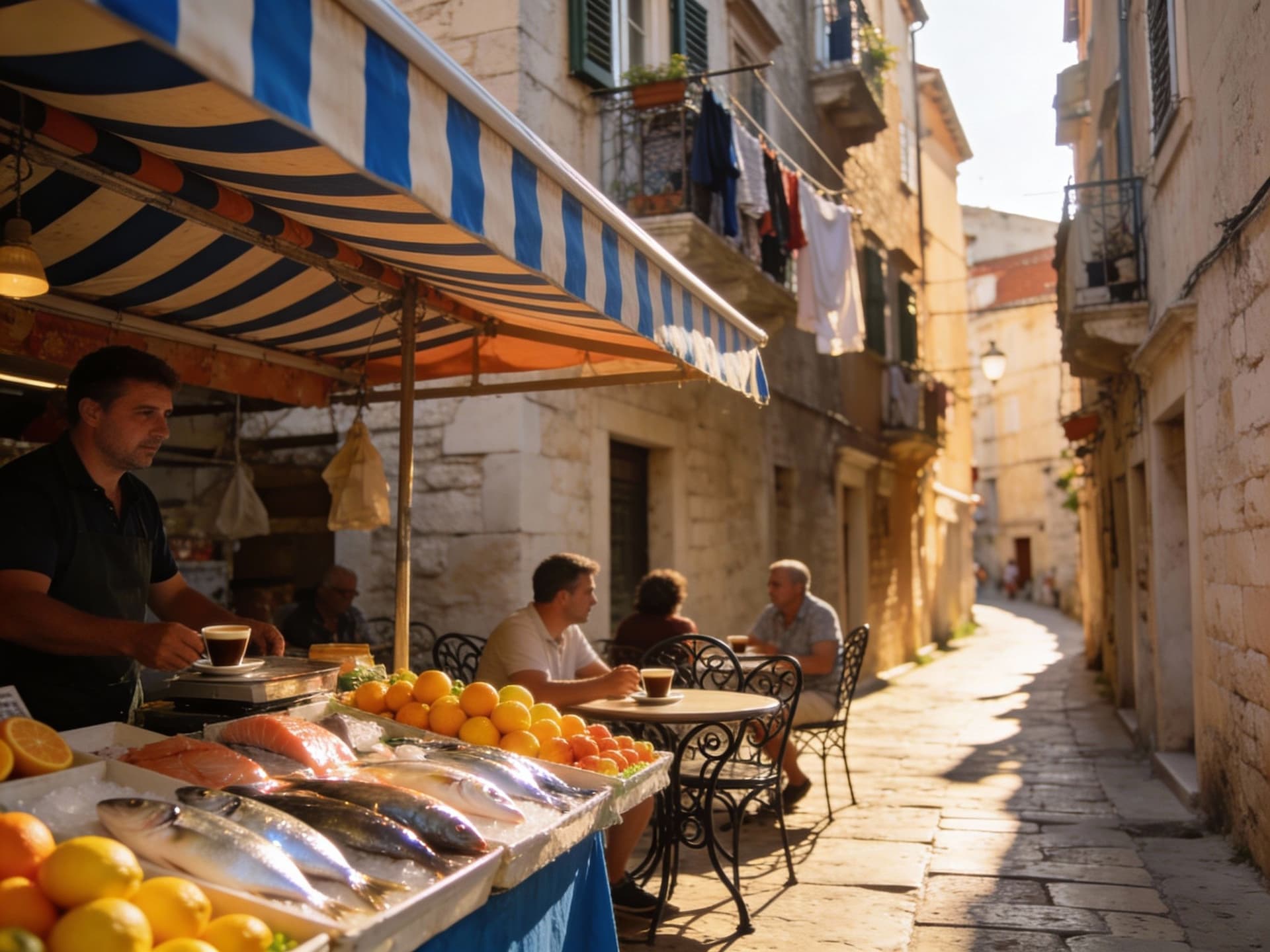
Croatia’s daily life balances maritime ease with the seriousness of place. In coastal towns the day begins with fish markets and ends with long dinners; inland, stone villages favour quiet courtyards and olive groves. The built environment—dalmatian stone houses, Austro-Hungarian townhouses in Istria, and modernist blocks in Zagreb—shapes how you will live: terraces and pergolas for summer, thick walls for winter calm, and narrow streets that invite foot traffic rather than cars.
Dubrovnik & Konavle: Old stone, private harbours
Walk Stradun early and you will see why buyers chase Dubrovnik: oyster bars, baroque details, and a high‑heritage atmosphere that rewards stewardship. Just south, Konavle’s lanes and smaller coves offer a quieter coastal life—better for a private villa than for a boutique hotel. Expect premium maintenance costs and strict conservation rules around listed buildings; these are the trade‑offs for architectural authenticity.
Split, Varoš, and the Market Culture
Split’s Riva, the fish market by the Diocletian walls, and the villagelike quarter of Varoš reveal Croatia’s social economy: cafés that double as offices, markets that drive weekly menus, and neighbours who know one another. Buying in these areas means buying into conviviality—expect to trade large gardens for proximity to cafés, and budget for seasonal rental demands if you plan to let your home.
- Lifestyle highlights to seek in Croatia
- Morning markets in Split (Pazar) and Dubrovnik’s Gundulićeva poljana
- Sea‑facing terraces in Hvar and Brač for late‑afternoon light
- Stone courtyards in Istria—Grožnjan and Motovun—for quiet studio life
- Zagreb’s Upper Town for winter cultural life and private townhouses
- Local konobas (family tavernas) for neighbourhood gatherings and seasonal produce
Making the Move: Practical Considerations
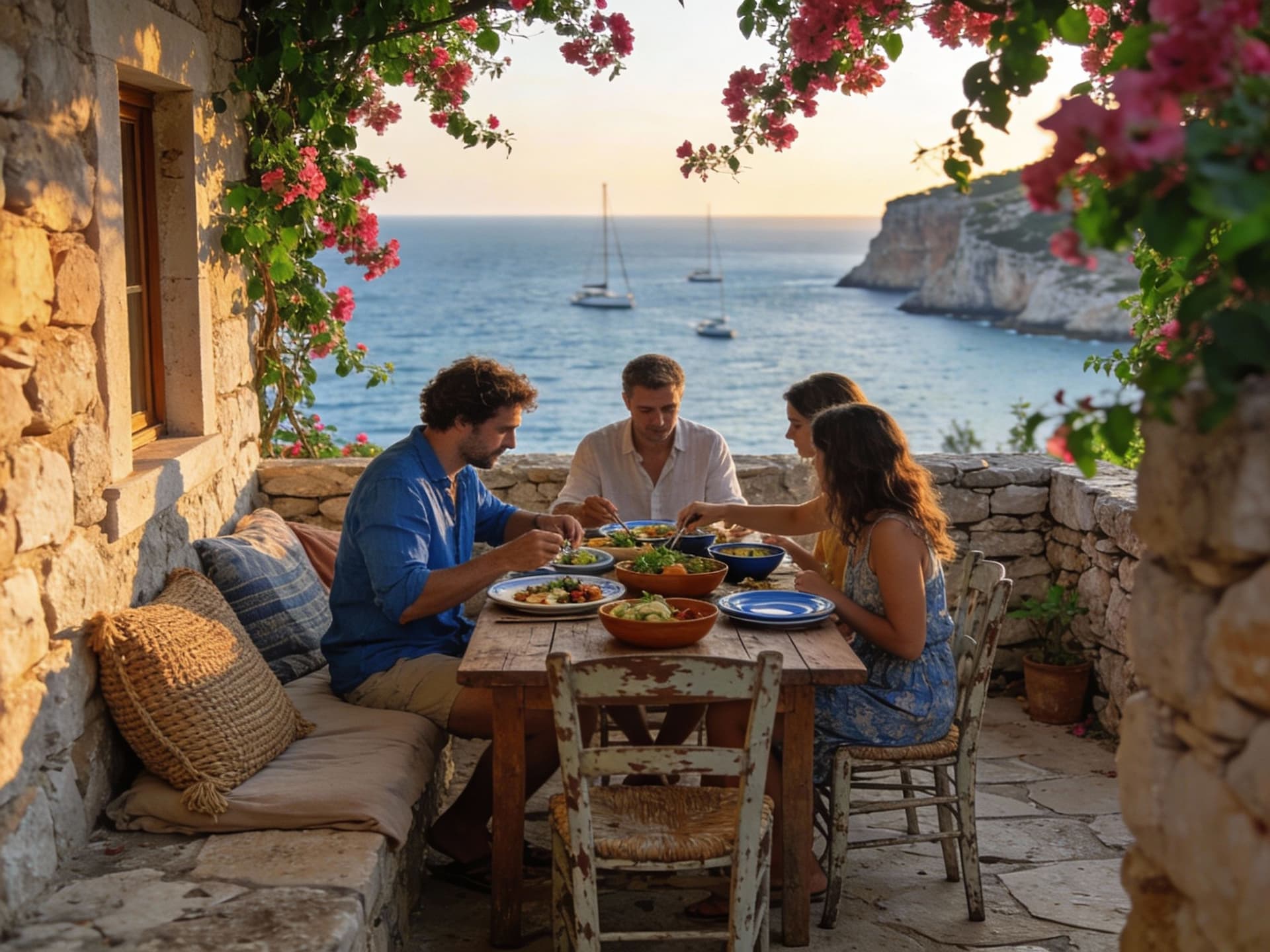
The romance of Croatian life is best honoured by careful legal steps. Croatia differentiates buyers by citizenship: EU/EEA/Swiss nationals enjoy parity with Croatians for most property purchases, while non‑EU citizens may face a reciprocity test and a ministry consent requirement. These conditions are not cumbersome when anticipated; they become costly when discovered late in negotiations.
Property types and what they mean for daily life
Traditional stone houses reward buyers who appreciate craft: expect restoration rules, thicker walls that moderate temperature, and limited scope for dramatic extensions. New builds offer modern systems and energy efficiency but often lack the patina and central locations that give Croatia its daily charm. Choose by lifestyle: terraces and sea views for a maritime life; courtyard houses for privacy and gardening.
Working with local experts who know the rhythm
A local lawyer and a notary are indispensable. Expect them to secure an OIB (tax number), perform land‑registry checks, confirm urban‑planning status and, for non‑EU buyers, prepare the ministry consent application. Agents are valuable for neighbourhood context; lawyers for legal safety. When you contract, insist on escrow terms and a clear schedule for ministry consent where required.
- Step‑by‑step process to protect the lifestyle you buy
- 1. Obtain an OIB and appoint a Croatian lawyer to run land‑registry, encumbrance, and planning checks.
- 2. Confirm whether you need Ministry of Justice consent (non‑EU nationals); if so, prepare documents and allow up to several months for approval.
- 3. Negotiate a purchase contract with escrow and clear condition precedents (consent, planning permits, clean registry).
- 4. Register ownership in the land register and budget for transfer tax (3% typical) or VAT where applicable.
Insider Knowledge: What Expats Wish They’d Known
Foreign buyers often underestimate seasonal life and overestimate liquidity. A coastal apartment can be richly occupied in July and nearly empty in November; property management and community fees are real costs. Equally, ministry reciprocity rules evolve—countries and exemptions change—so a lawyer’s recent check can prevent a stalled sale. Expat buyers who live here first, even briefly, tend to make calmer choices.
Cultural integration and practical dailyities
Croatians value understated hospitality and small‑town ties; introductions from neighbours or local businesses open doors more readily than formal networks. Learning basic Croatian phrases eases interactions at markets and with local craftsmen, and using a local bank for utilities builds trust. Expect winter to be quieter; use that season to assess heating needs, insulation, and local services.
Long‑term stewardship: beyond the purchase
Think like a steward. Maintain historic fabric where present, budget for artisan repair, and plan for succession—Croatian inheritance laws and local probate practice shape how property travels between generations. If you intend seasonal letting, align with local community expectations and tax obligations to preserve neighbourhood relations and long‑term value.
- Red flags to spot before you sign
- Incomplete land‑register entries or missing permits for extensions
- Undefined sea‑access rights or shared quay disputes
- Vague clauses about seller’s liabilities for communal fees or taxes
Conclusion paragraph with key takeaways and next steps: Croatia rewards buyers who pair appreciation for place with procedural discipline. Start with a short reconnaissance stay, commission a local lawyer to check reciprocity and registry matters, and choose neighbourhoods where daily life matches your expectations—market squares for sociability, islands for seasonal refuge, Zagreb for year‑round culture. When you honour both the lifestyle and the law, the purchase becomes an act of preservation: a house becomes a piece of life.
Norwegian with years in Florence guiding clients across borders. I bridge Oslo and Tuscany, focusing on legal navigation, cultural context, and enduring craftsmanship.