The Off‑Season Edge: Why Croatia’s Winter Reveals Value
Why winter and shoulder seasons in Croatia reveal neighbourhood truth, legal advantages and negotiation room — a sensory-led, research-backed path to buying with confidence.
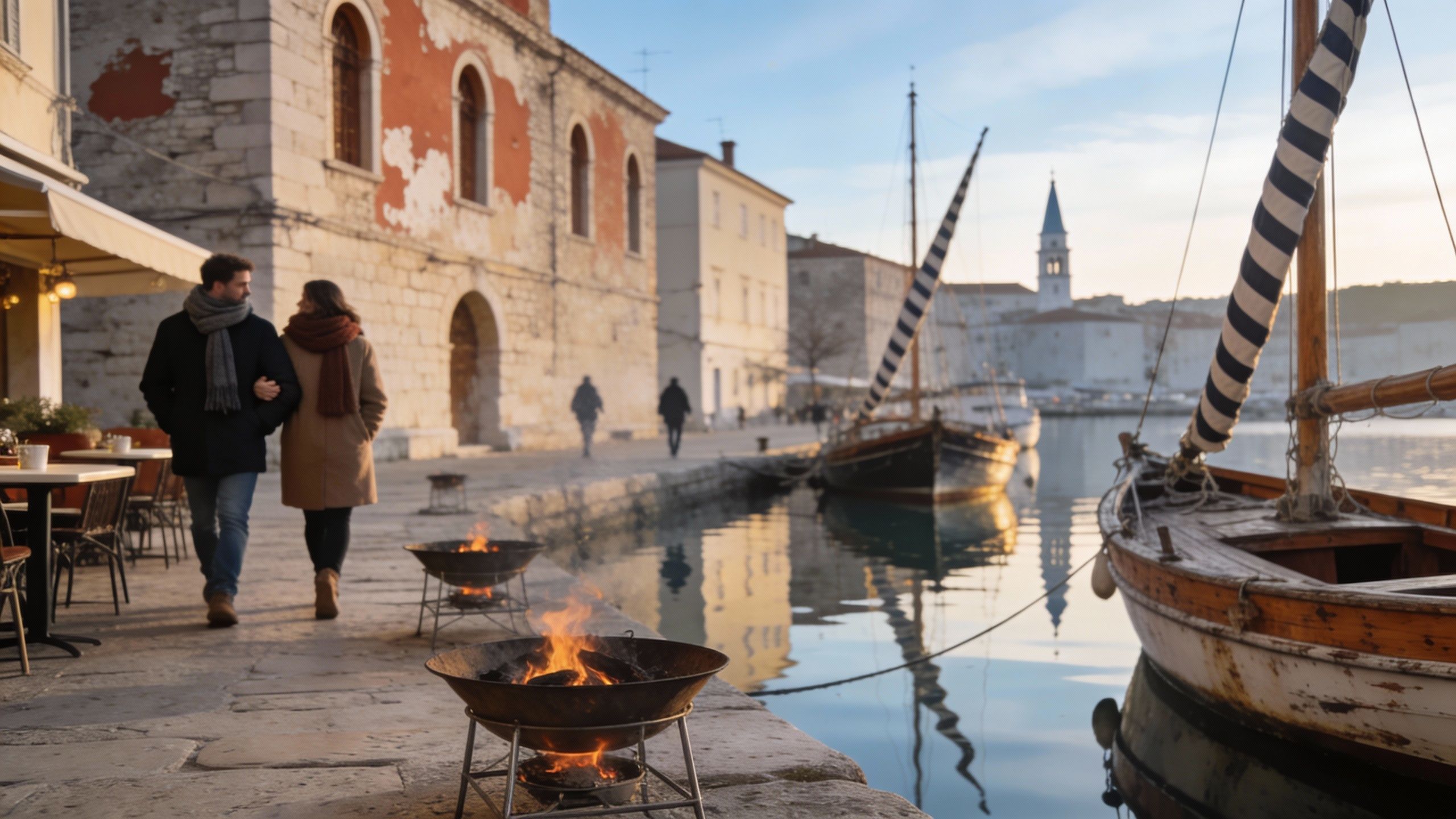
Imagine Dubrovnik at dusk in late November: cafes spill warm light onto empty limestone squares, fishermen mend nets, and a solitary table on a Riva terrace invites a slow glass of plavac mali. The Adriatic's summer glare has softened; the coast reveals a quieter rhythm and, for those who look closely, better negotiating ground. This guide argues a contrarian idea: winter and shoulder seasons in Croatia offer not only the lived pleasures of authentic neighbourhood life but measurable legal and financial advantages for international buyers. We'll marry sensory, street-level life with precise steps and sources so you can move from yearning to ownership with assurance.
Living Croatia off-season: what the quieter months reveal
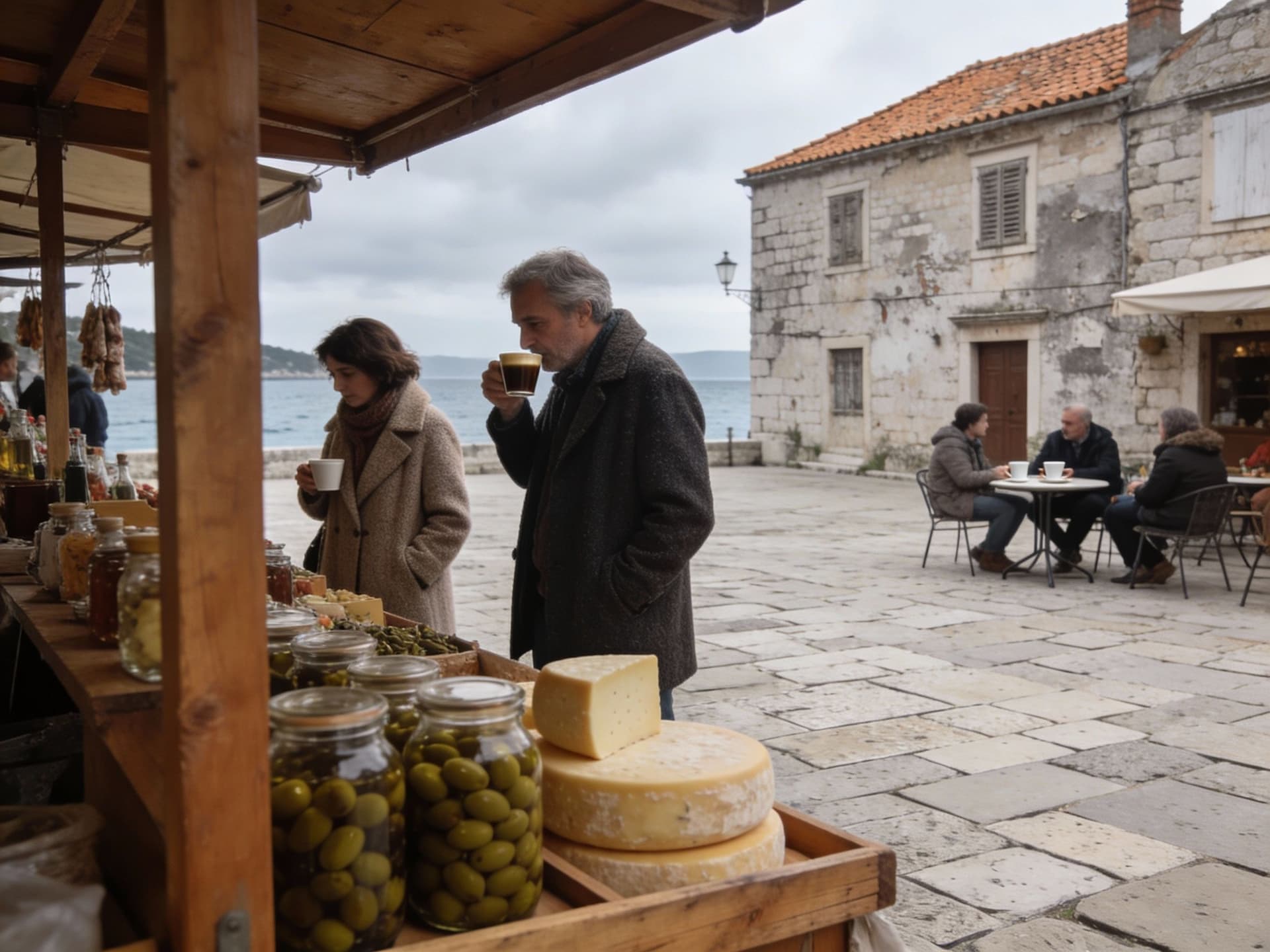
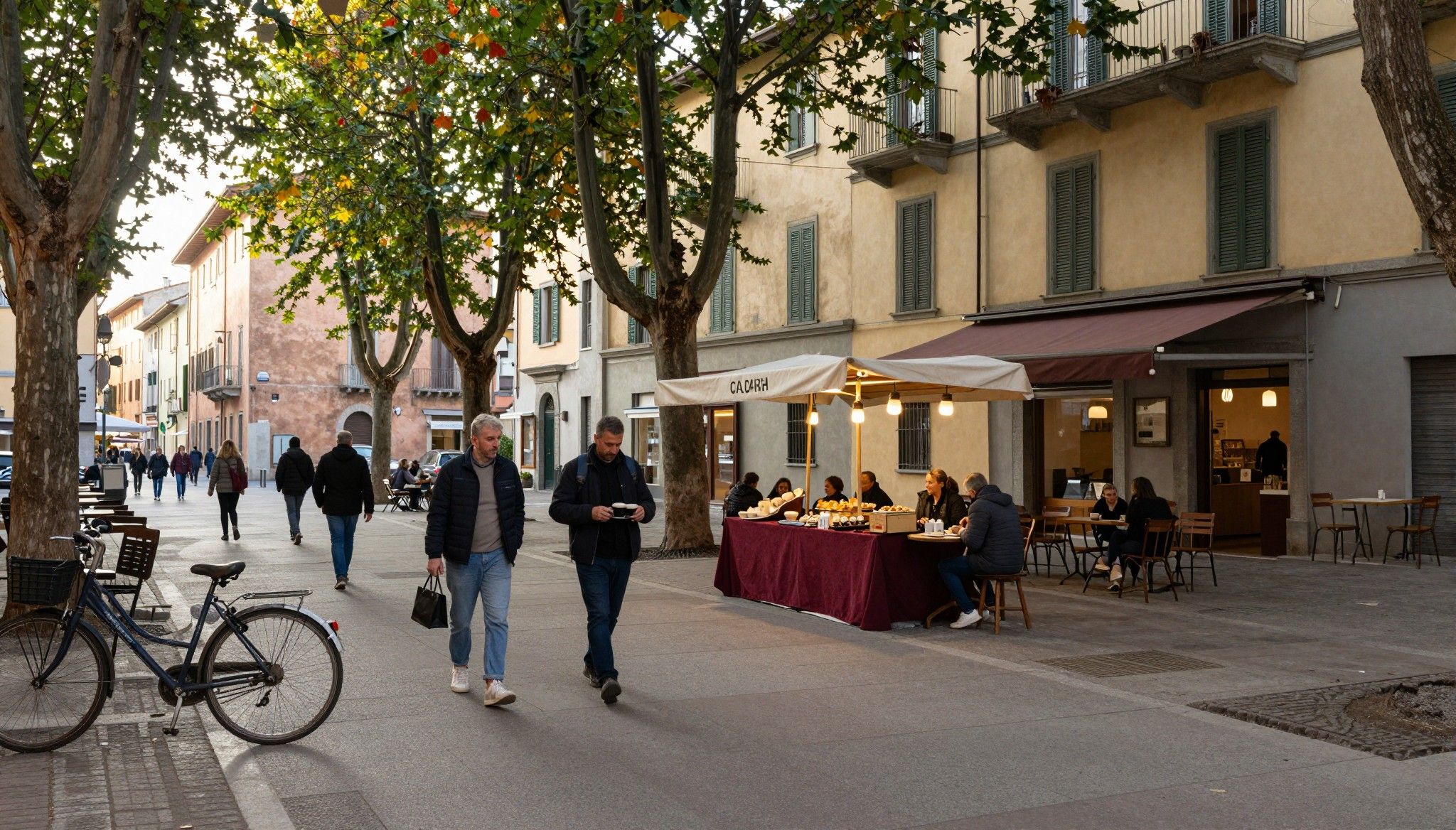
The island streets, the Istrian hilltowns and Zagreb's tram-lined avenues all acquire a different cast outside the tourist crush. A morning espresso at Pula's Forum or a late-winter market run in Split's Dolac lets you see how neighbourhoods actually function: where essential services cluster, which bakeries are true community anchors, and which terraces close until spring. Those practical observations change what you value in a home; the view matters less than reliable daylight, a dependable grocer and a neighbour who collects mail while you're away.
Zagreb, Dalmatian towns and Istria — three winter portraits
In Zagreb, cultural life persists year-round: theatre seasons, cafes that double as offices for remote workers, and a compact urban fabric that rewards walking. Along the Dalmatian coast — think Split's Veli Varos or Šibenik's old town — winter exposes infrastructural strengths (mussel suppliers, year-round bakeries) you won't notice in July. Istria's hill villages, such as Grožnjan or Motovun, reveal their artisan communities and produce calendars in autumn and winter: truffle season, preserved charcuterie, local olive-oil tastings that make a house feel like a home.
How seasonality affects daily life and long-term value
Winter living is not merely romantic; it reframes value. Coastal asking prices rose strongly in 2024, but so did seasonal distortions caused by short-term rentals and tourism-driven demand. Observing a neighbourhood in its low season shows vacancy patterns, landlord behaviour and municipal services — factors that influence both enjoyment and investment resilience. Recent statistics show national house price growth concentrated in coastal and urban regions, underscoring why on-the-ground winter observation yields actionable intelligence.
Making the move: legal rhythms that favour the off‑season buyer
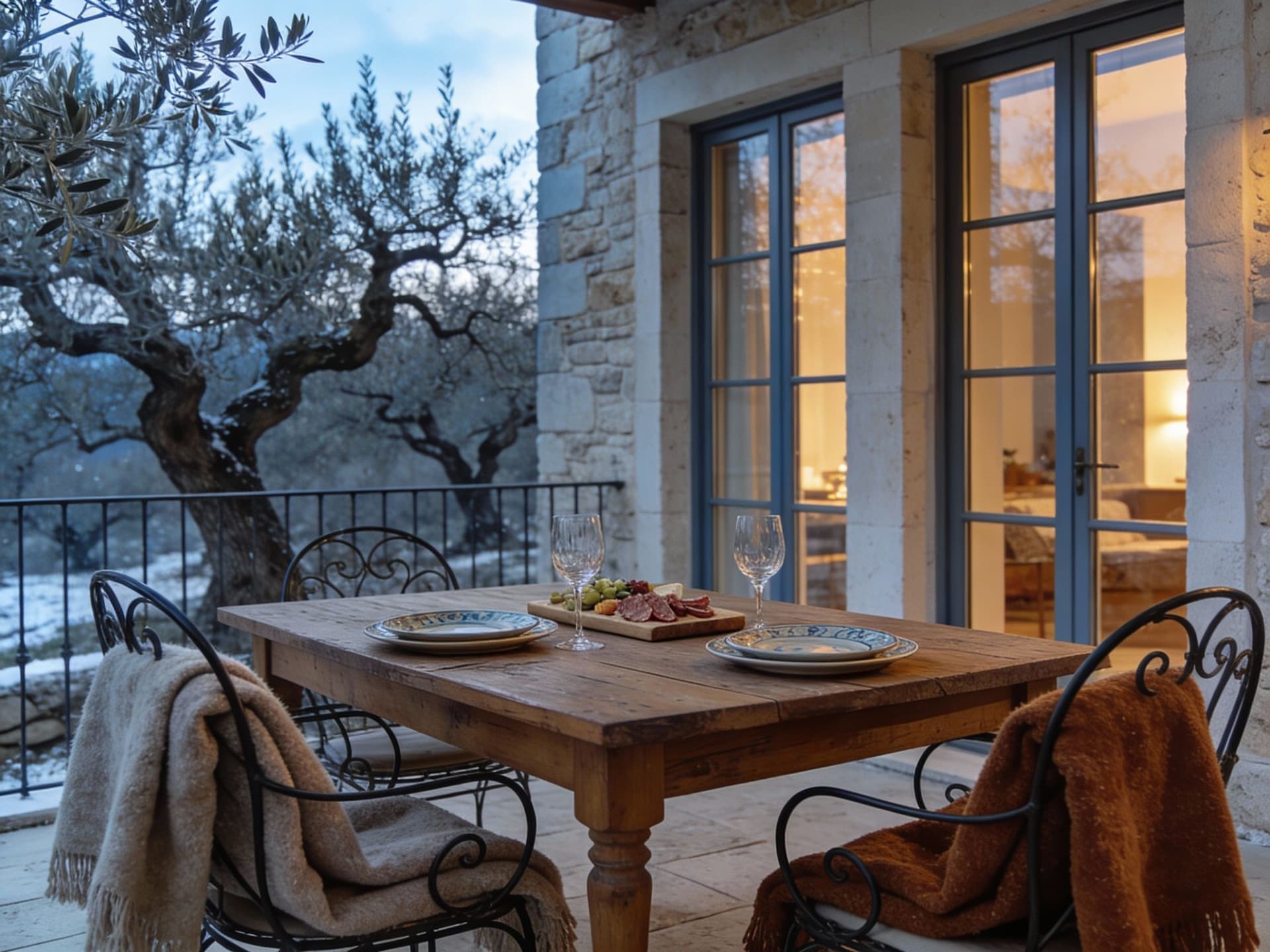
There are two legal landscapes to know. If you are an EU (or EEA/Swiss) national, you purchase under essentially the same conditions as Croatians. For non‑EU nationals, the Ministry of Justice administers consent based on reciprocity. Both routes require careful documentation, a notary, and a clean land register entry (zemljišna knjiga). The quieter months often mean offices and local registries are less rushed, letting you secure clear copies of cadastral plans, faster notary appointments and more measured negotiation windows.
Practical legal advantages of off‑peak buying
- Less competition for in-demand coastal units can temper asking prices and reduce bidding wars. Shorter waits for the municipal cadastre and land-registry court reduce transaction friction. Seasonal buyers benefit from clearer insight into recurring costs — for example, a 2024 property-tax reform discussion highlights shifting tax burdens that prospective owners should model into their holding costs. Schedule your legal due diligence in slow months and you can often negotiate seller concessions tied to closing timelines.
Property types, craftsmanship and winter suitability
Stone Dalmatian houses and Istrian villas are built for seasonality: thick masonry, small windows and thermal mass provide cool summers but can demand retrofitted heating in winter. New-builds in Zagreb rely on efficient HVAC and double glazing. Decide how you'll live year-round before you buy: do you seek a primary residence with winter comfort (insulation, central heating, reliable services) or a seasonal retreat where simplicity and authenticity matter more than insulation?
Insider steps: a winter-first checklist for buying in Croatia
- Check reciprocity and, if needed, initiate Ministry of Justice consent early; winter queues are shorter and processing can be more thorough. Engage a Croatian notary to obtain an extract from the land register (zemljišna knjiga) and cadastral plan. Commission a local survey and, where applicable, a building inspection to assess winter-proofing. Confirm municipal utility reliability in low season — water, waste, winter road clearing. Model holding costs including the evolving property tax landscape and realistic long-term rental demand. Lock preferred timelines with sellers during the quiet months when they are likelier to accept practical closing conditions.
What expats wish they'd known: cultural and practical realities
Language, community and the rhythm of small‑town life
Locals appreciate effort more than fluency. Simple Croatian phrases open doors in municipal offices and at markets; neighbours will remember the person who learned to ask after the olive press or the baker's opening hours. Many seasoned expats advise building goodwill with a local property manager who works year-round: they handle winter checks, heating maintenance and the small repairs that preserve value.
Long-term stewardship and what to budget for
- Roofs and stone facades need periodic attention to prevent winter water ingress. Central heating retrofits and insulation are common projects in coastal stone houses. Plan for concierge-level property management if you intend intermittent occupancy. For investors, expect moderate gross yields and rely on long-term trends rather than seasonal rent spikes — the market data shows coastal premiums, but also greater volatility tied to tourism cycles.
Conclusion: See the life, then buy the house. Croatia's quieter months are an invitation to discover how places truly function — the bakeries that never close, the municipal rhythms, and the neighbours who become custodians of your peace. Legally and financially, off-season buyers gain clearer access to documents, steadier negotiations and the time to build a team that will steward their house through summer acclaim and winter quiet. When you are ready, choose an agency that privileges provenance, understands local legal cadence and speaks to the life you're buying as much as the ledger that records it.
Having moved from Stockholm to Marbella in 2018, I help Scandinavian buyers navigate Spanish property law, restoration quality, and value through authentic provenance.