Hidden Legal Costs and Timing When Buying in France
A lifestyle-first look at buying in France: how seasonal rhythms, departmental tax shifts and local rules shape costs and the way you live.
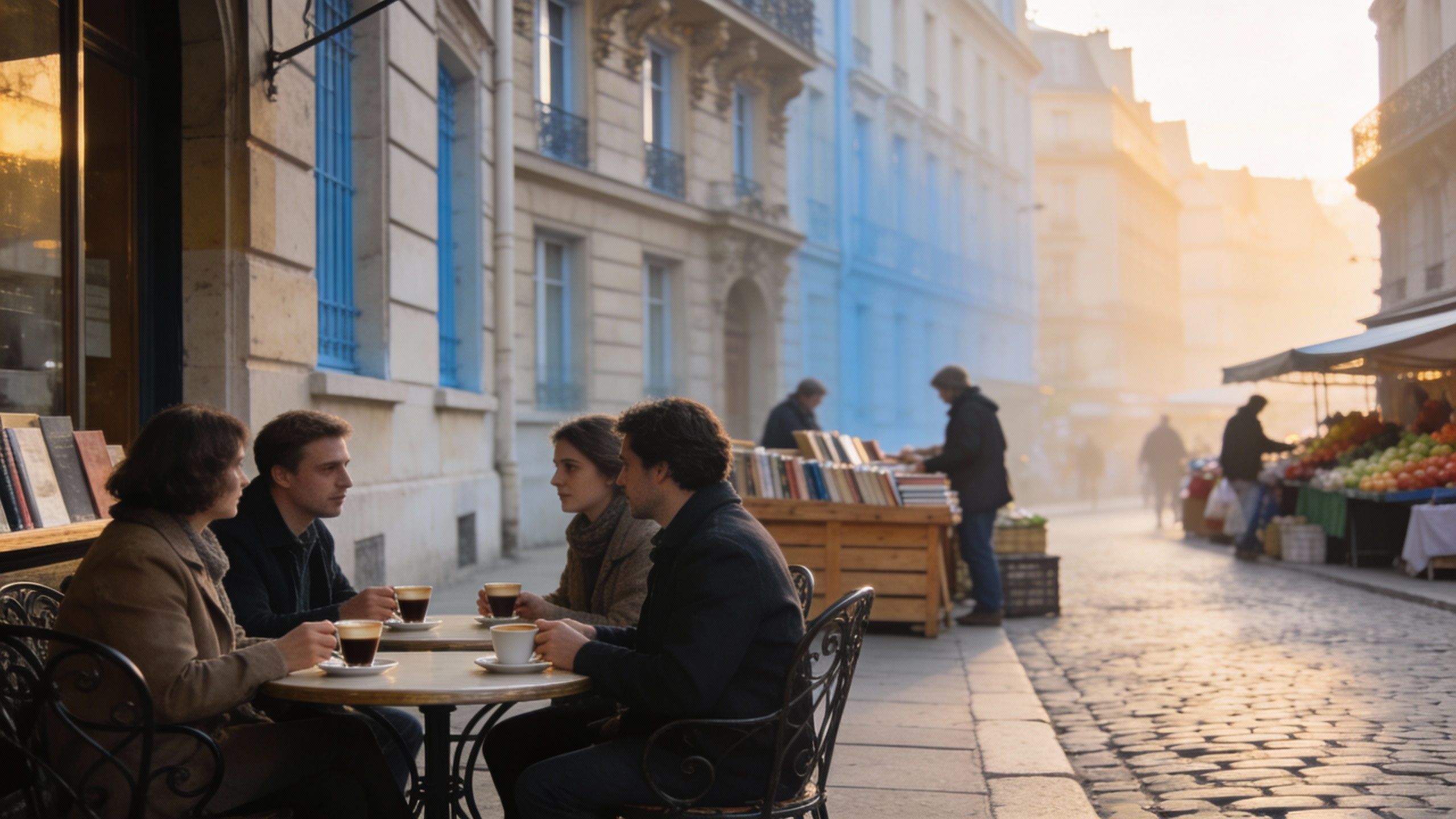
Imagine waking one spring morning on Rue des Martyrs in Paris, the boulanger’s first baguettes crackling, or watching vine leaves unfurl at a stone farmhouse in Provence. France arranges its pleasures in rhythms — long lunches, lively markets, late light in coastal towns — and those rhythms shape how you use a house here. Before the key changes hands, however, local rules, departmental taxes and timing create an architecture of their own; understanding that structure keeps the dream from becoming an expensive surprise. Here I pull together the lived experience of neighbourhoods with the precise legal points international buyers most often overlook.
Living the France life: rhythms that matter
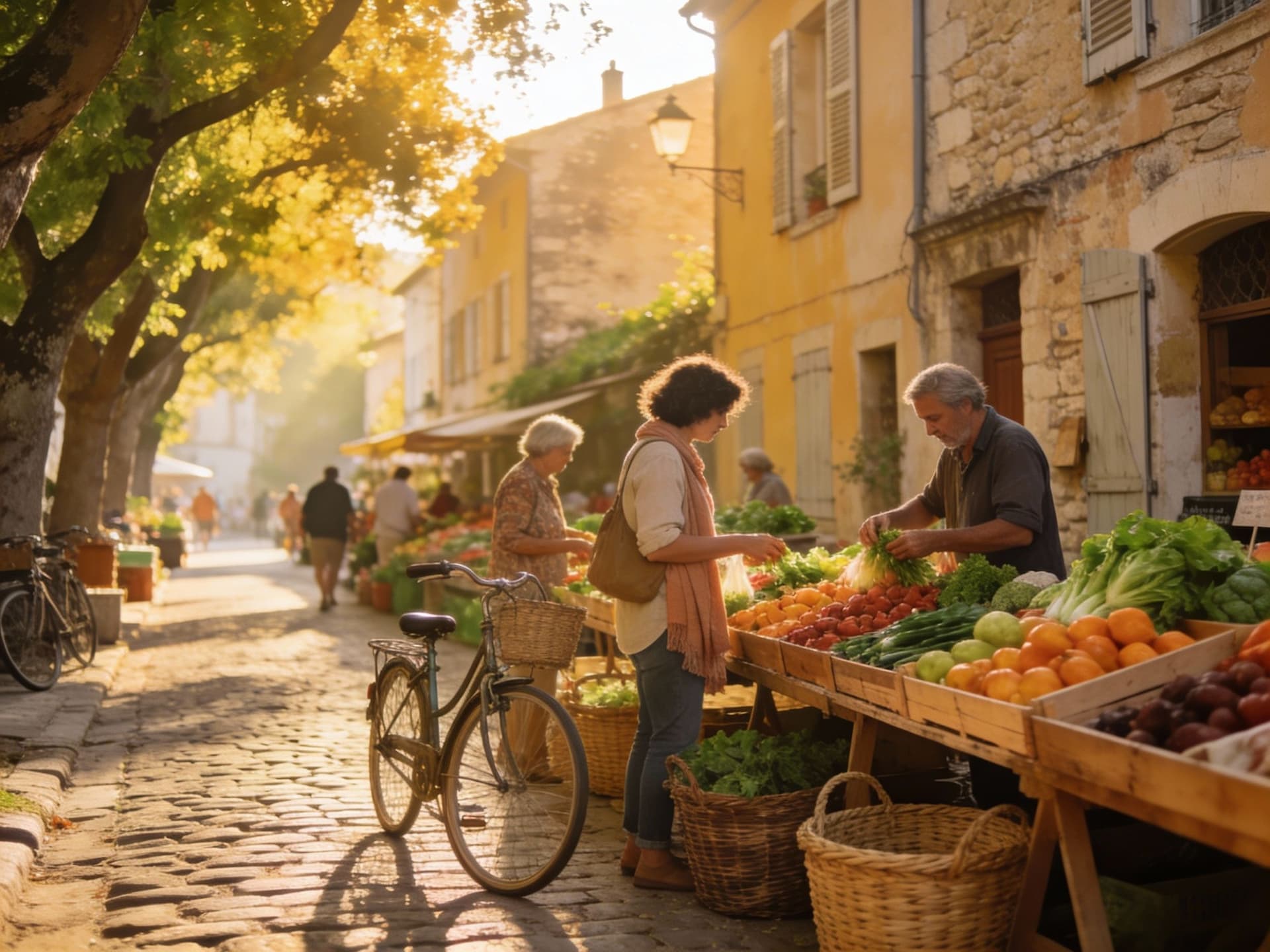
France is not a monolith: the cadence of days in Bordeaux differs from that in Biarritz or Lyon. On a weekday in Lyon’s Presqu’île you will see professionals linger over coffee on narrow terraces; on a Saturday in Saint-Raphaël the beaches fill with families and the markets spill into the promenade. These distinctions are important because they influence what property style serves your life best — a Haussmann flat near rue de la Paix suits a life of cultural immediacy, while a Provençal bastide supports slow outdoor living and a larger grounds maintenance budget. I foreground neighbourhood life first because the legal choices you make — lease terms, rental plans, renovation permissions — must dovetail with how you intend to live.
Paris, Provence, Riviera: a short street-level tour
Walk from the 7th arrondissement’s quiet hôtels particuliers to the Marais and you encounter different scales of privacy, municipal charges and co‑ownership cultures. In Provence, villages such as Lorgues have community rules about façades and olive trees that affect permitted works; along the Côte d’Azur, local planning offices (services urbanisme) take a strict view on extensions and pool permits. These local practices determine not only what you can build but how quickly a notary can close a file — small local idiosyncrasies matter more than national headlines when it comes to timelines and costs.
Markets, meals and the calendar of life
The seasonal calendar — truffle fairs in Périgord, summer terraces on Île de Ré, vigneron fêtes in Bordeaux — shapes occupancy rates and short‑let attractiveness. If you plan to rent, know that tourism peaks can lift yields yet impose strict municipal short‑term rental rules in cities such as Paris and Nice. Conversely, purchasing out of season (autumn through February) often reveals the quieter, truer value of neighbourhoods; agents are more candid then, and vendors are less theatrical. Choosing when to view and when to sign is a quietly powerful lever in cost and quality.
- Market rhythms and local highlights: • Morning cafés: Café de Flore (Paris) or Cours Mirabeau stalls (Aix‑en‑Provence) • Seafood mornings: Nice Cours Saleya fish market and Marseille’s Vieux‑Port • Wine weekends: Saint‑Émilion visits and Médoc châteaux open days • Cultural nights: Lyon’s opéra and Avignon’s summer theatre festival
Making the move: legal and cost realities to plan for
The notary’s ledger is the single most consequential practical detail for buyers. For older properties, acquisition costs typically total 7–8% of the sale price and for new‑builds 2–3%, but departments were authorised in 2025 to raise their share of the transfer tax (DMTO) up to 5%. That change can add roughly €500 per €100,000 spent where adopted, and several departments — including Paris — have implemented increases. Factor these charges into your offer and finance plan; an earnest buyer who overlooks them finds that what felt affordable becomes tight in short order.
Property types and what they mean legally
Different property types carry different legal and practical obligations. A listed bâtisse (Monuments Historiques or local heritage listing) may give you tax relief on restoration but imposes strict controls on materials and craftsmen. Co‑owned apartments (copropriété) require reviewing the procès‑verbal of the last three general assemblies to spot pending works or special levies; failing to do so is the commonest regret among international buyers. Agricultural land and rural homes sometimes require formal water rights or certified septic systems before a sale can proceed; these technical dossiers delay notary signatures and can change renovation costs significantly.
Working with local experts who know the rhythm
A French agent and an experienced notary (notaire) will save more than their fees by anticipating departmental decisions, missing diagnostic reports and local planning constraints. For international buyers I recommend early engagement of: a notaire who speaks your language or provides clear translations; an architect familiar with local heritage codes if you plan works; and a fiscal adviser for cross‑border tax planning. These professionals translate lifestyle intentions into compliant, efficient legal steps so you can enjoy that Provençal garden or Parisian salon without hidden encumbrances.
- Practical checklist (lifestyle + legal): 1. Confirm the DMTO rate in the department where you buy and get a notary quote early. 2. Verify copropriété minutes and reserve fund status for apartments. 3. Obtain mandatory diagnostics (DPE, asbestos, lead, termites) before exchange. 4. If renting seasonally, check municipal short‑let rules and registration requirements. 5. Engage a fiscal adviser about rental income taxation and residency implications. 6. Budget for ongoing local taxes (taxe foncière) and potential increases.
Insider knowledge: what expats wish they'd known
Expats commonly tell me the same three regrets: underestimating local levies, misreading co‑ownership rules, and choosing timing poorly. Taxe foncière hikes, for example, vary by commune and reflect local budgetary choices — a property in one village may see a sudden administrative rise the next year. For those intending to integrate, language matters less than local civic participation; attending a mairie meeting or a marché’s regulars helps you sense future changes in infrastructure or zoning that will affect your quality of life and long‑term value.
Cultural integration and everyday practice
Buying is also about joining rhythms: the boulanger who knows your order, the seasonal café where neighbours debate local planning, the mairie clerk who signs permits. Language acquisition eases transactions and social integration, but so does humble curiosity — learning the names of local associations (associations de quartier) and the phone numbers of trusted artisans. Those small social investments reduce friction when you need a certificate, a second key, or a recommendation for a maître d’œuvre.
Longer view: stewardship, renovation and resale
Think in terms of stewardship rather than flipping. Carefully executed restorations that respect provenance — using traditional lime renders, oak joinery and artisan tilework when appropriate — hold value in French markets where heritage matters. Conversely, generic interventions, clumsy additions or ignoring building conservation rules can erode a property’s character and limit resale to a narrower buyer pool. For buyers with a long view, preserving material integrity pays both culturally and financially.
- Red flags and how to spot them: • Missing copropriété minutes or vague reserve fund figures — ask for three years of accounts. • Absent or incomplete diagnostics — delay signing until DPE and plomb reports are complete. • Sudden or unexplained local tax hikes — check recent municipal deliberations and taux d’imposition. • Heritage designation without clear restoration approvals — consult a conservation architect.
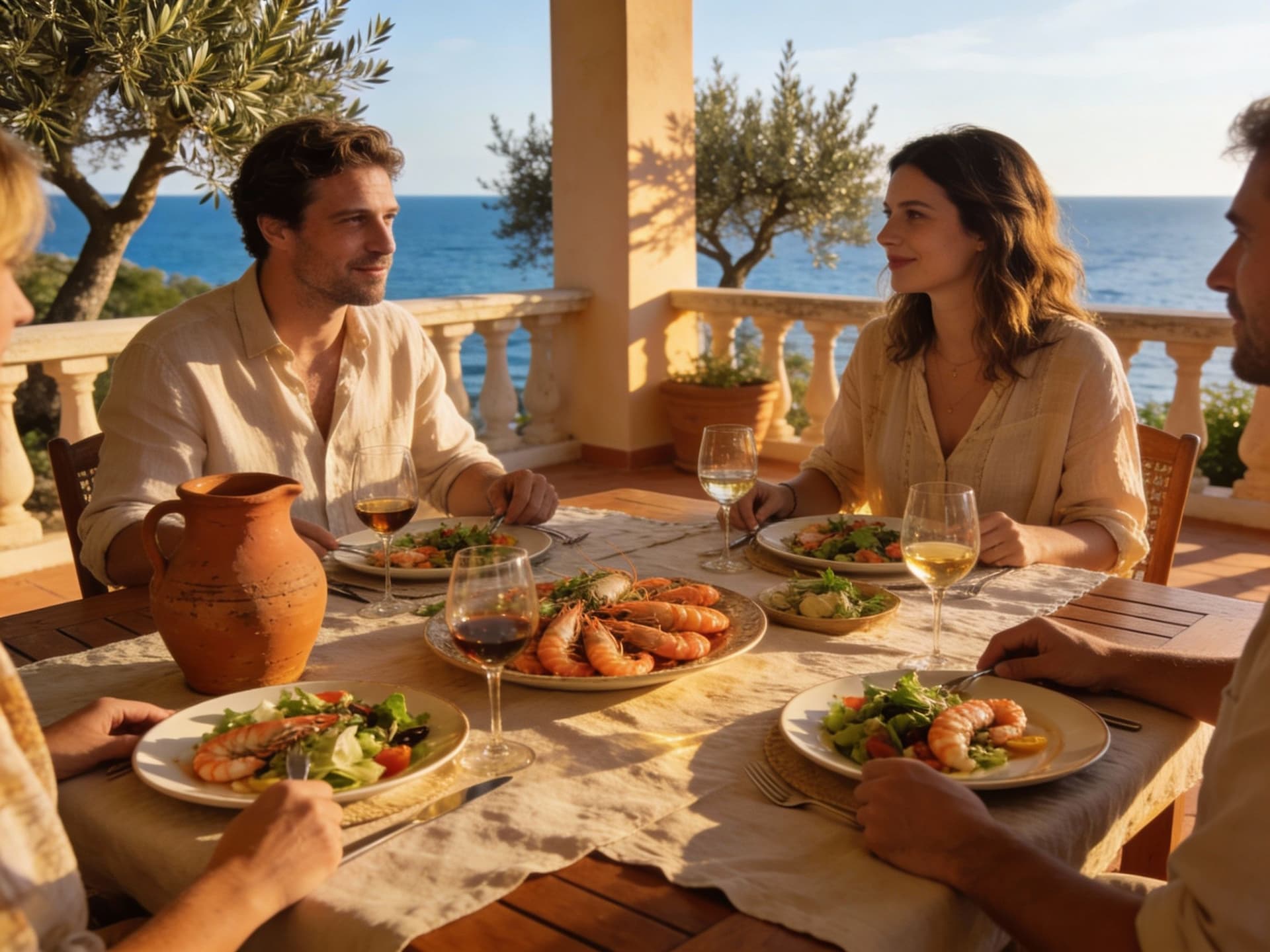
Buying in France rewards patience and local knowledge. Begin with neighbourhood visits across seasons, secure early estimates of departmental charges from your notary, and build a small team — notaire, architect, fiscal adviser — before you make an offer. A measured process preserves the lifestyle you came for: slow lunches on shaded terraces, markets that feel like theatre, the intimacy of a town square at dusk. When legal precision and local taste align, the house becomes a life — and a legacy to steward.
Norwegian with years in Florence guiding clients across borders. I bridge Oslo and Tuscany, focusing on legal navigation, cultural context, and enduring craftsmanship.