France: Hidden Legal Rules That Surprise New Owners
Practical, lifestyle‑first legal guidance for buying in France: how transfer taxes, ownership structures and forced‑heirship reshape the dream and future proof your purchase.
Imagine morning light through tall windows in a 19th‑century appartement on Rue des Martyrs, a boulanger carrying warm croissants past a wrought‑iron balcony. The life you taste first — markets, cafés, short walks to museums — often arrives long before the purchase contract. But in France the legal scaffolding around property is quietly distinctive: transfer taxes, residency tax obligations and fixed notarial processes shape what that life will cost and how it passes to future generations. Understanding a few counter‑intuitive rules early changes both the search and the story of ownership.
Living the French life — what actually matters
Parisian mornings and Provençal afternoons are not interchangeable. Where you place yourself — an apartment overlooking the Marché d’Aligre, a stone farmhouse in the Luberon, or a haussmannien flat near Saint‑Germain — dictates daily rituals: where you buy bread, how long the commute is, and whether the terrace catches evening sun. For international buyers, this means prioritising lifestyle geography over headline price per square metre. Small streets like Rue Cler or neighbourhoods such as Le Panier in Marseille offer an immediate social rhythm that a spreadsheet cannot reproduce.
Neighbourhoods that shape everyday life
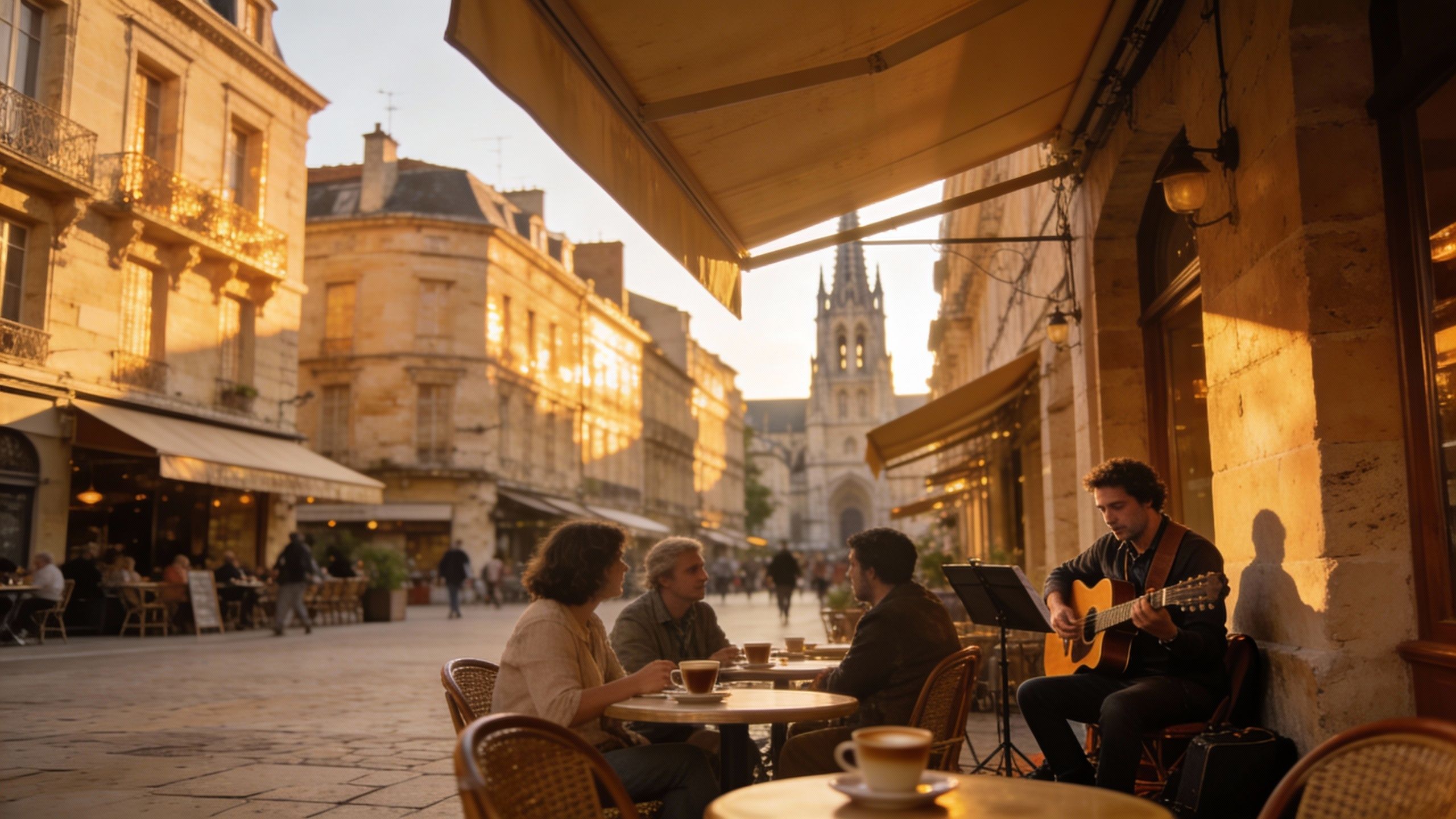
In Bordeaux, rue Sainte‑Catherine’s edges mean cafés and evening passeggiata; in Nice the Promenade des Anglais sets a coastal tempo where terraces and sea breezes define outdoor living. In smaller towns — Saint‑Rémy‑de‑Provence or Annecy — local markets on market days form the social calendar. When you think about property, think beyond rooms: consider where the neighbourhood shops, the marché, the boulangerie and the library sit, and whether you will step into or cultivate that community.
Food, seasons and the rhythm of place
Markets and festivals shift how a property feels through the year: truffle season reshapes dining in Périgord, while summer on the Côte d’Azur crowds promenades and affects rental demand. If you plan to rent or use the home seasonally, French tax and reporting obligations follow the property, whether you’re resident or not. Practicalities such as local occupancy declarations and tax returns will influence when and how you use the house — and whether it can comfortably deliver rental income without becoming an administrative burden.
- Lifestyle highlights to look for when visiting:
- A morning market within 10 minutes’ walk (name the stall‑holders to test local knowledge)
- A café where neighbours recognise each other by name (the best indicator of community)
Making the move: practical obligations that surprise buyers
The idyllic scene of a Provençal courtyard requires a short translation into legal terms. Acquisition costs (commonly called “frais de notaire”) are largely taxes collected by the notaire and typically add 7–8% for older properties and 2–3% for new builds. From April 2025 several départements raised the transfer tax ceiling to 5%, a modest but material rise that changes budgets and negotiation leeway. Always ask for a detailed estimate from the notaire early; it reframes what you can afford without eroding the neighbourhood life you seek.
Property styles and what they demand
A 17th‑century mas requires different stewardship than a contemporary villa on the Riviera. Stone walls and historic roofs invite conservation obligations and higher maintenance; new builds carry lower initial taxes and simpler energy compliance. Choose a property type that aligns with how you want to live: large gardens for quiet country life; compact haussmannien apartments for urban cultural immersion. Each choice has legal and fiscal workstreams — building permits for renovations, energy performance certificates, and local heritage constraints — that shape the timeline and budget.
Working with local experts who understand lifestyle, not just listings
A concise process that blends taste and compliance:
- Commission a lifestyle briefing: ask an agent to map cafés, markets and weekday traffic near shortlisted homes.
- Request a notaire’s acquisition cost estimate (chiffrage) before offer: include transfer tax variations by département.
- Engage a bilingual property lawyer for contractual clauses about fixtures, historical protections and renovation permits.
- Decide ownership structure early (personal name, SCI, tontine) with tax and inheritance consequences in mind.
Insider rules and estate surprises that matter long term
A subtle truth for many buyers: ownership in France carries inheritance law implications that can conflict with home jurisdictions. French forced heirship (la réserve héréditaire) reserves a portion of an estate for children and can apply to property located in France even when the owner lives abroad. For buyers with complex family arrangements, a structure chosen at purchase — whether an SCI, tontine clause or a French will drafted with local counsel — materially alters what passes to heirs and what taxes they will face.
Common missteps expats report
- Assuming UK/US wills automatically control French assets; overlooking departmental increases in transfer taxes; delaying ownership structure decisions until after purchase; underestimating ongoing maintenance for historic properties.
How to protect the life you buy
- Practical steps: obtain a bespoke acquisition cost breakdown; consult a French tax adviser about IFI and rental income rules; consider tontine or SCI ownership depending on heirs and tax treaties; record an English and a French will to reduce legal friction on death.
In five years you should be asking different questions: does the property still fit your social life, has the local community strengthened, and are your estate plans aligned with changes in French fiscal policy? Property in France rewards those who treat it as a place to steward rather than an asset to flip. Begin with the life you want — the market and the legal framework will follow; let local counsel and a trusted notaire ensure the practical scaffolding preserves that life for you and those you intend it for.
Having moved from Stockholm to Marbella in 2018, I help Scandinavian buyers navigate Spanish property law, restoration quality, and value through authentic provenance.