Cyprus: The Life You Buy and the Permits Behind It
A sensory, practical guide to buying in Cyprus — how local life shapes property choices and the specific legal rules non‑EU buyers must follow.
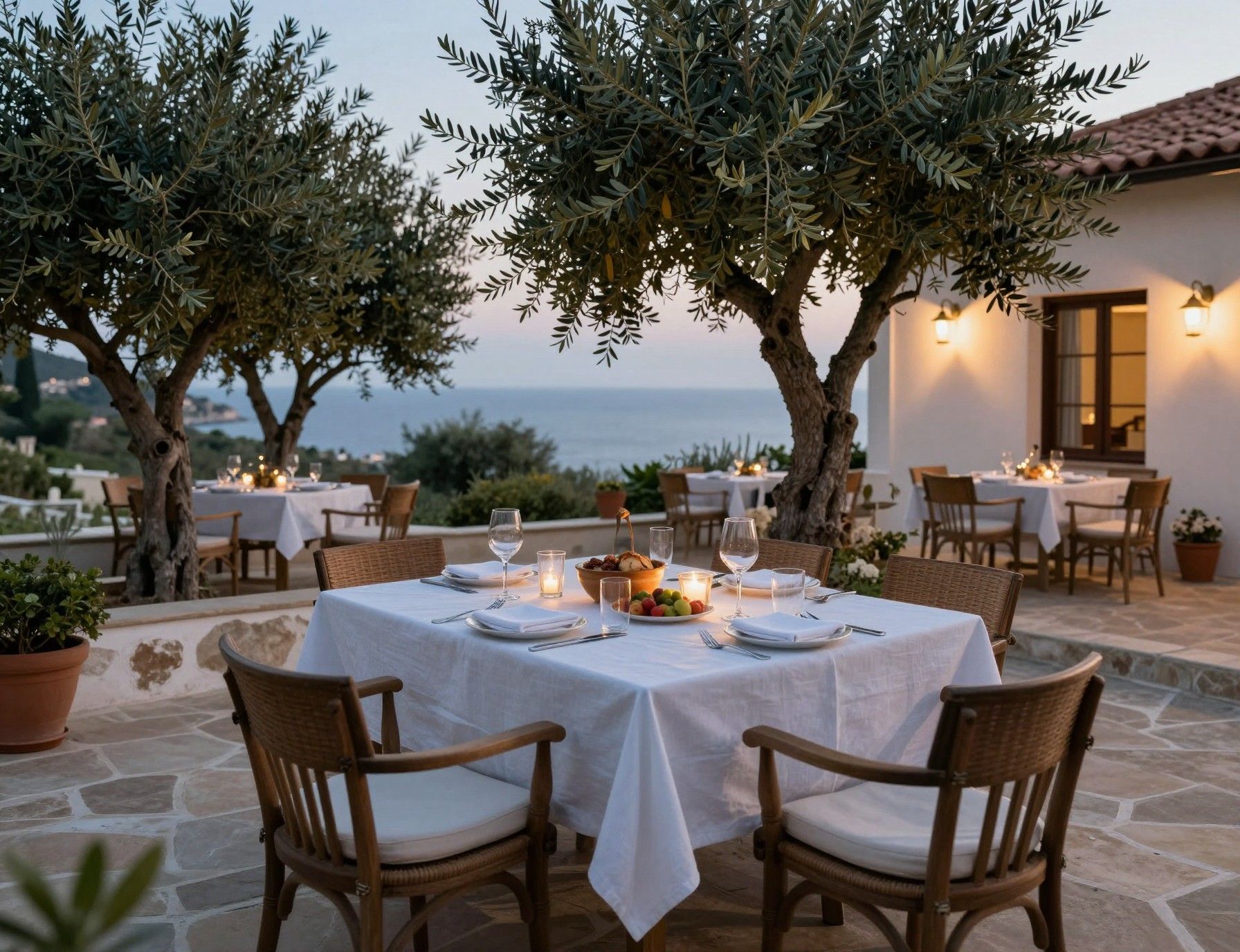
Imagine the slow clack of espresso cups on shaded tables in Ledra Street, the late‑afternoon light washing honeyed limestone façades in Larnaca, and a Saturday market where a fishmonger greets you by name. Cyprus arrives first as a sensorial conviction — sea‑salt air, citrus trees, a slow weekday rhythm — and then, for many of us, as a place to recompose how we live. If you are considering buying here, the island's particular blend of Mediterranean ease and administrative exactitude means you must love the life first and learn the rules second.
Living the Cyprus Life
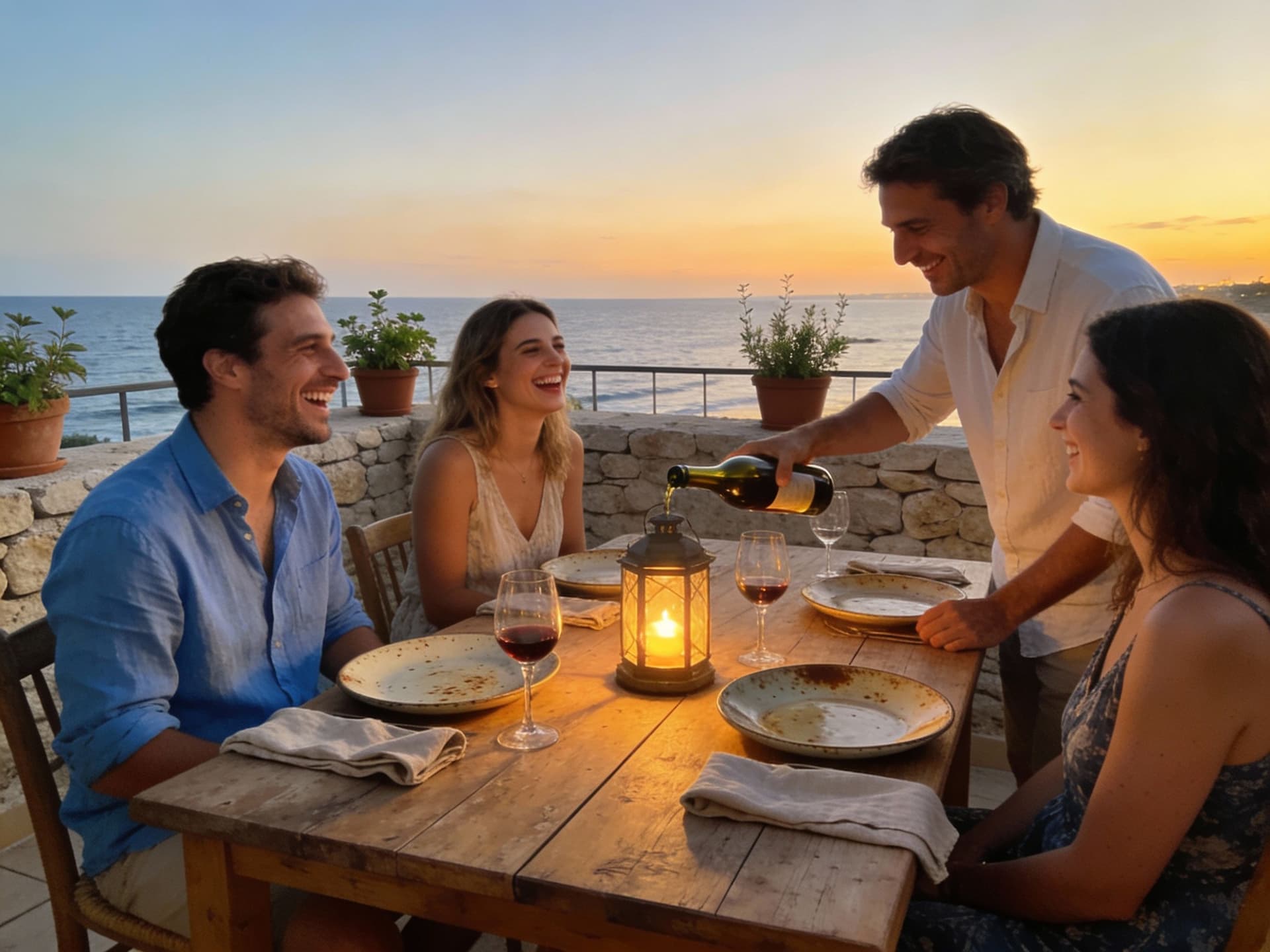
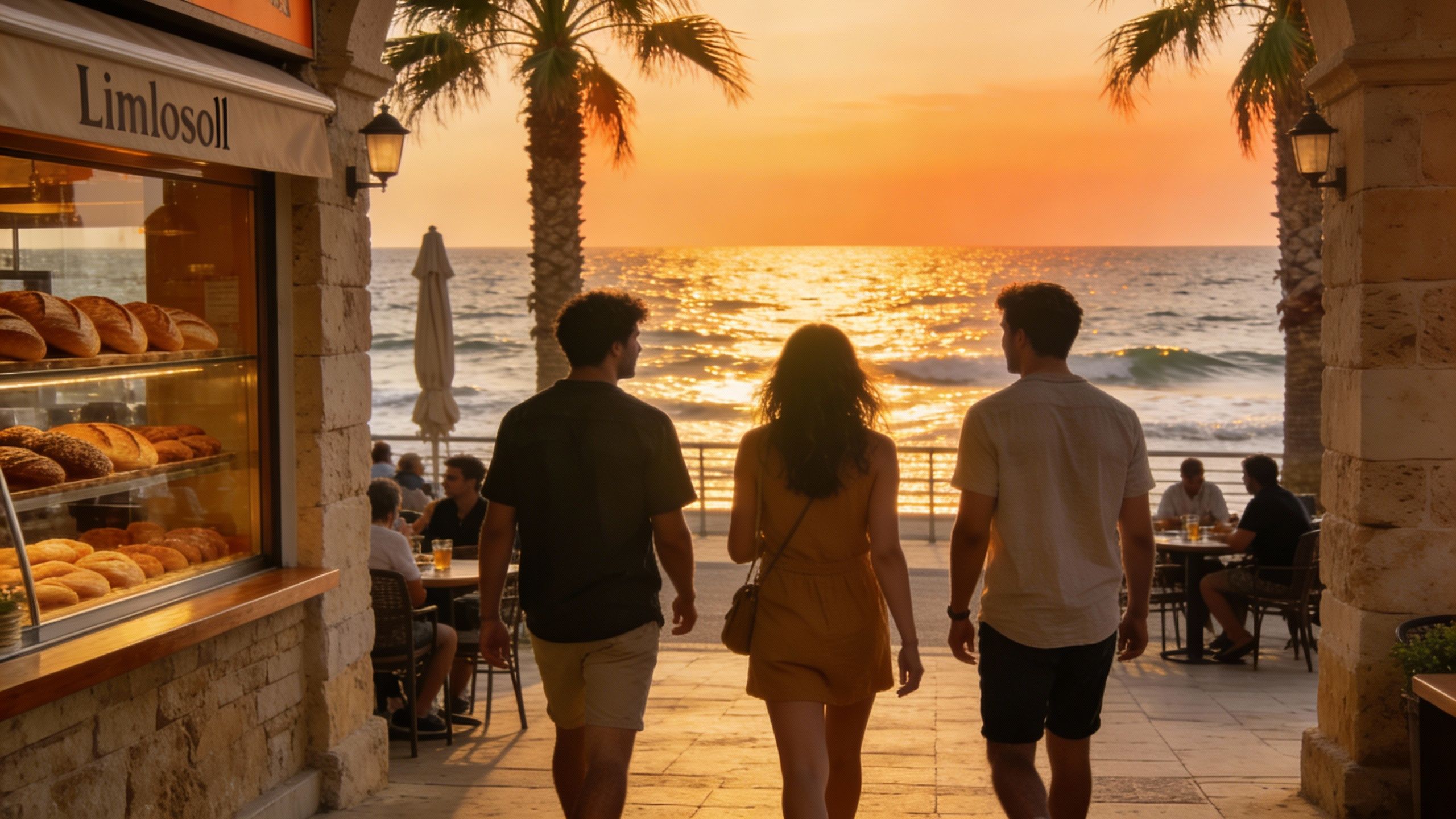
Cyprus is at once coastal villages and merchant towns, Venetian stone lanes and mid‑century apartment blocks reworked with contemporary restraint. Mornings in Limassol begin with bakers unloading koulouri and tavernas sweeping terraces; afternoons in Pissouri slope toward solitary coves; evenings in Nicosia favour quiet neighbourhoods where cafés hold conversation late into the night. The island’s warmth is not merely climatic: it is social. Neighbours borrow sugar, festivals gather entire communities, and small rituals — the ritual of Friday fish in Latchi, the Sunday pilgrimage to Troodos for roasted chestnuts — define a calendar of pleasures.
Neighbourhoods that matter, close and civil
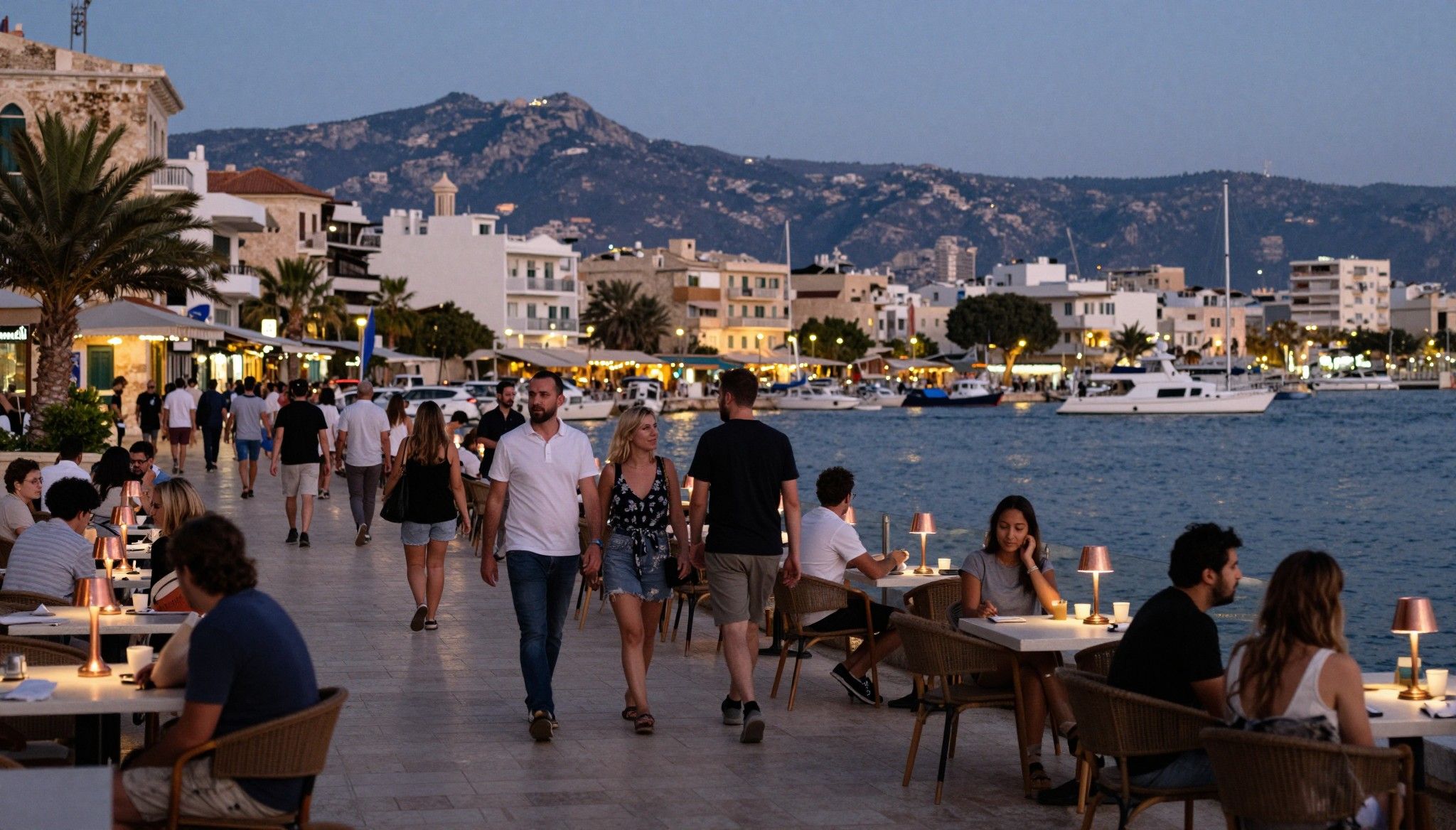
If you want discreet coastal living with cultural amenities, Limassol’s Potamos and Agios Nikolaos quarters offer leafy streets, contemporary galleries and a marina promenade. For a quieter provenance wrapped in stone, Paphos’ Kato Paphos preserves archaeological weight alongside quiet cafés on Apostolou Pavlou. Nicosia’s old town — around Eleftheria Square and Ledra — moves at a different tempo, where narrow streets yield artisan workshops and private courtyards. Each place carries an architecture and daily cadence that shapes how you will use a home: an outdoor kitchen in a Paphos village, a compact modern apartment for winter city life in Nicosia, or a terrace that becomes an extension of the living room in Limassol.
Food, markets and the seasonal pulse
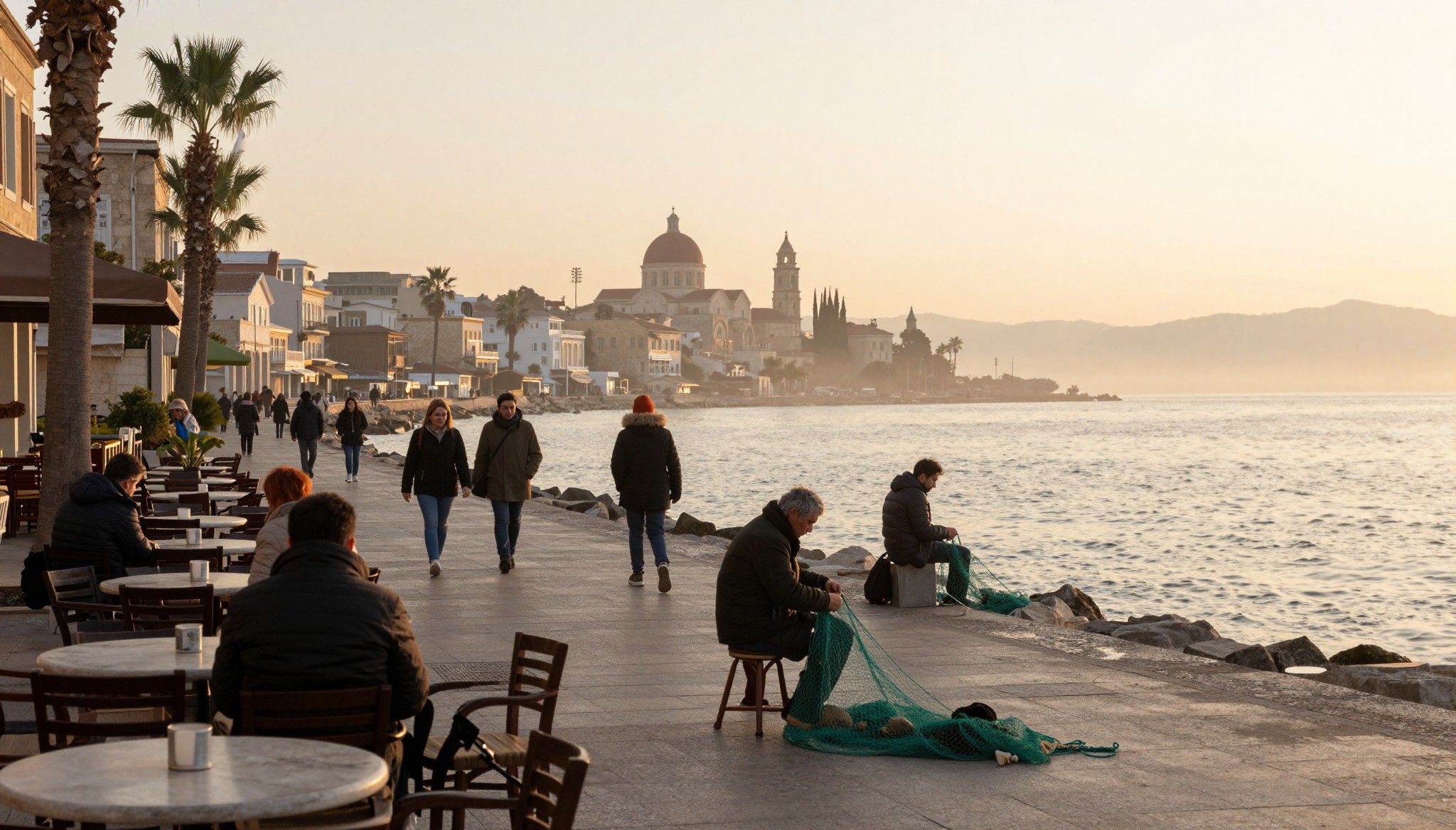
Daily life is organised around markets and small plates: meze shared at 2pm, simple fish grilled by the harbour, and markets such as Limassol Municipal Market where produce is an event rather than an errand. Seasons alter experience: winter in the Troodos villages is about woodsmoke and mule tracks, summer on the Akamas Peninsula is about early swims and late dinners under bougainvillea. This seasonality matters when you choose a property: consider whether you want a year‑round address near services, or a place that sings in late spring and early autumn and rests in high summer.
- Limassol promenade coffees, Paphos archaeological walks, Nicosia courtyard suppers, Latchi harbour fish, Troodos forest hikes
Making the Move: Practical Considerations
The romance of place must be matched by a clear view of legal steps that are particular to Cyprus. Non‑EU buyers are subject to special authorisations, title‑deed timing can be slow in developments, and VAT or reduced VAT rules apply in specific circumstances. These are not bureaucratic hurdles so much as local customs: they shape the timeline between an offer and the day you host your first dinner.
Permission to buy: who needs it and why
Non‑EU nationals must apply for permission to acquire immovable property under the Aliens Law (Chapter 109). Practically, permission is routinely granted for one dwelling or a plot up to c.4,000 m2 provided funds come from abroad; the application follows signing the contract and typically takes a few weeks to a few months depending on administrative workload. You may occupy the property while approval is pending, but the formal permit is necessary to complete registries and future disposals. (See Ministry of Interior guidance and legal commentary for details.)
Property types and what they mean for daily life
Stone village houses require different stewardship than contemporary coastal apartments. A century‑old farmhouse in the Troodos needs attention to damp and insulation but rewards with provenance and mature gardens; a new build on the Limassol seafront gives easier maintenance and security systems but may come with communal costs and delayed title deeds. Choose the building type that supports how you intend to live — frequent island residency, full time, or seasonal — and allow extra budget for maintenance that aligns with that choice.
- 1. Appoint a Cyprus lawyer experienced with title‑deed searches and the Aliens Law. 2. Confirm source of funds — Central Bank documentation may be needed for non‑EU purchases. 3. Register the contract of sale at Land Registry for protection; anticipate waiting for final title deeds. 4. Clarify VAT status on new builds — reduced 5% rate can apply under strict conditions for primary residences. 5. Budget for transfer fees, stamp duty and notary costs; obtain a written estimate from your lawyer.
Insider Knowledge: What Expats Wish They'd Known
Expats frequently tell the same three stories: the unexpected time it takes to receive title deeds; the surprise of local service rhythms (shops closed on certain afternoons); and how a neighbour introduced them to a handyman they’ve trusted for a decade. These anecdotes conceal practical lessons: a purchase in Cyprus is as much about cultivating local relationships as it is about contracts. An agent who knows which notary will speed a transfer, and a lawyer who understands district practice, will save weeks.
Language and social nuance
Greek is the vernacular outside larger tourist nodes, though English functions widely in legal and commercial contexts. Use formal introductions and accept the island’s slower tempo: appointments run to people rather than to clocks, and an invitation to a neighbour’s feast is often the fastest route to community. These subtleties influence where you buy: choose a street where the local rhythm suits your temperament — lively promenades for social lives, tucked lanes for quietude.
Long‑term considerations: succession, letting and resale
Once registered, foreign owners generally enjoy the same civil rights as Cypriots, but inheritance, rental permissions and future resale carry local precedents. If you anticipate letting, check whether the initial permission was conditional on personal occupation; in many cases non‑EU buyers are granted permission for owner‑occupation rather than commercial letting. Work with your lawyer to draft wills that reflect Cyprus succession law and to ensure rental strategies align with initial purchase permissions.
- Confirm permit scope before letting; prepare a Cyprus‑valid will; consider long‑term maintenance plans; re‑assess insurance for coastal exposure
If Cyprus feels like a place you could belong, begin by walking the neighbourhoods you love, then instruct a local lawyer and agent who speak the language of both lifestyle and law. Start with a clear brief — how you want to live here — and let local practitioners translate that into permits, searches and timelines. Few things in property are as certain as change; buy a life, and you will steward it.
Practical next steps: 1) Visit during a seasonal shift to feel daily life; 2) Commission a lawyer for title searches before exchanging contracts; 3) Prepare evidence of funds for Central Bank certification (non‑EU buyers); 4) Ask your agent for recent examples of properties where title deeds were issued within the last two years. These actions align the romantic impulse with the island’s legal realities.
Relocating from London to Mallorca in 2014, I guide UK buyers through cross-border investment and tax considerations. I specialise in provenance, design integrity, and long-term value.