Cyprus: Life, Permissions and Title Realities
Cyprus offers sun, villages and market rituals — but foreign buyers must follow defined legal steps: permissions, title checks, VAT vs transfer‑fee clarity and residency rules (Regulation 6(2)).
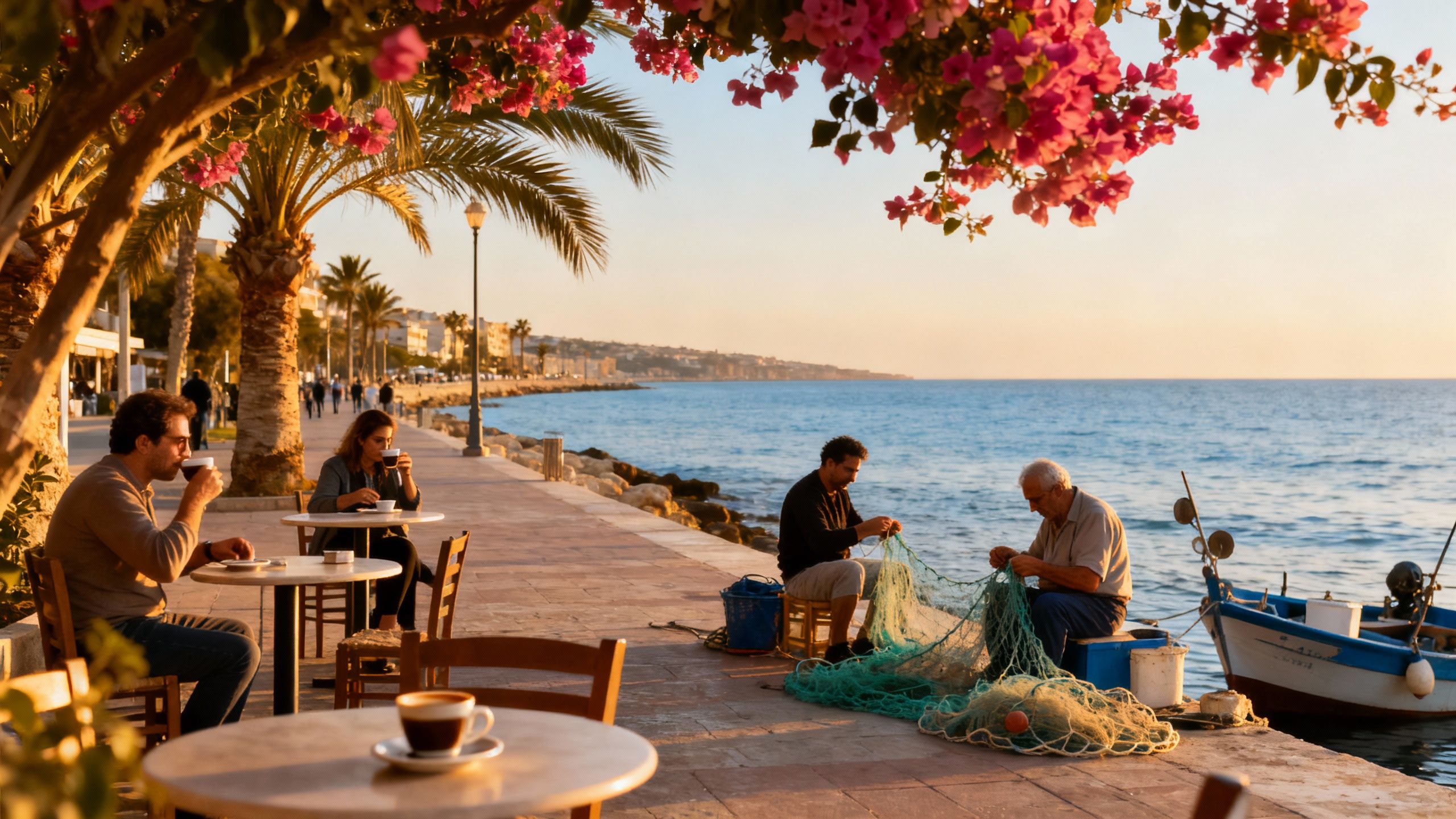
Imagine arriving in Limassol as the market begins to slow for the day: the harbour-cafés hum with late‑afternoon conversations, an elderly Argyris sweeps the stones outside his kafeneion on Agiou Andreou and bougainvillea shades a terrace where a couple plan dinner. Cyprus sells itself by day-to-day ritual — seaside promenades, mountain villages where bread still bakes in wood-fired ovens, Friday fish markets — and it asks of buyers something similar in return: patience, local knowledge and careful legal stewardship.
Living Cyprus: light, neighbourhoods and rhythm
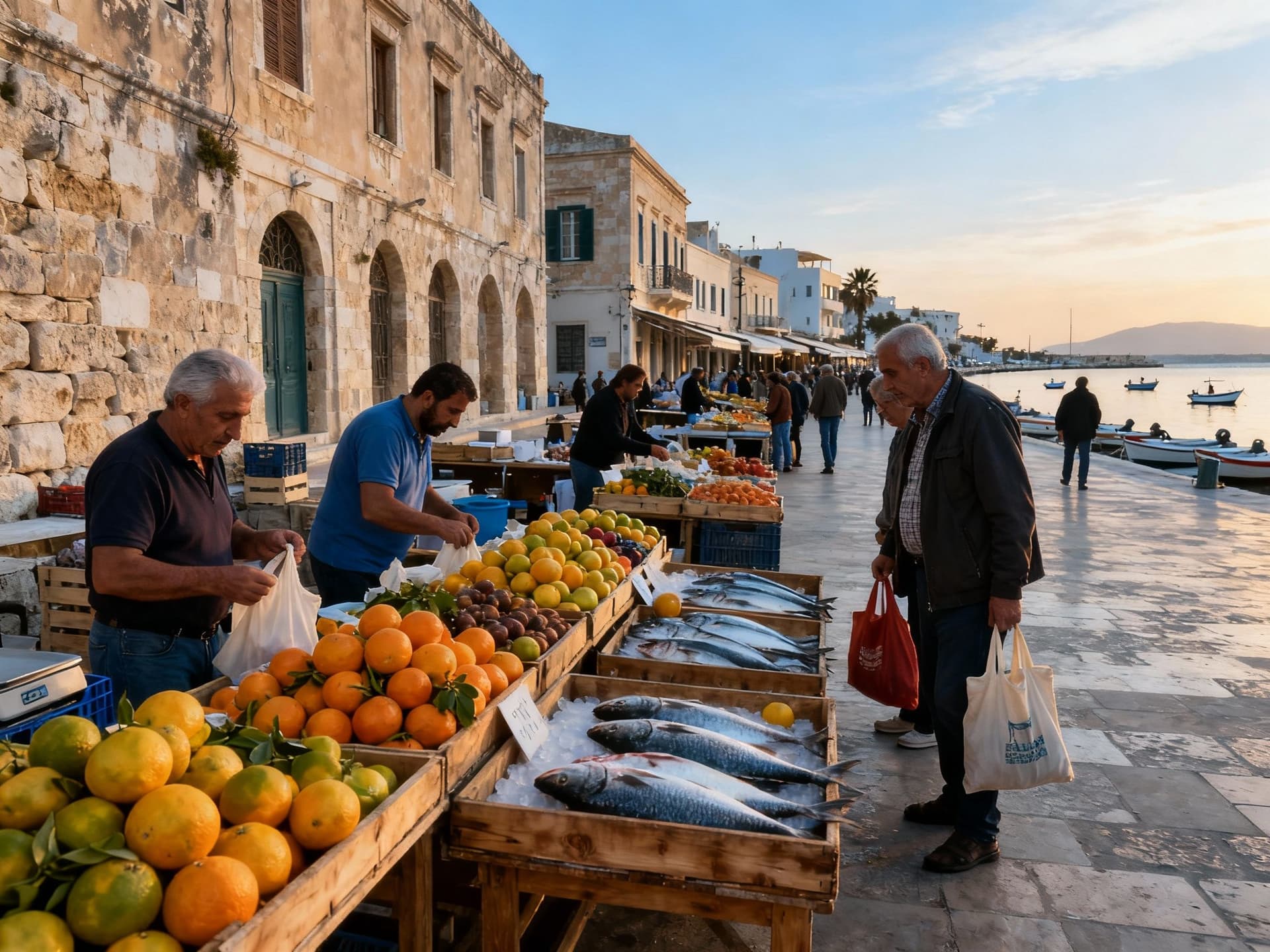
Cyprus is compact but layered. Mornings on the coast begin with espresso and a light breeze; afternoons in Paphos are for heritage walks past Roman mosaics; evenings in Nicosia’s old quarter are slow and social. The island’s day-to-day life will shape what property suits you: a town apartment for café life, a restored stone home in Kakopetria for village quiet, or a contemporary seafront penthouse where the harbour becomes an extended room.
Limassol, Paphos, Nicosia — different kinds of slow
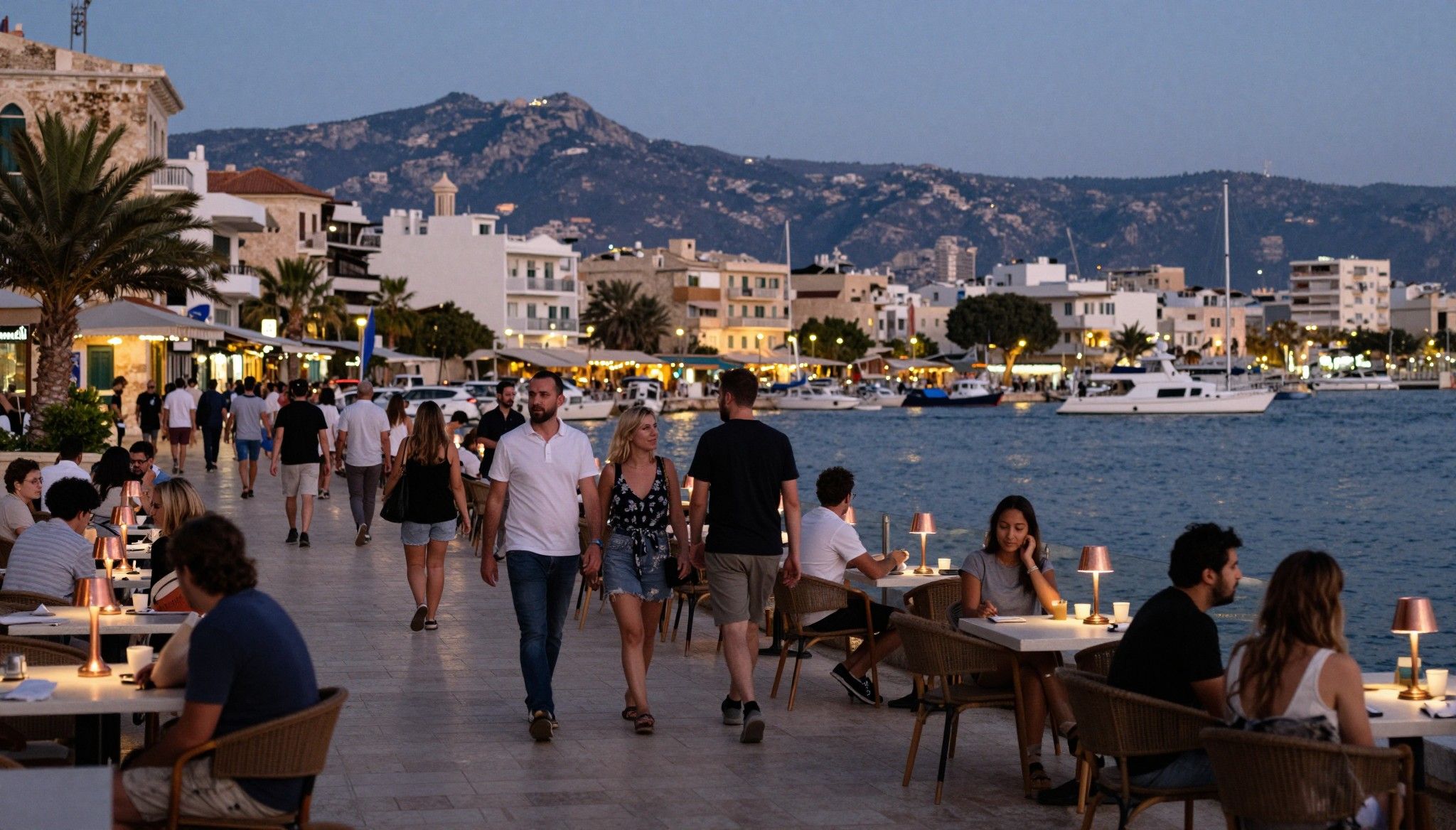
Limassol is maritime and cosmopolitan; stroll Mesogiou and discover hidden wine bars and modern galleries. Paphos retains a provincial calm punctuated by archaeology and coastal promenades — look for narrow lanes around Kato Paphos where a private courtyard matters. Nicosia is inward-looking and cultural; properties here prize courtyard gardens and cooler internal planning to escape summer heat. Each place requires a different stewardship: coastal properties need attention to salt exposure and insurance; inland houses often invite restoration expertise and a different approach to planning consent.
Food, ritual and seasonality
Weekends revolve around markets and kleftiko dinners. In Larnaca, stroll the fish market on Agora and buy citrus that perfumes a kitchen; in the Troodos foothills, join a taverna where night air and wood smoke inform everything. These rituals matter when you choose a home: proximity to markets, a kitchen suited to Mediterranean cooking, a terrace with afternoon shade — they are practical considerations disguised as lifestyle choices.
- Market squares at dawn in Paphos, agrarian markets in Limassol, espresso at Lefkosia’s Laiki Yitonia, Friday fish stalls at Larnaca’s Old Port, early-morning walks on Governor’s Beach, village bakeries in Kakopetria.
Making the move: legal realities that preserve the lifestyle

The romance of a village street is one thing; securing good title and the right permissions is another. Cyprus law requires foreign (non‑EU) buyers to obtain permission to acquire immovable property; the Ministry of the Interior explains the formalities, typical processing times and the documents required. Treat permission as a routine but essential administrative rite — it protects your ownership and clarifies whether a property is suitable for long‑term habitation or tied to development conditions.
Property types and what they ask of you
New-build apartments, resale villas with historic title deeds, and plots for construction are each different commitments. New-build purchases often involve VAT and developer warranties; resales can bring title‑deed delays. Transfer fees and stamp duty are calculated on declared property value and the Department of Lands and Surveys will assess market value if it disputes the contract figure. A prudent buyer budgets for legal fees, searches and possible transfer‑fee adjustments.
Work with a local legal steward, not merely an agent
- Retain a Cypriot lawyer early. They will: 1) obtain permission applications for non‑EU buyers; 2) perform title and encumbrance searches with the Department of Lands and Surveys; 3) hold purchase funds in client accounts; 4) advise on VAT vs transfer fee implications; 5) align the purchase contract with planning consent and building completeness. This sequence preserves lifestyle intentions — whether you want a lived‑in village house or a seaside apartment with uninterrupted harbour views.
- If long stays or residency matter, the Regulation 6(2) permanent residency route requires minimum qualifying investment (commonly cited as €300,000 + VAT for qualifying new builds) with ongoing proof of foreign income and stricter annual checks since 2023.
Insider knowledge: what expats wish they'd known
Real buyers tell the same quiet truths: the best neighborhood may be the one without glossy listings; title‑deed delays are common and manageable if you plan for them; insurance for coastal properties requires attention to salt corrosion and storm exposure. These are not failures but the granular work of stewardship — ironing out the parts that let the everyday pleasures endure.
Cultural practicalities and integration
English is widely spoken, but Greek is the language of local administration and many village relationships. Join a taverna table, learn a few phrases, and show patience during municipal procedures: these gestures open doors that paperwork alone cannot. Local relationships smooth interactions with craftsmen, planning authorities and neighbours — they are part of the practical capital that preserves the life you bought.
Three red flags to watch for before you sign
- Unregistered additions or 'informal' terraces; contracts that omit VAT clauses for new builds; missing planning consent or unclear common‑area titles in developments.
- Step-by-step practical checklist before completion: 1) commission a full title search and certified copy of the deed; 2) confirm whether the sale is VATable and the impact on transfer fees; 3) apply (or instruct your lawyer to apply) for permission to acquire (if non‑EU); 4) secure appropriate insurance and a final physical inspection; 5) arrange utilities and local tax registration.
For core legal reference and to begin permissions and searches, consult the Ministry of Interior’s official guidance on purchasing property and the Department of Lands and Surveys for transfer fees and title registration. These state sources remain the final word on procedure, timing and official rates.
If the life you imagine involves morning markets, village bread ovens and a harbour‑side dinner routine, start with that image and then engage local counsel and a curator‑minded agency to protect it. Good advisers translate the island’s rhythms into secure contracts, honest valuations and realistic timelines — and in doing so, they make the ritual of daily life you sought possible.
Former Copenhagen architect who relocated to Provence, offering relocation services, market analysis, and a curator’s eye for authentic regional design.