Croatia’s Reciprocity Reality: Buy with Confidence
Practical, lifestyle-first legal guidance for buying property in Croatia — from reciprocity rules and registry checks to tax and stewardship advice backed by government and market sources.
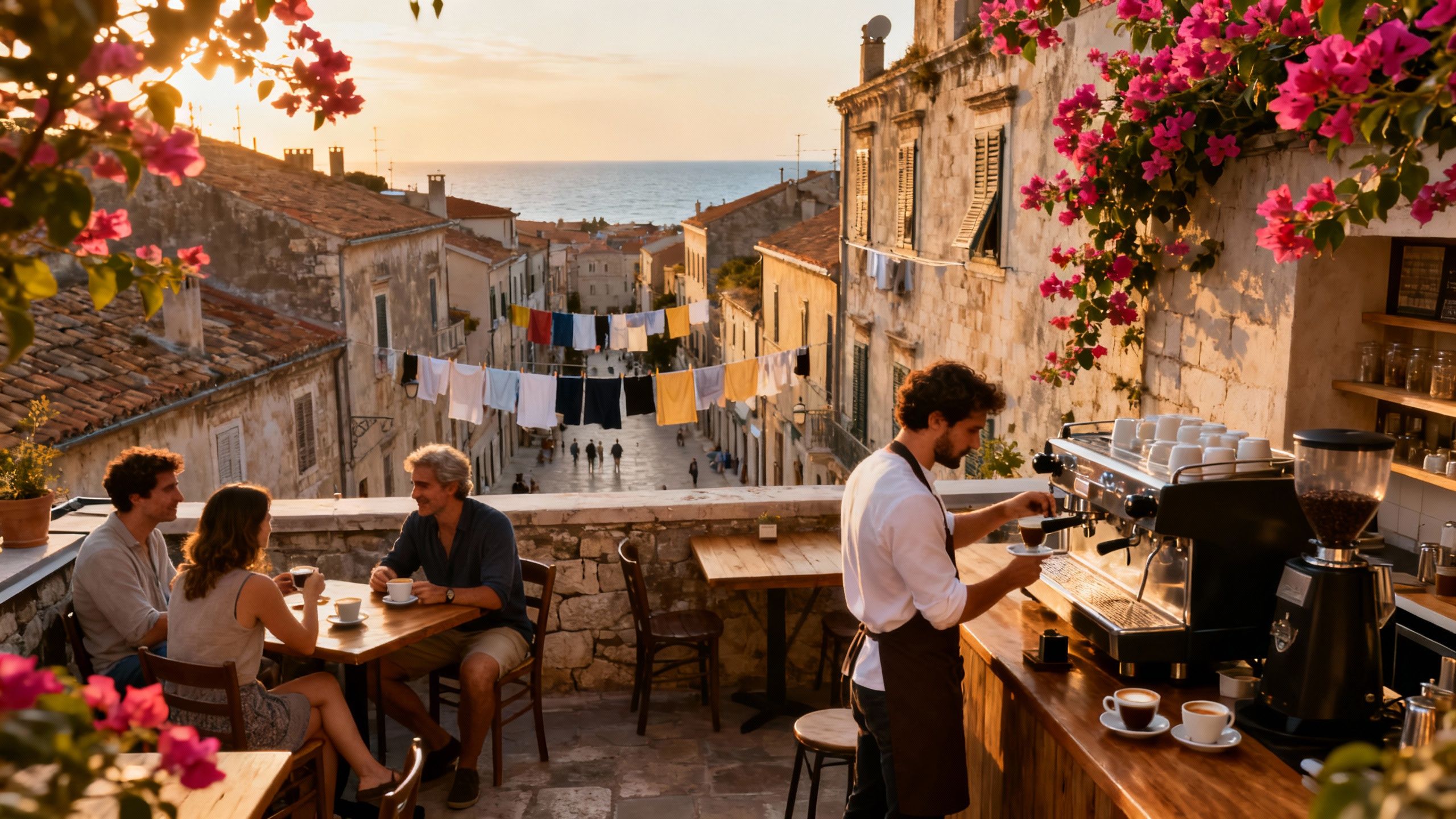
Imagine arriving in Split at dusk, walking the marble steps of Diocletian’s Palace as a nearby konoba fills with the smell of grilled fish and rosemary. You can already picture a narrow stone courtyard where morning light finds the terrace; this is the life Croatia sells quietly — coastal, convivial, and anchored to place. But the paperwork that turns that image into legal ownership follows different rhythms: reciprocity, registers and often ministry approvals can reshape timing and technique. This guide is about keeping the romance intact while removing the legal friction, so you buy the life and not an unexpected bureaucratic obligation.
Living Croatian Days: place, pace and palate
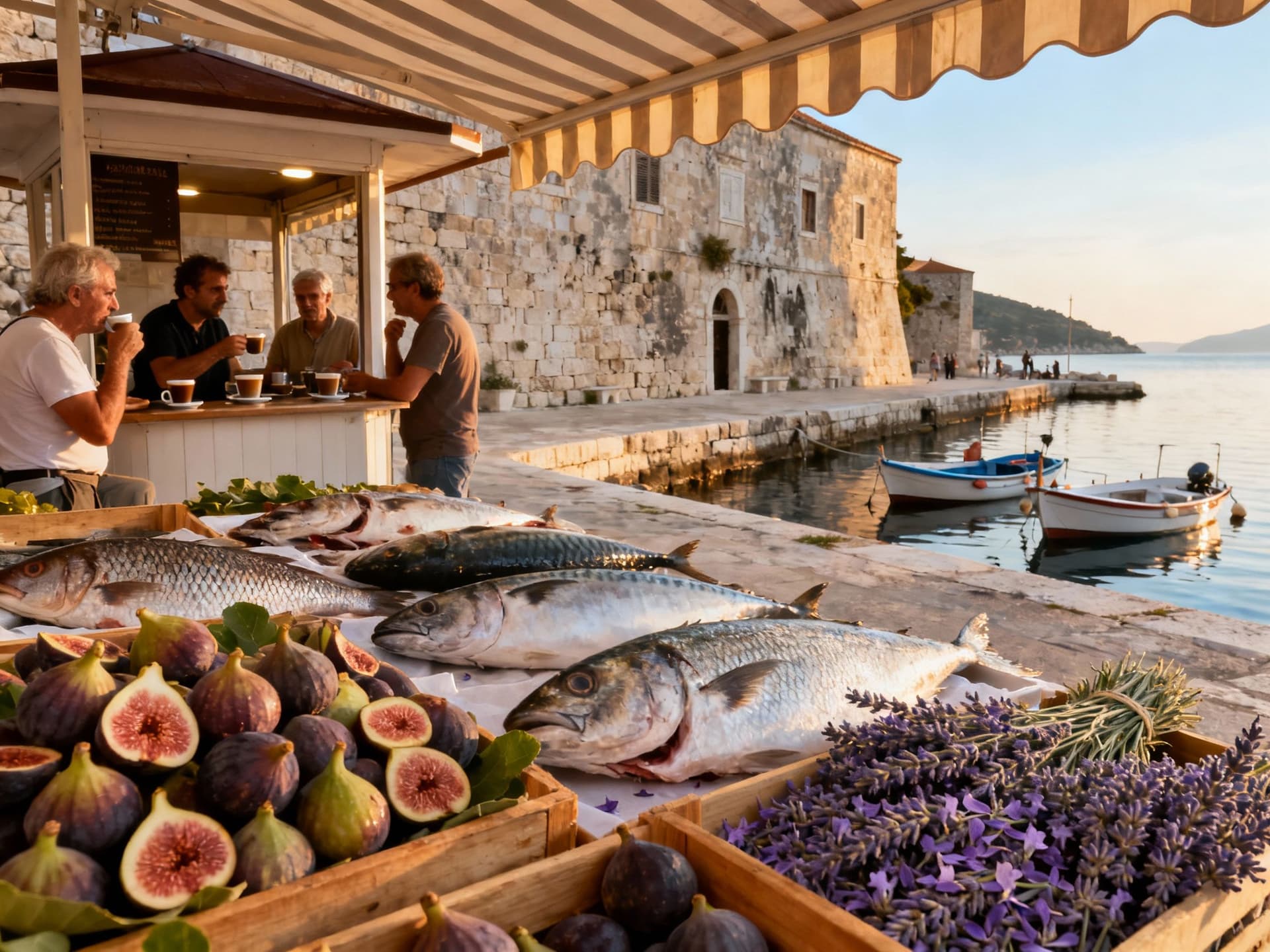
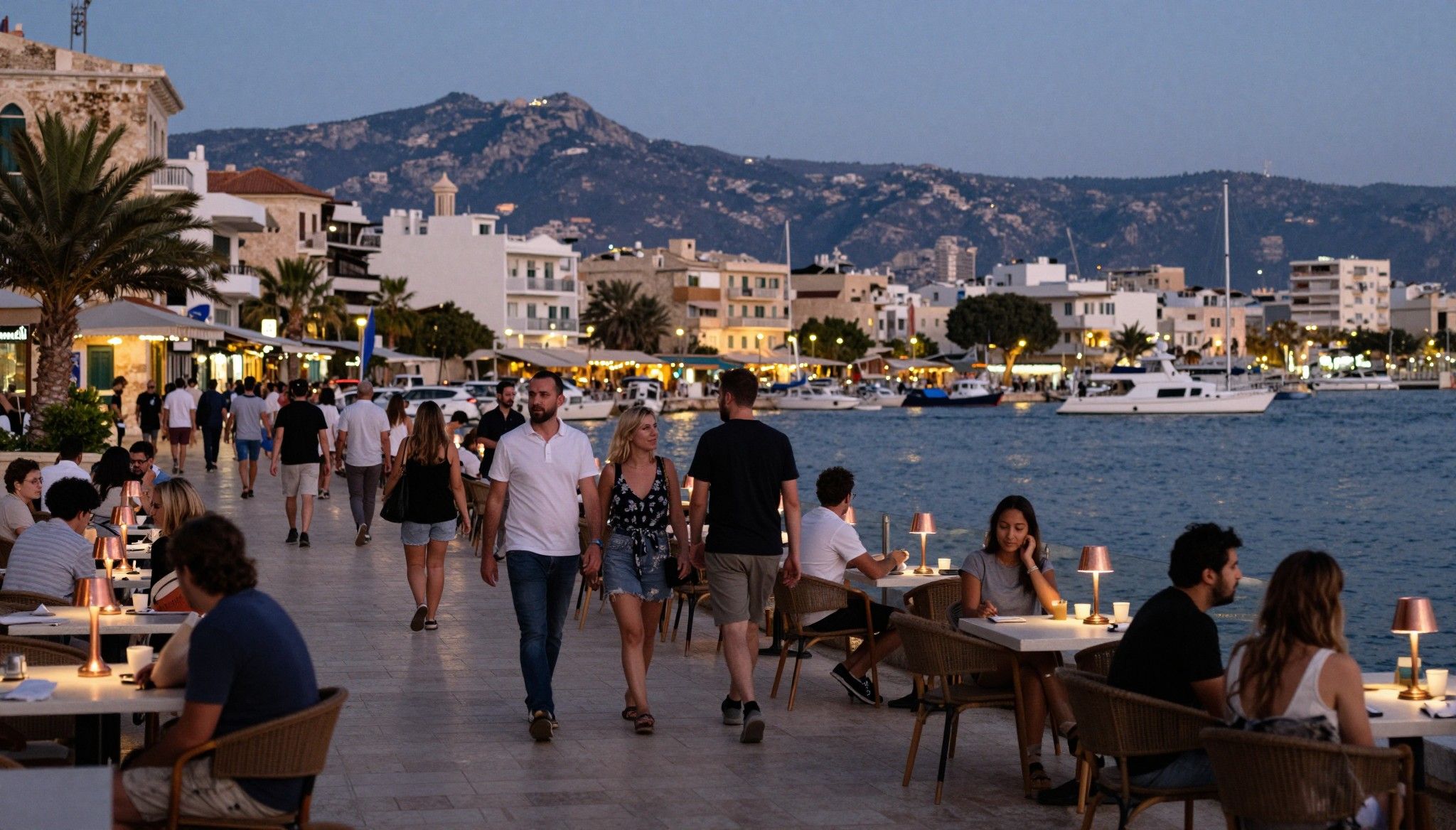
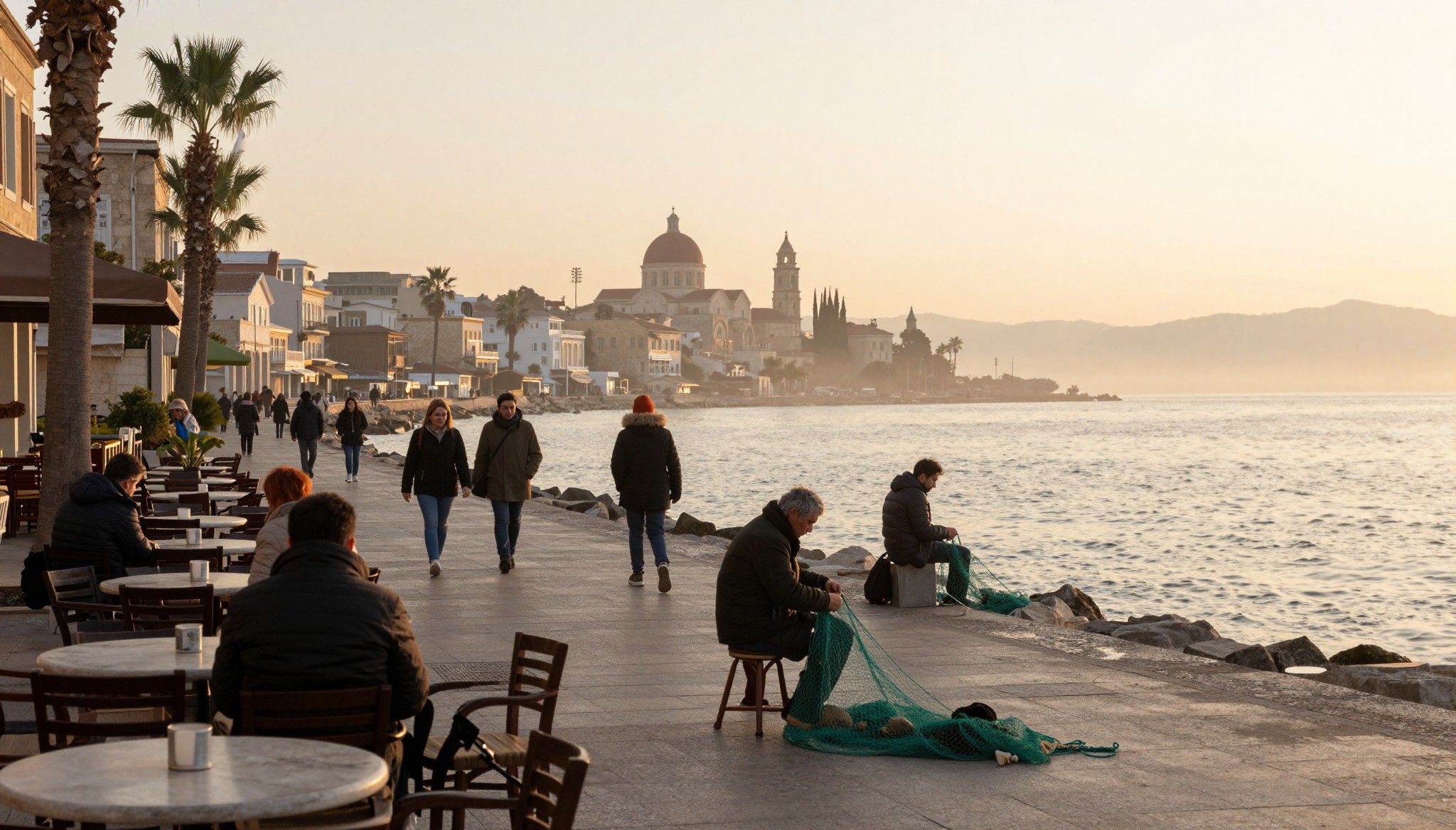
Croatian living moves with the sea and the market day. In Dalmatia, mornings begin with espresso at water’s edge, afternoons are for siesta or market runs, and evenings are long meals shared with neighbours. Inland towns such as Varaždin and Motovun offer slower rhythms — cobbled streets, baroque façades and farmers’ markets where truffles and Istrian prosciutto appear by season. Knowing these rhythms helps determine not just where you feel at home, but the type of title, access and services you’ll want — proximity to municipal offices, trustworthy notaries and local agents who work in both languages.
Split’s old town and the calm of Kaštela: contrasts that matter
Split’s Diocletian quarter rewards those who prize history and immediacy — small apartments, stone staircases and a vibrant café culture. Walk ten minutes west and Kaštela offers quieter suburban gardens, larger plots and easier access to services such as banks and land registry offices. For buyers who plan to restore historic fabric, Split’s centre requires careful title checks and a construction-permit-savvy lawyer; for those seeking a garden and privacy, Kaštela’s municipal records are the practical baseline for a purchase.
Istrian table life and coastal summer markets
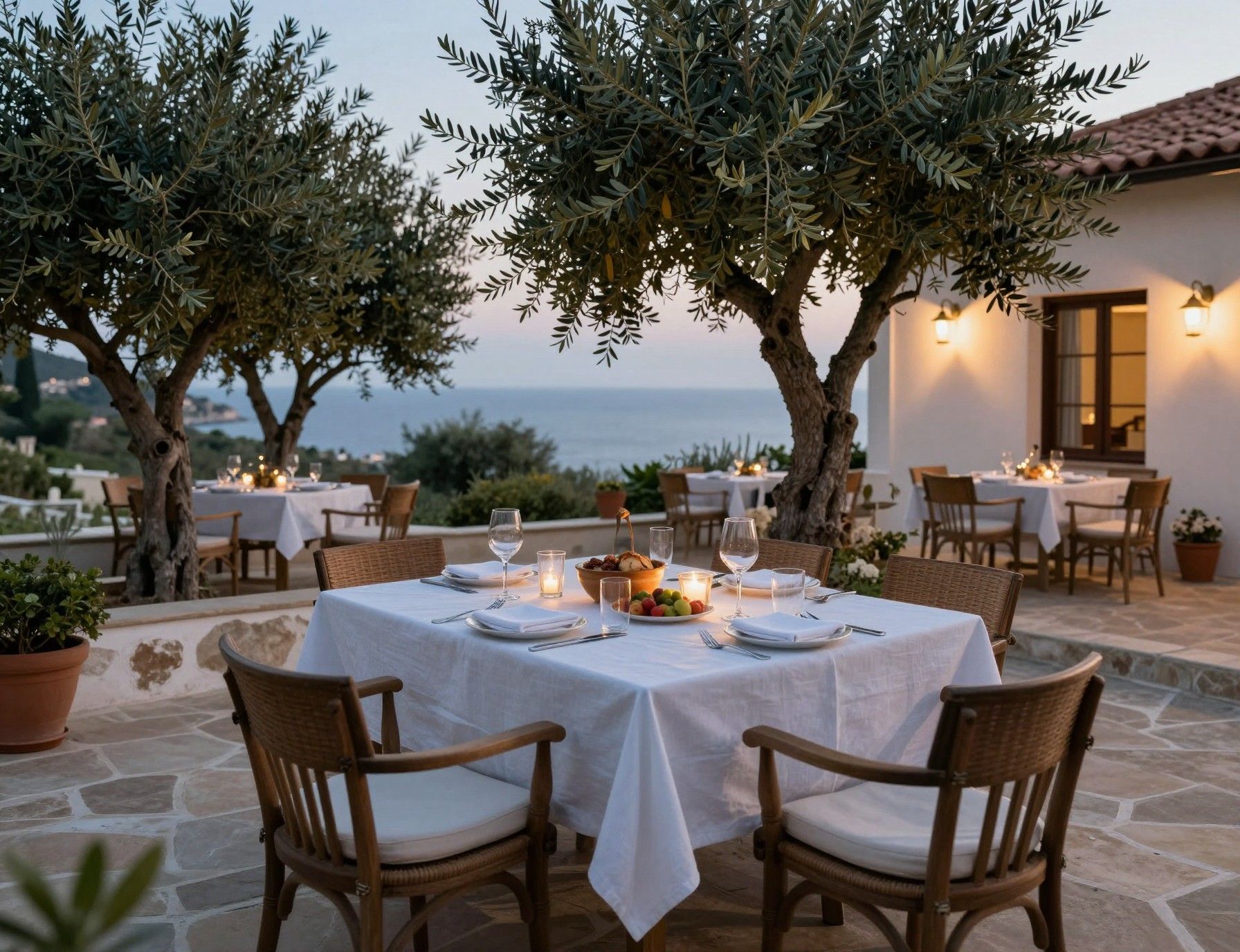
If culinary life is your compass, Istria’s hilltop towns and Rovinj’s mosaic cafés will set the tone. Weekend rituals — a morning at Pula market, a late lunch of fuži pasta and local Malvazija — determine how you use kitchen space, outdoor loggias and storage for seasonal provisions. These choices influence the kind of property you buy: heritage stone houses that need careful conservation, or newer villas built to host year-round guests, each with distinct legal and tax profiles.
Making the move: the legal scaffolding behind the lifestyle
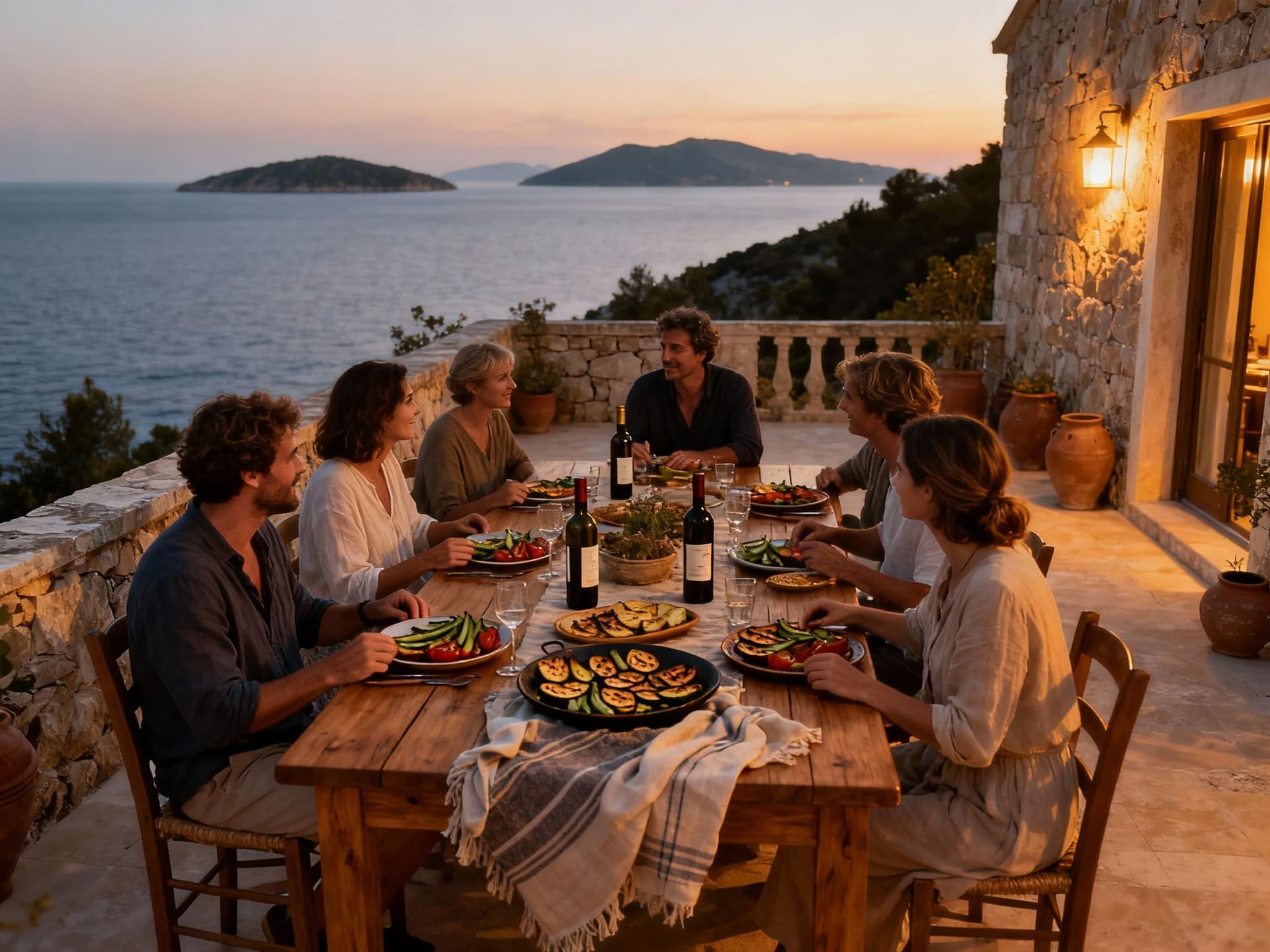
Practical steps begin with a clear legal map. EU, EEA and Swiss nationals enjoy parity with Croatian buyers; others must consider reciprocity or use a Croatian company structure. Recent policy shifts and tax reforms have also altered holding costs and incentives — a reform proposed in 2024 aims to rebalance tax on property to discourage speculative short-term lets, which may affect coastal rental markets and long-term stewardship. Understanding these rules before making an offer prevents surprises and preserves the lifestyle you sought when you first fell in love with the place.
Property types and what they afford you
Stone townhouses require conservation permits and often present shared-ownership complexities such as common stairs and roof responsibility. New-build apartments are usually straightforward but may include VAT implications when purchased from a company. Coastal villas often sit in zones with stricter planning controls and, in some cases, environmental restrictions; working with local architects and planning lawyers will protect the character of the property and avoid costly retrofits. Match the type of house to how you will live in it — entertaining, year-round residency, or seasonal retreat — and then align that preference with the proper legal vehicle for purchase.
Working with local experts who understand the life you want
An agent who knows Dubrovnik’s off-season reality or Istria’s market rhythms becomes a curator of daily life — showing properties that breathe in winter and sing in summer. Retain a Croatian lawyer experienced in land registry (Zemljišne knjige), notarial practice and municipal planning; they translate local custom into legal certainty. A trusted tax advisor will model scenarios for long-term rental, primary residency and inheritance to preserve value across generations.
- Checklist for lifestyle‑led legal readiness
- Confirm your nationality’s status (EU/EEA/Swiss or reciprocity country) with the Ministry of Justice.
- Ask for a full land registry extract and an encumbrance search before exchange of contracts.
- Model ownership costs under proposed property tax rules and VAT exposures for new builds.
- Budget for translation, notary fees, legal counsel and a possible ministry approval timeline if required.
Insider knowledge: expat truths and common pitfalls
Expats often tell the same story: they fell in love with a courtyard or a view, then discovered the timing and tax reality required compromises. Recent legal adjustments have eased access for many non‑EU buyers, yet the administrative path remains property-specific and requires documentation that speaks to both municipal and national registers. The practical upshot is simple: allow for calendar time and choose an advisor who preserves the life you imagined rather than one who simply closes a transaction quickly.
Language, community and the slow work of integration
Croatian is musical and precise; a little effort goes far. Learn a handful of local phrases, patronise the market, and your neighbours will become your earliest resources for recommended notaries, builders and family‑run surveyors. Cultural fluency speeds transactions: municipal clerks respond faster to familiar faces and agents who can explain planning nuances in Croatian will save weeks of delay. Think of language as part of the due diligence — it is as practical as a cadastral extract when you want certainty.
Long‑term stewardship: taxes, inheritance and reputation
Stewardship requires thinking beyond purchase. Newer tax proposals aim to discourage short-term letting that fractures communities; mechanisms include property taxes scaled by use and exemptions for long-term rentals. Inheritance law and succession deserve attention: Croatian law interacts with EU rules on forced heirship depending on residency and nationality. A carefully drafted will, local trustee arrangements and transparent ownership structures protect both family and community value over generations.
- Practical sequence to turn aspiration into residence
- Engage a local agent who demonstrates knowledge of neighbourhood life and municipal procedures.
- Commission a land registry extract, utility checks and a structural survey before offers.
- If required, submit a reciprocity application or establish a Croatian company; allow several months for approvals.
- Conclude with a notarised deed, register ownership and implement tax and succession planning.
Conclusion: Croatia rewards patience with a life that is architectural, culinary and communal. Begin with neighbourhood days — an espresso in the morning, a market visit at noon, a terrace dinner at dusk — and let that rhythm determine the property type and legal vehicle. Work with advisors who measure success by how you live there, not only by how quickly a contract is signed. If you want assistance with local introductions, registry checks or modelling tax scenarios, a discreet local advisor will turn the image of life in Croatia into a secured and sustainable reality.
Having moved from Stockholm to Marbella in 2018, I help Scandinavian buyers navigate Spanish property law, restoration quality, and value through authentic provenance.