Croatia: Reciprocity, Stewardship and the Lifestyle You Buy
How Croatia’s lifestyle rhythms intersect with legal realities: reciprocity rules, ministry consent for non‑EU buyers, and neighbourhood choices that shape stewardship and value.
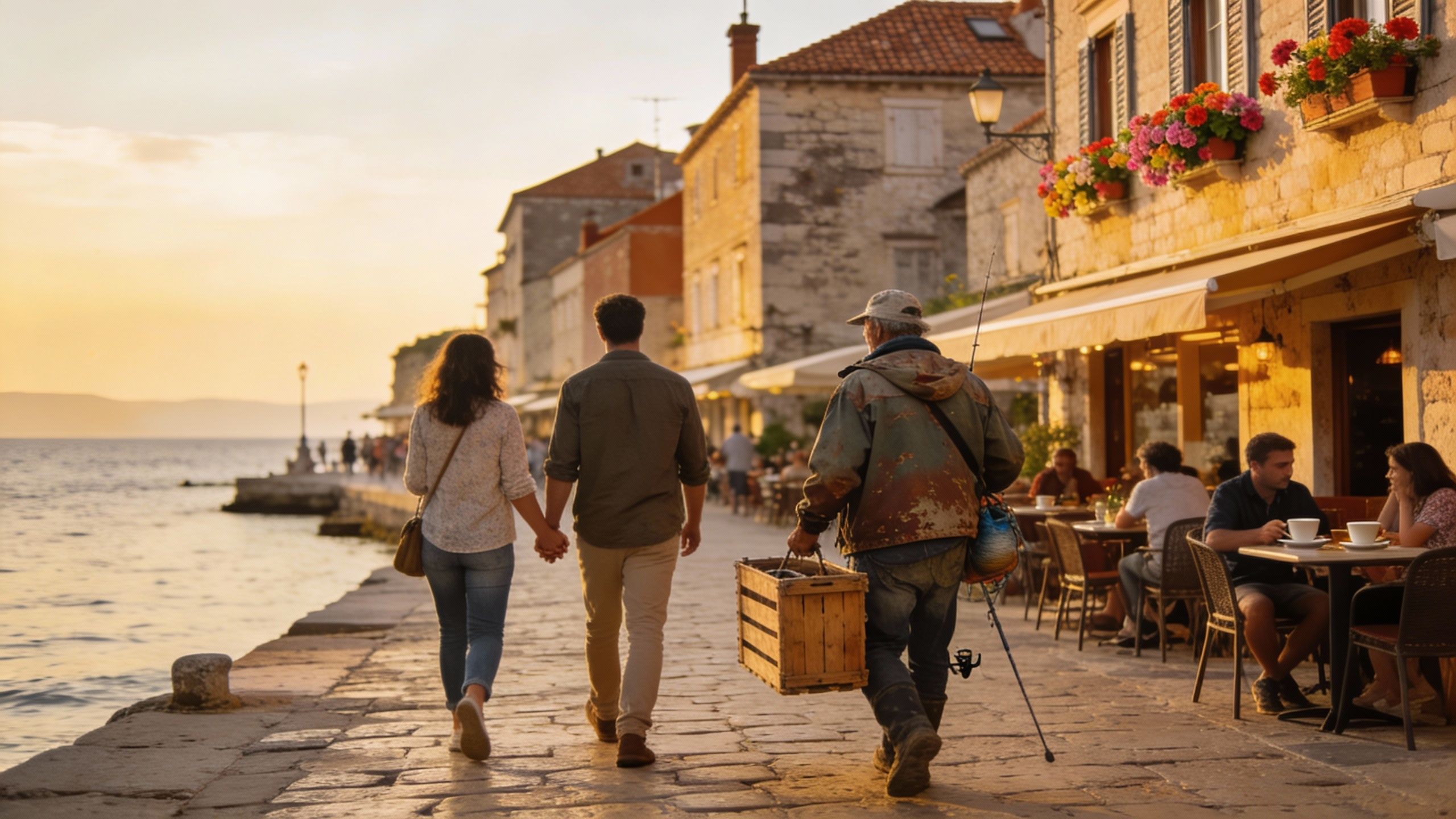
Imagine drifting from a morning market in Split — the clam of fishermen, fresh sardines on crushed ice, and a narrow lane that leads to a weathered stone stair where neighbours share espresso. In Croatia, that smallness of scale — human streets, centuries of masonry, sea-close living — is what lures many of us to buy. Yet the legal choreography behind claiming a house here is quietly particular: reciprocity rules, ministry approvals for non‑EU buyers and property‑specific checks. Understanding those formal steps early preserves the romance of the lifestyle and prevents a legal hangover later.
Living the Croatian Life
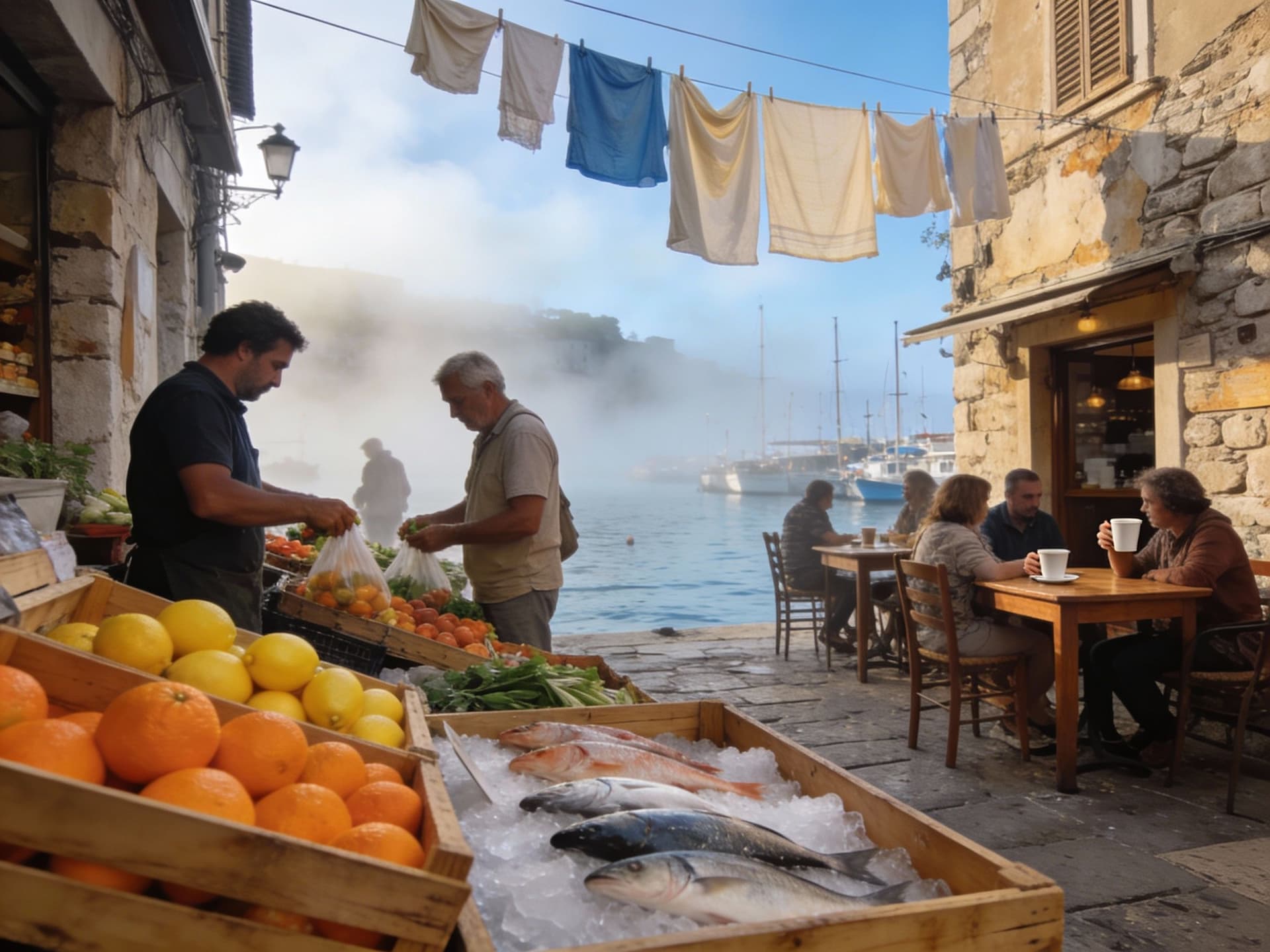
To live in Croatia is to balance a quiet reverence for place with a convivial public life. Coastal towns such as Dubrovnik and Rovinj unfurl baroque churches and stone terraces where dinner begins late and conversations last long. Inland, Zagreb and Istrian hill towns offer winter markets and museums, a different cadence that suits year‑round residence. Recent market commentary notes that Croatia’s diverse regional characters shape both lifestyle and long‑term value — the Adriatic’s tourism pulse contrasts with the steady, civic rhythms of continental towns. Practical consequence: neighbourhood choice will dictate how you actually use a home — seasonal rental, permanent family base or a hybrid of both. cite
Seaside districts and their character
Stari Grad promenades, Split’s Veli Varoš, Hvar’s waterfront: each offers a different version of coastal living. In Split, mornings begin with coffee at Kavana Bačvice and afternoons with a swim at Žnjan or a stroll on the Riva; houses here are often stone, with small courtyards and limited parking, so urban logistics matter. On islands like Vis or Korčula you buy solitude and provenance — olive terraces, island markets and ferry timetables — which suits a seasonal life or a deliberate permanent move. Recognising these micro‑differences helps shape the practical brief you give an agent: are you buying for daily life, for rental income during the summer or for slow retirement?
Food, market life and local rituals
Weekends are often given over to markets: Dolac in Zagreb for seasonal produce, Split’s fish market for the daily catch, and small island stalls selling olive oil and rakija. These rituals shape how you live at home — a compact kitchen for market cooking, storage for preserves, and a terrace that receives evening light. When an agent or lawyer asks what matters most, answer with lifestyle specifics: does proximity to a market trump sea view? Those choices will influence neighbourhoods that meet both your taste and legal suitability, particularly where local zoning or protected heritage status can affect renovation plans. cite
Making the Move: Practical Considerations
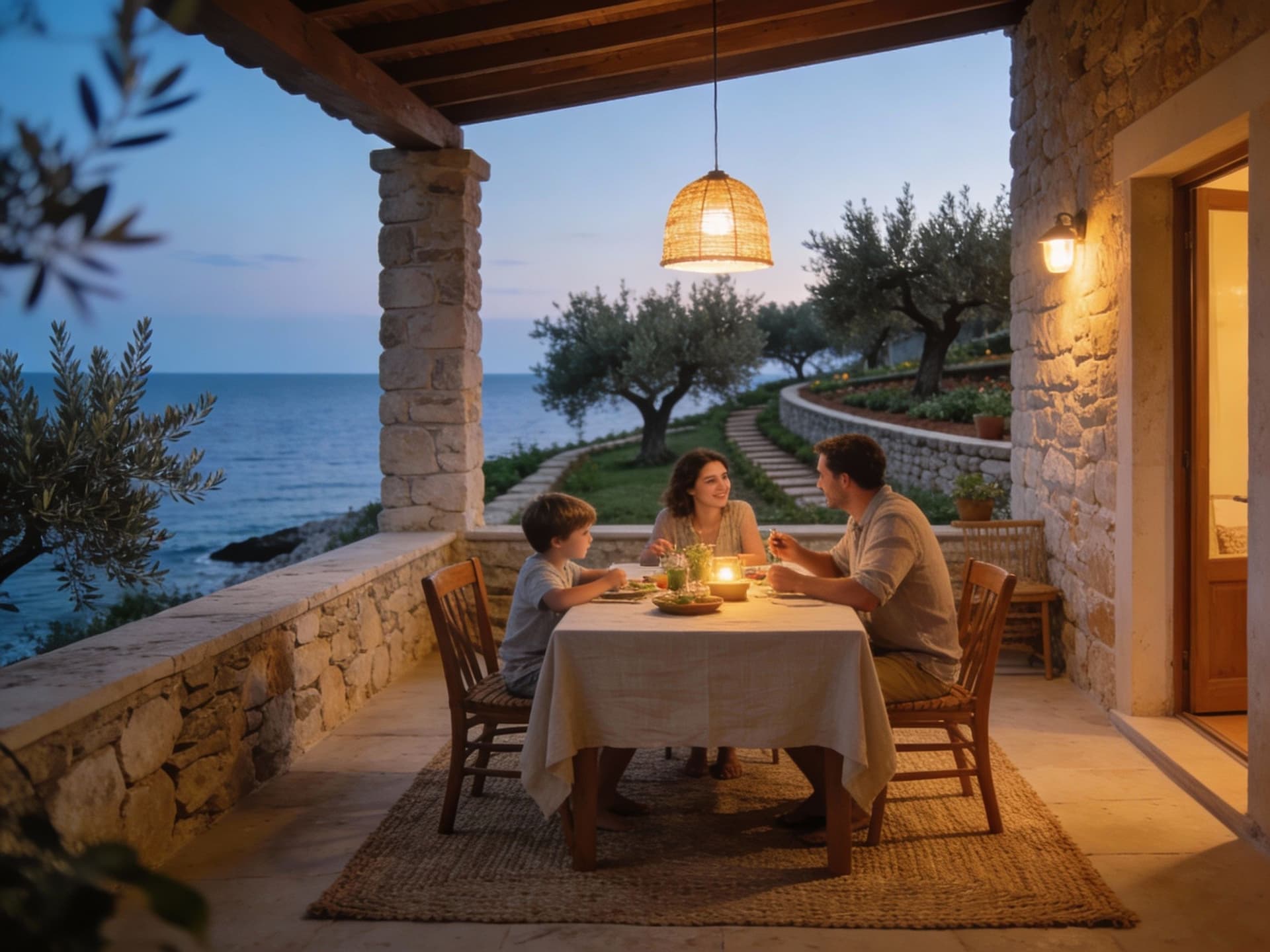
The legal steps are straightforward when you know where to look: EU and most EEA nationals generally enjoy parity with Croatian buyers, while third‑country nationals often require prior consent from the Ministry of Justice under reciprocity rules. That ministry keeps an evolving record of which countries meet reciprocity; the requirement is property‑specific and can add weeks or months to a timeline. Early engagement with a local lawyer or notary ensures documents such as an OIB (tax ID) and correct land registry searches are in place before you pay a deposit. cite
Property styles and how they shape daily life
A restored dalmatian stone house offers thick walls and cool interiors but often limited insulation and modern services; new build apartments grant contemporary comfort but less character. Think through service access — how will plumbers reach an island property in winter, for instance — and factor these realities into renovation budgets and insurance. Many buyers underestimate upkeep costs for period properties; an accurate condition survey from a local architect will translate romantic ideals into realistic cash flow. cite
Working with local experts who know the lifestyle
A carefully chosen agency will do more than show properties: they will introduce you to craftsmen, recommend notaries, and explain local rhythms — ferry schedules, seasonal rentals and municipal rules. For non‑EU buyers, the agency’s familiarity with ministry consent procedures and with the reciprocity list can mean the difference between a stalled sale and a clean registration. Seek firms that document references, provide clear fee structures and collaborate with a Croatian lawyer from the outset. This partnership preserves both the lifestyle you imagine and the legal certainty you need.
Checklist: essential practical steps
- Obtain an OIB (Croatian tax number) before signing any contract.
- Commission a land registry search and cadastral plan review to reveal encumbrances.
- If you are a non‑EU national, confirm reciprocity status and submit a Ministry of Justice consent application where required.
- Arrange a technical survey and, if relevant, heritage‑compliant restoration advice.
Insider Knowledge: What Expats Wish They'd Known
Many expats report the same surprises: ferry timetables that govern social life, municipal rules limiting short‑term rentals in heritage zones, and the administrative cadence of ministry approvals. Language is less of a barrier than expected when you make local friends and work with bilingual professionals, but cultural expectations — modesty about renovation noise, deference to neighbours’ olive groves — do matter. Practically, factor in an extra 10–20% of your renovation budget for regional trades and an allowance of two to three months for administrative lead times. These buffers preserve both your cash flow and the patient pleasure of settling in.
Integration and community rhythms
Community life in Croatia is neighborhood‑centric: regulars at local cafes, seasonal markets, and church or municipal festivals create the scaffolding of friendship. Join a local association, learn basic Croatian phrases and attend market mornings — these simple steps accelerate integration more than any online forum. For long‑term residents, civic participation and respect for local traditions pay dividends in day‑to‑day life and in practical matters such as planning permissions.
Long‑term stewardship and resale considerations
Croatia’s appeal is durable, but value accrues where stewardship is visible: sensitive restorations, maintained olive terraces, and thoughtful adaptation of utilities for year‑round use. If resale is part of your plan, prioritise properties with clear land registry records and feasible improvements over romantic ruins with uncertain titles. Estate agents who document past restorations, permit histories and rental performance will help preserve value across ownership. cite
Step‑by‑step: from curiosity to keys
- Research neighbourhoods and visit in different seasons to confirm the lifestyle matches your expectations.
- Engage a bilingual agent and a Croatian lawyer before making an offer; obtain an OIB and request land registry extracts.
- If you are a non‑EU national, confirm reciprocity and submit the Ministry of Justice application early; do not exchange final funds until consent and registration are assured.
- Commission a technical and heritage survey, agree warranties in the contract, and plan for realistic timelines for registration and renovation.
Conclusion: Croatia offers a manner of life that rewards patience and care. The country’s neighbourhoods — from Zagreb squares to stone island lanes — are legible, textured and hospitable to those who respect local rhythms. By pairing a precise lifestyle brief with early legal clarity on reciprocity, registration and restoration requirements, you preserve the very pleasures that drew you here. When you are ready, choose advisors who value provenance and stewardship as highly as you do; they will ensure the legal framework supports the life you seek rather than obstructing it.
Norwegian with years in Florence guiding clients across borders. I bridge Oslo and Tuscany, focusing on legal navigation, cultural context, and enduring craftsmanship.