Croatia: Reciprocity, Seasonality and the Legal Steps to Own
Daylight on a Dalmatian terrace is seductive — but Croatia’s reciprocity rules, land‑use limits and seasonality quietly shape ownership. Plan early, hire local experts, and match property type to life.
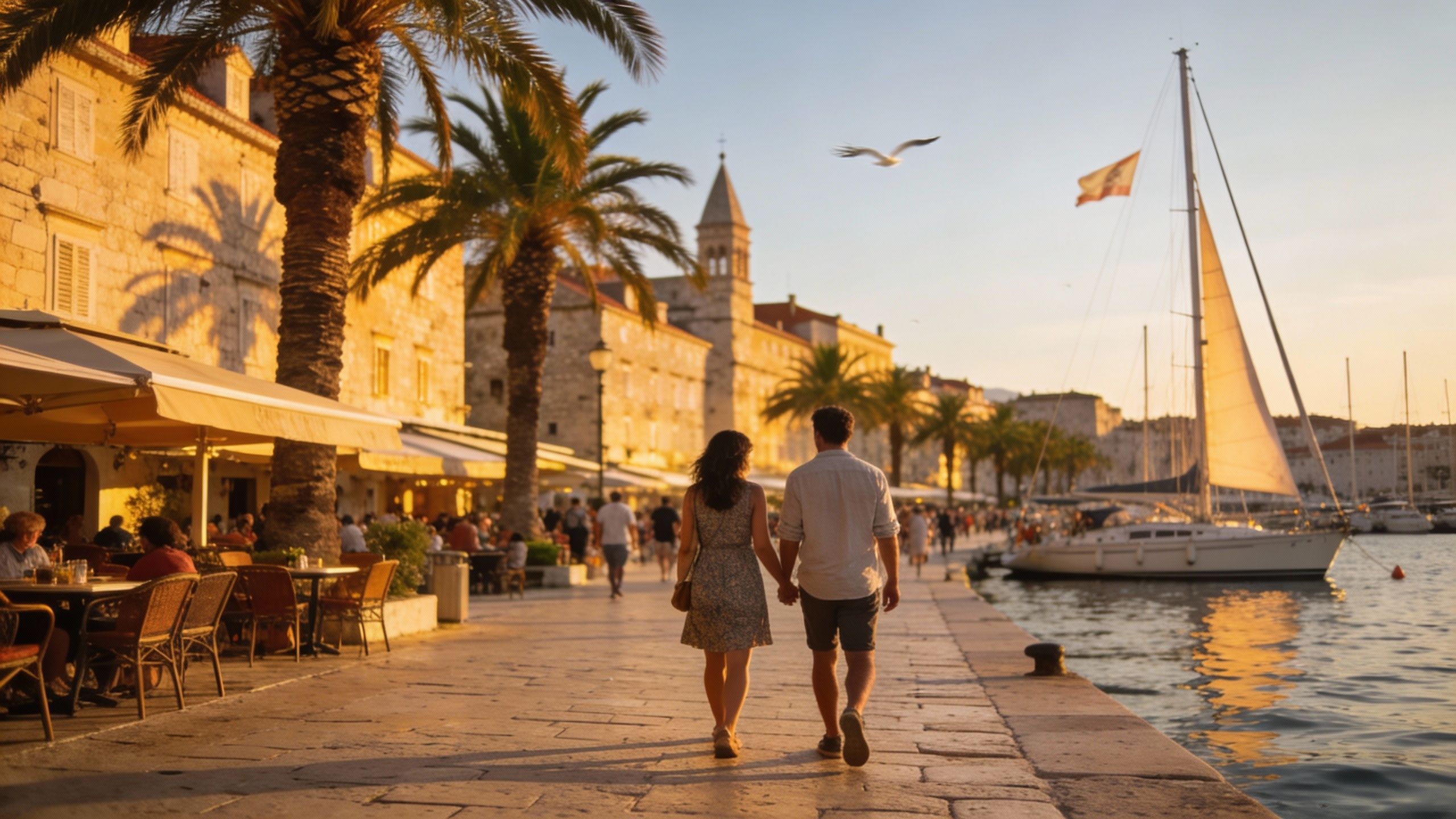
Imagine morning light on a stone piazza in Hvar, the air smelling of espresso and pine, while a neighbour brings fresh figs from a nearby terrace. In Croatia the day begins slowly—coffee, conversation, an eye for craft—but owning here means more than the view: it means understanding rules that quietly shape what you can buy and how you will live.
Living the Croatian life: where mornings are for markets
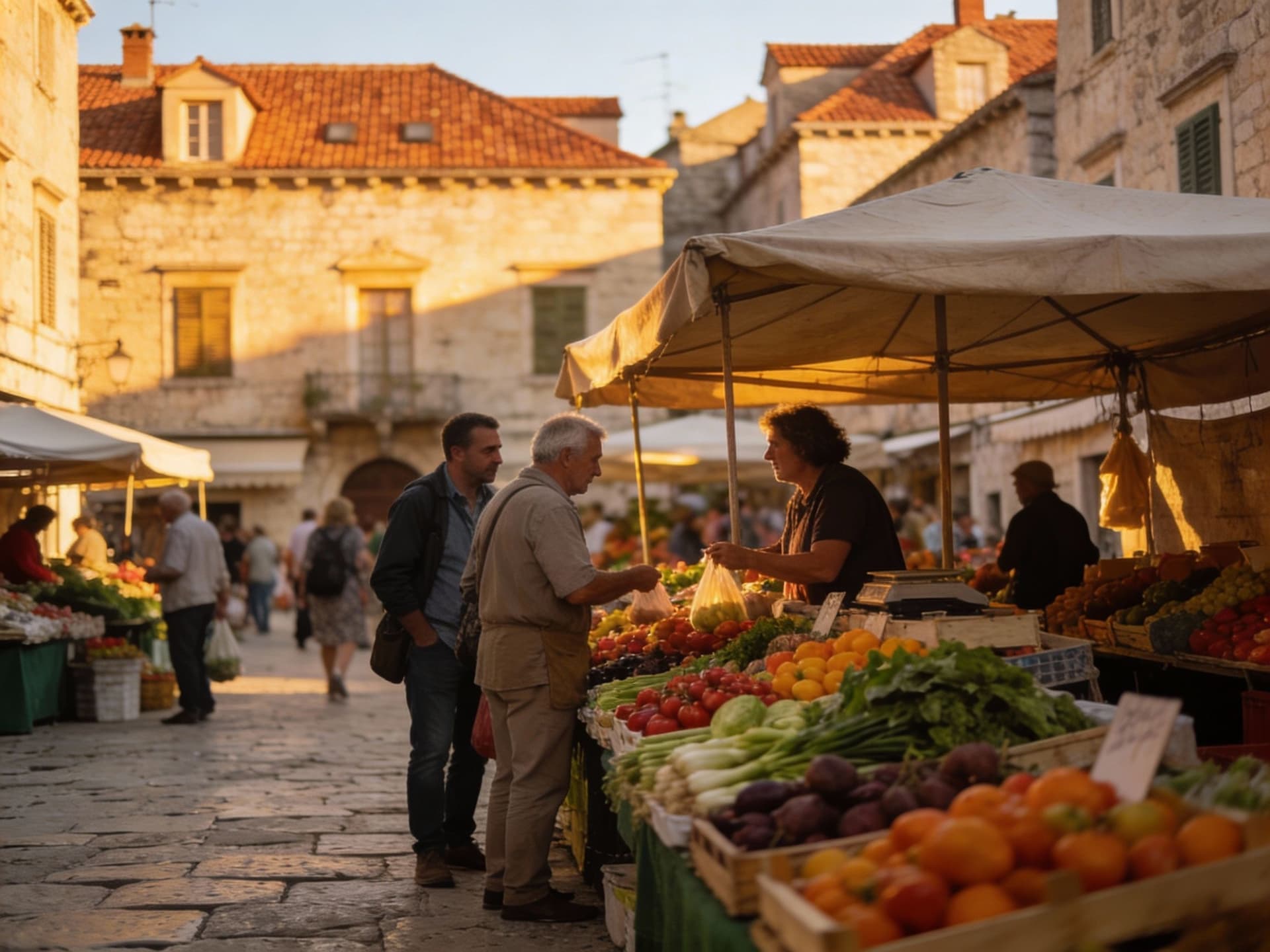
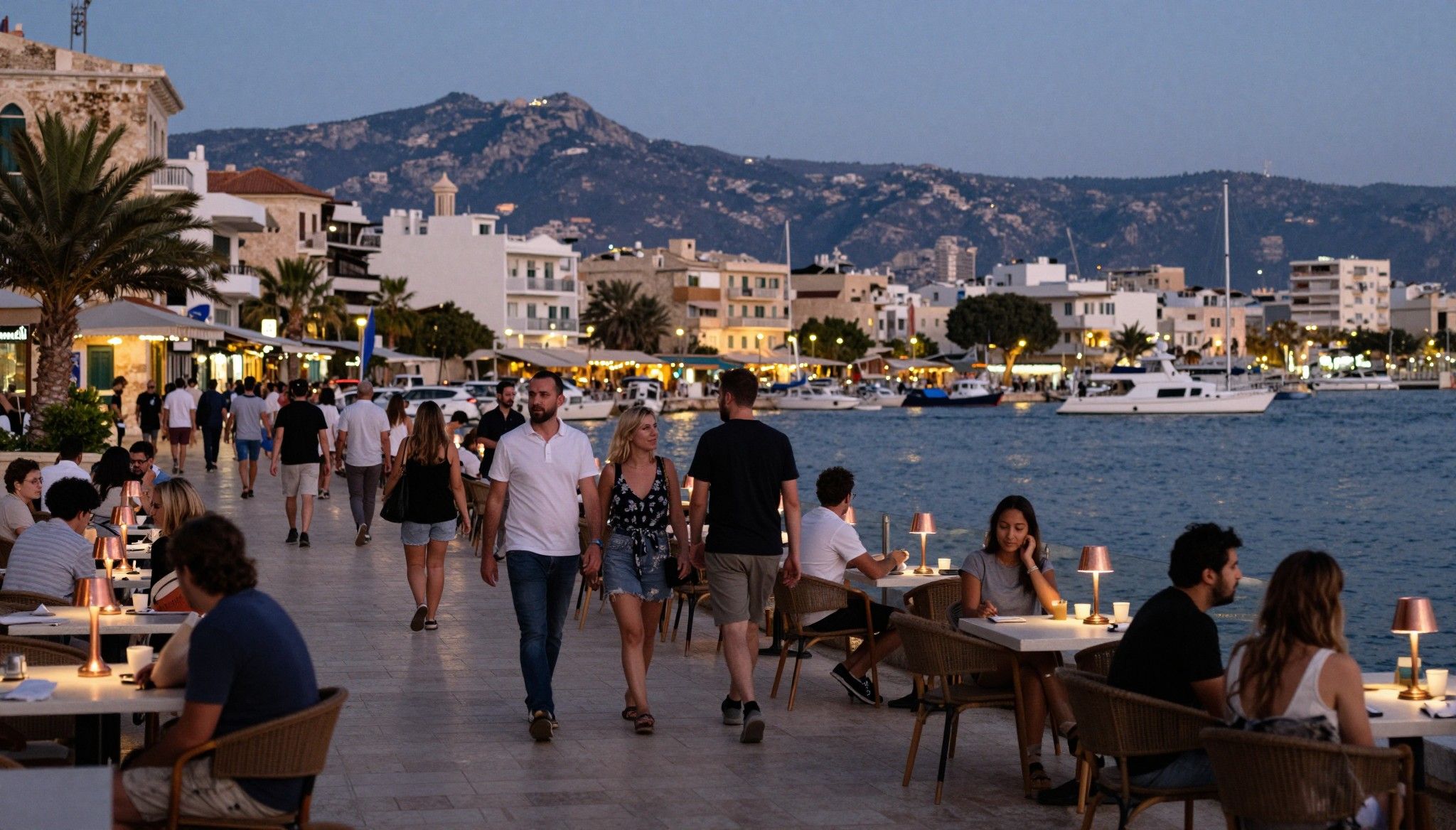
Picture yourself buying morning bread from Dolac market in Zagreb or stepping out to the riva in Split for a brisk walk before the heat. Coastal towns—Dubrovnik, Split, Zadar—shape a life of late afternoons, cicadas and long dinners of grilled fish. Inland cities such as Zagreb offer a quieter, year-round cultural rhythm: museums, concert halls and neighbourhood cafés where proprietors know your name.
Coastlines and islands: a lived-in Mediterranean
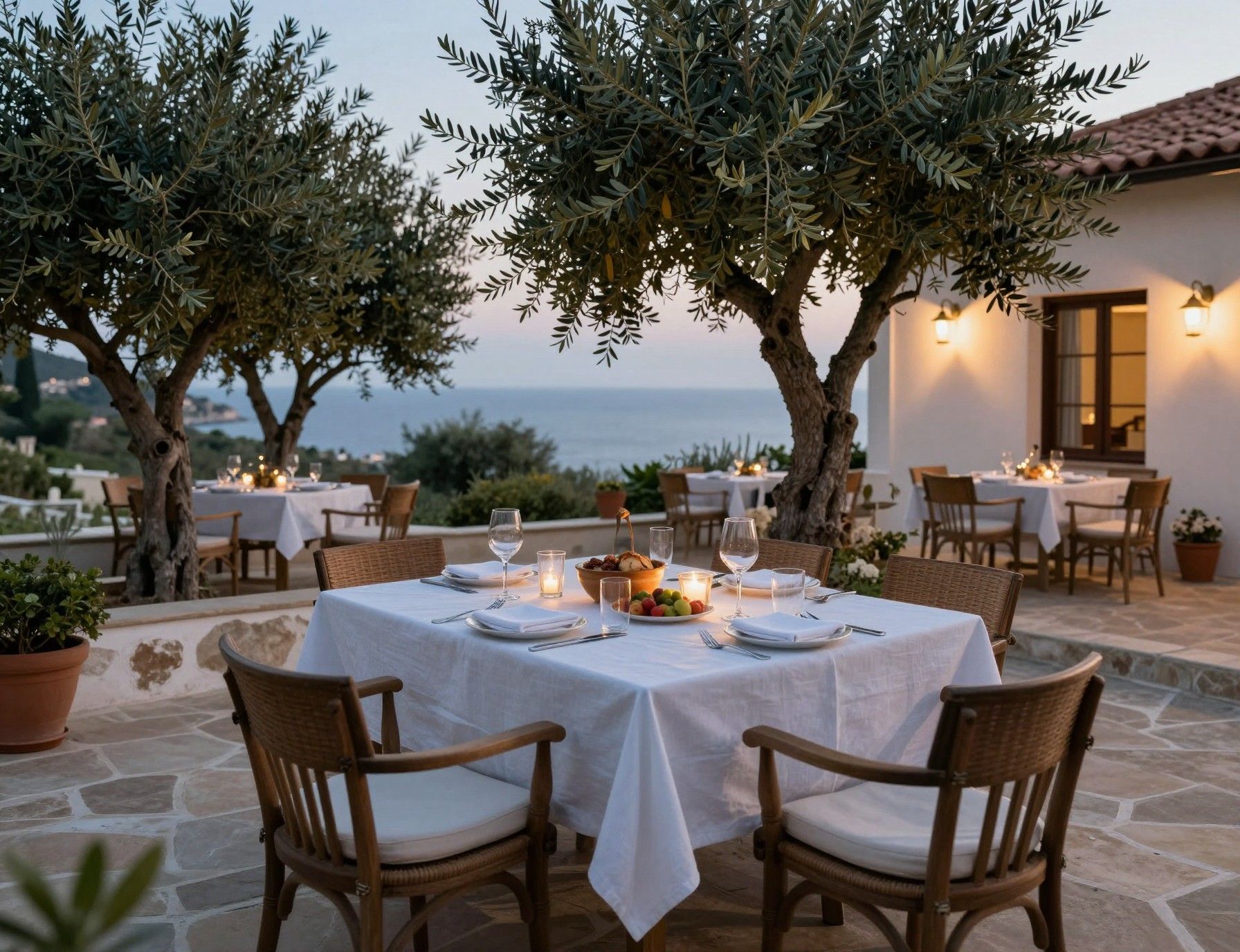
On Istria’s hilltops and the islands of the Adriatic, life orients itself to the sea. Locals gather at konobas for Istrian prosciutto and malvazija; stone farmhouses and Venetian façades reward careful restoration. These are places where a terrace and a view translate directly into daily rituals—afternoon shade, evening promenades and neighbourly meals that endure through generations.
City life: Zagreb’s measured energy
Zagreb’s streets are egalitarian—tram lines, botanical gardens and neighbourhood bakeries define quality of life. Buyers seeking cultural continuity and year-round amenities will find apartments with classical plasterwork or modern conversions near Britanski trg and Maksimir, where parks and schools make daily life practical as well as pleasurable.
- Morning markets and rituals that tell you a neighbourhood’s character:
- Dolac Market (Zagreb) — fresh produce and weekday familiarity
- Split’s Riva — promenades, cafés and a daily tide of life
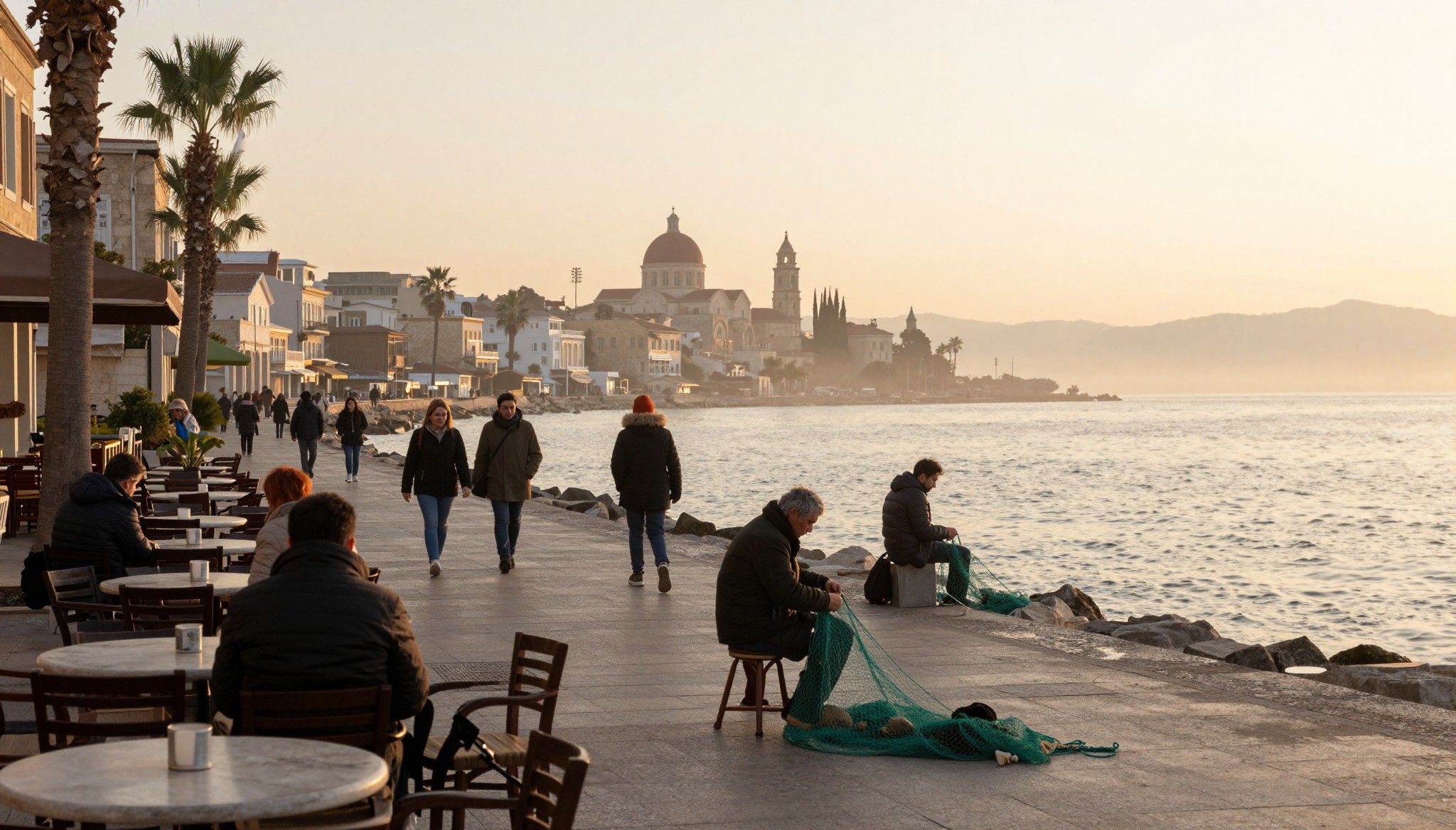
- Hvar’s harbour and early-morning fishermen selling their catch
- Istrian hill towns (Grožnjan, Motovun) — weekend passeggiata and artisan markets
Making the move: practical considerations woven with lifestyle
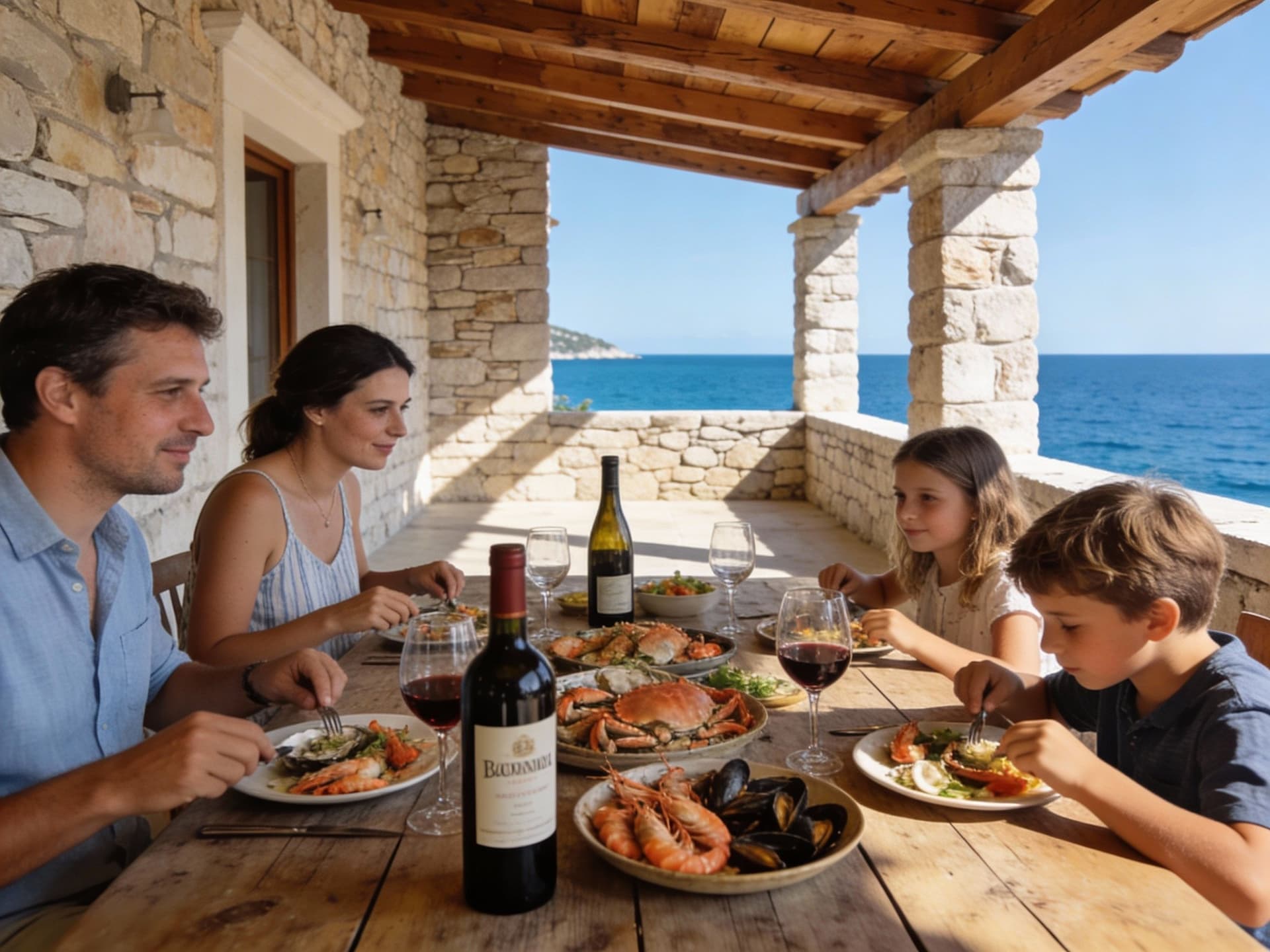
Dreams meet regulations at the notary’s table. For EU, EEA and Swiss citizens, the legal pathway to ownership is direct; for many non‑EU nationals, Croatia requires a reciprocity test and Ministry approval—a process that can take weeks to several months. Knowing this early changes how you plan visits, offers and financing.
Property types and how they match daily life
A Dalmatian stone house invites outdoor living but requires maintenance and sometimes heritage permissions; a modern apartment near Split’s port offers easy year-round rental potential but a different social pace. Match property type to seasonality: if you imagine year-round life, prioritise insulation, parking and access; if summer escape, focus on access to the sea and maintenance solutions.
Working with the right local experts
Engage a Croatian lawyer, a notary and an agent who understands municipal planning. Expect the notary to prepare contracts and the Land Registry to record transfers; non‑EU buyers must add a ministry approval step. Use experts to verify cadastral maps, land‑use designations and protected‑area restrictions before you sign.
- A buyer’s timeline (typical sequence):
- 1. Engage local lawyer/agent and check title, zoning and cadastral plans.
- 2. Sign preliminary contract and deposit; obtain municipal certificates (land‑use).
- 3. For non‑EU nationals, submit Ministry approval request (reciprocity) if required.
- 4. Complete sale at notary; register with Land Registry and pay transfer taxes/fees.
Insider knowledge: what expats wish they’d known
Many first-time foreign buyers underestimate seasonality: coastal towns hum in July and sleep in November. Others assume the company-route is simpler than ministry approval; both have trade‑offs. From neighbours who became friends to properties that required unforeseen restoration, expats consistently point to three practical lessons that preserve the lifestyle they sought.
Cultural integration and daily rhythms
Owning a house in Croatia is not the same as automatic residency. Use property to support a temporary permit or to anchor business investment if you intend to stay long-term. Learn key phrases, frequent the same cafés and engage in local associations; these small rituals convert a house into a home more reliably than any décor choice.
Long-term care: maintenance, heritage and hidden costs
Old stone houses carry charm and obligations: roof renewal, seismic retrofits in certain areas and, occasionally, heritage approvals. Factor maintenance into your budget and choose local craftsmen—Croatia’s artisans are part of its value proposition. For investors, rising coastal demand means rental returns but also increased regulation on short‑term lets in some municipalities.
- Red flags to spot before you commit:
- Conflicting cadastral records — insist on an up-to-date extract from the Land Registry.
- Properties in protected coastal zones — these restrict alterations and building rights.
- Informal oral promises from sellers about shared access or utilities — always require written easements.
Conclusion: If the life you imagine in Croatia begins with sensory specifics—market mornings, stone terraces, island light—let practical steps protect that vision. Work with agents and lawyers who know the islands and inland towns by name, verify reciprocity early if you are non‑EU, and budget for craftsmanship and seasonality. A considered approach preserves the lifestyle; haste risks losing both value and the quiet pleasures that drew you here.
Norwegian with years in Florence guiding clients across borders. I bridge Oslo and Tuscany, focusing on legal navigation, cultural context, and enduring craftsmanship.