Reciprocity, Registers and the Life You Buy in Croatia
Experience Croatia’s daily rhythms and learn the precise legal steps — reciprocity, OIB, digital land registers and tax shifts — that turn seaside daydreams into secure ownership.
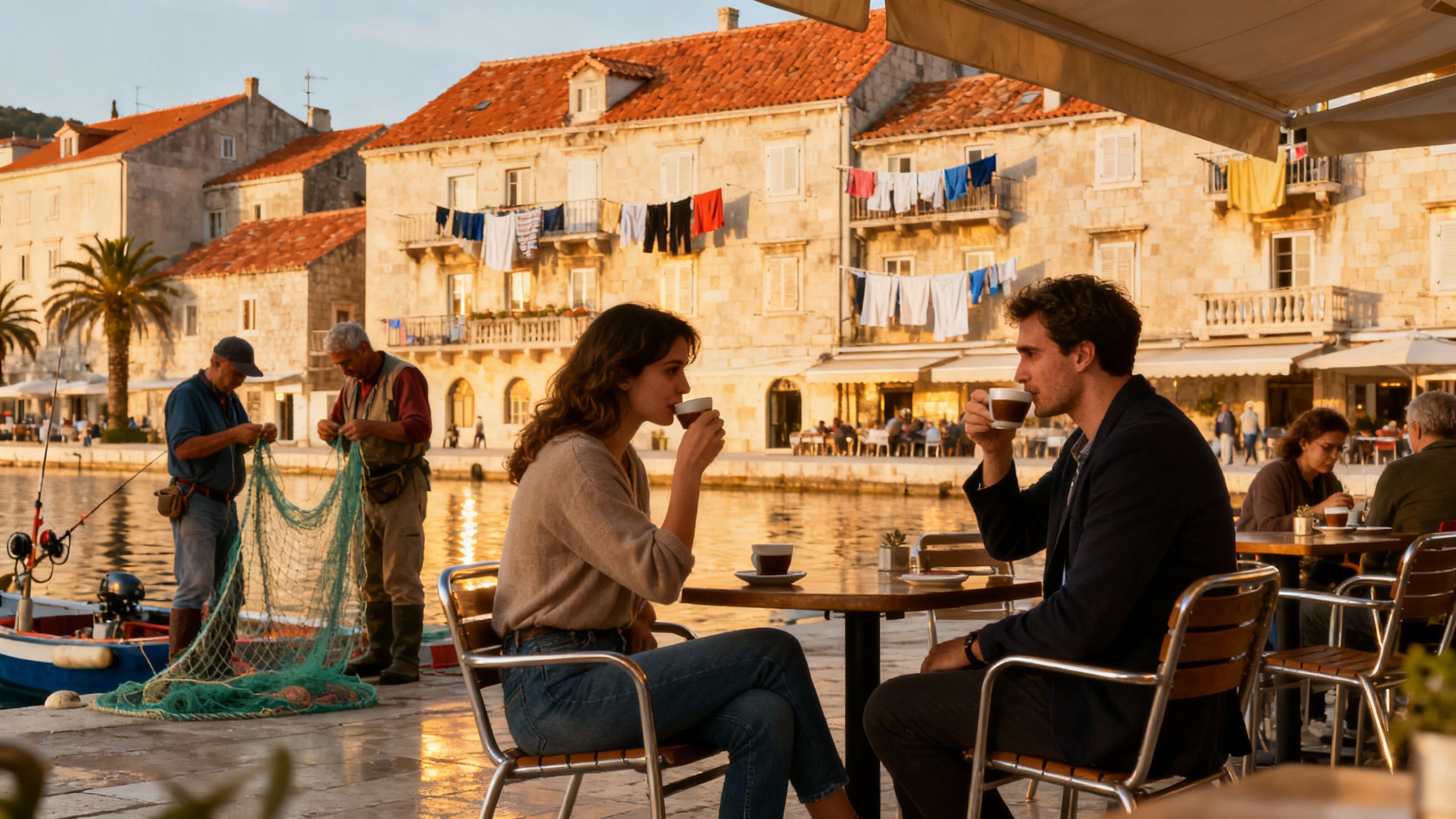
Imagine a late spring morning on Split’s Riva: fishermen mend nets beneath stone loggias, a barista pulls a quiet ristretto, and the light on the Dalmatian rooftops makes even modest apartments look like a study in terracotta and memory. For many international buyers that scene is the purchase’s promise. Yet the legal details that convert promise into possession in Croatia are quietly specific — from reciprocity rules to newly digitised land registers — and they change both timeline and temperament of a move. This guide threads lifestyle and law: to feel the place and to act with certainty.
Living the Croatian life: sensory streets and seasonal rhythms
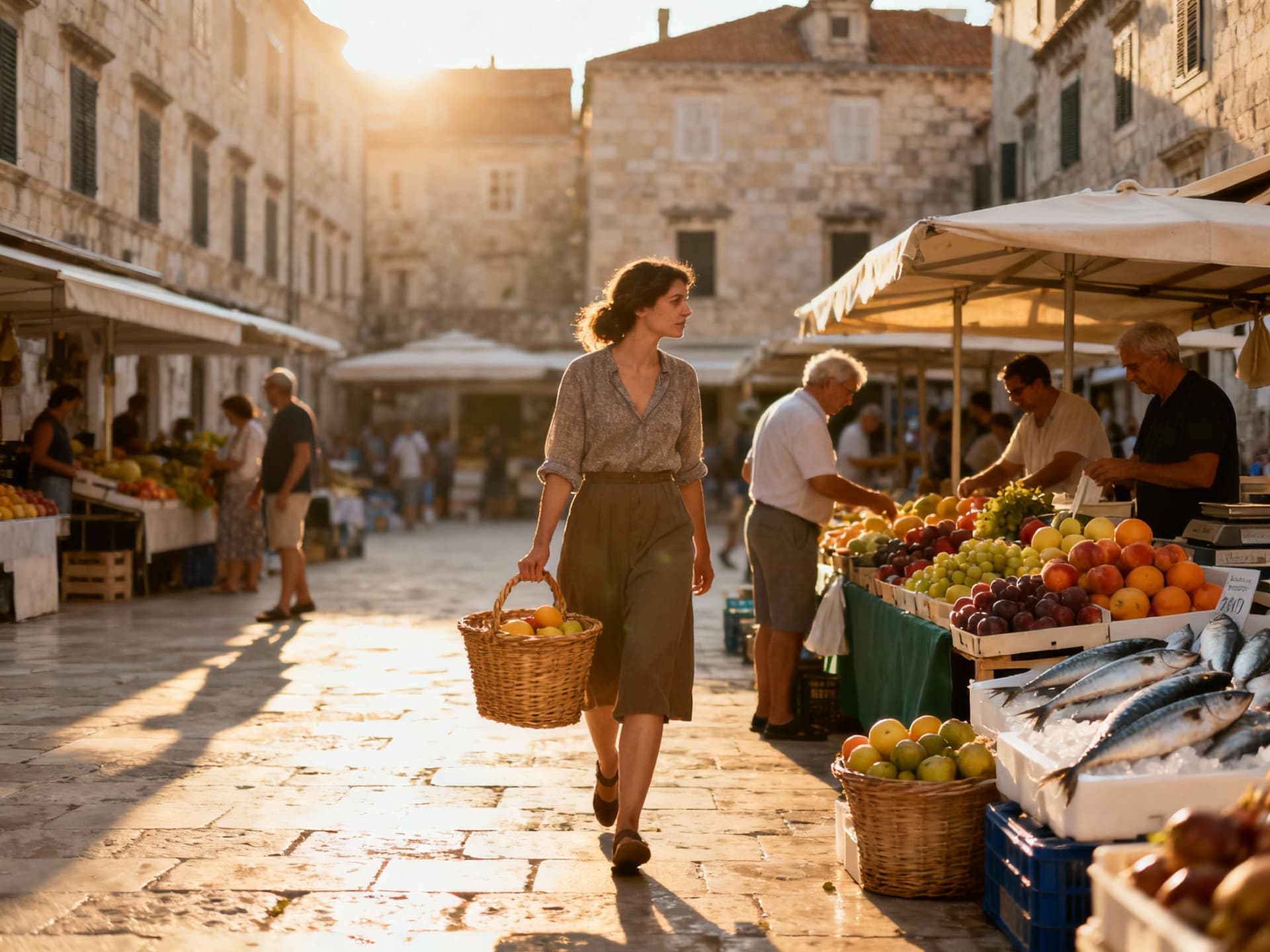
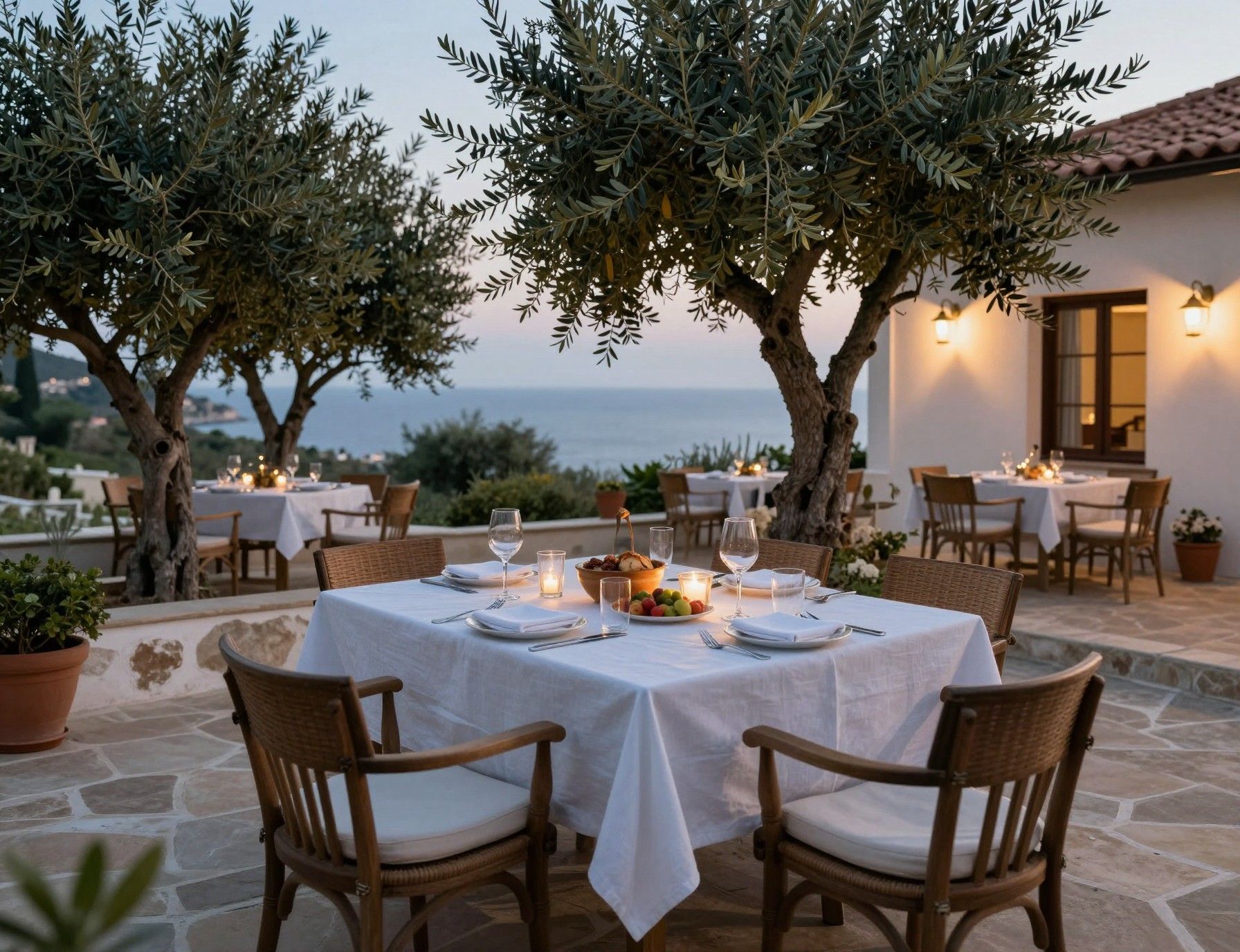
Croatia’s daily rhythm is coastal cafe hours and inland market mornings, where the scent of grilled fish competes with fresh figs and rosemary. In Zagreb you find late‑afternoon promenades and a quieter architectural sobriety; on Hvar and Vis the day is measured in sea swims and family lunches; in Istria the olive groves and trattorias lend a slow, terrain‑informed cadence. Living here means buying into a pattern of smaller, high‑quality social moments rather than grand, constant spectacle — which also affects what kind of property suits you and how you’ll use it through the year.
Seaside neighborhoods: Split’s Veli Varoš and Dubrovnik’s Lapad
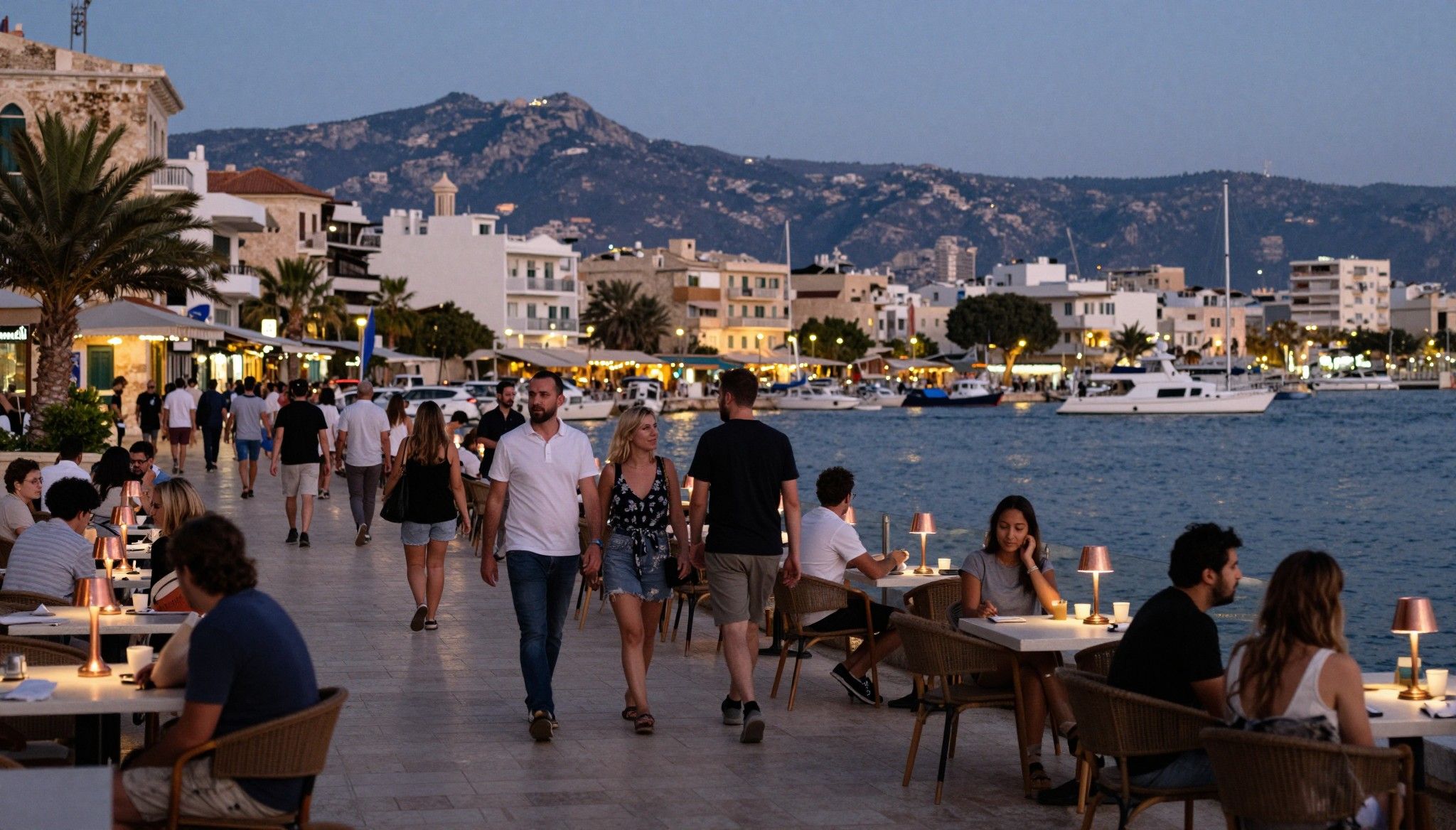
If you want washed‑stone alleys and an easy ferry to hidden bays, Veli Varoš in Split offers narrow lanes, small konobas and an intimacy that feels curiously domestic despite being steps from the promenade. Lapad in Dubrovnik trades the medieval core’s tourism for quieter parks, layered apartment blocks and terraces with views that settle into the evening. These are not simply locations; they are ways of life — each with differing noise profiles, seasonal footfall and local services that will determine renovation choices and rental potential.
Food, markets and the social ledger
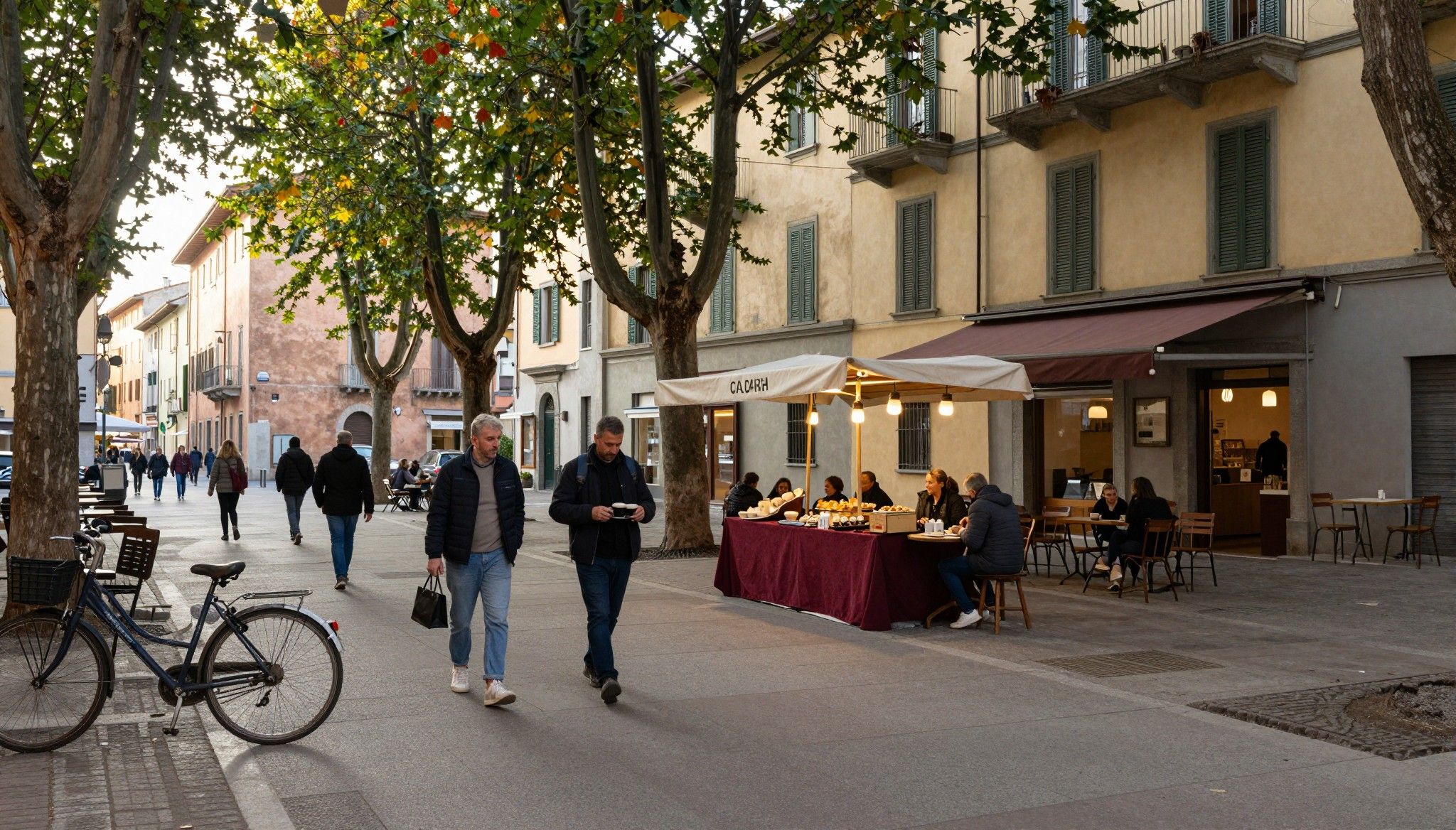
Weekend markets — Dolac in Zagreb, Pazar in Split, small island morning stalls — are where neighbours trade produce and gossip; this is where you meet the community and where practical living decisions are tested (storage, kitchen size, proximity to transport). For buyers, the presence of a weekly market, a local bakery or a reliable fishmonger is as influential as square metres: they shape the domestic routine and the property’s daily value. These elements also inform what agents should prioritise when showing you a home.
- Dolac market (Zagreb), Veli Varoš alleys (Split), Lapad promenade (Dubrovnik), Hvar waterfront cafés, Rovinj’s Venetian streets, local konobas for seasonal menus
Making the move: how legal detail shapes lifestyle choices
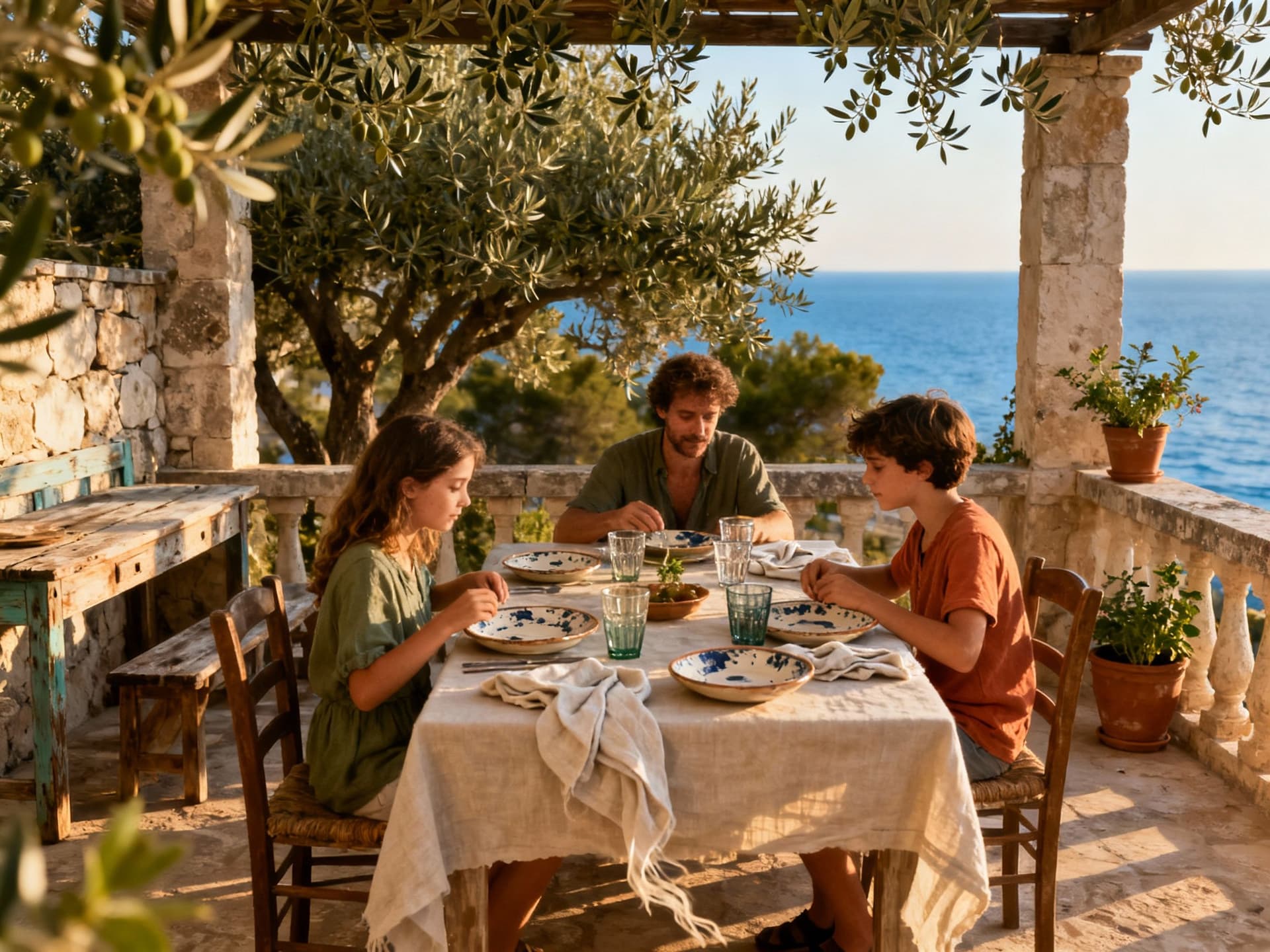
The single most consequential legal fact for non‑EU buyers is reciprocity: whether Croatia recognises citizens of your country as entitled to acquire property. The Ministry of Justice maintains a country‑by‑country list outlining these conditions, and its determinations — often nuanced with caveats — influence whether a purchase is straightforward or requires prior ministerial consent. Consulting that list early spares months of uncertainty and prevents a purchase contract from becoming a frustrating paper exercise.
How reciprocity and ministerial consent work in practice
EU and Swiss citizens typically acquire property much as Croatians do; many non‑EU nationals may need ministerial approval which can take between a month and several months to resolve. You will also need a Croatian tax number (OIB) before progressing any transaction, and the application timing should be factored into when you plan viewings and contract dates. Local counsel and an agent who regularly handles ministerial submissions will save time and reduce risk.
Land registers, digitisation and the reduction of surprise
Croatia has been actively digitising and reconciling its cadastre and land‑book systems, a process that reduces the long‑standing mismatch between physical plot descriptions and legal title entries. This modernisation means that reliable ownership extracts and encumbrance searches are increasingly available online, shortening due‑diligence timelines and giving buyers clearer information before they commit. Nevertheless, where registers show inconsistency, expect a local legal remedy to be necessary and budget for it.
- Obligatory steps for a smooth purchase: 1) Verify reciprocity/consent requirements; 2) Obtain OIB and power of attorney if needed; 3) Commission a title search and cadastral extract; 4) Engage a notary to finalise the deed and submit for registration.
Insider knowledge: what expats wish they’d known
Many newcomers are surprised not by the beauty of Croatia but by how national policy reshapes what ownership costs over time. Recent reforms signalling a shift toward property‑based taxation aim to make housing more available locally and could alter carrying costs for those holding second homes or short‑term rental units. For long‑term life‑buyers this may be beneficial; for investors reliant on summer lets it changes the calculus.
Language, neighbourhood etiquette and integrating
A little Croatian goes a long way: greeting shopkeepers by name, learning how local waste‑sorting works, and knowing festival dates will open doors. Neighbourhoods are social ecosystems; in smaller coastal towns the long‑term resident will notice newcomers and quickly form an opinion based on how you participate in communal life. Agents who live locally can advise how a house will sit within that social ledger — for example whether a waterfront terrace will become your lifeline or a seasonal liability.
Long‑term stewardship: climate, maintenance and heritage
Think in decades: stone facades on Adriatic houses age gracefully but require specialist pointing; inland properties demand insulation for winter months; protected historic buildings carry restoration obligations. These practicalities influence insurance, permitted works and ongoing costs more than a one‑off purchase price. Choose an agent who understands local conservation rules and common contractor networks.
- Red flags to watch for before signing: unclear entries in the land register, unresolved co‑ownership disputes, missing building permits, ambiguous access rights, existing short‑term rental licences that may be non‑transferable
- If you encounter a problem: 1) Pause the transaction; 2) Request a full historical title extract; 3) Commission a local surveyor and lawyer; 4) Negotiate repairs, indemnities or price adjustment before final payment.
Conclusion: buy the life, then buy the title. Croatia rewards those who arrive with a sense of how they intend to live — whether quietly in an inland villa, in a stone town apartment, or on a sunlit island terrace — and who pair that clarity with practical legal steps. Start by checking the Ministry’s reciprocity list, secure an OIB, engage a trusted local agent and solicitor, and factor in recent policy changes that affect holding costs. With those provisions in place, you can move from tasting the Riva’s morning coffee to owning the address where you take it.
Relocating from London to Mallorca in 2014, I guide UK buyers through cross-border investment and tax considerations. I specialise in provenance, design integrity, and long-term value.