Croatia: Lifestyle Rhythms, Reciprocity & Legal Steps
A lifestyle-led view of Croatia matched to legal essentials: which neighbourhood rhythms matter, how reciprocity and ministerial consent affect buyers, and practical steps to steward your purchase.
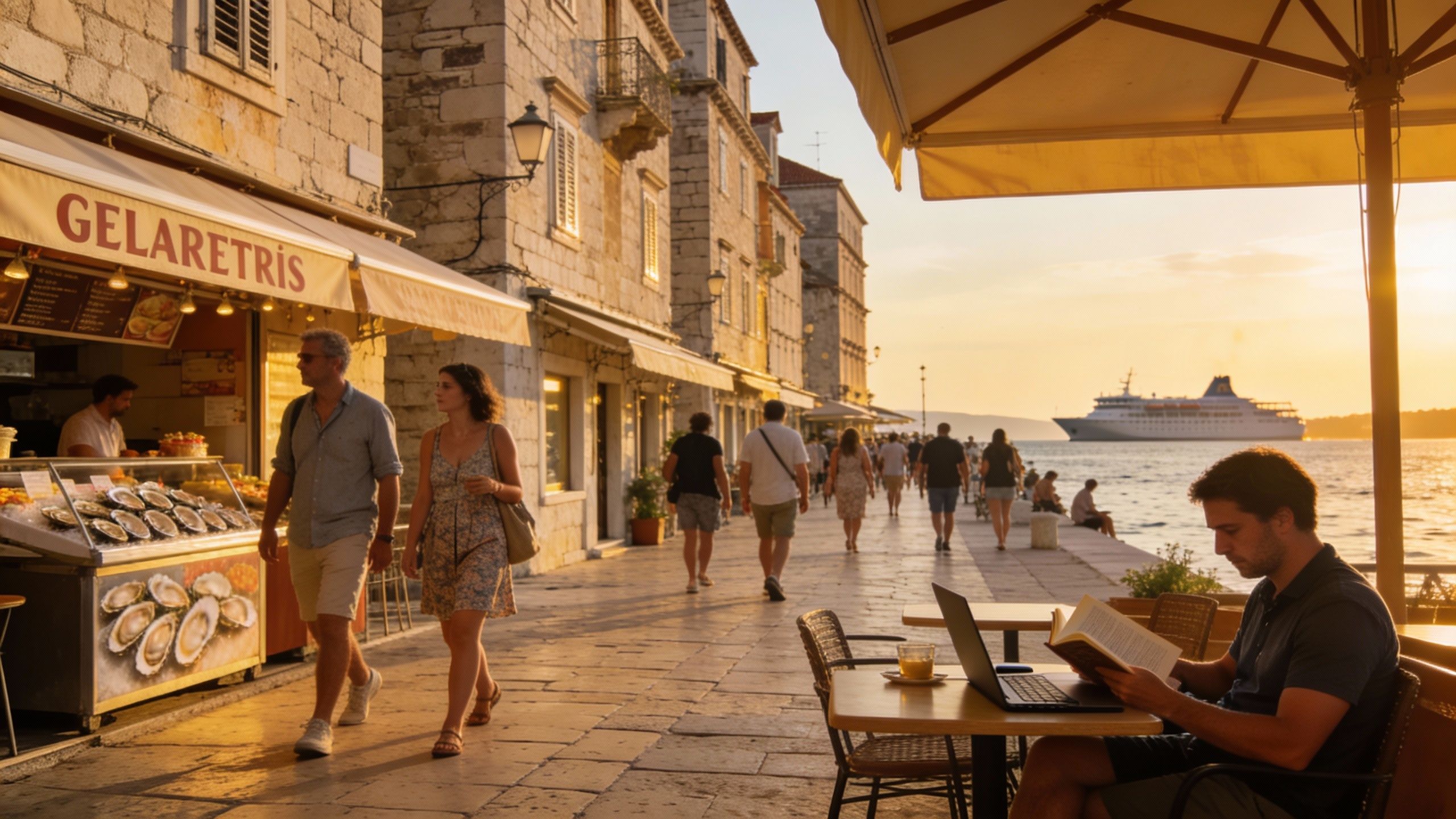
Imagine waking to a market square in Split where bakers set out warm pašticada and fishermen swarm the quay with the morning catch. The Adriatic light softens stone facades and the cadence of life is given by cafés, ferries and weekend markets rather than by hours on a commuter train. For many internationals this image is what pulls them to Croatia; for prudent buyers, that image must be reconciled with current market realities and legal prerequisites. This guide pairs the lived detail of Croatian rhythms with precise, research-backed steps so you may pursue the life—and own it—without surprise.
Living the Croatia life
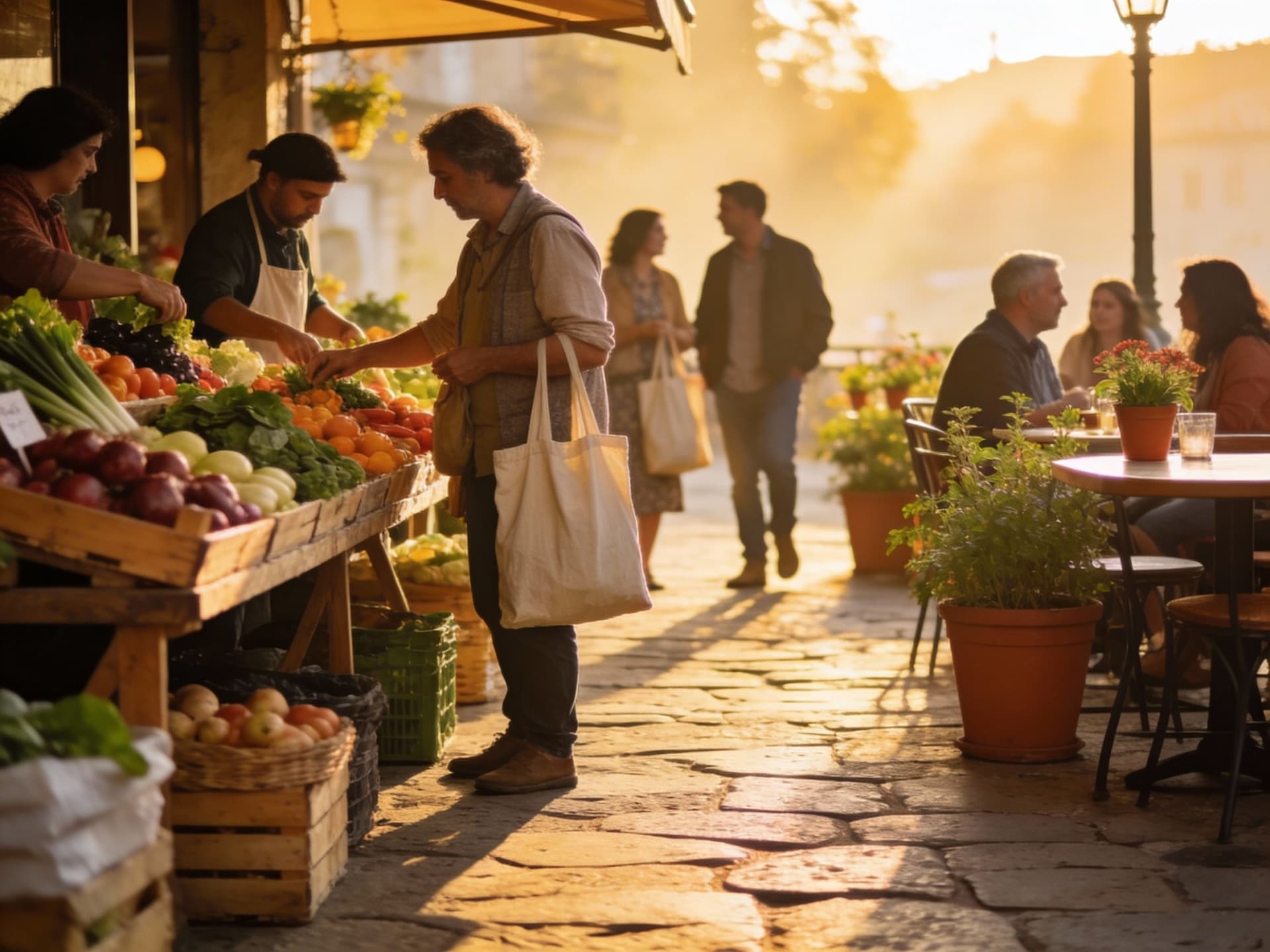
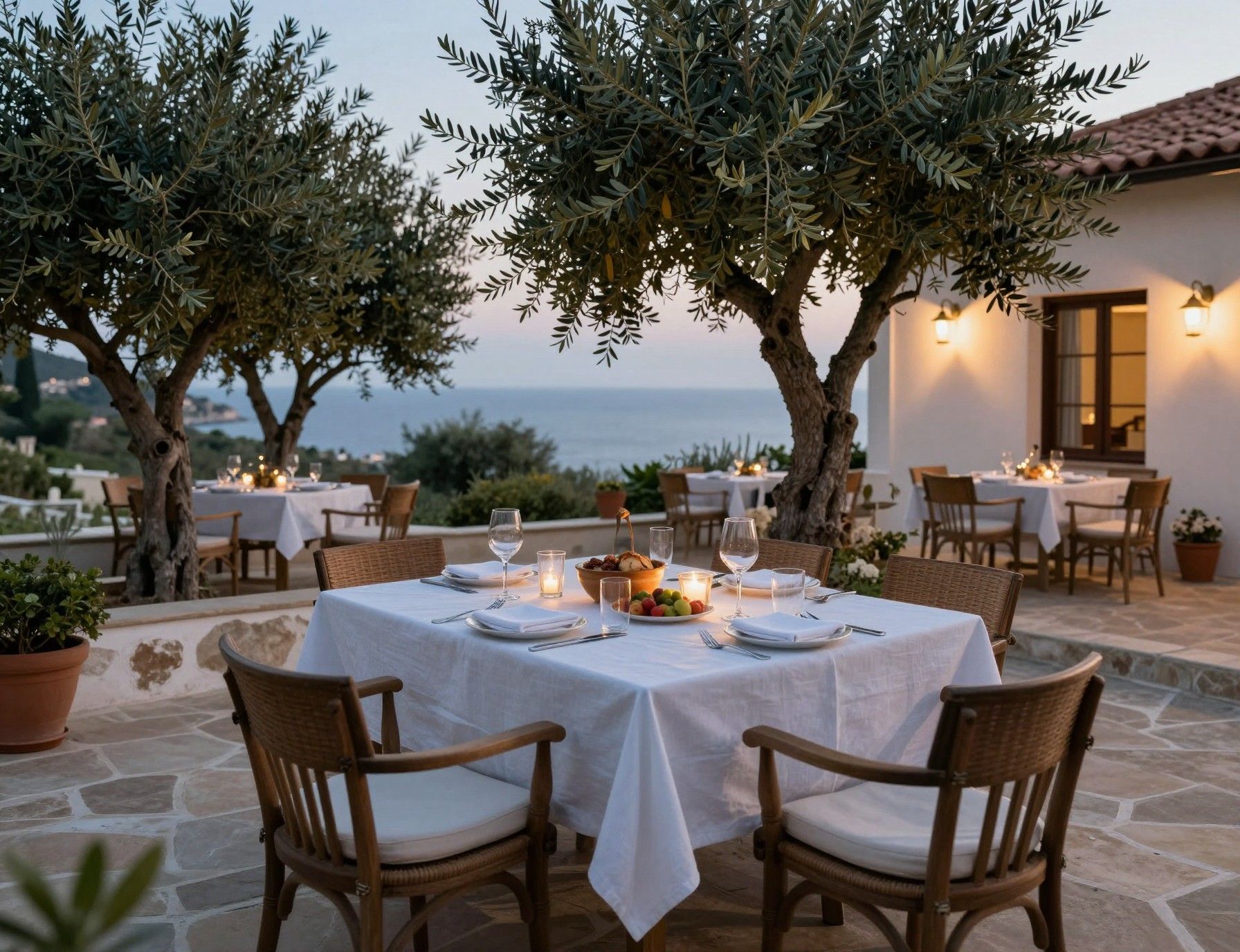
Croatia’s appeal is simultaneously provincial and cosmopolitan: narrow stone lanes in Dubrovnik, modernist apartments in Zagreb, olive terraces in Istria and sleepy fishing coves on Brač. Days are structured by outdoor rituals—espresso on the corner of Marmontova in Split or a late afternoon aperitivo in Rovinj—and the seasonal rhythm is crucial; summers pulse with tourism while winters reveal an intimate, local Croatia. For those seeking permanence, understanding neighbourhood tempo is essential: a seaside Old Town offers immediacy and spectacle, inland towns offer quiet continuity and lower prices. Your choice of place determines the quality of daily life: shops, schools, services and winter accessibility matter as much as the view.
Zagreb and the capital’s quieter streets
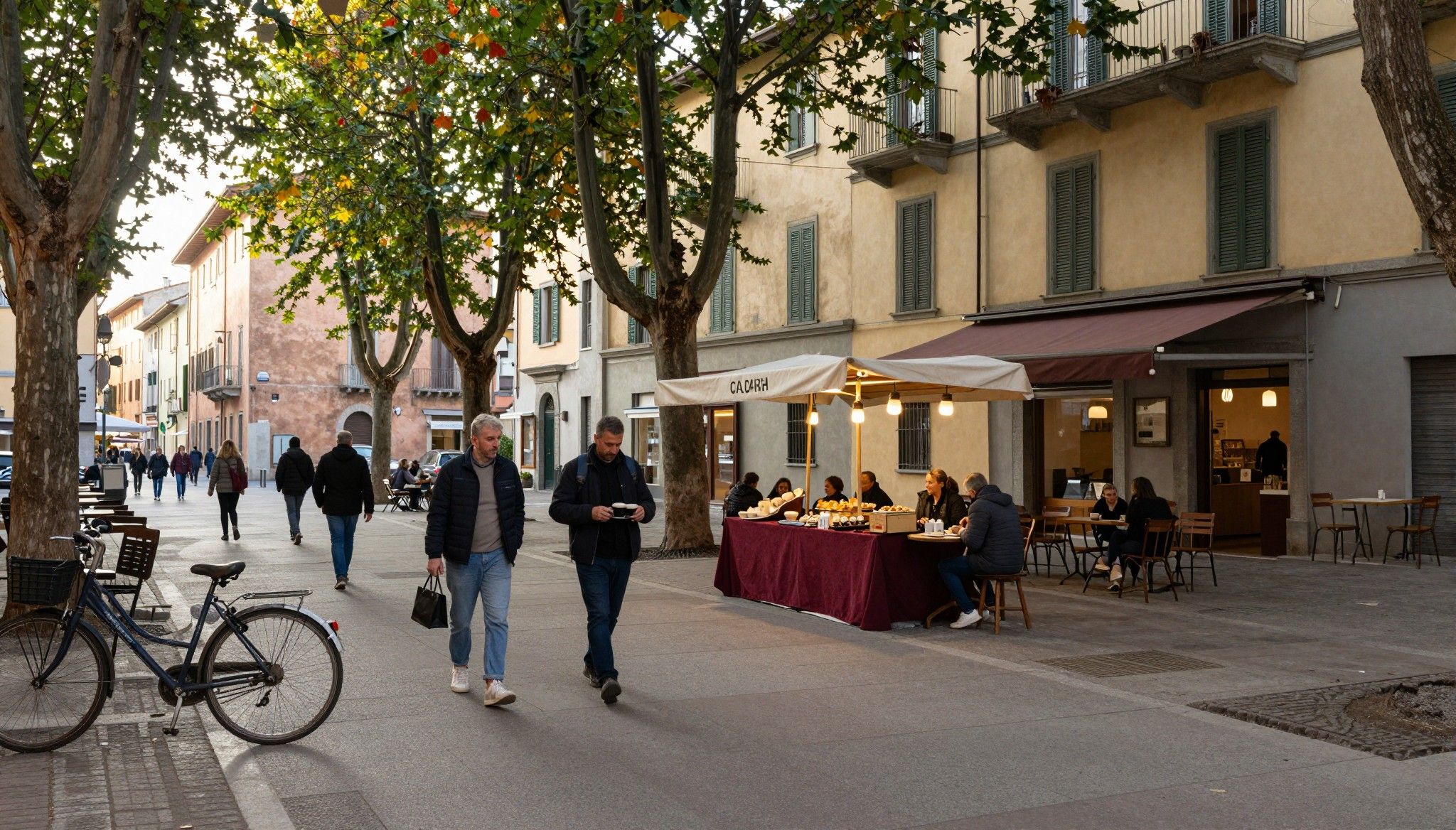
Zagreb offers civic life: galleries, year‑round markets such as Dolac, and neighborhoods like Gornji Grad and Maksimir where late‑19th‑century townhouses meet leafy parks. The tempo here suits families and professionals who want cultural institutions within walking distance and reliable public services through winter. Architecturally-minded buyers value preserved Austro-Hungarian façades and careful restorations that often command a premium but ensure provenance. Expect transaction speed and agent expertise to be stronger here than on remote islands, and factor that into your timeline.
Coastal life: islands, Old Towns and the hinterland
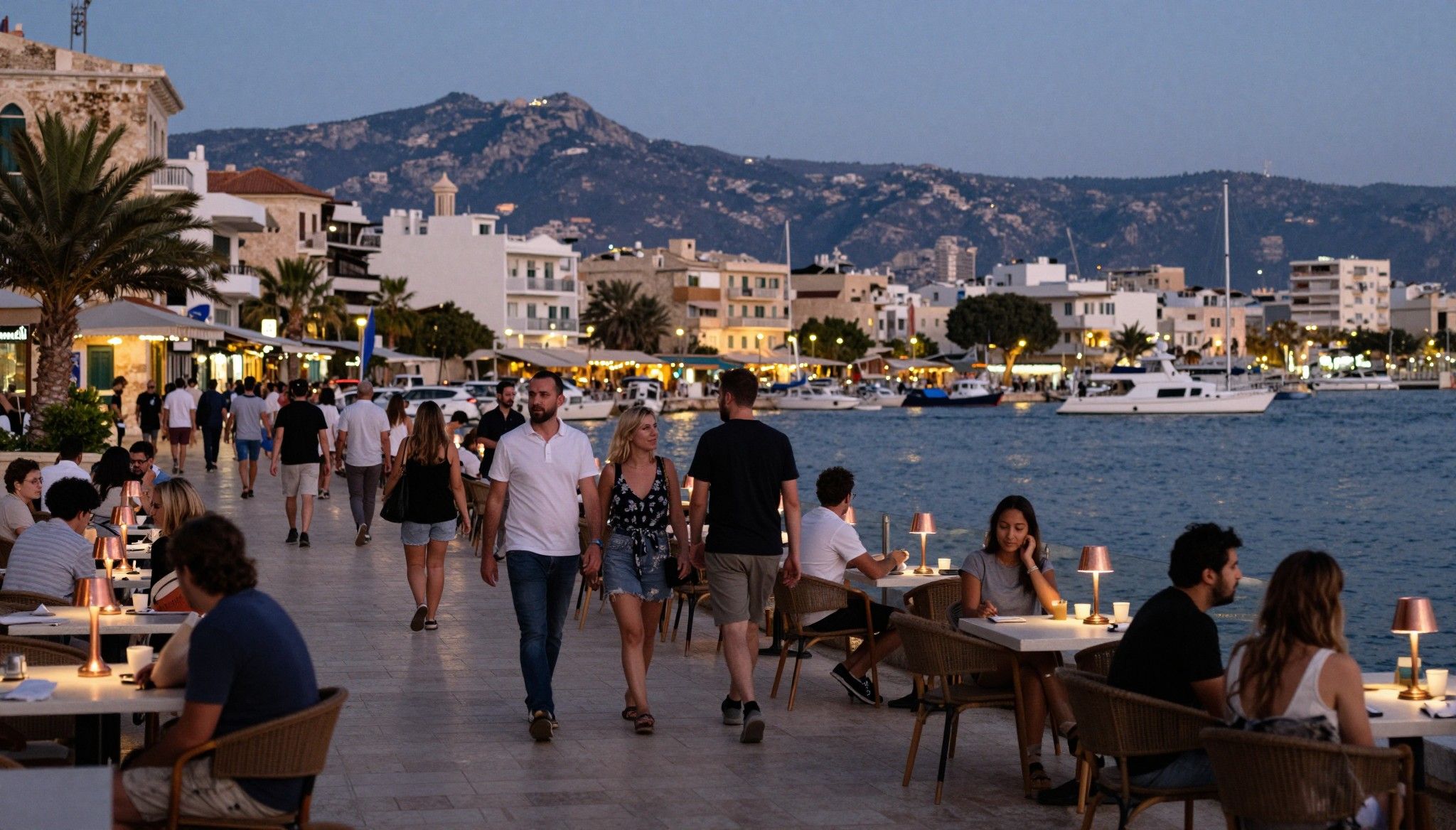
Living on the Dalmatian coast is to accept a calendar ruled by sunlight and sea—Hvar’s amplified summer, Korčula’s quiet shoulder seasons and Šibenik’s agreeable balance. Streets such as Split’s Marmontova or Dubrovnik’s Stradun are theatre; buy close to them and you buy sound, light and constant activity. Conversely, towns like Trogir, Opatija or inland Istrian villages offer a more contained daily life where markets, bakeries and seasonal festivals sustain a year‑long rhythm. Choose according to how much spectacle you want outside your door versus how much day‑to‑day calm you require.
- Morning espresso at Dolac market (Zagreb) — authentic produce, weekday rhythm
- Sunset aperitivo on Hvar harbour — seasonal sociability, high demand for short‑term rentals
- Sunday fish roast in a Dalmatian konoba — community connection and culinary provenance
Making the move: practical considerations
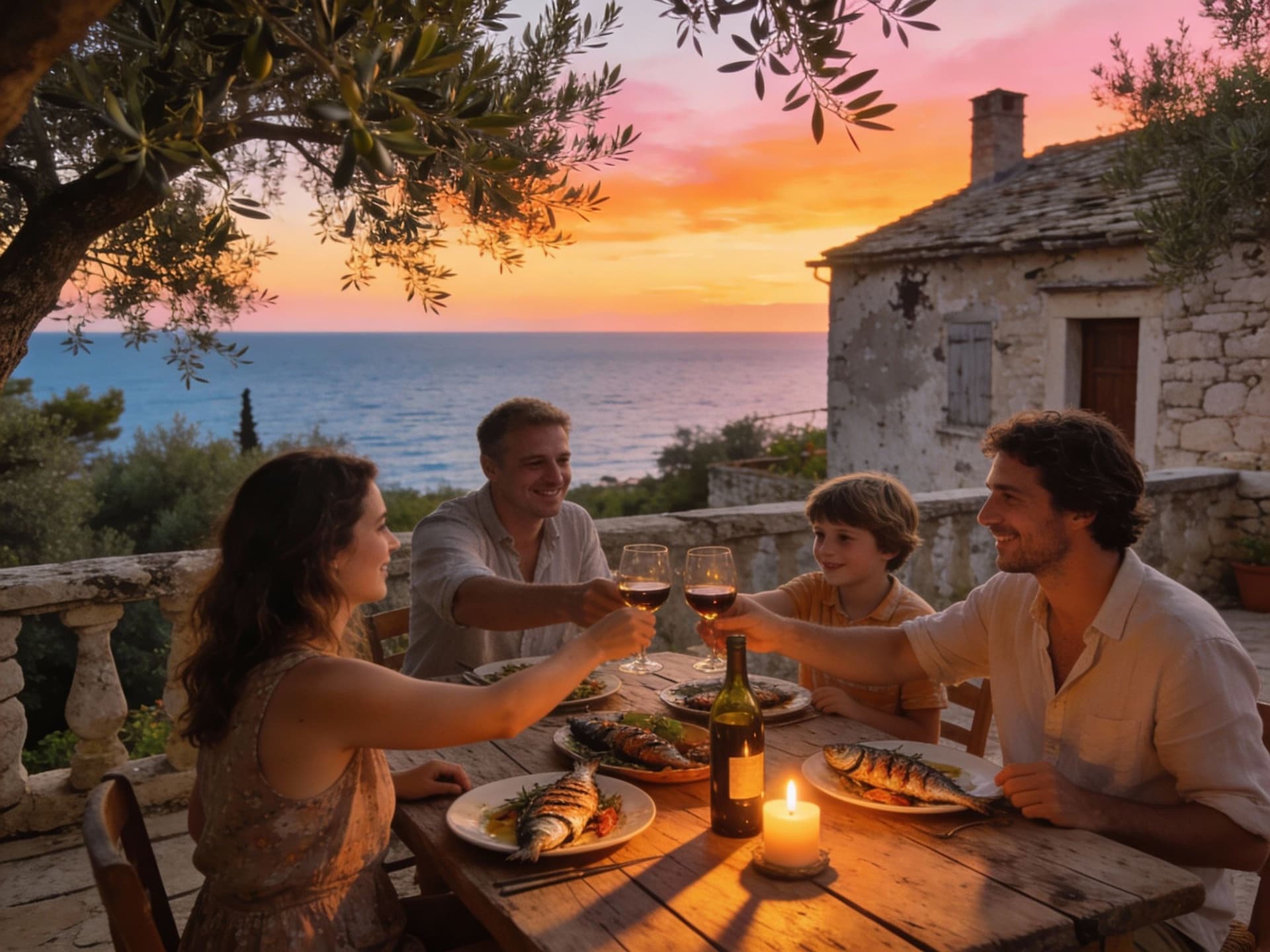
The romance of coastal stone must be matched with legal clarity. Croatia’s rules distinguish EU/EEA/Swiss citizens from those requiring ministerial consent, and the principle of reciprocity still governs some transactions. For EU nationals, acquisition is straightforward and mirrors local buyers’ rights; non‑EU nationals should prepare for an administrative application to the Ministry of Justice with documentation proving reciprocity. These legal steps are not mere formalities; they affect timing, financing options and whether a property can be registered immediately in your name.
Property types and how they shape daily life
A restored stone townhouse in Dubrovnik prioritises provenance and intimate terraces; a modern apartment in Split prioritises connectivity and lower maintenance. New builds often offer warranties and easier mortgage access, while historic properties demand careful condition surveys and an appetite for restoration. Consider winter use: island villas may be charming in July but logistically harder to maintain out of season, whereas suburban homes near Zagreb provide year‑round services. The property type you choose determines recurring costs, insulation needs and how the home performs outside high season.
Working with local experts who guard the lifestyle
- Use Croatian‑licensed notaries for closing; they verify title, encumbrances and correct registration.
- Retain a lawyer fluent in Croatian real estate law to handle ministerial consent and draft the purchase contract.
- Commission an independent structural survey and, for historic houses, a conservation assessment to estimate restoration costs.
- Engage a local tax adviser to model property tax exposure and rental tax scenarios, particularly given recent reforms aimed at discouraging short‑term speculation (see Reuters analysis).
Insider knowledge: market signals and expat realities
Through 2024–2025 property prices rose strongly—especially in coastal hotspots—yet transactions and sales volumes show signs of cooling as policy and borrowing costs shift. That means prime properties retain scarcity value, but negotiating space appears in shoulder seasons or for well‑documented off‑market offers. Expats often underestimate running costs and municipal charges: water, waste, building levies and the forthcoming property tax design (aimed at longer‑term rentals) can materially change net yields. Treat market momentum as part of the story, not the whole; the long-term steward will focus on provenance, location depth and legal certainty.
Cultural integration and everyday practicalities
Learning basic Croatian and attending local gatherings—church markets, town festivals or konoba suppers—opens doors that listings cannot. Many expatriates find communities through language schools in Split, volunteer groups in Dubrovnik and clubs in Zagreb; these social anchors make even the quietest streets feel immediately familiar. Bureaucracy often moves at its own pace; patience and a reliable local contact will reduce friction. Remember that seasonal shifts alter service levels: some municipal services and shops close in winter on smaller islands, so plan logistics accordingly.
Long‑term stewardship, taxes and use
- Model running costs before purchase: municipal fees, maintenance for stone buildings, insurance and possible seasonal utility surcharges.
- If you intend to rent, study local short‑term versus long‑term taxation and the impact of recent policy shifts aimed at increasing long‑stay rental stock.
- Preserve provenance: retain documentation of restorations, original plans and permits to protect value and ease future transfers.
Conclusion: live the life, hold the facts
Picture morning markets, late‑night konobas and a home that carries the patina of place; now pair that picture with clear legal steps, careful budgeting and the right local counsel. Begin with a short reconnaissance—walk the neighbourhoods you favour in both high and low season, meet a notary and ask for a copy of the land register entry. For many buyers the decisive move is less about timing the market than about choosing a place whose daily rhythm matches the life they intend to live. When you combine the lived detail of Croatia with thorough legal preparation, the purchase becomes stewardship rather than speculation.
Relocating from London to Mallorca in 2014, I guide UK buyers through cross-border investment and tax considerations. I specialise in provenance, design integrity, and long-term value.