When the Adriatic Hides Risk: Insurance & Protection in Croatia
How coastal climate, seasonal occupancy and evolving tax rules change what insurance and buyer protections you need when purchasing property in Croatia.
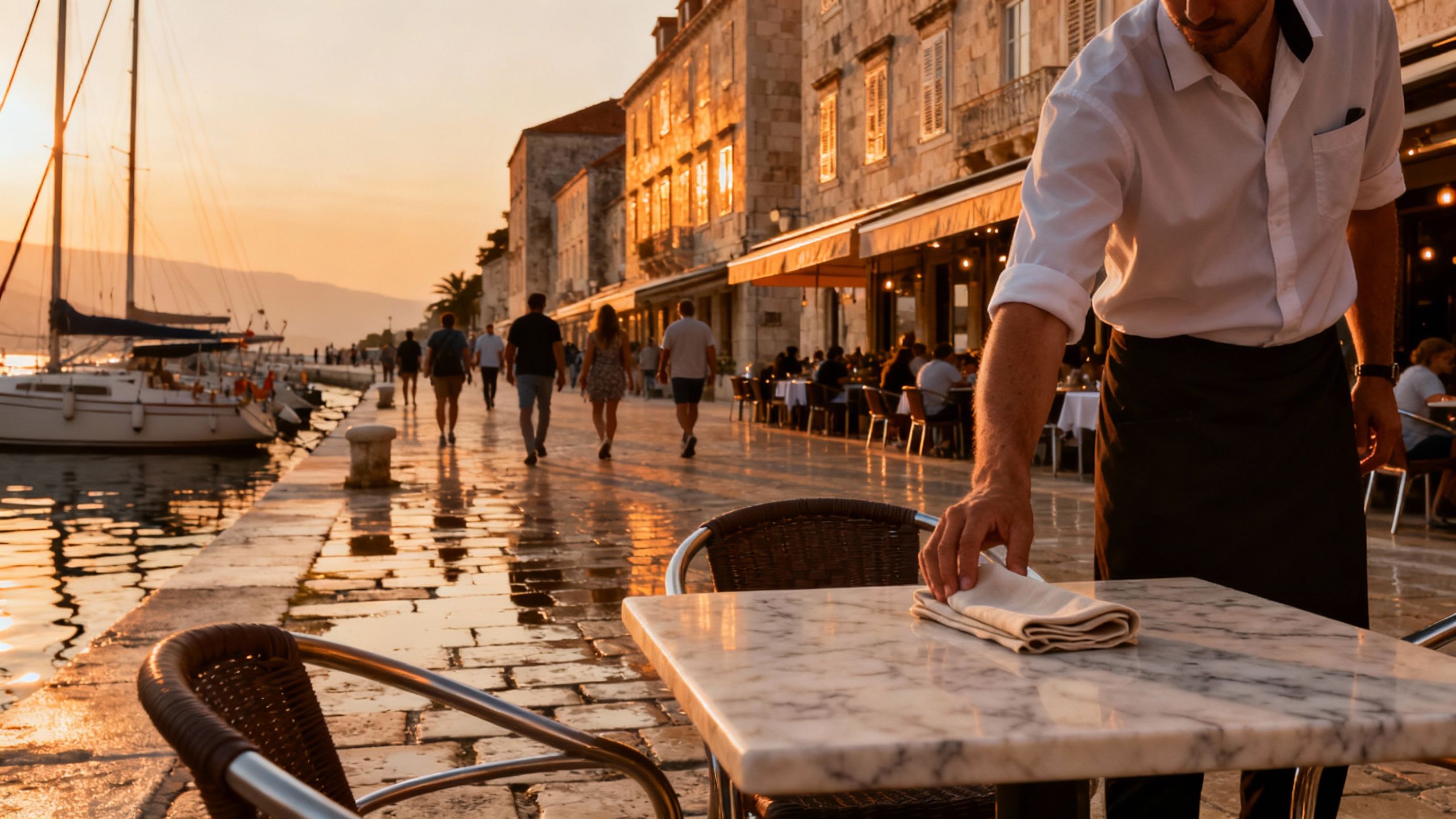
Imagine a late spring morning in Split: espresso steam curling above a marble café table on Poljička Street, boats drifting in the harbour like punctuation, and limestone façades warming under a gentle sun. That image explains why buyers come to Croatia — for a daily life written around sea, markets and small rituals. Yet the Adriatic’s allure can obscure practical risks: gaps in insurance, seasonal structural stress, and evolving fiscal rules that quietly shift the balance of stewardship and ownership. This guide pairs place‑rich observation with focused protection strategies so you can savour the life and safeguard the investment.
Living Croatia: rhythms that shape protection needs
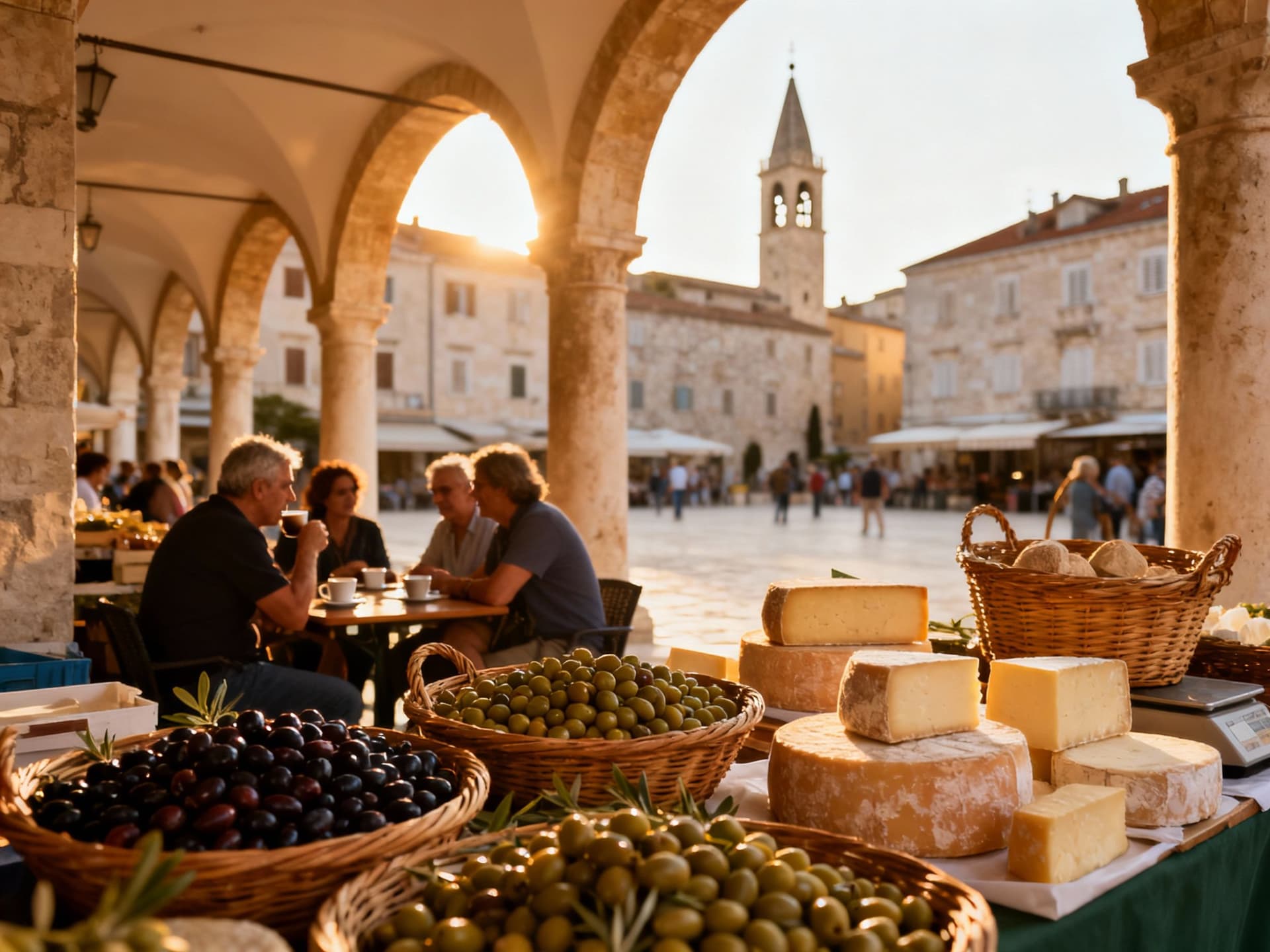
Daily life here is tactile. In Dubrovnik’s Old Town the sound of footsteps on worn stone marks time; in Istria, olive harvests scent late autumn evenings; in Zagreb, neighbourhood cafés convene conversation well into winter. Those rhythms determine the practicalities of property ownership: coastal salt air accelerates corrosion, seasonal occupancy alters risk profiles for theft and water damage, and island logistics complicate emergency response. Understanding the lived environment is the first step to selecting insurance and buyer protections that match how you intend to use a home.
Coastal microclimates and material care
Stone, timber and iron patina differently by the sea. On Hvar and Korčula, wooden shutters and wrought‑iron balconies demand more frequent maintenance; masonry joints require attention after storm seasons. Insurers in Croatia often price coastal risks with those realities in mind, and coverage that overlooks corrosion or mildew will leave owners exposed. Factor material vulnerability into both purchase offers and insurance schedules.
Seasonal occupancy: the invisible cost
Many buyers buy for summer living. Yet transaction volumes and local services fluctuate with seasons: maintenance, security and emergency access are less reliable off‑season, which increases the likelihood that a small problem becomes a costly one. Recent market reports show a drop in transactions during the first half of 2025, reflecting changing buyer behaviour and caution; buyers should therefore quantify occupancy patterns when negotiating policy terms. See recent transaction trends for context.
Making the move: insurance and buyer‑protection essentials
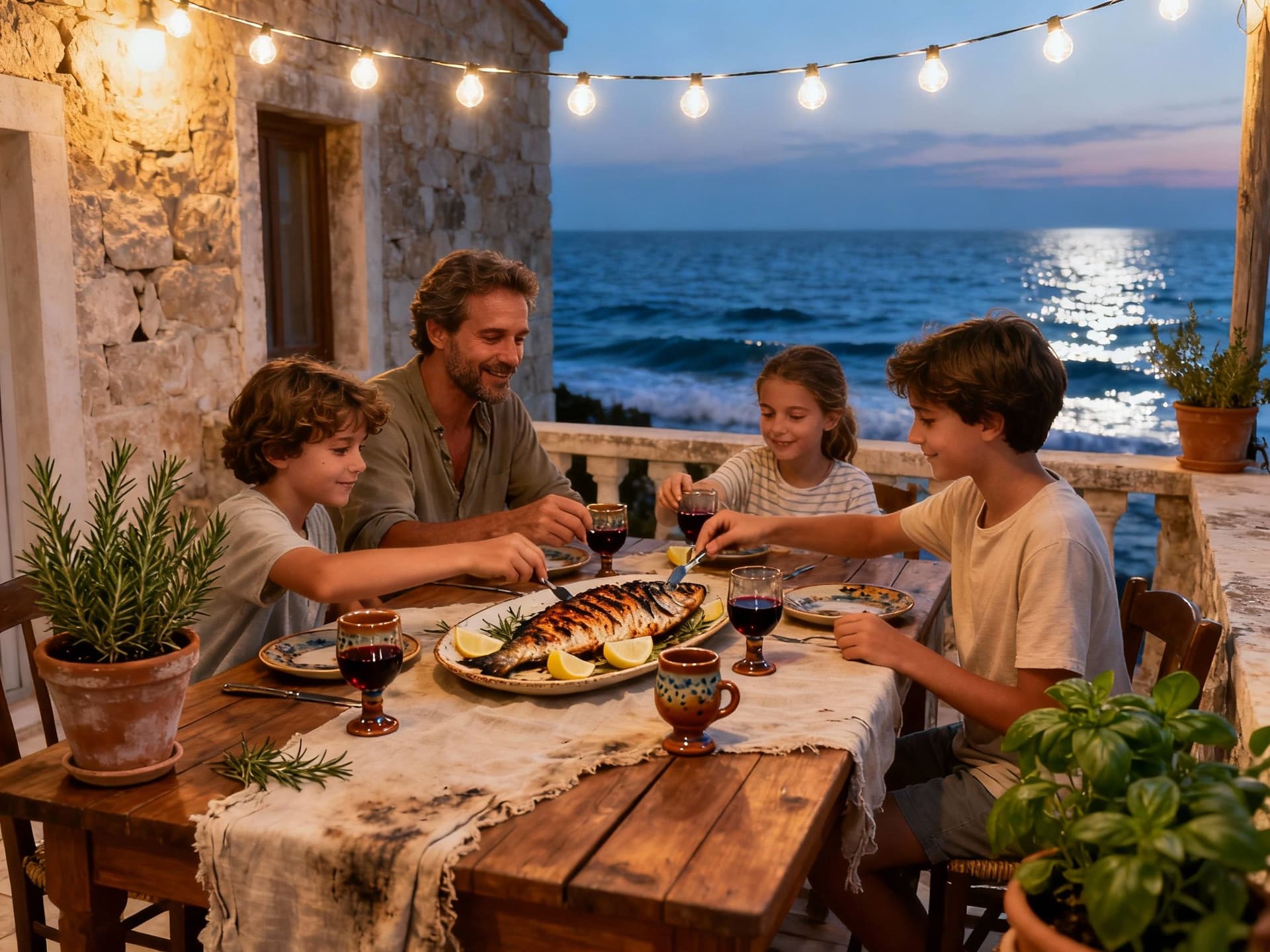
The legal framework — reciprocity rules, ministry approvals, and registration — influences what you can buy and how title is recorded. Before signing, verify ownership with local land registry searches and insist that your purchase contract requires the seller to disclose recent structural reports and any active permits. The Ministry of Foreign Affairs provides a useful starting point on acquisition for foreigners; combine that with property‑level due diligence when negotiating insurance inclusions.
Property survey driven insurance
Treat the structural survey as the key that informs both price and protection. Insurers will better cover a property whose roof, foundations and services are documented; conversely, policies often exclude pre‑existing defects. Commission a conservation‑minded survey that notes salt exposure, roof drainage, septic or sewer connections, and electrical safety. Use the report as a negotiation lever: require repairs or secure an insurance endorsement that explicitly addresses identified risks.
What a robust policy should cover
Comprehensive building cover including storm and flood perils; content cover with agreed value for artisan finishes; corrosion and salt‑damage endorsements for coastal properties; unattended‑property protections for seasonal occupancy; third‑party liability for guests; and a clear defects/exclusion schedule tied to the survey.
Supplemental options: legal‑expenses cover for title disputes, loss‑of‑rental income for short‑term lets, and emergency‑evacuation or repatriation cover for owners who travel frequently.
Insider knowledge: cultural, fiscal and practical red flags
Price appreciation has been strong along the coast and in Zagreb, which increases the stakes of due diligence. A rising tax conversation and shifts in policy — including the property tax reforms proposed in 2024 — mean anticipated holding costs can change over a short horizon. Combine market data with local advice so insurance and fiscal planning advance in parallel.
Common mistakes owners regret
Relying on minimal, standard policies that exclude salt corrosion; assuming seasonal vacancies reduce premium needs; failing to secure agreed‑value contents cover for artisan fittings; neglecting legal‑expenses cover for title irregularities discovered after purchase.
How local agencies protect the lifestyle, not just the sale
Work with an agency that provides: 1) trusted surveyor and insurer introductions; 2) translation and notary coordination so contract clauses on repairs and insurance endorsements are precise; 3) a property management partner who can be the named caretaker on policies; 4) a clear handover protocol including meter readings, service providers and a maintenance schedule tied to policy terms.
Practical steps before you sign: obtain a written list of required repairs from a surveyor; secure pre‑contract insurance quotations that reference the survey; insist on seller warranties for major systems; and budget for an independent conservator’s report if the property has heritage elements. These measures convert charming façades into resilient homes.
What expats wish they'd known: real stories and seasonal realities
An English couple I know bought a Dalmatian stone house sight unseen in July and spent their first winter repairing water ingress from a neglected parapet. They thought coastal weather meant only sun; the insurance excluded slow water damage. Had they commissioned the right survey and an agreed‑value policy, much of the cost would have been anticipated. Stories like this underscore a simple truth: the Adriatic lifestyle is generous, but the devil is in details of maintenance and coverage.
Long‑term stewardship: think like a custodian
Adopt a maintenance calendar tied to insurance: roof checks after winter storms; salt‑wash cycles for wrought iron; annual electrical inspections; winterising plumbing for unattended months; and an inventory update for contents coverage after any refurbishments.
These practices protect both lifestyle and legacy. They preserve architectural fabric and keep insurers’ obligations straightforward should a claim arise.
Conclusion: come for the sea, stay with certainty. Croatia offers a life composed of markets, small harbours and a convivial pace; marrying that life to robust insurance and buyer protections means you can live without a shadow of constant worry. Start with a conservation‑minded survey, require insurance endorsements that match coastal realities, factor evolving taxes and occupancy patterns into running costs, and work with an agency that treats stewardship as part of service. These steps let the Adriatic remain the frame and not the risk.
Norwegian with years in Florence guiding clients across borders. I bridge Oslo and Tuscany, focusing on legal navigation, cultural context, and enduring craftsmanship.