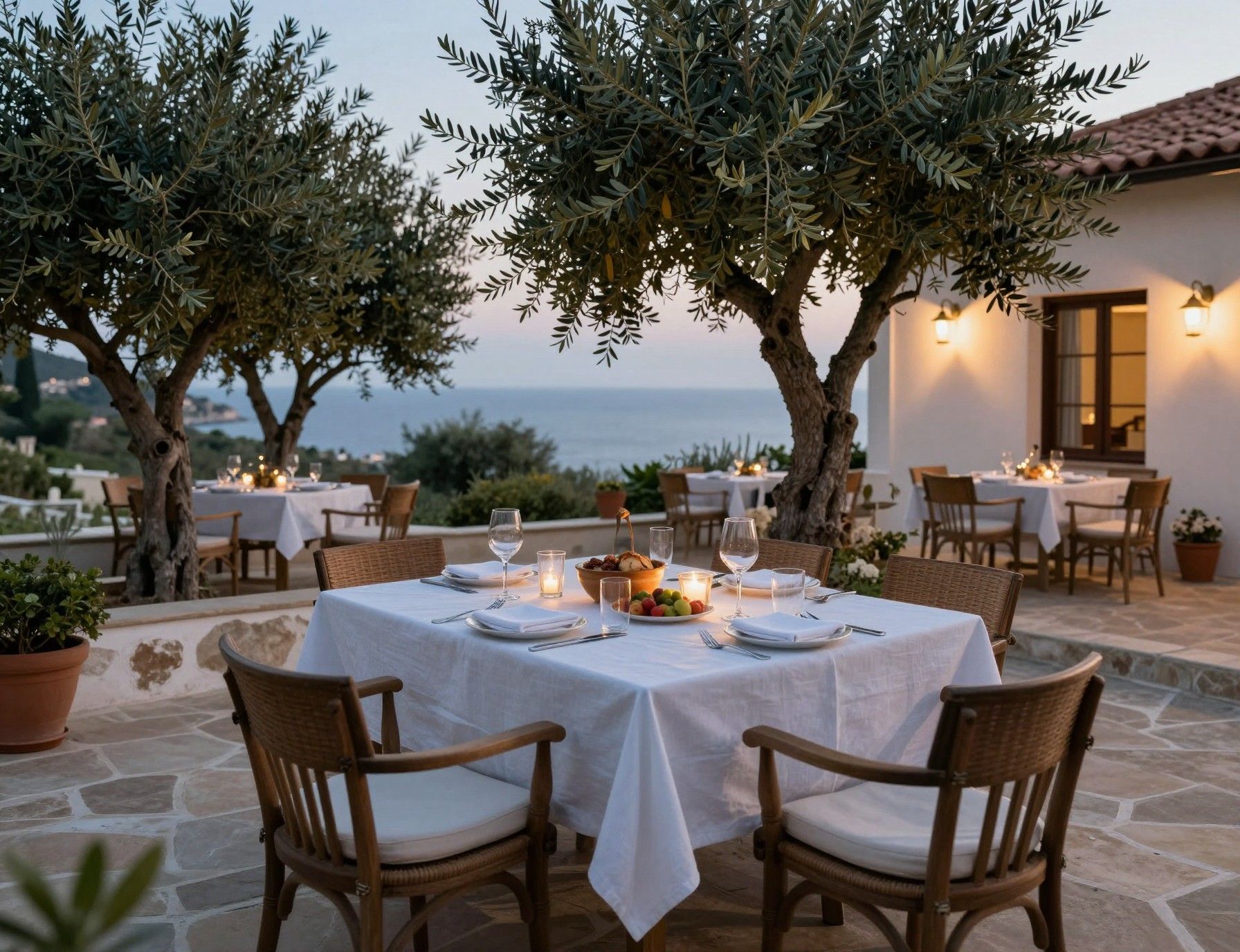
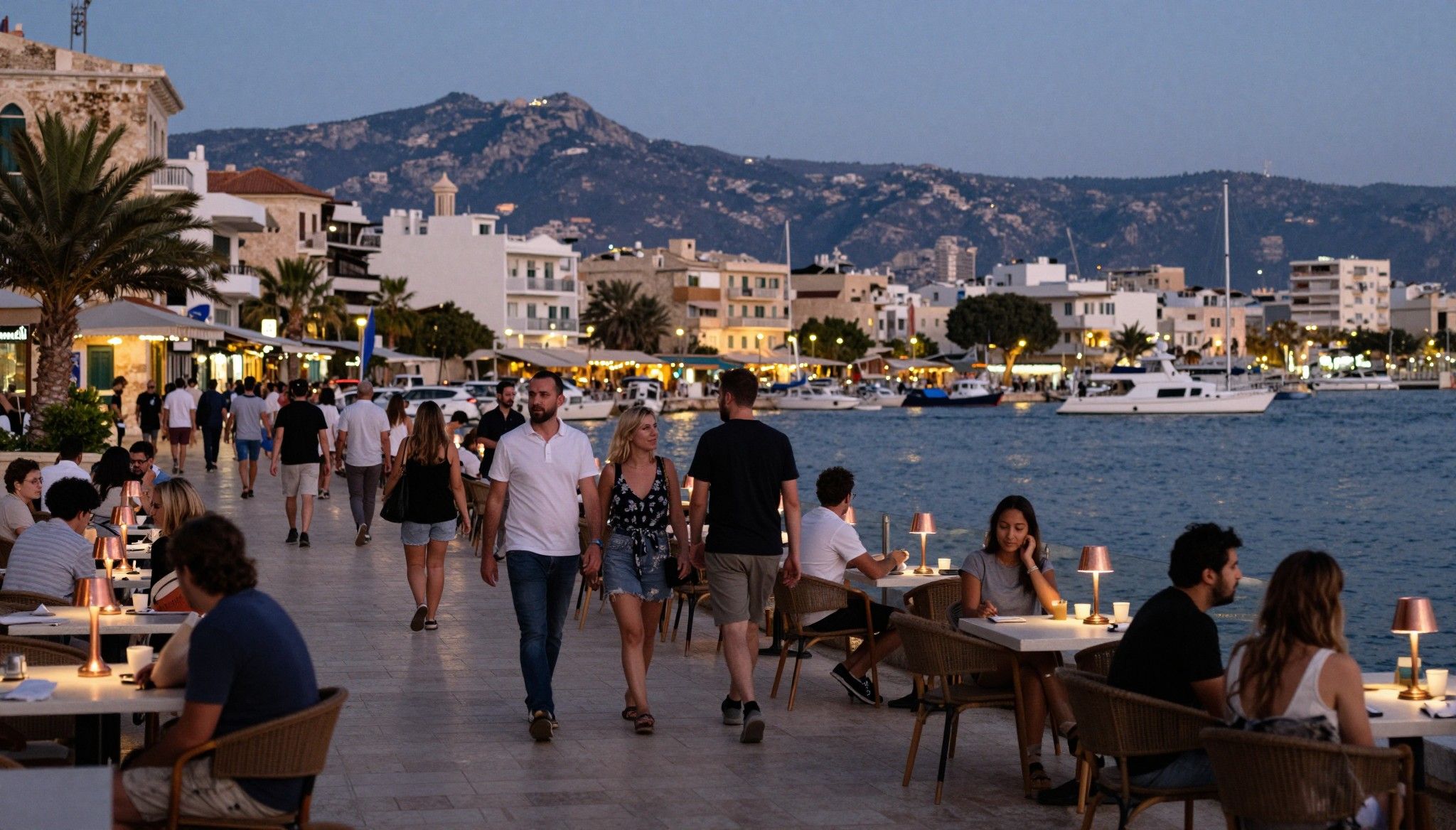
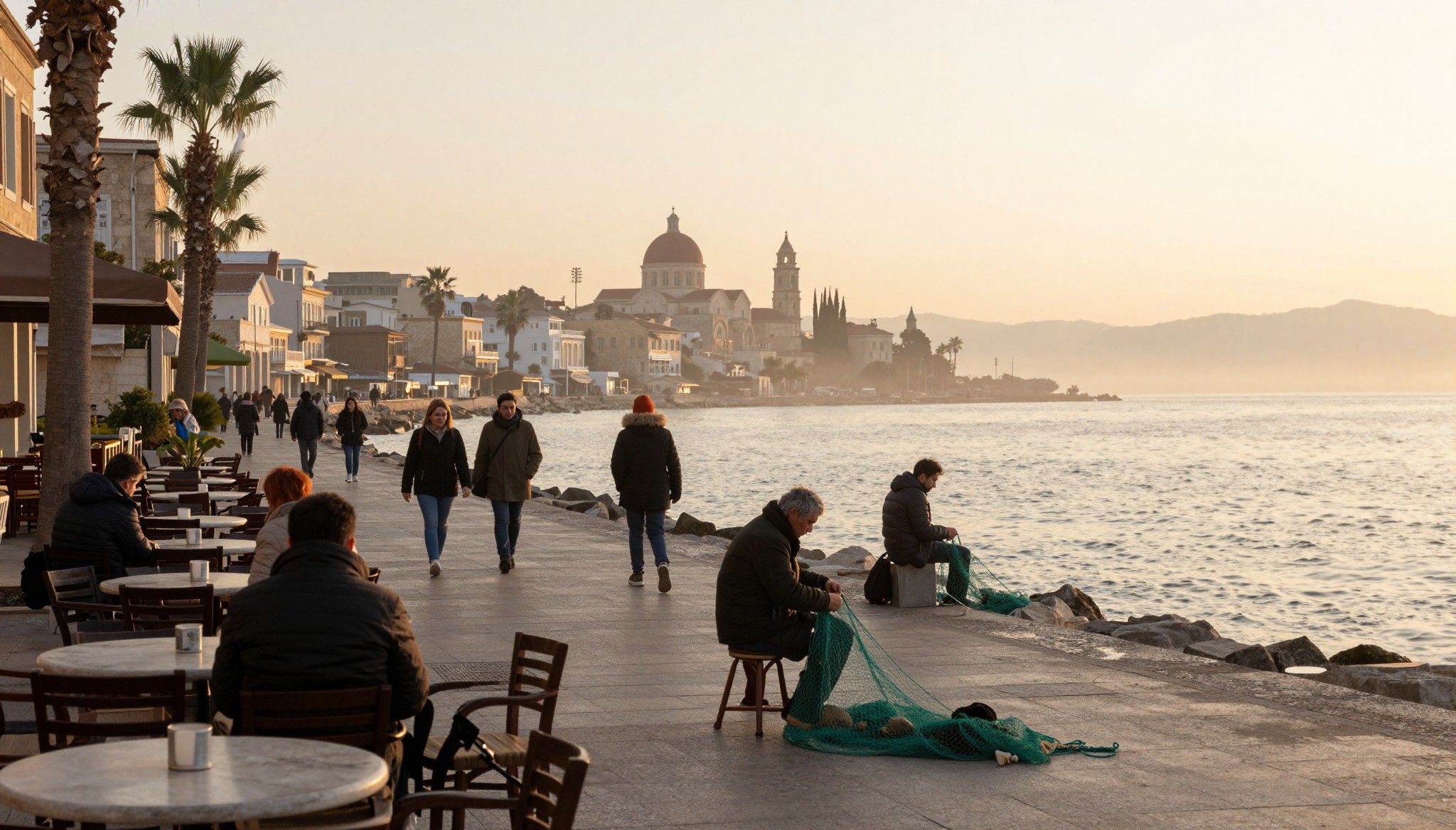
Imagine arriving at rue Cler at dawn, the scent of warm baguettes rising from a boulangerie, and knowing the house you just agreed to buy will be both yours and protected. In France that confidence often begins with the notary — a public officer whose duties and the public land registers form the first line of protection for buyers. Yet not all safeguards are obvious to international buyers: title insurance is rare, construction guarantees behave differently than elsewhere, and ordinary home insurance carries peculiar local expectations. This piece blends the life you seek — markets, terraces and village fêtes — with the practical protections that let you live it with assurance.
Living the French life — why protection matters
Strolling through Le Marais or the lanes of Aix‑en‑Provence, you absorb a rhythm that prizes permanence — stone facades, cafés that keep their chairs out in rain and sun, neighbourhood legacies. That permanence invites stewardship: protecting a property in France is not only about replacing a roof or furniture but preserving provenance. Practical obligations intersect with lifestyle: a rented apartment requires tenant insurance; owners in a copropriété may be required to carry particular coverages. The French state’s guidance on household insurance clarifies those obligations and the scope of common guarantees.
Neighborhoods where protection feels different
A stone cottage in the Lot, a pied‑à‑terre in Saint‑Germain, and a renovated hôtel particulier in Lyon all require the same attentiveness, but different protections. Rural properties often need flood and subsidence checks; seaside villas require attention to coastal servitudes and insurance for salt‑air degradation; historic centre flats demand careful copropriété documentation. Local quirks — a mairie‑mandated evacuation plan in coastal communes, or a syndic’s collective insurance schedule in Parisian immeubles — translate into different practical steps before you sign.
Food, markets and the lived details that shape risk
Picture Saturday at Marché Forville in Cannes: produce piled in barrels, neighbours bargaining, children trailing. That same intimacy exposes properties to everyday risks — water ingress from overflowing gutters, theft of bikes left in courtyards, accidental damage from communal fêtes. Insurance choices should reflect how you will live: if you plan a kitchen that stages culinary evenings, include host‑liability and cover for fine contents; if you intend to let the property seasonally, ensure policies permit short‑term rentals.
- Lifestyle highlights that change your insurance checklist
- Weekly market life: Marché Bastille (Paris), Marché Forville (Cannes), and local halles that shape storage and appliance needs
- Copropriété living: shared staircases, boiler rooms and jardin commun — verify syndic policies before purchase
- Seasonal absences: long summer stays require vacancy clauses or owner‑non‑occupant (PNO) insurance
Making the move: protections that matter in France
The French conveyancing model places the notary at the centre of title security. Notaries verify the public land register (service de la publicité foncière), check for mortgages and charges, and certify transfers in an acte authentique. The result is not an absolute insurance policy but a procedural safeguard backed by notarial professional indemnity and public registers. Understanding what the notary does — and the limits of that protection — is essential for an international buyer.
Why title insurance is not the French default
Unlike the United States, France relies on notarial process and public registers rather than owner’s title insurance. International buyers sometimes assume 'title insurance for peace of mind' is routine; in France it is uncommon. Where title insurance exists it tends to be used in specialised commercial or share transactions. For most residential purchases, the notary’s searches, certifications and the publication system are the principal protections.
Common insurance products to secure a French purchase
- 1. Assurance habitation (household insurance) — mandatory for tenants; for owners it is essential for contents, liability and specific perils. 2. Assurance dommages‑ouvrage — required for certain major works and new builds; it accelerates repair funding for structural defects. 3. Propriétaire non‑occupant (PNO) — protects owners when a property is vacant or let. 4. Professional indemnity and notary cover — a structural safeguard arising from the notarial system rather than a private title policy.
Insider knowledge: pitfalls expats underestimate
Expats tell the same stories: a commune’s flood map that wasn’t checked, a syndic’s poor insurance renewal that left a historic roof undercovered, or a renovation started without a décennale policy. These are avoidable oversights. Practical diligence — reading the état daté for copropriétés, asking the notary for recent états‑réponse from the publicité foncière, and insisting on assurances that match planned uses — turns romantic intent into secure ownership.
Language, local practice and how to ask the right questions
When your notaire provides the état‑réponse, ask for the date of the search and whether any pending inscriptions exist. Request copies of the copropriété’s insurance certificate and the procès‑verbaux des assemblées générales for the last three years. If you plan to rent, confirm with insurers whether short‑term letting is covered or excluded. Local advisers will translate legal phrasing into risk priorities — for instance, 'servitudes' that limit alterations, or 'péril' classifications that trigger municipal orders.
- Practical checklist before exchange of contracts
- Obtain the état‑réponse from the publicité foncière and confirm its currency
- Review syndic insurance and recent AGM minutes for communal risks
- If renovating, require proof of décennale coverage from contractors and consider assurance dommages‑ouvrage
- How to layer protection as an international buyer
- 1. Begin with the notary’s searches and insist on explicit confirmation of encumbrances. 2. Add PNO insurance if the property will be empty for long periods. 3. For renovations, require décennale and consider an assurance dommages‑ouvrage before works begin. 4. Ask your insurer for host‑liability and high‑value contents coverage if you plan to entertain or keep artworks. 5. For commercial or complex title histories, discuss bespoke title warranties with a specialist insurer or legal adviser.
If you are an international buyer who has grown accustomed to title insurance in other jurisdictions, accept that in France the notary and the publicity foncière are the foundational protections. That said, sensible layering of household cover, PNO, travaux guarantees and careful contractual warranties — and an adviser who understands both the lifestyle you desire and the legal texture of French property — will let you enjoy the markets, cafés and coastlines with confidence.
Begin with conversation: ask your notary what they checked, read the état‑réponse, and request copies of insurance certificates for the property. Then align your policy choices with how you will live: a renovation‑heavy plan needs different cover than a quiet village retreat. When in doubt, a local broker who specialises in expat needs will translate French policy language and help you secure appropriate cover.
Conclusion: the French system privileges a procedural certainty rooted in notarial practice and public registers. For an international buyer, that is both reassuring and demanding — reassuring because established institutions stand between you and hidden claims; demanding because you must be precise in the protections you add. In France, stewardship begins before purchase. Ask the right questions, secure the right insurances for how you intend to live, and let a local expert translate the civic magic of place into legal calm.